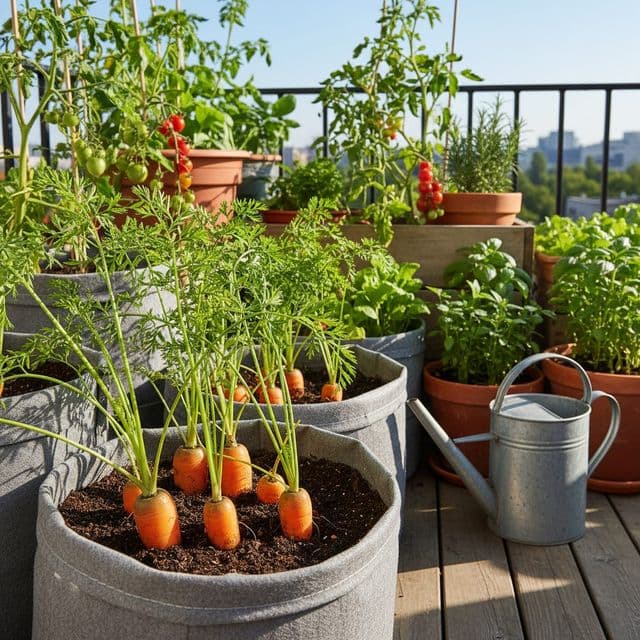
Grow Straight Carrots in Containers: Soil Mix for Zone 6
Master container carrot soil for straight, healthy roots in USDA Zone 6. Learn ideal soil mix ratios, watering, and thinning tips to prevent forking and stunted growth.
Tag
172 articles in this tag on agripure. — page 4 of 8
Master container carrot soil for straight, healthy roots in USDA Zone 6. Learn ideal soil mix ratios, watering, and thinning tips to prevent forking and stunted growth.
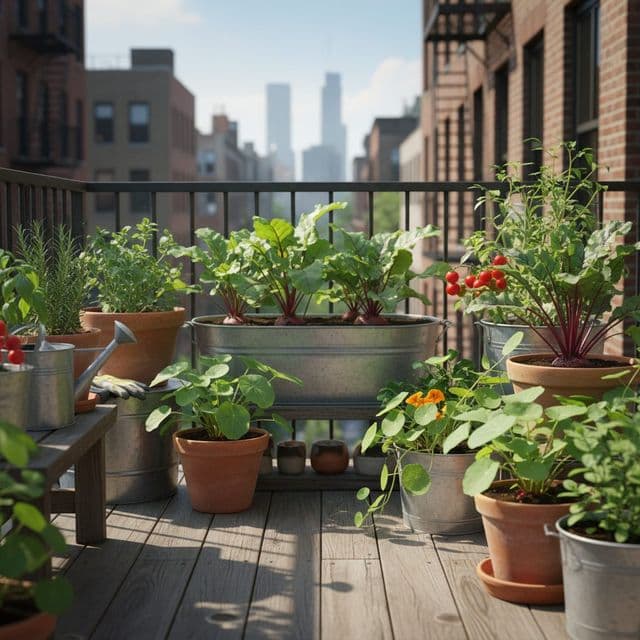
Grow container radishes and beets on your balcony. Learn how these fast-maturing root crops thrive in small spaces, offering quick harvests for impatient gardeners in USDA Zone 7.
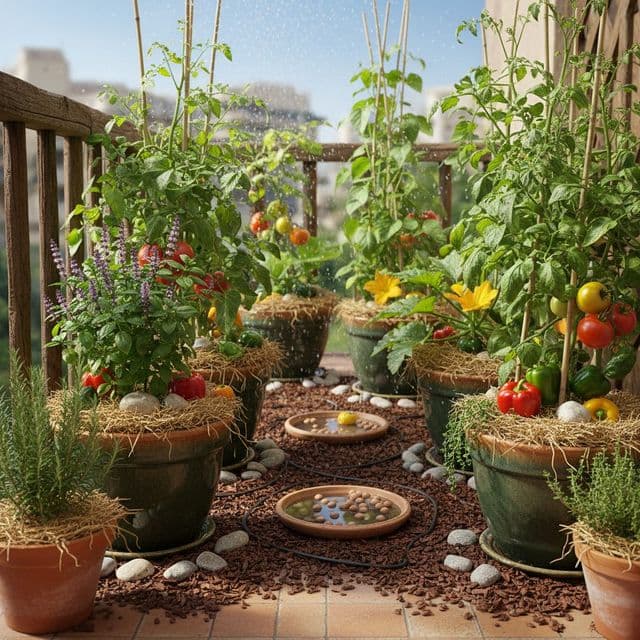
How double-potting and surface mulching reduce container root temperatures in USDA Zones 8-10, protecting plants from heat stress and stabilizing soil moisture.
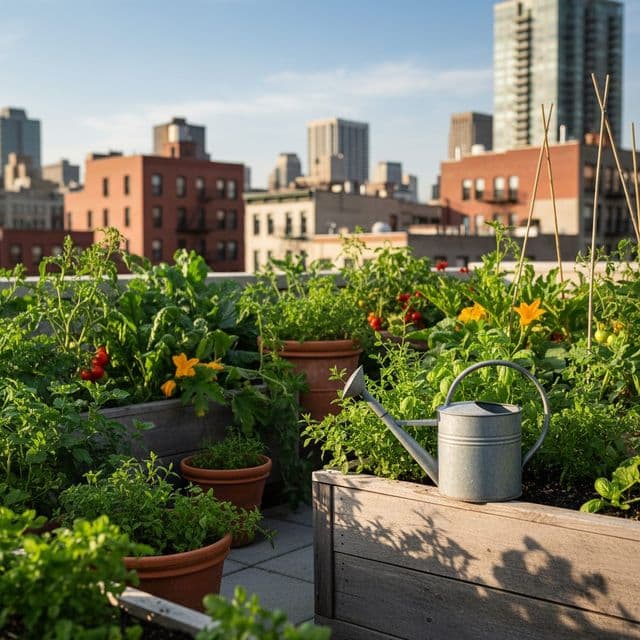
Learn to craft custom potting mixes for your container garden. Save money, improve plant health, and tailor drainage/nutrients for thriving plants in USDA Zone 7 and beyond.
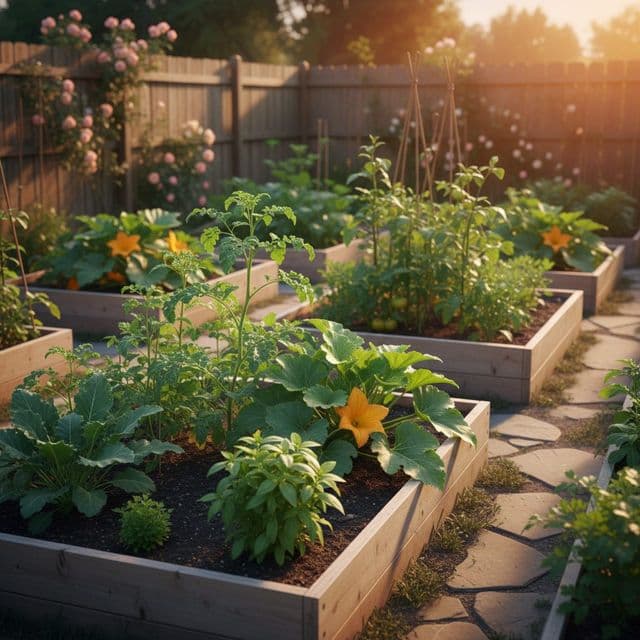
Maximize your small urban space. Learn to grow 10 easy vegetables in containers on your balcony, potentially yielding 50+ lbs of fresh produce. Master successful balcony container gardening.
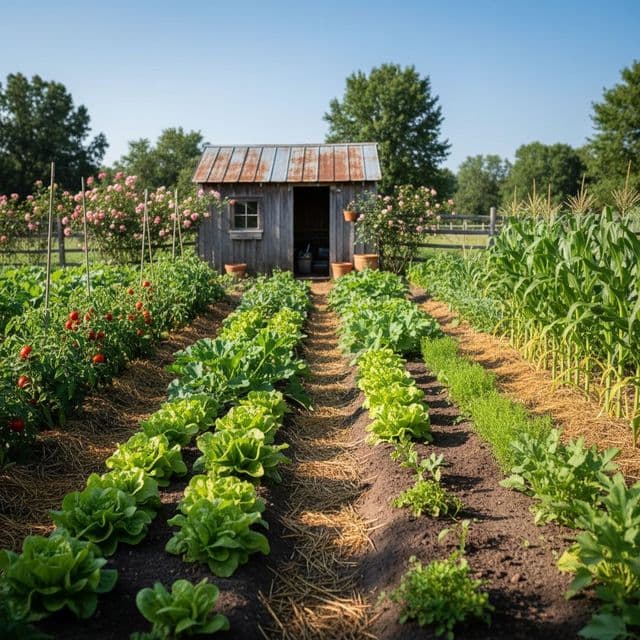
Understand open-pollinated vs hybrid seeds for resilience in USDA Zone 6. Learn how seed choice impacts crop rotation, succession planting, and long-term garden productivity.
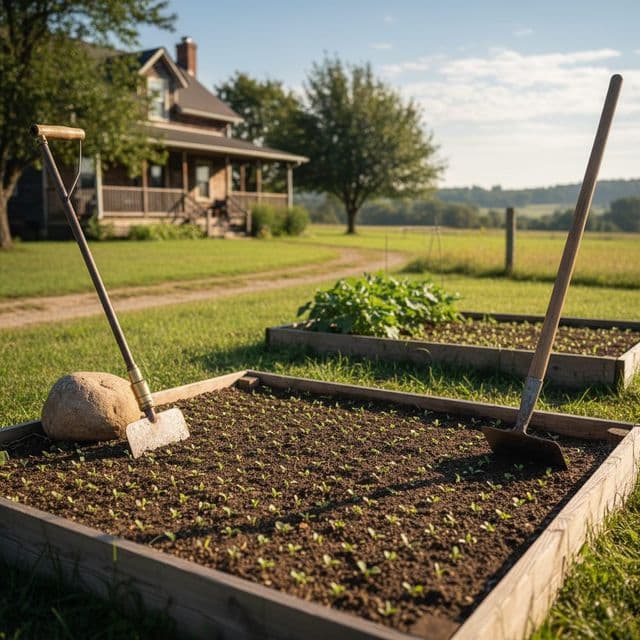
Master stale seedbed weed control in USDA Zone 6. Compare flame weeding vs. shallow hoeing for effective, chemical-free weed management, reducing weed pressure by up to 90%.
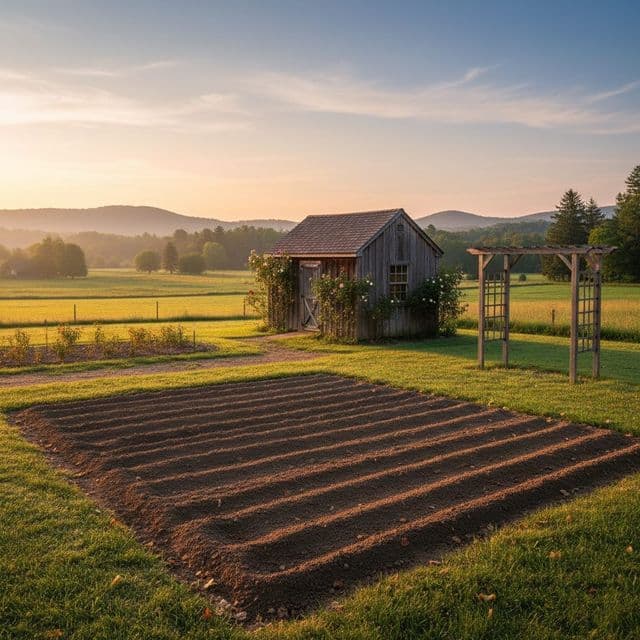
How stale seedbed preparation reduces early-season weed pressure by 40-60% for direct-sown crops, improving yields and saving labor while building soil health.
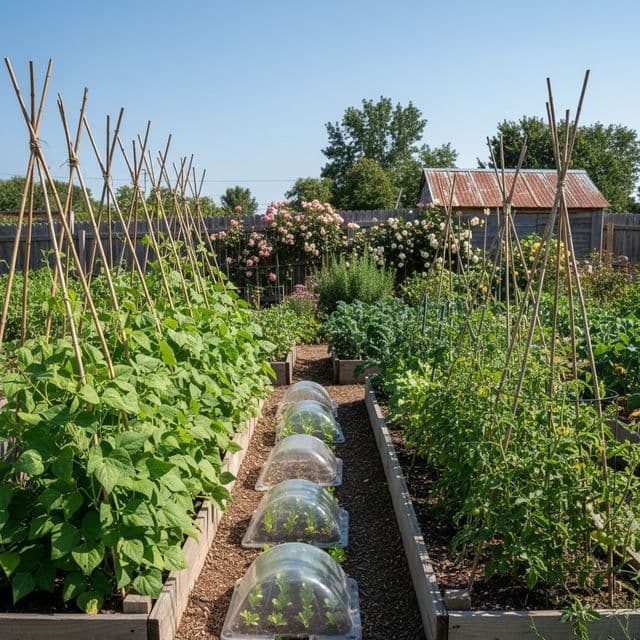
Extend your harvest in USDA zones 7-10 with bolt-resistant crops. Learn succession planting, crop rotation, and cultural practices to prevent bolting and enjoy fresh greens longer.
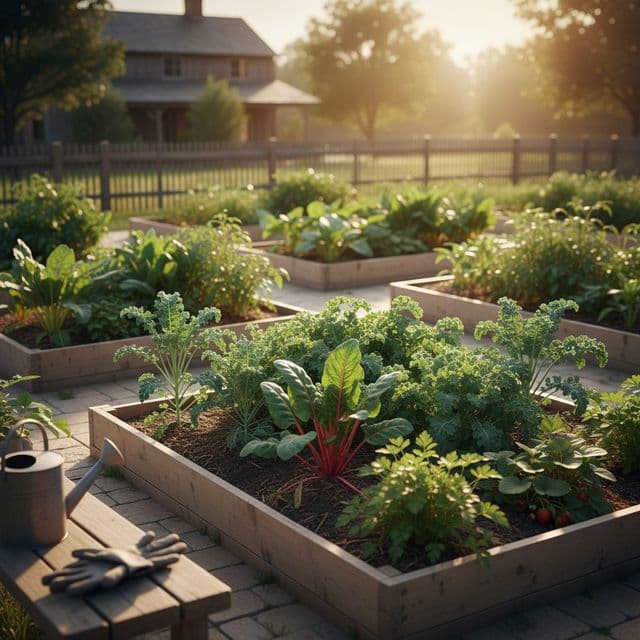
Learn how to prevent bolting in lettuce, spinach, and other cool-season crops. Understand triggers like heat and day length, and apply strategies to maximize your garden’s harvest.
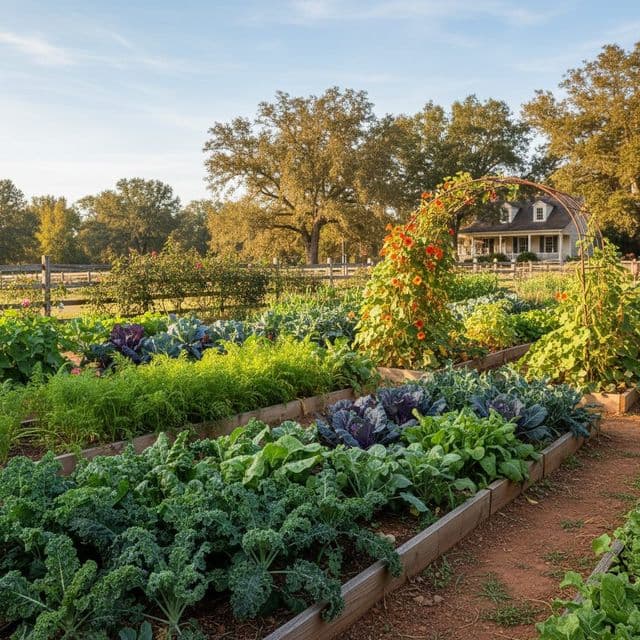
Plan a second growing season in the Deep South and Gulf Coast with crop rotation, succession planting, and a planting calendar for USDA Zones 8-10 fall gardening.
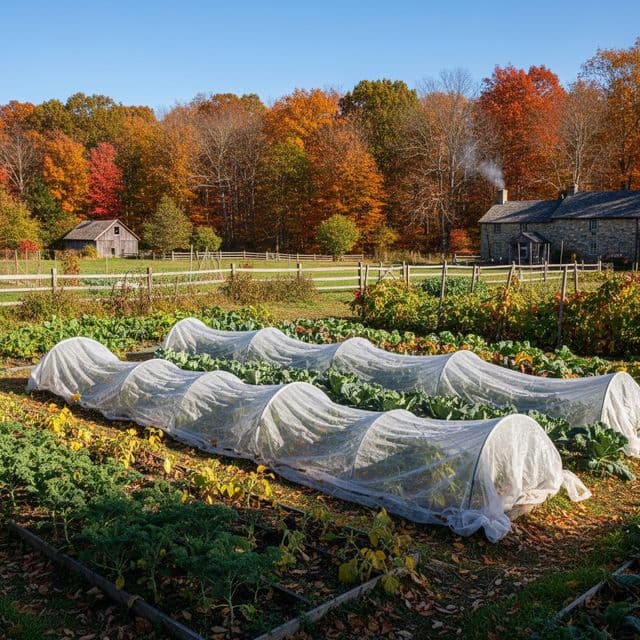
Learn how to extend your fall harvest by 45 days in USDA zone 6 using row covers, low tunnels, and cold frames. Maximize yields with strategic crop rotation and succession planting.
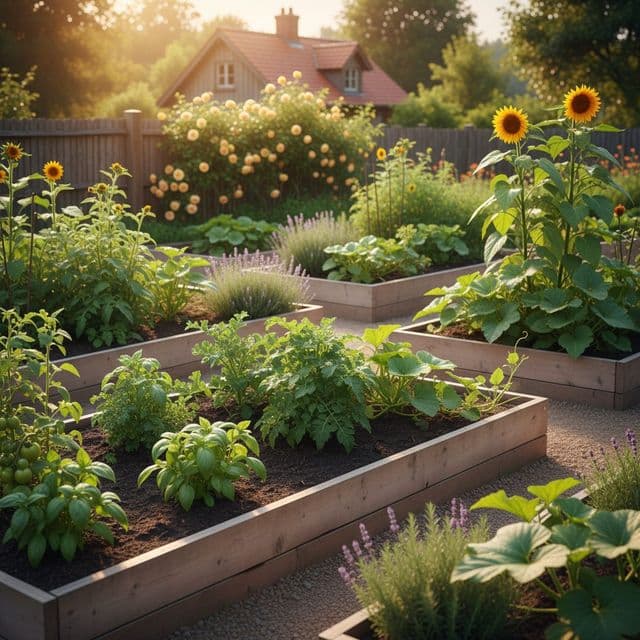
Learn to overwinter crops like garlic, spinach, kale, and mache. Extend your harvest by weeks, improve soil health, and keep garden beds productive in USDA zones 4-8.
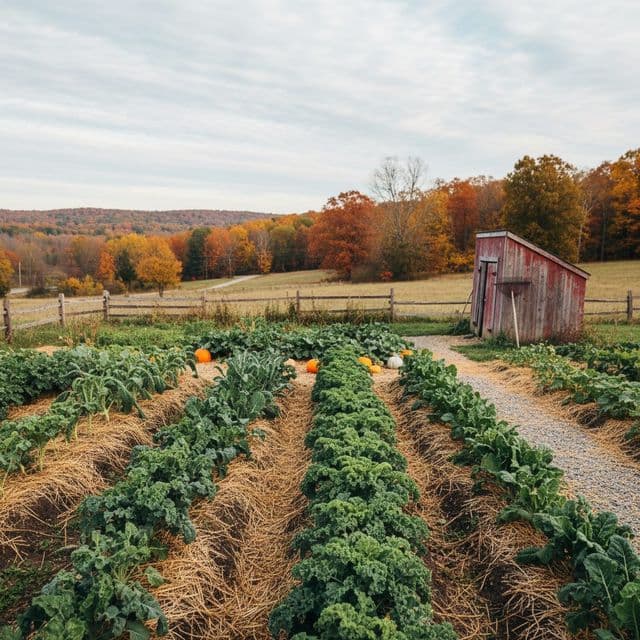
Master fall planting by calculating dates backward from your first frost. Learn to select cold-hardy crops, improve soil health, and extend your harvest in USDA Zone 6 and beyond.
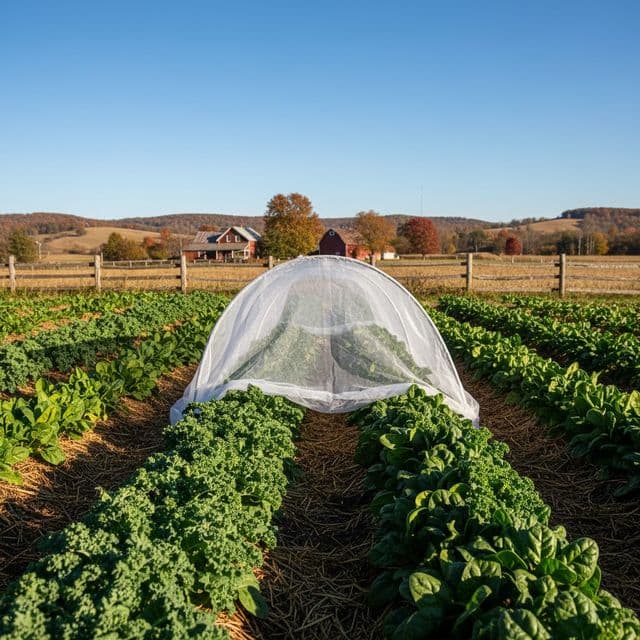
Discover 20 cold-hardy vegetables to extend your harvest into fall and winter. Learn succession planting, crop rotation, and season extension for USDA Zones 3-8.
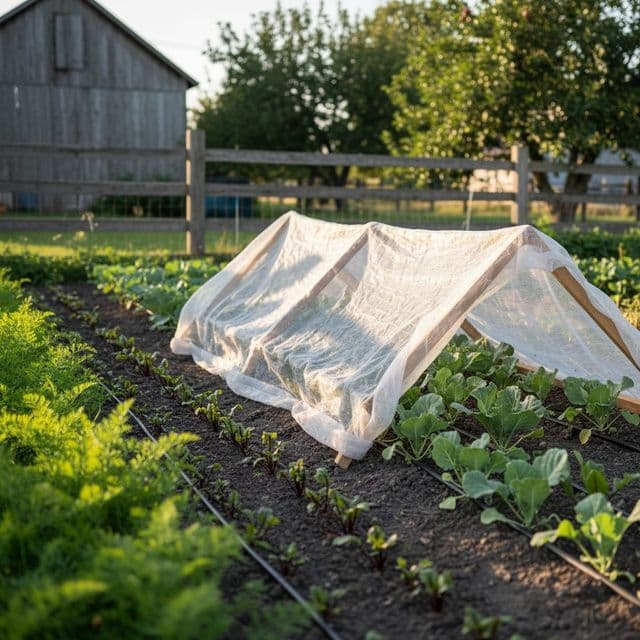
Extend your harvest with midsummer sowing. Learn to plant fall brassicas, carrots, and beets in USDA zones 4-9 for a bountiful autumn and winter yield. Get expert tips.
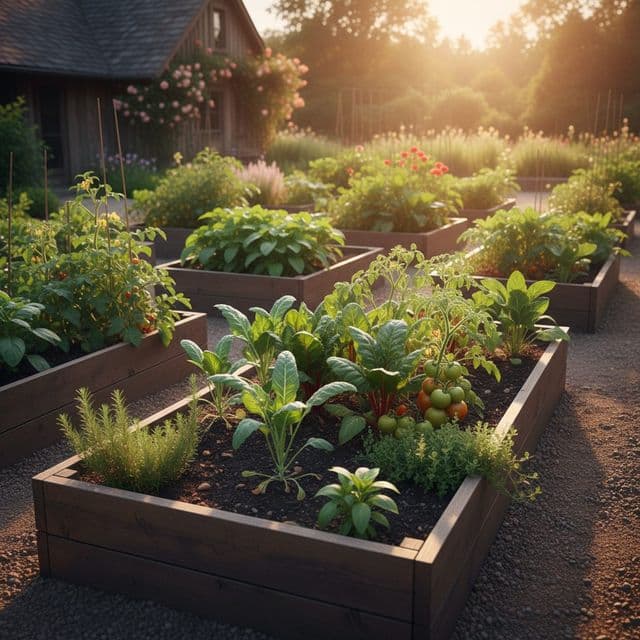
Learn how common crop rotation mistakes spread tomato and squash diseases, reducing yields. Discover effective strategies to break disease cycles and boost your garden’s productivity.
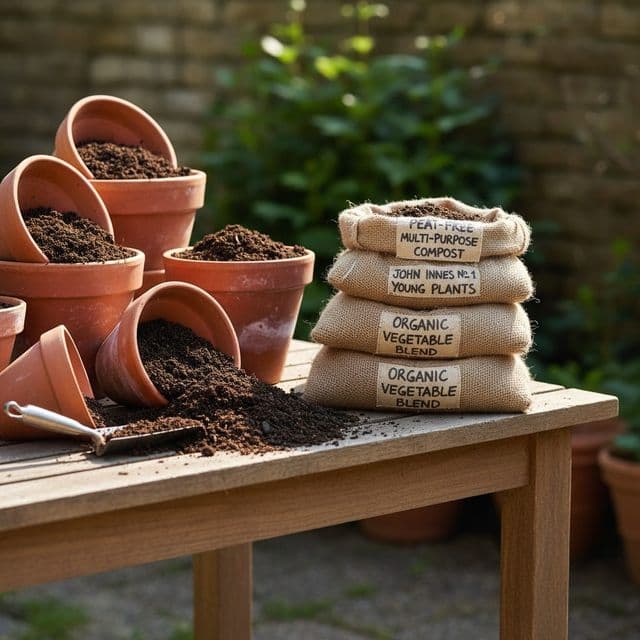
A guide to four-group crop rotation for USDA Zone 6 gardens, explaining how legumes, brassicas, alliums, and nightshades manage soil nutrients and reduce pests.
How to air layer fruit trees including figs, apples, citrus, and persimmons, covering branch preparation, rooting media, timing, and potting.
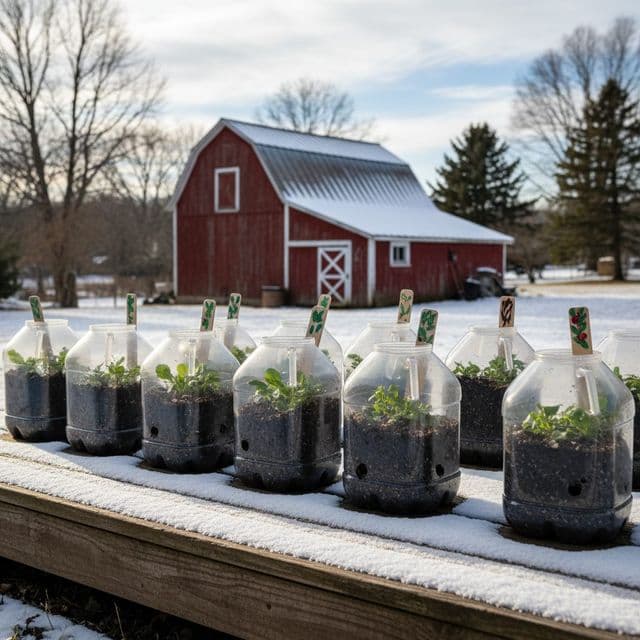
Learn how winter sowing extends your growing season by up to 30 days, reduces costs by eliminating grow lights, and produces stronger, naturally hardened-off plants for your garden.
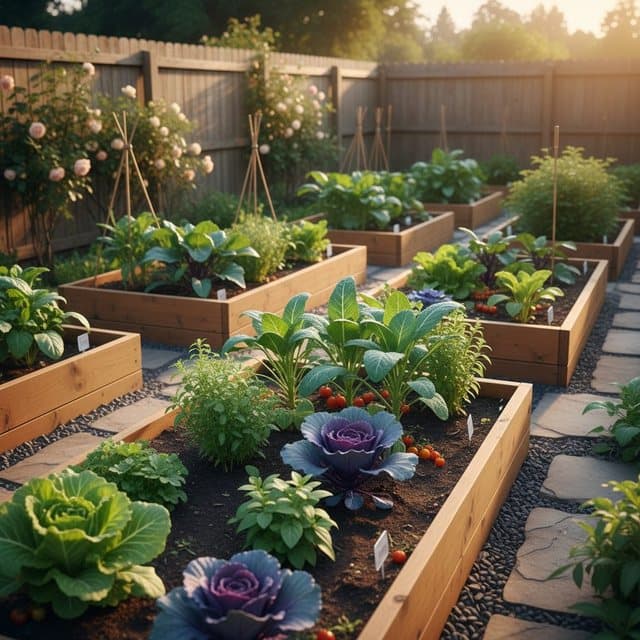
Compare coco coir, peat moss, and compost as growing mediums. Learn their pH, water retention, and sustainability to choose the best base for your garden, especially in USDA Zone 6.
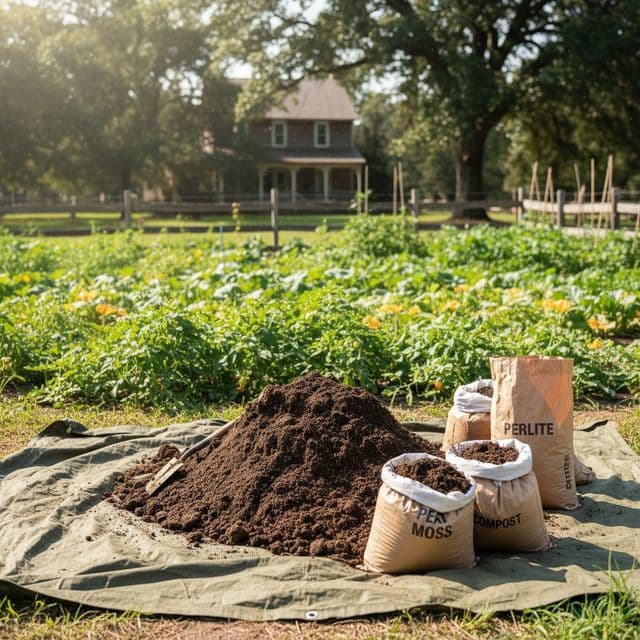
How to mix custom seed-starting and potting mixes with peat or coco coir, perlite, and compost for controlled drainage and seedling nutrition.
Compare DIY natural rooting hormones with commercial options. Learn how to boost plant propagation success rates for various species in your garden or nursery.
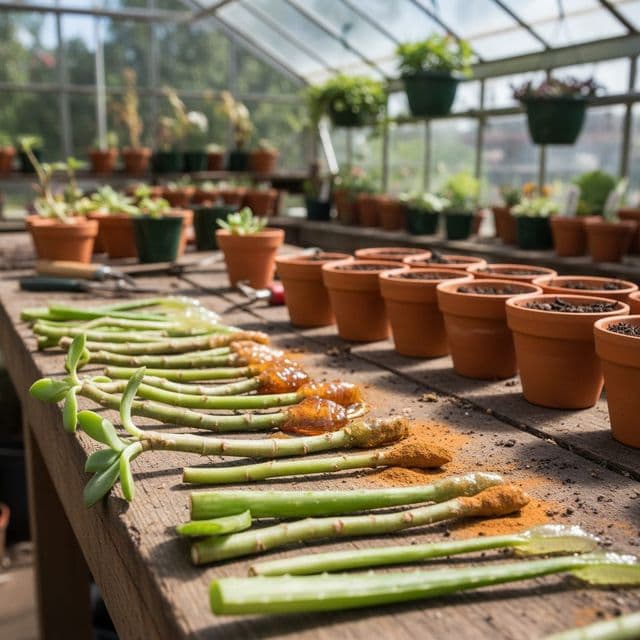
Scientific evidence behind honey, aloe vera, and cinnamon as DIY rooting aids for plant propagation, and how these natural alternatives perform for US growers.