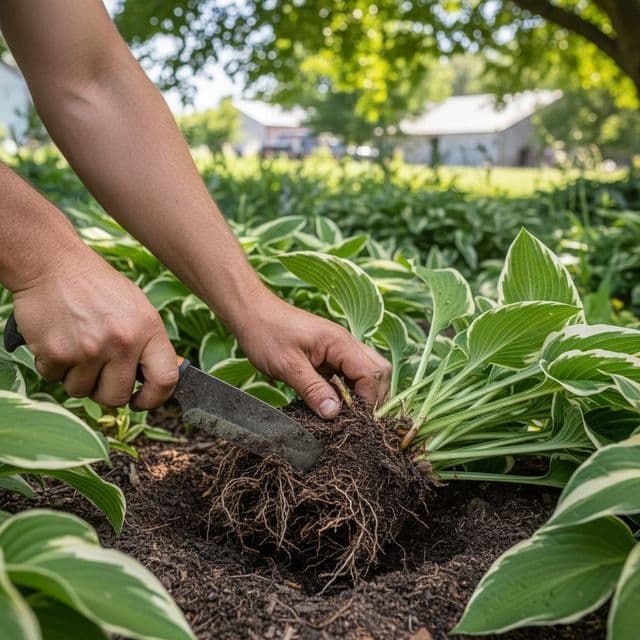
Divide perennials: boost garden stock & vigor in USDA Zone 6
Learn how to multiply your garden stock for free by dividing perennials. Boost vigor, blooms, and save money. Essential tips for USDA Zone 6 gardeners on timing and techniques.
Tag
66 articles in this tag on agripure. — page 3 of 3
Learn how to multiply your garden stock for free by dividing perennials. Boost vigor, blooms, and save money. Essential tips for USDA Zone 6 gardeners on timing and techniques.
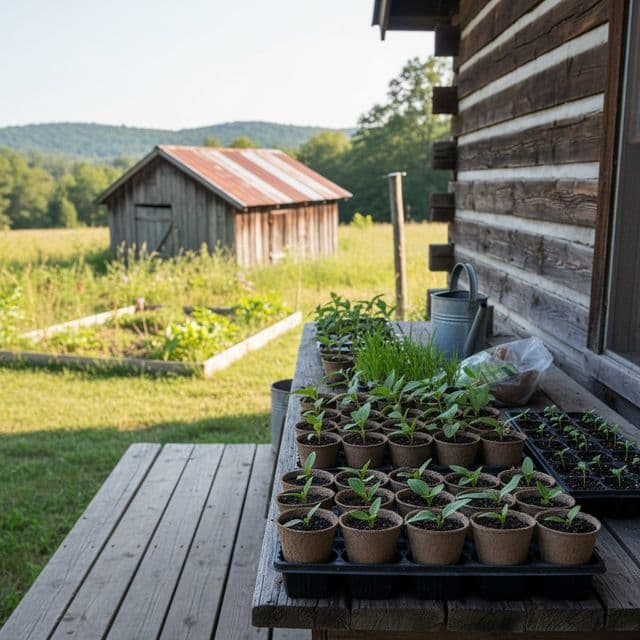
How to break seed dormancy using stratification and scarification for native US plants and fruit seeds to improve germination in USDA Zone 6 and beyond.
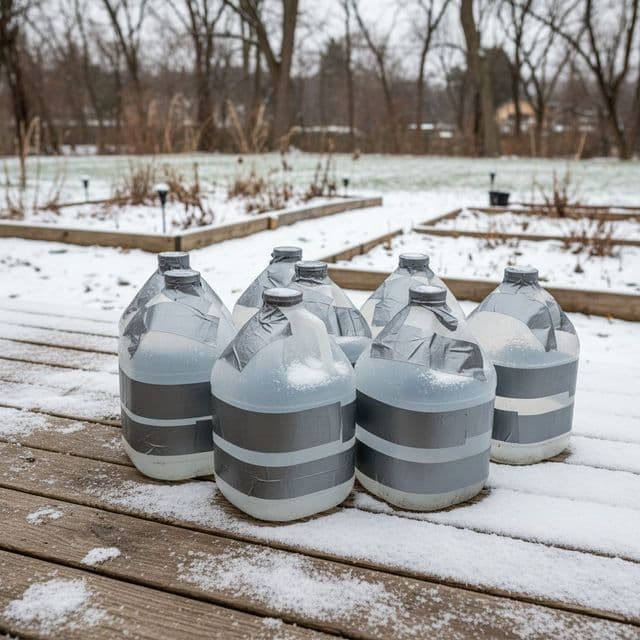
Master winter sowing to start seeds up to 8 weeks earlier in USDA Zone 6. Create mini-greenhouses from milk jugs for hardy seedlings, saving money on grow lights.
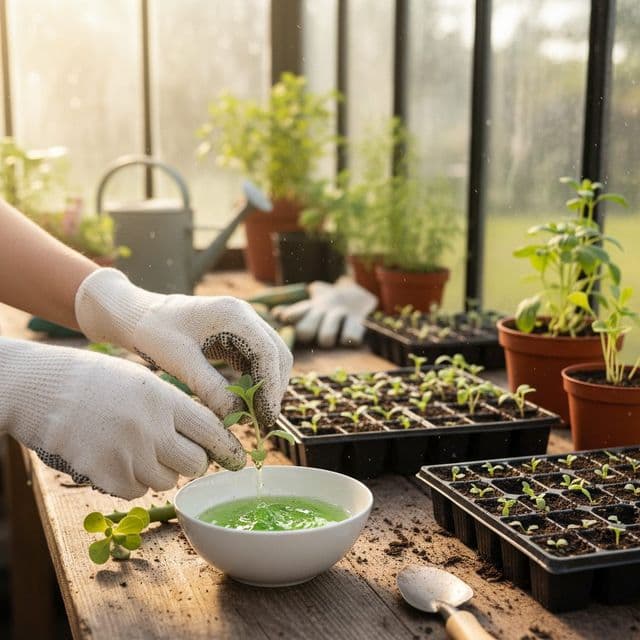
Natural rooting hormones like willow water, honey, and aloe vera can increase plant cutting success rates by 20-35%. Practical methods for effective propagation.
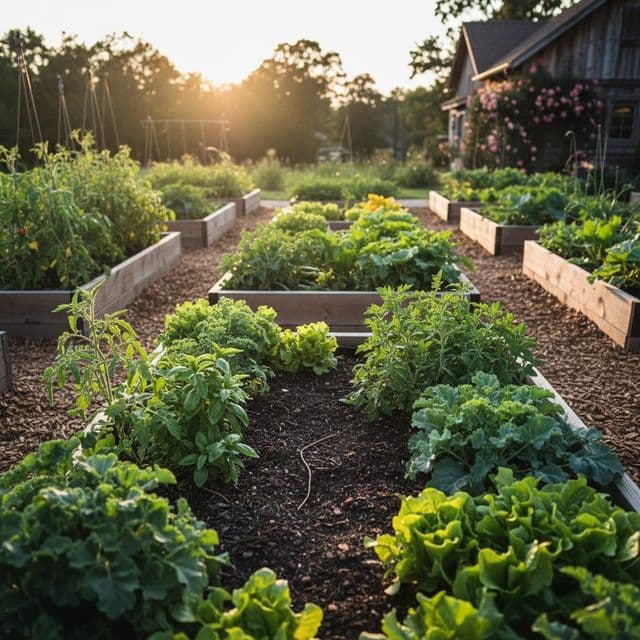
Learn how to propagate plants from cuttings using proper tools, rooting hormones, and environmental controls to achieve high success rates and save on nursery costs.
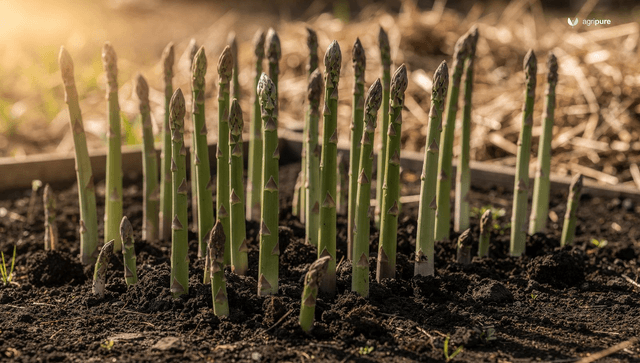
How to grow asparagus from crowns: bed prep, the patience-year harvest rules, variety picks, pests, and storage for a bed that produces for 20 years.
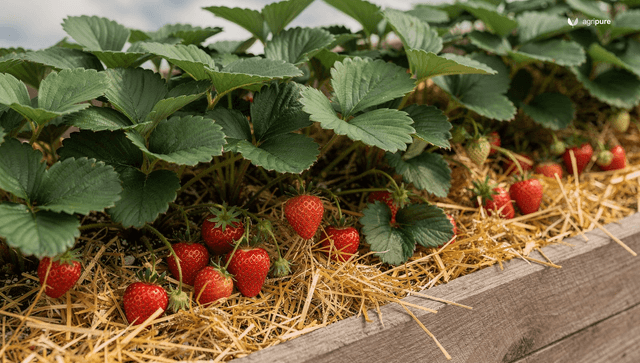
Grow strawberries in beds, containers, or vertical towers. June-bearing vs day-neutral, runner management, overwintering by zone, and harvest yields explained.
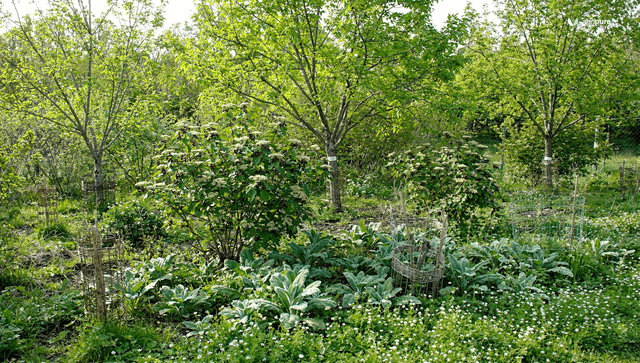
How to design a perennial chicken food forest in temperate North America – species, paddock rotation, toxic plants to avoid, and the honest feed-offset math.
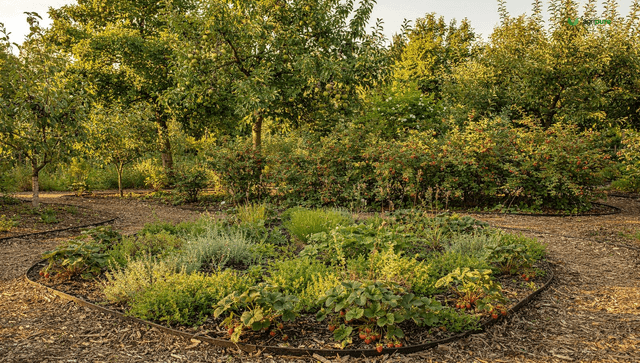
A food forest is a multi-layered edible ecosystem modeled on a young woodland. Here’s how the 7 layers work and how to start one in any climate.
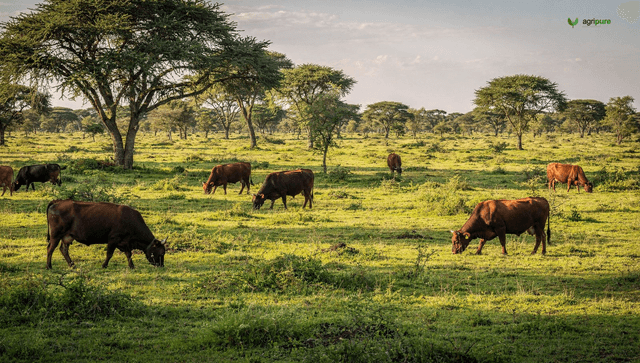
Silvopasture deliberately combines trees, forage, and grazing livestock on one acre. Here is how it works, what it yields, and how to establish it well.
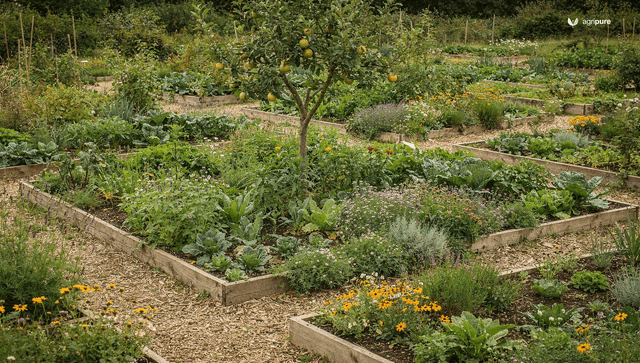
Permaculture gardening in practice: build soil with no-dig beds, plant in guilds, and place everything by zone. A hands-on guide for your first season.
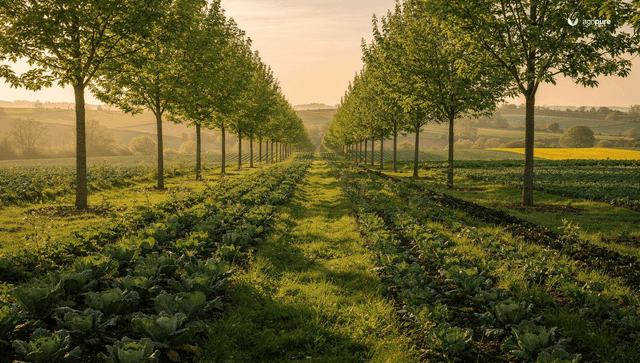
Agroforestry is the intentional integration of trees into farming. Here are its five practices, the benefits for carbon and income, and how to start small.
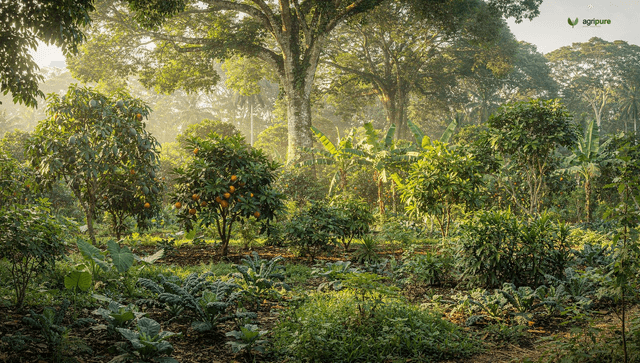
Syntropic farming, developed by Ernst Gotsch, farms with natural succession and stratification, using heavy pruning instead of fertilizer. Here is how it works.
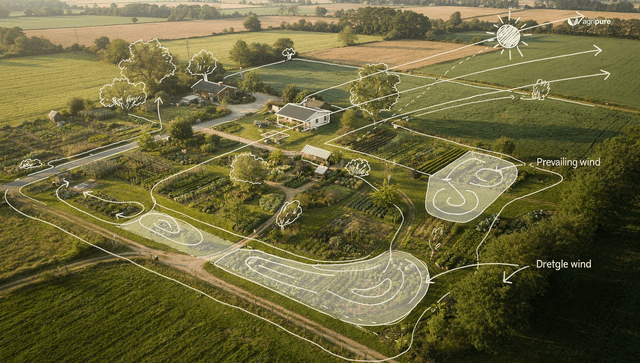
Permaculture design is a process: observe the land, map it, analyze the sectors, then place by zone. Here is how to design a whole property the right way.
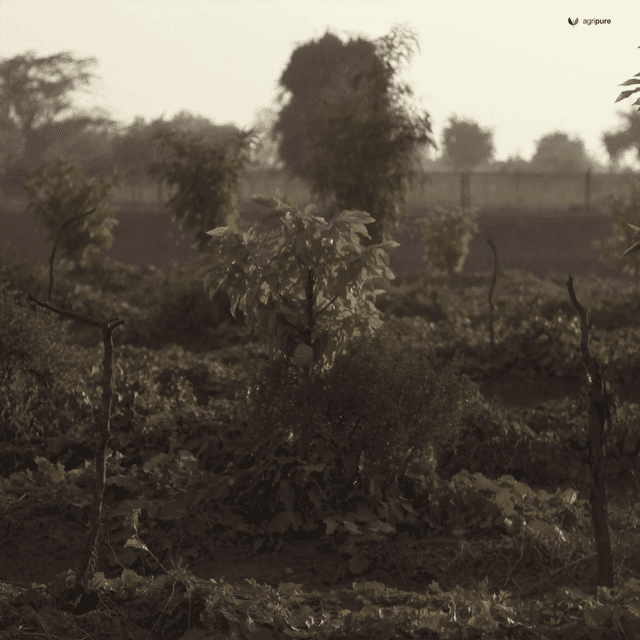
Most growers meet the custard apple as a fruit, not as a tool. In a syntropic planting, Annona squamosa (sharifa in the bazaar) earns its place for the second reason. It is a chaperone: a small, pa…
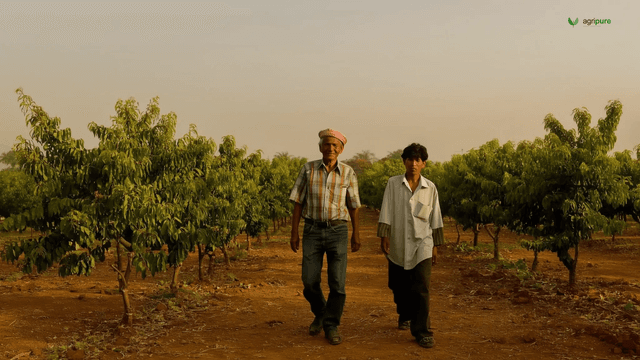
A syntropic planting is a thirty-year argument with time. The grower who designs it in year one will, if the system works as intended, not be the one harvesting its climax canopy at full maturity.…
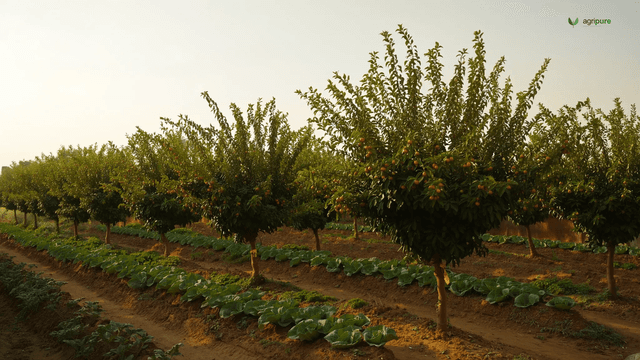
The secondary stage is where most syntropic plantings either compound or stall, and the understorey is the reason. By years two to five the pioneers have done their work, the climax trees are in bu…
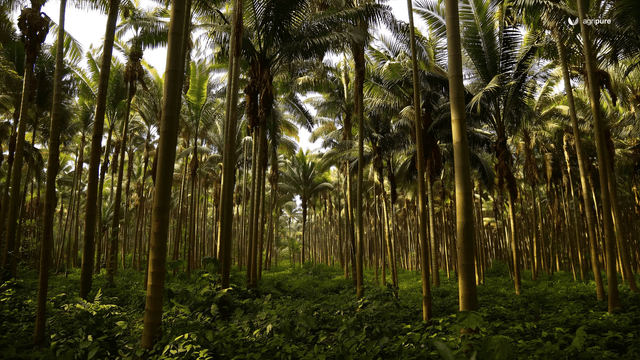
The seven-layer food forest is the most quoted idea in permaculture and the most misapplied on a small plot. Robert Hart’s original framework — seven vertical strata, from the tall canopy down to t…