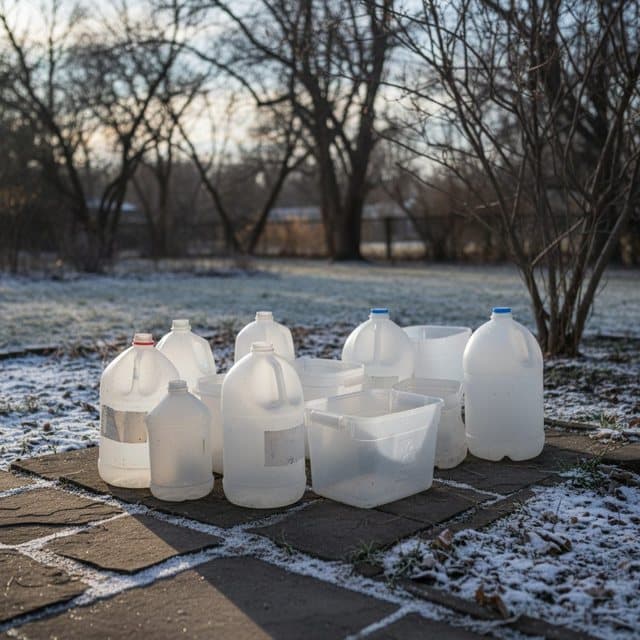
Winter sowing schedule: month-by-month for US USDA zones
Month-by-month winter sowing schedule across USDA zones, covering seed timing, container preparation, and seedling care without indoor grow lights.
Tag
110 articles in this tag on agripure. — page 4 of 5
Month-by-month winter sowing schedule across USDA zones, covering seed timing, container preparation, and seedling care without indoor grow lights.
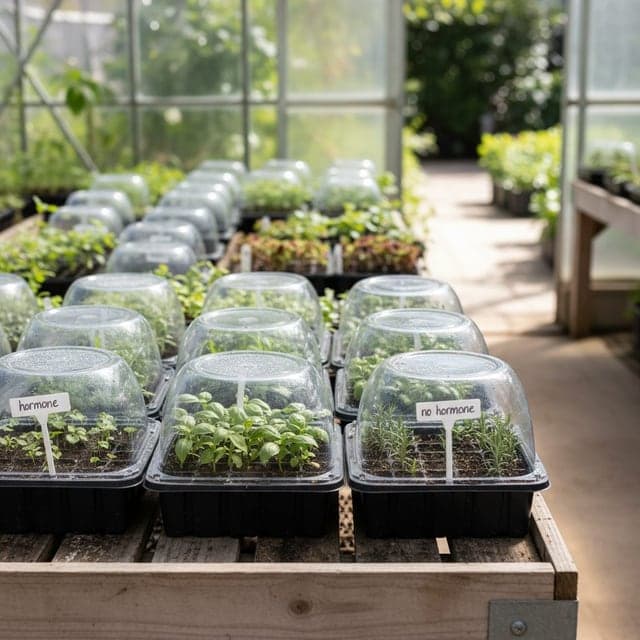
Match rooting hormone concentrations (0 to 8,000 ppm IBA and NAA) to softwood, semi-hardwood, and hardwood cuttings, compare talc powder vs. 5-second alcohol quick-dips vs. gels, stop cross-jar pat…
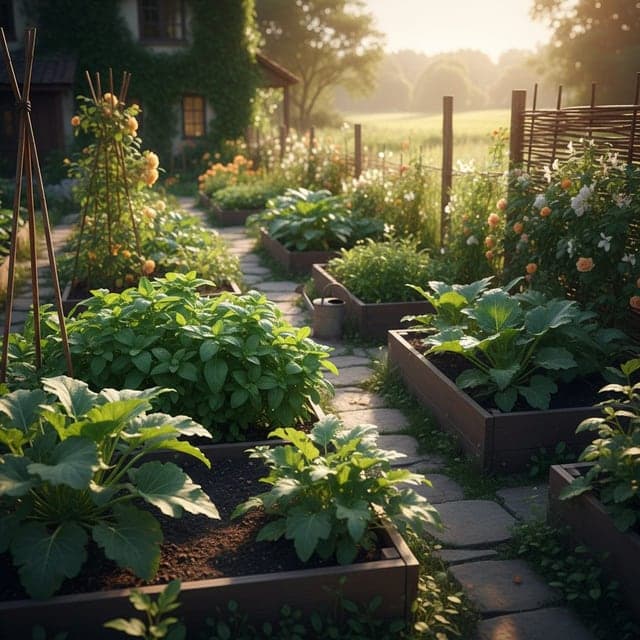
Compare DIY natural rooting hormones with commercial options. Learn how to boost plant propagation success rates for various species in your garden or nursery.
Learn how to effectively prune fig trees in US Zone 7 for a heavier breba and main crop. Discover timing, techniques, and structural tips to boost your fig harvest.
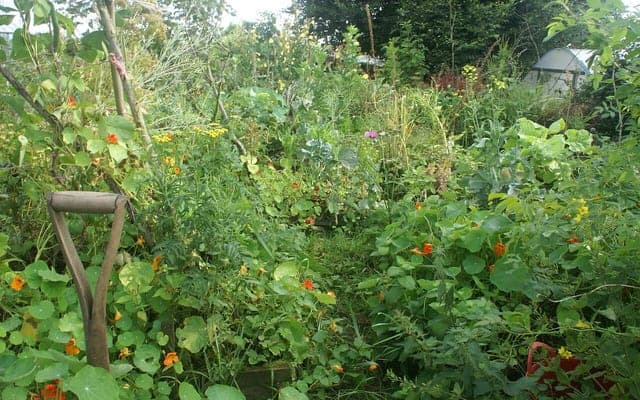
How permaculture zone analysis, contour swales, sheet mulching, and plant guilds build water retention and living soil on temperate North American homesteads.
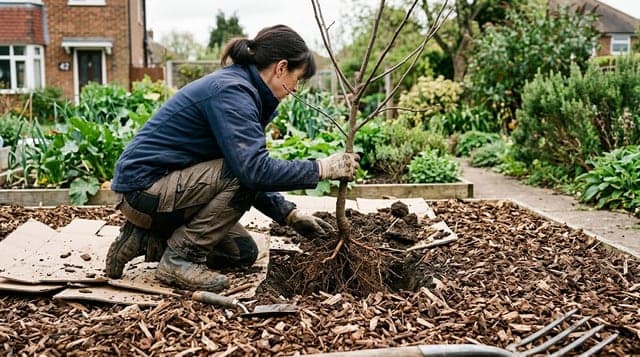
How to start a food forest from scratch, convert turf grass, design planting guilds, manage first-year growth, and budget setup costs.
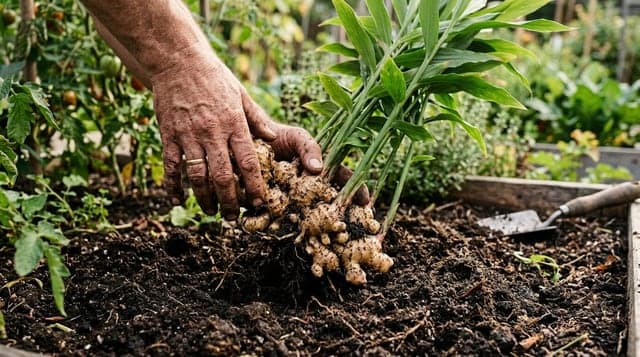
Learn how to grow ginger at home from store-bought rhizomes, covering soaking, container sizing, growth stages, hilling up, and harvesting fresh ginger root.
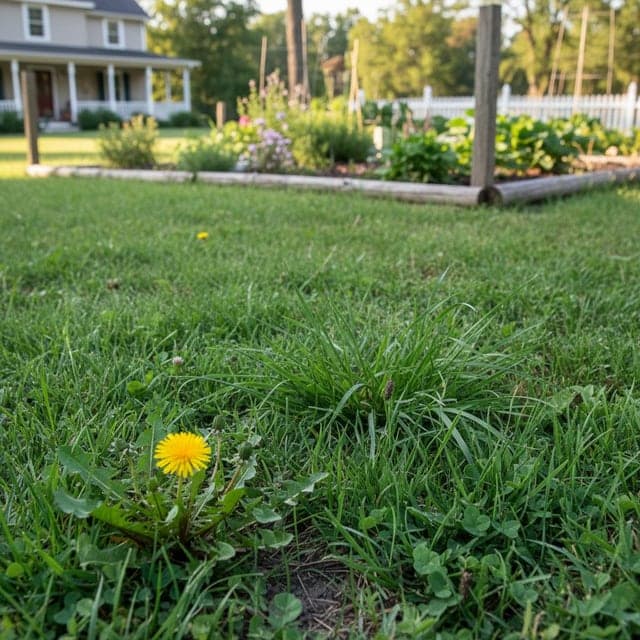
Organic Integrated Pest Management (IPM) strategies identify and control common US lawn and garden weeds like crabgrass, dandelion, bindweed, and purslane. Prevention and cultural methods can reduc…
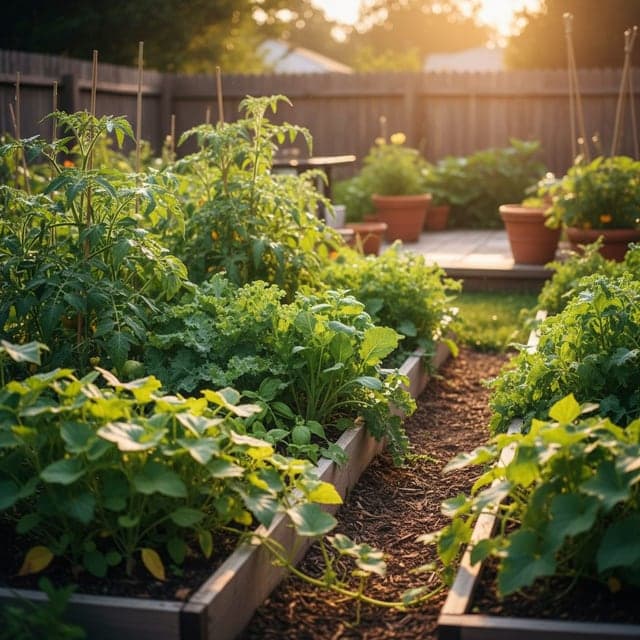
Attract praying mantids, ground beetles, and assassin bugs to your garden. Learn how these beneficial garden insects reduce pests by 30% or more with habitat creation.
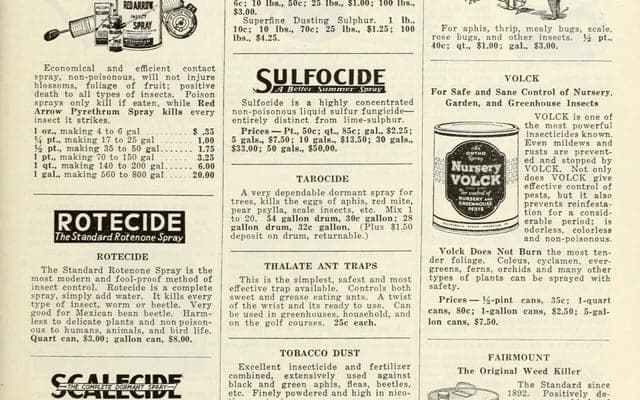
Learn how to attract beneficial insects to your USDA Zone 6 homestead using beetle banks & bug hotels. Reduce pest pressure by 30% & cut pesticide use by 50%.
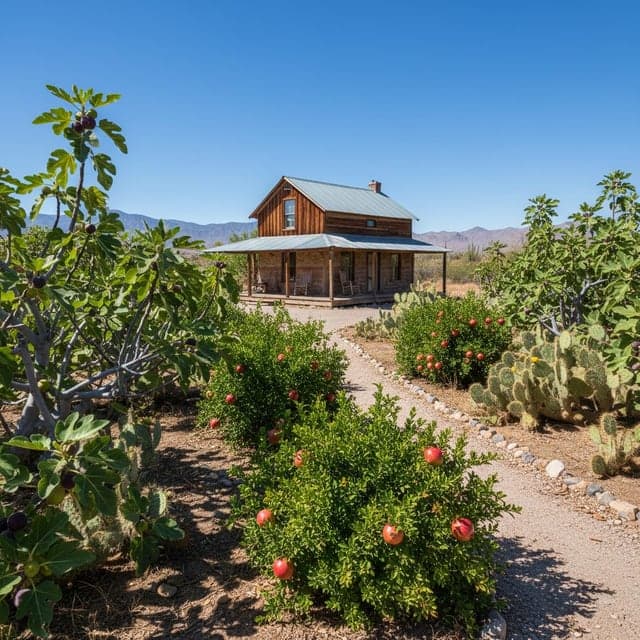
Drought-tolerant perennials like figs, pomegranates, and prickly pear reduce water use in USDA zones 7-10 for resilient gardens.
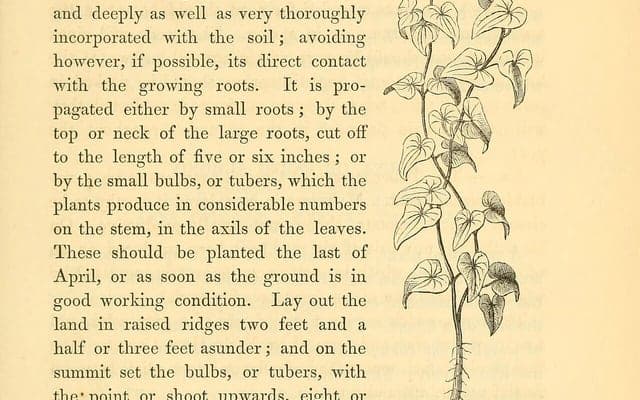
Discover resilient crops like root vegetables, melons, asparagus, and herbs that thrive in sandy US soil. Learn to improve drainage and boost yields in challenging conditions.
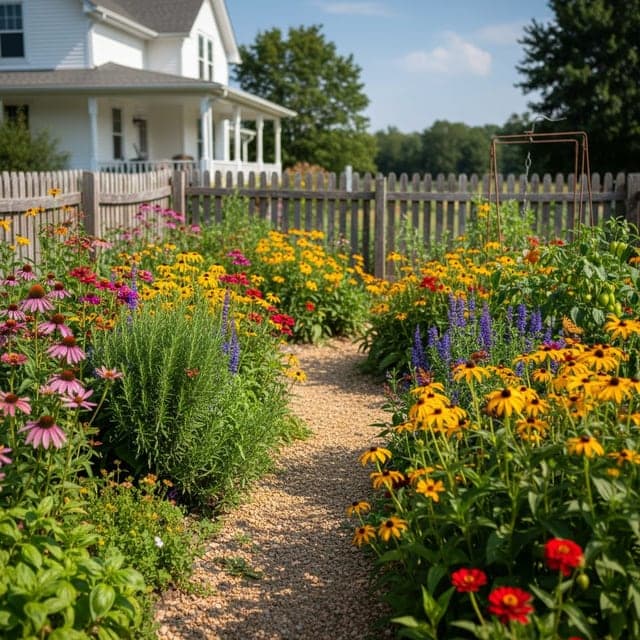
Heat-tolerant plants and soil management strategies for US gardens facing temperatures above 90°F in July, supporting pollinators through drought conditions.
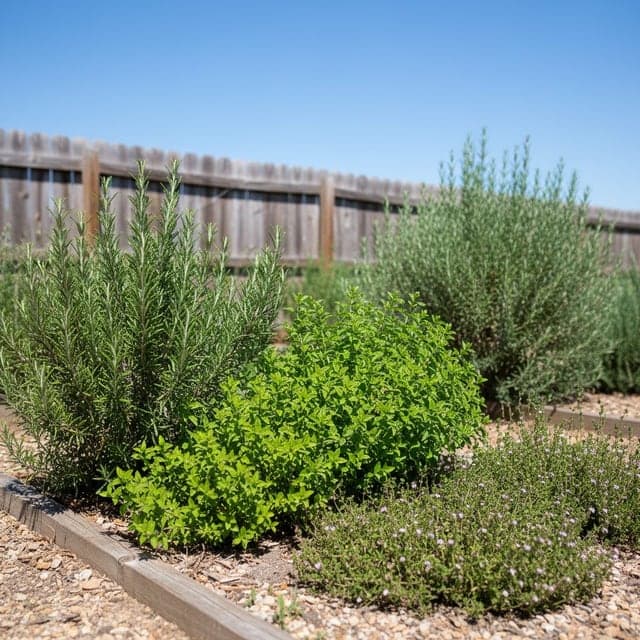
Grow heat- and drought-tolerant herbs like rosemary, oregano, thyme, lemongrass, and basil in full sun. Manage soil drainage, watering schedules, and variety selection across US gardens.
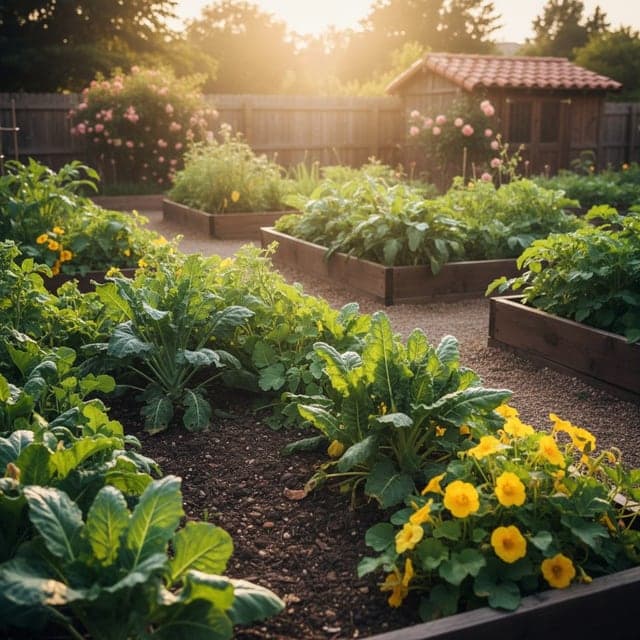
How native pond plants, combined with water harvesting, increase wildlife biodiversity by 25-50% in US ponds, with plant selection and water management tips across regions.
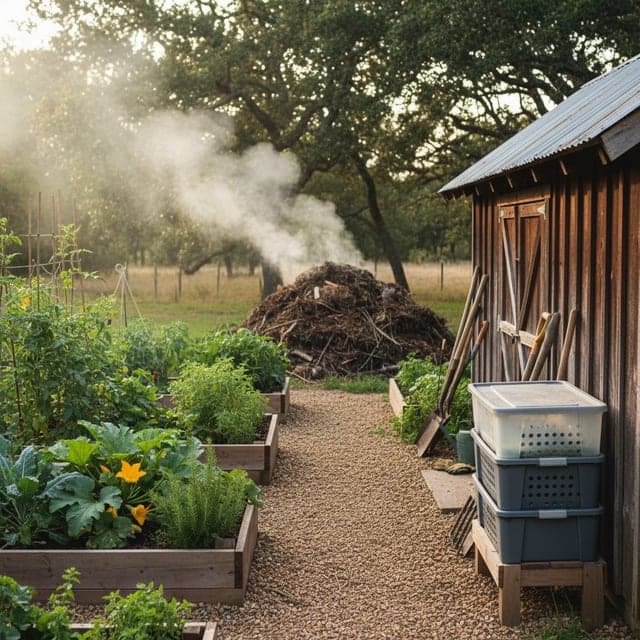
How vermicompost compares with traditional compost for soil organic matter, nutrient availability, and water retention in vineyards and garden beds.
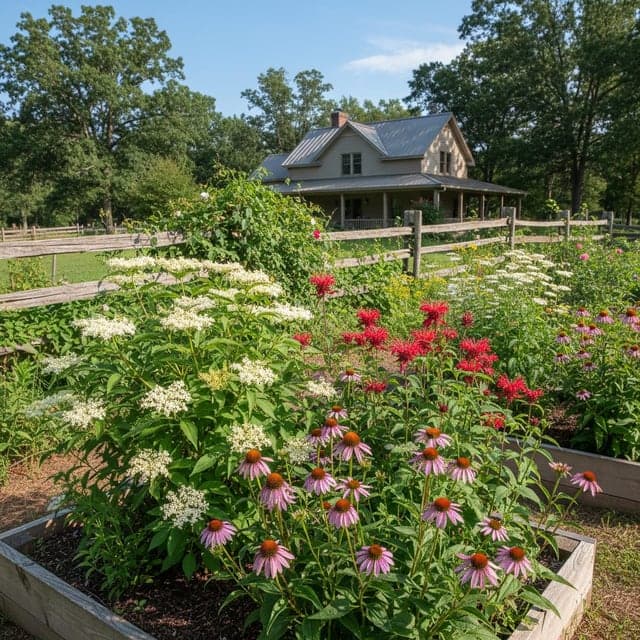
US-native medicinal plants like Echinacea and Elderberry support local biodiversity and provide herbal remedies for a home apothecary. These species are resilient and straightforward to cultivate.
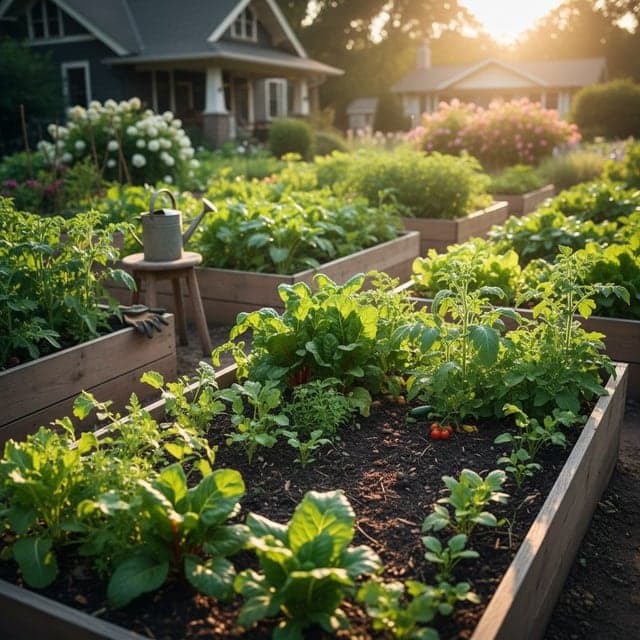
Survive Northern US winters in USDA Zones 3–6 with container root-lethality math (15–25°F vs. -20°F shoots), 4 overwintering tracks, terracotta freeze-spall protection, ≥40°F thaw watering, 1/4-inc…
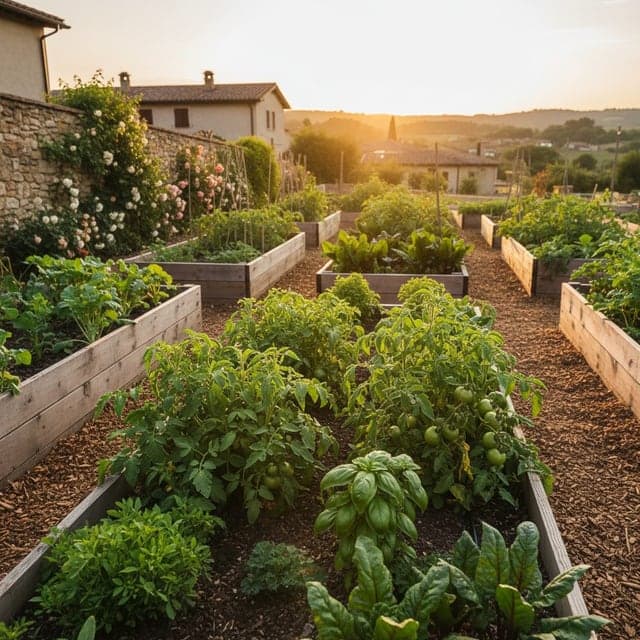
Maximize your harvest in small spaces! Learn to grow vining crops like cucumbers & grapes in containers & vertically. Get tips for high yields, disease resistance & optimal growth.
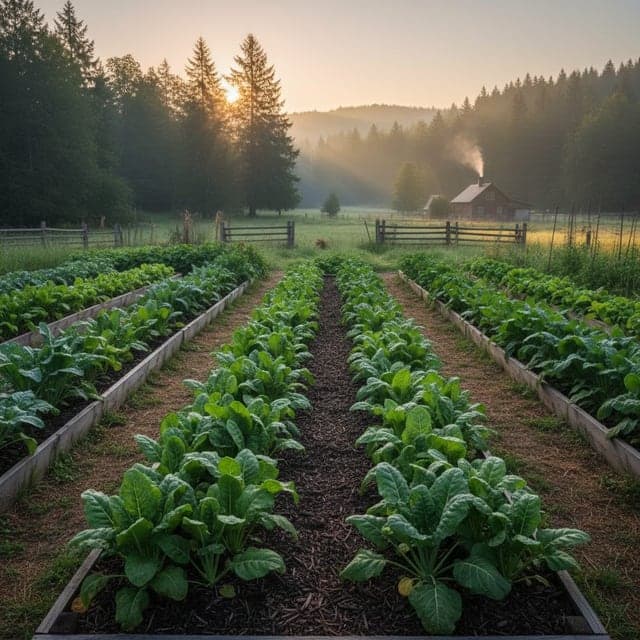
Stop premature flowering in leafy greens and herbs. Learn strategic planting, variety selection, and soil health tips to prevent bolting and extend your harvest in all USDA zones.
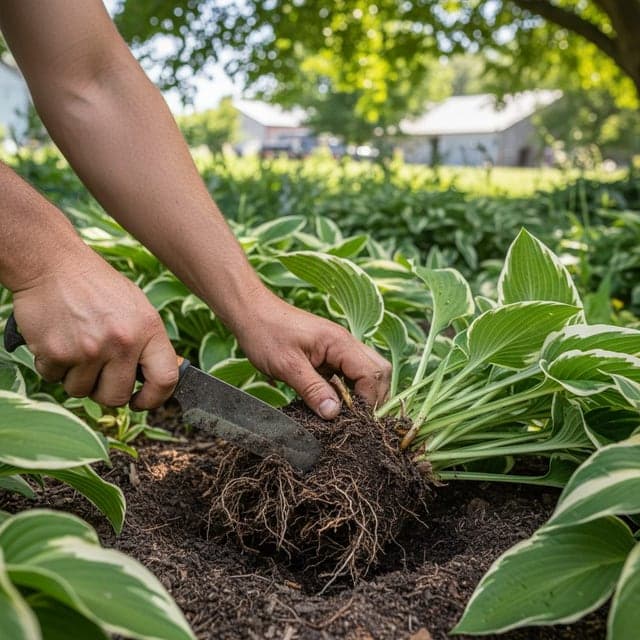
Learn how to multiply your garden stock for free by dividing perennials. Boost vigor, blooms, and save money. Essential tips for USDA Zone 6 gardeners on timing and techniques.
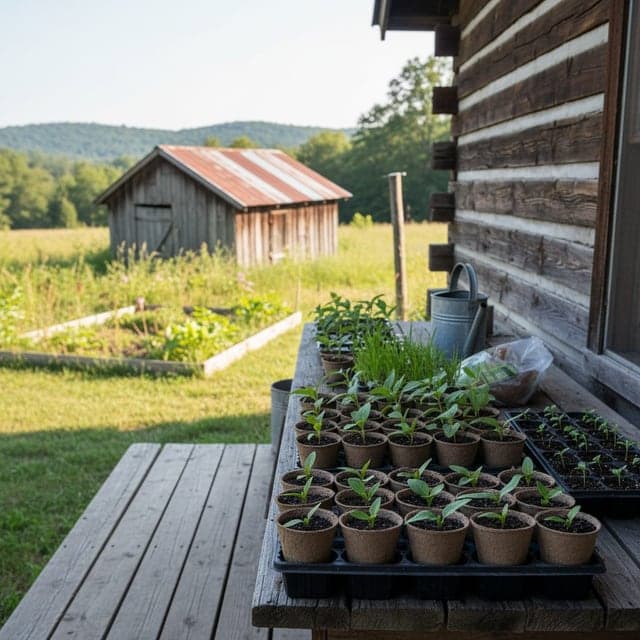
Break US wildflower, prairie, and woody tree seed dormancy safely: 100-grit sandpaper opposite the hilum, 180–200°F off-boil soak, 34–40°F cold-moist stratification vs. winter milk jugs, double dor…
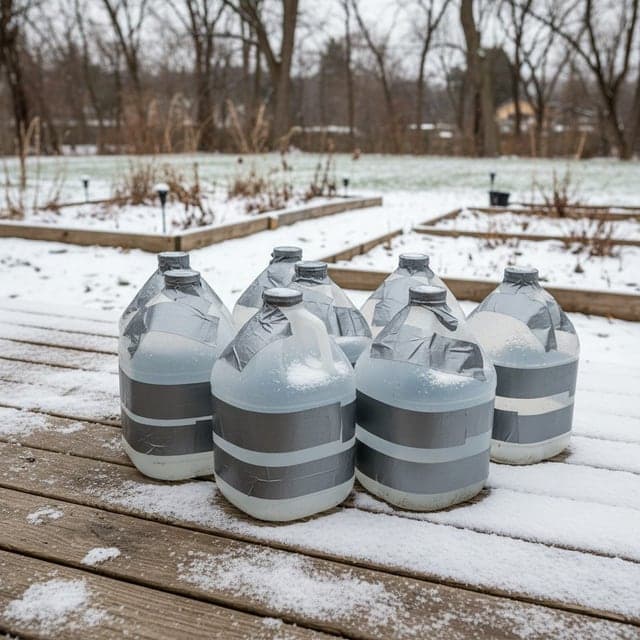
Master winter sowing to start seeds up to 8 weeks earlier in USDA Zone 6. Create mini-greenhouses from milk jugs for hardy seedlings, saving money on grow lights.
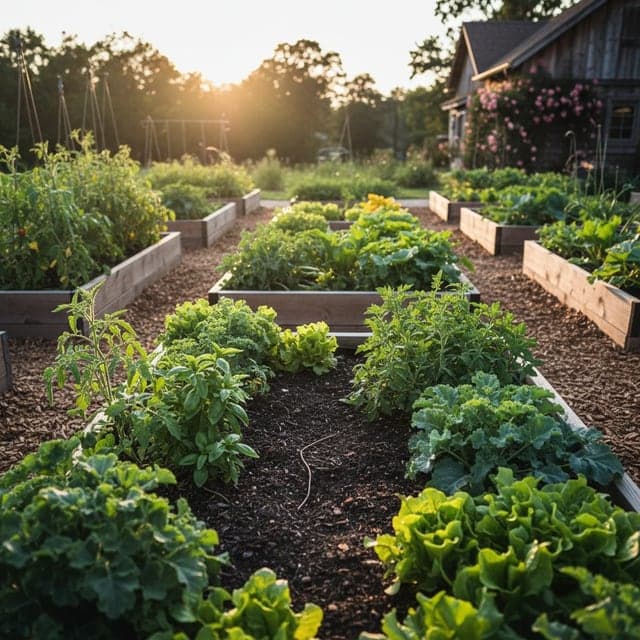
Learn how to propagate plants from cuttings using proper tools, rooting hormones, and environmental controls to achieve high success rates and save on nursery costs.