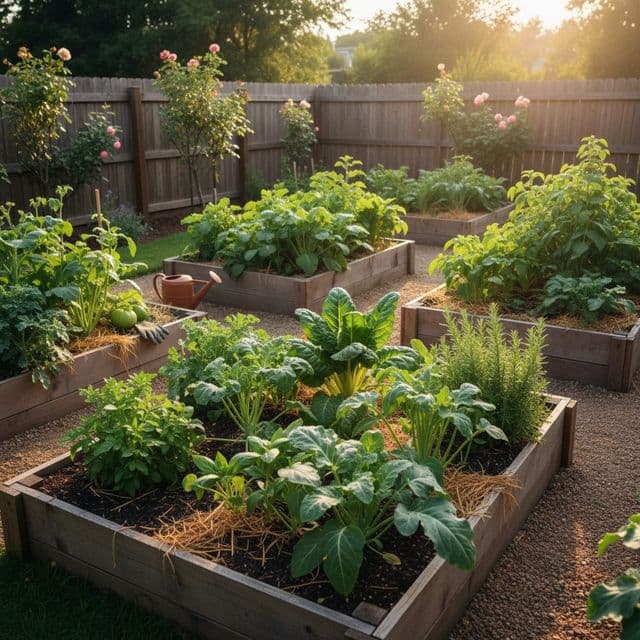
Plant Division in USDA Zone 6: Replanting & Aftercare Guide
Master successful plant division in USDA Zone 6 with this guide. Learn optimal timing, tools, and aftercare for robust establishment and healthy garden growth.
Tag
66 articles in this tag on agripure. — page 2 of 3
Master successful plant division in USDA Zone 6 with this guide. Learn optimal timing, tools, and aftercare for robust establishment and healthy garden growth.
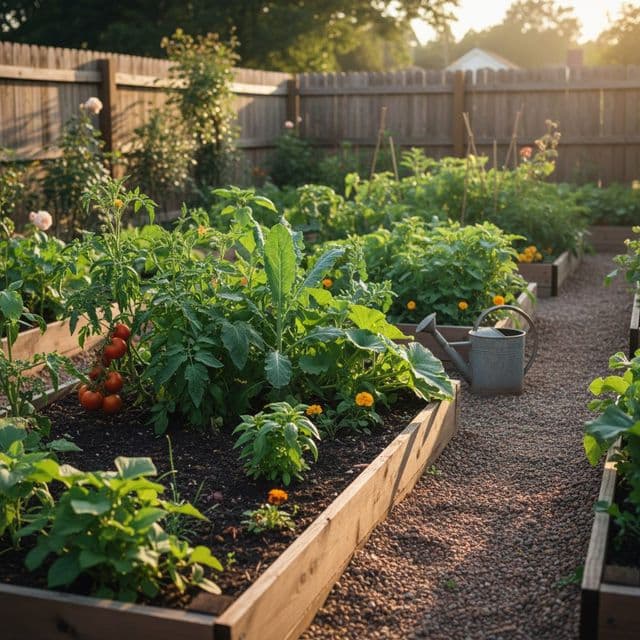
Dividing perennial edibles like rhubarb and asparagus rejuvenates plants, prevents overcrowding, and boosts garden productivity by 25% across USDA zones 4-8.
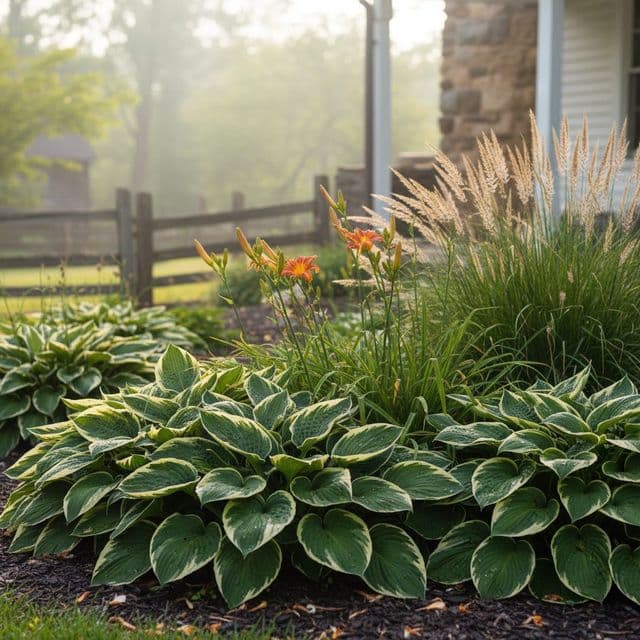
How to divide hostas, daylilies, irises, and ornamental grasses to multiply plant stock by 300%, covering timing, division methods, and replanting in USDA Zone 6.
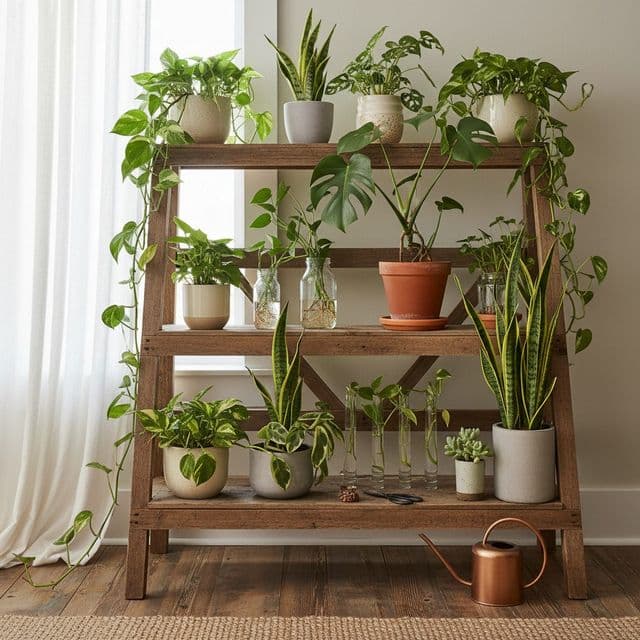
Learn how to successfully propagate popular houseplants in water vs. soil. This guide covers techniques, tools, and tips for high success rates in USDA Zone 7, focusing on houseplant propagation.
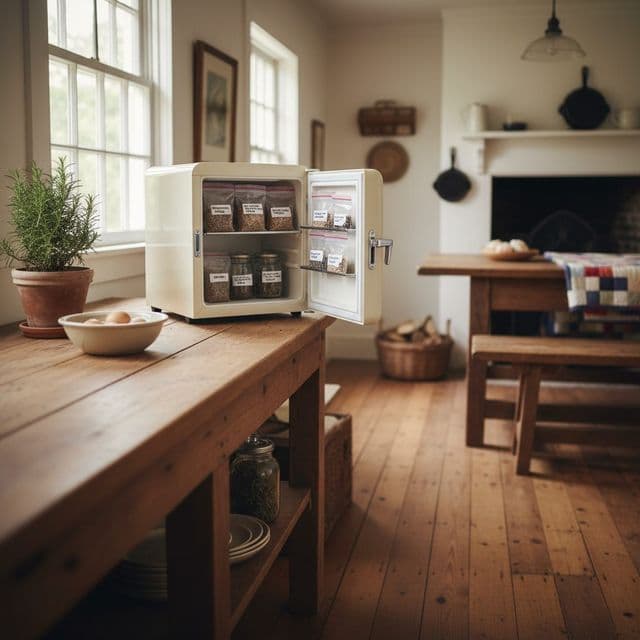
Learn how cold-moist stratification mimics winter to significantly boost germination rates for native perennials like milkweed & coneflower. Get practical steps for success in USDA zones 3-9.
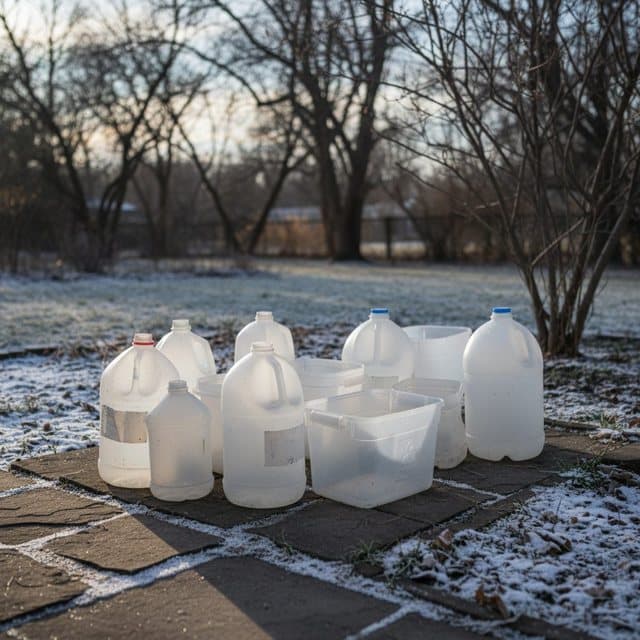
Month-by-month winter sowing schedule across USDA zones, covering seed timing, container preparation, and seedling care without indoor grow lights.
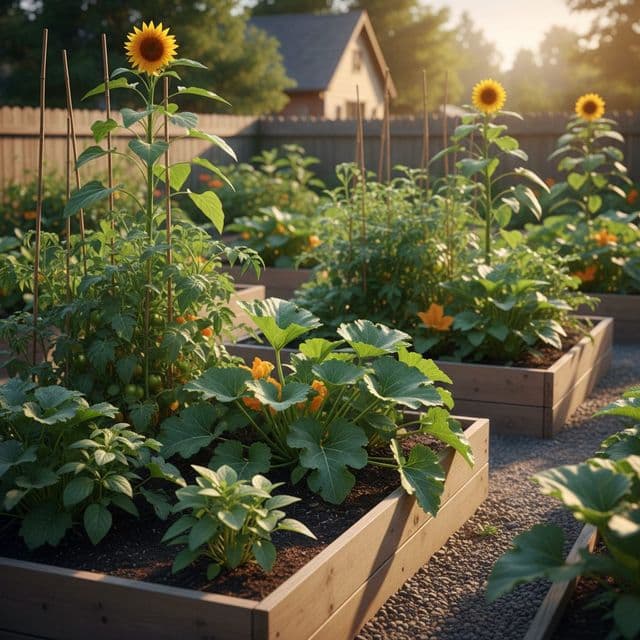
Learn how to upcycle common plastic containers for winter sowing. Achieve 80-90% germination rates, save money, and grow hardier seedlings in USDA Zone 4 and beyond.
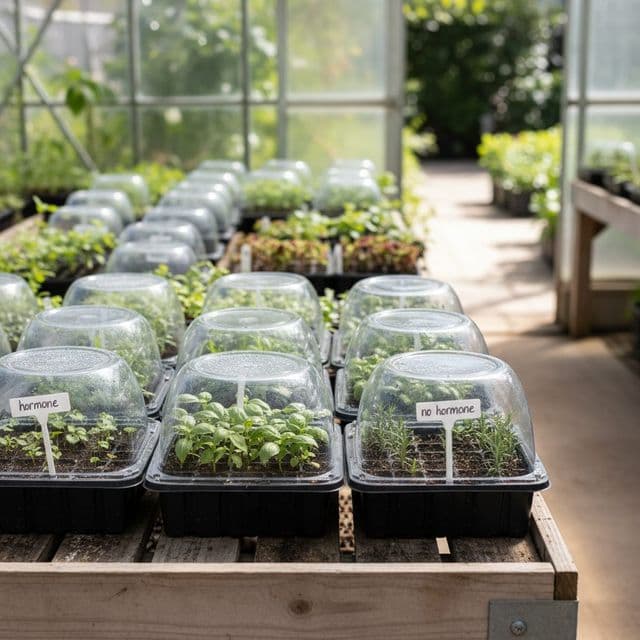
Learn when rooting hormone earns its place. Learn when to use rooting hormone for cuttings to boost root development in hard-to-root species and when to skip it for easy-rooters. Maximize your plan…
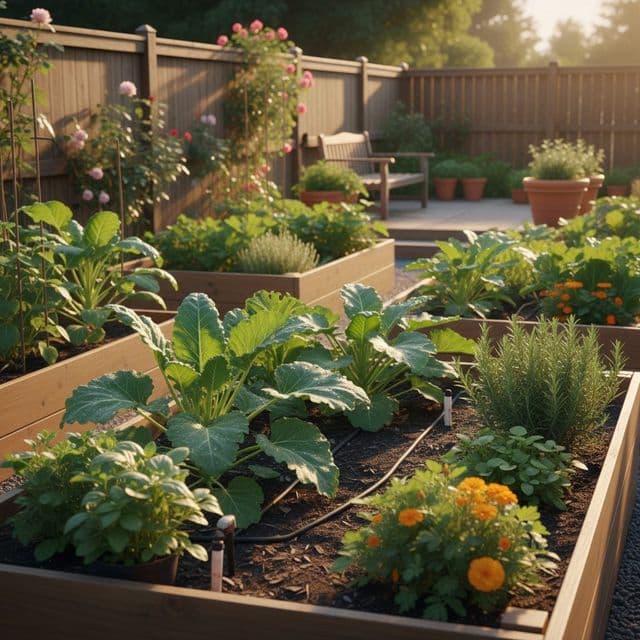
Learn how to effectively prune fig trees in US Zone 7 for a heavier breba and main crop. Discover timing, techniques, and structural tips to boost your fig harvest.

How permaculture zone analysis, contour swales, sheet mulching, and plant guilds build water retention and living soil on temperate North American homesteads.
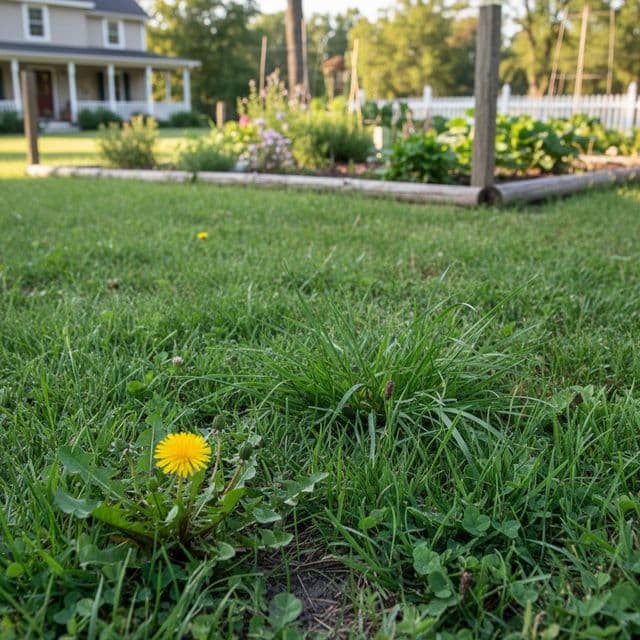
Organic Integrated Pest Management (IPM) strategies identify and control common US lawn and garden weeds like crabgrass, dandelion, bindweed, and purslane. Prevention and cultural methods can reduc…
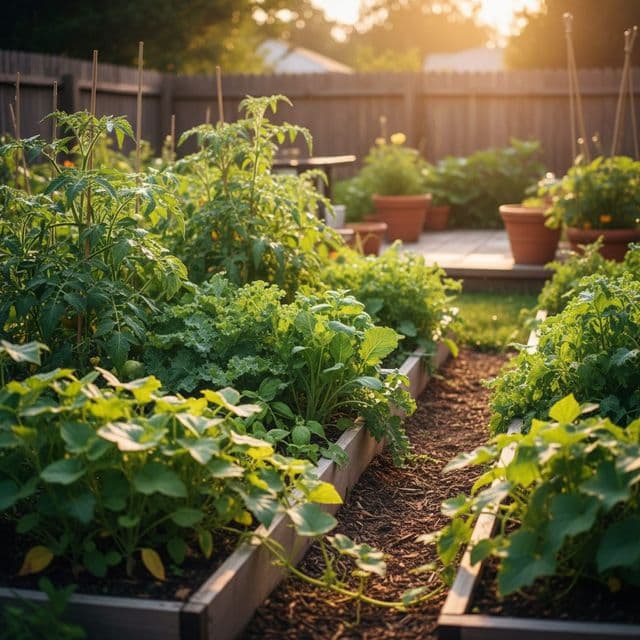
Attract praying mantids, ground beetles, and assassin bugs to your garden. Learn how these beneficial garden insects reduce pests by 30% or more with habitat creation.
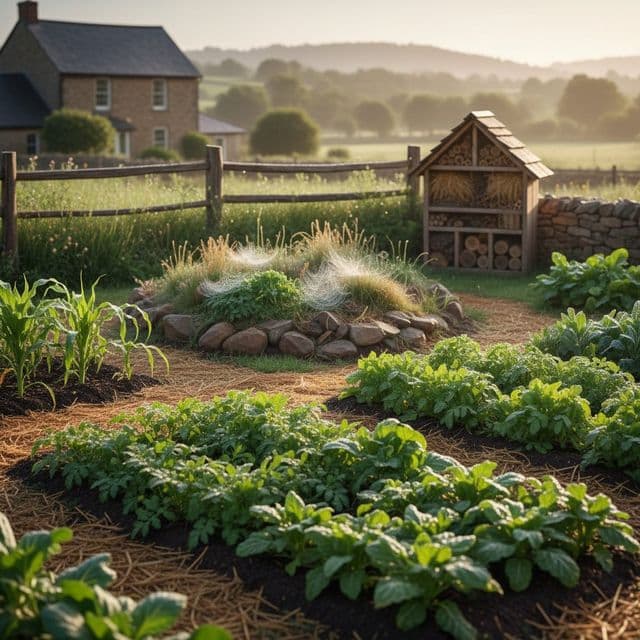
Learn how to attract beneficial insects to your USDA Zone 6 homestead using beetle banks & bug hotels. Reduce pest pressure by 30% & cut pesticide use by 50%.
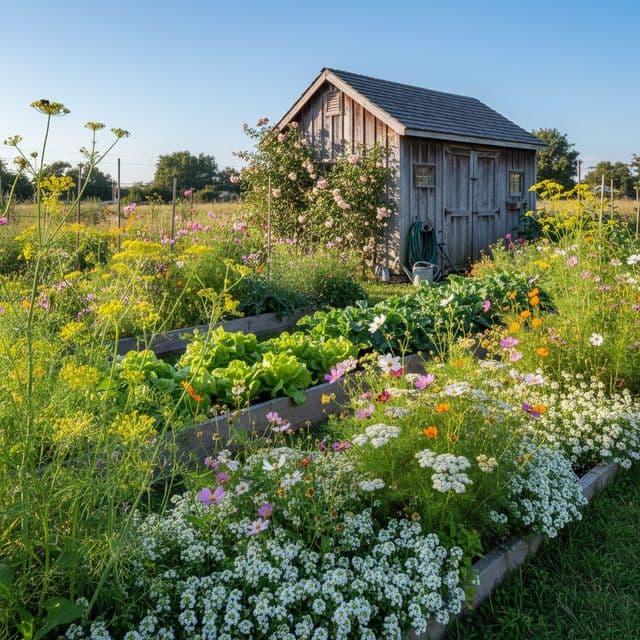
Insectary plants like alyssum, dill, and fennel attract beneficial insects and can reduce garden pests by up to 30%. Strategic placement provides natural pest control.
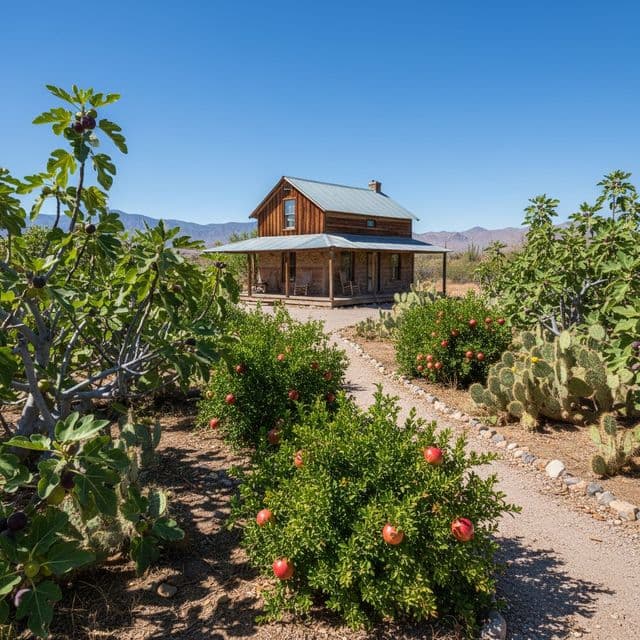
Drought-tolerant perennials like figs, pomegranates, and prickly pear reduce water use in USDA zones 7-10 for resilient gardens.
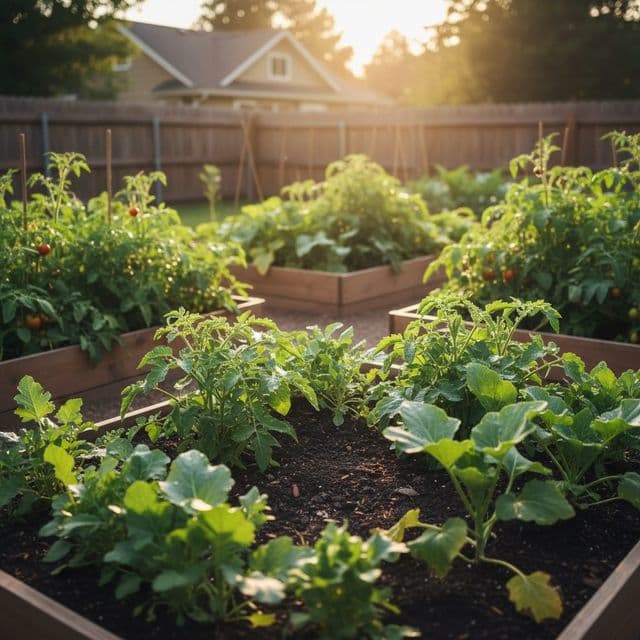
Discover resilient crops like root vegetables, melons, asparagus, and herbs that thrive in sandy US soil. Learn to improve drainage and boost yields in challenging conditions.
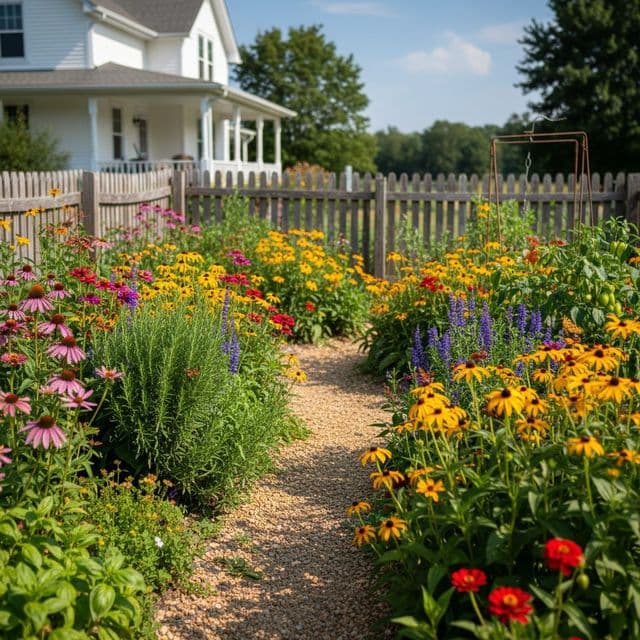
Heat-tolerant plants and soil management strategies for US gardens facing temperatures above 90°F in July, supporting pollinators through drought conditions.
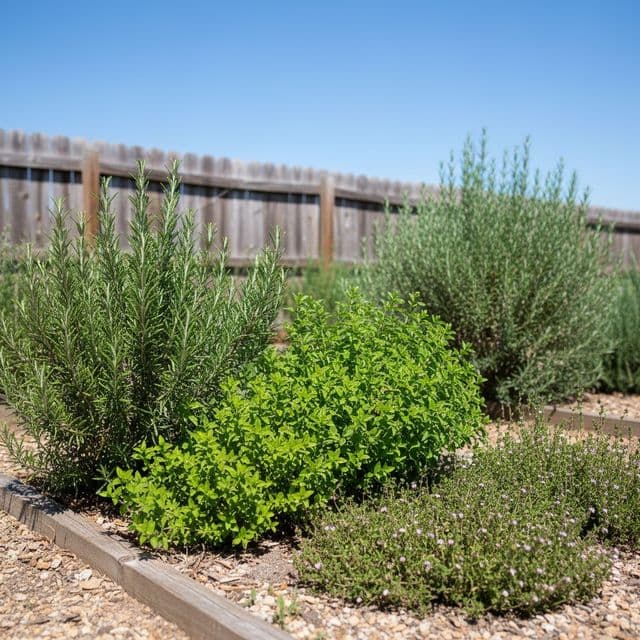
Grow heat- and drought-tolerant herbs like rosemary, oregano, thyme, lemongrass, and basil in full sun. Manage soil drainage, watering schedules, and variety selection across US gardens.
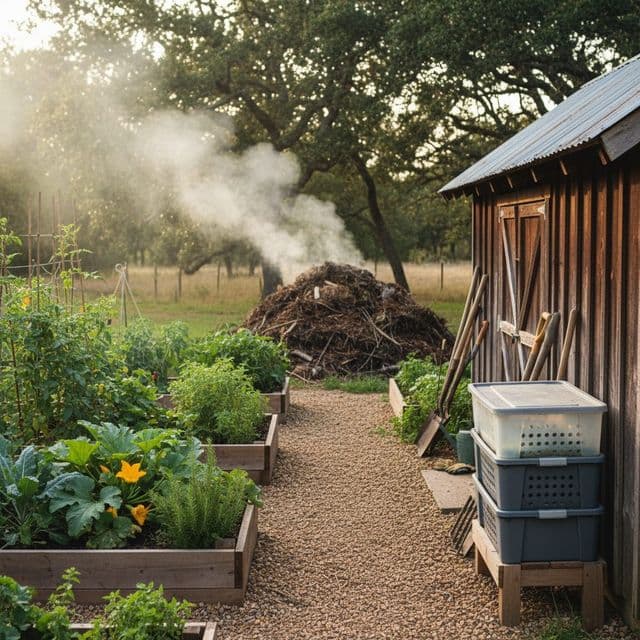
How vermicompost compares with traditional compost for soil organic matter, nutrient availability, and water retention in vineyards and garden beds.
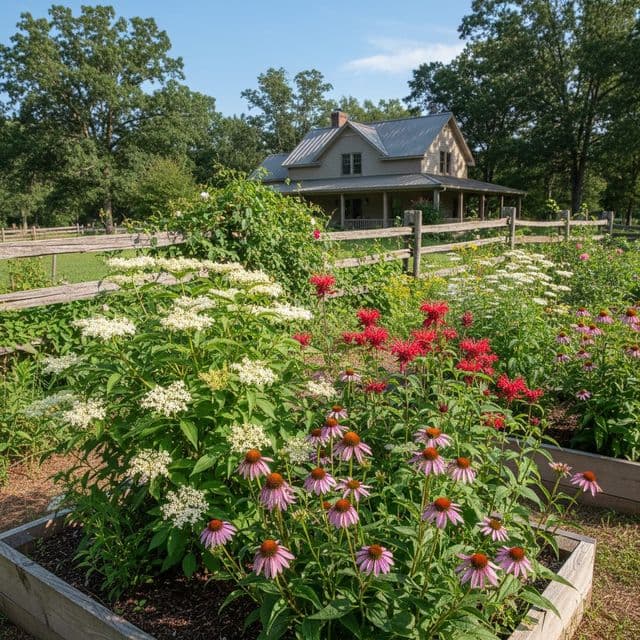
US-native medicinal plants like Echinacea and Elderberry support local biodiversity and provide herbal remedies for a home apothecary. These species are resilient and straightforward to cultivate.
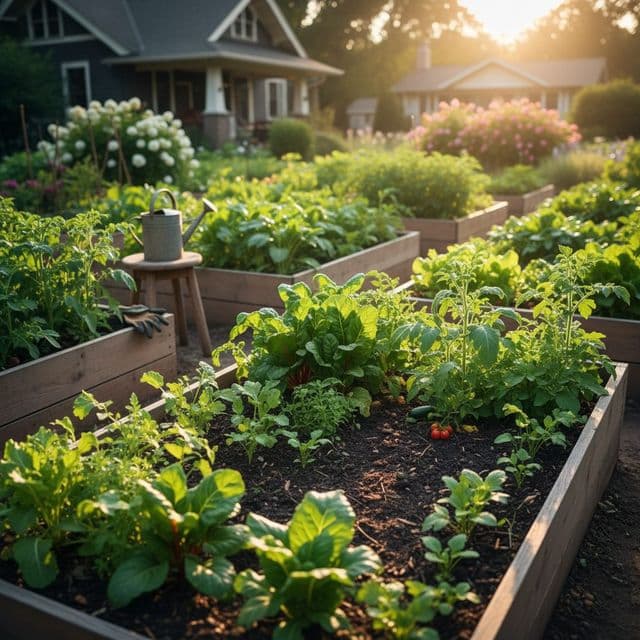
Learn how to successfully overwinter container gardens in USDA Zones 3-7. Discover insulation techniques, ideal locations, and care tips to protect plants from cold and ensure year-round health.
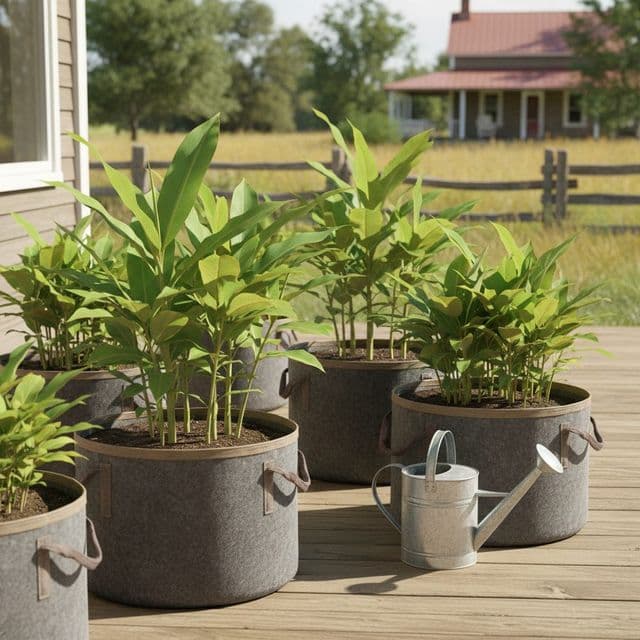
Learn how to successfully grow ginger and turmeric in containers, even outside tropical zones. This guide covers soil, light, temperature, and harvesting for fresh container ginger turmeric in any…
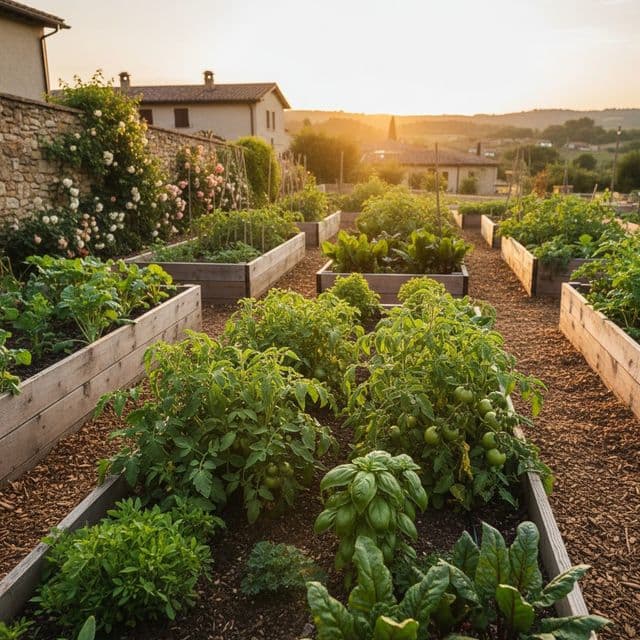
Maximize your harvest in small spaces! Learn to grow vining crops like cucumbers & grapes in containers & vertically. Get tips for high yields, disease resistance & optimal growth.
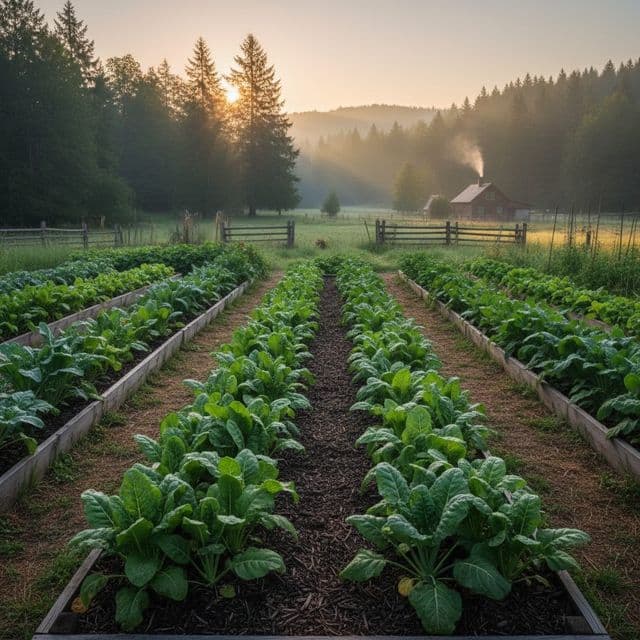
Stop premature flowering in leafy greens and herbs. Learn strategic planting, variety selection, and soil health tips to prevent bolting and extend your harvest in all USDA zones.