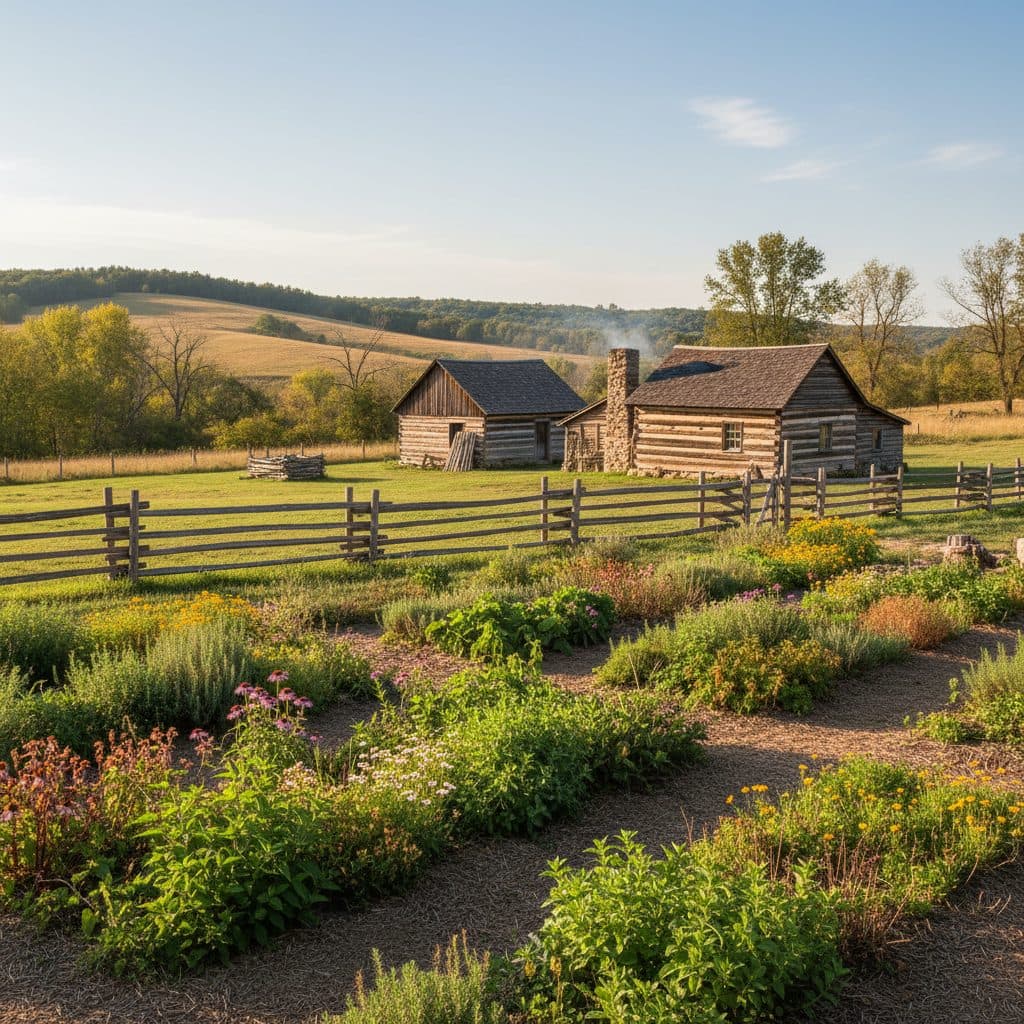
Key takeaways
- Prioritize cold-hardy perennial herbs rated for USDA zone 3 or lower to ensure survival through harsh winters.
- Improve heavy clay soils common in the Upper Midwest with 3-4 inches of compost to improve drainage and fertility.
- Design your garden with sun exposure and water needs in mind, placing sun-loving herbs in south-facing beds.
- Implement mulching with 4-6 inches of straw or wood chips to protect roots and conserve moisture in colder regions.
- Harvest herbs at their peak potency, typically before flowering, and dry them at temperatures below 100°F (38°C) for best preservation.
- Start a home apothecary with basic preparations like tinctures (using 80-proof alcohol) and infused oils (using olive or jojoba oil).
Quick answer: To cultivate a medicinal herb garden in USDA zones 3-5, prioritize cold-hardy perennials, amend heavy clay soils with compost, and design for maximum sun exposure. Protect roots with mulching and harvest herbs at peak potency for a functional home apothecary.
For growers in the Upper Midwest and Northeast, where winter temperatures can drop to -40°F in USDA zone 3, establishing a thriving garden presents unique challenges. Many common medicinal herbs prefer milder climates, leaving northern gardeners wondering what options they have. The good news is that with careful planning and plant selection, a productive medicinal herb garden is entirely achievable, providing a source of natural remedies right outside your door.
This guide offers a practical plan for designing, planting, and maintaining a medicinal herb garden specifically tailored for USDA zones 3 through 5. We will focus on resilient species, effective soil management—especially important for the often-dense soils of these regions—and methods for preparing and storing your harvest for a functional home apothecary. Our goal is to help you cultivate a productive space that withstands the cold and yields beneficial herbs for years to come.
Understanding your cold climate and site
Before planting anything, a thorough understanding of your specific garden site matters, especially in regions with significant temperature fluctuations like USDA zones 3-5. These zones experience average annual minimum temperatures ranging from -40°F to -10°F. In Minnesota or North Dakota, for example, a zone 3 rating means you must select plants capable of surviving these extreme lows [4]. Your site assessment should begin with observing sun exposure throughout the day, noting areas that receive at least six hours of direct sunlight, which most medicinal herbs prefer.
Soil analysis and microclimates
Soil composition is another critical factor. Many areas in the Upper Midwest have heavy clay soils, which can impede drainage and root development. A simple soil test can determine pH levels and nutrient deficiencies, guiding amendments. Aim for a pH between 6.0 and 7.0 for most herbs. Incorporating 3-4 inches of well-rotted compost or aged manure can significantly improve soil structure, aeration, and water retention [1]. Identify any microclimates on your property—sheltered spots near a south-facing wall might offer a slight temperature advantage, potentially allowing a zone 5 plant to survive in a zone 4 garden. Consider how windbreaks or buildings might affect snow accumulation, which acts as a natural insulator, protecting plant roots from freezing temperatures down to 0°F or lower.
- Observe sun patterns for a full day.
- Test soil pH and nutrient levels.
- Identify sheltered microclimates.
- Note prevailing wind directions.
- Assess natural drainage after heavy rain.
Selecting cold-hardy medicinal herbs
The success of a medicinal herb garden in zones 3-5 hinges on choosing species that can reliably withstand severe cold. While many popular herbs are annuals, focusing on perennials that return year after year reduces replanting effort and expense. Look for plants specifically rated for USDA zone 3 or lower. For example, Garden Sage (Salvia officinalis) is hardy to zone 4, making it a good choice for much of the Northeast, though it may need winter protection in colder parts of zone 3 [4].
Top perennial choices for northern gardens
Some of the most reliable medicinal herbs for these cold regions include: Echinacea purpurea (Purple Coneflower), hardy to zone 3, known for immune support; Valeriana officinalis (Valerian), hardy to zone 3, used for sleep; Mentha piperita (Peppermint), hardy to zone 3, excellent for digestion; and Thymus vulgaris (Common Thyme), hardy to zone 4, valued for respiratory health. Other reliable options include Achillea millefolium (Yarrow), hardy to zone 3, and Artemisia absinthium (Wormwood), hardy to zone 3. Wormwood needs its caveat in a home-apothecary context: it contains thujone, is not suitable for casual internal use, should be avoided in pregnancy and while nursing, and its root and leaf exudates suppress nearby plants, so site it at the edge of the bed rather than among your other herbs. When sourcing plants, always verify their hardiness rating with the nursery, as cultivars can vary. Starting with strong, healthy plants in spring, typically after the last frost date around May 15th in many zone 4 areas, gives them ample time to establish before winter [1].
- Echinacea purpurea (zone 3)
- Valeriana officinalis (zone 3)
- Mentha piperita (zone 3)
- Thymus vulgaris (zone 4)
- Achillea millefolium (zone 3)
Garden design and layout principles
Designing your medicinal herb garden in a cold climate requires thoughtful placement to maximize sun exposure, minimize winter damage, and facilitate harvesting. Consider a design that groups plants with similar needs together, such as those requiring full sun and well-drained soil. A south-facing slope or bed is ideal for sun-loving herbs, providing up to 10 hours of direct light during summer months [2]. For a more comprehensive approach to garden planning, consider principles of permaculture garden design, which emphasize efficiency and natural systems.
Companion planting and succession
Companion planting can enhance plant health and productivity. For instance, chamomile is a traditional companion for other herbs, though evidence that it deters pests or improves neighboring growth is thin. Consider using cold-hardy nitrogen fixers like clover or vetch as ground cover or in rotation to enrich the soil, especially important in zones where soil fertility can be challenging to maintain [6]. Lay out your garden in beds no wider than 4 feet to ensure easy access for weeding, harvesting, and winter protection without stepping on the soil. Incorporate pathways that are at least 18 inches wide. Succession planting, though more common with vegetables, can also be applied to annual herbs like calendula, ensuring a continuous harvest from June through September.
- Group plants by sun and water needs.
- Utilize companion planting for pest deterrence.
- Design beds for easy access (max 4 ft width).
- Incorporate pathways at least 18 inches wide.
- Plan for winter protection with mulching.
Cultivation and care for northern gardens
Successful cultivation in zones 3-5 demands attention to soil health, watering, and winter protection. After amending your soil as discussed, regular feeding with organic matter is beneficial. A top-dressing of 1-2 inches of compost each spring provides a slow release of nutrients throughout the growing season [1]. Watering matters; herbs generally prefer consistent moisture but good drainage. Use a soil moisture meter to ensure the top 2-3 inches of soil are dry before watering again, preventing root rot, especially in cooler, damper conditions.
Winterizing and pest management
Winter protection is non-negotiable for perennials in these cold zones. After the ground freezes, apply a 4-6 inch layer of straw, shredded leaves, or wood chips around the base of perennial herbs. This mulch insulates the soil, preventing freeze-thaw cycles that can heave plants out of the ground [4]. For pest management, maintaining a healthy garden ecosystem is your first line of defense. Introduce beneficial insects by planting flowers like dill or calendula. Hand-picking larger pests, such as Japanese beetles, can be effective, especially on smaller plants. For persistent issues, a diluted neem oil spray (1 tablespoon per gallon of water) can deter many common garden pests; spray at dusk and keep it off open flowers, since neem harms bees and other beneficial insects on contact while it is still wet.
- Top-dress with 1-2 inches of compost annually.
- Water deeply when the top 2-3 inches of soil are dry.
- Apply 4-6 inches of winter mulch after freeze.
- Hand-pick pests and encourage beneficial insects.
- Prune dead or diseased foliage to maintain plant health.
Harvesting and building your home apothecary
The culmination of your gardening efforts is the harvest, and proper timing is essential for medicinal potency. Most leaves and flowers are best harvested just before the plant fully blooms, when their essential oil content is highest. For example, mint and lemon balm leaves are typically harvested in late spring or early summer. Roots, such as valerian or echinacea, are usually harvested in the fall after the first hard frost, when the plant’s energy has retreated underground [1]. Always harvest on a dry morning after the dew has evaporated, using clean pruning shears or scissors to avoid damaging the plant.
Drying, storage, and basic preparations
After harvesting, herbs need to be processed for long-term storage. Drying is the most common method; hang bundles of herbs in a well-ventilated, dark room where temperatures remain below 100°F (38°C). Alternatively, a food dehydrator set to a low temperature (95°F/35°C) works well. Once completely dry—they should crumble easily—store them in airtight glass jars away from direct sunlight. Label each jar with the herb name and date of harvest. For a basic home apothecary, consider making tinctures (dried herb extracted in alcohol; a common folk starting point is 1 part dried herb by weight to 5 parts 80-proof vodka by volume) or infused oils (using olive or jojoba oil). Alcohol tinctures keep for several years; infused oils go rancid and are best used within about a year.
- Harvest leaves and flowers before full bloom.
- Harvest roots in the fall after frost.
- Dry herbs in a dark, well-ventilated area below 100°F.
- Store dried herbs in airtight, labeled glass jars.
- Prepare tinctures with 80-proof alcohol.
Cold-Hardy Medicinal Herbs for Zones 3-5
Herb Name | USDA Hardiness Zone | Primary Medicinal Use | Preferred Conditions |
|---|---|---|---|
Echinacea purpurea (Purple Coneflower) | 3-8 | Immune support, anti-inflammatory | Full sun, well-drained soil |
Valeriana officinalis (Valerian) | 3-9 | Sleep aid, anxiety relief | Full sun to partial shade, moist soil |
Mentha piperita (Peppermint) | 3-11 | Digestive aid, headache relief | Partial shade, moist soil, can spread aggressively |
Thymus vulgaris (Common Thyme) | 4-9 | Antiseptic, respiratory health | Full sun, well-drained, sandy soil |
Achillea millefolium (Yarrow) | 3-9 | Fever reducer, wound healing | Full sun, poor to average soil |
Winter Protection: Applying a 4-6 inch layer of mulch after the ground freezes steadies soil temperature and prevents frost heaving; it buffers the freeze-thaw cycle rather than making a plant hardier than its rated zone.
Soil pH Target: Most medicinal herbs thrive in a soil pH range of 6.0 to 7.0, which can be achieved by amending with compost or lime.
Frequently asked questions
What are the easiest medicinal herbs to grow in USDA zone 3?
For USDA zone 3, some of the easiest medicinal herbs to grow include peppermint, yarrow, and echinacea, all of which are hardy down to -40°F. These plants require minimal care once established and provide reliable harvests for years.
How do I protect my medicinal herbs during a harsh winter in zone 4?
In zone 4, protect perennial herbs by applying a thick layer of mulch, about 4-6 inches deep, after the ground has frozen solid in late fall. This insulation helps maintain a consistent soil temperature and prevents root damage from freeze-thaw cycles.
When is the best time to harvest medicinal herbs for potency?
Most medicinal herbs are best harvested when their active compounds are at their peak. For leaves and flowers, this is typically just before the plant fully blooms. Roots, like valerian, are usually harvested in the fall after the first hard frost, when the plant’s energy has moved underground.
Can I grow annual medicinal herbs in cold climates?
Yes, you can grow annual medicinal herbs in cold climates, but you’ll need to replant them each spring after the last frost date, which commonly falls in late May or early June in zone 3. Popular annuals like calendula and chamomile can still provide abundant harvests over a 3-4 month growing season.
What kind of soil amendments are best for heavy clay in zones 3-5?
For heavy clay soils common in zones 3-5, incorporating 3-4 inches of well-rotted compost or aged manure is highly effective. This improves drainage, aeration, and adds essential nutrients, making the soil more hospitable for herb roots.
References
- Growing Your Own Herb Garden (2025). Growing Your Own Herb Garden.
- Designing the Medicinal Herb Garden (2007). Designing the Medicinal Herb Garden.
- Behavior in the Garden (2017). Behavior in the Garden.
- Cool Plants for Cold Climates (2017). Cool Plants for Cold Climates.
- 3505 medicinal herb garden [n] (2010). [3505 medicinal herb garden \n].
- USDA Natural Resources Conservation Service (2024). USDA Natural Resources Conservation Service.