Key takeaways
- Cold-moist stratification mimics winter conditions, breaking seed dormancy for many native perennials.
- A 30 to 90-day stratification period at 34-40°F is effective for species like milkweed and coneflower.
- Use a sterile, moist medium like sand or peat, sealed in a breathable container, to prevent mold.
- Cold stratification markedly improves germination in Purple Coneflower compared with untreated seed [3].
- Timing matters; start stratification 90-120 days before your last frost date for spring planting.
- Monitor moisture levels weekly and ensure good air circulation to maintain seed viability.
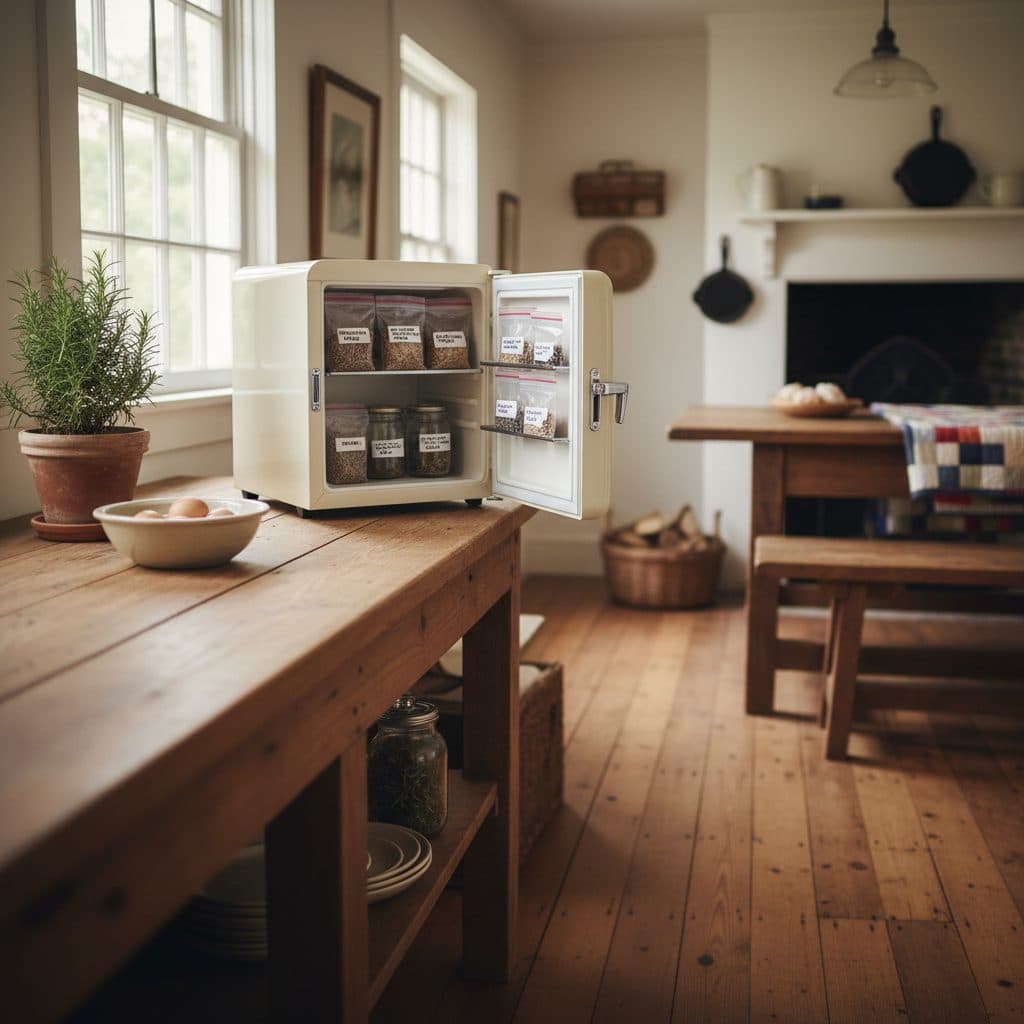
Quick answer: Cold-moist stratification mimics winter conditions in a refrigerator to break seed dormancy, significantly increasing germination rates for native perennials like milkweed and coneflower. This process involves keeping seeds moist at 34-40°F for 30-90 days before planting.
Across the Midwest and Northeast, many native perennials require a period of cold and moisture to sprout. This natural process, known as cold-moist stratification, signals to seeds that winter has passed and conditions are favorable for growth. For home growers in USDA zones 3 through 9, replicating this process in a refrigerator can significantly increase germination success rates, turning a handful of dormant seeds into dozens of thriving plants.
While some seeds, like those of certain hemp varieties, show no significant benefit from stratification [5], many others, including various milkweeds (Asclepias spp.) and coneflowers (Echinacea spp.), absolutely depend on it. This article will guide you through the practical steps of cold-moist stratification, ensuring your native perennial seeds are ready to burst into life when spring arrives, often boosting germination by 30% or more.
The science behind seed dormancy and cold stratification
In practice
Many native perennial seeds, particularly those adapted to temperate climates like the Great Plains or the Pacific Northwest, have an internal clock that prevents them from sprouting prematurely. This mechanism, known as seed dormancy, ensures that germination only occurs when conditions are optimal for survival, typically after a cold winter period [2]. For instance, Purple Coneflower (Echinacea purpurea) seed shows significantly improved germination after cold exposure [3]. Without this specific cold, moist period — a process we call cold-moist stratification — these seeds might remain dormant for years, or fail to germinate entirely, leading to wasted effort for the home gardener. This stratification process cleverly mimics the natural cycle: seeds fall to the ground in autumn, are covered by protective snow and leaf litter, and then experience cold, moist conditions for an extended duration, usually 30 to 120 days. The consistent cold temperature, typically maintained between 34°F and 40°F in a refrigerator, combined with continuous moisture, works to break down germination inhibitors present within the seed coat. It also activates growth hormones, such as gibberellic acid, to prepare the seed for active growth [1]. This natural priming ensures that when spring arrives with its warmer temperatures and ample sunlight, the seeds are ready to burst into life, leading to robust seedlings and a significantly higher overall success rate. For many species, like coneflower, this substantially raises germination compared to unstratified seeds [3]. Understanding this biological imperative is the first step toward successful propagation of your favorite native plants.
Gathering your materials and preparing seeds
Key details
Before you embark on the stratification process, gathering the right materials and preparing them carefully matters for success. You’ll need your chosen native perennial seeds: perhaps some Common Milkweed (Asclepias syriaca) for a pollinator garden in USDA zone 4, or Pale Purple Coneflower (Echinacea pallida) for a prairie restoration project in the grasslands of Kansas. The next critical component is a sterile, moist medium. Common and effective choices include coarse sand, peat moss, vermiculite, or a balanced mixture of these, often in a 1:1 ratio. Using a sterile medium is paramount to prevent the proliferation of fungal growth or mold, which can quickly devastate an entire batch of seeds during the extended 30 to 90-day stratification period. You can easily sterilize coarse sand by baking it at 300°F for 30 minutes, or opt for commercially available sterile seed-starting mix for convenience. For containers, small plastic bags (like re-sealable sandwich bags), clear plastic clamshell containers, or even small plastic food storage containers with lids work exceptionally well. The key is to ensure they can be sealed to maintain moisture but also allow for slight air exchange to prevent anaerobic conditions. Labeling is not just helpful; it’s absolutely paramount: use a permanent marker to clearly note the species, the date stratification began, and the expected duration on each container. For example, “Milkweed – 10/15/2024 – 60 days.” Proper preparation ensures a smooth process and a significantly higher chance of successful germination, with a better return of viable seedlings from your effort.
Step-by-step cold-moist stratification
What to watch for
Once all your materials are prepared, the actual stratification process itself is straightforward, requiring consistent attention to detail. First, lightly moisten your chosen medium. It should feel damp to the touch, much like a wrung-out sponge, but critically, it should not be dripping wet. Excessive moisture is a common pitfall, as it can lead to seed rot or the rapid development of mold. For a typical batch of seeds, say 100 to 200, you might use about 1/4 to 1/2 cup of medium. Next, thoroughly mix your seeds with the moist medium. For smaller seeds, mix them through enough medium to keep them evenly distributed and in good contact with the moisture. Place this seed-medium mixture into your chosen container, making sure it’s not packed too tightly, which can restrict air flow. If you’re using a plastic bag, leave it slightly unsealed or poke a few tiny holes (1-2 mm diameter) to facilitate essential air exchange. Sealable containers should be opened briefly once a week to allow fresh air in and prevent stagnant conditions. Position the clearly labeled containers in the coldest part of your refrigerator, typically the bottom shelf or crisper drawer, where temperatures consistently range from 34°F to 40°F. The duration of stratification varies by species, but a common range for popular native plants like milkweed and coneflower is 30 to 90 days. Some more recalcitrant species, such as certain eastern hemlocks, may even require up to 120 days of cold treatment [4]. Make it a habit to check the moisture level every 7 to 10 days; if the medium starts to dry, mist it lightly with water to maintain consistent dampness. This unwavering exposure to cold and moisture is the trigger that breaks the seeds’ dormancy.
From fridge to garden: planting stratified seeds
Getting it right
After the recommended stratification period in the refrigerator, your seeds are now primed and ready for planting, marking a critical transition from dormancy to active growth. For indoor starting, which is often preferred for native perennials to give them a head start, prepare your seed trays with a high-quality, sterile seed-starting mix. A 24-cell seedling propagation tray with a clear dome, readily available at agripure.org/shop/24-well-plastic-seedling-pot-succulent-sowing-seedling-box-insulated-seedling-tray, provides an ideal environment for nurturing young seedlings. Plant seeds at a depth appropriate for their size — a general rule of thumb is twice the seed’s diameter. For example, tiny coneflower seeds might only need 1/8 inch of soil cover, while larger milkweed seeds could comfortably go 1/4 inch deep. After planting, maintain consistent moisture in the seed-starting mix and provide a warm temperature, typically between 65°F and 75°F, for optimal germination. Light matters most once seedlings emerge. Some native perennials, including coneflower, germinate better with light and only the barest covering of mix, while milkweed is normally covered to about 1/4 inch. A grow light positioned 2-4 inches above the tray for 12-16 hours daily keeps the seedlings compact. Once seedlings emerge and develop their first set of true leaves, they’ll need to be hardened off before transplanting outdoors. This essential process involves gradually exposing them to outdoor conditions over a period of 7 to 14 days, starting with a few hours in a sheltered, shady spot and slowly increasing their exposure to direct sun and wind. This gradual acclimation, particularly vital for plants destined for gardens in challenging environments like USDA zone 5, prevents transplant shock and ensures robust growth once they are in their permanent location.
Species-specific stratification guidelines
While the general principles of cold-moist stratification apply broadly across many species, the specific requirements can vary significantly among different native perennial varieties. Understanding these nuances helps achieve the highest possible germination rates. For example, Common Milkweed (Asclepias syriaca) seeds typically require a cold stratification period of 30 to 60 days. A 60-day period at a consistent 39°F is the commonly recommended treatment for fresh seed and reliably improves germination for pollinator plantings. In contrast, Purple Coneflower (Echinacea purpurea) generally benefits from a longer stratification, usually 60 to 90 days, with some studies showing peak germination after 90 days at 35°F [3]. Other popular native species, like Wild Geranium (Geranium maculatum), might need approximately 60 days of cold treatment, while certain Blazing Star (Liatris spicata) varieties often perform best with a full 90 days. It is always prudent to consult specific seed packets or reliable native plant resources, such as the USDA Natural Resources Conservation Service [6], for precise recommendations tailored to your chosen species and local USDA zone, perhaps zone 6 in Pennsylvania. Some seeds, like those of certain Foxtail Lily species, may also benefit from a pre-soak in gibberellic acid in addition to cold stratification to overcome particularly deep dormancy [1]. Understanding these species-specific needs can dramatically improve your success rate. For more general seed starting advice, consider reviewing articles like Seed starting for beginners: mix, timing, and transplanting or exploring Low maintenance perennials: plant-it-and-forget-it picks by sun and zone for plant selection.
Comparison of Common Stratification Media
Medium Type | Pros | Cons | Moisture Retention (1-5) |
|---|---|---|---|
Coarse Sand | Good drainage, easily sterilized | Dries out faster, heavy | 2 |
Peat Moss | Excellent moisture retention, lightweight | Can be acidic, difficult to re-wet if dry | 4 |
Vermiculite | Sterile, lightweight, good moisture/aeration | Can be dusty, more expensive | 3 |
Seed-Starting Mix | Pre-sterilized, balanced nutrients | May contain fine particles, less control over composition | 4 |
Optimal Temperature: Maintain a consistent refrigerator temperature between 34°F and 40°F for effective stratification.
Milkweed Success: Common Milkweed germinates well after 60 days of cold stratification at 39°F.
Coneflower Boost: Purple Coneflower germination improves markedly after 90 days of cold stratification [3].
Frequently asked questions
What is the ideal temperature for cold stratification?
The ideal temperature range for cold-moist stratification is consistently between 34°F and 40°F. Temperatures much above 40°F may not effectively break dormancy, while freezing temperatures can damage seeds, especially if moisture levels are too high.
How long should I stratify milkweed seeds?
Most milkweed species, including Common Milkweed (Asclepias syriaca), require 30 to 60 days of cold-moist stratification. Some varieties may benefit from up to 90 days; a full 60-day chill gives the most reliable results.
Can I stratify seeds outdoors instead of in the fridge?
Yes, you can stratify seeds outdoors by planting them in pots or directly in the ground in late fall, allowing them to experience natural winter conditions. Ensure they are protected from pests and have consistent moisture, typically for 90 to 120 days.
What if my seeds sprout in the refrigerator?
If seeds sprout prematurely in the refrigerator, it indicates they are ready to grow. Carefully remove them from the moist medium and plant them immediately into small pots or seed trays. Provide adequate light and warmth, typically 65°F to 75°F, to support their continued growth.
Do all native perennial seeds need cold stratification?
No, not all native perennial seeds require cold stratification. Some species, particularly those from warmer climates or with different dormancy mechanisms, may germinate readily without it. Always check specific seed requirements, as some may need scarification or light exposure instead, or a combination of treatments.
How much moisture is too much during stratification?
The medium should be damp, like a wrung-out sponge, but not soggy or dripping wet. Excess moisture can lead to fungal growth and seed rot, especially during the 30 to 90-day stratification period. Aim for about 50% moisture content by weight for optimal results.
References
- Effects of Moist-Cold Stratification and Gibberellic Acid Applications on Breaking Seed Dormancy in Foxtail Lily (Eremurus spectabilis M.Bieb.) (2020). Effects of Moist-Cold Stratification and Gibberellic Acid Applications on Breaking Seed Dormancy in Foxtail Lily (Eremurus spectabilis M.Bieb.).
- How does moist cold stratification under field conditions affect the dormancy release of Korean pine seed (Pinus koraiensis)? (2016). How does moist cold stratification under field conditions affect the dormancy release of Korean pine seed (Pinus koraiensis)?.
- IMPROVEMENT IN SEED GERMINATION IN PURPLE CONEFLOWER (ECHINACEA PURPUREA) AFTER COLD STRATIFICATION OR OSMOTIC PRIMING. (1990). IMPROVEMENT IN SEED GERMINATION IN PURPLE CONEFLOWER (ECHINACEA PURPUREA) AFTER COLD STRATIFICATION OR OSMOTIC PRIMING..
- Evaluation of Cold—Moist Stratification Treatments for Germinating Eastern and Carolina Hemlock Seeds for ex Situ Gene Conservation (2014). Evaluation of Cold—Moist Stratification Treatments for Germinating Eastern and Carolina Hemlock Seeds for ex Situ Gene Conservation.
- Cold Moist Stratification and Acid Scarification Do Not Significantly Enhance Hemp Seed Germination (2025). Cold Moist Stratification and Acid Scarification Do Not Significantly Enhance Hemp Seed Germination.
- USDA Natural Resources Conservation Service (2024). USDA Natural Resources Conservation Service.