Key takeaways
- Lamb’s quarters (Chenopodium album) is a common, nutritious wild edible found across most of the US.
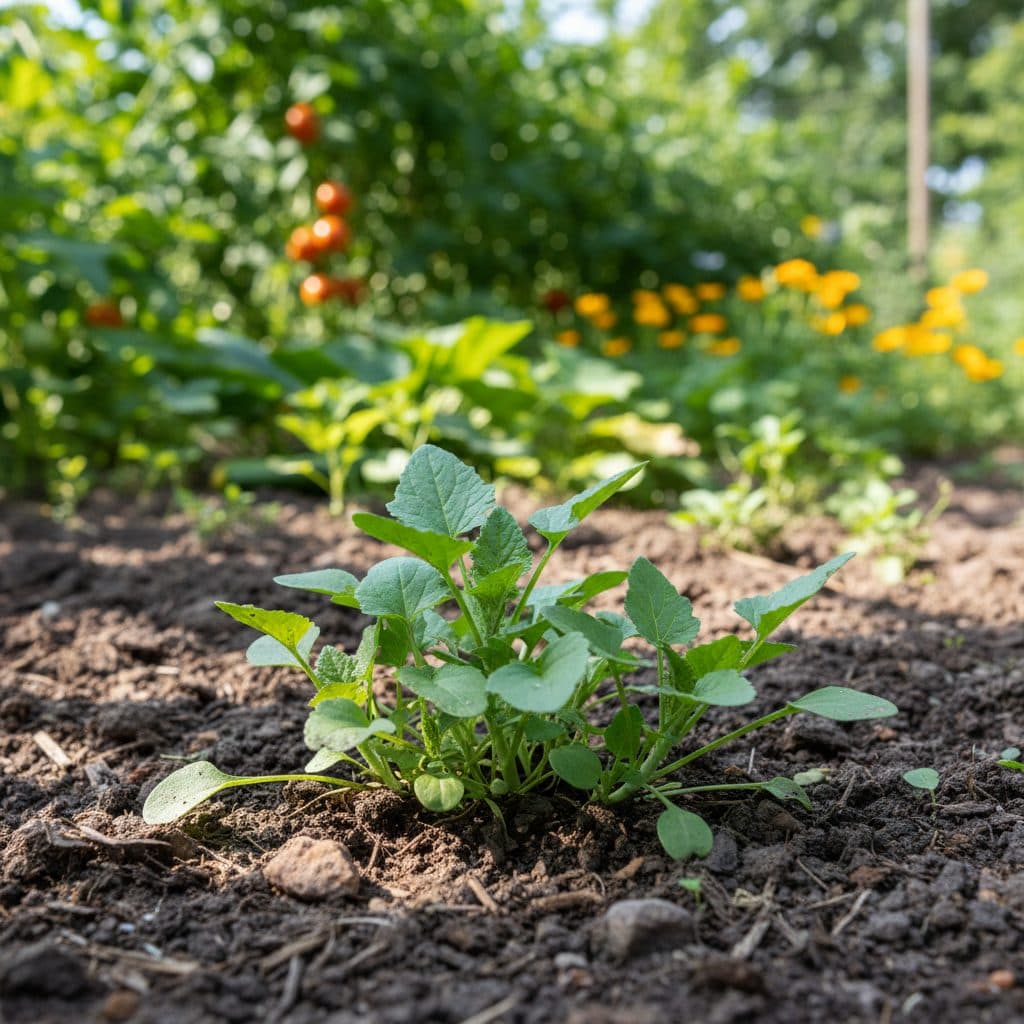
- Identify it by its diamond-shaped, toothed leaves with a white, powdery coating on new growth and undersides.
- Harvest young, tender leaves and shoots before the plant flowers, typically from spring through early summer.
- Always confirm identification with multiple sources and avoid foraging near roadsides or contaminated areas.
- This plant offers significant nutritional value, including vitamins A and C, calcium, and iron.
- It can be cooked like spinach, excellent in sautés, soups, and salads, and is a staple for many foragers.
Quick answer: Lamb’s quarters (Chenopodium album) is a common, nutritious wild edible found across most of the US, identifiable by diamond-shaped, toothed leaves with a powdery coating. Harvest young leaves and shoots in spring/early summer, avoiding contaminated areas, and prepare like spinach.
Across the United States, from the fertile valleys of California to the humid plains of the Southeast, a resilient plant known as lamb’s quarters gives a useful food source for those willing to look. This common wild edible, often called ‘wild spinach,’ thrives in disturbed soils and cultivated fields, making it accessible to many. In fact, the USDA Natural Resources Conservation Service lists it as present in all 50 states, including Alaska and Hawaii, demonstrating its widespread adaptability across various climates and soil types, from USDA zone 3 to zone 10. For generations, people have recognized its nutritional benefits and versatility in the kitchen.
Lamb’s quarters can supplement a diet with essential nutrients, often providing more vitamins and minerals than cultivated greens. Learning to identify, harvest, and prepare this plant safely is a rewarding skill, connecting us to the land and its seasonal bounty. With a bit of practice, you can easily incorporate this abundant resource into your meals, enjoying its mild, earthy flavor that closely resembles its cultivated cousin, spinach.
Identifying lamb’s quarters: key features for safe foraging
Accurate identification is the first and most critical step in foraging for any wild edible, and lamb’s quarters is no exception. This plant, scientifically known as Chenopodium album, is a close relative of quinoa and amaranth. It’s often mistaken for other plants, so paying close attention to its specific characteristics is essential to avoid look-alikes. Young plants can be particularly tricky, but a few key indicators will help you confirm its identity with confidence, especially in regions like the Midwest where it’s exceptionally common.
The ‘goosefoot’ and powdery coating
One of the most distinctive features of lamb’s quarters is its leaf shape, which often resembles a goose’s foot, hence its common name in some regions. The leaves are typically diamond-shaped or triangular, with irregular, wavy, or toothed margins. New growth, especially on the undersides of leaves and the stem tips, often displays a characteristic white, mealy, or powdery coating, which rubs off easily. This coating is a natural wax that helps the plant retain moisture and is a reliable identification marker for plants growing 6 inches to 3 feet tall. The plant’s stem is usually grooved and can be green, but sometimes develops reddish or purplish streaks, particularly near the base or in sun-exposed areas. Always look for these specific traits to ensure you have the correct plant, as documented by sources like the USDA Natural Resources Conservation Service [6].
- Diamond-shaped leaves with irregular teeth.
- White, powdery coating on new leaves and stem tips.
- Grooved stems, sometimes with red or purple tints.
- Alternate leaf arrangement along the stem.
- Small, green flower clusters appearing later in the season.
Harvesting lamb’s quarters: best practices for yield and sustainability
Once you’ve confidently identified lamb’s quarters, the next step is harvesting. Timing matters for optimal flavor and texture. The best time to harvest is in the spring and early summer, before the plant begins to flower and set seed. At this stage, the leaves are tender, succulent, and have a mild flavor. As the plant matures and flowers, its leaves can become tougher and develop a slightly bitter taste, reducing their palatability. In cooler climates or at higher elevations, the harvest season might extend further into the summer, offering fresh greens for a longer period.
Sustainable harvesting for continued growth
When harvesting, focus on the young, tender leaves and the top 4 to 6 inches of the plant’s growing tips. These are the most desirable parts. You can use scissors or simply pinch off the leaves and stems. To ensure the plant continues to produce, harvest no more than one-third of the plant at any given time. This practice allows the plant to recover and produce new growth, providing you with multiple harvests throughout the season. A patch of lamb’s quarters in a well-drained garden bed can yield several pounds of greens over a three-month period. Always avoid areas that may have been sprayed with pesticides or are near busy roads, as plants in these locations can accumulate pollutants, increasing heavy metal content. Foraging responsibly helps maintain the plant population for future harvests and ensures your safety.
- Harvest young leaves and shoots in spring and early summer.
- Pinch off the top 4 to 6 inches of growth.
- Harvest no more than one-third of the plant at once.
- Avoid plants near roadsides or industrial areas.
- Gather in clean, dry conditions to prevent spoilage.
Nutritional value and culinary uses of wild spinach
Lamb’s quarters is not just abundant; it’s also remarkably nutritious. Often referred to as ‘wild spinach,’ it lives up to its name by offering a nutrient profile that rivals or even surpasses cultivated spinach. This plant is an excellent source of vitamins A and C. It also contains significant amounts of calcium, iron, and potassium, which are vital for bone health and proper bodily function. Foragers in regions like the Pacific Northwest, where it grows vigorously, appreciate its contribution to a balanced diet, especially during the spring when other fresh greens might be scarce.
Cooking with lamb’s quarters
The culinary versatility of lamb’s quarters makes it a favorite among foragers. Its mild, slightly earthy flavor and tender texture mean it can be used in almost any recipe that calls for spinach or other leafy greens. You can enjoy it raw in salads when the leaves are very young and tender, adding a fresh, green crunch. For more mature leaves, a quick sauté with a little garlic and olive oil is a simple and delicious preparation, ready in just five minutes. It also works wonderfully in soups, stews, quiches, and stir-fries, adding a boost of nutrients and flavor. Consider blanching it briefly before adding to dishes to reduce any oxalic acid content, a common practice with many leafy greens, though typically not necessary for small quantities. Using about 2 cups of chopped lamb’s quarters in omelets provides a substantial nutrient boost.
- Raw in salads for young, tender leaves.
- Sautéed with garlic and oil as a quick side dish.
- Added to soups and stews for nutritional density.
- Blended into smoothies for a green boost.
- Used in quiches or frittatas as a spinach substitute.
Foraging safety and regional considerations
While lamb’s quarters is widely available and generally safe, responsible foraging practices are paramount. The plant’s ubiquitous nature means it can grow in less desirable locations. Always avoid harvesting from areas that may be contaminated with pesticides, herbicides, or heavy metals, such as agricultural fields, industrial sites, or urban roadside verges. Plants growing near a busy road can accumulate significantly higher levels of lead and other pollutants, sometimes exceeding safe consumption limits. A good rule of thumb is to forage in areas you know are clean, like your own garden, a trusted friend’s property, or designated wild areas.
Understanding regional growth patterns
Lamb’s quarters is incredibly adaptable, thriving across a broad range of climates and soil types in the US. In the Northeast, you might find it emerging as early as April, while in the warmer Southern states, it can persist well into the fall. Its ability to grow in disturbed soil means it’s often found in gardens, cultivated fields, and construction sites. This adaptability is part of its success as a species, often considered a ‘weed’ by conventional farmers due to its rapid growth and competitive nature. However, for the discerning forager, this abundance is a gift. Always carry a field guide or use a reliable plant identification app to cross-reference characteristics, especially if you are new to foraging. Foraging for beginners: identifying common wild edibles safely stresses the importance of confirming identification with multiple sources before consumption, reducing any ‘fear in the forest’ [3] that might arise from uncertainty.
- Avoid contaminated areas like roadsides and industrial zones.
- Harvest from clean, undisturbed locations whenever possible.
- Confirm identification with multiple reliable sources.
- Be aware of local regulations regarding foraging on public lands.
- Wash harvested greens thoroughly before consumption to remove dirt and insects.
Lamb’s Quarters vs. Cultivated Spinach: A Nutritional Comparison (per 100g)
Nutrient | Lamb’s Quarters (approx.) | Cultivated Spinach (approx.) |
|---|---|---|
Vitamin C | 110 mg | 28 mg |
Vitamin A | 7370 IU | 9377 IU |
Calcium | 309 mg | 99 mg |
Iron | 4.6 mg | 2.7 mg |
Protein | 4.2 g | 2.9 g |
Widespread presence: Lamb’s quarters (Chenopodium album) is documented by the USDA Natural Resources Conservation Service as present in all 50 US states, including Alaska and Hawaii, which shows its adaptability across diverse climates [6].
Nutrient powerhouse: A 100-gram serving of lamb’s quarters can provide over 100% of the daily recommended intake for Vitamin C and significant amounts of Vitamin A, Calcium, and Iron, often surpassing cultivated greens in specific nutrients.
References
- Interaction of microorganisms or acetic acid on the subcutaneous fat of vacuum packaged lamb quarters (2023).
- Chenopodium berlandieri (2024).
- Fear in the Forest: (2009).
- water spinach (2025).
- Numerical Modelling of Lamb Wave Propagation in 2D Plate Structures (2023).
- USDA Natural Resources Conservation Service (2024).