Building soil on sand: compost, mulch and organic matter for desert gardens
Building productive soil in Gulf desert sand requires consistent organic matter, heavy windproof mulches, and permanent biochar structures to hold water and nutrients.
Tag
37 articles in this tag on agripure. — page 1 of 2
Building productive soil in Gulf desert sand requires consistent organic matter, heavy windproof mulches, and permanent biochar structures to hold water and nutrients.
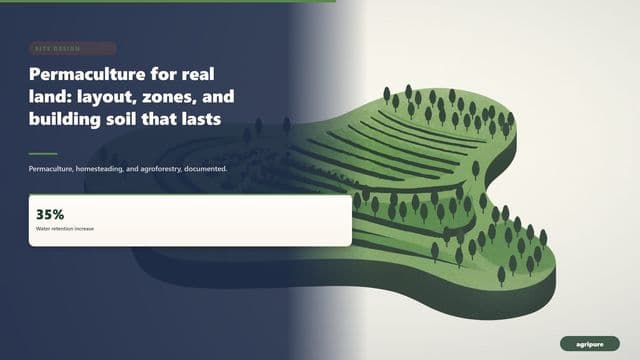
How permaculture zone analysis, contour swales, sheet mulching, and plant guilds build water retention and living soil on temperate North American homesteads.
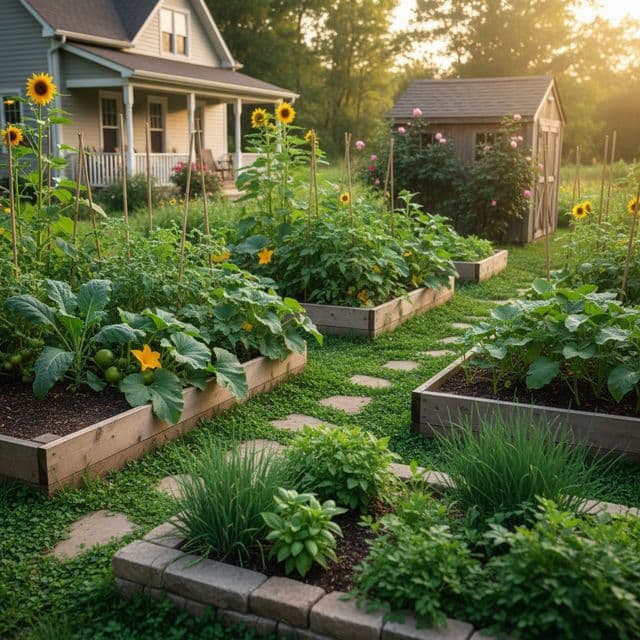
The differences between biochar and grilling charcoal for garden soil, including how biochar improves soil water retention and plant health in USDA Zone 6 while avoiding additives.
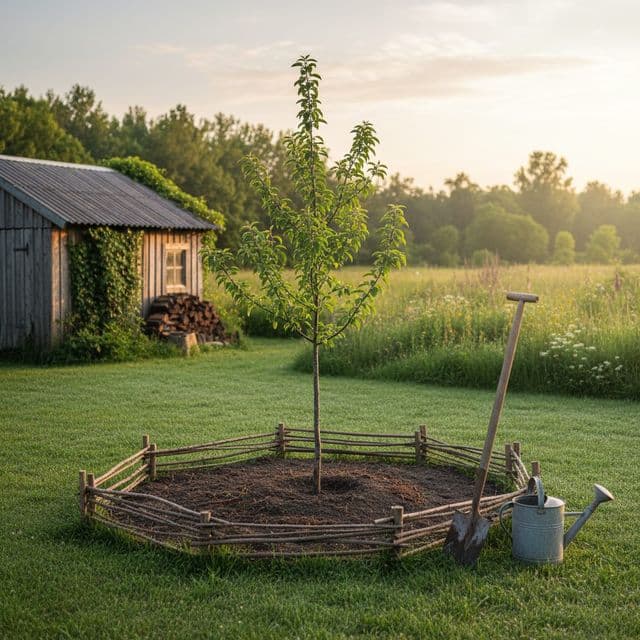
Master planting fruit trees in USDA Zone 6. Learn crucial site selection, soil preparation, correct planting depth, and first-year care for healthy, productive orchards that thrive for decades.
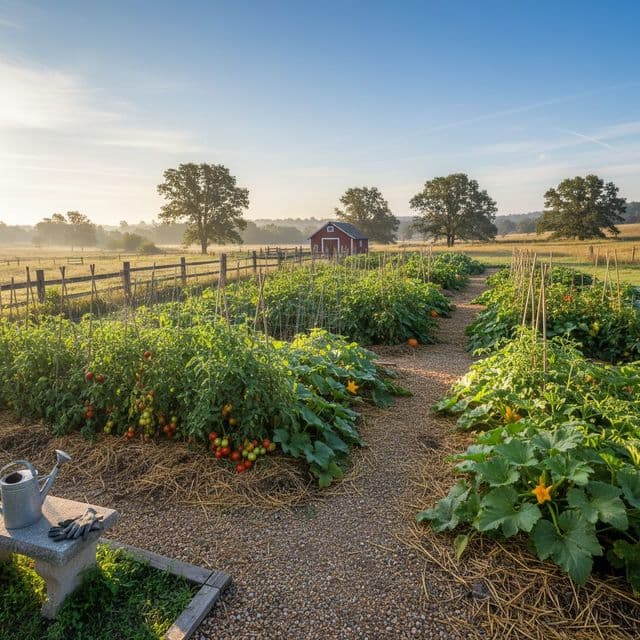
Master diagnosing water issues in tomatoes & cucurbits to prevent wilting, blossom end rot, and increase yields by 20-30% in USDA Zone 6. Learn soil moisture checks & watering needs.
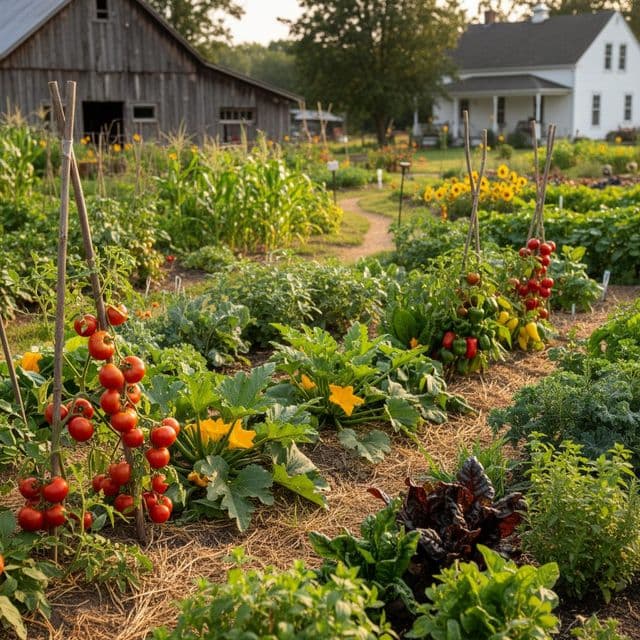
Explore microbial and biological biocontrols for sustainable pest management in US agriculture. Learn about Bt, nematodes, and IPM strategies for healthier crops and soil.
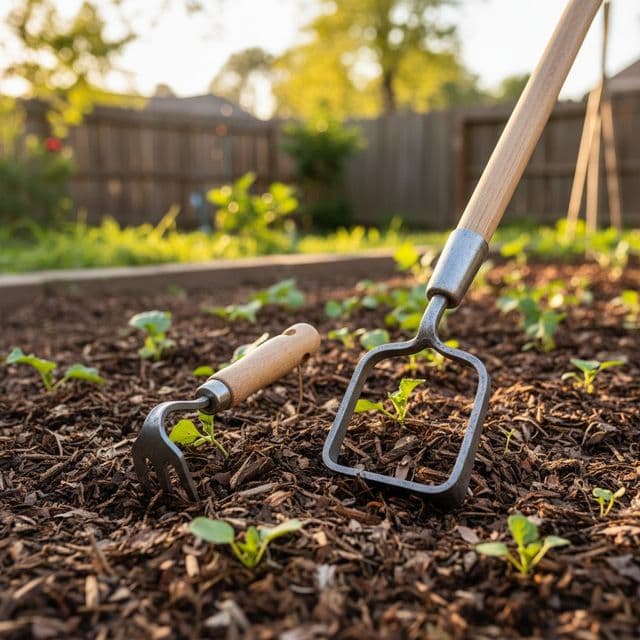
Learn effective organic weed management techniques for US gardens, paths, and lawns. Discover glyphosate-free strategies for prevention, mechanical removal, and targeted treatments.
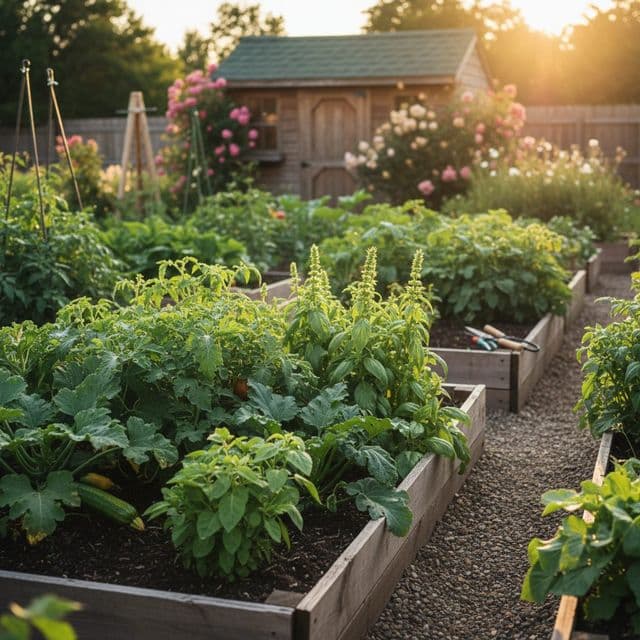
Learn organic plant disease control for your US garden. This symptom-to-cause guide helps diagnose and treat issues like tomato blight in USDA zone 6 with sustainable methods.
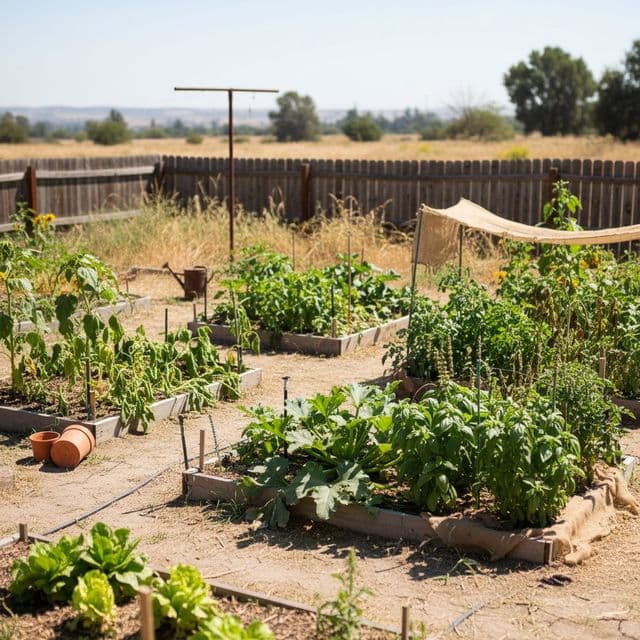
Learn how to adapt your summer fertilizer strategy for extreme heat and drought. Maintain healthy tomato yields in USDA zones 6-9 by optimizing soil health, nutrient uptake, and watering.
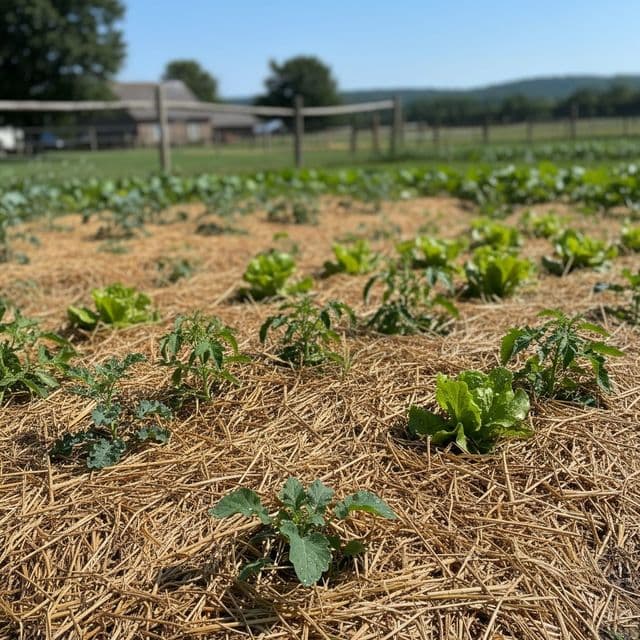
Discover effective mulching strategies to conserve soil moisture in the arid US Southwest. Learn how organic and inorganic mulches reduce evaporation, suppress weeds, and regulate soil temperature…
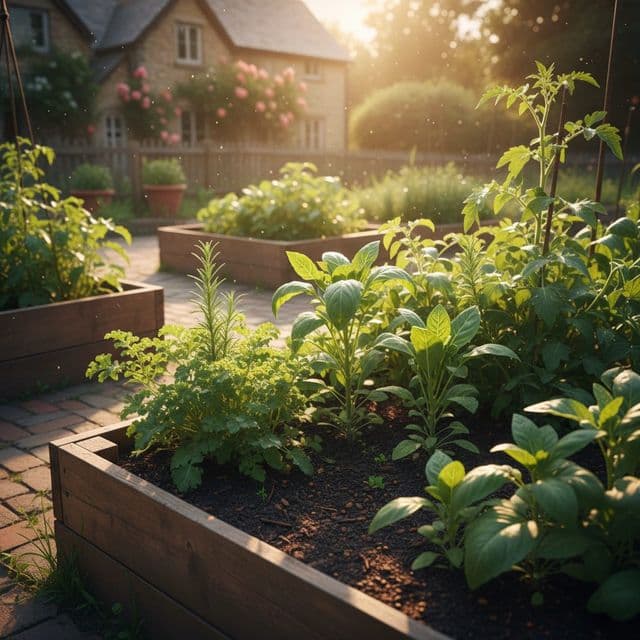
USDA Zone 7 gardeners: Avoid summer mistakes that waste water. Learn climate-resilient gardening tips to improve soil, irrigate efficiently, and choose drought-tolerant plants.
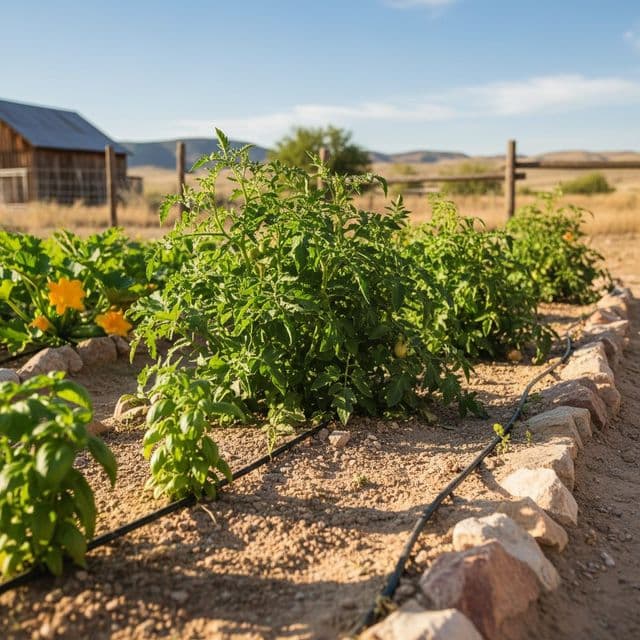
Strategies for soil improvement, water management, and drought-tolerant crops to manage sandy, light, or rocky soils in US gardens.
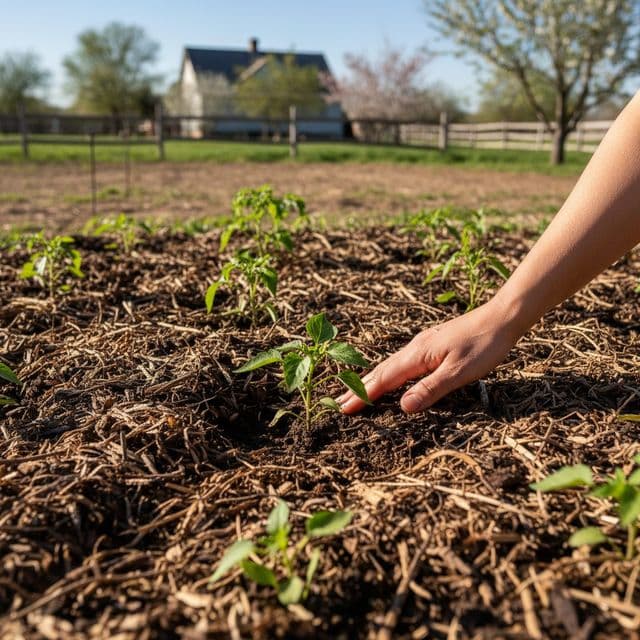
Master watering seedlings & transplants in extreme US heat. Learn deep watering, soil moisture monitoring, and using organic matter & mulch to ensure plant survival and strong growth.
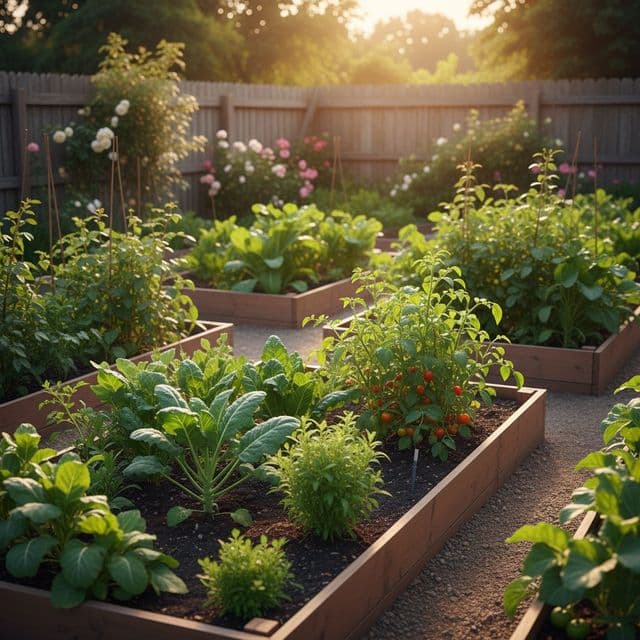
Rescue wilting plants in USDA Zone 7 gardens with moisture management, shading, and soil health practices to handle heat stress and build drought resilience.
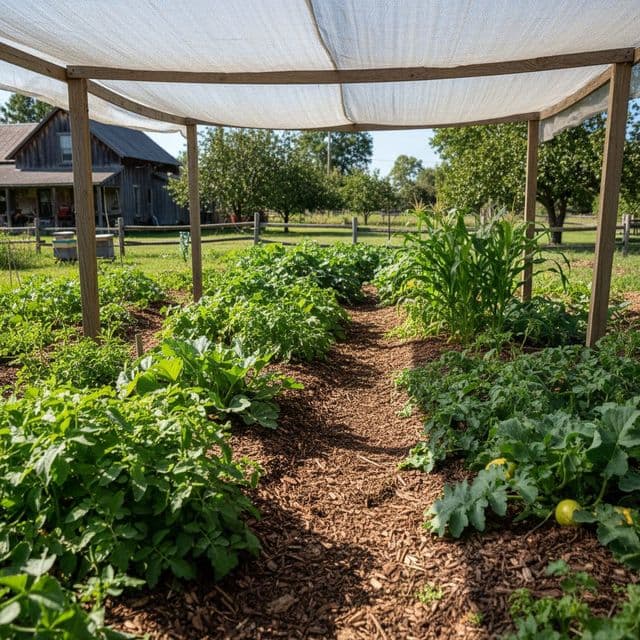
Prepare a USDA Zone 6 vegetable garden for extreme heat and drought with strategies for soil health, water efficiency, and heat-tolerant plant selection.
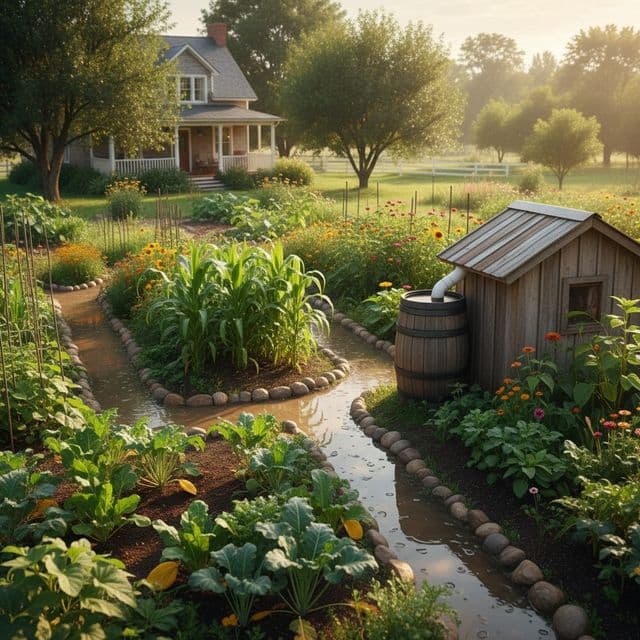
Learn effective strategies for waterlogged soil management in the Ohio River Valley and beyond. Improve drainage, boost crop resilience, and transform challenging sites with earthworks, wicking bed…
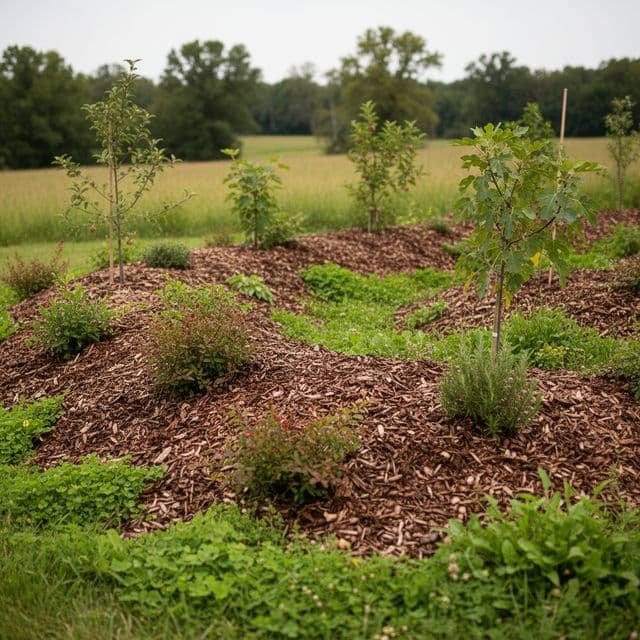
Learn how to build swales on contour to effectively catch and store rainwater in your yard. This guide covers site assessment, slope limits, soil tests, and sizing for a self-watering landscape.
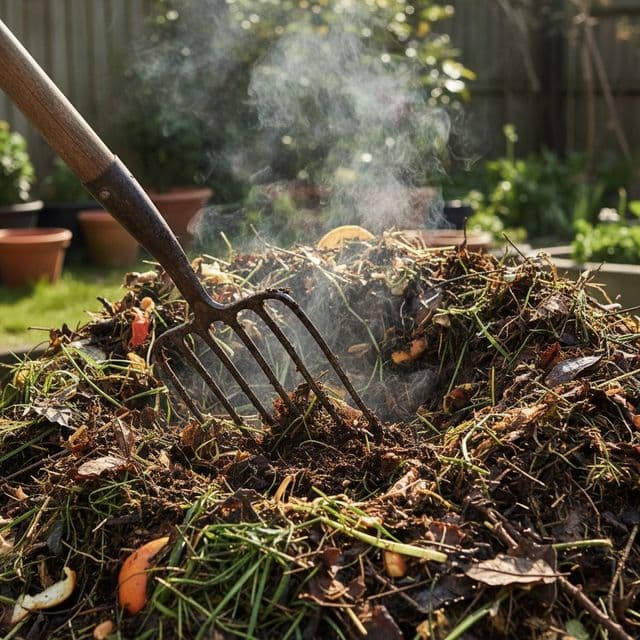
Learn how to diagnose and fix a stalled compost pile. This guide covers troubleshooting moisture, C:N balance, volume, and using accelerators to restart decomposition.
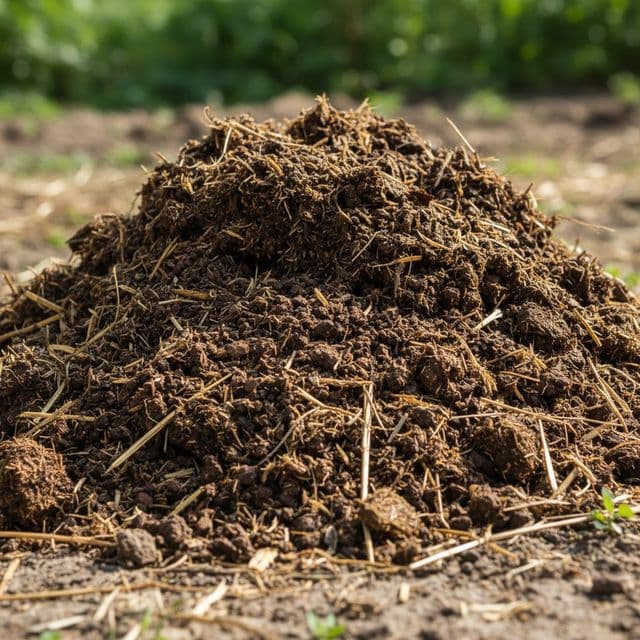
Learn to safely compost chicken, rabbit, cow, and horse manure. Balance C:N ratios, monitor temperatures, and prevent pathogens & weed seeds for nutrient-rich soil.
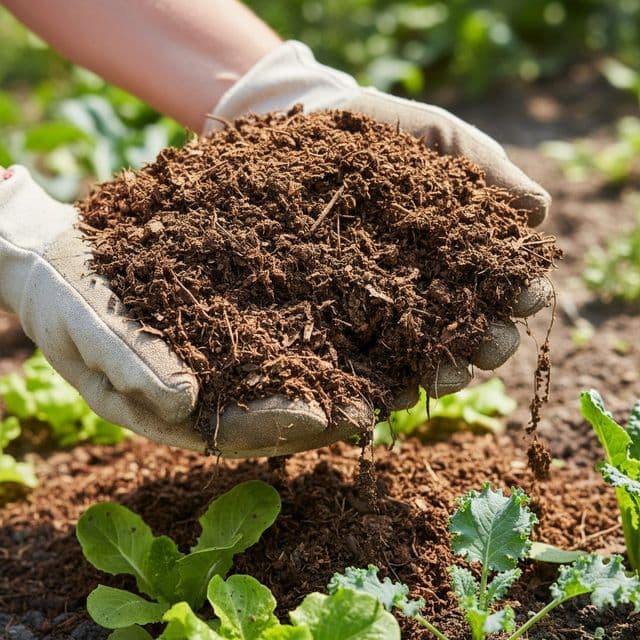
Learn how to make leaf mold, a premium soil conditioner, from fallen leaves. Discover its benefits for water retention, soil structure, and fertility. Easy DIY guide.
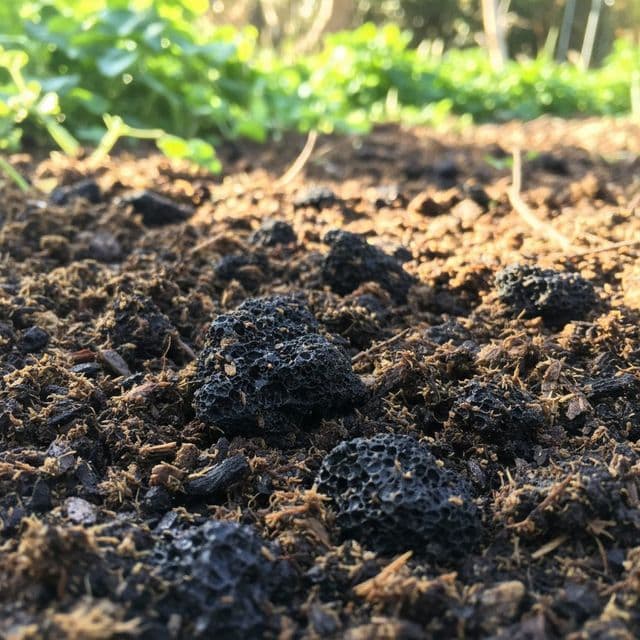
Learn to make DIY biochar from yard and wood waste using simple kilns. Discover how to charge and apply biochar to improve soil fertility, sequester carbon, and boost plant growth for hundreds of y…
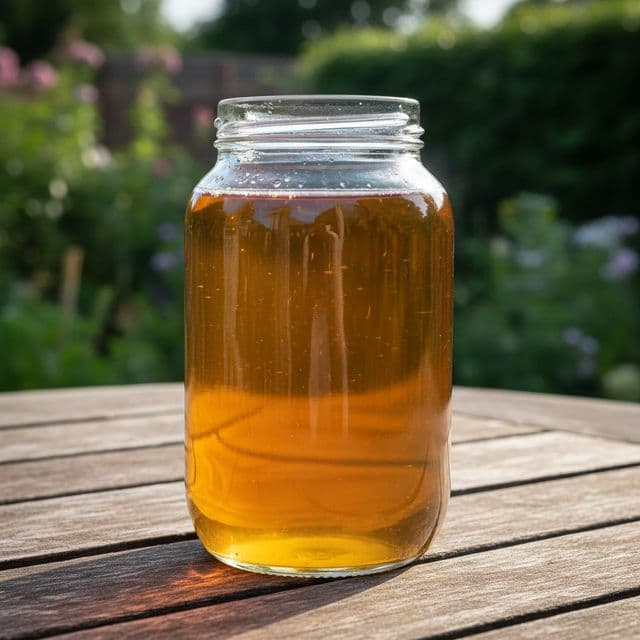
Learn to make homemade compost tea and liquid fertilizers for free. Boost plant growth with microbial inoculants, understand brewing methods, and ensure food safety.
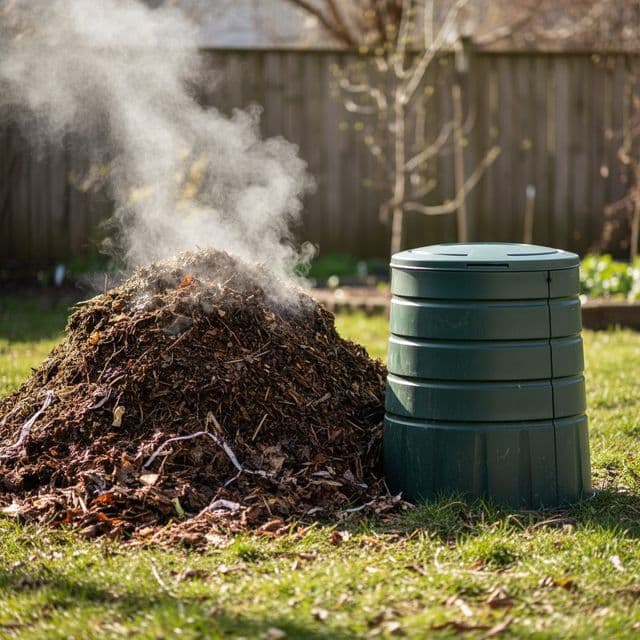
Learn the differences between hot and cold composting to build the right backyard pile for your US climate. Optimize C:N ratio, pile size, and turning for efficient decomposition.
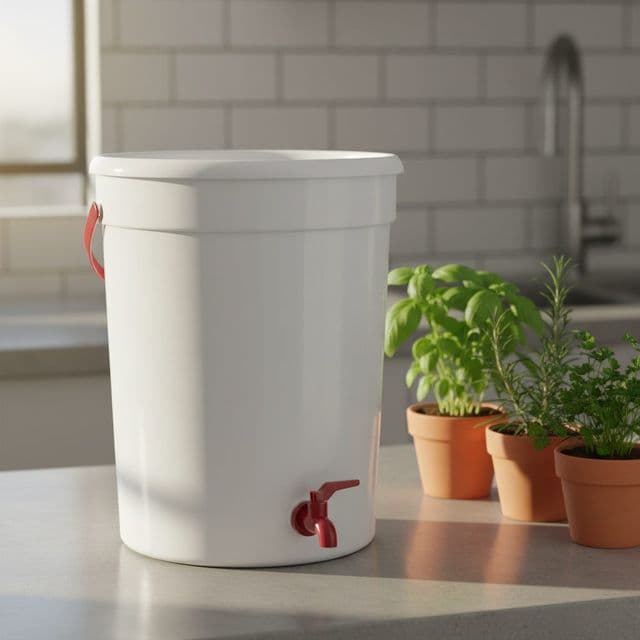
Discover Bokashi composting for small US spaces. This anaerobic method ferments all food scraps, including meat & dairy, without odors. Create nutrient-rich soil & liquid fertilizer.