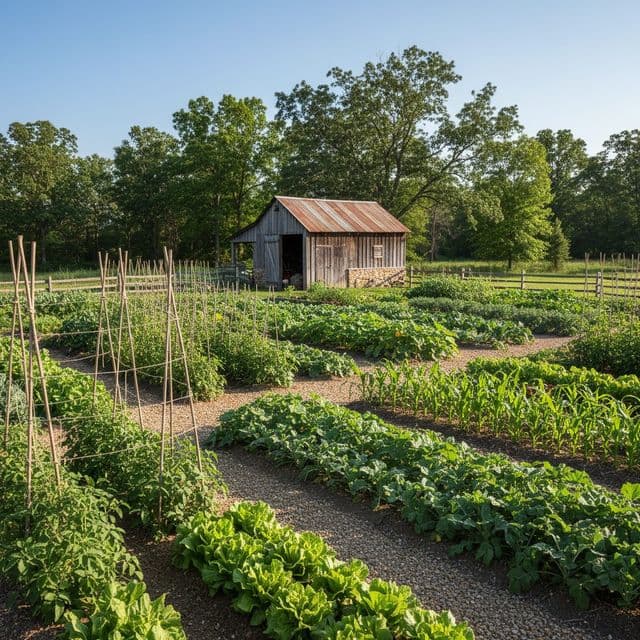
USDA zone vegetable planting calendar for consistent harvests
How to use USDA zones, frost dates, crop rotation, and succession planting to maintain consistent vegetable harvests across the growing season.
Tag
257 articles in this tag on agripure. — page 10 of 11
How to use USDA zones, frost dates, crop rotation, and succession planting to maintain consistent vegetable harvests across the growing season.
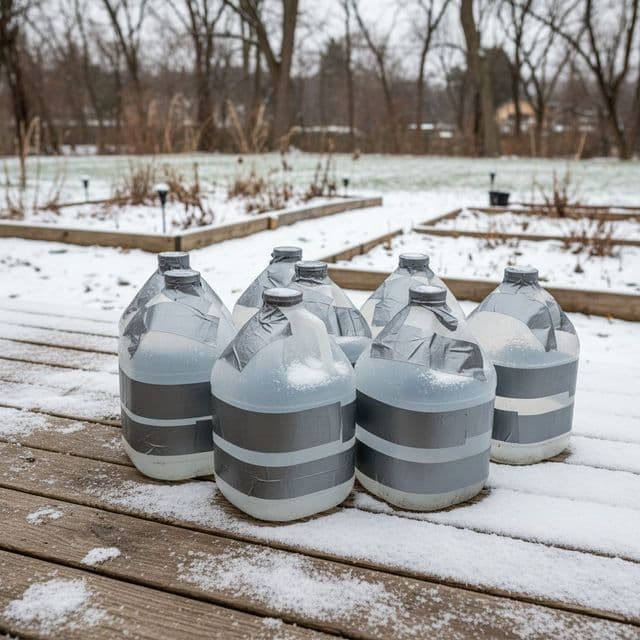
Master winter sowing to start seeds up to 8 weeks earlier in USDA Zone 6. Create mini-greenhouses from milk jugs for hardy seedlings, saving money on grow lights.
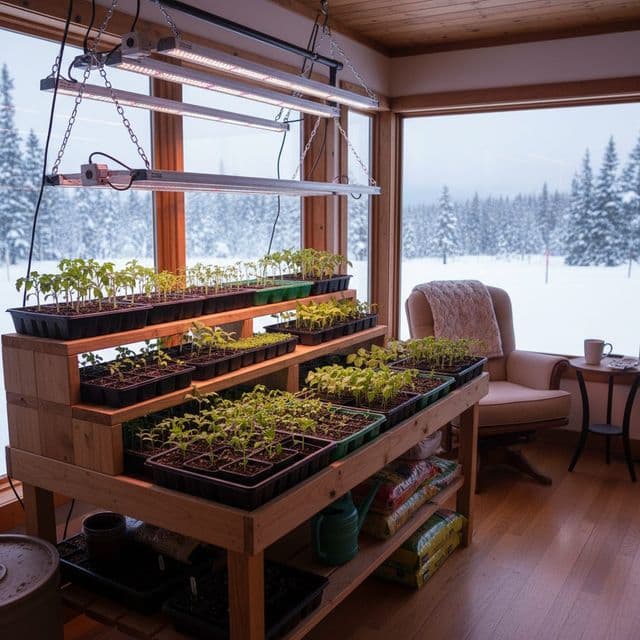
Master indoor seed starting to boost your garden’s yield by 20-30%. Learn timing, equipment, lighting, and care for healthy seedlings across all US USDA zones.
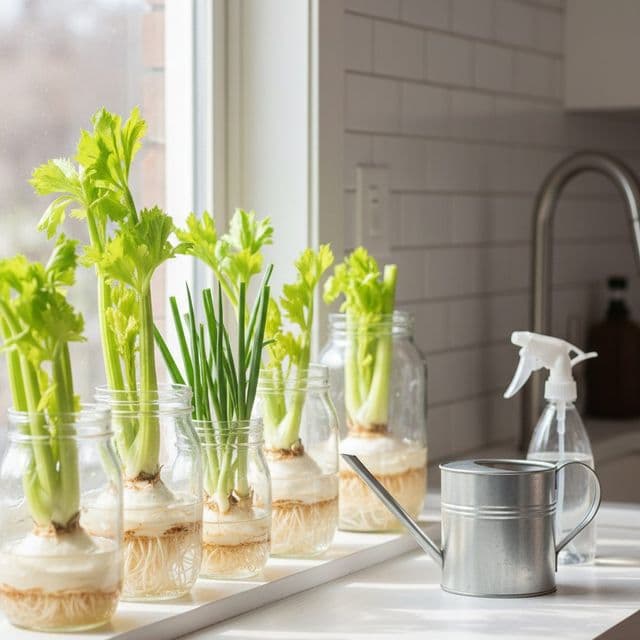
Learn how to regrow common vegetables and herbs from kitchen scraps. Reduce food waste by 30%, save money, and enjoy fresh produce with this simple homesteading guide.
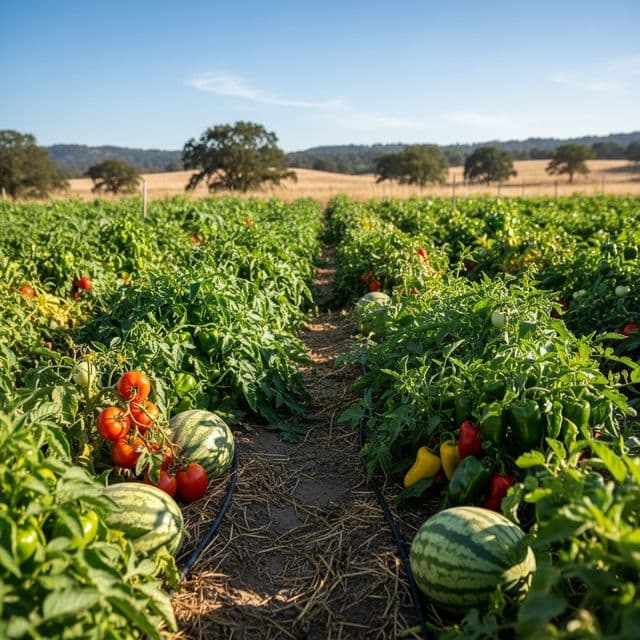
How to grow sweeter tomatoes, melons, and peppers in USDA Zone 7 through soil pH, water management, sunlight, and nutrient balance to boost Brix levels.
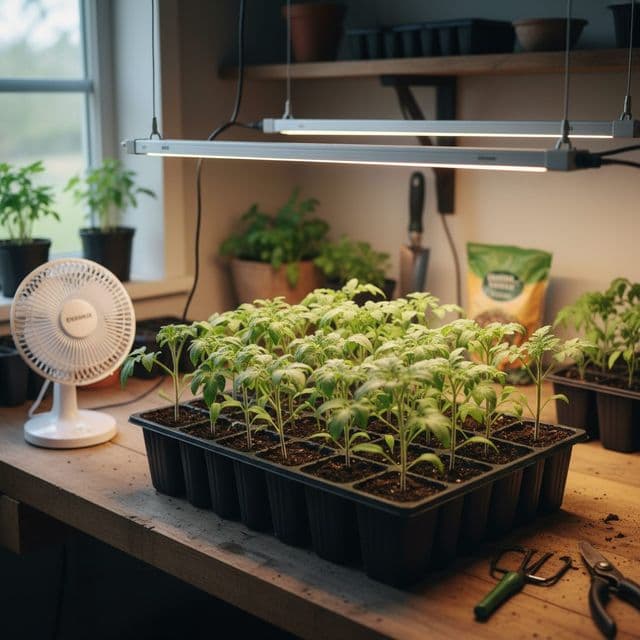
Learn to prevent damping-off and seedling failure in US spring starts for tomatoes and cucurbits. Master sanitation, moisture, and temperature for robust plant growth.
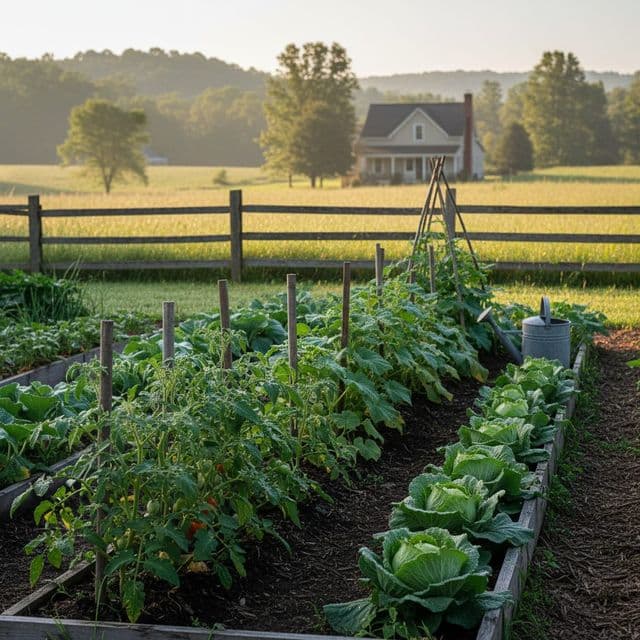
Master successful vegetable growth stages in USDA Zone 6. Learn to identify germination, vegetative, flowering, fruiting, and senescence for optimal plant care and higher yields.
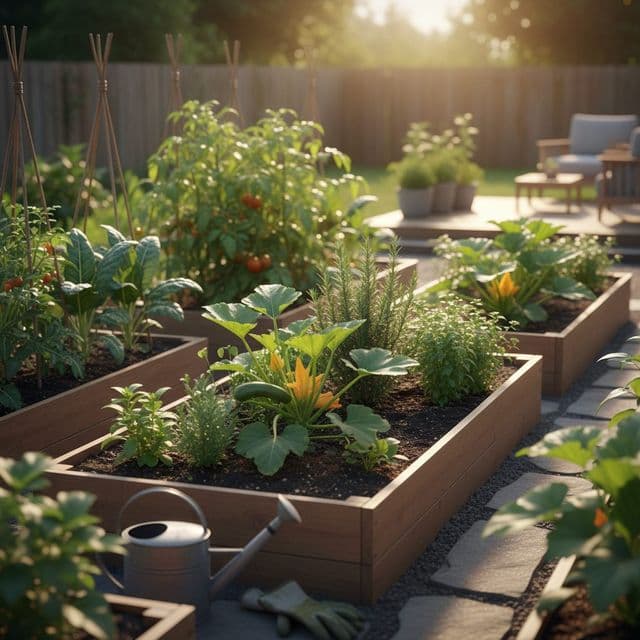
Learn to diagnose common tomato nutrient deficiencies by leaf symptoms. Identify N, P, K, Ca, Fe issues in tomatoes & cucurbits to prevent yield loss and improve harvest quality in Ohio.
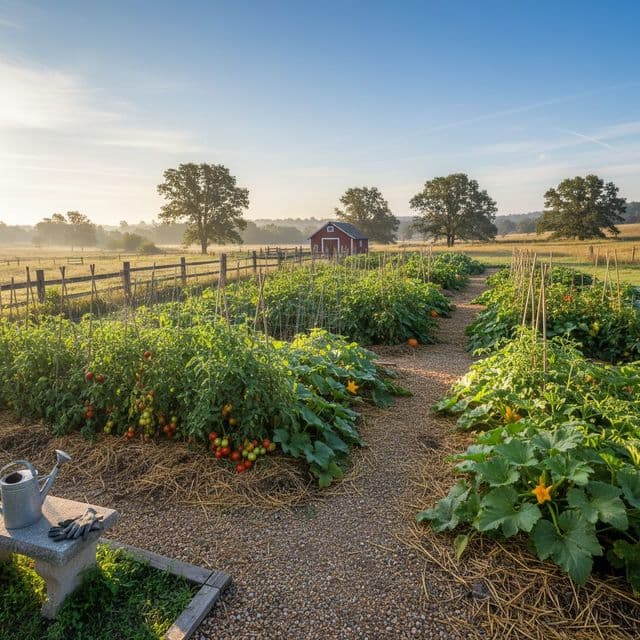
Master diagnosing water issues in tomatoes & cucurbits to prevent wilting, blossom end rot, and increase yields by 20-30% in USDA Zone 6. Learn soil moisture checks & watering needs.
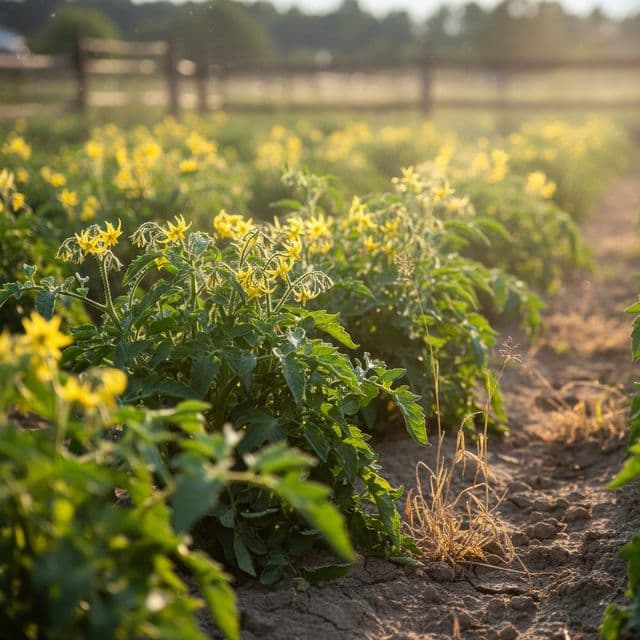
Discover why tomatoes & cucurbits fail to set fruit above 90°F. Learn how heat stress impacts pollen, pollinators, and what cultural practices can save your harvest.
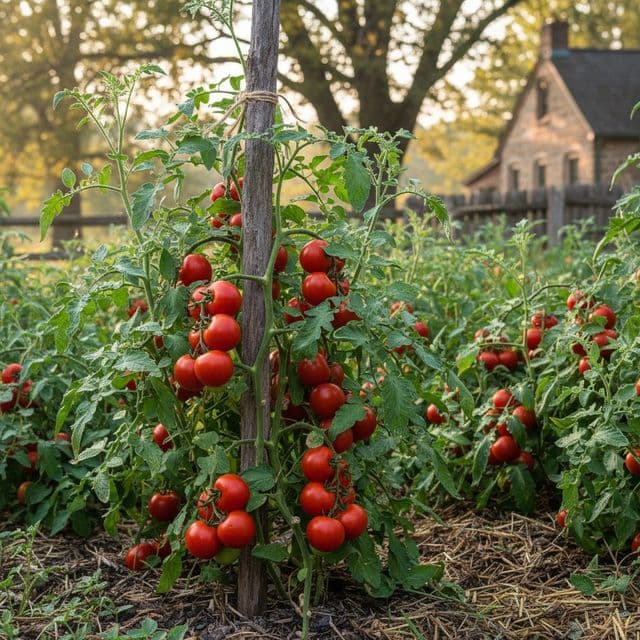
How to protect tomato crops from blights, wilts, and leaf spots using organic cultural methods, resistant varieties, and preventative sprays.
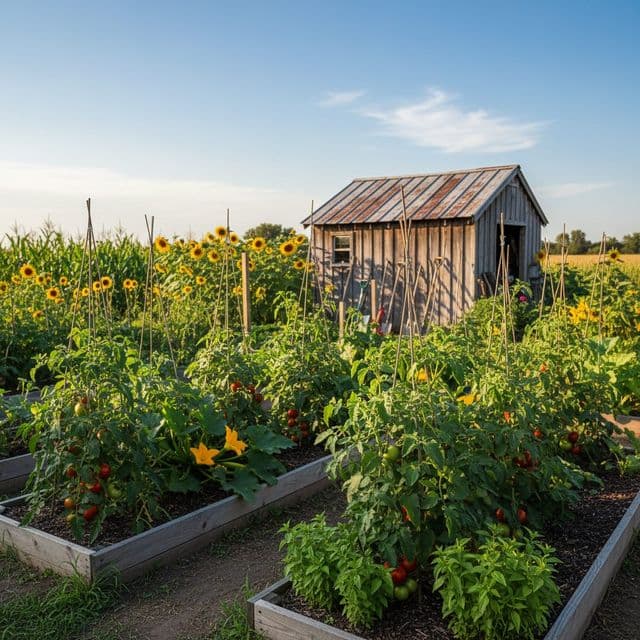
Identify and solve common tomato plant problems from seedling to harvest. Learn diagnostics for pests, diseases, and nutrient issues to maximize yields in USDA Zone 6.
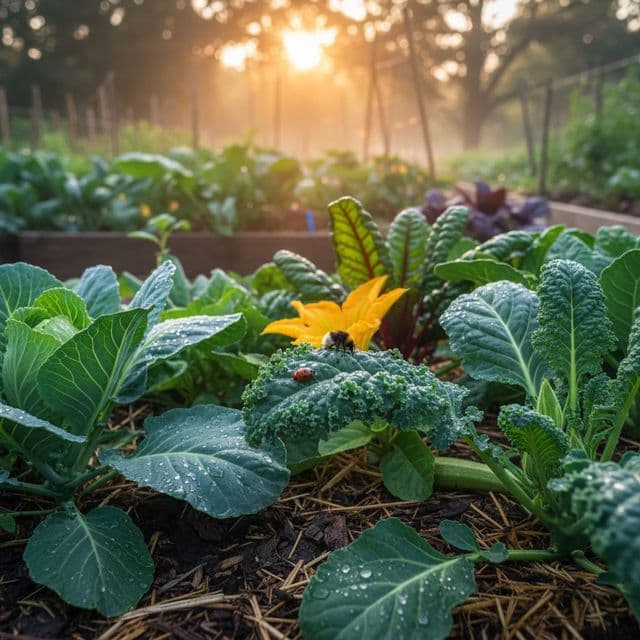
Master organic pest control for hornworms and squash bugs in your USDA Zone 6 vegetable garden. Learn IPM strategies, prevention, and natural treatments for common garden pests.
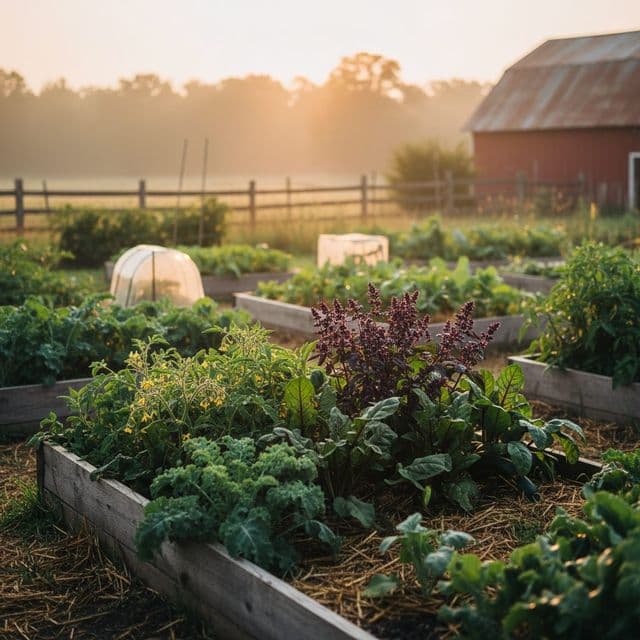
Master organic pest control for soft-bodied pests like aphids, whiteflies, and spider mites. Learn IPM strategies, natural remedies, and how to foster beneficial insects for a thriving garden.
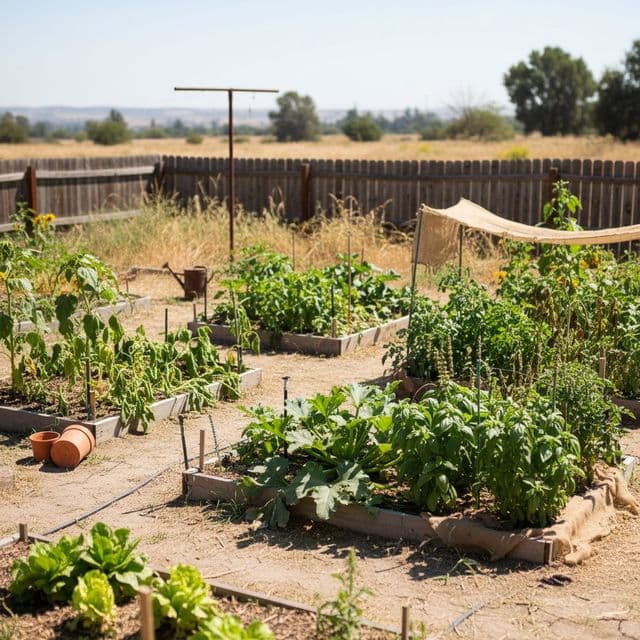
Learn how to adapt your summer fertilizer strategy for extreme heat and drought. Maintain healthy tomato yields in USDA zones 6-9 by optimizing soil health, nutrient uptake, and watering.
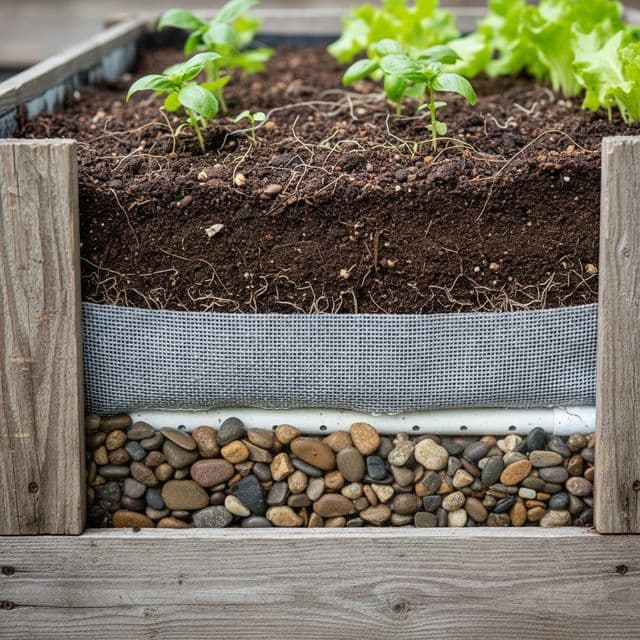
Wicking beds use capillary action to create self-watering raised gardens, cutting watering by up to 50% while keeping moisture stable.
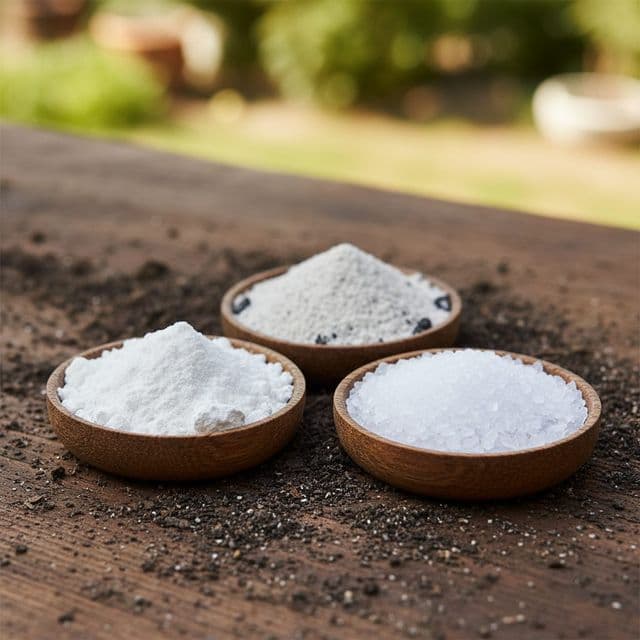
Demystify soil amendments like wood ash, Epsom salt, and gypsum. Learn how to use them safely to balance soil chemistry, prevent nutrient lockouts, and boost garden fertility.
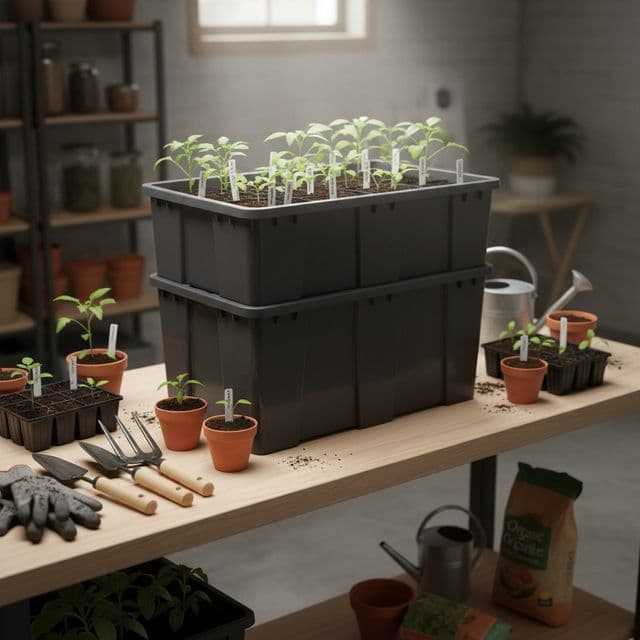
Learn to set up and maintain a worm bin for vermicomposting at home. This guide covers worm species, bin sizing, feeding, and harvesting nutrient-rich castings for your garden.
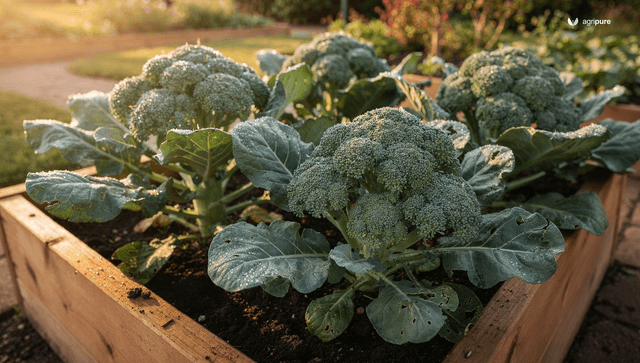
How to grow broccoli from transplant to harvest — cool-season timing, spacing, side-shoot management, cabbage worm control, and container growing tips.
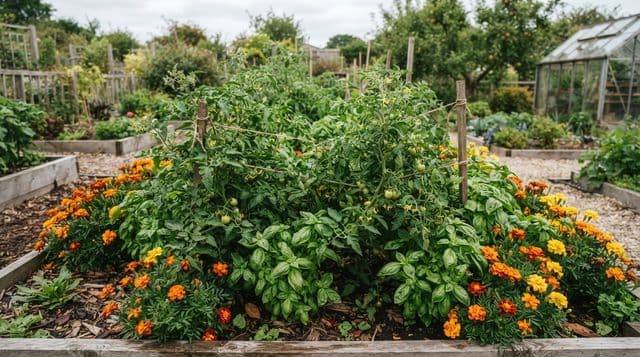
An evidence-based companion planting guide: which pairings work, a good- and bad-neighbor chart for tomatoes, peppers, cucumbers, strawberries, herbs, and more.
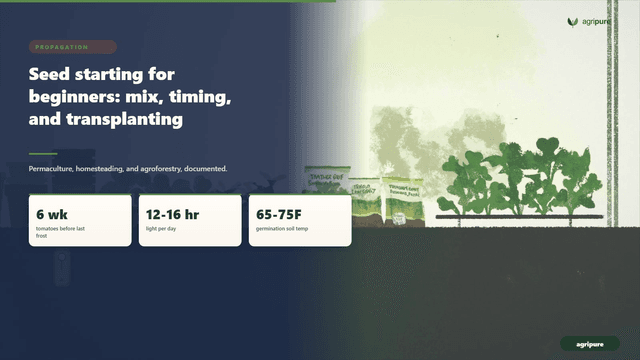
A beginner’s seed starting guide: the right soilless mix, when to start each crop by counting back from your last frost, grow lights, bottom heat, and transplanting.
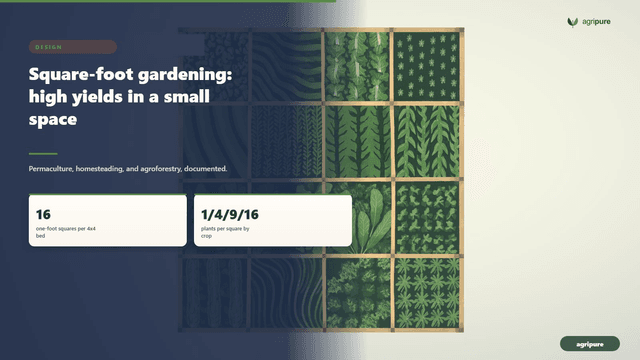
Square-foot gardening explained: build a 4×4 bed, mix Mel’s Mix, and use the plants-per-square chart (1 tomato, 4 lettuce, 9 beets, 16 carrots) for high small-space yields.
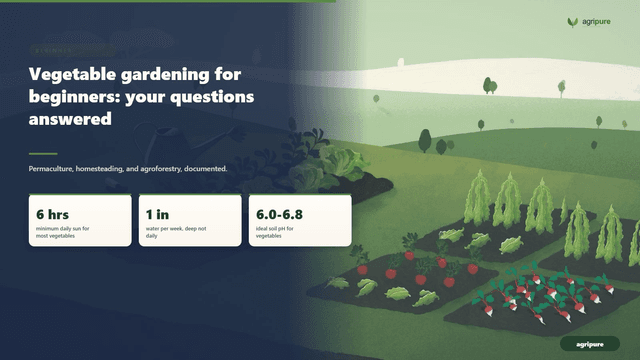
A beginner’s vegetable gardening FAQ: how much sun, easiest crops, when to plant by frost date, how often to water, spacing, troubleshooting, and regrowing from scraps.
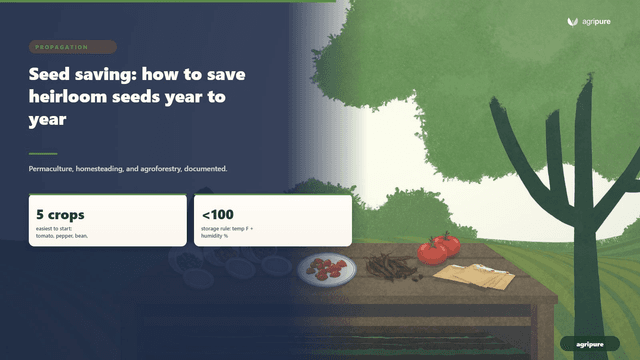
A practitioner’s seed saving guide: why open-pollinated seed comes true and F1 hybrids do not, the easiest crops to start with, managing cross-pollination, harvesting, drying, storage, and a germin…