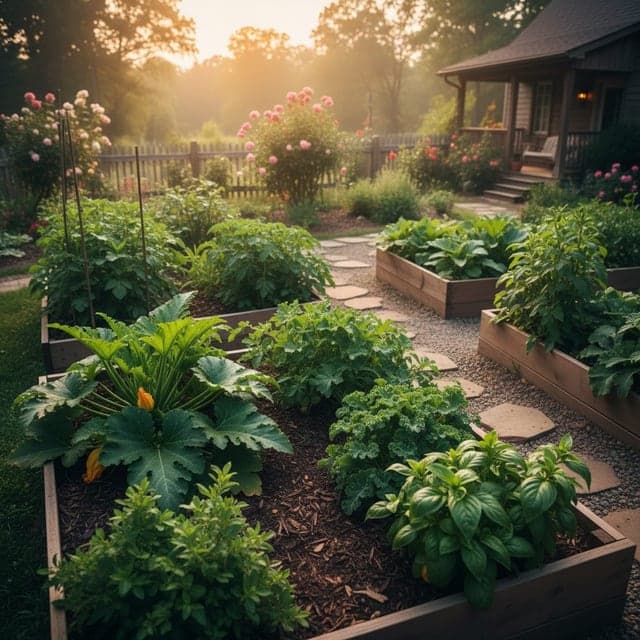
Fruit-set failure in humid US Southeast: pollen clumping & fixes
High humidity in the US Southeast causes pollen to clump, reducing yields in tomatoes and cucurbits. Learn why pollen fails to release and how to improve fruit set.
Tag
300 articles in this tag on agripure. — page 9 of 13
High humidity in the US Southeast causes pollen to clump, reducing yields in tomatoes and cucurbits. Learn why pollen fails to release and how to improve fruit set.
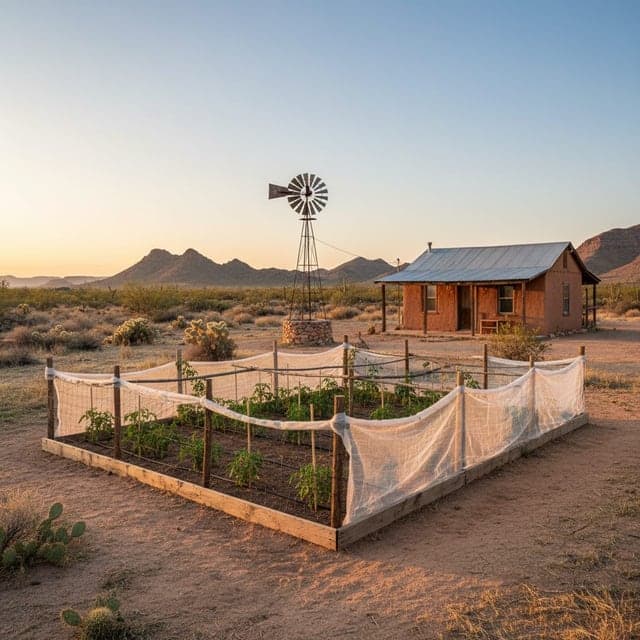
Master gardening in Southwest & Texas heat. Learn to use shade cloth, strategic planting times, and heat-set varieties to ensure fruit set and bountiful harvests above 90°F.
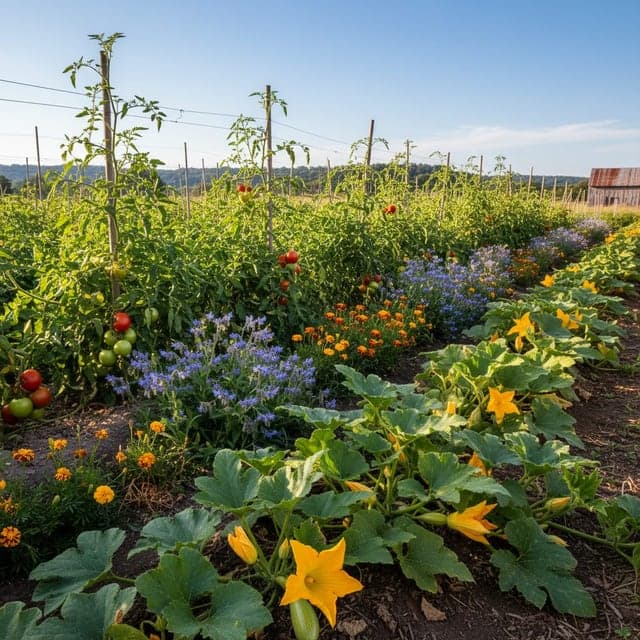
Learn how strategic companion planting boosts tomato fruit set and overall yields in US growing regions. Attract beneficial pollinators with specific flowers for a healthier, more abundant harvest.
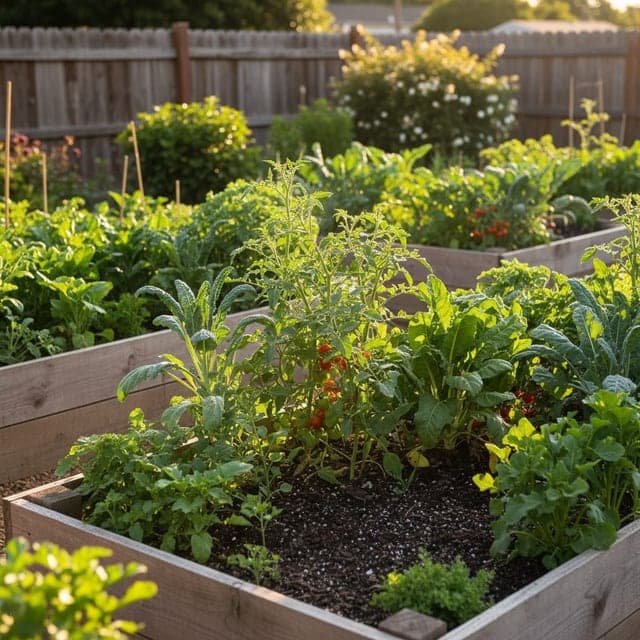
Why cucurbit plants produce male flowers first in USDA Zone 7, how environmental factors affect female bloom development, and how to encourage steady fruit set.
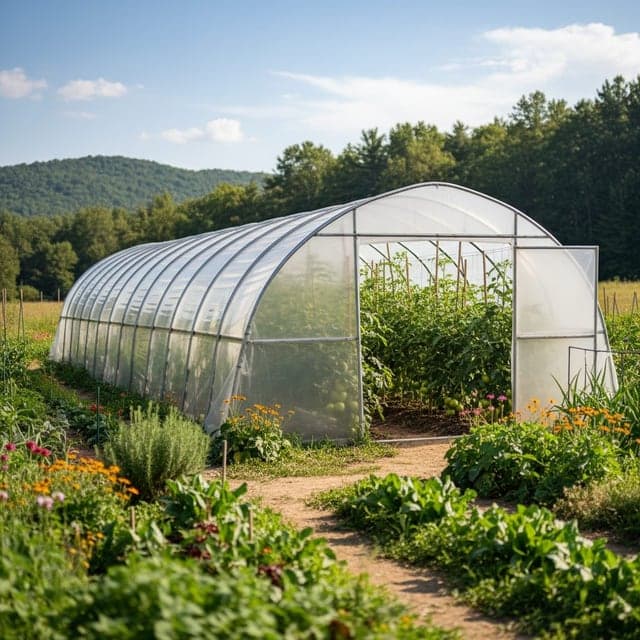
Maximize greenhouse tomato fruit set in USDA Zone 6 with expert tips on pollination, temperature, humidity, and water management. Learn manual and bee pollination techniques for higher yields.
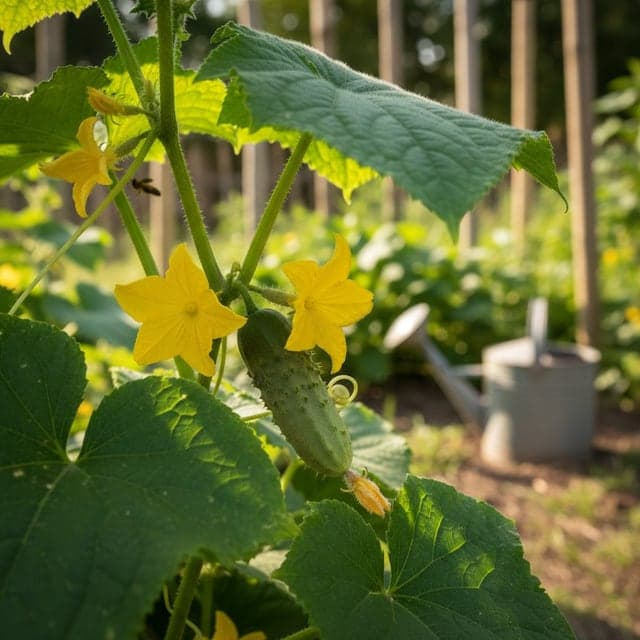
Hand-pollinate cucumbers, cantaloupes, and watermelons accurately: avoid ruining parthenocarpic greenhouse cultivars ('Diva', 'Socrates'), hit the 6–10 AM window before >90–95°F sterility, deliver…
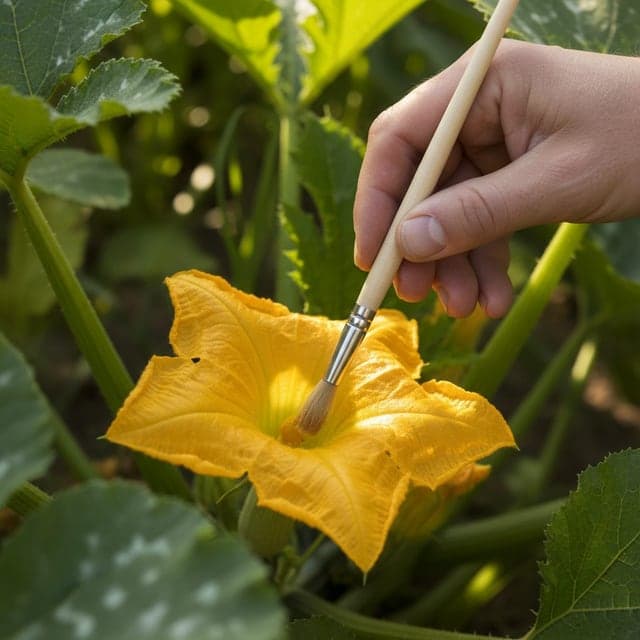
Boost squash, zucchini, and pumpkin yields in USDA zones 5-9. Learn to hand-pollinate cucurbit flowers for better fruit set when pollinators are scarce. Simple steps for a bountiful harvest.
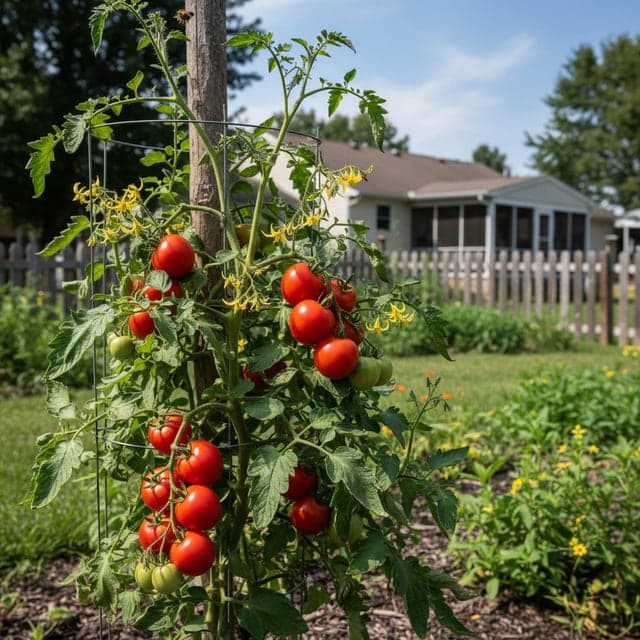
Boost tomato and pepper yields by 15-30% with hand-pollination. Master the electric toothbrush method & optimize conditions for a successful harvest in USDA Zone 6.
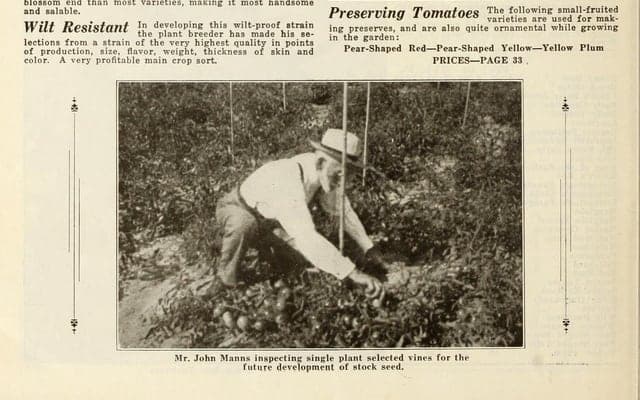
Decode US tomato seed-catalog resistance codes grounded in Cornell Vegetable MD Online and ASTA standards: VFN, FFF, TSWV, TYLCV, Ph-2/Ph-3 late blight stacks, HR vs. IR labels, heirloom grafting,…
Protect your USDA Zone 6 garden from Tomato Mosaic & Spotted Wilt Viruses. Learn prevention and management strategies for healthy tomato and cucurbit crops. Essential tomato virus management.
Protect your tomato harvest in the Southeast US. Learn to identify and manage bacterial wilt, spot, and speck with practical, research-backed strategies for healthy plants and good yields.
Identify, prevent, and manage Septoria leaf spot, the most common US tomato disease. Learn key symptoms, spread, and effective strategies to protect your plants and maximize yields.
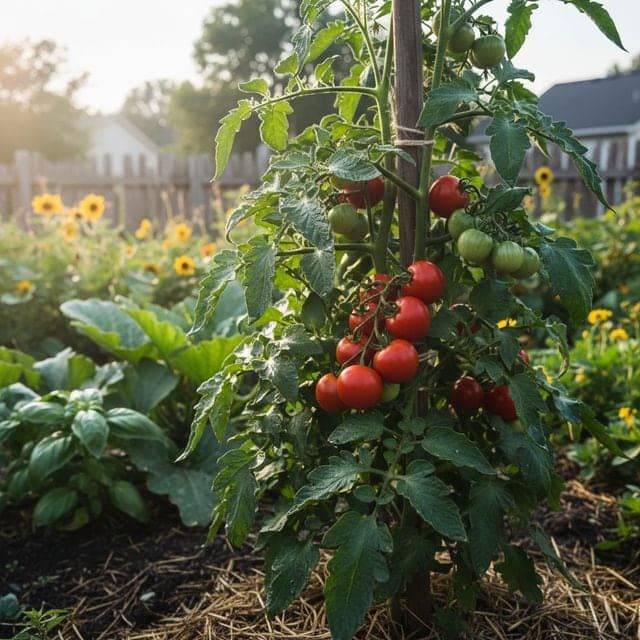
Protect your tomato and potato crops from devastating early and late blight. Learn to identify symptoms, understand lifecycles, and apply effective organic and synthetic treatments to save your har…
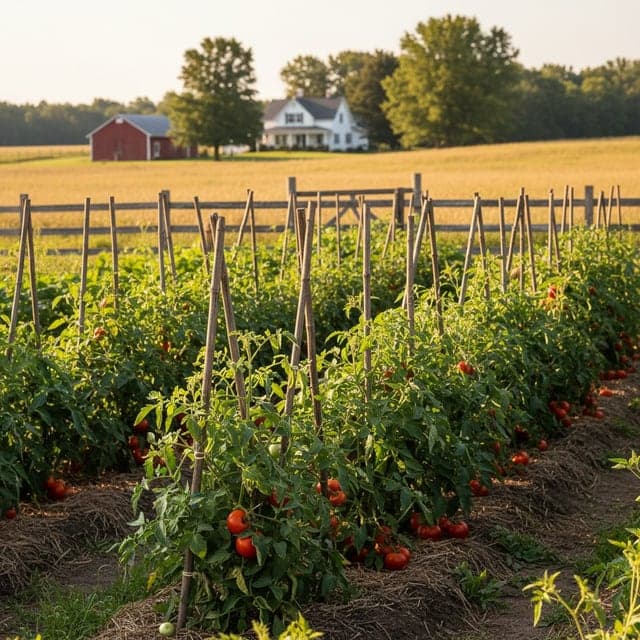
Combat leggy tomato growth in USDA Zone 6 for bigger harvests. Learn to identify causes, prune effectively, and stake plants properly to boost yields by 20% or more.
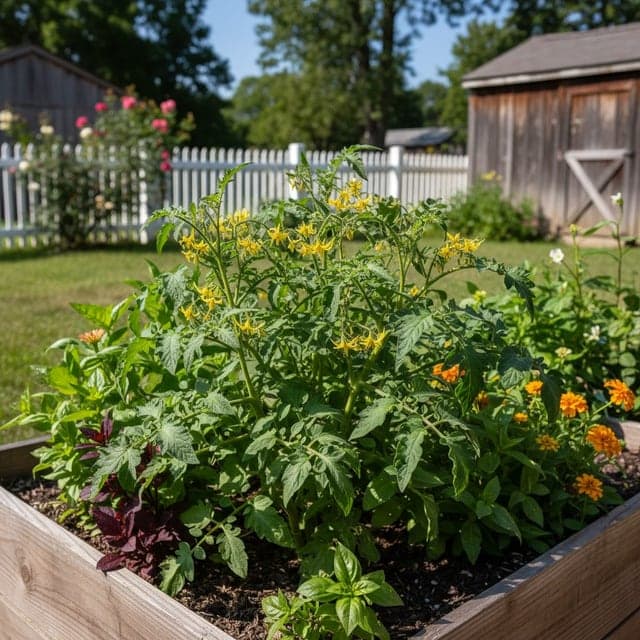
Is your tomato plant flowering but not fruiting? Learn common causes like poor pollination, nutrient imbalance, and environmental stress. Boost your tomato yield.
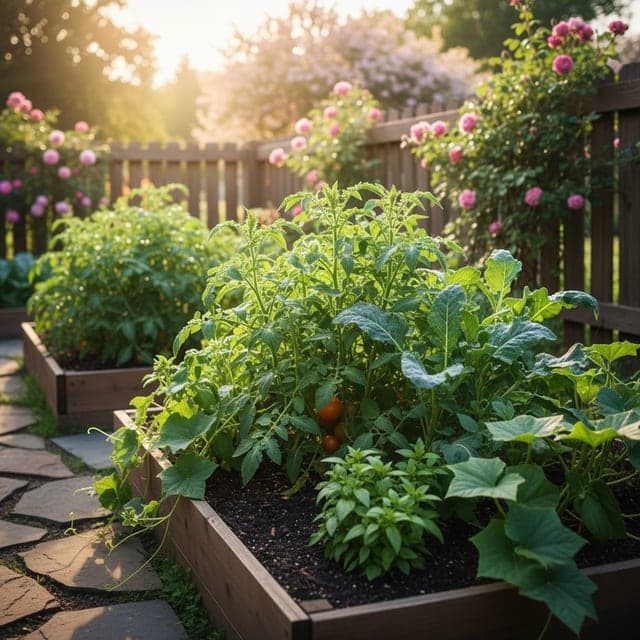
Learn how to prevent tomato cracking and catfacing, common issues reducing yields. Discover strategies like consistent watering, cultivar selection, and cold protection for healthier tomatoes.
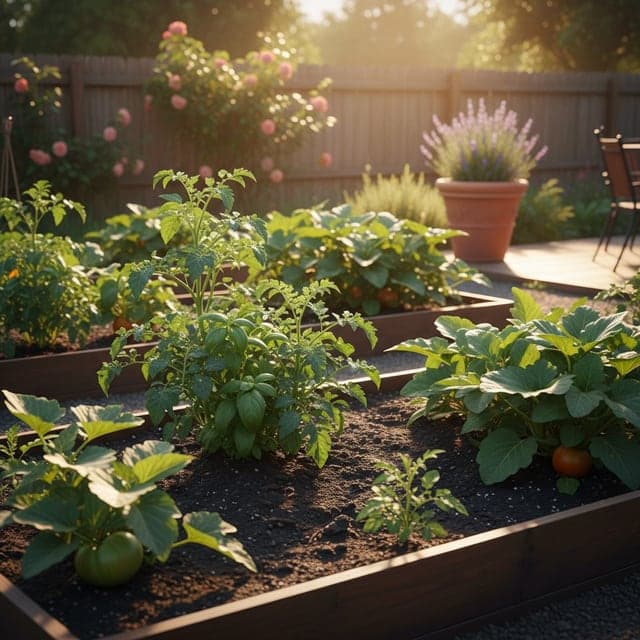
Decode yellow tomato leaves. Learn to diagnose nitrogen, magnesium, watering issues, or disease. Get practical tips to restore plant health and boost your harvest.
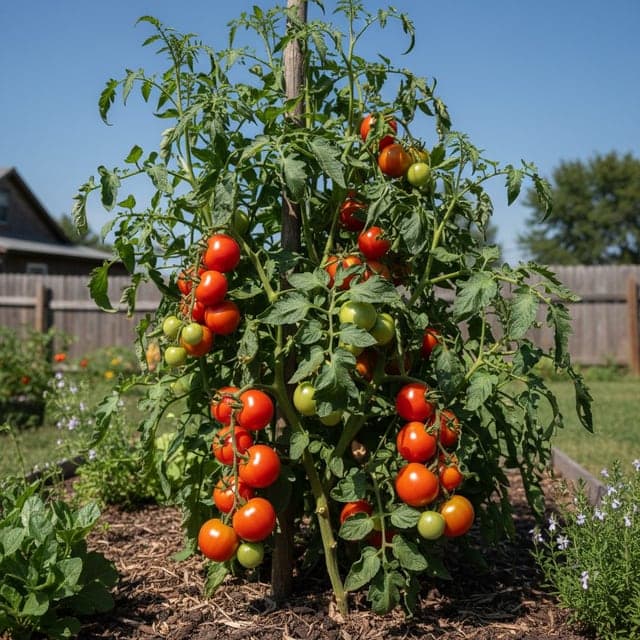
Diagnose tomato leaf curl in your USDA Zone 7 garden. Learn to distinguish between heat stress, herbicide drift, and viral infections with clear symptoms and effective solutions to save your crop.
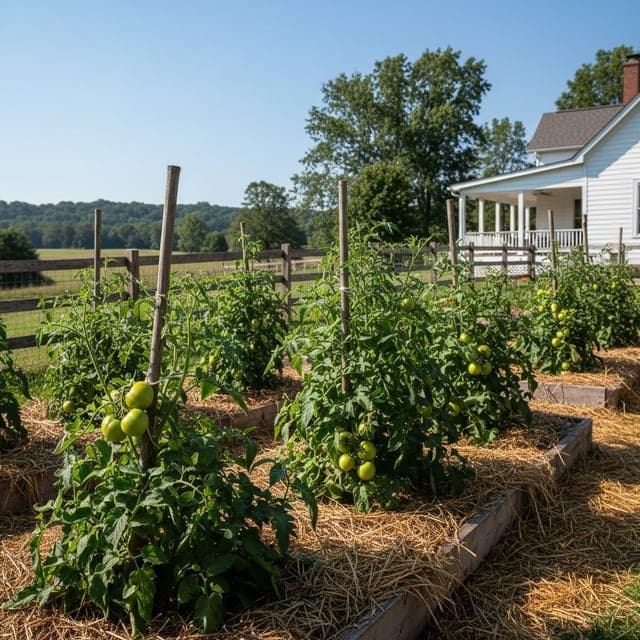
Discover why your tomatoes aren’t ripening, especially in warmer US regions like USDA Zone 6. Learn how night temperatures affect lycopene production and get practical fixes for successful tomato r…
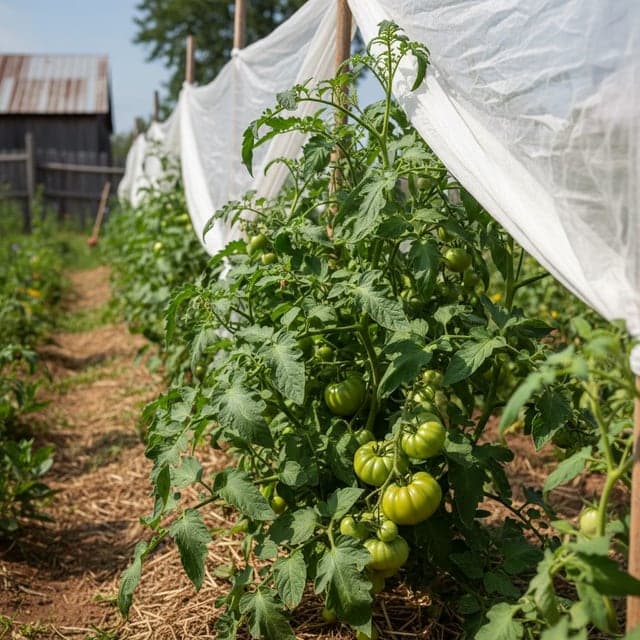
Combat tomato blossom drop in US heat. Learn why flowers fall above 90°F, and how shade cloth, watering, and variety selection help ensure fruit set.
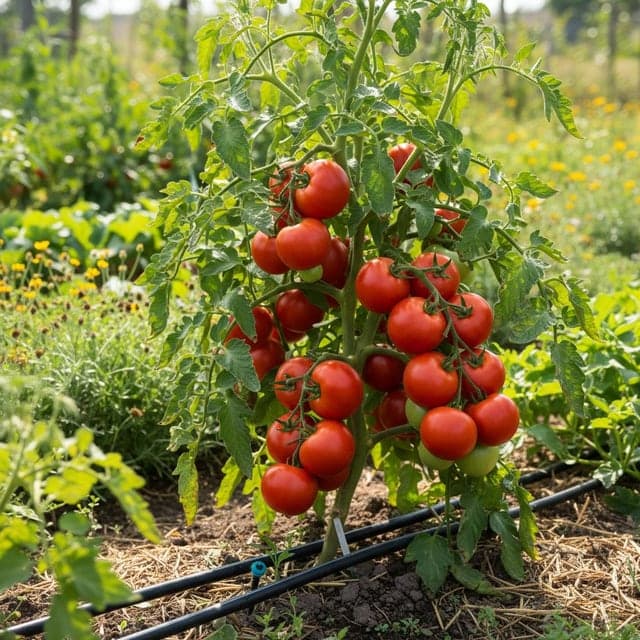
Learn how to prevent blossom-end rot in tomatoes and other fruiting vegetables. Discover the primary cause (inconsistent water) and effective strategies like mulching to boost your harvest.
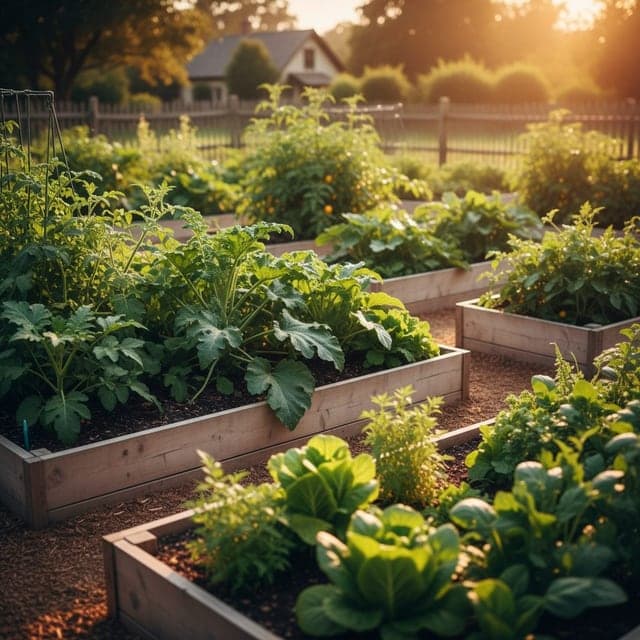
Protect your vegetable garden from rabbits with effective, buried fencing. Learn about materials, installation, and techniques for rabbit proof fencing to secure your harvest.
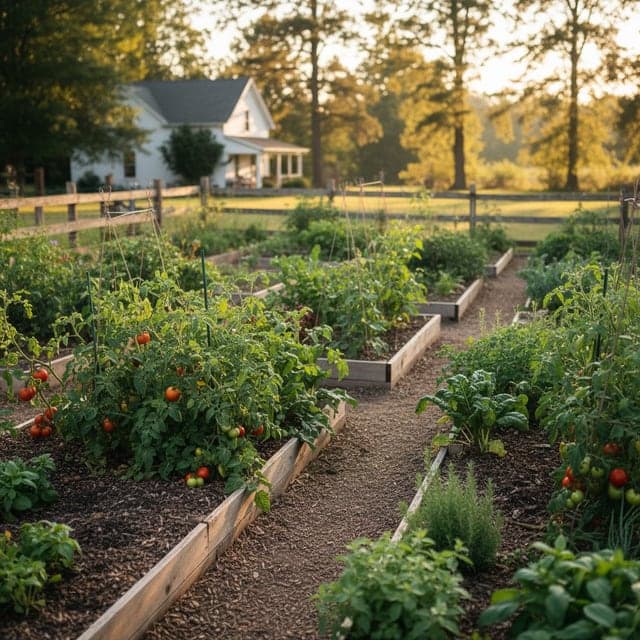
Build flowering insectary strips using USDA NRCS CPS 422 and Xerces spacing (<=100–150 ft), Apr–Oct shallow umbels and discs for hoverflies, Orius, lacewings, and Braconid wasps, neonicotinoid nurs…

Discover trap cropping, an organic pest control method. Learn how specific plants like nasturtiums and Blue Hubbard squash can protect your main crops, reduce damage by 50%, and cut pesticide use b…