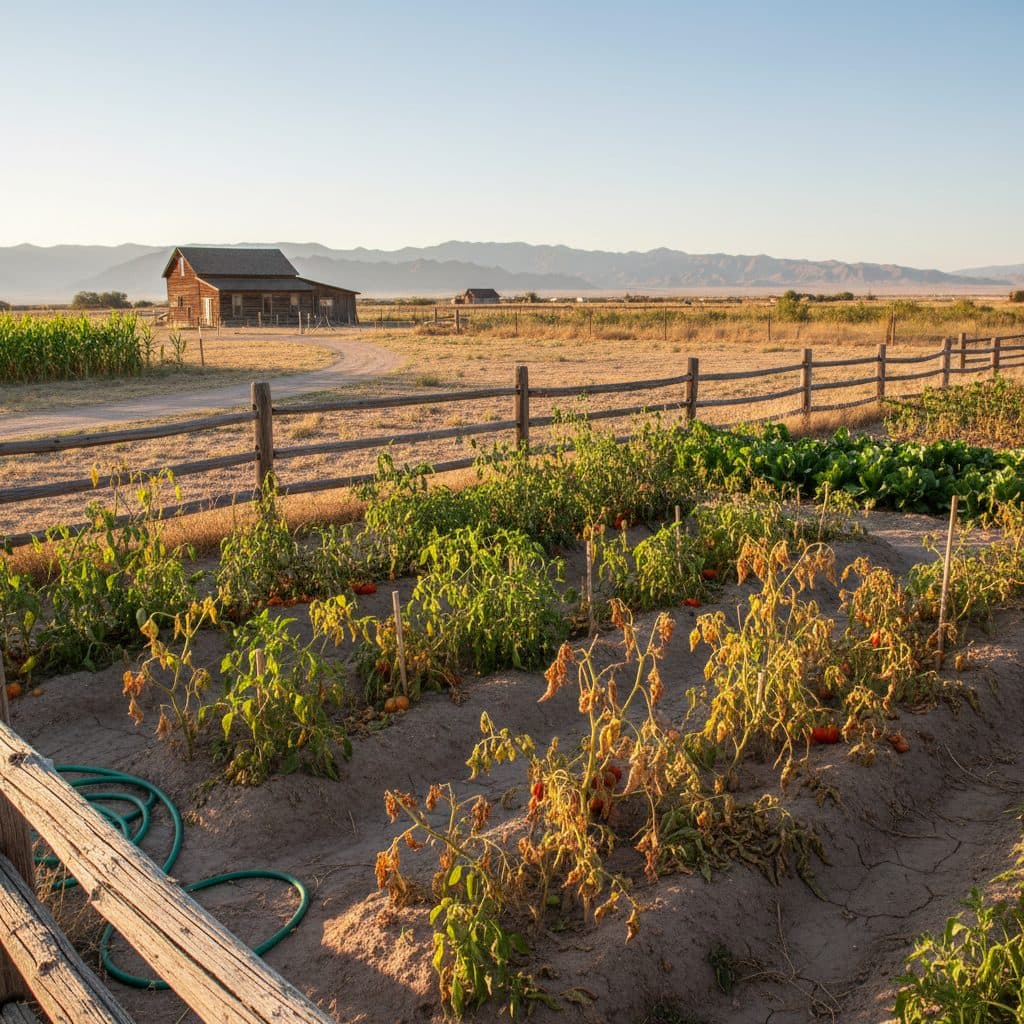
Key takeaways
- Identify heat stress symptoms like wilting and leaf curl, distinct from disease or pest issues.
- Implement immediate relief measures such as providing temporary shade and deep, consistent watering.
- Improve soil health with organic matter to enhance water retention and nutrient availability.
- Utilize tools like soil moisture meters to ensure plants receive adequate, but not excessive, water.
- Protect plants from future heat by using shade cloth and selecting heat-tolerant varieties.
- Prune damaged foliage carefully to encourage new growth without stressing the plant further.
Quick answer: To revive heat-scorched plants, identify symptoms like wilting, provide immediate shade and deep watering, and improve soil health. Protect plants from future heat with shade cloth and heat-tolerant varieties.
In recent years, gardeners across the United States, from the arid Southwest to the humid Southeast, have faced increasingly intense and prolonged heatwaves. For instance, in parts of USDA zone 7, summer temperatures can consistently exceed 95°F for weeks, severely stressing popular garden staples like tomatoes, peppers, and squash. These plants, while loving warmth, can quickly succumb to temperatures above 85°F, leading to scorched leaves, stunted growth, and a significant reduction in yield.
When tomato, pepper, or squash plants show signs of heat stress (wilting, yellowing, or browning leaves), prompt intervention can revive many of them. These steps focus on methods effective in gardens experiencing extreme heat, such as those in the Central Valley of California or the high plains of Texas.
Assessing the damage and initial response
When your plants look distressed, the first step is to accurately diagnose the problem. Heat stress often manifests as wilting leaves, yellowing foliage, or even browning at the leaf edges, particularly when temperatures climb above 90°F for several days. This can sometimes be confused with fungal diseases or pest infestations. For example, bacterial spot, common in hot peppers and tomatoes, causes small, dark, water-soaked spots on leaves and fruit, especially when humidity is high and temperatures are above 75°F [1]. Distinguishing these symptoms is crucial before you take action.
Immediate relief for stressed plants
Once you confirm heat stress, immediate action is necessary. Provide temporary shade using shade cloth, old sheets, or even an umbrella, reducing direct sun exposure by 30% to 50%. Then, focus on rehydration. Water the plant deeply at its base, aiming for 1 to 2 gallons of water per plant, allowing it to soak into the soil slowly. Avoid overhead watering during the hottest part of the day, as water droplets can magnify sunlight and cause further scorching. Check the soil moisture with a soil moisture meter to ensure the root zone is adequately hydrated, aiming for a reading of 60% to 80% moisture. Transpiration rates in sweet pepper plants can double when temperatures rise from 77°F to 95°F, significantly increasing their water demand [5].
- wilting leaves: often the first sign, leaves droop, especially in the afternoon heat.
- leaf curl or roll: leaves curl upwards or inwards to reduce surface area exposed to sun.
- yellowing or browning edges: can indicate severe dehydration or nutrient lockout from stress.
- blossom drop: flowers fall off before setting fruit, common in tomatoes above 90°F.
- stunted growth: overall plant growth slows or stops completely.
The art of watering: when and how much
Proper watering is essential to reviving heat-scorched plants. Deep watering rather than shallow drenching delivers moisture where roots need it. Deep watering encourages roots to grow deeper into the soil, making them more resilient to drought conditions. Aim to water early in the morning, before 8:00 AM, when temperatures are cooler and evaporation rates are lower, typically below 0.1 inches per hour. This allows the plant to absorb water before the intense midday sun hits.
Strategic watering for recovery
For tomatoes, peppers, and squash, consistent moisture is vital. Tomato and sweet pepper plants require consistent moisture, with water uptake significantly impacted when soil moisture drops below 50% [5]. Instead of frequent, shallow watering, provide a thorough soaking every two to three days, depending on your soil type and current temperatures. A good rule of thumb is to deliver about 1 inch of water per week, which translates to roughly 0.6 gallons per square foot. Use a soil moisture meter to monitor conditions 6 inches below the surface to verify that the root zone is moist but not waterlogged. Overwatering can be just as detrimental as underwatering, leading to root rot and creating conditions favorable for pathogens like Phytophthora capsici, which can spread rapidly through irrigation water, infecting up to 90% of susceptible plants in affected rows [2].
- deep and infrequent: encourages deep root growth, making plants more drought-tolerant.
- early morning watering: minimizes evaporation and allows plants to hydrate before heat stress.
- Monitor soil moisture: Prevents both underwatering and overwatering, supporting plant health.
- avoid overhead watering: reduces fungal diseases and leaf scorching.
- consider drip irrigation: delivers water directly to the root zone, improving efficiency by up to 50%.
Soil health as foundation for resilience
A plant’s ability to withstand heat and drought is intrinsically linked to the health of its soil. Healthy soil acts like a sponge, retaining moisture and nutrients, and providing a stable environment for roots. The USDA Natural Resources Conservation Service (NRCS) recommends increasing soil organic matter by 0.5% to 1% annually through practices like composting to improve water retention by up to 20% [6]. For instance, sandy soils in Florida might only hold 0.5 inches of water per foot, while loamy soils in Iowa can hold up to 2.5 inches per foot.
Enriching your garden’s soil
To improve your soil’s resilience, incorporate a significant amount of organic matter (at least 2 to 3 inches of compost or well-rotted manure) into the top 6 to 8 inches of soil. This boosts microbial activity, improves soil structure, and enhances its water-holding capacity. Mulching is another critical practice; a 2 to 4 inch layer of organic mulch like straw, wood chips, or shredded leaves can reduce soil temperature by up to 10°F and decrease water evaporation by 25% to 50%. For a 100 square foot garden bed, this would require approximately 1 cubic yard of mulch. Consider amending your soil with a slow-release organic fertilizer like fermented soybean meal, which provides a steady supply of nitrogen, phosphorus, and potassium as the soil microbes break it down, supporting consistent growth without overwhelming stressed plants. Healthy soil, as promoted by the USDA NRCS, can hold up to 20,000 gallons of water per acre-foot [6].
- add compost: improves soil structure and water retention significantly.
- mulch heavily: reduces soil temperature, conserves moisture, and suppresses weeds.
- avoid compaction: allows for better water penetration and root growth.
- cover crops: protect soil during off-season and add organic matter when tilled in.
- feed soil microbes: promotes a healthy soil food web, enhancing nutrient cycling.
Providing shelter and support
Beyond watering and soil amendments, physical protection from the sun’s harsh rays can make a significant difference in a plant’s recovery and long-term health. Direct sun exposure during a heatwave, especially in regions like Arizona where UV index can reach 11+, can cause irreversible damage to plant tissues. Shade cloth is an effective tool, reducing light intensity by 30% to 50% and lowering ambient temperatures around the plant by several degrees.
Protective measures for vulnerable plants
Install shade cloth over your plants during the hottest parts of the day or throughout prolonged heatwaves. For tomatoes and peppers, a 30% to 40% shade cloth is usually sufficient, while delicate squash leaves might benefit from 50% shade. Ensure there’s good air circulation beneath the cloth to prevent heat buildup. Pruning can also play a role, but it must be done cautiously. Remove only severely damaged or dead leaves (those that are completely brown and crispy) to redirect the plant’s energy to healthy growth. Avoid aggressive pruning, as the remaining leaves provide some shade for developing fruit and stems. You can also consider companion planting with taller, heat-tolerant plants to provide natural shade for smaller, more sensitive crops. For example, planting corn or sunflowers on the south side of a pepper patch in USDA zone 6 can offer beneficial afternoon shade, reducing leaf temperatures by up to 5°F. For indoor growing, a reflective indoor grow tent can help manage light and temperature for starting seedlings or sensitive varieties.
- shade cloth: reduces direct sun exposure by 30% to 50%, lowering plant stress.
- strategic pruning: remove only completely dead or severely damaged foliage.
- companion planting: taller plants can provide natural shade for shorter, sensitive crops.
- good air circulation: prevents heat and humidity buildup under shade structures.
- mulch temperature regulation: a 3-inch layer can keep soil 10°F cooler.
Post-recovery care and future prevention
Once your plants show signs of recovery (new green growth, less wilting), shift focus to long-term care and prevention so the plants can handle future heat. Avoid heavy fertilization immediately after a heat stress event, as this can shock the plant further. Instead, opt for a balanced, diluted liquid fertilizer, such as a 5-1-1 fish emulsion, applied at half strength, once the plant has established new growth, typically two weeks post-recovery.
Building long-term resilience
Monitoring your plants regularly for new signs of stress, pests, or diseases is helpful. Early detection of bacterial spot lesions, which can be 1-2 mm in diameter, is important for managing the disease in pepper and tomato crops [1]. Consider investing in heat-tolerant varieties for future plantings. For example, ‘Florida 91’ and ‘Heatwave II’ are tomato varieties known for their resilience in hot climates, often setting fruit even when temperatures are consistently above 90°F. For peppers, ‘Carolina Reaper’ and ‘Trinidad Scorpion’ are notoriously heat-loving, thriving in conditions that would wilt other varieties. For squash, ‘Tatume’ and ‘Tromboncino’ grow well in warmer zones like USDA zone 9. Implementing crop rotation and improving garden diversity can also reduce disease pressure and improve soil health over time, helping the garden withstand extreme weather events, which have increased by 30% in the last decade in some US regions.
- gradual fertilization: use diluted, balanced liquid feeds after new growth appears.
- select resilient varieties: choose plants bred for heat and drought tolerance.
- monitor regularly: check for new stress, pest, or disease symptoms daily.
- improve drainage: ensures roots don’t sit in water, preventing rot.
- long-term soil building: continuous addition of organic matter for sustained health.
Heat-Tolerant vs. Heat-Sensitive Varieties for US Gardens
Plant Type | Heat-Tolerant Varieties (Thrives >85°F) | Heat-Sensitive Varieties (Struggles >85°F) |
|---|---|---|
Tomato | Celebrity, Florida 91, Heatwave II | Brandywine, Roma, Cherokee Purple |
Pepper | Carolina Reaper, Trinidad Scorpion, Habanero | Bell Pepper (many standard varieties), Anaheim |
Squash | Tatume, Tromboncino, Black Beauty Zucchini | Delicata, Spaghetti Squash, Acorn Squash |
Water Retention Boost: Adding 2 inches of compost to your garden soil can increase its water holding capacity by up to 20%, allowing plants to better withstand dry spells lasting 5-7 days.
Shade Cloth Efficacy: A 30% shade cloth can reduce the temperature of plant leaves by 5°F to 10°F during peak afternoon sun, protecting them from scorching when ambient temperatures exceed 90°F.
Frequently asked questions
How can I tell if my plant is heat-stressed or diseased?
Heat stress typically causes uniform wilting, leaf curl, or browning on sun-exposed parts of the plant, especially when temperatures are above 85°F. Diseases like bacterial spot often present with specific lesions (dark, water-soaked spots of 1-2 mm on leaves and fruit) and can occur even in moderate heat if humidity is high [1]. Check for pests, too, as they can cause similar damage.
What is the best time of day to water heat-stressed plants?
The best time to water heat-stressed plants is early in the morning, before 8:00 AM. This allows the water to penetrate the soil and be absorbed by the roots before the sun’s intensity increases evaporation rates, which can be as high as 0.2 inches per hour during midday heat. Watering in the evening can leave foliage wet overnight, potentially promoting fungal growth.
Can I prune my heat-scorched plants aggressively?
No, aggressive pruning can further stress a heat-scorched plant. Only remove leaves that are completely dead, brown, and crispy, typically 10% to 15% of the foliage at most. Healthy or partially damaged leaves still contribute to photosynthesis and provide shade for developing fruit, which can prevent sunscald when temperatures are above 90°F.
How much organic matter should I add to my soil?
To significantly improve soil health and water retention, aim to incorporate 2 to 3 inches of compost or well-rotted manure into the top 6 to 8 inches of your garden soil annually. This practice can increase the soil’s water-holding capacity by up to 20% and support a microbial population that aids nutrient cycling.
Are there specific tomato varieties that handle heat well?
Yes, several tomato varieties are known for their heat tolerance. ‘Celebrity’, ‘Florida 91’, and ‘Heatwave II’ are good choices, often setting fruit reliably even when daytime temperatures consistently exceed 90°F. These varieties are often recommended for gardeners in warmer USDA zones like 8 and 9, where summer heat can be intense.
References
- Bacterial spot of tomato and pepper on hot pepper. (2020). Bacterial spot of tomato and pepper on hot pepper..
- Dispersal of
<i>Phytophthora capsici</i>
and
<i>P. parasitica</i>
in furrow‐irri (1995). [Dispersal of
<i>Phytophthora capsici</i>
and
<i>P. parasitica</i>
in furrow‐irri](https://doi.org/10.1111/j.1365-3059.1995.tb02661.x). - Scorched Beginnings: Early-Life Heat Exposure and Learning Achievement in India (2026). Scorched Beginnings: Early-Life Heat Exposure and Learning Achievement in India.
- Dry and ultra-dry storage of pepper, aubergine, winter squash, summer squash, bean, cowpea, okra, onion, leek, cabbage, radish, lettuce and melon seeds at −20°C (2007). Dry and ultra-dry storage of pepper, aubergine, winter squash, summer squash, bean, cowpea, okra, onion, leek, cabbage, radish, lettuce and melon seeds at −20°C.
- Water relations of cucumber, tomato, and sweet pepper (2023). Water relations of cucumber, tomato, and sweet pepper.
- USDA Natural Resources Conservation Service (2024). USDA Natural Resources Conservation Service.