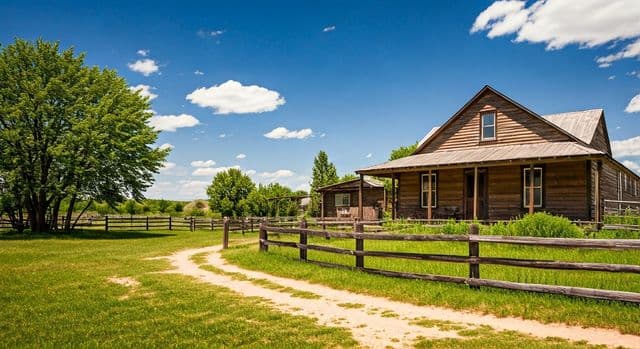
Best Plants for Erosion Control & Slope Stabilization in Zone 6
Discover the best plants for erosion control and slope stabilization in US Zone 6. Learn how root structures, site conditions, and bioengineering protect your land effectively.
Topic
Agroforestry covers the science and practice of integrating trees into farming systems — from silvopasture and syntropic food forests to nurse-tree establishment and tree–crop economics. Articles examine how farmers design, plant, and manage woody perennials alongside crops and livestock to build productive, resilient land over decades.
110 articles in this topic on agripure. — page 1 of 5
Discover the best plants for erosion control and slope stabilization in US Zone 6. Learn how root structures, site conditions, and bioengineering protect your land effectively.
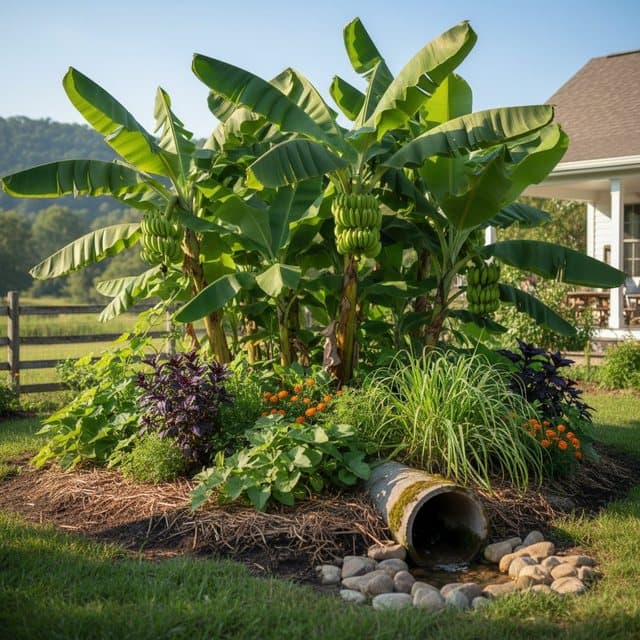
Learn to build a banana circle for greywater recycling and growing heat-loving crops in USDA Zones 8-10. Enhance soil fertility and reduce water use.
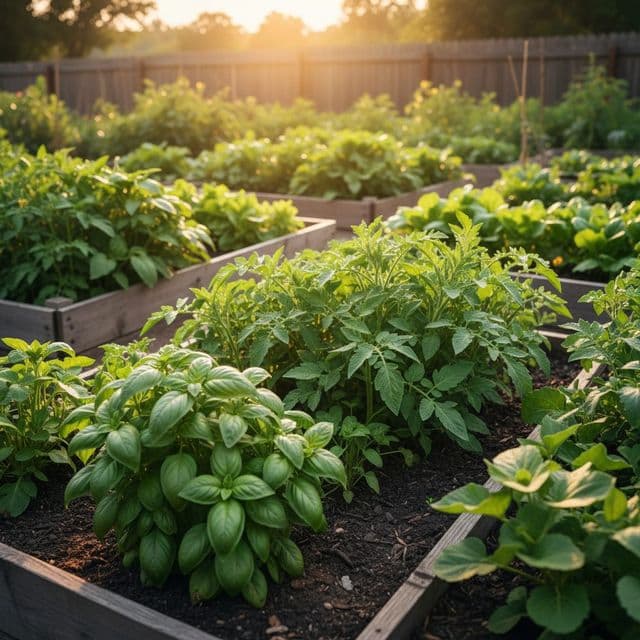
Discover how permaculture plant guilds create self-supporting ecosystems, reducing inputs and boosting productivity. Learn to design resilient guilds for your USDA Zone 6 homestead.
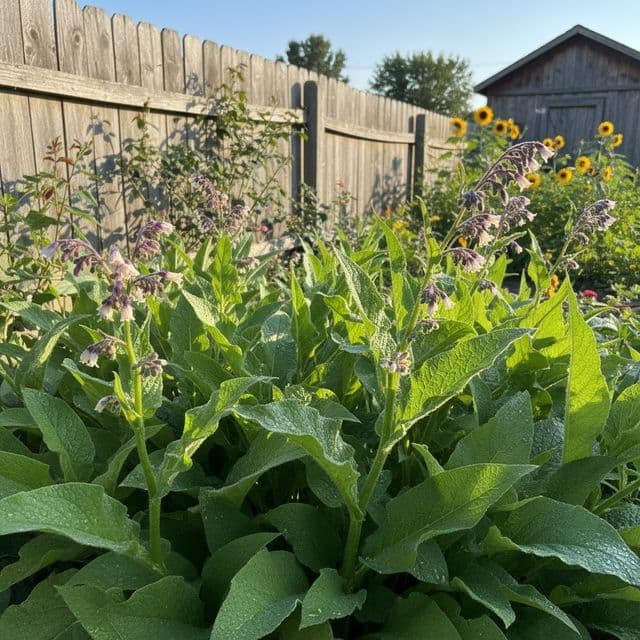
Unlock soil health with Comfrey, a sterile hybrid (Bocking 14) for USDA zones 4-9. Its deep roots mine nutrients, making it a powerful compost activator and water-saving mulch.
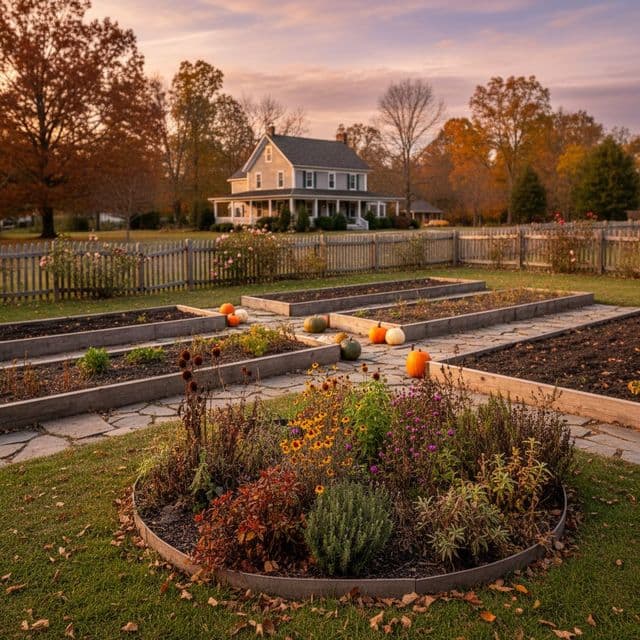
Learn to harvest and dry medicinal roots like echinacea, valerian, dandelion, and burdock in USDA Zone 6. Maximize potency, ensure proper storage, and build your home apothecary.
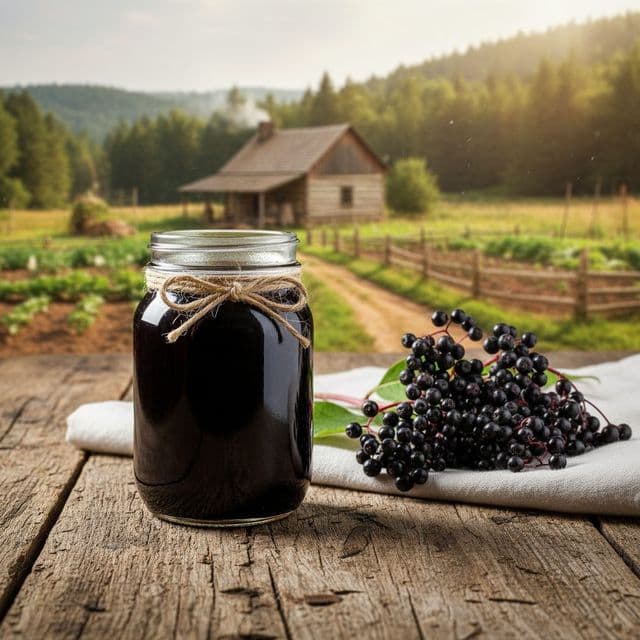
A guide to growing, harvesting, and preparing elderberry syrup for cold and flu season, covering planting, ethical foraging, cooking methods, and storage.
Establish a multi-tiered windbreak and shade canopy using tough, heat-tolerant species like neem and hopbush to cool your Gulf garden and shield crops from harsh shamal winds.
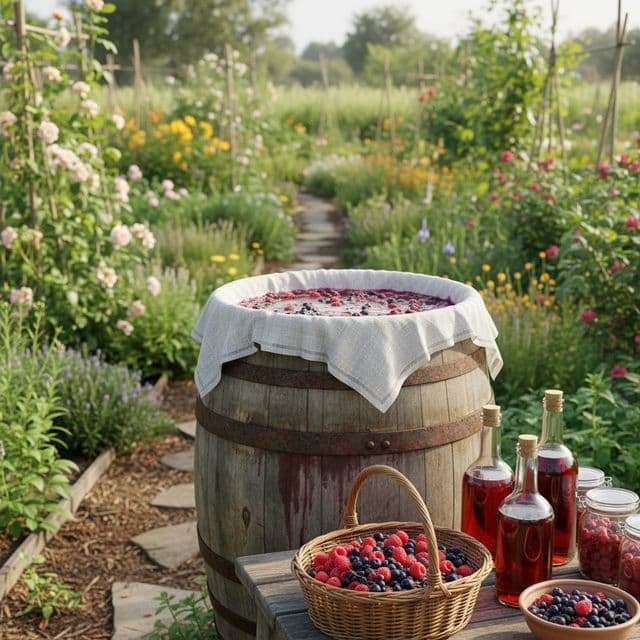
Transform excess berries into delicious homemade fruit vinegar. Learn a simple, two-stage fermentation process to preserve fruit gluts, reduce waste, and create a versatile pantry staple in USDA Zo…
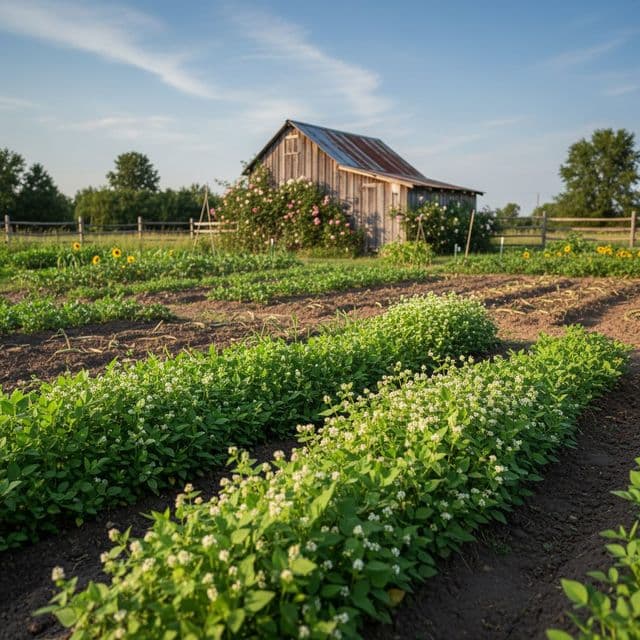
Boost garden soil health with summer cover crops like buckwheat and cowpeas. Learn how these plants prevent erosion, fix nitrogen, and improve organic matter in USDA zones 5-9.
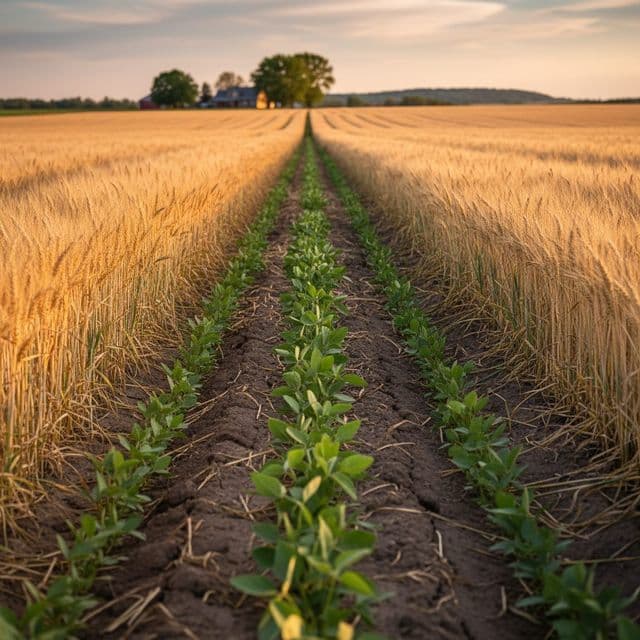
Discover how relay planting maximizes land use and boosts crop yields by 15-30% in US homesteads. Learn techniques, crop pairings, and zone-specific strategies for efficient growing.
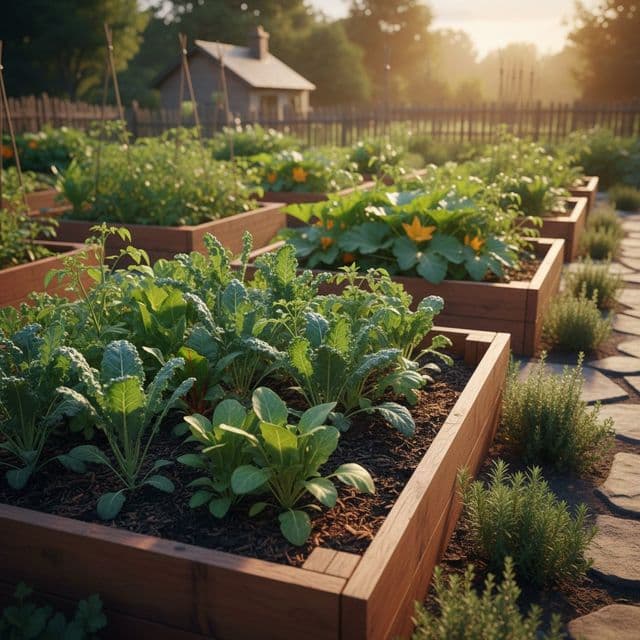
Optimize your homestead’s productivity with strategic crop rotation. Learn how to integrate perennials, cover crops, and heavy feeders for soil health, pest control, and higher yields in USDA zones…
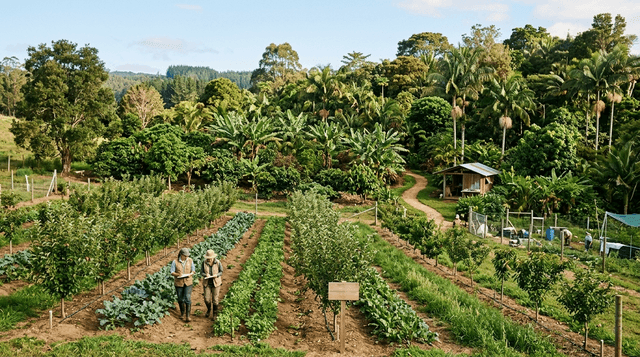
Agroforestry systems in temperate and tropical zones differ fundamentally in succession rates, canopy stratification, pest dynamics, and the operational dominance of specific agroforestry practices.
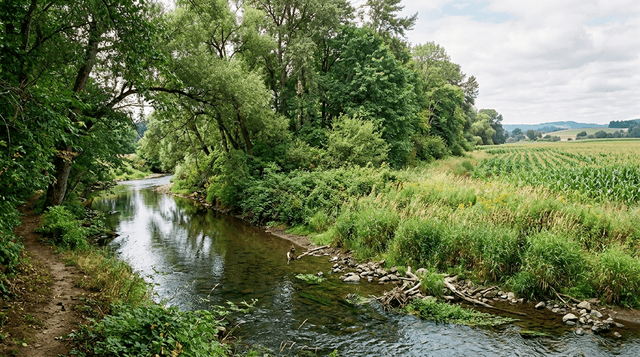
A functional riparian buffer relies on three distinct structural zones to stabilize streambanks, intercept agricultural runoff, and maintain aquatic temperatures rather than unmanaged tree planting.
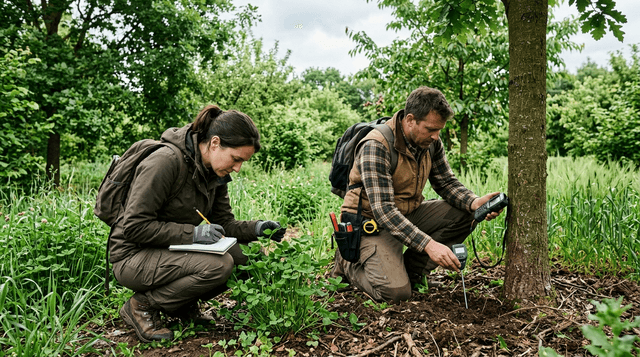
Agroforestry research quantifies multi-species interactions using specialized metrics including the Land Equivalent Ratio, soil organic carbon dynamics, and microclimatic and biodiversity indices.
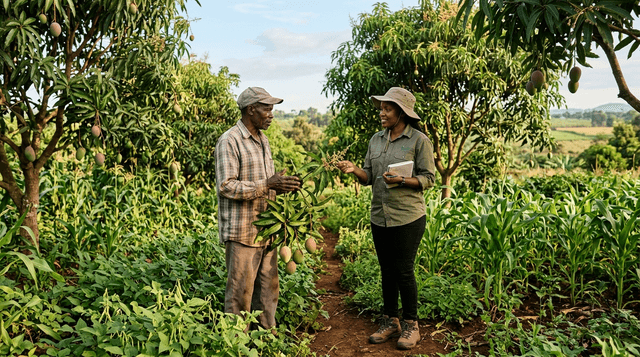
Agroforestry adoption lags behind ecological evidence due to high upfront establishment costs, multi-year payback horizons, insecure land tenure, and misaligned agricultural policy frameworks.
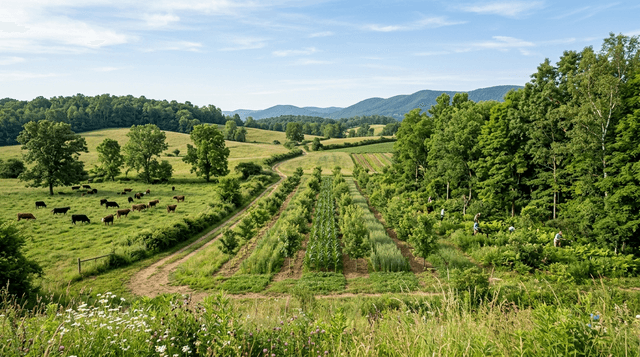
Agroforestry systems are classified in academic literature by structural arrangement, ecological and productive function, and socioeconomic setting.
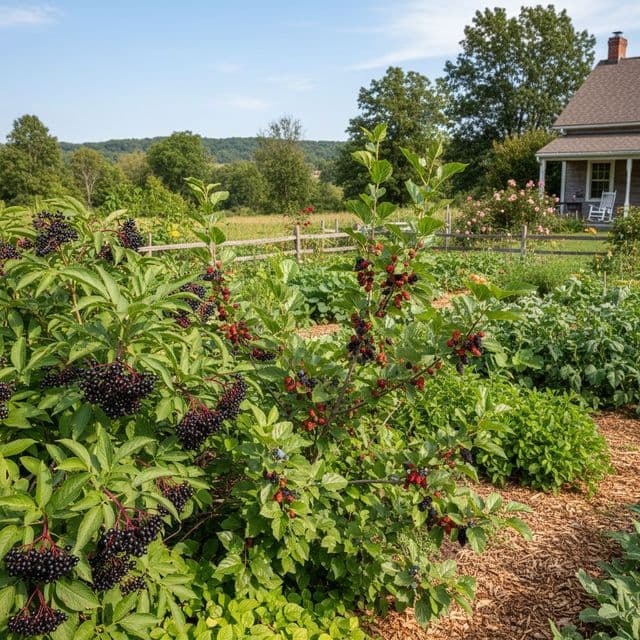
Discover how to easily grow native US berries like elderberry, serviceberry, and mulberry in USDA zones 3-9. Reduce maintenance, boost biodiversity, and enjoy abundant harvests.
Learn air layering fruit trees with this step-by-step guide. Propagate your favorite fruit trees true-to-type, avoid grafting, and get fruit sooner. Ideal for USDA Zones 5-9.
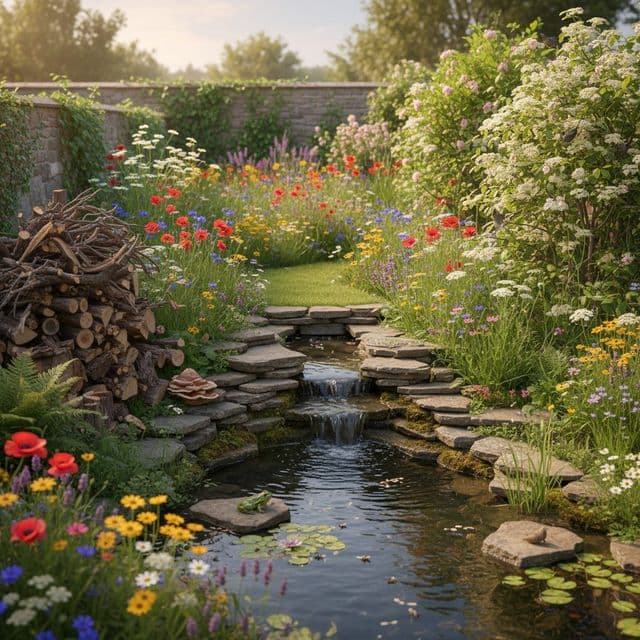
Discover practical wildlife garden ideas for UK gardens: hedgehog highways, wildlife ponds, native hedgerows, beetle banks, and pollinator-friendly perennials.
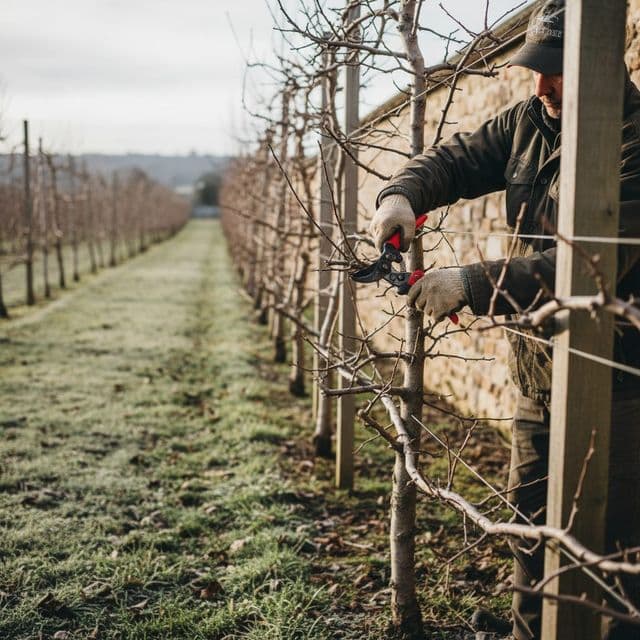
Seasonal pruning calendar for Australian orchards, including winter pome fruit care, summer stone fruit management, and citrus timing.
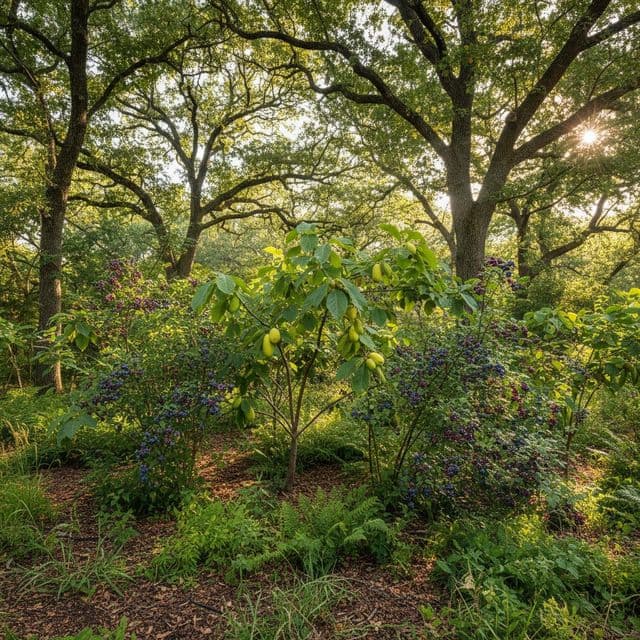
Understory fruit trees and berry shrubs yield reliable harvests in partial shade beneath canopy trees when matched to filtered sunlight and rich soil.
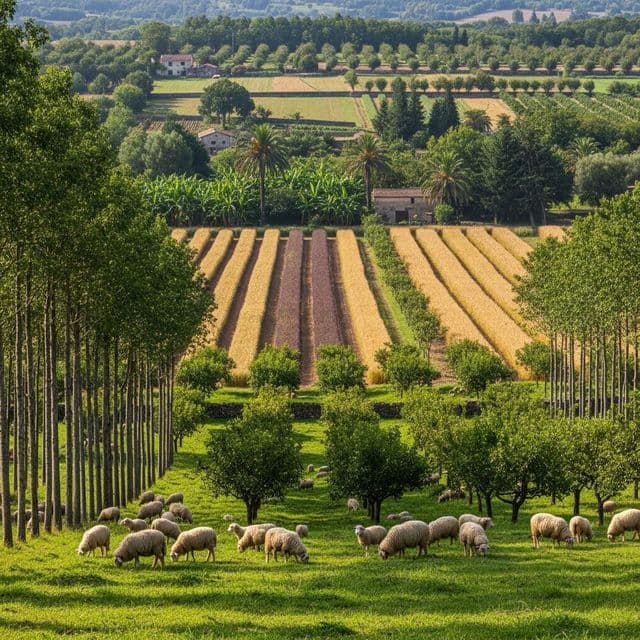
Explore the primary types of agroforestry systems. Compare alley cropping, silvopasture, forest farming, riparian buffers, and windbreaks worldwide.
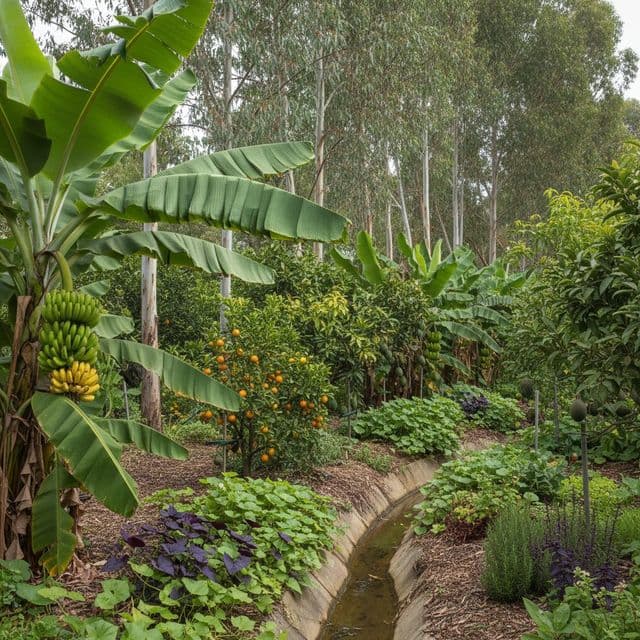
Compare syntropic farming and permaculture across design philosophy, pruning intensity, succession mechanics, spatial stratification, and land integration.
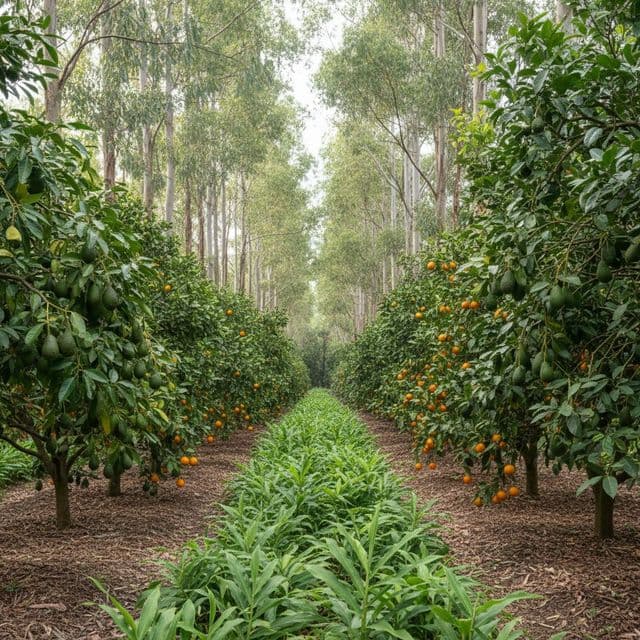
Syntropic farming layers organize crops into emergent, high, medium, and low strata to optimize photosynthesis and biomass production in dense agroforests.