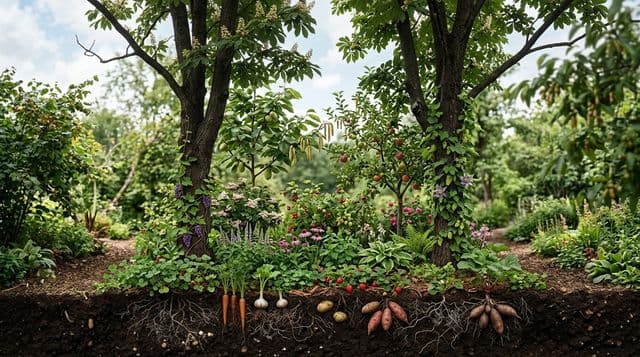
The 7 food forest layers: permaculture design guide
A guide to the 7 food forest layers to design resilient, multi-tiered perennial systems that maximize sunlight, soil health, and edible food yields.
Topic
Agroforestry covers the science and practice of integrating trees into farming systems — from silvopasture and syntropic food forests to nurse-tree establishment and tree–crop economics. Articles examine how farmers design, plant, and manage woody perennials alongside crops and livestock to build productive, resilient land over decades.
110 articles in this topic on agripure. — page 3 of 5
A guide to the 7 food forest layers to design resilient, multi-tiered perennial systems that maximize sunlight, soil health, and edible food yields.
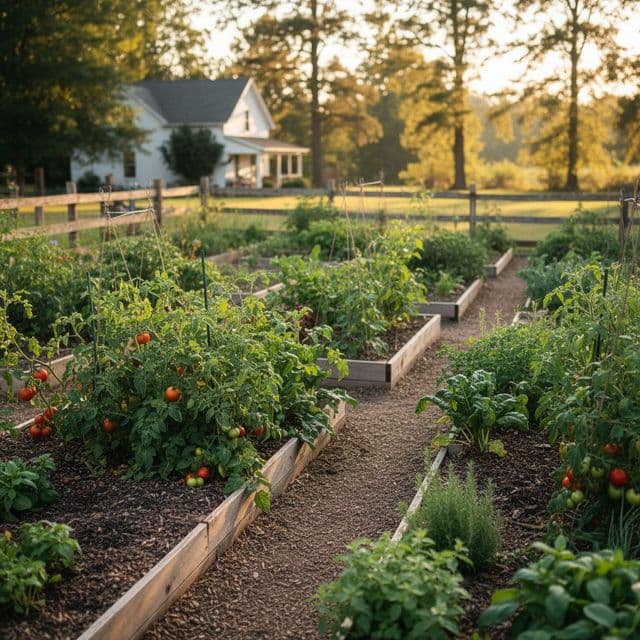
Learn how flowering insectary strips attract pollinators and beneficial insects, improving yields and providing organic pest control in your vegetable garden. An IPM strategy.
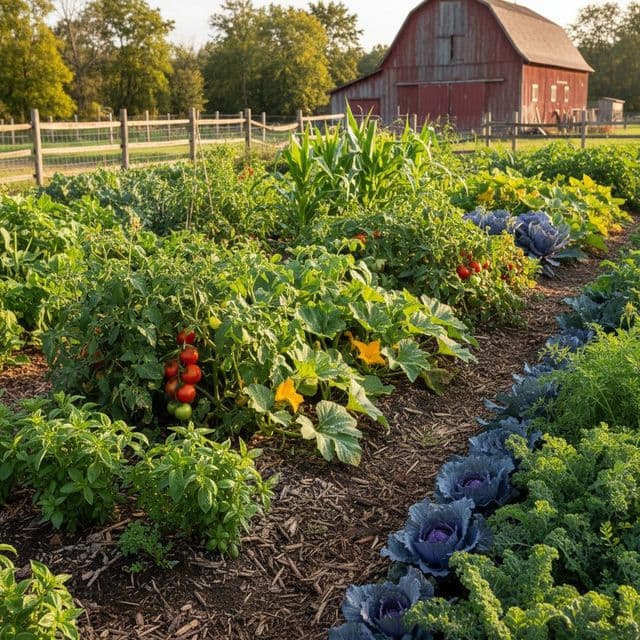
Discover how polyculture and interplanting naturally confuse pests, reduce monoculture reliance, and improve soil health in the Midwest. Learn effective polyculture pest control strategies.
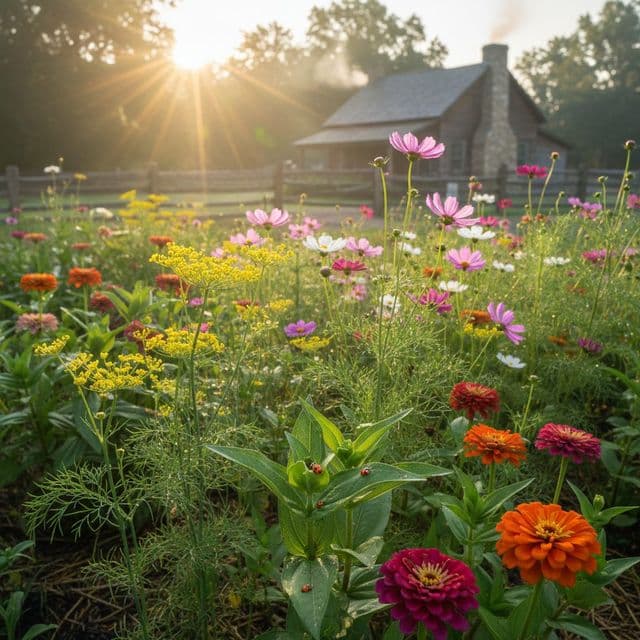
Learn how to attract beneficial insects by USDA zone to naturally control pests. This guide details timing plantings of insectary crops like dill & cilantro for effective, sustainable pest management.
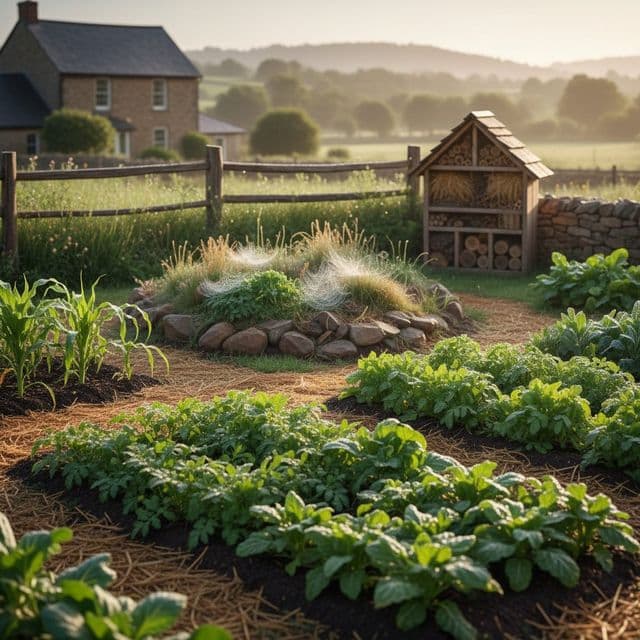
Learn how to attract beneficial insects to your USDA Zone 6 homestead using beetle banks & bug hotels. Reduce pest pressure by 30% & cut pesticide use by 50%.
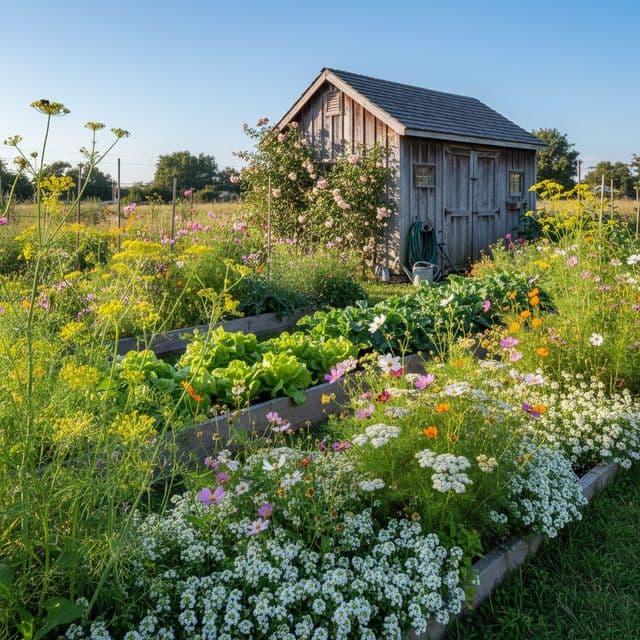
Insectary plants like alyssum, dill, and fennel attract beneficial insects and can reduce garden pests by up to 30%. Strategic placement provides natural pest control.
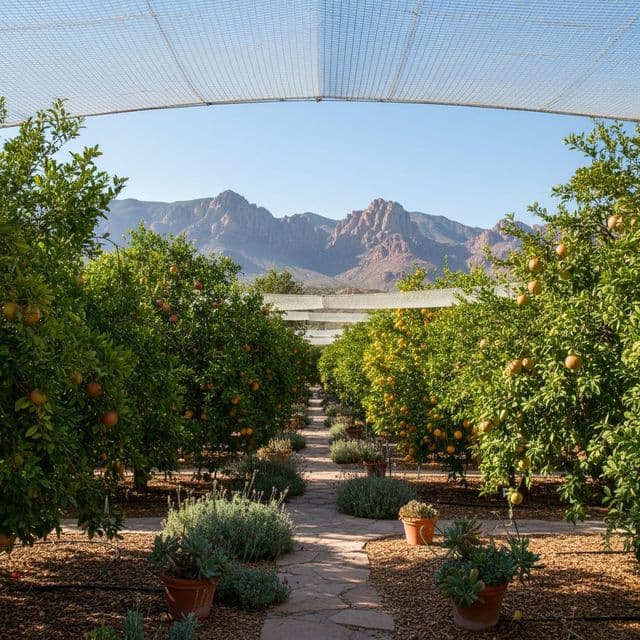
Shade netting protects desert fruit trees, reducing water use by 20-30%, preventing sunburn, and lowering temperatures by 10-15°F.
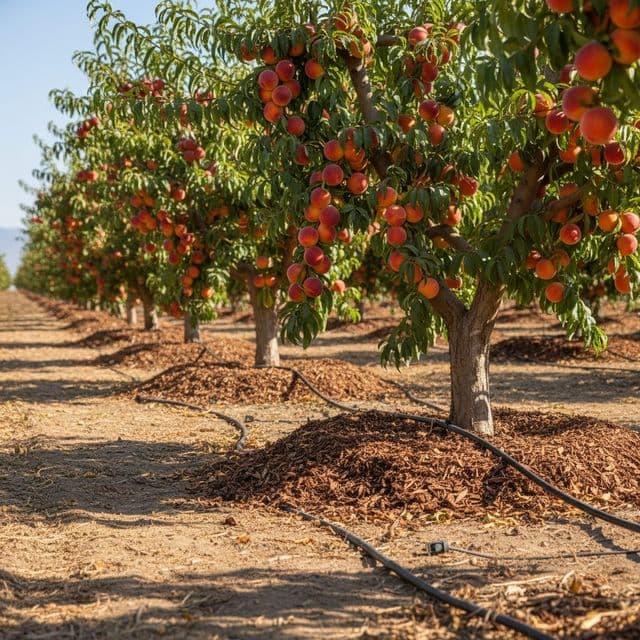
Master deep watering fruit trees like apples & peaches in USDA zones 6-9. Learn techniques for drought & heat resilience, including soil moisture assessment, drip irrigation, and mulching.
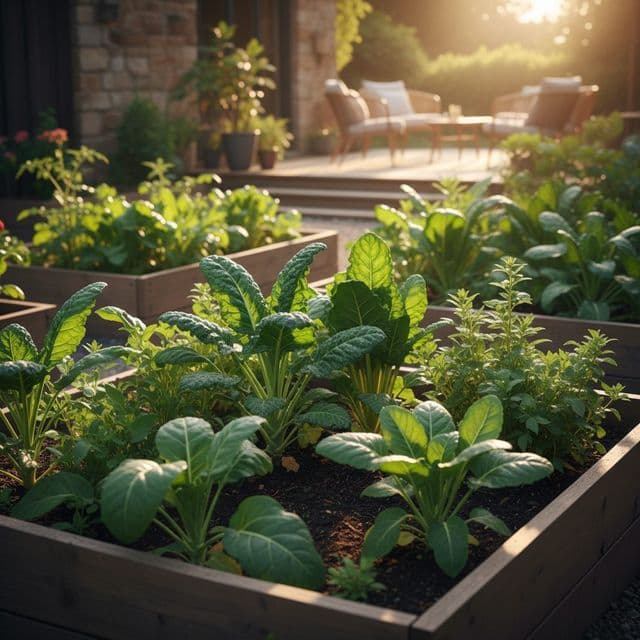
Learn effective strategies for sunscald protection in arid US zones. Discover how white paint, shade, and proper irrigation save fruit trees and boost yields by preventing heat damage.
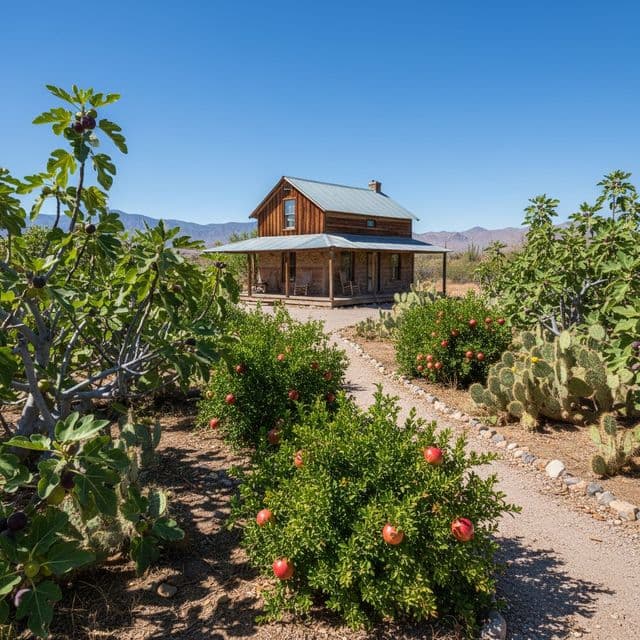
Drought-tolerant perennials like figs, pomegranates, and prickly pear reduce water use in USDA zones 7-10 for resilient gardens.
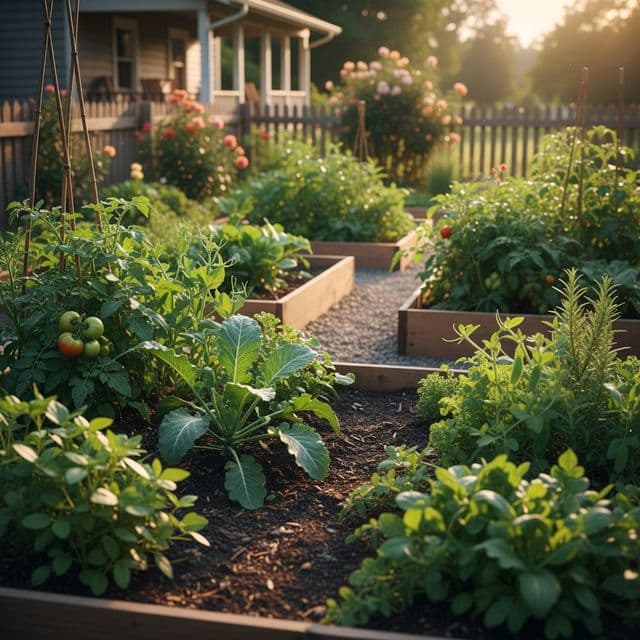
Discover nopal, tepary beans, chiltepin, and mesquite – resilient desert plants thriving in arid US climates. Reduce water use by 50-70% and build sustainable food systems.
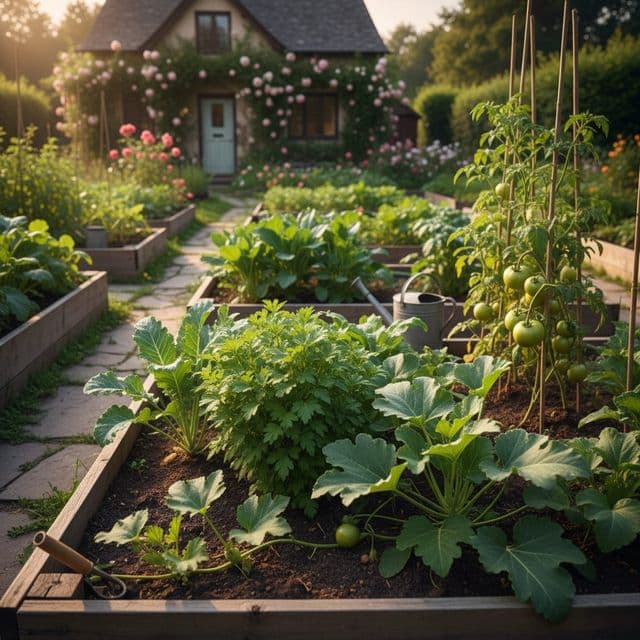
Discover native trees & shrubs for chronically wet spots across US regions. Improve drainage, reduce runoff, and support wildlife with water-tolerant species.
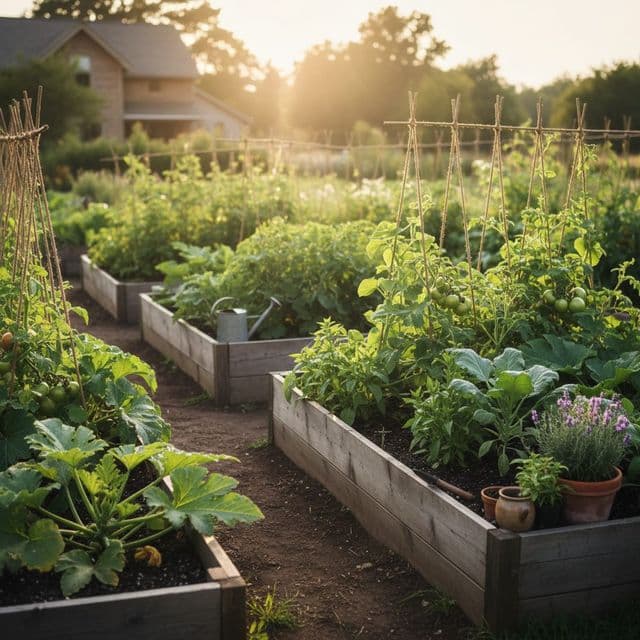
Discover how to grow wet-tolerant crops like elderberry, blueberry, and mint in USDA Zone 6. Learn passive irrigation techniques such as ollas, wicking beds, and swales to thrive in moist conditions.
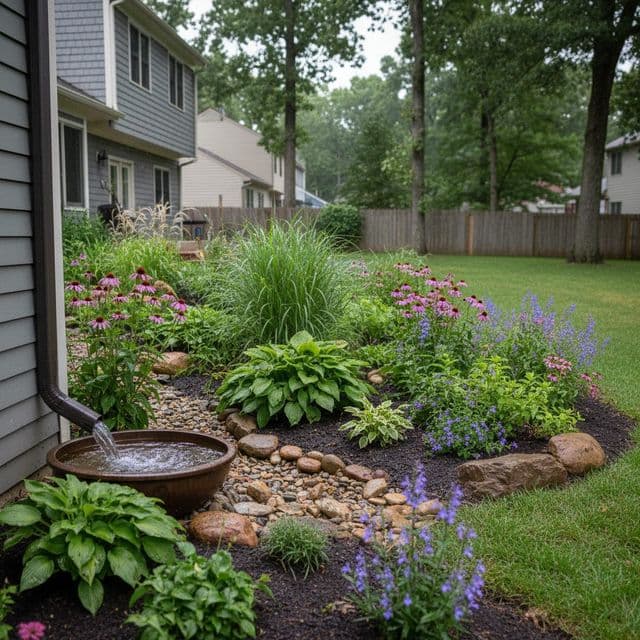
Design farm runoff solutions for properties in USDA Zone 6. Rain gardens, dry creek beds, and bioswales capture, slow, and infiltrate stormwater to protect soil and water quality.
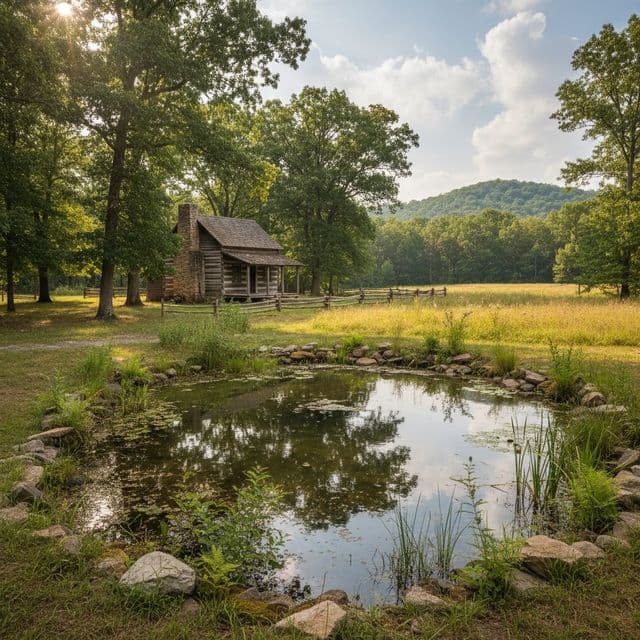
Build and maintain a self-sustaining, off-grid pond in USDA Zone 6 using passive aeration, native plants, and rainwater harvesting for an electricity-free ecosystem.
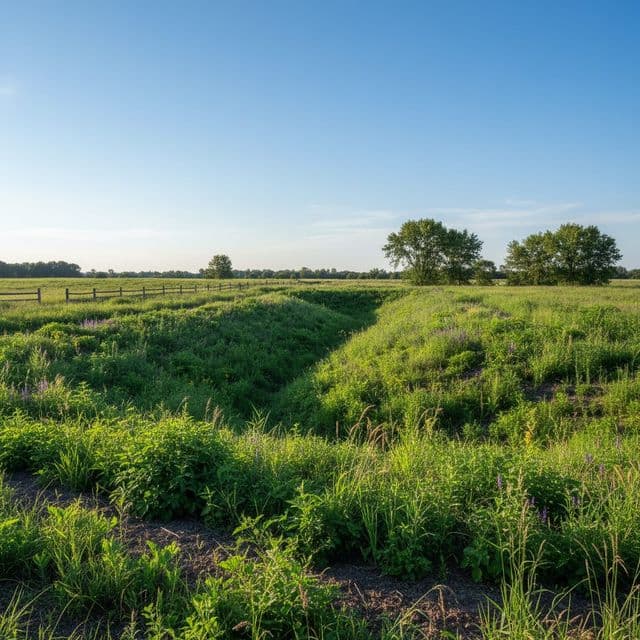
Design and maintain swales to prevent mosquito breeding with proper slopes, spillways, soil amendments, and plant selections.
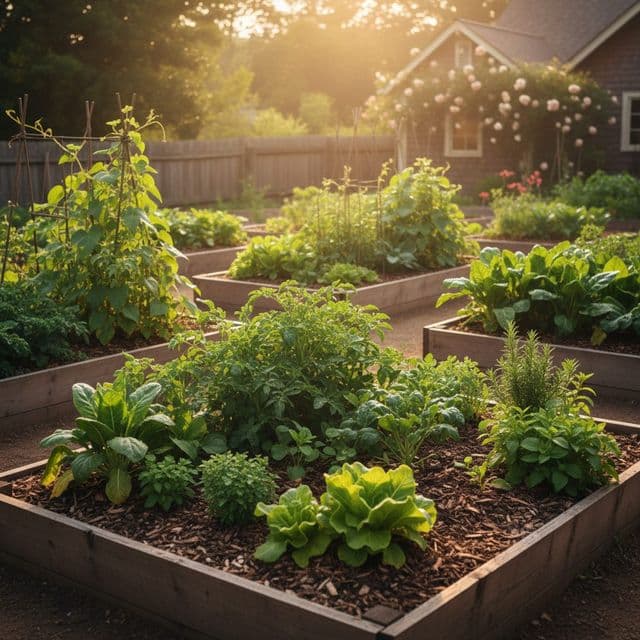
Planting on swale berms boosts water retention, enriches soil with nitrogen-fixers, and supports fruit trees in arid zones.
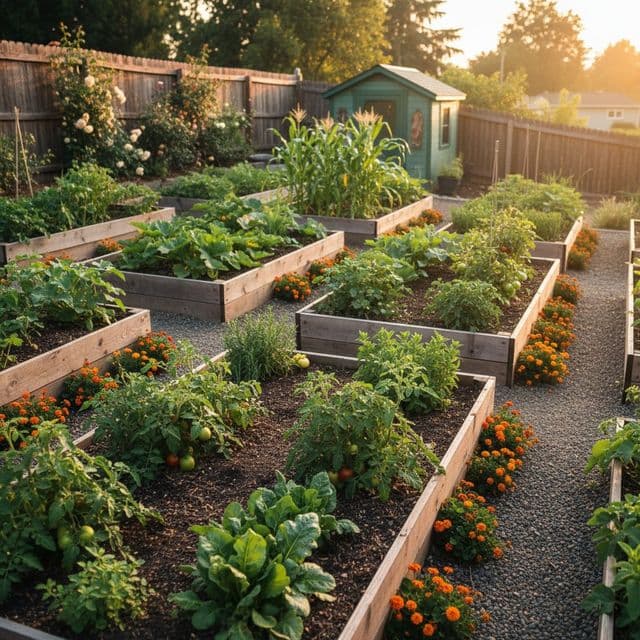
Learn to make DIY biochar from yard and wood waste. Enhance soil water retention, boost fertility, and reduce waste with this sustainable homesteading practice.
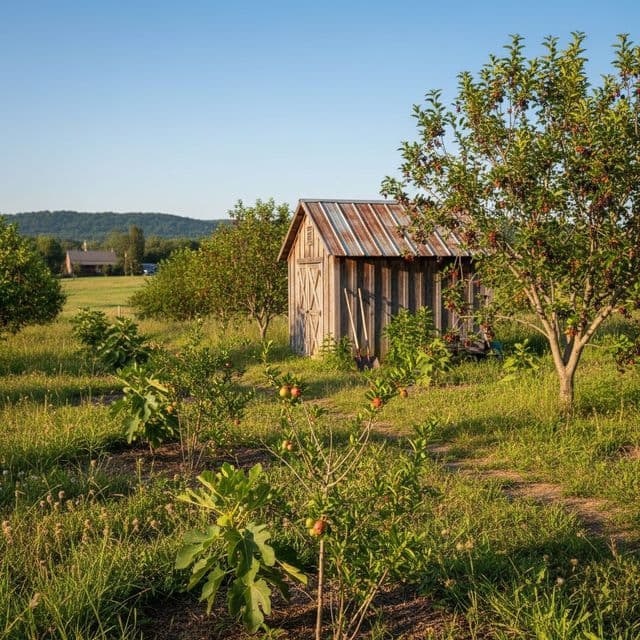
Learn to propagate fig, pomegranate, and mulberry trees from cuttings or air layering. Save up to 75% on orchard expansion costs and grow your own fruit trees in USDA zones 6-9.
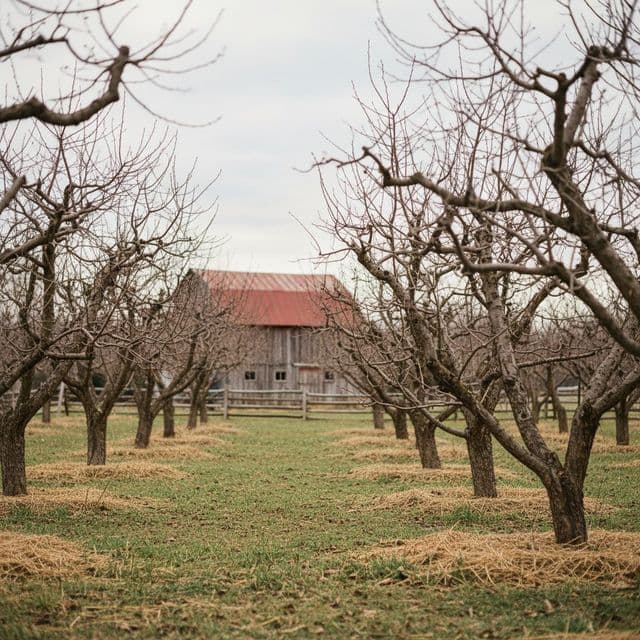
Master chill hours for fruit trees! Learn why cold temperatures are vital for stone and pome fruit in USDA zones 4-9. Select varieties for a thriving home orchard.
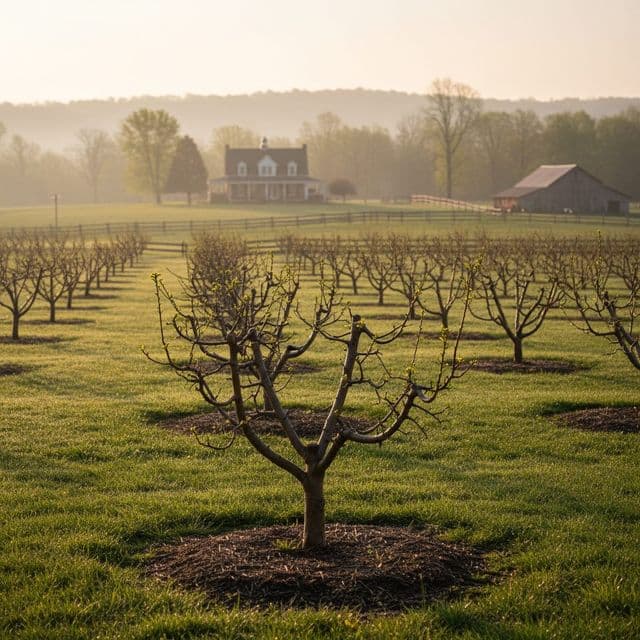
Learn formative pruning techniques for young fruit trees (years 1-3). Compare open-center vs. central-leader systems to build a strong, productive orchard in USDA zone 6.
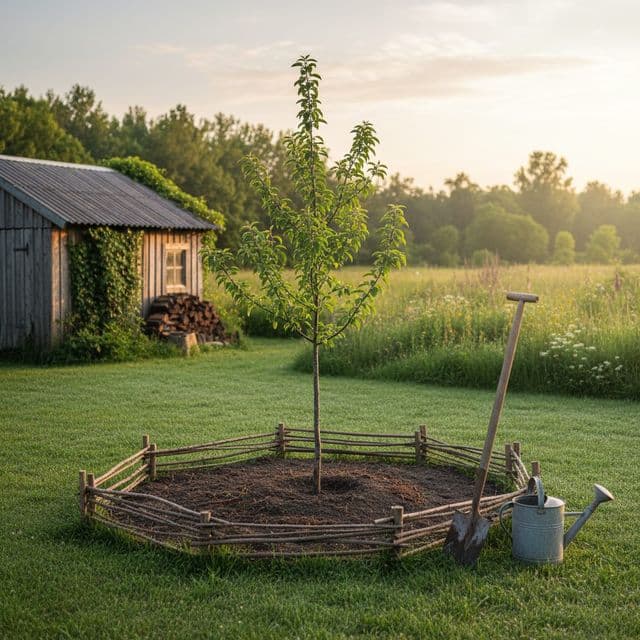
Master planting fruit trees in USDA Zone 6. Learn crucial site selection, soil preparation, correct planting depth, and first-year care for healthy, productive orchards that thrive for decades.
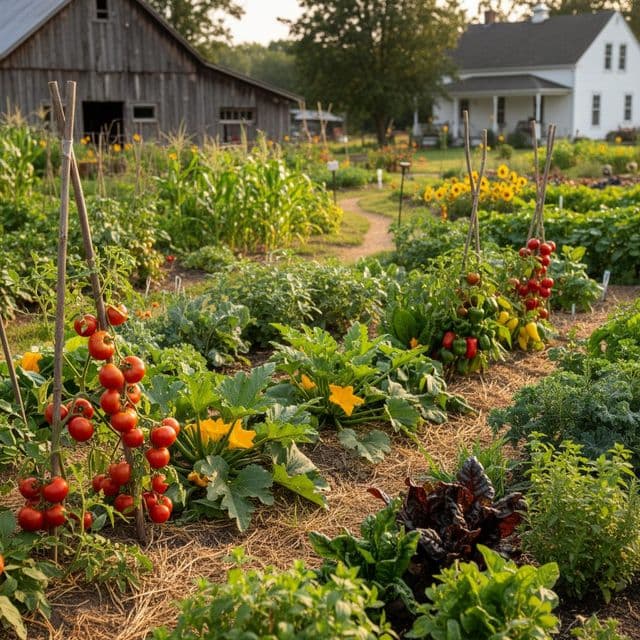
Explore microbial and biological biocontrols for sustainable pest management in US agriculture. Learn about Bt, nematodes, and IPM strategies for healthier crops and soil.
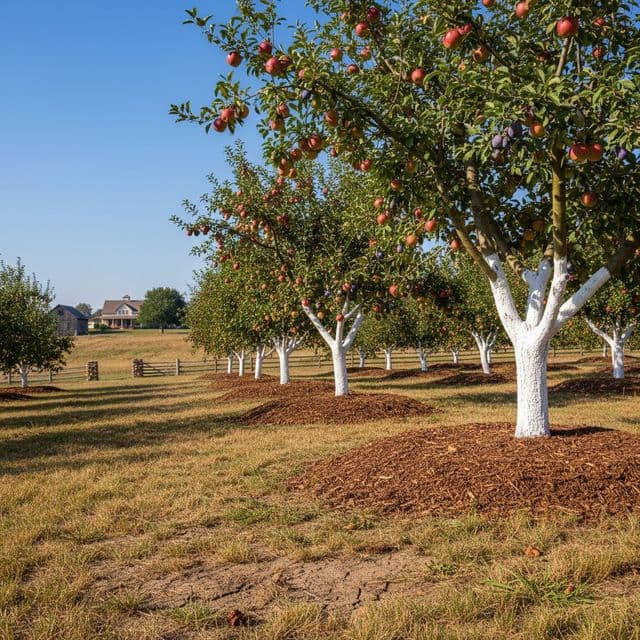
Learn essential strategies for protecting fruit trees from heatwaves and drought in the US Southwest. Implement proactive measures, irrigation, and soil health for climate-resilient orchards.