Key takeaways
- Swale berms are engineered earthworks that significantly increase soil moisture and nutrient availability for plants.
- Nitrogen-fixing plants like black locust or clover enrich the soil, reducing the need for external fertilizers by 20-30 lbs per acre.
- Fruit trees planted on berms benefit from improved drainage and consistent access to stored water, leading to healthier growth and higher yields.
- Deep-rooted cover crops and living mulches improve soil structure, suppress weeds, and can reduce runoff by 50% or more.
- Integrating passive irrigation methods like ollas or wicking beds with swale systems can cut water usage by 50-70%.
- Careful site assessment and plant selection, tailored to your USDA zone and specific conditions, are essential for long-term success.
Quick answer: Swale berms are engineered earthworks that capture and infiltrate rainwater, significantly increasing soil moisture by 30% or more, especially in arid regions. This system provides plants with consistent access to water while ensuring good drainage, supporting healthier growth and higher yields.
In drier regions of the US, from the high deserts of Arizona to the plains of Kansas, managing rainfall is essential for growing. Swales and their accompanying berms are simple earthworks that capture and slowly infiltrate water that would otherwise run off. A swale is a shallow ditch or channel designed to slow, spread, and sink water across a contour [5]. The excavated soil is then piled on the downhill side to create a raised berm, which becomes an ideal planting site. This system can increase water infiltration into the soil by 30% or more, especially in areas receiving less than 20 inches of annual precipitation [6].
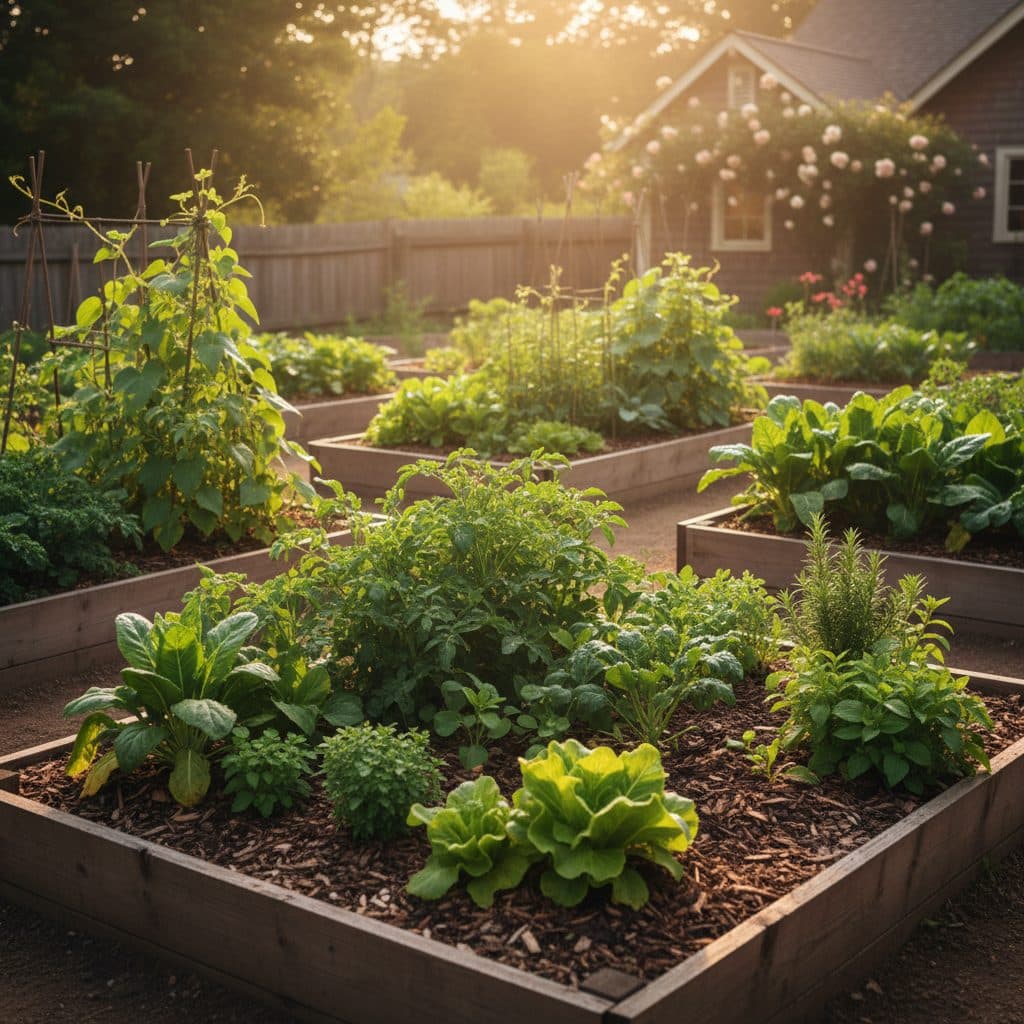
The berm, positioned above the water-collecting swale, offers excellent drainage while providing plants with consistent access to a deep reservoir of moisture. This setup is particularly beneficial for establishing productive plants, from robust nitrogen-fixers to various fruit trees and deep-rooted cover crops. By strategically choosing what to plant on these elevated beds, growers can build a resilient, low-maintenance system that supports soil health, conserves water, and yields abundant harvests for decades, often with minimal effort after the initial 2-3 years of establishment.
Understanding swales and berms for water harvesting
A swale, as defined, is a broad, shallow ditch that runs along a contour line, meaning it maintains a consistent elevation across its length [5]. Its primary function is to intercept surface runoff, slowing the water’s movement and allowing it to soak into the soil instead of eroding topsoil. The soil removed to create the swale is then mounded on the downhill side, forming a berm. This berm serves as a raised planting bed, benefiting from the water stored in the swale below. In places like coastal Louisiana, understanding the plant water relations of species adapted to dune and swale environments is key to successful earthwork design [1].
The purpose of water-harvesting earthworks
The purpose of these earthworks is multifaceted: they increase soil moisture, reduce erosion, and recharge groundwater. For instance, in a typical 1-acre garden in USDA zone 7 receiving 40 inches of rain annually, a properly designed swale system can capture tens of thousands of gallons of water that would otherwise be lost. The berm, being elevated, provides excellent drainage for plant roots, preventing waterlogging while ensuring a steady supply of moisture from the adjacent swale. This dual benefit makes berms particularly suitable for plants that require both good drainage and consistent hydration, especially during dry spells that can last 2-3 weeks in many US regions.
- Increases soil moisture retention by up to 30%.
- Reduces soil erosion on sloped land.
- Recharges local groundwater tables.
- Creates microclimates for diverse plantings.
- Minimizes surface runoff from heavy rain events.
Nitrogen-fixers: the foundation of berm fertility
Nitrogen is a primary nutrient for plant growth, essential for healthy foliage and vigorous development. However, atmospheric nitrogen is not directly available to plants. Nitrogen-fixing plants, primarily legumes, form a symbiotic relationship with soil bacteria called rhizobia, which convert atmospheric nitrogen into a usable form in their root nodules. Planting these species on swale berms provides a continuous, natural source of nitrogen, effectively fertilizing the soil for neighboring plants. This can reduce the need for synthetic nitrogen fertilizers by 20-30 pounds per acre per year, saving both money and environmental impact.
Selecting nitrogen-fixing plants for your berm
When choosing nitrogen-fixers, consider your USDA hardiness zone and the plant’s growth habit. For example, in USDA zones 4-9, clovers (such as crimson or white clover) are excellent ground covers, fixing up to 100 pounds of nitrogen per acre annually. For larger, more permanent additions, trees like black locust (Robinia pseudoacacia) thrive in zones 3-8, growing rapidly and providing significant nitrogen contributions. Another excellent choice is Siberian pea shrub (Caragana arborescens), hardy in zones 2-7, which also offers edible pods and wildlife habitat. For more options, explore The Best Nitrogen-Fixing Trees for Every USDA Zone (2 to 12).
- Black locust (Robinia pseudoacacia): USDA zones 3-8, fast-growing tree.
- Siberian pea shrub (Caragana arborescens): USDA zones 2-7, edible pods.
- Autumn olive (Elaeagnus umbellata): USDA zones 4-9, provides berries for wildlife.
- Various clovers (e.g., crimson, white): USDA zones 4-9, excellent ground cover.
- Vetch (Vicia spp.): USDA zones 4-8, annual or perennial cover crop.
Fruit trees for productive berms
Planting fruit trees on swale berms is a strategy that capitalizes on both excellent drainage and consistent moisture availability. The raised berm ensures that tree roots are not waterlogged, a common issue for many fruit trees, especially in heavier clay soils. At the same time, the adjacent swale serves as a passive reservoir, slowly releasing water into the soil profile where tree roots can access it, even during extended dry periods. This setup can reduce the need for supplemental irrigation by 30-50% compared to trees planted on flat ground, particularly in USDA zones 6-9 where summer droughts are common.
Selecting and managing fruit trees on berms
When selecting fruit trees, consider species known for their adaptability and hardiness. For cooler climates, Best Cold-Hardy Fruit and Nut Trees for USDA Zones 4-6 highlights options like apples, pears, and some plum varieties that perform well. In warmer zones 7-9, peaches, figs, and persimmons are excellent choices. Ensure proper spacing, typically 10-15 feet between trees, to allow for mature growth and air circulation. Regular pruning is also essential for fruit production and tree health; learn more about How to prune fruit trees for optimal results. For example, a mature apple tree in USDA zone 5 can yield 100-200 pounds of fruit annually with good care.
- Apples (e.g., ‘Honeycrisp’, ‘Liberty’): USDA zones 3-8, widely adaptable.
- Pears (e.g., ‘Bartlett’, ‘Comice’): USDA zones 4-9, generally pest-resistant.
- Peaches (e.g., ‘Reliance’, ‘Contender’): USDA zones 4-8, requires full sun.
- Figs (e.g., ‘Brown Turkey’, ‘Chicago Hardy’): USDA zones 5-10, can be grown in colder zones with protection.
- Persimmons (e.g., ‘Fuyu’, ‘Hachiya’): USDA zones 4-9, beautiful fall foliage and fruit.
Deep-rooted cover crops and living mulch
Deep-rooted cover crops and living mulches also suit swale berms. These plants serve multiple functions: they protect the soil from erosion, suppress weeds, add organic matter, and improve soil structure. Their extensive root systems can penetrate compacted layers, creating channels for water and air that improve infiltration. Some species, like daikon radish, can grow taproots up to 3 feet deep in a single season, effectively aerating the soil and bringing up subsoil nutrients for other plants.
Benefits of perennial and annual cover crops
Perennial living mulches, such as white clover or creeping thyme, provide continuous ground cover, reducing soil temperature fluctuations by 10-15°F and minimizing evaporation. Annual deep-rooted cover crops, like tillage radish or fava beans, can be planted in the fall and winter, then chopped and dropped in the spring to add biomass and nutrients to the soil. This practice can reduce weed pressure by 70% and increase soil organic matter by 0.5% annually. For specific recommendations, refer to Cover crops for the home garden: best species, timing, and termination or Best Living-Mulch and Cover-Crop Legumes by USDA Zone for No-Dig Beds.
- Daikon radish (Raphanus sativus var. longipinnatus): breaks up compaction, can grow 36 inches deep.
- Alfalfa (Medicago sativa): deep-rooted perennial legume, up to 15 feet deep.
- Comfrey (Symphytum officinale): dynamic accumulator, brings up nutrients from deep soil.
- Crimson clover (Trifolium incarnatum): annual nitrogen-fixer, excellent for winter cover in zones 6-9.
- Winter rye (Secale cereale): extensive root system, good for erosion control in zones 3-8.
Integrating with passive irrigation techniques
While swales and berms significantly improve water availability, integrating passive irrigation techniques can further improve efficiency and plant health, especially during prolonged dry spells or for specific high-value crops. Ollas, for instance, are unglazed clay pots buried in the soil, which slowly release water directly to plant roots through their porous walls. This method can reduce water usage by 50-70% compared to surface irrigation, making it highly efficient for individual plants on a berm. A single 1-gallon olla can effectively irrigate a 2-foot diameter area for several days.
Wicking beds and other earthwork strategies
Wicking beds, often built as raised beds, have a water reservoir at the bottom from which water is drawn up into the soil by capillary action. While more complex to construct, they provide consistent moisture, dramatically reducing watering frequency by up to 80%. On a swale berm, a smaller, localized wicking bed can be constructed to provide optimal conditions for moisture-loving plants. Beyond these, broader earthworks like keyline plowing or contour ripping can enhance water infiltration across larger areas, complementing the localized benefits of swales. These techniques are particularly useful in regions like the high plains of Colorado, where annual rainfall averages just 15 inches.
- Ollas: Buried porous clay pots, release water directly to roots.
- Wicking beds: Self-watering system using capillary action from a reservoir.
- Hugelkultur: Raised planting beds incorporating decaying wood for water retention.
- Keyline plowing: Subsoiling on contour to improve water infiltration across fields.
- Terracing: Stepped earthworks on steep slopes to slow water and prevent erosion.
Planning and long-term berm management
Successful swale and berm systems require careful planning and ongoing management. Begin with a thorough site assessment, considering the natural slope of your land, soil type, and sun exposure. For instance, a gentle slope of 1-5% is ideal for swale construction, allowing water to spread effectively without pooling excessively. Heavy clay soils may require more organic matter amendments to improve drainage on the berm, while sandy soils will benefit from increased organic content for water retention. Mapping out your property and observing water flow during a 1-inch rain event can provide valuable insights for placement.
Maintaining your productive berm system
Once established, berms require relatively low maintenance, but consistent attention in the first 1-3 years is necessary. Mulching with 4-6 inches of organic material, such as wood chips or straw, aids moisture retention, weed suppression, and soil temperature regulation. Regular observation for erosion, especially after heavy rains (e.g., 2+ inches in 24 hours), is important. Pruning fruit trees and managing cover crops through chop-and-drop methods will maintain soil fertility and plant health. Over 5-10 years, a well-managed berm system can become a highly productive and self-sustaining planting area requiring fewer external inputs.
- Conduct a site survey to map contours and slopes.
- Test soil pH and nutrient levels for optimal plant selection.
- Plan plant spacing, allowing for mature size (e.g., 10-15 feet for fruit trees).
- Install initial irrigation (if needed) for establishment, such as a drip system or an expandable hose with a 7-pattern spray nozzle.
- Apply a thick layer of organic mulch, 4-6 inches deep, immediately after planting.
Planting options for swale berms
Plant Type | Primary Benefit | Water Requirement | Example Species |
|---|---|---|---|
Nitrogen-Fixers | Soil fertility, nutrient cycling | Moderate, benefits from swale moisture | Clover, Black Locust, Siberian Pea Shrub |
Fruit Trees | Food production, shade, habitat | Moderate to high, sensitive to waterlogging | Apple, Pear, Peach, Fig |
Deep-Rooted Cover Crops | Soil structure, erosion control, weed suppression | Low to moderate, improves water infiltration | Daikon Radish, Alfalfa, Comfrey, Winter Rye |
Water Savings: Swale berm systems can increase water infiltration by over 30% in arid regions, significantly reducing the need for supplemental irrigation.
Nitrogen Boost: Nitrogen-fixing plants on berms can add 20-30 pounds of natural nitrogen per acre annually, reducing reliance on synthetic fertilizers.
Root Penetration: Deep-rooted cover crops like daikon radish can penetrate soil up to 36 inches deep, improving aeration and water access for other plants.
Frequently asked questions
What is the ideal slope for building a swale and berm system?
A gentle slope of 1-5% is generally ideal for constructing swales and berms. This allows water to spread evenly along the contour and infiltrate slowly, preventing erosion and ensuring efficient water harvesting across the landscape.
How deep should a swale be, and how high should the berm be?
Typically, a swale should be 6-12 inches deep and 2-4 feet wide, depending on the site’s rainfall and soil type. The berm, created from the excavated soil, is usually 18-24 inches high, providing good drainage for plants planted on it.
Can I plant any type of fruit tree on a swale berm?
While berms offer excellent conditions, selecting fruit trees adapted to your specific USDA hardiness zone and local climate is necessary. Varieties like ‘Honeycrisp’ apples thrive in zones 3-8, while figs are better suited for zones 5-10, ensuring successful growth and fruit production.
How much water can a swale system save in an average year?
A well-designed swale system can significantly reduce the need for supplemental irrigation, potentially saving 30-50% of water compared to conventional gardening. This is particularly true in regions receiving less than 20 inches of annual rainfall, where every drop counts.
Are there specific cover crops recommended for swale berms?
Yes, deep-rooted cover crops such as daikon radish, alfalfa, and comfrey are highly recommended. These plants improve soil structure, suppress weeds, and can penetrate soil up to 36 inches deep, improving water infiltration and nutrient cycling on the berm.
References
- Plant Water Relations of Four Coastal Louisiana Dune and Swale Species. (2023). Plant Water Relations of Four Coastal Louisiana Dune and Swale Species..
- Swale, Sir Richard (1545?–1608) (2018). Swale, Sir Richard (1545?–1608).
- swale, v. (2023). swale, v..
- Pollen plant formation from anther cultures of Digitalis obscura L. (1985). Pollen plant formation from anther cultures of Digitalis obscura L..
- swale, n.¹ (2023). swale, n.¹.
- USDA Natural Resources Conservation Service (2024). USDA Natural Resources Conservation Service.