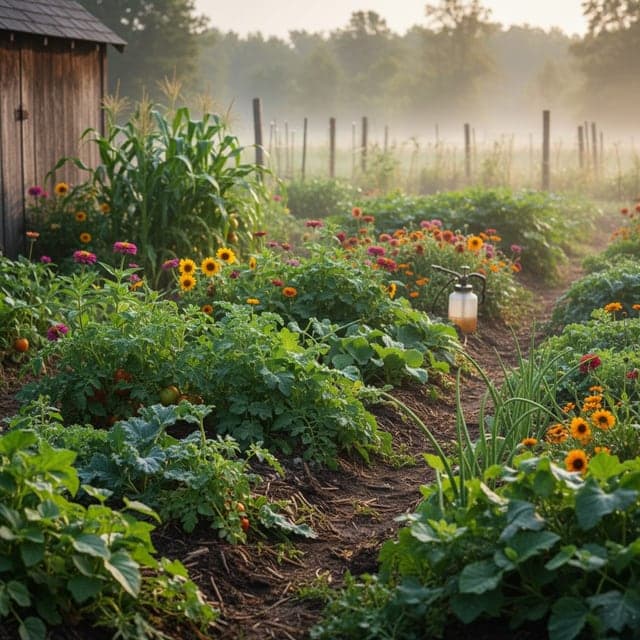
Insecticidal Soap: Aphid Control on Roses
Learn to use insecticidal soap effectively for aphid control on roses and other plants. Discover proper dilution, application, and how it works to protect your garden organically.
Topic
Permaculture gardening covers hands-on practice: building no-dig beds, assembling plant guilds that support each other, and organizing a garden into zones based on how often each area needs attention. Articles are task-oriented — concrete steps for putting permaculture principles to work in an existing or new growing space.
164 articles in this topic on agripure. — page 5 of 7
Learn to use insecticidal soap effectively for aphid control on roses and other plants. Discover proper dilution, application, and how it works to protect your garden organically.
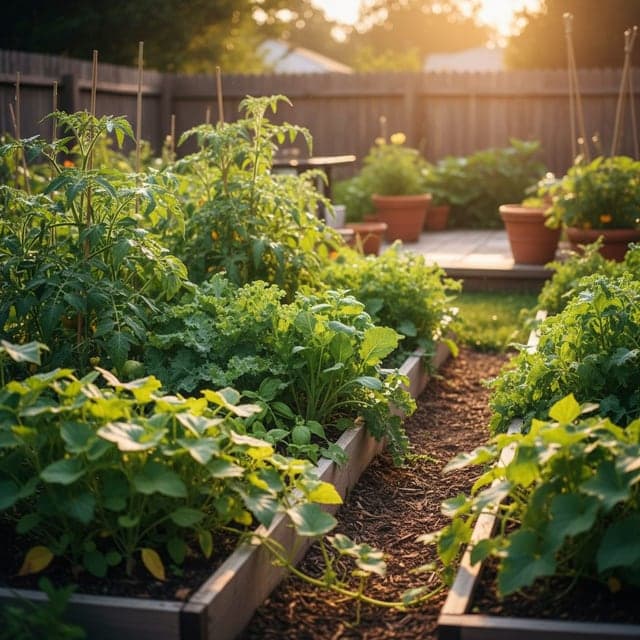
Attract praying mantids, ground beetles, and assassin bugs to your garden. Learn how these beneficial garden insects reduce pests by 30% or more with habitat creation.
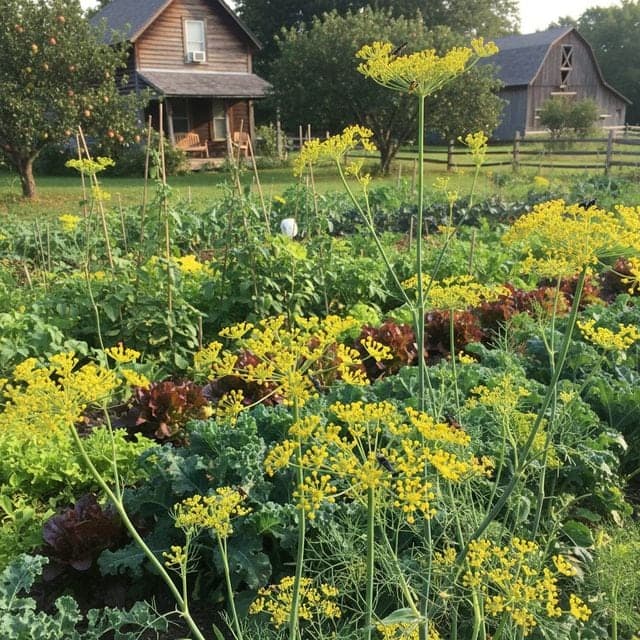
Attract peaceful parasitoids, solitary hunting wasps, and perimeter Polistes paper wasps safely across US gardens without recruiting aggressive yellowjackets. Learn >=25–30 ft patio setbacks, shall…
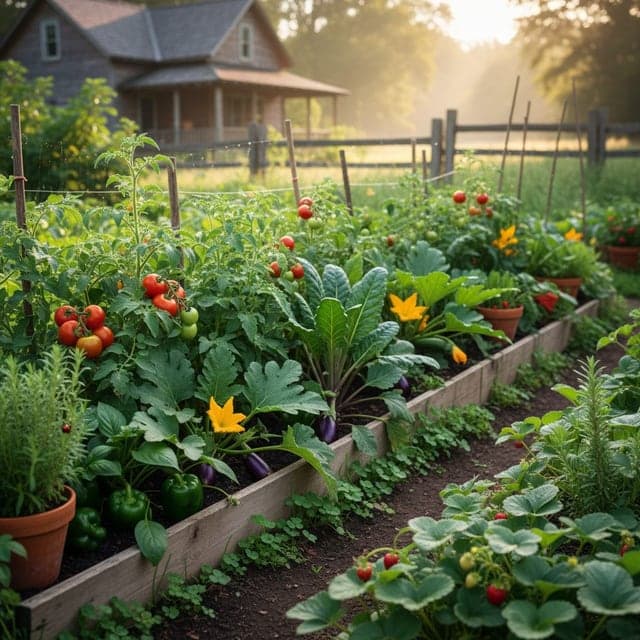
Learn to identify beneficial insect larvae like ladybugs, lacewings, and hoverflies. Protect these natural predators to reduce garden pests, save crops, and minimize pesticide use in your homestead.
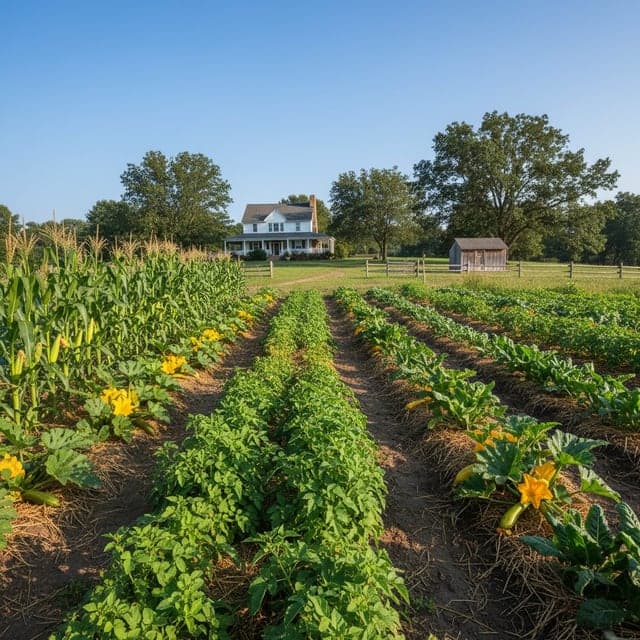
Understand US organic pesticide labels, OMRI certification, and IPM principles for effective pest control. Learn how to choose safe products and boost beneficial insects on your farm or garden.
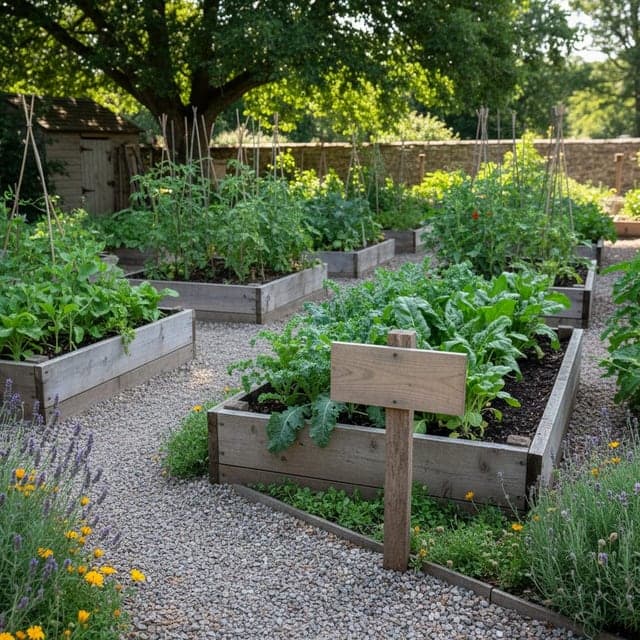
Master organic pest control with effective IPM record-keeping. Learn how tracking garden data improves decision-making, reduces pest damage by 15-25%, and ensures a healthier, more productive garde…
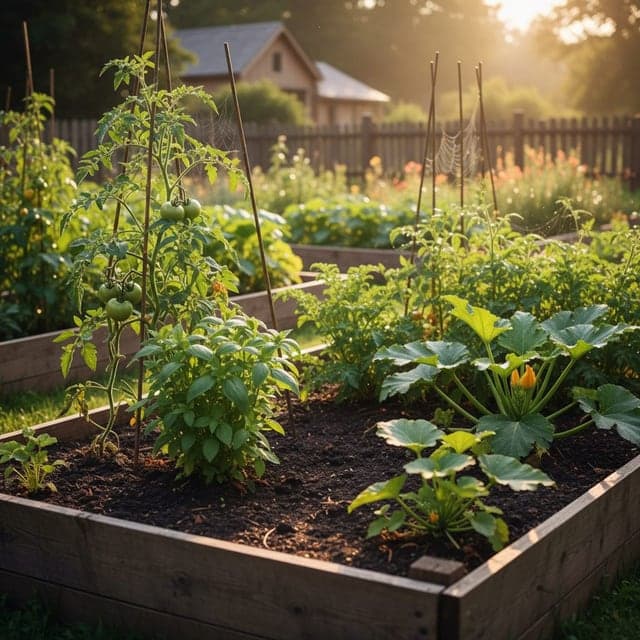
The 5 levels of Integrated Pest Management (IPM) for organic pest control in USDA Zone 6: prevent crop loss, reduce chemical use, and save costs with a systematic approach.
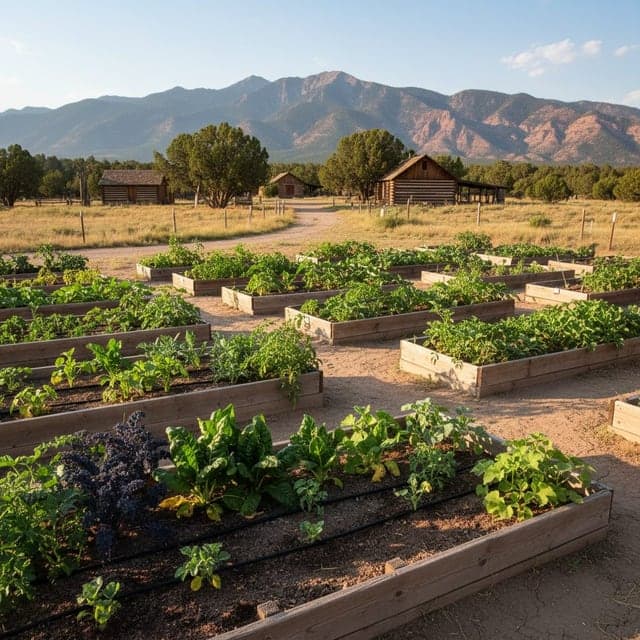
Boost your southwest garden’s drought resilience with compost tea and seaweed. Learn how these natural amendments improve soil health, water retention, and plant vigor in arid climates.
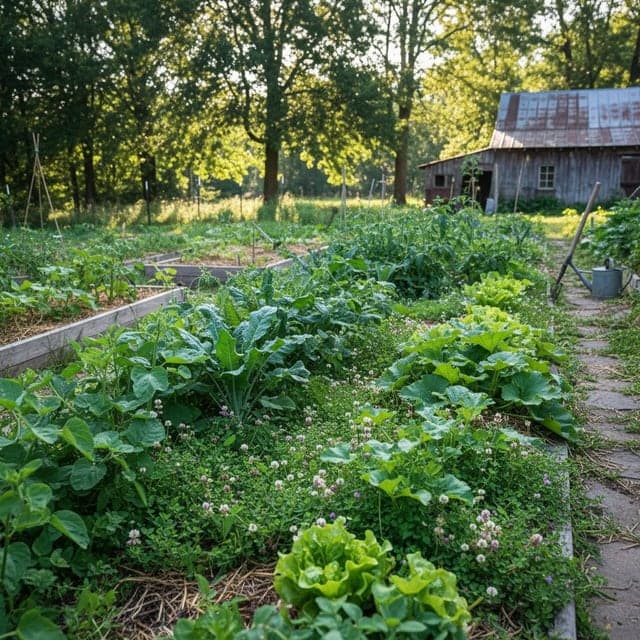
Discover how living mulches cool soil by 10-20°F, conserve water by 20-30%, and build soil health in hot US climates. Create resilient gardens with this natural solution.
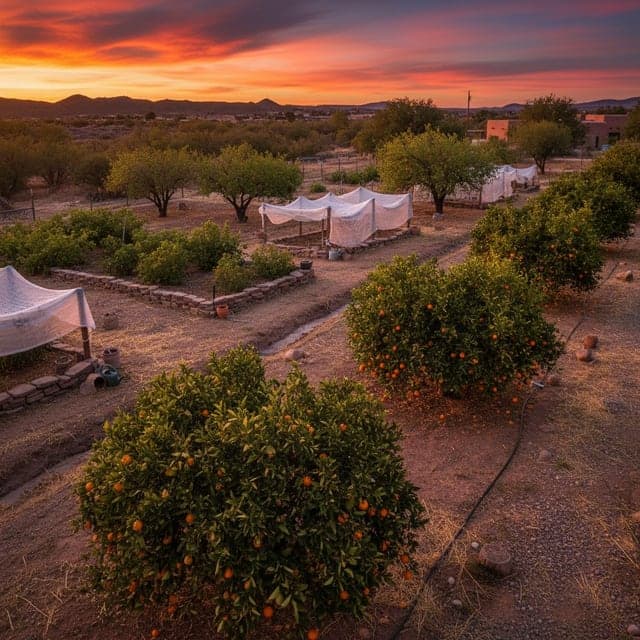
Learn how to recover heat-stressed fruit trees and berries in USDA Zone 8. This guide covers deep hydration, soil health, pruning, and pest management to revive your plants after heatwaves.
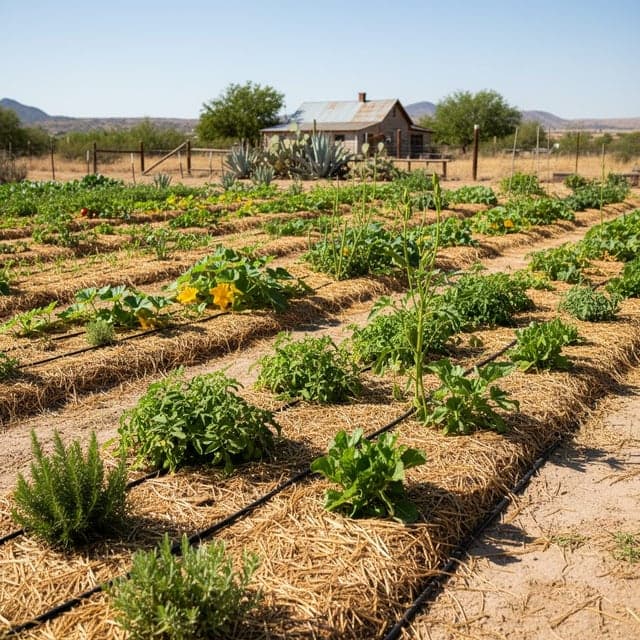
Learn how to grow drought-tolerant edibles in USDA Zone 7 with xeriscaping principles. Reduce water use by 30-50% using smart design, soil, and plant choices for resilient harvests.
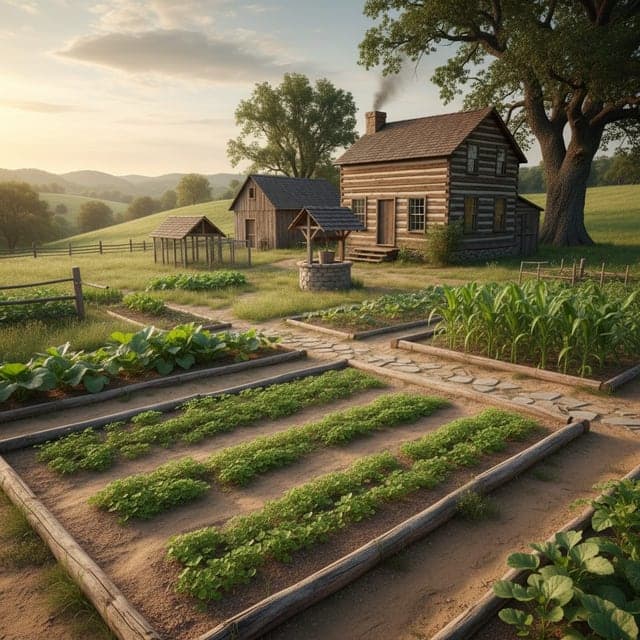
Transform sandy soil fast in US gardens with cowpeas, buckwheat, and daikon radish. Learn how these cover crops boost organic matter, water retention, and drought resilience for healthier plants. E…
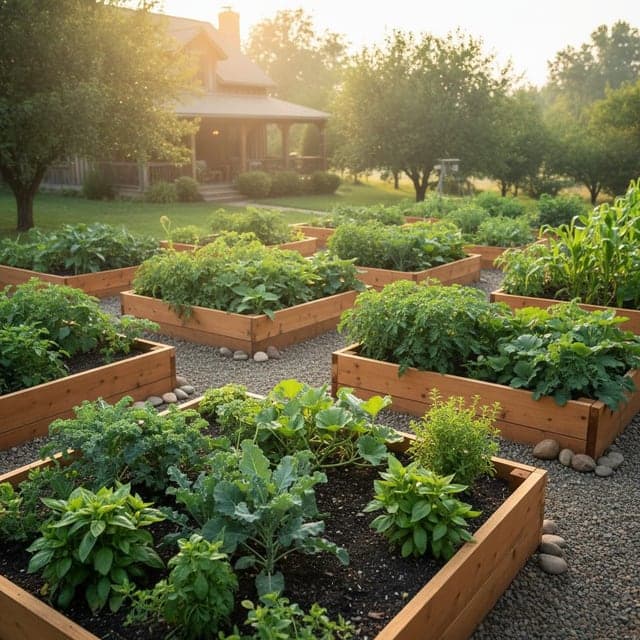
Garden safely over cemented desert caliche (Mohs 3–4) in USDA Zones 8–10: Call 811 and NIOSH N95 Valley Fever dust rules, off-center auger drainage chimneys vs. 18–24 in cloth-free raised beds, rap…
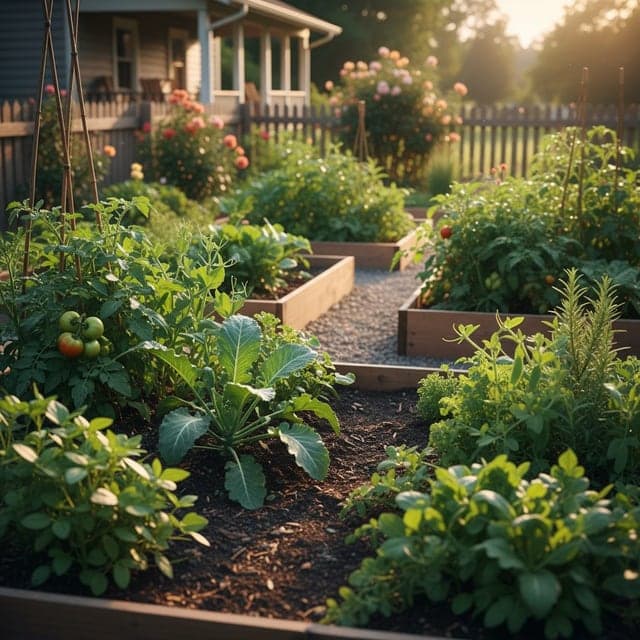
Discover nopal, tepary beans, chiltepin, and mesquite – resilient desert plants thriving in arid US climates. Reduce water use by 50-70% and build sustainable food systems.
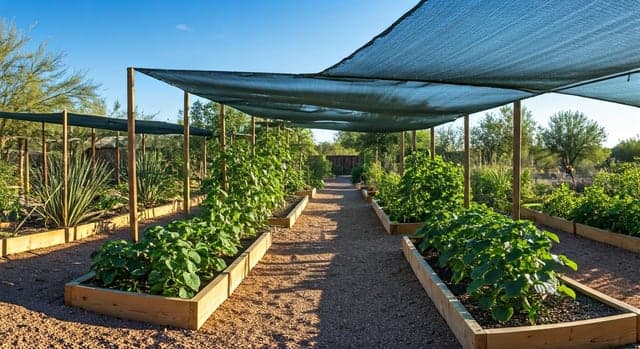
Master desert gardening in Arizona & Southwest US. Learn how 50% shade cloth, east-facing beds, and soil health reduce heat stress and conserve water for thriving plants.
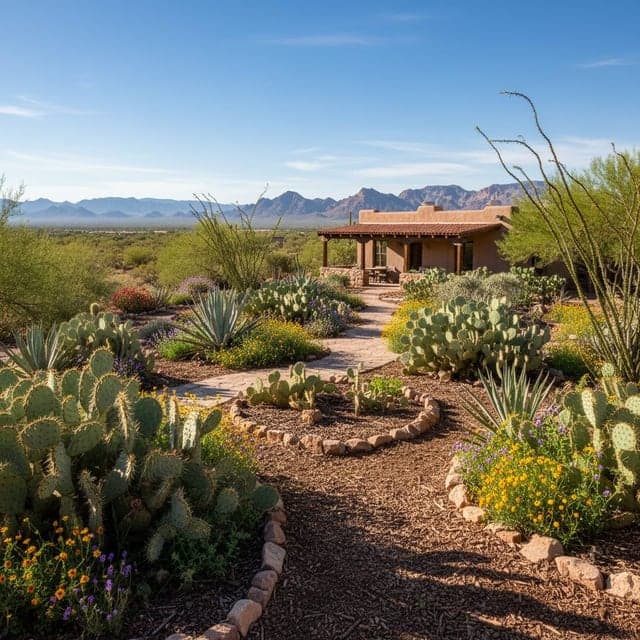
Master desert garden water retention with monsoon-ready, sunken, and waffle beds. Learn to capture rainfall, reduce irrigation by 30-50%, and build soil health in arid US climates.
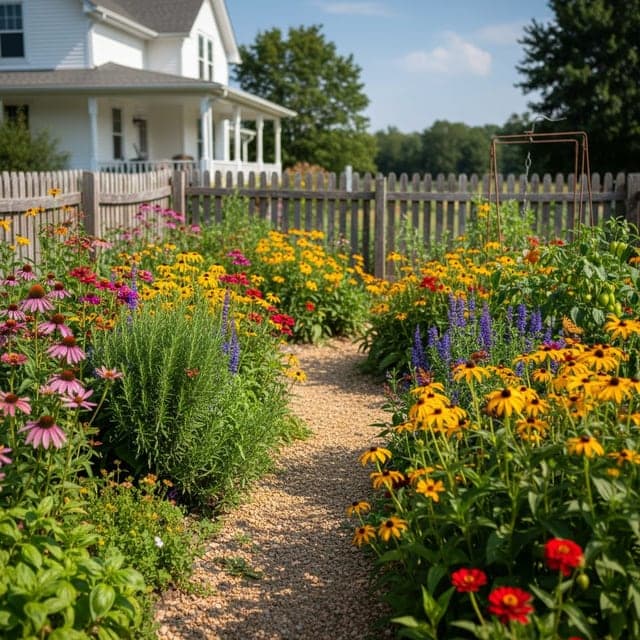
Heat-tolerant plants and soil management strategies for US gardens facing temperatures above 90°F in July, supporting pollinators through drought conditions.
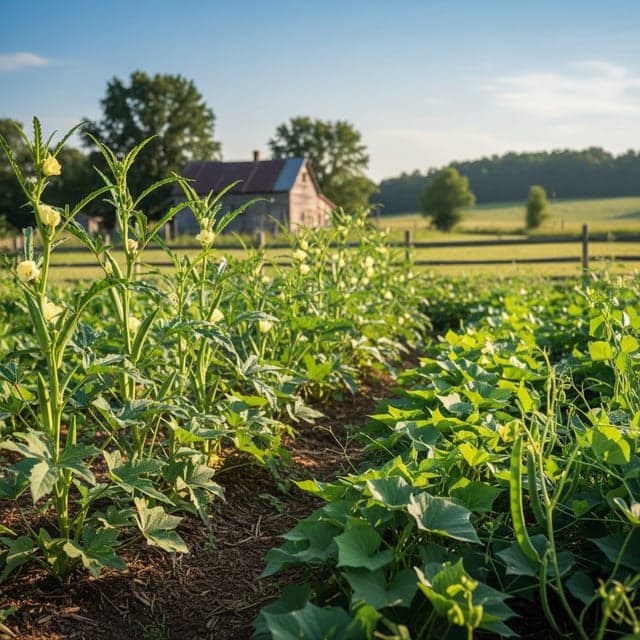
Discover heat-tolerant vegetables like okra, southern peas, and sweet potatoes that thrive in US gardens facing hotter summers. Adapt to climate shifts & ensure food security.
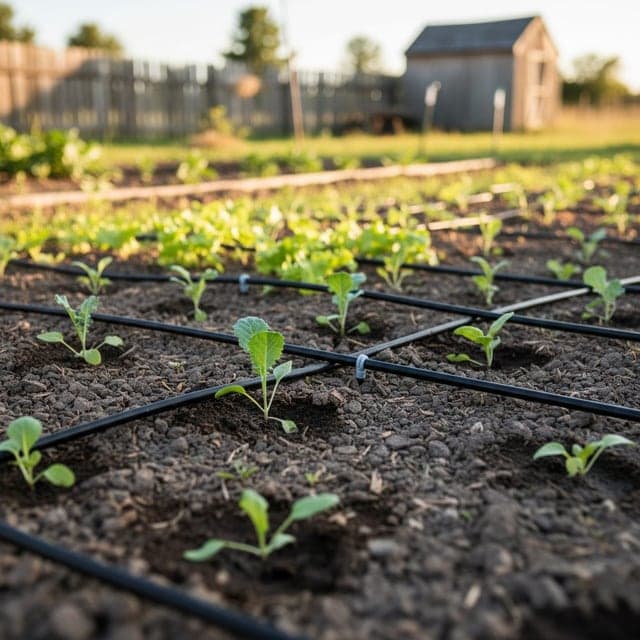
Drip and soaker hose setups for seedling establishment in USDA Zone 7, including how targeted irrigation reduces water waste during heat and drought.
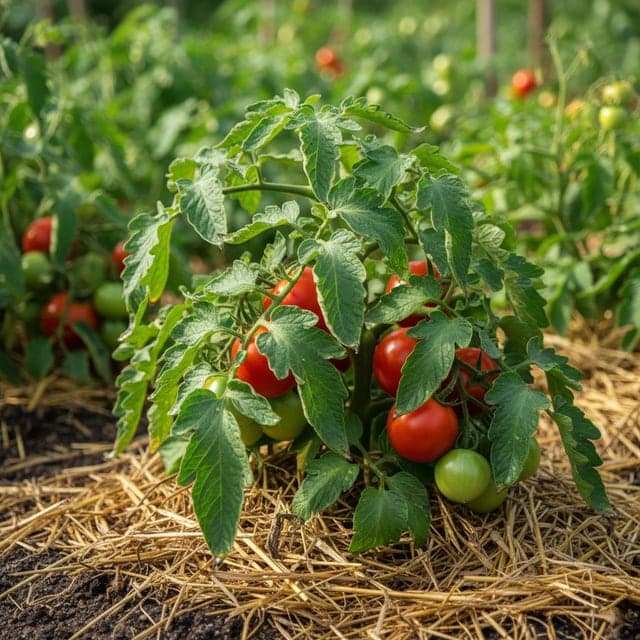
Leaf curl, bronzing, and scorch indicate garden heat stress. Data-backed strategies help build resilient plants in US gardens facing extreme temperatures.
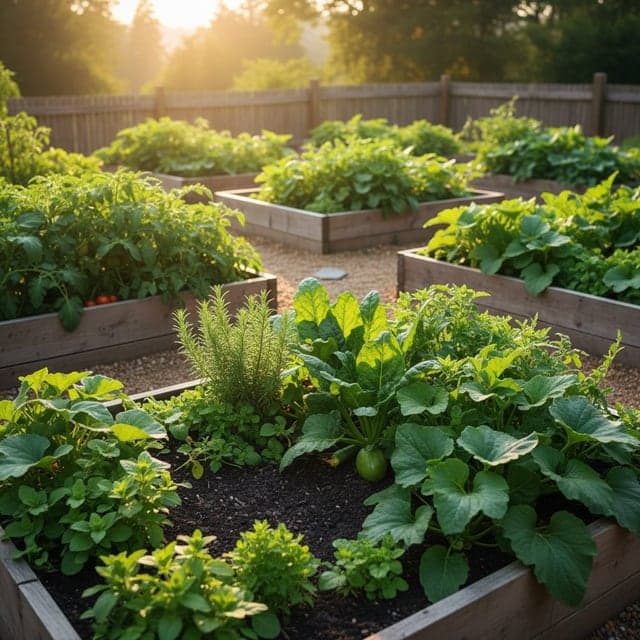
Learn to identify and prevent wilting in garden plants, including tomatoes, in USDA Zone 7. Understand causes like heat stress, underwatering, and disease for a thriving harvest.
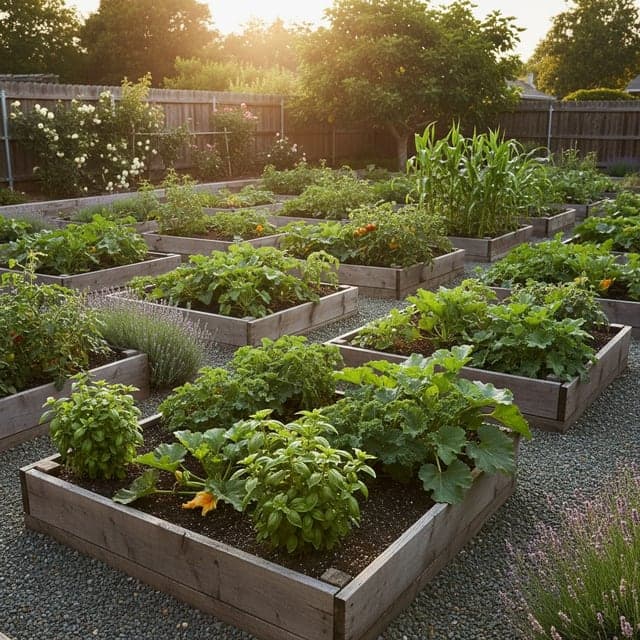
Learn how to use mulch for soil cooling in extreme heat. Discover optimal depths & materials like straw, wood chips, and leaves to protect your garden from 100°F+ temperatures.
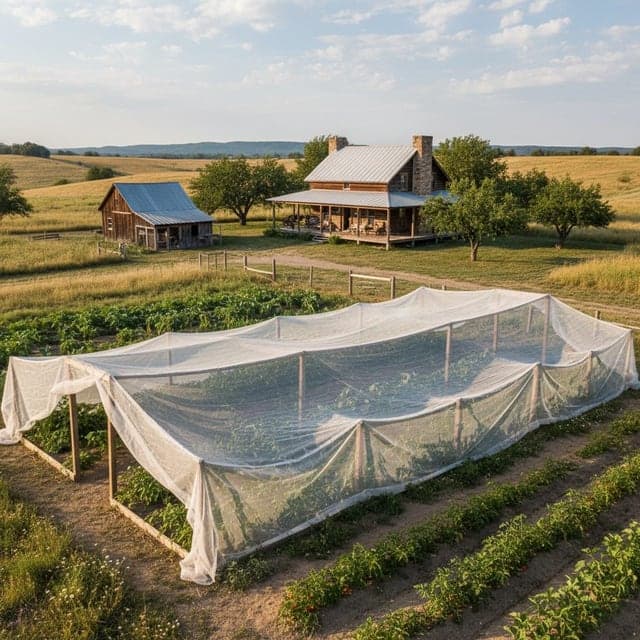
Match 30%, 40%, and 50% knitted HDPE or aluminet shade cloth to vegetable DLI light-saturation limits, prevent sunscald above 90°F, and engineer storm wind-sail bracing.
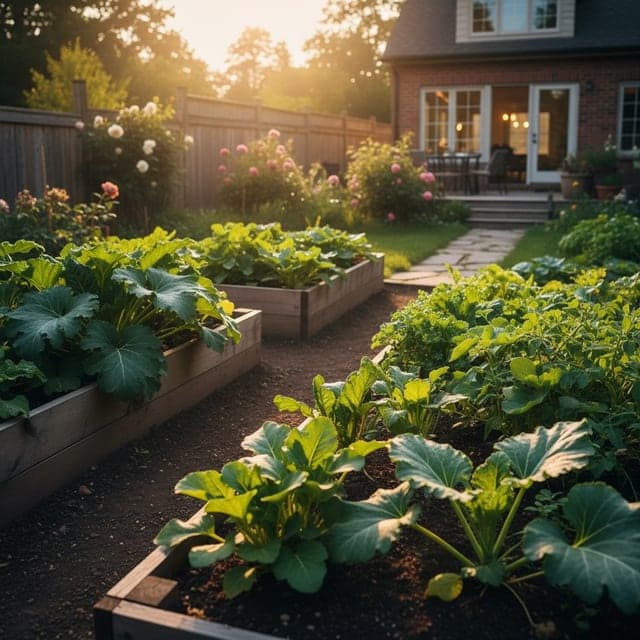
Learn how to implement effective rain garden design, ollas, and passive irrigation earthworks to reduce stormwater runoff, conserve water, and create beautiful, water-wise landscapes in your USDA z…