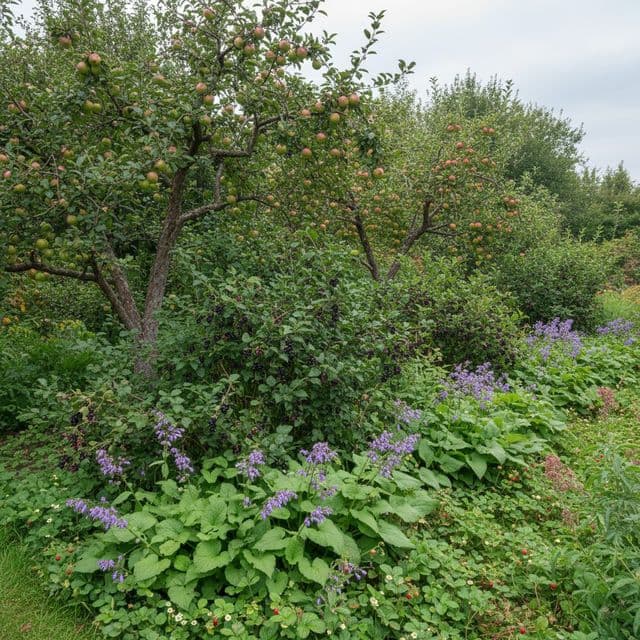
Forest Garden Plants: Essential Perennial UK Species
Select the best edible forest garden plants for UK climates across seven canopy layers, from fruit trees to perennial vegetables and dynamic accumulators.
Topic
Permaculture gardening covers hands-on practice: building no-dig beds, assembling plant guilds that support each other, and organizing a garden into zones based on how often each area needs attention. Articles are task-oriented — concrete steps for putting permaculture principles to work in an existing or new growing space.
133 articles in this topic on agripure. — page 3 of 6
Select the best edible forest garden plants for UK climates across seven canopy layers, from fruit trees to perennial vegetables and dynamic accumulators.
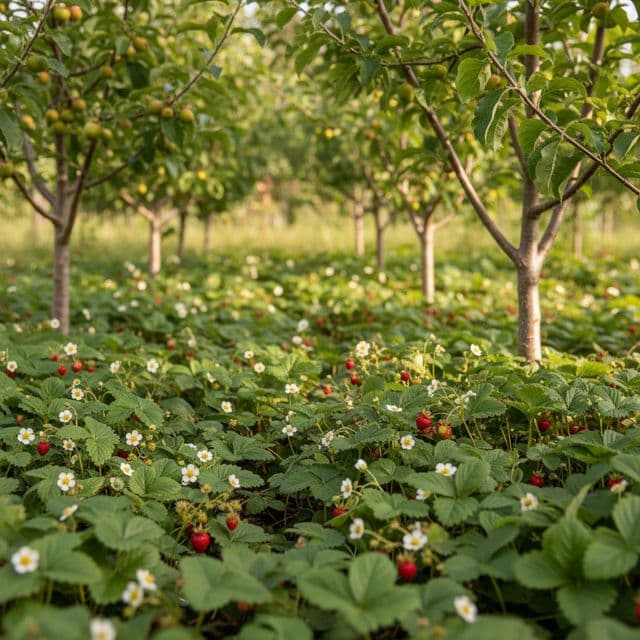
Discover the best edible ground cover plants to suppress weeds, conserve soil moisture, and build a productive living mulch layer beneath fruit trees.
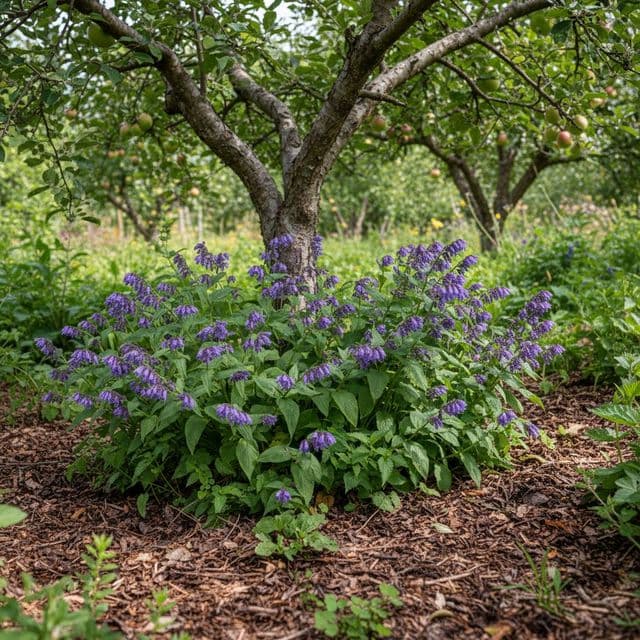
Explore the science of dynamic accumulator plants in permaculture: mineral uptake evidence, deep-taproot mining, comfrey facts, and mulch management.
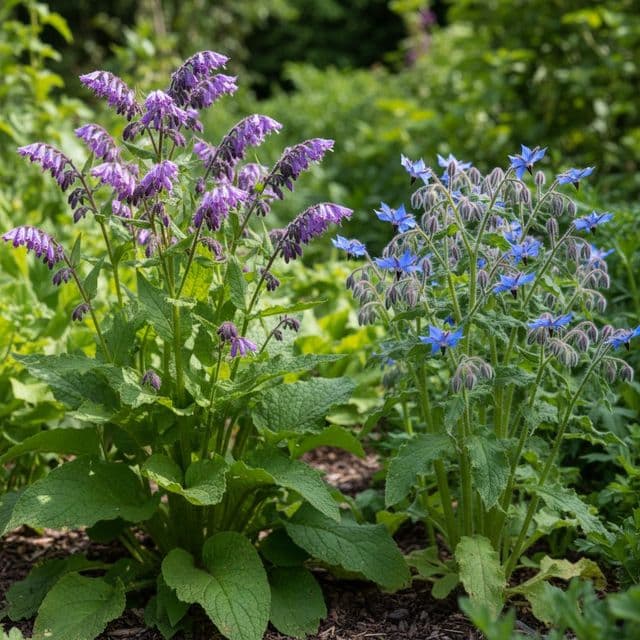
A detailed comparison of comfrey vs borage, comparing perennial vs annual life cycles, dynamic mineral accumulation, pollinator value, and garden uses.
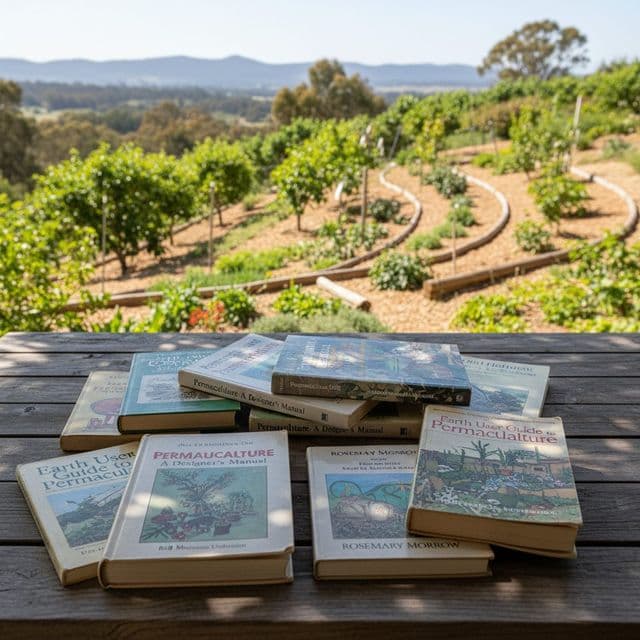
Discover the best permaculture books for Australian climates, from Bill Mollison's design manual to modern regenerative food forest and water guides.
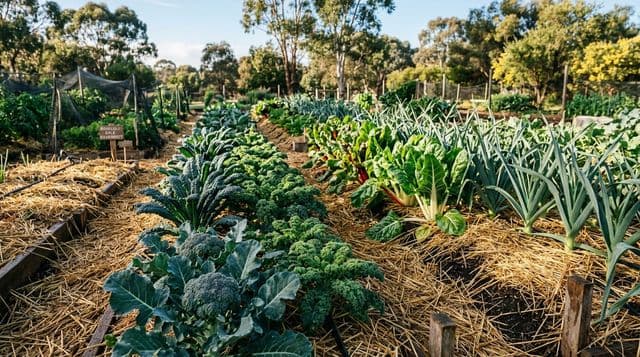
Discover which winter vegetables to grow across Australian climate zones, covering frost-tolerant crops, soil prep, and planting schedules for cool months.
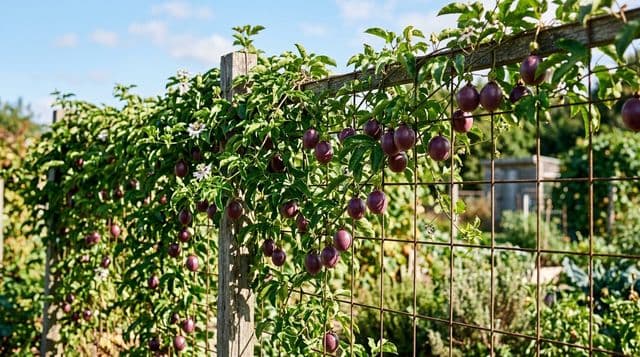
How to grow passion fruit vines from seed or cuttings, including trellis construction, flower pollination, and harvest timing.
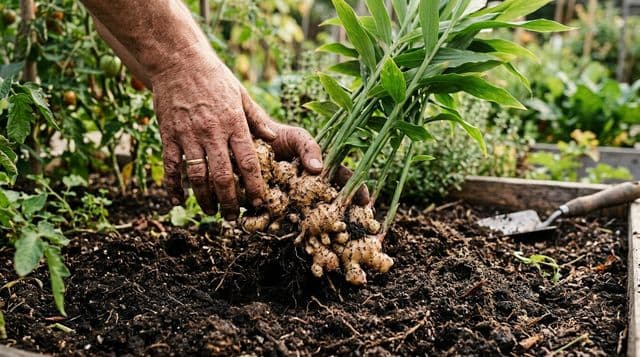
Learn how to grow ginger at home from store-bought rhizomes, covering soaking, container sizing, growth stages, hilling up, and harvesting fresh ginger root.
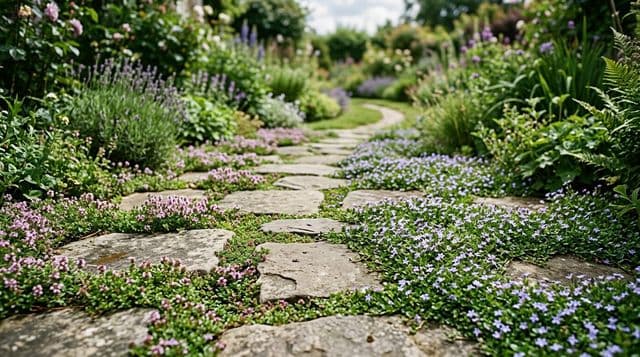
Resilient ground cover between pavers and stepping stones, including walkable steppable plants, soil preparation, and pathway maintenance.
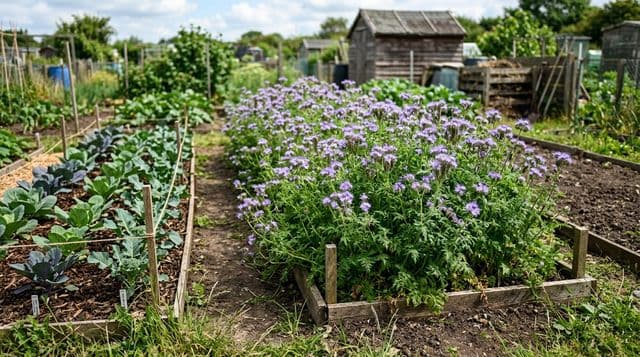
Discover how green manure improves UK garden and allotment soil, covering seasonal seed mixes, nitrogen fixation, weed suppression, and termination methods.
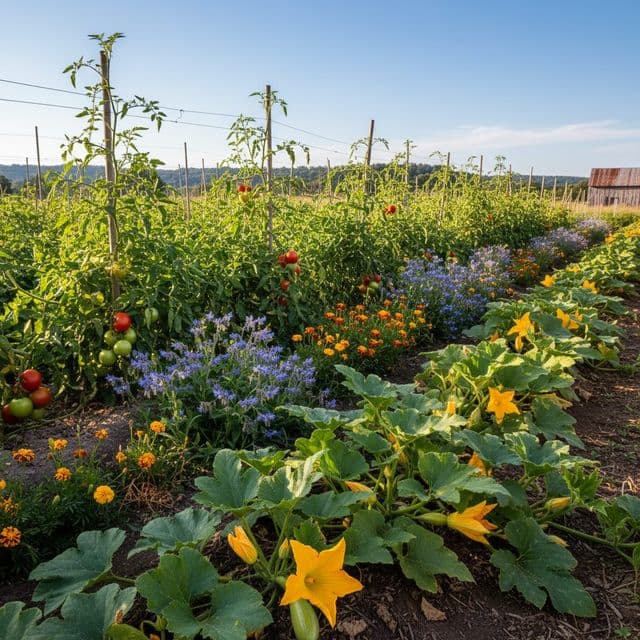
Learn how strategic companion planting boosts tomato fruit set and overall yields in US growing regions. Attract beneficial pollinators with specific flowers for a healthier, more abundant harvest.
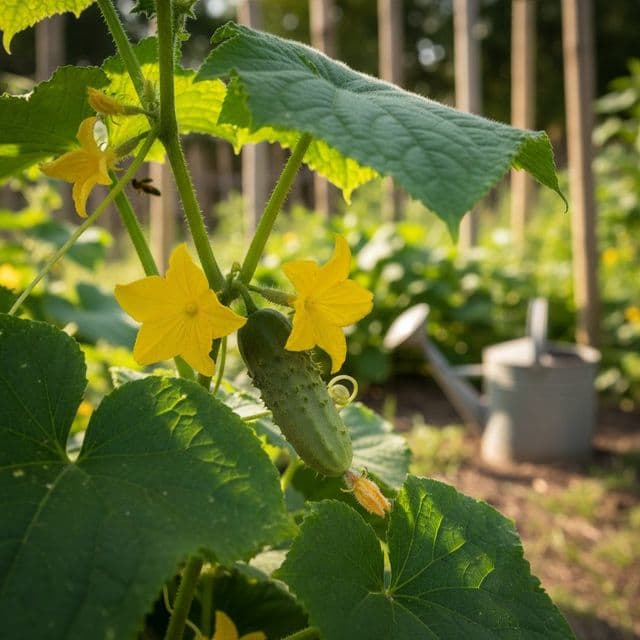
Learn how to hand-pollinate cucumbers and melons for fuller fruit in USDA zones 4-11. Boost yields by understanding flower anatomy and practicing hand-pollination techniques.
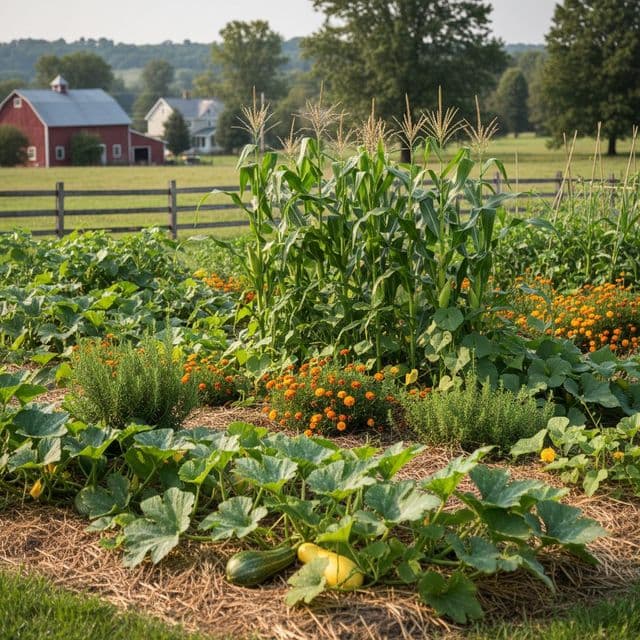
Unlock the power of companion planting. Learn how strategic plant pairings can deter pests, attract beneficial insects, and improve soil health, potentially reducing pest pressure by 15-50%.
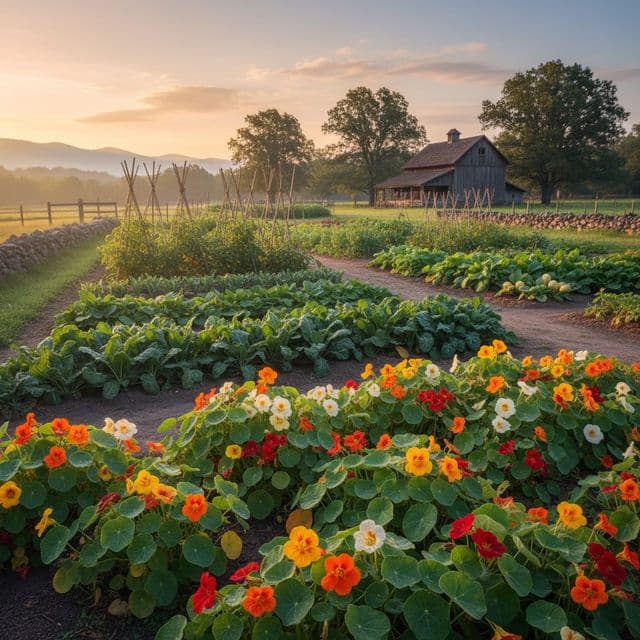
Discover trap cropping, an organic pest control method. Learn how specific plants like nasturtiums and Blue Hubbard squash can protect your main crops, reduce damage by 50%, and cut pesticide use b…
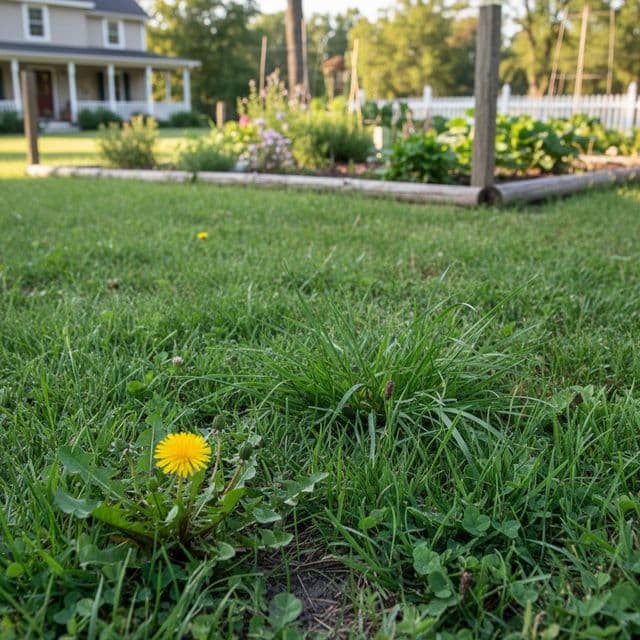
Organic Integrated Pest Management (IPM) strategies identify and control common US lawn and garden weeds like crabgrass, dandelion, bindweed, and purslane. Prevention and cultural methods can reduc…
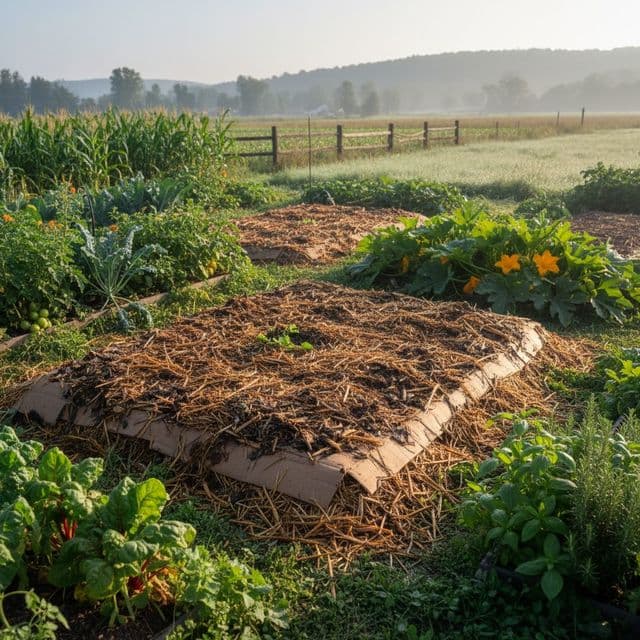
How sheet mulching with cardboard improves garden beds: suppress weeds, build organic matter, and improve soil structure for healthier plants.
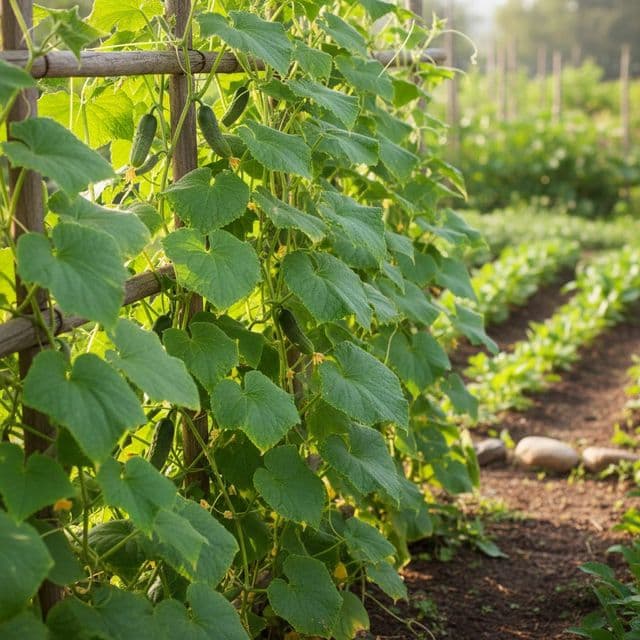
Learn organic strategies to prevent bacterial wilt in cucumbers by managing cucumber beetles. Discover IPM techniques, cultural practices, and organic controls for healthy cucurbit crops.
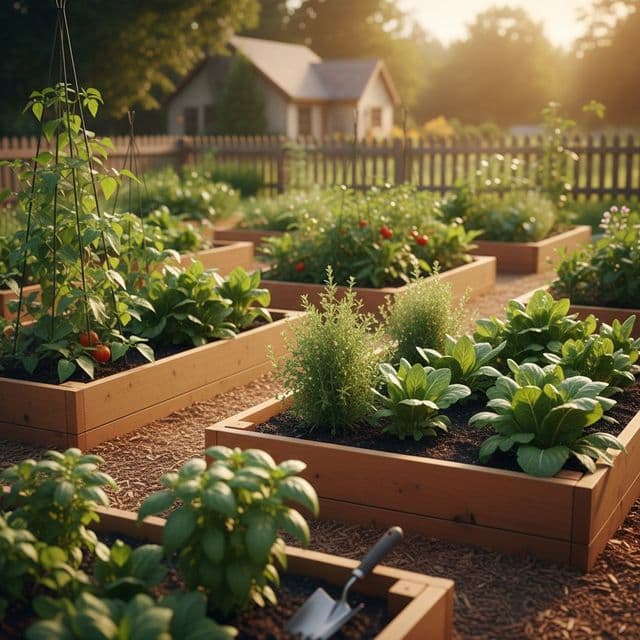
Effectively manage tomato and tobacco hornworms in your US garden. Learn about hand-picking, Bacillus thuringiensis (Bt), and parasitic wasps for sustainable pest control, reducing damage by over 90%.
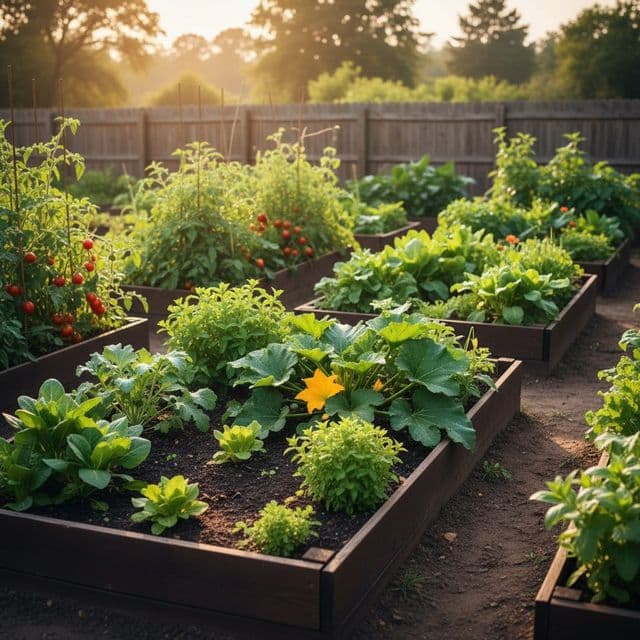
Combat spider mites in hot, dry climates with organic IPM strategies. Learn early detection, natural predators, and preventative measures for effective spider mite control in USDA zones 7-10.
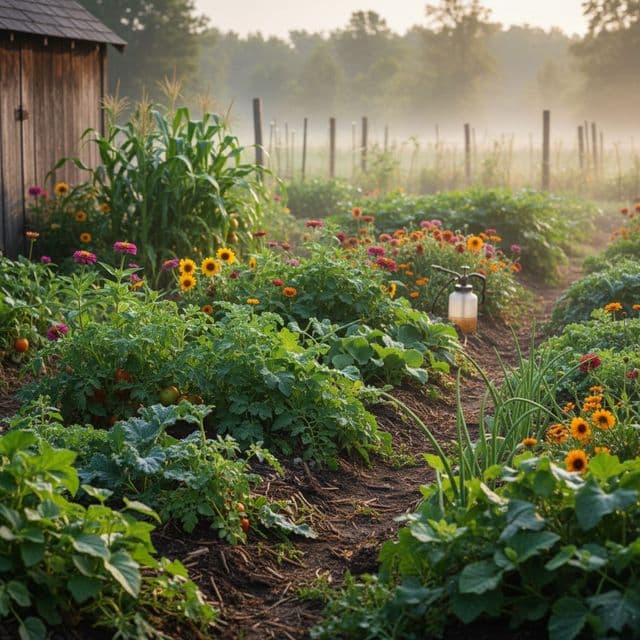
Learn to use insecticidal soap effectively for aphid control on roses and other plants. Discover proper dilution, application, and how it works to protect your garden organically.
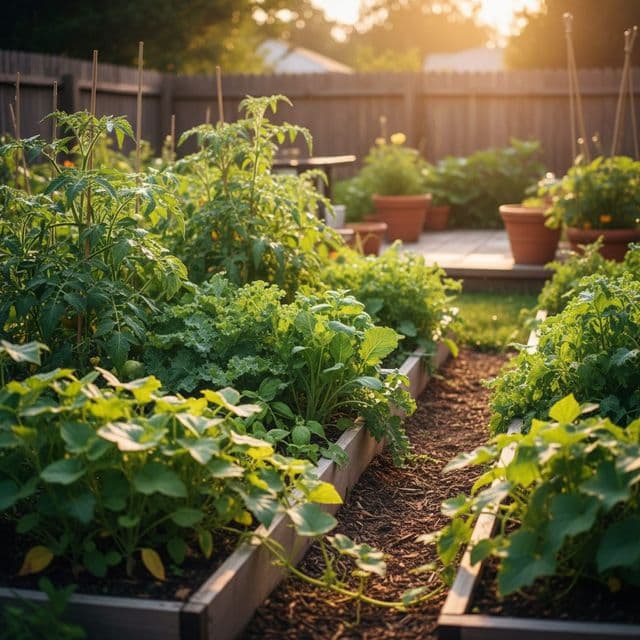
Attract praying mantids, ground beetles, and assassin bugs to your garden. Learn how these beneficial garden insects reduce pests by 30% or more with habitat creation.
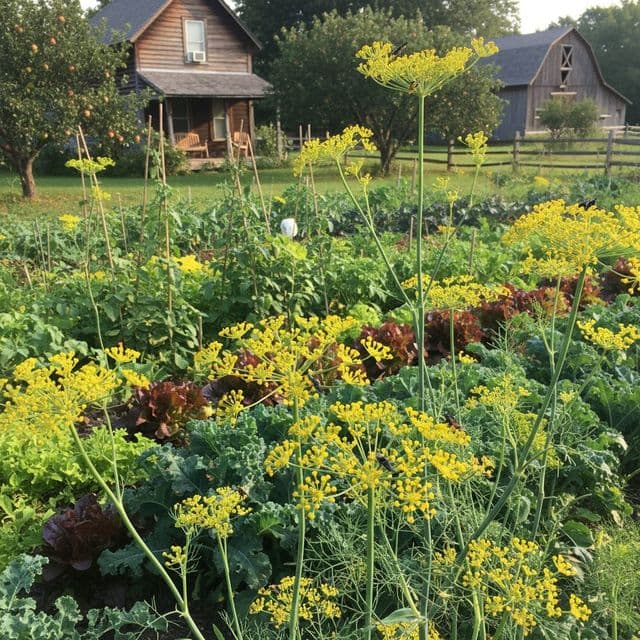
Learn how to attract native predatory wasps to your US garden. Discover their role in organic pest control, what plants to grow, and how to create habitats to reduce pest pressure naturally.
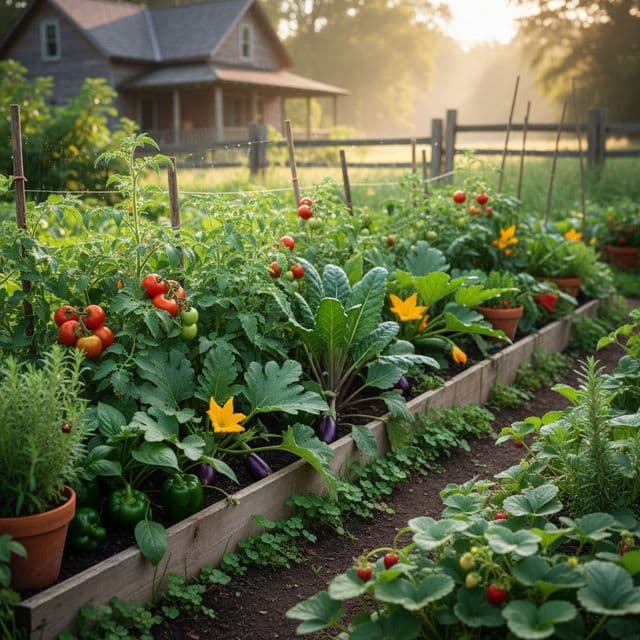
Learn to identify beneficial insect larvae like ladybugs, lacewings, and hoverflies. Protect these natural predators to reduce garden pests, save crops, and minimize pesticide use in your homestead.
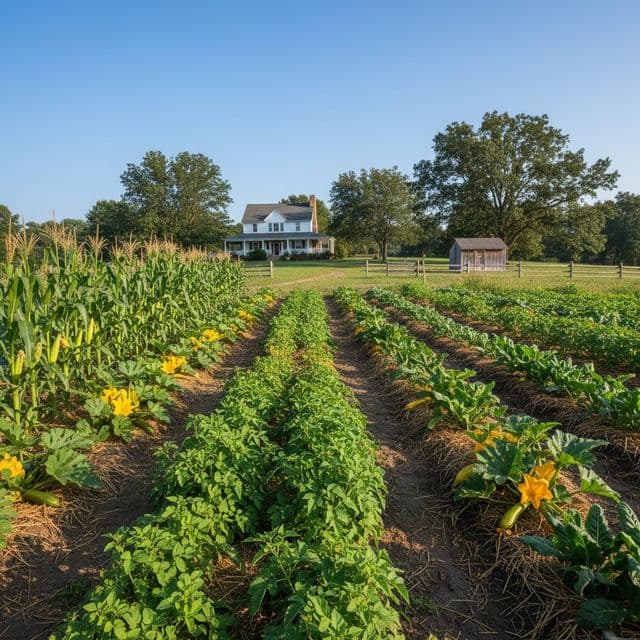
Understand US organic pesticide labels, OMRI certification, and IPM principles for effective pest control. Learn how to choose safe products and boost beneficial insects on your farm or garden.