Key takeaways
- Select shade cloth percentage (30-50%) based on local sun intensity and crop heat tolerance.
- Install shade cloth with at least 18 inches of clearance above plants for proper airflow.
- Monitor soil moisture closely, as shade cloth can reduce evaporation by 10-30%.
- Use 30% shade for sun-loving crops in moderate heat, 40% for most vegetables in hot climates, and 50% for sensitive plants in extreme heat.
- Consider temporary installation methods for seasonal use, especially in regions with fluctuating temperatures.
- Ensure shade cloth is securely fastened to withstand winds up to 40 miles per hour.
Quick answer: To protect heat-sensitive crops in USDA Zone 7, choose 30% to 50% shade cloth based on local sun intensity and crop heat tolerance. This reduces ambient temperatures by 10-15°F and conserves water by decreasing evaporation.
In 2023, many growers across the US, from California’s Central Valley to the humid Southeast, faced unprecedented heat waves, with temperatures consistently exceeding 100°F for weeks. These conditions stressed vegetable plants, reducing yields by as much as 40% for crops like tomatoes and peppers in affected areas. Adapting our gardens to these hotter, drier summers is essential for consistent harvests.
One of the most effective tools for climate-resilient growing is shade cloth. This simple material can significantly lower ambient temperatures around plants by 10-15°F, reduce water evaporation from the soil by up to 30%, and protect delicate foliage from scorching sun. Understanding which percentage of shade cloth(30%, 40%, or 50%)is right for your specific crops and how to install it correctly matters, even when the thermometer hits triple digits.
Protecting plants from extreme heat and drought
These takeaways points carry into this section, too.
Intense summer sun, especially in regions like the Southwest, can lead to significant plant stress. Temperatures consistently above 90°F can cause blossom drop in many vegetables, reducing fruit set and overall yields by 20% or more. Shade cloth acts as a barrier against these harsh conditions. It filters out a portion of the sun’s direct rays, lowering the ambient temperature around plants by 10-15°F, a critical difference for heat-sensitive crops like lettuce and spinach [1].
reducing water loss and soil temperature
Beyond temperature moderation, shade cloth plays a vital role in water conservation. By reducing direct sun exposure and wind, it can decrease soil surface temperatures by up to 15°F and cut evaporation rates by 10-30% [1]. This means your garden requires less frequent watering, saving gallons of water over a growing season, which is particularly beneficial in drought-prone areas like the high plains of Texas. Maintaining cooler soil health also supports beneficial microbial activity and root development, which can decline in soils consistently above 85°F. This protection allows for more efficient photosynthesis and better overall plant vigor, leading to higher yields.
- Reduces plant heat stress, preventing leaf scorch and blossom drop.
- Lowers soil temperature by 10-15°F, preserving soil moisture.
- Decreases water evaporation by 10-30%, conserving irrigation.
- Protects delicate young seedlings from intense sun exposure.
- Extends the growing season for cool-season crops into warmer months.
Matching shade cloth percentage to crop needs
That work on protecting plants from sets up what follows here.
Shade cloth comes in various percentages, indicating how much sunlight it blocks. Choosing the correct percentage is critical for plant health and productivity. A 30% shade cloth, for example, blocks approximately 30% of incoming sunlight, allowing 70% to reach your plants [1]. This level is generally suitable for sun-loving crops in regions with moderate summer heat, such as parts of USDA zone 6 where temperatures might peak at 90-95°F for short periods.
selecting the right light reduction for your vegetables
For most common garden vegetables in hotter climates, a 40% shade cloth is often the best choice. It provides sufficient light reduction to prevent heat stress while still allowing enough photosynthetic active radiation for robust growth. Tomatoes, peppers, squash, and beans often thrive under 40% shade in areas like the Central Valley of California or throughout USDA zone 8, where summer temperatures frequently exceed 95°F. For highly heat-sensitive crops or in areas experiencing extreme, prolonged heat waves above 100°F, a 50% shade cloth is recommended [1]. This higher percentage is ideal for leafy greens like lettuce, spinach, and Swiss chard, which bolt quickly in full sun, or for protecting young seedlings. Even some full-sun plants can benefit from temporary 50% shade during the hottest parts of the day to ensure optimal growth.
- 30% shade: Good for sun-loving plants (e.g., corn, melons) in moderate heat (85-90°F).
- 40% shade: Versatile for most vegetables (e.g., tomatoes, peppers, cucumbers) in hot climates (90-100°F).
- 50% shade: Best for heat-sensitive plants (e.g., lettuce, spinach, broccoli) or extreme heat (over 100°F).
- 60% or higher: Typically for nurseries, orchids, or very specific, extremely shade-loving plants.
- Lower percentages (10-20%): Primarily for frost protection or very slight sun reduction.
Selecting the ideal shade level for your region
This builds directly on matching shade cloth.
Choosing the right shade cloth isn’t just about crop type; it also depends heavily on your specific climate and the intensity of the sun in your region. Gardeners in Arizona’s Sonoran Desert (USDA zone 9b) might need 50% shade for most summer vegetables, while those in Oregon’s Willamette Valley (USDA zone 8b) might only need 30% for delicate greens or during peak afternoon sun. The duration and intensity of high temperatures matter most. If your area consistently experiences temperatures above 95°F for weeks at a time, a 40% or 50% shade cloth is likely necessary for most crops [4].
considering regional sun intensity and crop heat tolerance
Consider your garden’s microclimates as well; a bed against a south-facing wall will receive more intense sun than one shaded by a fence for part of the day. For precise moisture management under shade, a 3-in-1 Soil pH, Moisture & Light Meter can be invaluable. This tool helps you gauge not just moisture, but also light levels, confirming your shade cloth is performing as expected. The material of the shade cloth also matters; woven polyethylene is durable and UV-stabilized, often lasting 5-10 years even in harsh sun. When considering seasonal adjustment, remember that shade cloth can be removed on cooler days or during less intense periods, such as early morning or late afternoon, to maximize light exposure. Good air circulation beneath the cloth is vital to prevent humidity buildup, which can foster fungal diseases, especially in the Southeast where humidity often exceeds 70%.
- Assess your USDA hardiness zone and average summer high temperatures.
- Observe specific sun exposure patterns in your garden throughout the day.
- Consider the typical duration of heat waves in your area, especially above 95°F.
- Factor in humidity levels; higher humidity might require more airflow.
- Choose UV-stabilized material for longevity, typically lasting five to ten years.
Building effective shade structures
Those selecting ideal shade habits matter here as well.
Proper installation ensures your shade cloth performs effectively and withstands weather. The simplest method for small garden beds is a hoop house structure. You can create hoops using 1/2-inch or 3/4-inch PVC pipe, bending them over your garden bed and securing the ends into the soil or rebar stakes. For a 4-foot wide bed, 10-foot lengths of PVC work well, creating an arch about 3 feet high. Drape the shade cloth over these hoops, securing it with clips or bungee cords to prevent it from blowing away in winds up to 40 miles per hour.
installing for optimal airflow and plant growth
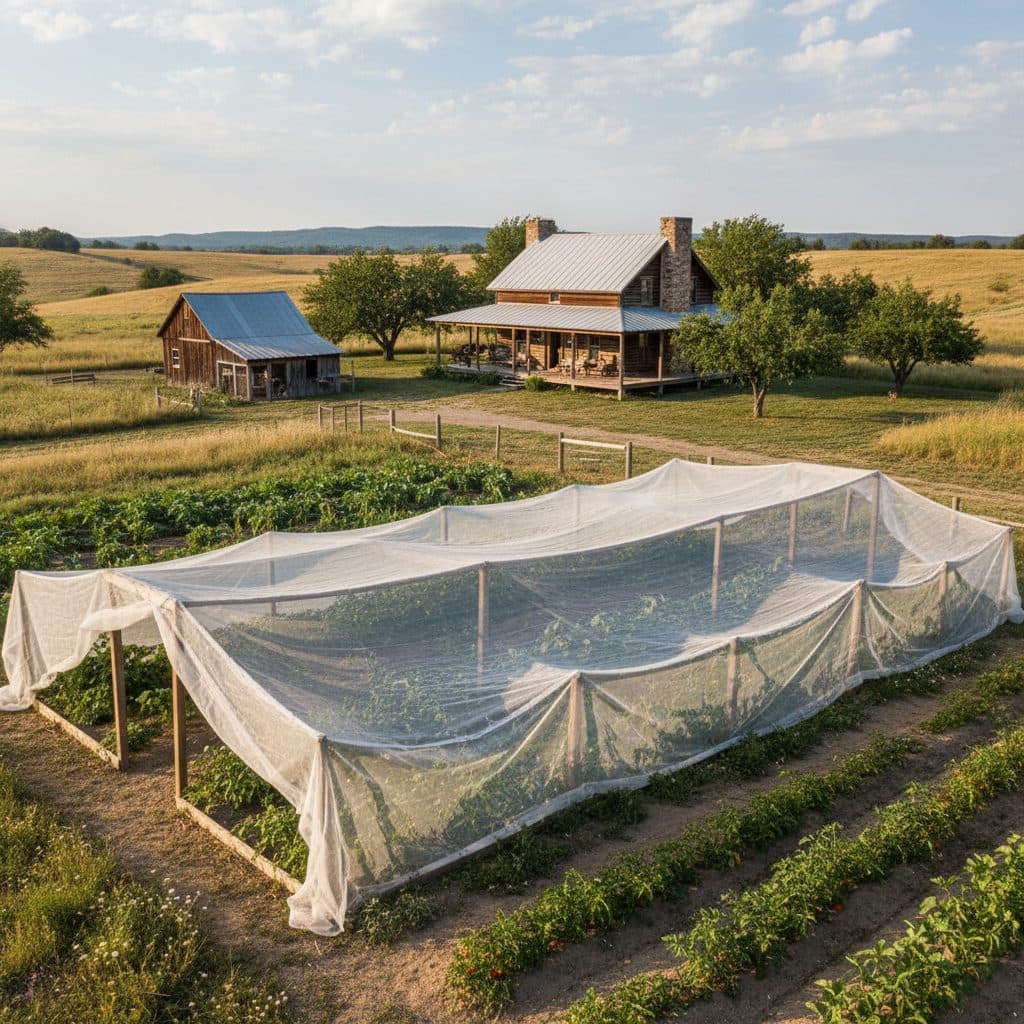
For larger areas or more permanent solutions, a fixed frame made from wood or metal conduit offers greater stability. Construct a frame that is at least 18 inches taller than your mature plants to ensure adequate airflow, which prevents heat buildup and fungal issues [4]. A common size for a backyard frame might be 8 feet long by 4 feet wide, reaching 6 feet tall. Attach the shade cloth to the frame using grommets, zip ties, or specialized clips, ensuring it is taut but not overly stretched. For more advanced climate control, similar principles apply to greenhouse climate control, where shade cloth is often integrated with automated systems. Remember to allow for easy removal or retraction of the shade cloth for maintenance or to adjust light levels on cooler days, especially in regions like the Pacific Northwest where summer heat can vary significantly.
- Use PVC pipe (1/2-inch or 3/4-inch) for simple hoop structures over garden beds.
- Construct fixed frames from wood or metal conduit for larger, more permanent setups.
- Ensure at least 18 inches of clearance above plants for proper air circulation.
- Securely attach shade cloth with clips, bungee cords, or zip ties to withstand wind.
- Design for easy removal or retraction to adjust light levels as needed.
Shade cloth percentage comparison for US gardens
Shade Percentage | Best Use Case | Example Crops | Typical US Regions |
|---|---|---|---|
30% | Moderate heat protection, slight sun reduction | Corn, melons, pumpkins, hardy herbs | USDA Zone 6-7 (e.g., Ohio Valley, Pacific Northwest) |
40% | General purpose for hot climates, good balance | Tomatoes, peppers, cucumbers, squash, beans | USDA Zone 7-9 (e.g., Southeast, Central California, Texas) |
50% | Extreme heat, very sensitive crops, seedlings | Lettuce, spinach, broccoli, kale, young plants | USDA Zone 9-10 (e.g., Arizona, Florida, Southern California) |
Temperature reduction: Shade cloth can lower ambient temperatures around plants by 10-15°F, crucial for preventing heat stress in summer months [1].
Water savings: By reducing evaporation, shade cloth can decrease irrigation needs by 10-30%, saving gallons of water over a growing season [1].
Frequently asked questions
When should I put shade cloth on my vegetables?
Deploy shade cloth when daytime temperatures consistently exceed 85-90°F, or when your plants show signs of heat stress like wilting or blossom drop. In many US regions, this occurs from late May through early September, often for 90-120 days.
Can shade cloth hurt my plants?
Yes, if the percentage is too high or if it’s left on too long in cooler weather. Too much shade (e.g., 60% or more for most vegetables) can reduce photosynthesis, leading to spindly growth and lower yields. Ensure plants receive at least 6 hours of direct or filtered sunlight daily.
What is the best color for shade cloth?
Most shade cloth is black or green, which are effective at blocking sunlight and heat. White shade cloth can reflect more light and heat, potentially keeping temperatures slightly cooler by an additional 2-3°F, but it may also be more expensive. Black is the most common and cost-effective option.
How far above plants should shade cloth be?
For optimal air circulation and cooling, shade cloth should be installed at least 18 inches above the mature height of your plants [4]. This gap allows heat to escape and prevents humidity buildup, which can cause fungal diseases, especially in humid climates with over 70% relative humidity.
Does shade cloth protect against hail?
Yes, shade cloth can offer some protection against light hail and strong winds, especially the more durable woven varieties. While it won’t stop severe hailstones, a 40-50% shade cloth can reduce damage by 30-50% from smaller hailstones up to 1/4 inch in diameter.
References
- shade cloth (2021). shade cloth.
- holland shade cloth (2021). holland shade cloth.
- austrian shade cloth (2021). austrian shade cloth.
- Shade cloth (2007). Shade cloth.
- Shade cloth over reefs? Scientists call for ‘last resort’ measures (2012). Shade cloth over reefs? Scientists call for ‘last resort’ measures.
- USDA Natural Resources Conservation Service (2024). USDA Natural Resources Conservation Service.