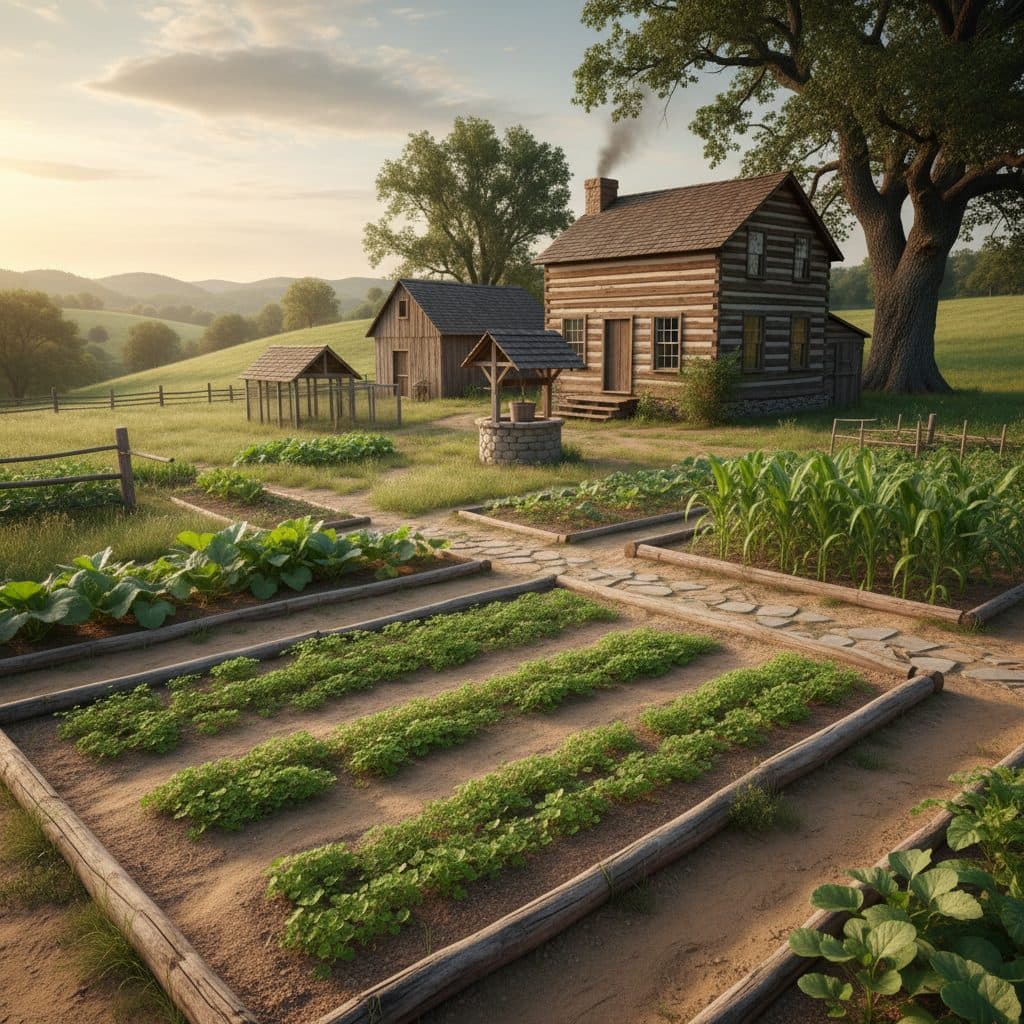
Key takeaways
- Cowpeas, buckwheat, and daikon radish are top choices for rapid sandy soil improvement in US gardens.
- These cover crops significantly increase soil organic matter, improving water and nutrient retention by up to 30%.
- Buckwheat establishes quickly, suppressing weeds and scavenging phosphorus, going from seed to bloom in as little as 30 to 45 days.
- Daikon radish breaks up compaction with its deep taproot, improving drainage and aeration down to 24 inches.
- Cowpeas fix atmospheric nitrogen, enriching the soil and reducing the need for synthetic fertilizers by up to 50%.
- Terminating cover crops at the right time — before seed set — maximizes their benefits and prevents unwanted reseeding.
Quick answer: Cowpeas, buckwheat, and daikon radish are effective cover crops for rapidly improving sandy soil in US gardens. They increase organic matter, enhance water and nutrient retention, and boost drought resilience.
In many parts of the United States, from the coastal plains of the Southeast to the sandy stretches of the Midwest, gardeners contend with challenging sandy soils. These soils often drain too quickly, leach nutrients rapidly, and struggle to support robust plant growth, especially during dry spells. For instance, in Florida’s USDA zone 9, sandy soils can lose water at a rate of 2 to 3 inches per day, making drought resilience a constant battle. Building up soil organic matter matters, and cover crops are a natural way to do it.
This article focuses on three specific cover crops — cowpeas, buckwheat, and daikon radish — that are particularly effective at rapidly transforming sandy soil into a more fertile, water-retentive medium. Research shows that cover cropping can increase soil organic carbon by 0.5% to 1.0% annually in degraded sandy soils, leading to significant improvements in water holding capacity and nutrient cycling within one to two growing seasons [5]. We’ll explore how these plants work, when to plant them, and how to integrate them into your garden for healthier, more productive growing.
The challenges of sandy soil in US gardens
These takeaways points carry into this section, too.
Sandy soils, common across regions like the Atlantic Coastal Plain or parts of the Great Plains, present unique gardening hurdles. Their large particle size leads to rapid drainage, meaning water moves through quickly, often carrying soluble nutrients with it. This results in significant nutrient leaching, leaving plants starved and requiring frequent fertilization. For example, a sandy loam soil in an olive orchard saw a 30% increase in water retention after two years of cover cropping, demonstrating the potential for improvement [3]. The low percentage of clay and organic matter means sandy soils have poor soil structure and limited capacity for water retention, making them highly susceptible to drought conditions.
why cover crops are essential for sandy soil
Cover crops address these issues by adding substantial amounts of organic matter, which acts like a sponge in the soil. This organic material improves water infiltration and retention, allowing the soil to hold onto moisture for longer periods, often increasing water holding capacity by 15% to 30% [3]. Furthermore, cover crops help cycle nutrients, prevent erosion, and foster a thriving microbial community. For more comprehensive information on building healthy soil, consider reading our article on organic gardening soil.
- Increase soil organic matter by 0.5% to 1.0% annually [5].
- Improve water infiltration and retention, reducing drought stress.
- Reduce nutrient leaching by capturing excess nutrients.
- Suppress weeds, minimizing competition for cash crops.
- Improve soil microbial activity and boost nutrient availability.
Cowpeas: fixing nitrogen and building biomass in warm zones
That work on challenges of sandy sets up what follows here.
Cowpeas (Vigna unguiculata) are a warm-season legume, making them an excellent choice for gardeners in USDA zones 8 through 11, particularly across the Southern United States. These plants fix nitrogen, converting it from the atmosphere into a form usable by plants. This process can contribute up to 100 pounds of nitrogen per acre to the soil, significantly reducing the need for synthetic nitrogen fertilizers [2]. Beyond nitrogen, cowpeas produce substantial soil organic matter through their extensive root systems and leafy growth, which is crucial for improving sandy soil structure and water retention.
growing cowpeas for soil health
Cowpeas are also highly drought tolerant once established, making them ideal for regions experiencing hot, dry summers. They grow quickly, typically reaching maturity in 60 to 90 days, and their dense canopy helps suppress weeds and prevent soil erosion. When terminated, their relatively low carbon-to-nitrogen (C:N) ratio, often around 20:1 to 30:1, ensures rapid decomposition and quick nutrient release for subsequent cash crops [2].
- Plant after the last frost, when soil temperatures are consistently above 65°F.
- Sow seeds 1 to 2 inches deep and 3 to 6 inches apart.
- Allow 60 to 90 days of growth before termination for maximum benefit.
- Mow or cut plants at the base before they set seed.
- Incorporate residue into the top 2-4 inches of soil or leave as a mulch.
Buckwheat: quick growth and phosphorus scavenging
Buckwheat (Fagopyrum esculentum) is a non-leguminous cover crop celebrated for its rapid establishment and short growing season, making it an excellent choice for quick soil improvements in USDA zones 3 through 10. It can go from seed to bloom in as little as 30 to 45 days, providing quick ground cover and effective weed suppression [1]. This fast growth is particularly beneficial for gardeners looking to improve soil between main crop rotations or in areas needing immediate cover. Buckwheat is also known for its ability to scavenge phosphorus and other nutrients that might be tied up in the soil, making them available for subsequent crops.
maximizing buckwheat’s soil benefits
The fibrous root system of buckwheat helps improve soil aggregation and structure, which is vital for sandy soils. When terminated, its biomass adds organic matter that decomposes relatively quickly, releasing nutrients back into the soil. As a bonus, its blossoms attract a wide range of beneficial insects, including pollinators and predatory wasps, enhancing garden biodiversity. You can learn more about this versatile plant at agripure.org/plants/fagopyrum-esculentum.
- Plant in late spring or summer, after the danger of frost has passed.
- Sow seeds shallowly, about 0.5 to 1 inch deep, at a rate of 50-70 pounds per acre.
- Allow 60 to 75 days of growth before termination, or when 10% of seeds have set.
- Mow or crimp plants to terminate, leaving residue on the surface as mulch.
- Expect 20-30 pounds of nitrogen and 10-15 pounds of phosphorus per acre to be released.
Daikon radish: deep roots for compaction relief
This builds directly on buckwheat.
Daikon radish (Raphanus sativus var. longipinnatus) is a powerful tool for addressing soil compaction in sandy soils, especially those that have been tilled or walked on frequently. Its large, fleshy deep taproot can grow 12 to 24 inches long, effectively breaking through compacted layers and creating channels for water and air to penetrate [1]. This natural tillage improves aeration and drainage, which is critical for sandy soils that can still develop hardpans from equipment or foot traffic. In fact, studies show daikon can increase water infiltration rates by 10% to 15% in compacted sandy soils [3].
planting daikon for structural improvement
As the daikon radish decomposes, its deep root channels become pathways for subsequent cash crop roots, allowing them to access water and nutrients from deeper soil profiles. This process also contributes to nutrient cycling, bringing nutrients from lower soil levels closer to the surface. Daikon is typically planted in late summer or early fall in USDA zones 4 through 9, and its roots are designed to winter kill in colder climates, leaving behind open channels without the need for mechanical termination. For monitoring soil moisture, a soil moisture meter can be useful to see the impact of improved drainage.
- Plant in late summer or early fall, 6 to 8 weeks before the first hard frost.
- Sow seeds 0.5 to 1 inch deep and 2 to 4 inches apart.
- Allow 4 to 6 weeks for roots to establish before cold weather.
- Roots can grow 18 to 24 inches long in ideal conditions.
- Expect roots to decompose over winter, leaving open channels for spring planting.
Strategic planting and termination for maximum benefit
The success of cover cropping in sandy soils hinges on strategic planting window and effective termination methods. For warm-season cover crops like cowpeas, planting should occur after the last frost, when soil temperatures are consistently above 65°F. Buckwheat can be planted from late spring through late summer, while daikon radish is best sown in late summer or early fall, about 6 to 8 weeks before the first hard frost in USDA zone 6. Proper timing ensures the cover crop has sufficient time to grow and provide its benefits before the next cash crop or winter weather.
integrating cover crops into your rotation
Termination is equally critical to prevent cover crops from going to seed and becoming weeds. For most species, this means terminating when they are in full bloom or just beginning to set seed, typically 60 to 90 days after planting. Common termination methods include mowing, crimping, or simply allowing winter kill for species like daikon. Leaving the residue on the soil surface as a mulch is often preferred, as it continues to protect the soil, suppress weeds, and slowly release nutrients. This practice significantly contributes to long-term soil health and increased organic matter, reducing the need for external inputs by up to 30% [4]. For more details on cover crop management, see Cover crops for the home garden.
- Mowing: Cut plants close to the ground; effective for most cover crops.
- Crinping: Bend and break stems to stop growth without cutting, leaving residue intact.
- Winter kill: Allow cold temperatures to naturally terminate frost-sensitive species like daikon.
- Tilling: Incorporate residue into the top 2-4 inches of soil (less preferred for soil structure).
- Solarization: Use clear plastic to heat and kill plants, also suppressing weeds.
Characteristics of cowpeas, buckwheat, and daikon radish for sandy soil
Crop | Primary Benefit | Growth Speed | Ideal Climate | Termination |
|---|---|---|---|---|
Cowpeas | Nitrogen fixation, biomass | Medium (60-90 days) | Warm (USDA zones 8-11) | Mow/cut before seed set |
Buckwheat | Quick organic matter, nutrient scavenging | Fast (30-75 days) | Cool/Moderate (USDA zones 3-10) | Mow/crimp before seed set |
Daikon Radish | Compaction relief, deep root channels | Medium (4-6 weeks to establish roots) | Cool (USDA zones 4-9) | Winter kill (in cold climates) |
Soil Organic Matter: A 2018 study in sandy-loamy soil found that cover crops increased soil organic matter by 0.7% over two seasons, significantly improving water infiltration [3].
Nitrogen Reduction: In USDA zone 7, incorporating cover crops can reduce nitrogen fertilizer needs for subsequent cash crops by up to 30% [4].
Frequently asked questions
How long does it take for cover crops to improve sandy soil?
Significant improvements in soil organic matter and water retention can be observed within one to two growing seasons, often within 6 to 12 months, depending on the cover crop and climate. For example, buckwheat can show benefits in as little as 60 days, while deeper improvements from daikon take a full season.
Can I plant these cover crops in containers?
Yes, you can plant these cover crops in large containers or raised beds, especially buckwheat and cowpeas. Ensure containers are at least 10 inches deep to allow for adequate root growth and biomass production, providing enough space for the roots to develop and improve the soil structure.
Do I need to fertilize cover crops in sandy soil?
Generally, no. Cowpeas fix their own nitrogen, and buckwheat and daikon are efficient at scavenging existing nutrients from the soil profile. However, a soil test can reveal severe deficiencies, and a light application of compost tea might be beneficial in extremely poor soils, especially those with less than 0.5% organic matter.
When is the best time to terminate these cover crops?
Terminate cover crops before they go to seed to prevent them from becoming weeds in your garden. For most species, this is typically when they are in full bloom or just starting to set seed, often 60 to 90 days after planting, ensuring maximum biomass and nutrient accumulation.
Will cover crops compete with my main garden plants for water?
If terminated properly, cover crops will not compete with subsequent cash crops. In fact, by improving soil structure and water retention, they actually increase water availability for main crops by up to 30% in the long term, making your garden more drought-resilient [3].
What is the ideal C:N ratio for cover crop residue?
For rapid decomposition and nutrient release, a carbon-to-nitrogen (C:N) ratio below 25:1 is ideal. Cowpeas, being a legume, typically have a ratio around 20:1 to 30:1, while buckwheat is closer to 20:1, making them excellent choices for quick nutrient cycling in sandy soils.
References
- Cover Crops and Soil Health (2018). Cover Crops and Soil Health.
- Cover Crops and Soil Health (2019). Cover Crops and Soil Health.
- Long-term hydrologic effect of temporary cover crops in an olive orchard on a sandy-loamy soil (2022). Long-term hydrologic effect of temporary cover crops in an olive orchard on a sandy-loamy soil.
- Cover crops and controlled-release urea decrease need for mineral nitrogen fertilizer for cotton in sandy soil (2022). Cover crops and controlled-release urea decrease need for mineral nitrogen fertilizer for cotton in sandy soil.
- The physical and chemical responses of a degraded sandy clay loam soil to cover crops in southern Nigeria (1999). The physical and chemical responses of a degraded sandy clay loam soil to cover crops in southern Nigeria.
- USDA Natural Resources Conservation Service (2024). USDA Natural Resources Conservation Service.