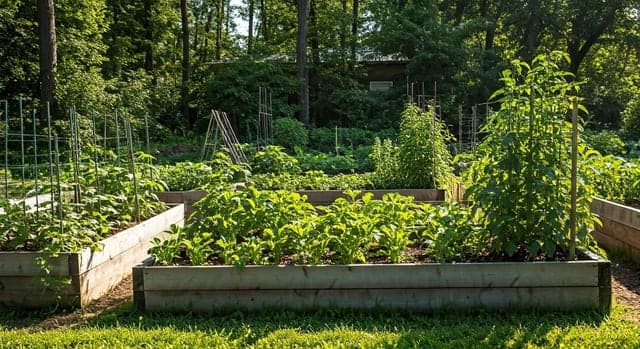
Boost beneficial fungi: mulch & no-till for US garden soil
How mulch and no-till gardening support beneficial soil fungi, improve soil structure, and aid nutrient cycling in US home gardens.
Topic
Permaculture gardening covers hands-on practice: building no-dig beds, assembling plant guilds that support each other, and organizing a garden into zones based on how often each area needs attention. Articles are task-oriented — concrete steps for putting permaculture principles to work in an existing or new growing space.
164 articles in this topic on agripure. — page 2 of 7
How mulch and no-till gardening support beneficial soil fungi, improve soil structure, and aid nutrient cycling in US home gardens.
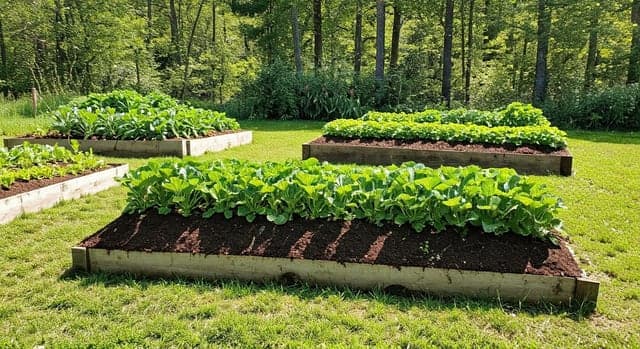
Master no-dig gardening for clay and sandy soils across the US. Learn tailored strategies for 6-inch beds, improving drainage, water retention, and soil health with permaculture principles.
Compare the best mulch materials for US no-dig gardens across USDA Zones 3–10: C:N ratios, depths, cubic-yard math, clopyralid bioassays, and regional trade-offs.
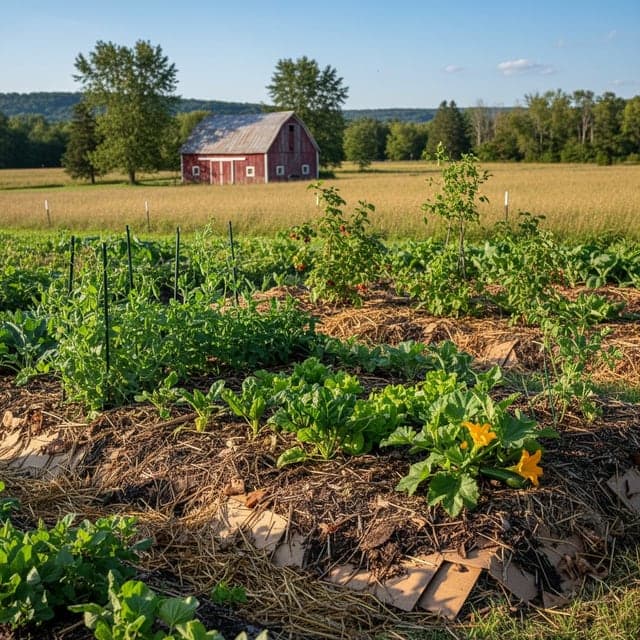
Convert turf into productive garden beds without digging: exact cardboard prep and contamination bans, vegetable vs. perennial tracks, WSU soil-science cautions around trees and clay, and silage ta…
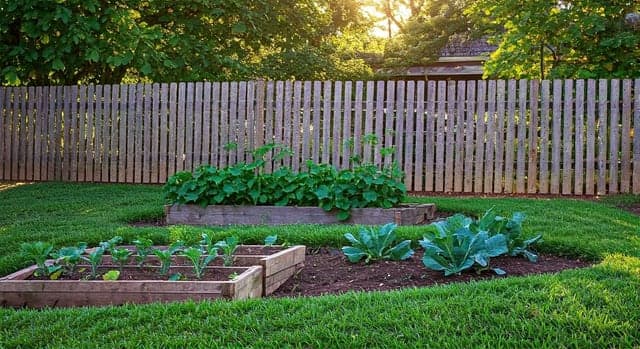
Adapt Charles Dowding's Homeacres no-dig method to US climates: verified 2–5 inch compost math, arid Southwest salt and hydrophobicity fixes, Pacific Northwest slug defense, humid Southeast decay s…
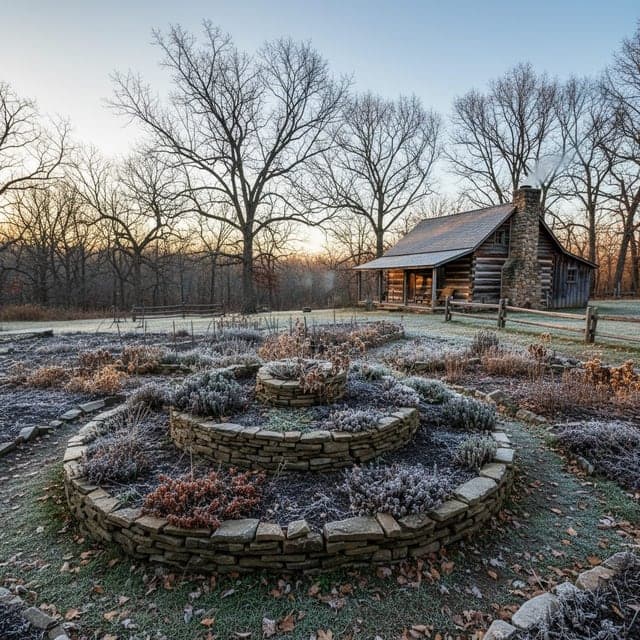
Master overwintering an herb spiral in USDA Zone 5. Learn plant selection, mulching, and microclimate design to keep your herbs thriving through cold winters.
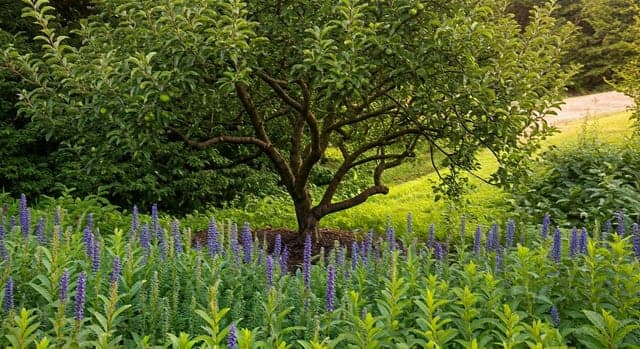
Design a resilient PNW food forest guild for USDA Zone 7. Learn about apple, currant, and comfrey guilds, water management with swales, and permaculture principles for high yields.

Learn to grow chives and garlic chives year-round in USDA zones 3-9. Get tips for planting, care, and continuous harvest of these resilient, flavorful herbs for your homestead.
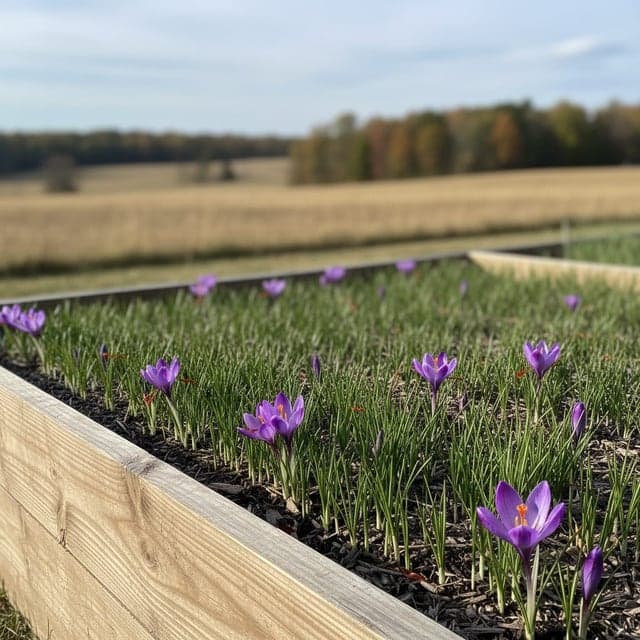
Learn to grow saffron in US Zone 6. Discover how to overwinter corms, multiply your planting material, and ensure consistent yields for this useful spice, even in colder climates.
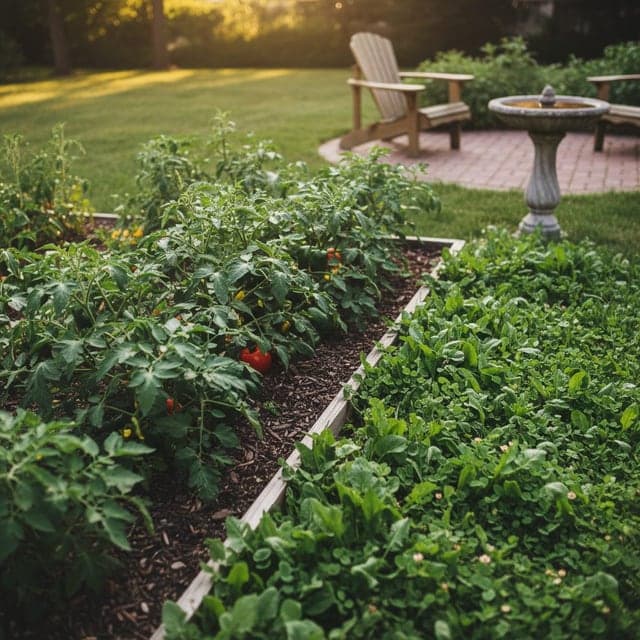
Discover safe edible backyard weeds across US regions. Learn to identify common wild edibles like dandelion & lamb’s quarters for beginners. Forage safely.
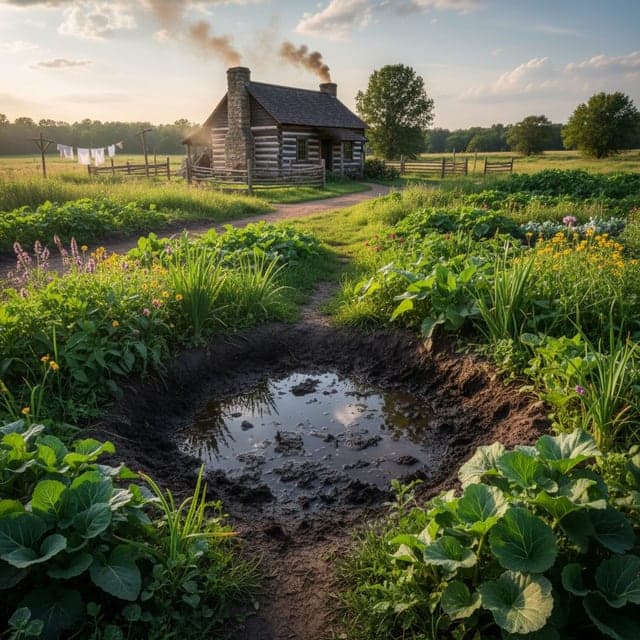
Struggling with wet garden spots? Discover how to select the best plants for poorly drained soil. Learn strategies to improve drainage & cultivate a thriving garden.
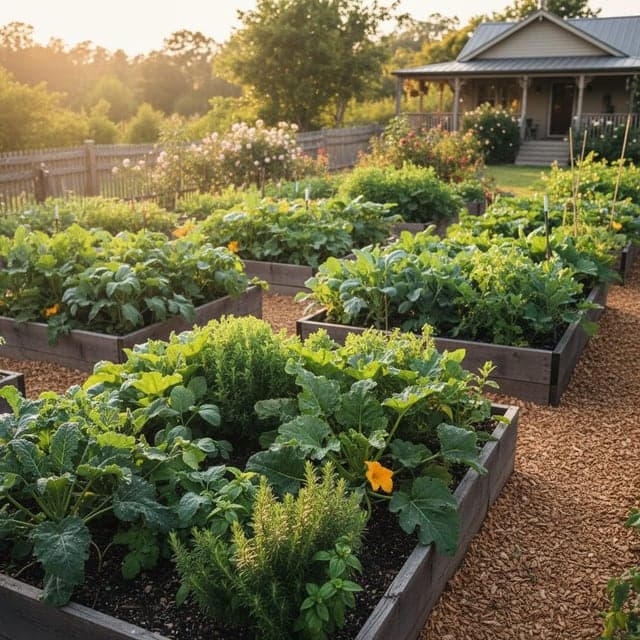
Discover plants that thrive in salty and saline soils. Learn how to select species for coastal areas and near de-iced roads, mitigate salt damage, and cultivate resilient landscapes in challenging…
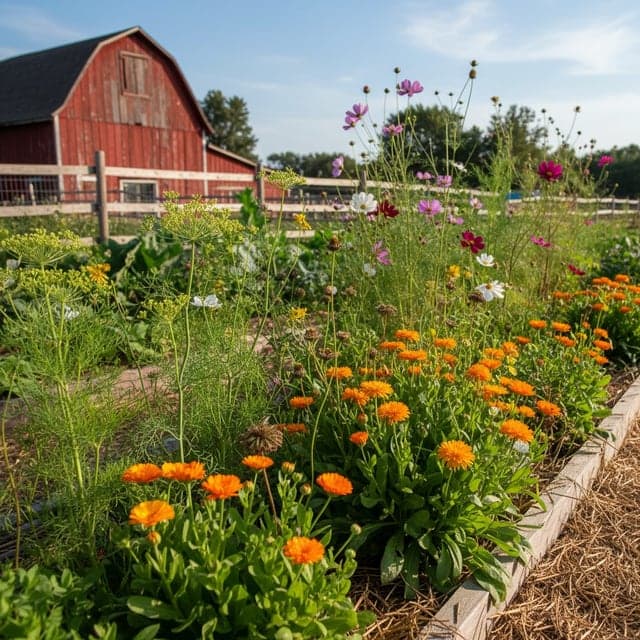
Build a reliable self-seeding US garden using horticultural triage: 10 disciplined annuals and biennials, P0 invasive weed warnings, F1 hybrid vs. open-pollinated genetics, toxic cucurbitacin avoid…
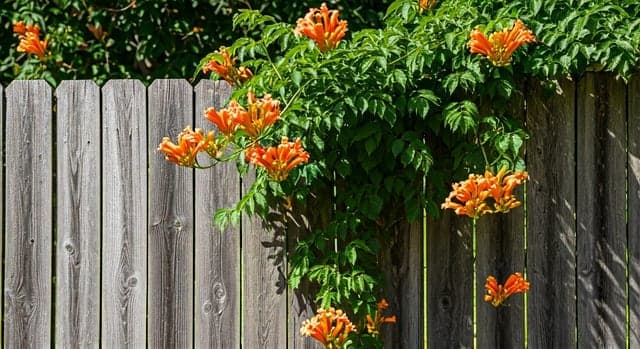
Build rapid fence and pergola privacy across US USDA Zones 3–11 using 60–90 day annual screens or native perennials, 200–400 lb trellis hardware with a 4–6" siding air-gap, invasive bans, and P0 to…
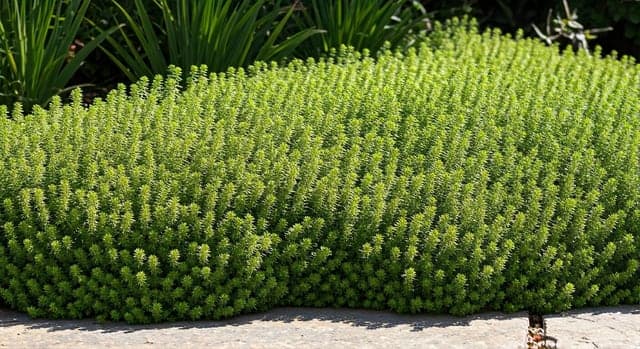
Discover effective USDA Zone 5 groundcovers that reduce weed emergence by up to 80%. Learn to select plants for your soil & light to create a low-maintenance, healthy garden.

Learn to build an herb spiral, a permaculture design creating diverse microclimates for herbs in small spaces. Maximize sun, water, and yield in your USDA Zone 6 garden.
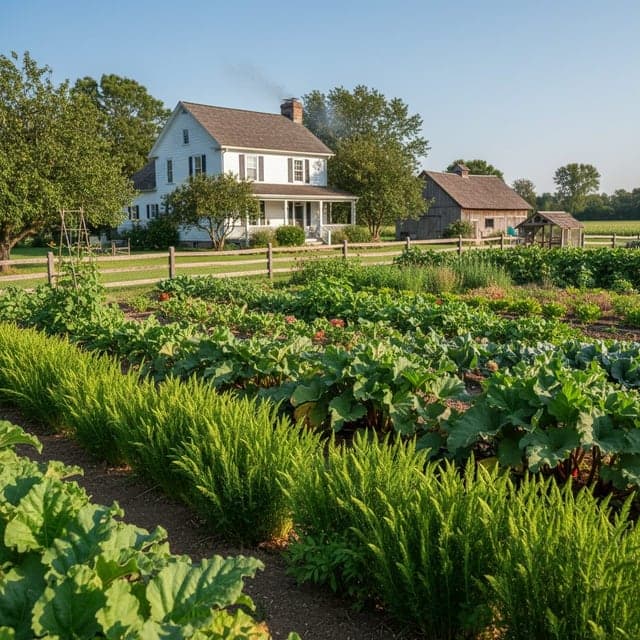
How to cultivate perennial vegetables for a low-maintenance garden, covering site prep, soil health, and top picks for long-term yields in USDA Zone 6 and beyond.
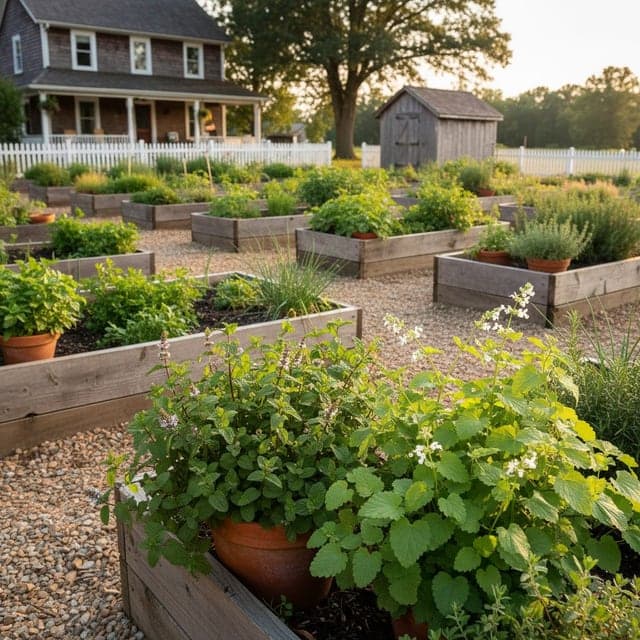
Prevent mint and lemon balm from taking over your US garden. Learn effective strategies for managing mint and lemon balm spread, including containers, root barriers, and strategic placement.
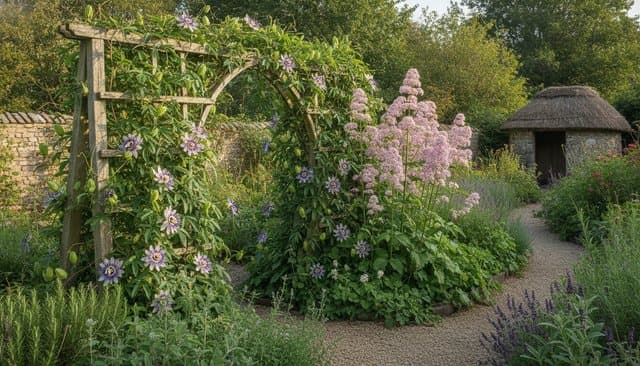
Learn to grow valerian and passionflower for natural sleep support in USDA zones 4-9. This guide covers planting, care, harvesting, and drying for your home apothecary.
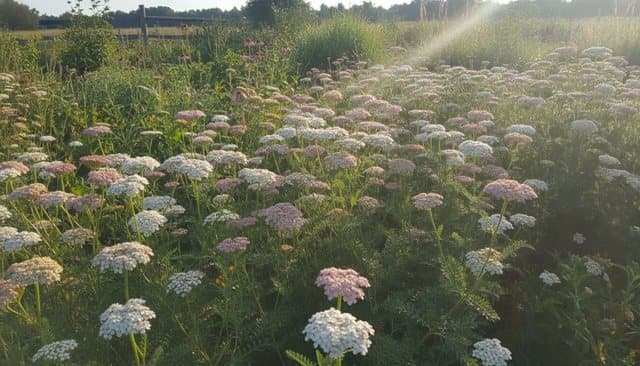
How to grow and use yarrow (Achillea millefolium) in USDA zones 3-9, covering cultivation, harvesting, and home apothecary preparations.
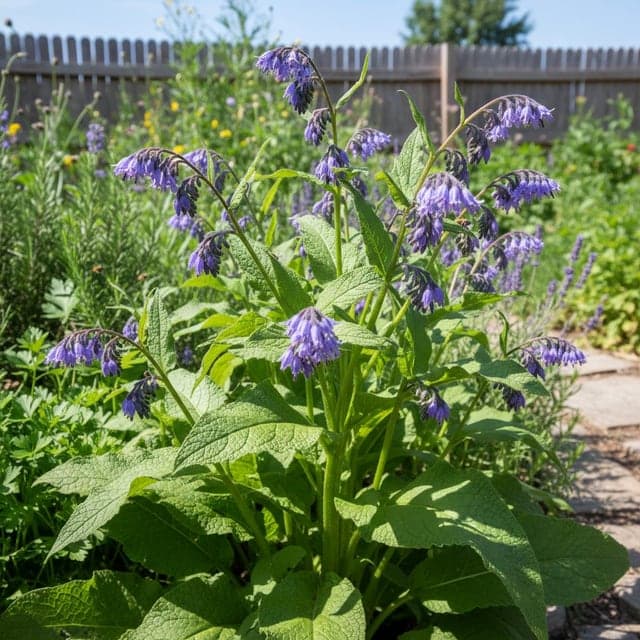
How to propagate comfrey from root cuttings to turn a single mature plant into new crowns for mulch and topical preparations.
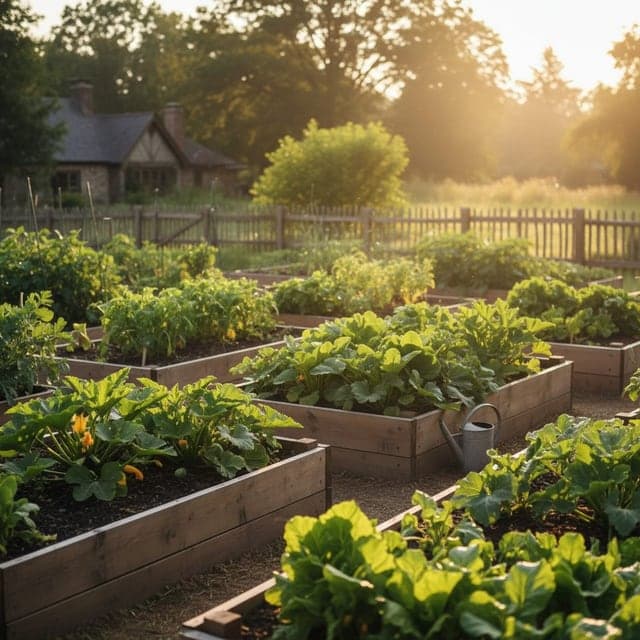
Understand comfrey pyrrolizidine alkaloid liver toxicity (VOD), the 2001 FDA market removal advisory, strict intact-skin topical limits, kitchen steep rules, 'Bocking 14' containment, and foxglove ID.
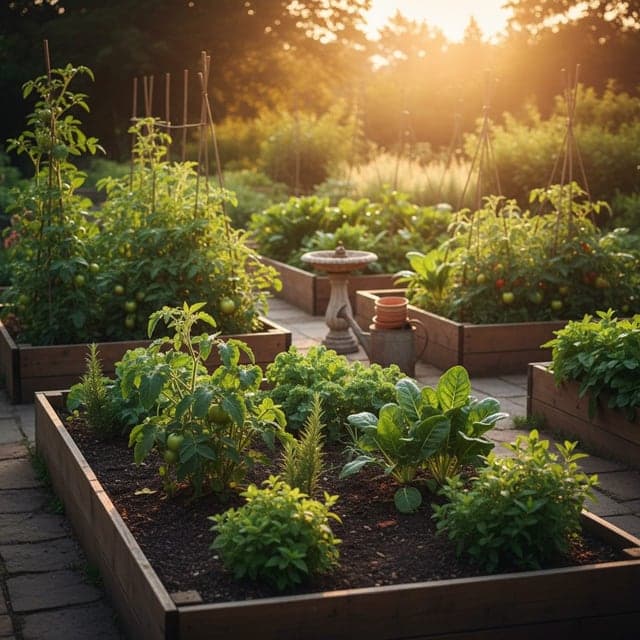
How to grow sterile Russian comfrey (Symphytum × uplandicum 'Bocking 14') without root takeover: never-till placement, 24-inch barriers, full-season eradication, potassium tea math, and FDA/NIH liv…
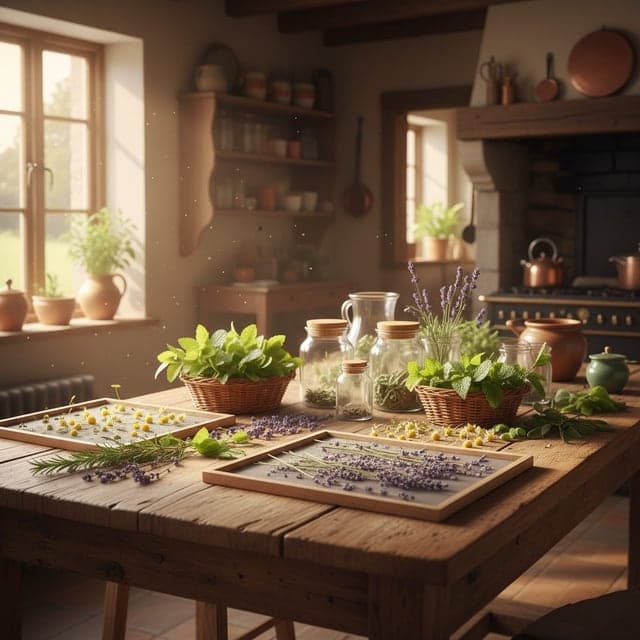
Learn to formulate balanced herbal tea blends with a 3-part approach. Discover base, supporting, and accent herb ratios for gardeners in USDA Zone 6. Maximize potency and flavor.