Key takeaways
- Harden off plants for 7-14 days to prevent transplant shock and sunburn.
- Gradually increase light exposure, starting with one to two hours in full shade.
- Acclimatize plants to wind by using sheltered spots or temporary windbreaks on breezy days.
- Reduce watering frequency slightly to encourage stronger root development.
- Monitor plant cues like wilting or bleached leaves, and adjust exposure as needed.
- Ensure garden soil temperatures are appropriate (e.g., 60°F for peppers) before final transplanting.
Quick answer: Harden off transplants by gradually exposing them to outdoor conditions over 7-14 days, starting with 1-2 hours in full shade. Slowly increase light, temperature, and wind exposure to prevent shock and sunburn.
In the fertile valleys of central Pennsylvania, where spring weather can swing from 70°F sunshine to 30°F frost in a single day, preparing young plants for the outdoors is a critical step for any successful gardener. Many of us start seeds indoors, nurturing delicate seedlings under controlled conditions, often using trays like the 24-Cell Seedling Propagation Tray with Dome to give them a strong start. However, moving these pampered plants directly into the harsh realities of a garden bed — with its intense sun, fluctuating temperatures, and brisk winds — is a recipe for disaster. This abrupt transition can lead to what growers call transplant shock or, worse, severe sunburning.
This process, known as hardening off, is not just a suggestion; it’s a non-negotiable step that can significantly impact your harvest. Without it, your carefully grown tomatoes, peppers, or basil might suffer stunted growth, yellowed leaves, or even death. A gradual, thoughtful approach over 7 to 14 days can make all the difference, transforming tender sprouts into resilient plants ready to thrive in their permanent outdoor home, whether you’re in USDA Zone 4 or Zone 9.
Understanding transplant shock and sunburn
When you move a plant from a sheltered indoor environment to the great outdoors, it experiences a sudden, severe physiological disturbance — what we call transplant shock. Imagine a human spending months indoors and then being dropped straight into a desert marathon; the body would struggle to adapt. For plants, this shock manifests as wilting, yellowing leaves, stunted growth, or even death. Indoor conditions, typically around 70°F with consistent humidity and indirect light, are vastly different from the fluctuating temperatures, direct sun, and variable moisture of an outdoor garden. A sudden drop of 15°F or more in temperature can severely stress tender seedlings, impacting their growth for weeks. This stress can set back sensitive crops like peppers and eggplants for weeks, and a plant that spends the first month of the season recovering rarely catches up.
The twin threats: shock and sunburn
The primary culprits are light intensity, temperature swings, wind, and water availability. Indoor grow lights, even powerful ones, deliver a small fraction of the light intensity of full outdoor sunlight. When a seedling accustomed to this lower light is suddenly exposed to unfiltered sun, its leaves can literally get sunburnt. This sunburning appears as bleached, white, or scorched spots on the foliage, and it can permanently damage the plant’s ability to photosynthesize. For instance, a young tomato plant moved straight from a shop light to direct midday sun will almost certainly suffer. This damage can range from minor cosmetic issues to complete plant failure, especially for plants that have been pampered for 8 to 10 weeks indoors.
- Wilting and drooping: Leaves may temporarily sag due to water loss, especially in the first 24 hours outdoors.
- Yellowing or browning leaves: Indicates stress or nutrient uptake issues, often appearing on older leaves first.
- Stunted growth: Plants stop growing as they divert energy to recovery, sometimes for 7 to 10 days.
- Bleached or scorched spots: Direct evidence of sunburning, often irreversible on affected tissue.
- Increased susceptibility to pests: Stressed plants are more vulnerable to issues like spider mites, which can infest a weak plant within 48 hours.
The gradual process — light and temperature
The core principle of hardening off is gradual acclimatization. You’re slowly introducing your plants to harsher conditions, allowing them to build up their natural defenses, much like an athlete training for a marathon. A typical hardening-off period lasts 7 to 14 days, depending on the plant species and local weather conditions. For instance, tender warm-season crops like basil or tomatoes will need a full two weeks, especially if nighttime temperatures are still dipping below 50°F in early spring, as they often do in northern states like Michigan or New York. Hardier cool-season crops such as kale or lettuce might only need 7 to 10 days, though a seedling part-way through hardening off is far less cold-tolerant than a mature, fully acclimated plant of the same species and should still be covered or brought in below freezing. This careful approach ensures that the plants’ cellular structures, particularly their cuticles, thicken and strengthen, providing better protection against environmental stressors.
Starting with shade and warmth
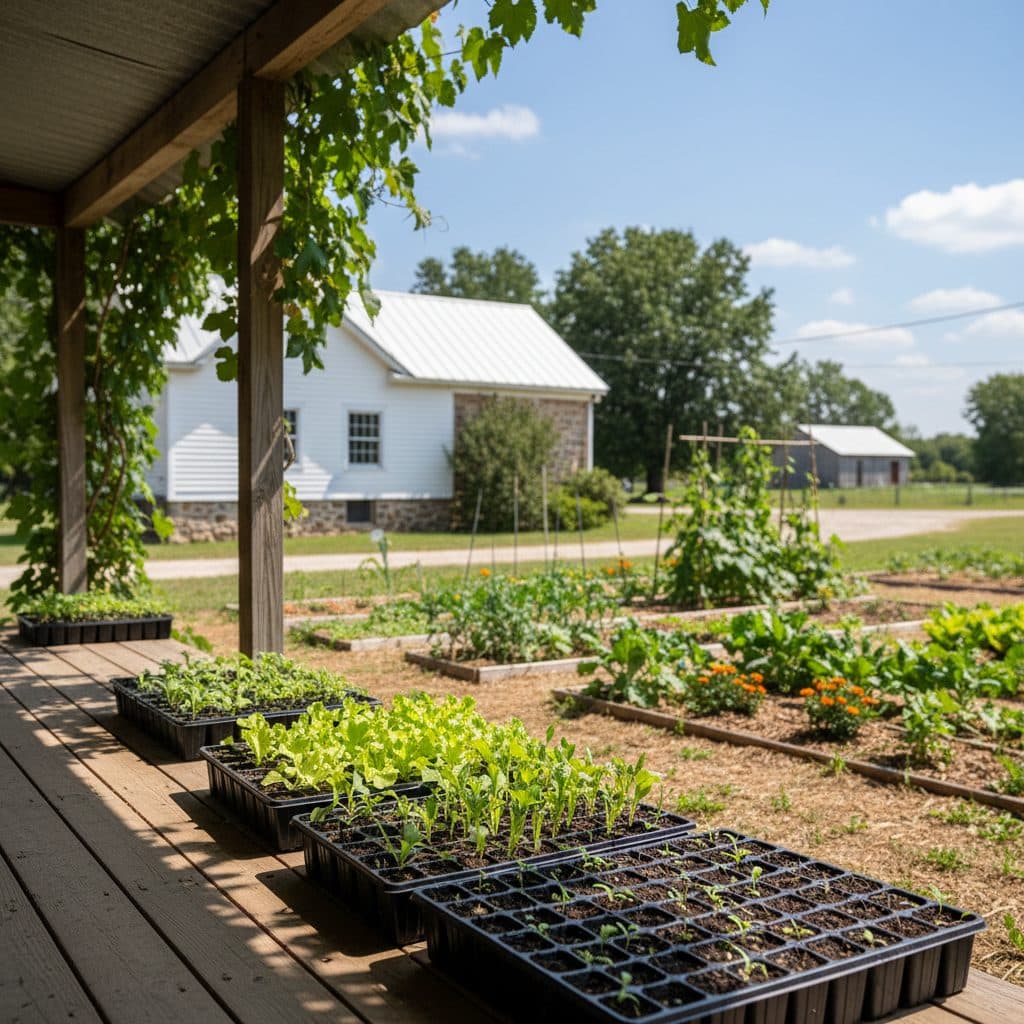
Begin by placing your seedlings in a sheltered, shady spot outdoors for one to two hours on the first day. A north-facing porch or under the canopy of a large tree works well, providing about 50% to 70% shade. The goal is to expose them to fresh air and natural light without the intensity of direct sun. Over the next three to five days, gradually increase their time outdoors by one to two hours daily, keeping them in the shade. Monitor the weather forecast closely; if temperatures are expected to drop below 45°F overnight, bring all tender plants indoors. For those in colder regions like USDA Zone 4, this might mean bringing plants in for a full week before the last frost date, which can be as late as early June. By the end of the first week, plants should be spending 5 to 6 hours outdoors in a shaded or dappled light area.
- Day one to three: One to two hours in full shade, increasing by 60-90 minutes daily.
- Day four to seven: Gradually increase time in shade, moving to dappled sunlight for an hour or two, reaching 5-6 hours outdoors.
- Day eight to ten: Introduce to direct morning sun for one to two hours, then return to shade, ensuring no more than 2-3 hours of direct sun.
- Day eleven to fourteen: Increase direct sun exposure daily, aiming for six to eight hours by the end of the period.
- Nighttime protection: Bring plants indoors if temperatures are below 50°F for warm-season crops, or use row covers for protection down to 35°F.
Water and wind — preparing for the elements
Beyond light and temperature, your seedlings must also adapt to outdoor wind and less consistent watering. Indoor plants are accustomed to still air and regular, often precise, watering. Outdoors, even a gentle breeze can cause significant moisture loss through transpiration, and strong winds can physically damage delicate stems and leaves. Sustained wind tears the leaves and snaps the stems of soft-tissued seedlings such as basil and young cucumbers, and a dry, gusty day can desiccate even hardier seedlings faster than you expect. This is why wind protection is just as vital as sun protection during the hardening-off period, especially for plants that have developed thin, fragile stems indoors.
Managing moisture and wind exposure
For the first few days, continue to water your seedlings thoroughly before placing them outside, ensuring the soil is moist but not waterlogged. As the hardening-off period progresses, you can begin to slightly reduce the frequency of watering, allowing the top 0.5 to one inch of soil to dry out between waterings. This encourages the plants to develop a stronger, deeper root system, making them more resilient to drought conditions later on. For example, a 3-inch seedling pot might need watering every two days indoors, but outdoors, with wind and sun, it will need checking daily. You can learn more about managing water for resilient plants by reading our article on drought tolerant plants.
Protecting against wind is crucial. Consider placing your seedlings in a sheltered location, perhaps against a building or behind a temporary windbreak made from cardboard or burlap. If you’re using a cold frame, keep the lid slightly ajar for a few hours each day, gradually increasing the opening size and duration. This allows for air circulation without subjecting plants to direct, harsh gusts. For seedlings grown in 24-cell seedling propagation trays, grouping them together can also offer some mutual protection from wind.
- Initial watering: Water thoroughly before each outdoor session.
- Gradual reduction: Allow top 0.5 to one inch of soil to dry out between waterings.
- Windbreaks: Use buildings, fences, or temporary barriers to shield plants from strong wind.
- Cold frame use: Gradually open the lid to introduce air circulation.
- Grouping plants: Place trays close together for mutual protection from wind.
Timing and monitoring — knowing when they’re ready
The final stage of hardening off involves increasing direct sun exposure and ensuring plants can handle full outdoor conditions for extended periods, including overnight. By the end of the 7 to 14-day period, your plants should be able to withstand six to eight hours of direct sunlight and tolerate typical nighttime temperatures for your USDA zone. For example, if you’re in USDA Zone 6, your tomatoes should be ready when nighttime lows consistently stay above 50°F. If you’re starting a herb garden, delicate herbs like basil might need an extra few days compared to more robust rosemary or thyme, which can handle temperatures down to 40°F. This careful observation ensures that the plants are not just surviving, but thriving, before their permanent move.
Observing plant cues and local conditions
Pay close attention to your plants’ behavior. Healthy, hardened-off seedlings will appear robust, with firm stems and deep green leaves. They won’t wilt excessively during the day, even in full sun, and their growth will be steady, adding perhaps 0.5 to one inch of new growth per week. If you notice persistent wilting, bleached leaves, or stunted growth, it’s a sign you’re pushing them too fast. Pull back on the intensity of exposure for a day or two, returning them to a shadier spot or bringing them indoors if necessary. Remember, the goal is to prepare them, not to stress them to the point of no return. A good rule of thumb is to spend the full 14 days on this process for tender warm-season plants like melons, and at least 10 days for most other vegetables.
Before transplanting, ensure your garden bed is also ready. The soil temperature should be appropriate for the crop — for warm-season vegetables like peppers, this means at least 60°F at a depth of 4 inches, checked with a soil thermometer. For cool-season crops like lettuce, a soil temperature of 45°F to 55°F is ideal. Water your hardened-off seedlings thoroughly a few hours before transplanting to minimize shock. This final step, combined with a well-prepared bed, will give your plants the best chance to establish quickly and thrive, producing a bountiful harvest for months to come.
- Consistent temperatures: Ensure nighttime lows are consistently above 50°F for warm-season crops in your zone.
- Robust appearance: Look for firm stems, deep green leaves, and no persistent wilting.
- No bleaching: Leaves should not show signs of sunburning or scorching.
- Steady growth: Plants should continue to grow, not appear stunted.
- Soil readiness: Confirm garden soil temperature is at least 60°F at 4 inches deep for warm-season plants.
Hardening off comparison: Warm vs. Cool Season Crops
Factor | Warm-Season Crops (e.g., Tomato, Pepper) | Cool-Season Crops (e.g., Kale, Lettuce) |
|---|---|---|
Typical Duration | 10-14 days | 7-10 days |
Nighttime Temp Tolerance | Needs >50°F consistently | Tolerates light frost, but bring seedlings in below freezing while hardening off |
Initial Light Exposure | Start with 1-2 hours in full shade | Can start with 2-3 hours in dappled sun |
Wind Sensitivity | High, soft stems tear and snap in sustained wind | Moderate, leaves can tear in strong gusts |
Soil Temp for Planting | Needs >60°F at 4 inches deep | Ideal 45-55°F at 4 inches deep |
Yield Loss: Transplant shock sets sensitive plants like tomatoes and peppers back for weeks, and lost early growth is rarely made up later in the season.
Light Intensity: Indoor grow lights deliver only a fraction of the light intensity found in full outdoor sunlight, which is why unhardened seedlings scorch.
Wind Damage: Sustained wind tears leaves and snaps the soft stems of delicate seedlings like basil and cucumbers.
Explore Seed Starting Supplies
Frequently asked questions
How long does hardening off typically take?
Hardening off usually takes 7 to 14 days, depending on the plant species and local weather conditions. Tender warm-season crops like tomatoes often need the full two weeks, especially if nighttime temperatures are still below 50°F.
What are the signs of transplant shock?
Signs of transplant shock include wilting, yellowing or browning leaves, stunted growth, and bleached or scorched spots from sunburning. If you see these, reduce exposure for 24-48 hours.
Can I harden off plants too quickly?
Yes, hardening off too quickly can severely stress plants, leading to permanent damage or death. A sudden increase in direct sun or a temperature drop of 15°F can be detrimental.
What temperature is too cold for hardening off?
For most warm-season vegetables like peppers and squash, consistent nighttime temperatures below 50°F are too cold. Mature, fully acclimated kale handles hard frost, but a seedling in the middle of hardening off does not — bring cool-season starts in when temperatures drop below freezing, and check specific plant needs.
Do all seedlings need to be hardened off?
Most seedlings started indoors, especially vegetables and annual flowers, benefit greatly from hardening off. Direct-sown seeds or plants purchased from outdoor nurseries typically do not need this process.
What if my plants get sunburnt during hardening off?
If plants show signs of sunburning, immediately move them to a shadier location for 2-3 days. The damaged leaves will not recover, but new growth should be healthy if the plant survives.
References
- USDA Natural Resources Conservation Service (2024). USDA Natural Resources Conservation Service.