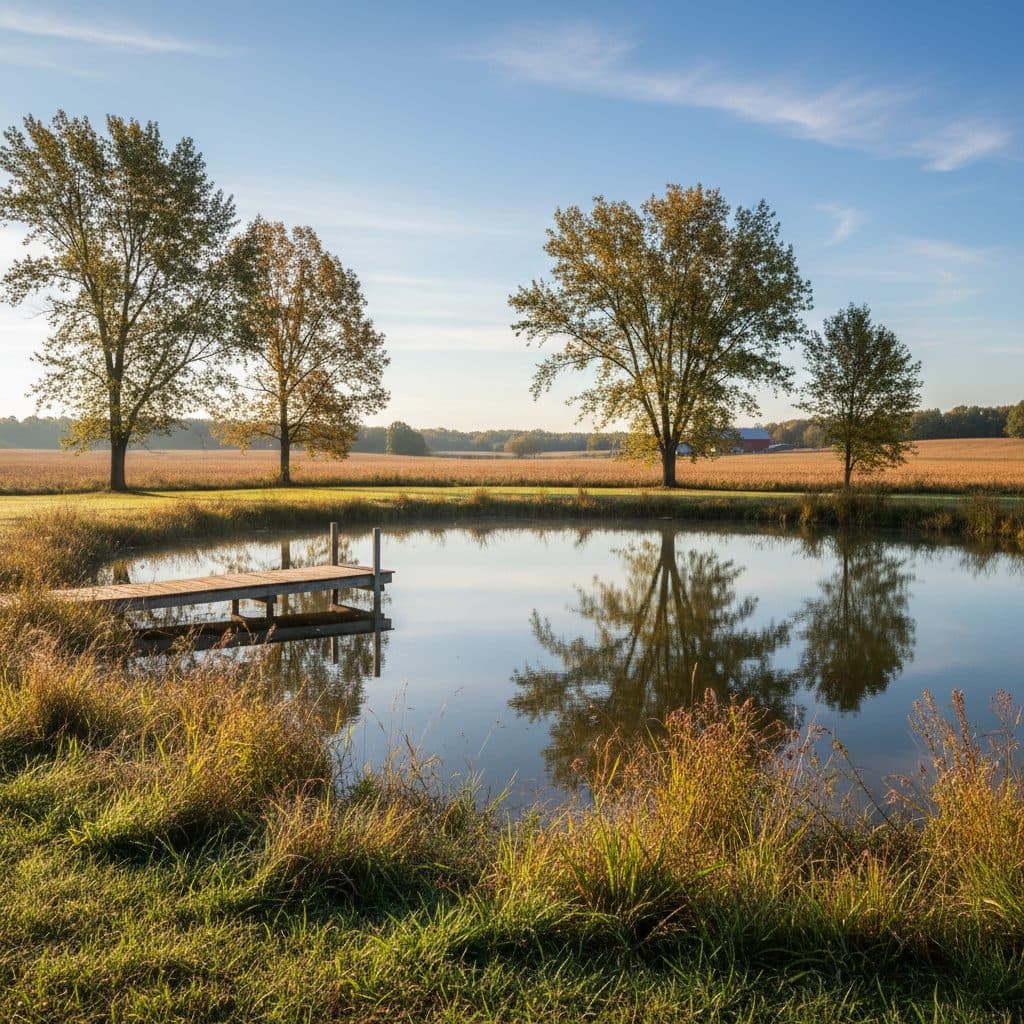
Key takeaways
- Regular testing of pond water for pH, ammonia, and nitrite is crucial for effective irrigation and maintaining pond health.
- Ideal pH for most irrigation water ranges from 6.0 to 7.5, while healthy ponds generally fall between 6.5 and 8.5.
- Ammonia levels above 0.5 mg/L indicate potential organic pollution and can be toxic to plants and aquatic life.
- Nitrite levels should be kept below 0.01 mg/L, as even small amounts can be highly dangerous to pond inhabitants.
- Consistent monitoring and data-driven adjustments can improve water quality, potentially reducing nutrient runoff by 20% to 50%.
- Integrating beneficial plants and proper pond design contributes significantly to water sustainability and ecosystem balance.
Quick answer: Understanding pond water chemistry involves regularly testing pH, ammonia, and nitrite levels. Maintaining ideal ranges (pH 6.0-7.5 for irrigation, ammonia below 0.5 mg/L, nitrite below 0.01 mg/L) ensures healthy plants, optimized nutrient uptake, and protects soil microbiology.
In the arid plains of West Texas, where annual rainfall might only reach 18 inches, every drop of water for irrigation is precious. Ponds, whether for livestock, wildlife, or direct garden use, become vital reservoirs. But the water in these ponds is not a static resource; its quality changes constantly, impacting everything from your tomato plants in a wicking bed to the health of the soil itself.
Understanding the basic chemistry of your pond water (specifically pH, ammonia, and nitrite levels) helps growers manage irrigation effectively. Regular testing provides the data needed to make informed decisions so irrigation water supports healthy growth instead of hindering crops, potentially improving crop yields by 10% to 20% in some cases [6].
Why test your pond water for irrigation?
Using pond water for irrigation, especially in passive systems like ollas or wicking beds, requires a clear understanding of its chemical makeup. Unsuitable water can lead to stunted plant growth, nutrient deficiencies, or even soil degradation over time. For instance, in USDA Zone 6 gardens, where average growing seasons last about 180 days, consistent water quality can make a 15% difference in overall yield for crops like corn or beans.
The hidden costs of untested water
Without regular testing, you might be introducing unseen problems into your garden. Water with an imbalanced pH, elevated ammonia, or high nitrite can stress plants, reduce their ability to absorb nutrients, and harm beneficial soil microbiology. This is particularly true for sensitive crops grown in controlled environments like wicking beds, where the soil volume is limited and water quality has a magnified impact. In a typical 4 ft by 8 ft wicking bed, just 50 gallons of poor-quality water can significantly alter the soil’s chemical balance within a single growing season.
- prevent plant stress and disease susceptibility
- optimize nutrient uptake and plant growth
- protect beneficial soil microbiology
- ensure the longevity of passive irrigation systems
- make data-driven decisions for crop vitality
Understanding pH: the acid-base balance
The pH level of your pond water (a measure of its acidity or alkalinity) is one of the most fundamental parameters to monitor. The pH scale ranges from zero to 14, with seven being neutral. Values below seven are acidic, and values above seven are alkaline. For most garden plants, an ideal irrigation water pH falls between 6.0 and 7.5, supporting optimal nutrient availability in the soil. In contrast, healthy pond ecosystems, like those found in the Great Lakes region, often exhibit pH values between 6.5 and 8.5 [3].
Impact of extreme pH on plant health
Water that is too acidic (below 6.0) can lead to nutrient leaching and aluminum toxicity in some soils, while overly alkaline water (above 8.0) can cause micronutrient deficiencies, making essential elements like iron and zinc unavailable for plant uptake. For example, a pH of 9.0 can reduce iron availability by over 90%. Regular testing, perhaps weekly during active irrigation periods, allows you to adjust your water source or soil amendments to maintain a balanced environment, so plants receive the nutrients they need for steady growth.
- rainfall and runoff from surrounding land
- organic decay from leaves and plant matter
- geological composition of the pond bed and surrounding soil
- algal blooms and aquatic plant respiration
- dissolved carbon dioxide levels in the water
Ammonia: a sign of trouble or a natural process?
Ammonia (NH3) is a critical component of the nitrogen cycle in any aquatic environment, including your pond. It primarily enters the water through the decomposition of organic matter (such as dead leaves, uneaten fish food, or animal waste) and can also be introduced via agricultural runoff. While nitrogen is an essential plant nutrient, high concentrations of ammonia are toxic to most aquatic life, including beneficial microorganisms, and can harm plants if used for irrigation. Healthy ponds, like those studied in Chhattisgarh, India, typically maintain ammonia levels below 0.5 mg/L [1].
Managing ammonia levels for healthy irrigation
When ammonia levels rise above 1.0 mg/L, it signals a significant problem with organic decomposition or excessive nutrient loading. This can lead to ammonia toxicity for fish and other pond inhabitants, and for plants, it can cause leaf burn or stunted growth, especially in young seedlings. Beneficial nitrifying bacteria naturally convert ammonia to less harmful compounds, but they can be overwhelmed by sudden spikes. Monitoring ammonia allows you to intervene by reducing organic load or improving aeration, ensuring your pond remains a viable nutrient source for your garden without causing harm. Consider integrating a soil moisture meter to track plant health in conjunction with water quality.
- fish waste and uneaten food
- decaying aquatic plants and fallen leaves
- fertilizer runoff from nearby fields or lawns
- animal waste from livestock or wildlife
- overstocking of fish or other pond animals
Nitrite: the intermediate danger
Nitrite (NO2-) is the second step in the nitrogen cycle, formed when nitrifying bacteria convert ammonia. While less toxic than ammonia, nitrite can still be highly dangerous to aquatic organisms, particularly fish, by interfering with their blood’s oxygen-carrying capacity. For irrigation, high nitrite levels can indicate an unstable pond ecosystem and may contribute to plant stress, though direct toxicity to plants is generally lower than for aquatic animals. Ideally, nitrite levels in pond water should be very low, often below 0.01 mg/L, to ensure a safe environment [1].
Understanding nitrite toxicity and its management
A sudden spike in nitrite, perhaps above 0.1 mg/L, often suggests that the bacteria responsible for converting nitrite to nitrate are not keeping pace with the ammonia conversion. This imbalance can be caused by factors like sudden temperature changes, insufficient oxygen depletion, or an overload of organic waste. In such conditions, the pond’s ability to process nitrogen efficiently is compromised. Monitoring nitrite levels helps you understand the health of your pond’s nitrogen cycle and take corrective actions, such as improving aeration with a solar water pump or reducing organic input, before it impacts your garden or aquatic life.
- insufficient beneficial bacteria to process nitrite
- sudden increase in organic waste overloading the system
- low dissolved oxygen levels inhibiting bacterial activity
- rapid temperature fluctuations stressing bacterial colonies
- recent use of certain chemicals that harm nitrifying bacteria
Consistent testing and pond management
Establishing a routine for regular monitoring of your pond water is the cornerstone of effective pond management for irrigation. For new ponds or those experiencing issues, weekly testing for pH, ammonia, and nitrite is advisable for the first month. For established ponds in regions like the Pacific Northwest, monthly or seasonal testing is often sufficient to catch significant shifts in water chemistry [2]. This consistent data collection allows for data-driven decisions instead of guesswork, helping maintain a stable and productive water source.
Integrating water quality into passive irrigation systems
When your pond water quality is consistently good, it directly benefits your passive irrigation earthworks, wicking beds, and ollas. For example, a well-managed pond can supply water that supports robust growth of plants like Chinese Water Chestnut (Eleocharis dulcis) or Water Hyssop (Bacopa monnieri), which further aid in water filtration. Proper pond design, possibly incorporating a Pond-in-Pond (PIP) system, can improve water quality and reduce evaporation by up to 30% [5]. The USDA Natural Resources Conservation Service (NRCS) provides guidance on pond management across all 50 states, noting that proper maintenance can reduce nutrient runoff by 20% to 50% [6] while improving overall water conservation and nutrient management.
- remove excess organic matter like leaves and dead plants
- ensure adequate aeration with pumps or fountains
- introduce beneficial aquatic plants to filter nutrients
- maintain appropriate pond depth to reduce temperature swings
- avoid overfeeding fish or overstocking the pond
Key pond water parameters for irrigation and pond health
Parameter | Ideal range for irrigation | Ideal range for pond life |
|---|---|---|
pH | 6.0 – 7.5 | 6.5 – 8.5 |
Ammonia (mg/L) | < 0.5 | < 0.5 |
Nitrite (mg/L) | < 0.05 | < 0.01 |
Dissolved oxygen (mg/L) | N/A (not direct) | \> 5.0 |
Evaporation Reduction: Pond-in-Pond (PIP) systems can reduce water evaporation by up to 30%, significantly conserving water in arid regions like Arizona [5].
Nutrient Runoff: Proper pond design and maintenance, as advised by the USDA NRCS, can reduce agricultural nutrient runoff by 20% to 50% [6].
Frequently asked questions
How often should I test my pond water for irrigation?
For new ponds or if you notice plant stress, test weekly for the first month. Established ponds used for irrigation in areas like California’s Central Valley should be tested monthly, or at least seasonally, to catch changes in water chemistry that could impact crops [2].
What does a high pH reading mean for my plants?
A pH reading above 8.0 can reduce the availability of essential micronutrients like iron and manganese to your plants, potentially leading to deficiencies. In soils irrigated with high pH water, nutrient lockout can occur, even if nutrients are present in the soil, affecting up to 30% of nutrient uptake.
Is any amount of ammonia in pond water acceptable for irrigation?
While very low levels of ammonia (below 0.5 mg/L) are generally considered safe and can even act as a nutrient source, concentrations above 1.0 mg/L can be harmful to sensitive plants and aquatic life. It’s best to aim for undetectable levels if possible, especially for delicate crops [1].
What causes nitrite to be high in my pond?
High nitrite levels, often above 0.1 mg/L, usually indicate an imbalance in the nitrogen cycle, often following a spike in ammonia. This can happen in new ponds, or if there’s a sudden increase in organic load, like excessive leaf litter or fish waste, overwhelming the nitrifying bacteria.
Can I use pond water directly in my wicking beds without testing?
While convenient, using pond water directly without testing carries risks. Untested water might have pH levels outside the optimal range of 6.0 to 7.0 for most vegetables, or contain elevated ammonia and nitrite, which can stress plants and affect the soil’s microbial balance in your wicking bed, potentially reducing yields by 10%.
What are some simple ways to improve pond water quality for irrigation?
Simple improvements include reducing organic matter buildup by regularly removing excess leaves and dead plants, ensuring adequate aeration with a small pump, and introducing beneficial aquatic plants like Water Hyssop (Bacopa monnieri) which can help filter water and absorb excess nutrients. These steps can improve water quality by up to 15% over time.
References
- Testing and Analysis of Pond Water in Raipur City, Chhattisgarh, India (2016). Testing and Analysis of Pond Water in Raipur City, Chhattisgarh, India.
- Testing and Analysis of Pond Water in Abhanpur Tehsil of Chhattisgarh, India (2021). Testing and Analysis of Pond Water in Abhanpur Tehsil of Chhattisgarh, India.
- Duke University Water Reclamation Pond Methods (2021). Duke University Water Reclamation Pond Methods.
- Basics of Functional Testing (2009). Basics of Functional Testing.
- Pond-in-Pond (PIP)—An Upgraded Pond Design toward Water Sustainability (2023). Pond-in-Pond (PIP)—An Upgraded Pond Design toward Water Sustainability.
- USDA Natural Resources Conservation Service (2024). USDA Natural Resources Conservation Service.