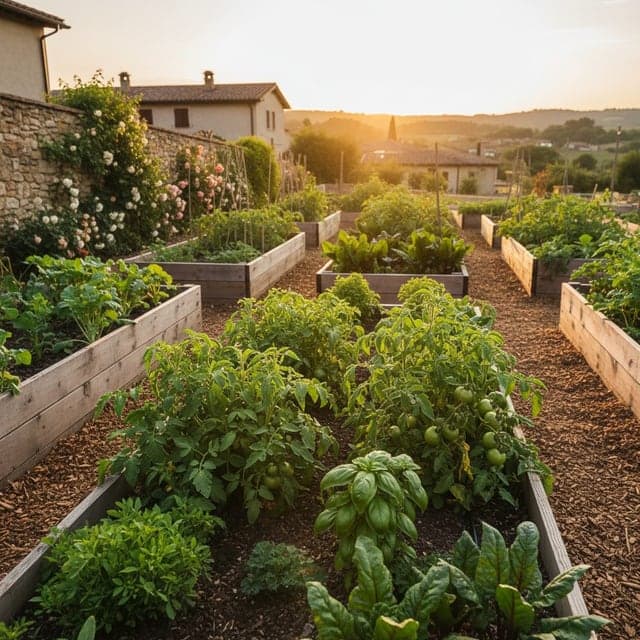
Grow Vining Crops in Containers: High Yields, Small Spaces
Maximize your harvest in small spaces! Learn to grow vining crops like cucumbers & grapes in containers & vertically. Get tips for high yields, disease resistance & optimal growth.
Tag
409 articles in this tag on agripure. — page 15 of 18
Maximize your harvest in small spaces! Learn to grow vining crops like cucumbers & grapes in containers & vertically. Get tips for high yields, disease resistance & optimal growth.

Transform urban spaces with container vegetable gardening! Learn to assess sunlight, choose pots & soil, and select plants for balconies & patios. Grow fresh produce efficiently.
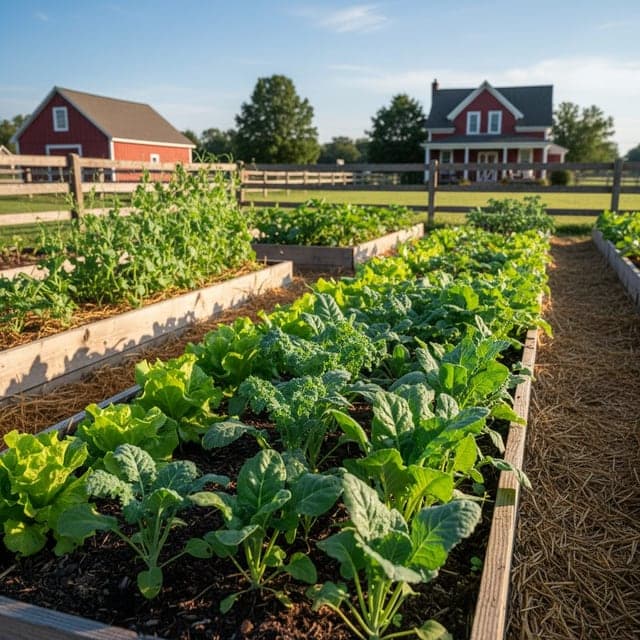
Plan seedling spacing, crop rotation, and succession planting for higher yields. Learn optimal techniques for corn, carrots, and tomatoes across USDA zones.
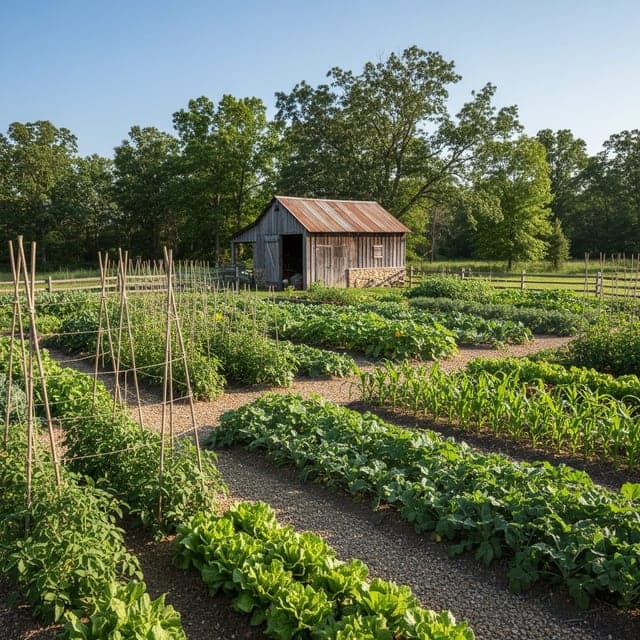
How to use USDA zones, frost dates, crop rotation, and succession planting to maintain consistent vegetable harvests across the growing season.
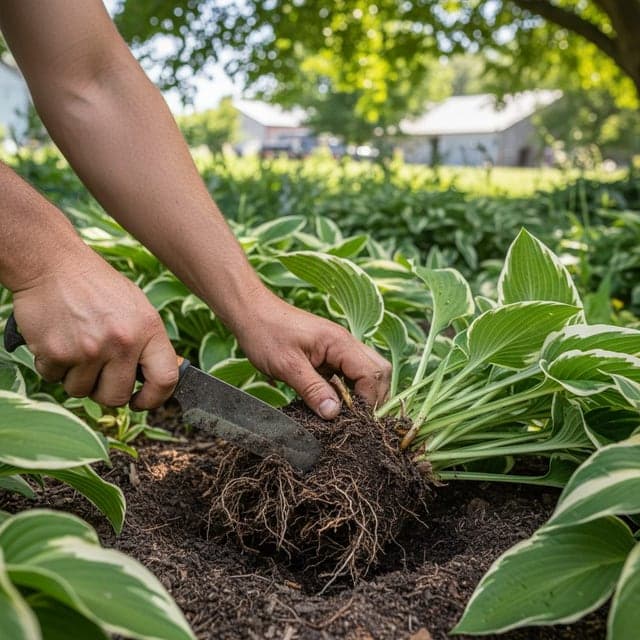
Learn how to multiply your garden stock for free by dividing perennials. Boost vigor, blooms, and save money. Essential tips for USDA Zone 6 gardeners on timing and techniques.
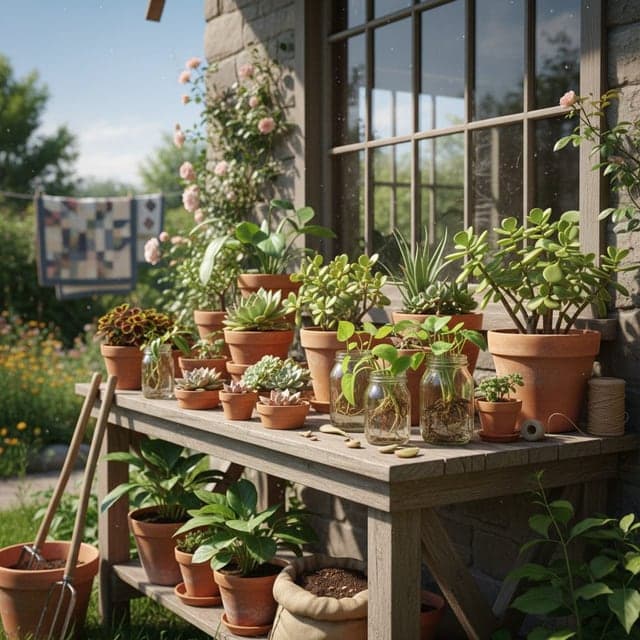
Houseplant and succulent propagation methods including stem cuttings, leaf propagation, division, and seed starting to expand an indoor plant collection.
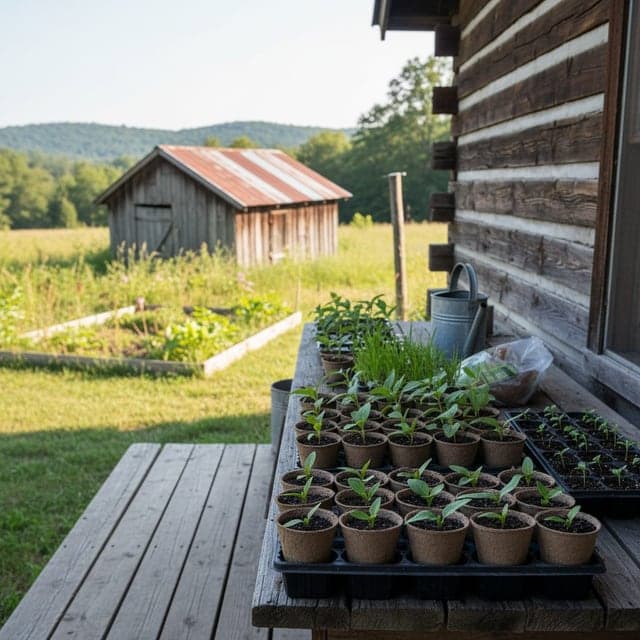
Break US wildflower, prairie, and woody tree seed dormancy safely: 100-grit sandpaper opposite the hilum, 180–200°F off-boil soak, 34–40°F cold-moist stratification vs. winter milk jugs, double dor…
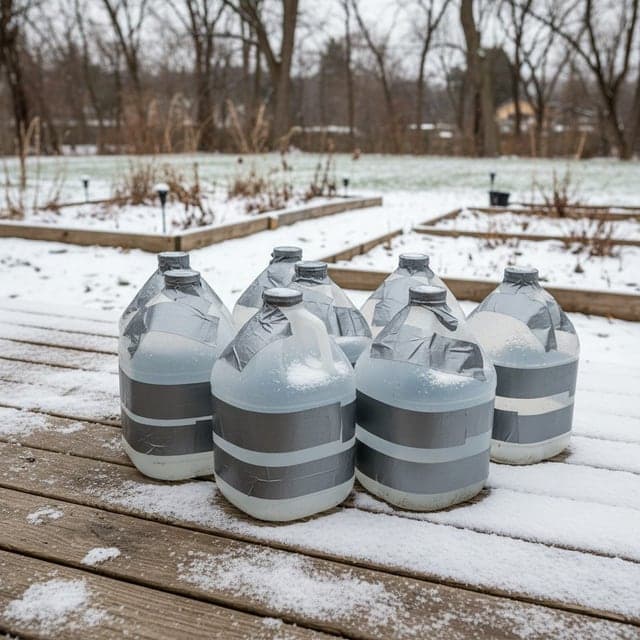
Master winter sowing to start seeds up to 8 weeks earlier in USDA Zone 6. Create mini-greenhouses from milk jugs for hardy seedlings, saving money on grow lights.
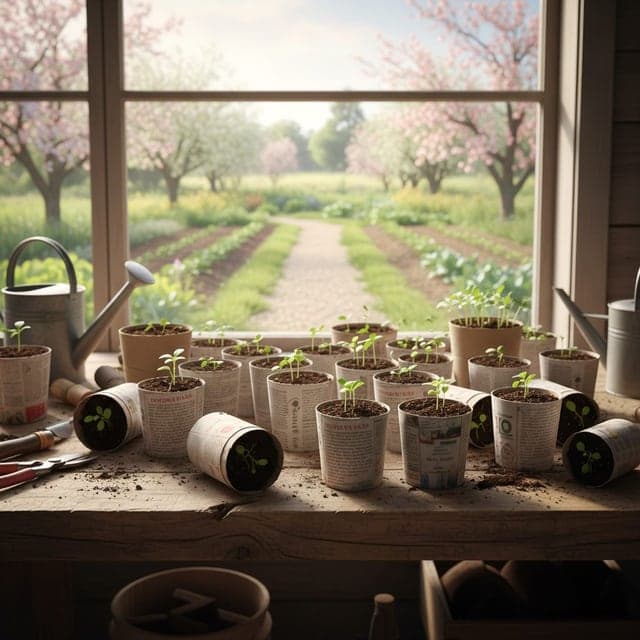
Making your own seed starting mix and pots costs under $10. DIY methods reduce costs, cut waste, and support seedling health in any USDA zone.
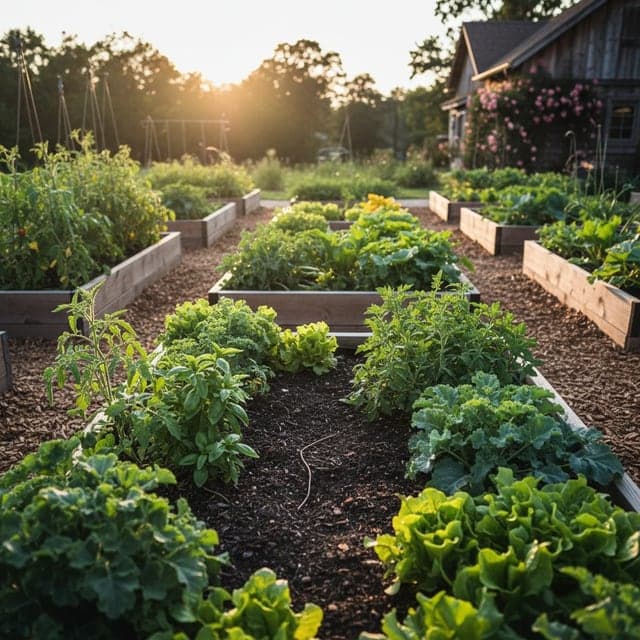
Learn how to propagate plants from cuttings using proper tools, rooting hormones, and environmental controls to achieve high success rates and save on nursery costs.
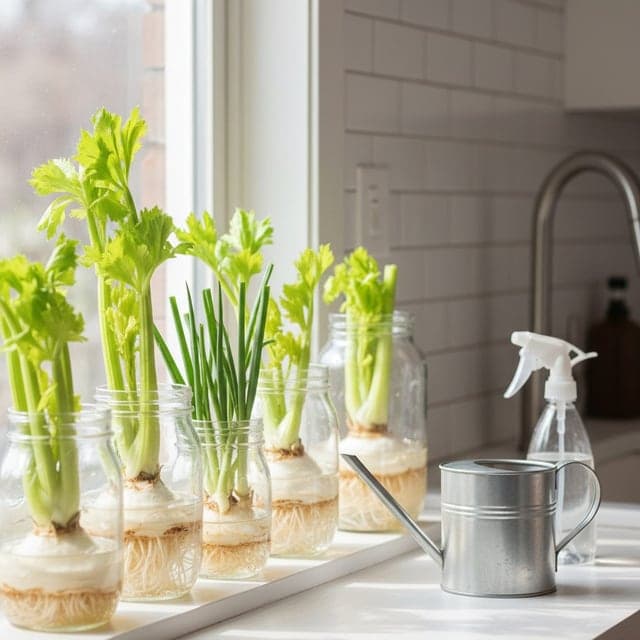
Learn how to regrow common vegetables and herbs from kitchen scraps. Reduce food waste by 30%, save money, and enjoy fresh produce with this simple homesteading guide.
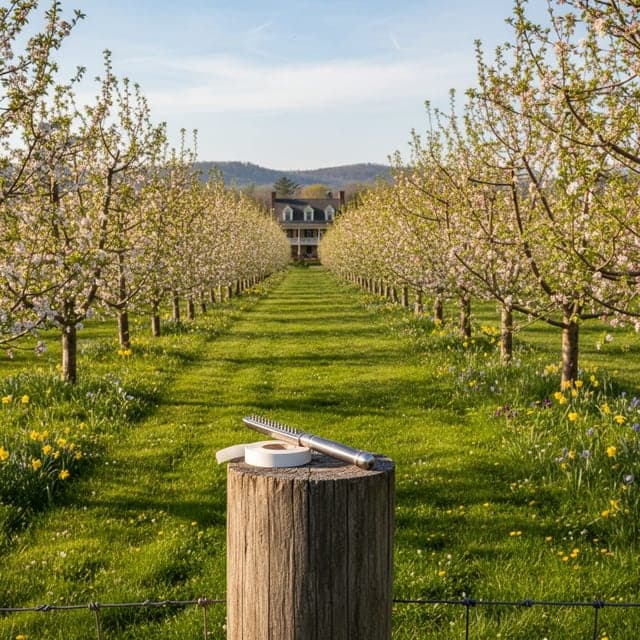
Learn whip-and-tongue, cleft, and bud grafting fruit trees at home. Master techniques for success in USDA Zone 6 to ensure strong unions & healthy orchards.
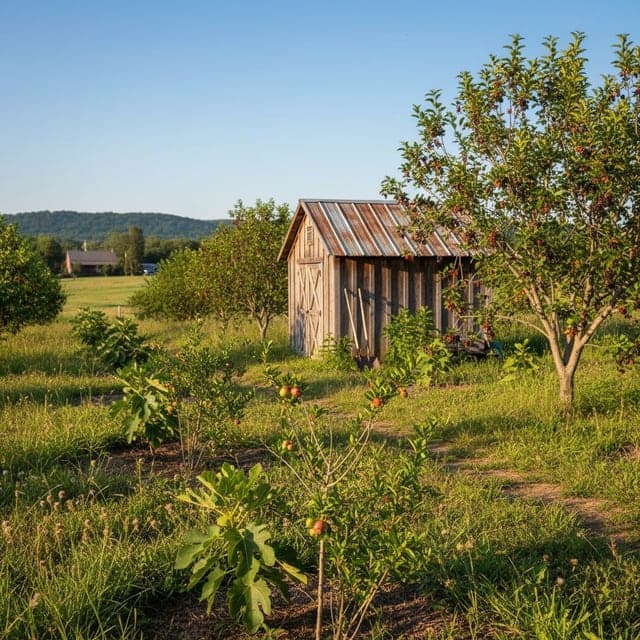
Learn to propagate fig, pomegranate, and mulberry trees from cuttings or air layering. Save up to 75% on orchard expansion costs and grow your own fruit trees in USDA zones 6-9.
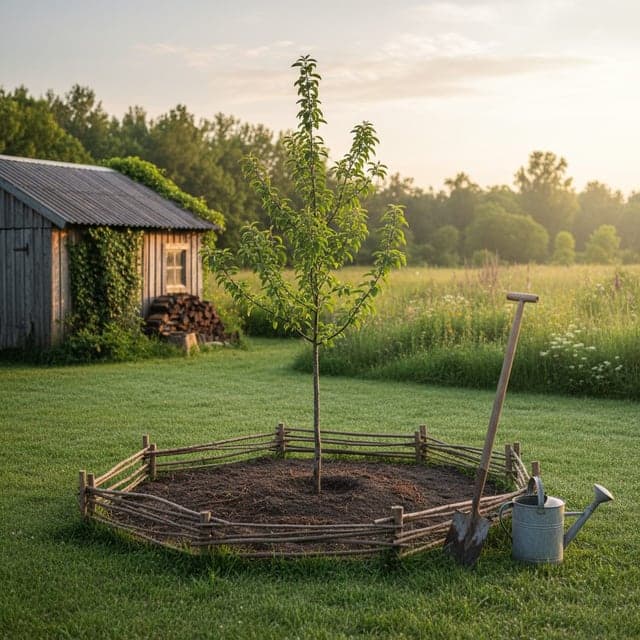
Master planting fruit trees in USDA Zone 6. Learn essential site selection, soil preparation, correct planting depth, and first-year care for healthy, productive orchards that thrive for decades.
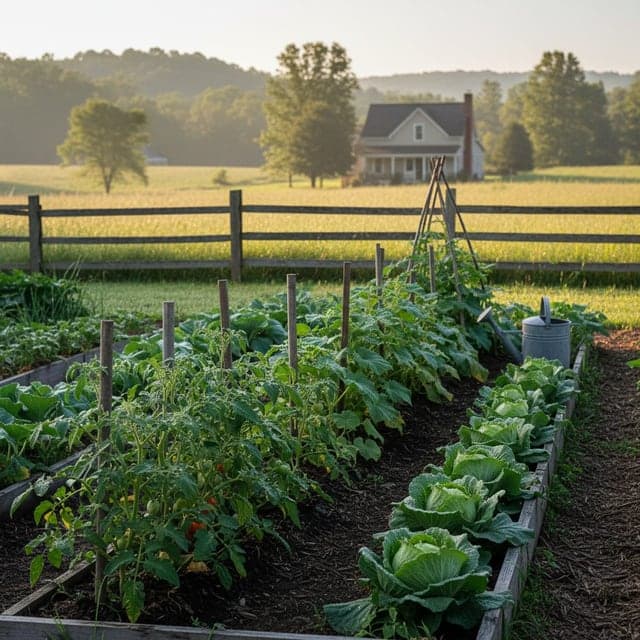
Track all six vegetable growth stages across US gardens using Base 40°F and Base 50°F Growing Degree Days, stage N-P-K/Ca/B fertility shifts, bolting triggers, and yield-critical irrigation windows.
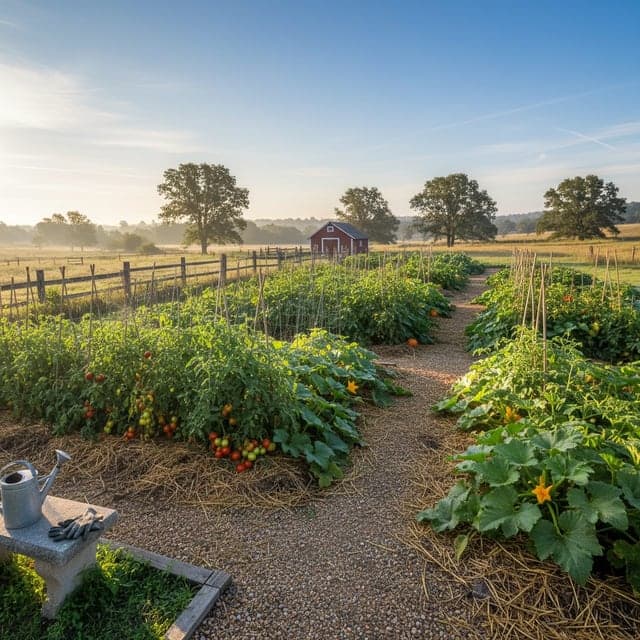
Master diagnosing water issues in tomatoes & cucurbits to prevent wilting, blossom end rot, and increase yields by 20-30% in USDA Zone 6. Learn soil moisture checks & watering needs.
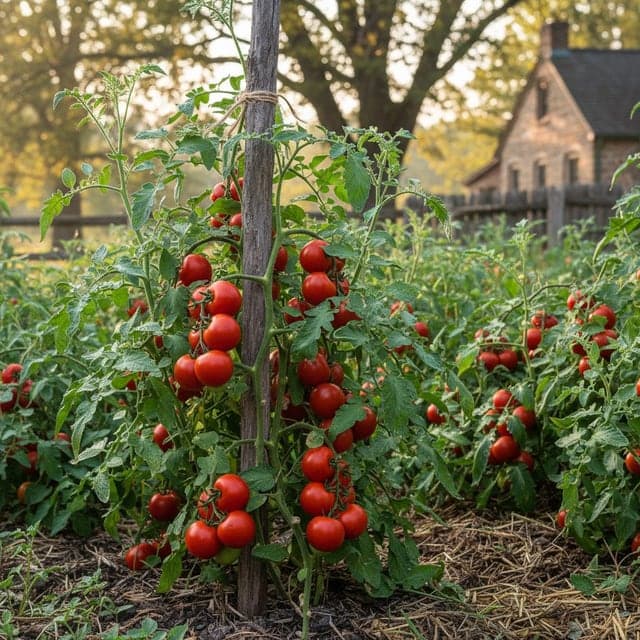
How to protect tomato crops from blights, wilts, and leaf spots using organic cultural methods, resistant varieties, and preventative sprays.
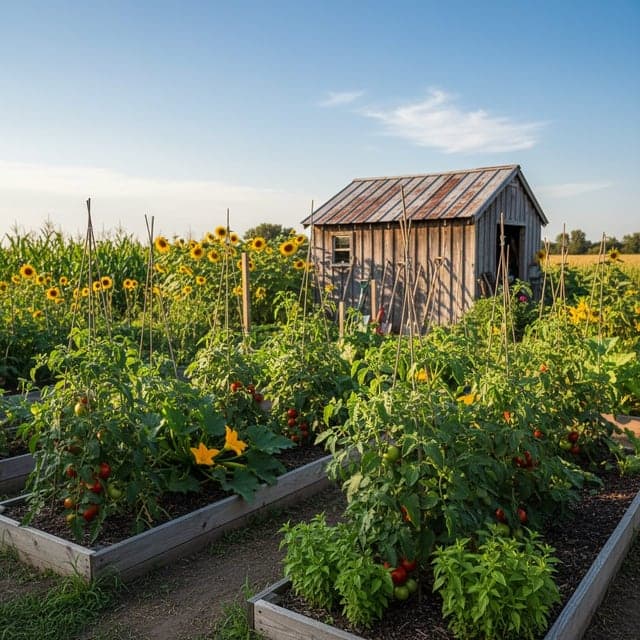
Identify and solve common tomato plant problems from seedling to harvest. Learn diagnostics for pests, diseases, and nutrient issues to maximize yields in USDA Zone 6.
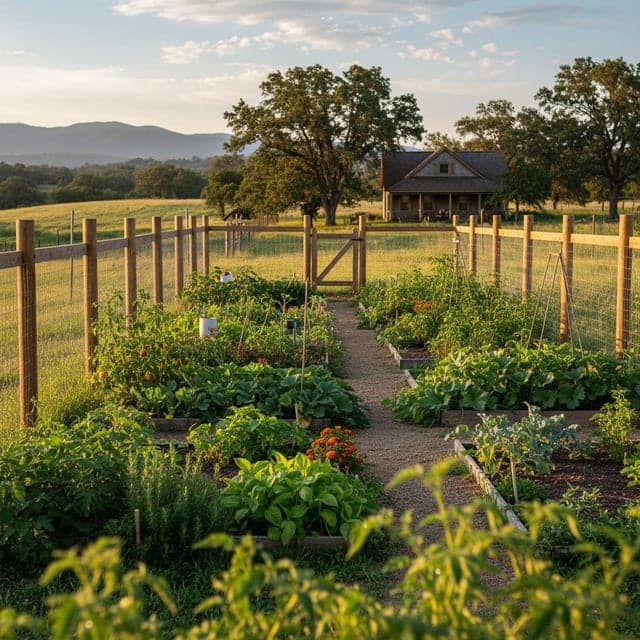
Protect your USDA Zone 6 garden from deer, rabbits, and voles with organic pest control methods. Learn about IPM, physical barriers, repellents, and habitat modification for effective, humane manag…
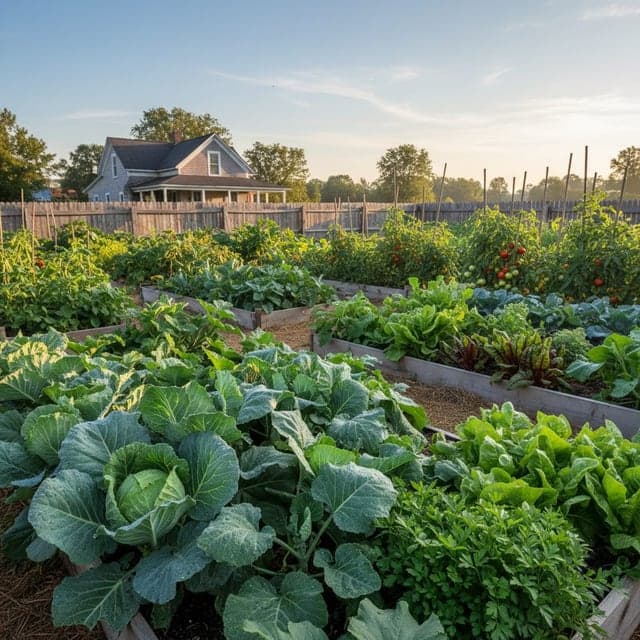
Learn effective, chemical-free strategies for organic pest control of slugs, snails, and ants in USDA Zone 6. Protect your garden with IPM methods.
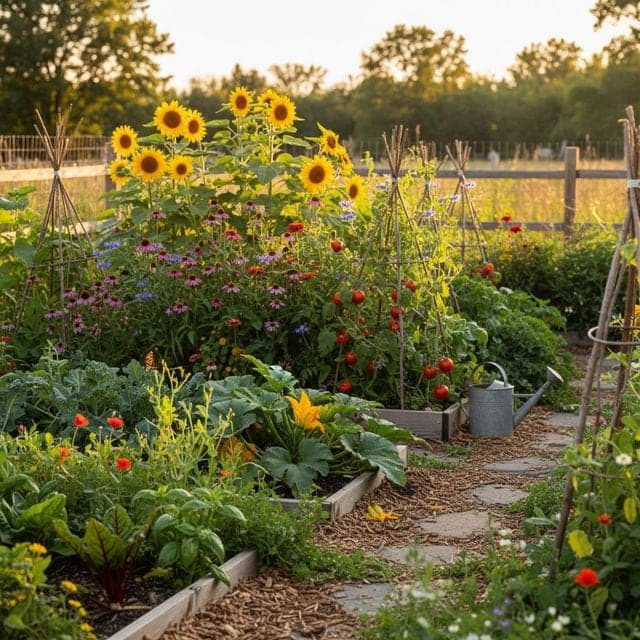
How beneficial insects provide natural pest control, reducing garden pests by up to 75%. Learn to attract and identify predatory and parasitoid species for an organic garden.
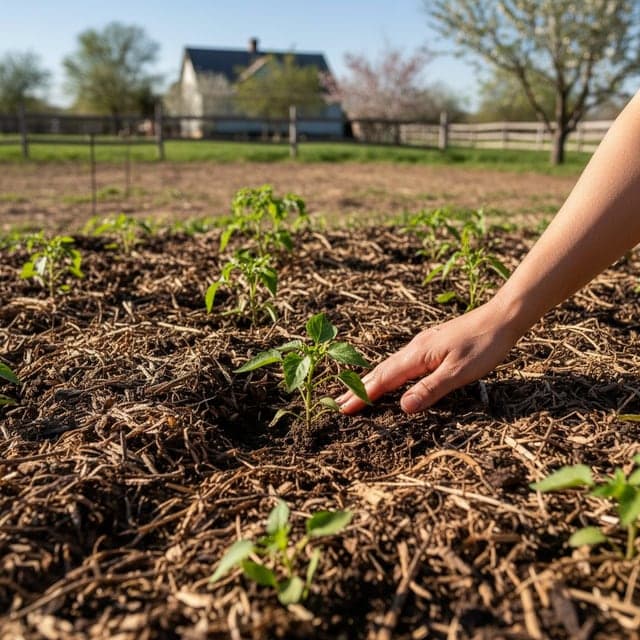
Master watering seedlings & transplants in extreme US heat. Learn deep watering, soil moisture monitoring, and using organic matter & mulch to ensure plant survival and strong growth.

Learn how to build swales on contour to effectively catch and store rainwater in your yard. This guide covers site assessment, slope limits, soil tests, and sizing for a self-watering landscape.
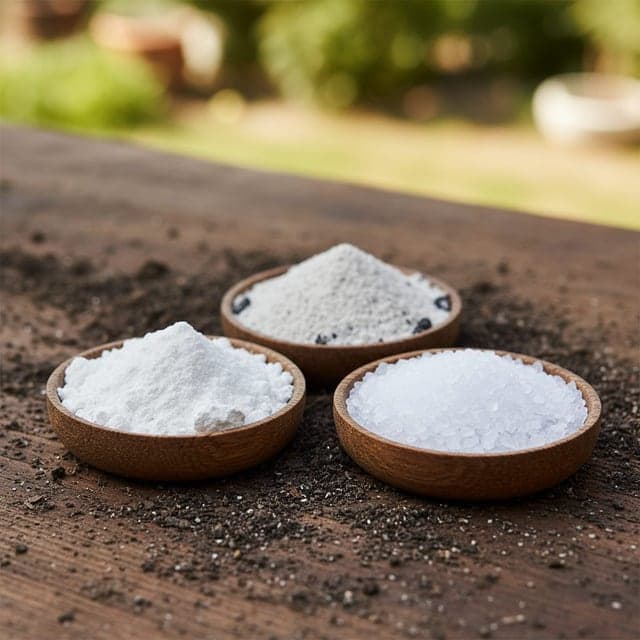
Demystify soil amendments like wood ash, Epsom salt, and gypsum. Learn how to use them safely to balance soil chemistry, prevent nutrient lockouts, and boost garden fertility.