Safe foraging in North America: wild edibles & best practices
Learn essential safe foraging practices for wild edibles in North America. This guide covers identification, avoiding toxic look-alikes, and best practices for harvesting.
Tag
39 articles in this tag on agripure. — page 1 of 2
Learn essential safe foraging practices for wild edibles in North America. This guide covers identification, avoiding toxic look-alikes, and best practices for harvesting.
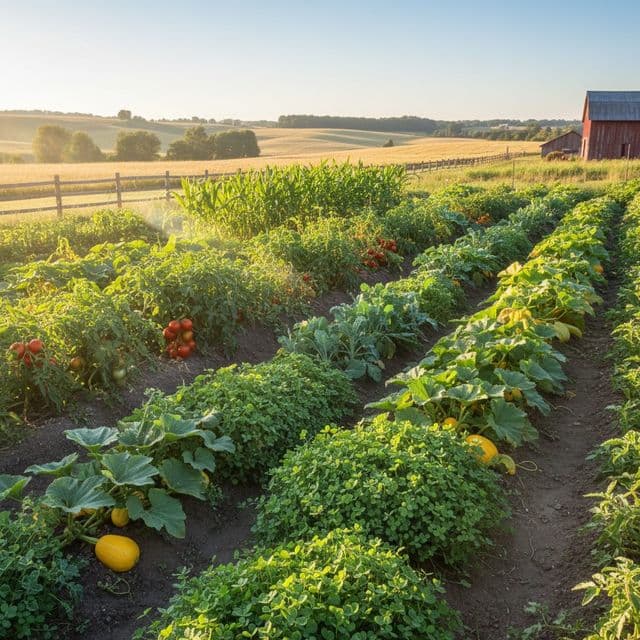
Enhance your USDA zone 6 garden’s soil with green manures and cover crops. Improve fertility, structure, and water retention using permaculture principles for a resilient garden.
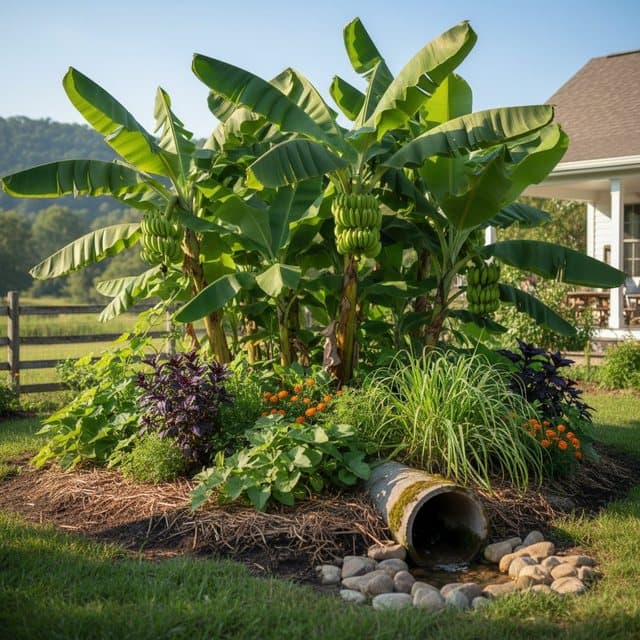
Learn to build a banana circle for greywater recycling and growing heat-loving crops in USDA Zones 8-10. Enhance soil fertility and reduce water use.
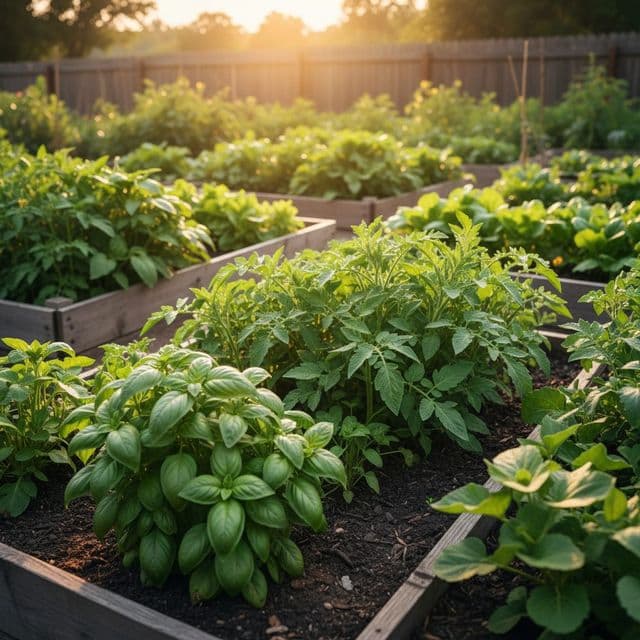
Discover how permaculture plant guilds create self-supporting ecosystems, reducing inputs and boosting productivity. Learn to design resilient guilds for your USDA Zone 6 homestead.
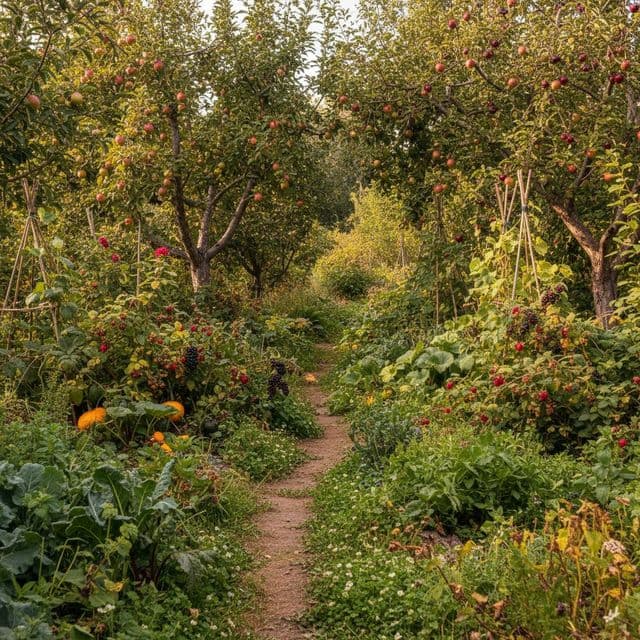
Learn how to start a food forest in your US backyard. This guide covers 7-layer permaculture design, site assessment, and plant selection for USDA zones 3-9 to create a resilient, bountiful ecosystem.
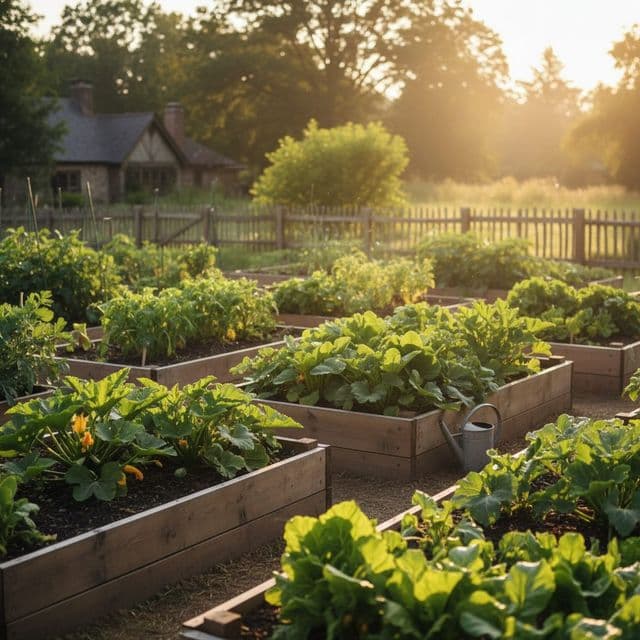
Comfrey contains pyrrolizidine alkaloids that make internal consumption dangerous, while topical use on unbroken skin and garden soil applications remain practical for US gardeners.
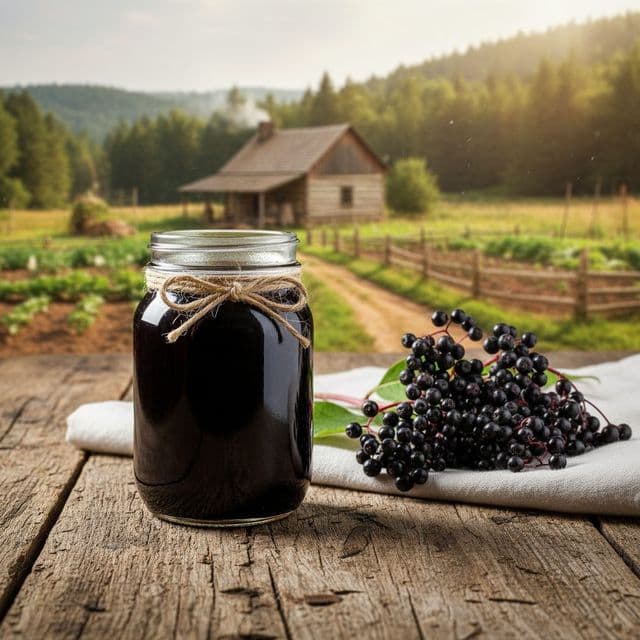
A guide to growing, harvesting, and preparing elderberry syrup for cold and flu season, covering planting, ethical foraging, cooking methods, and storage.
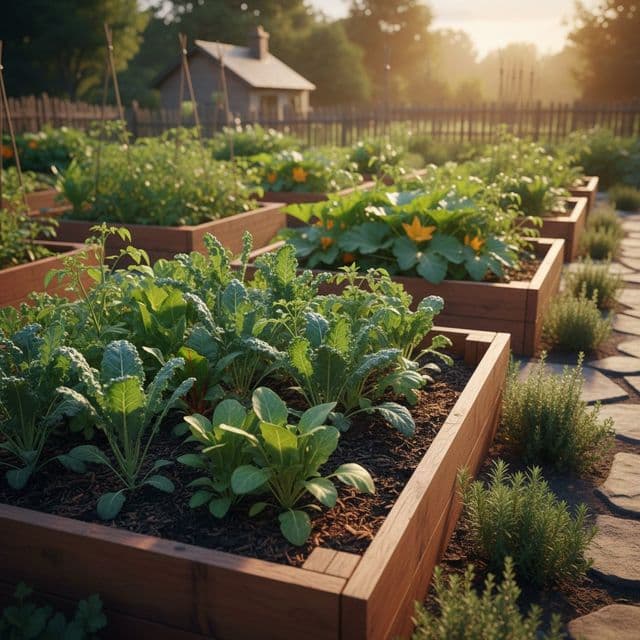
Optimize your homestead’s productivity with strategic crop rotation. Learn how to integrate perennials, cover crops, and heavy feeders for soil health, pest control, and higher yields in USDA zones…
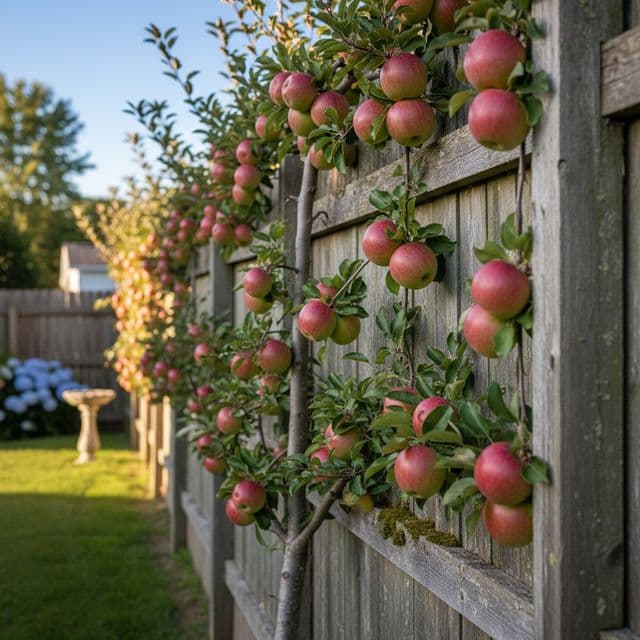
Learn how to espalier apples and pears to maximize fruit yield in small gardens. This guide covers selection, planting, and pruning for productive espalier fruit trees.
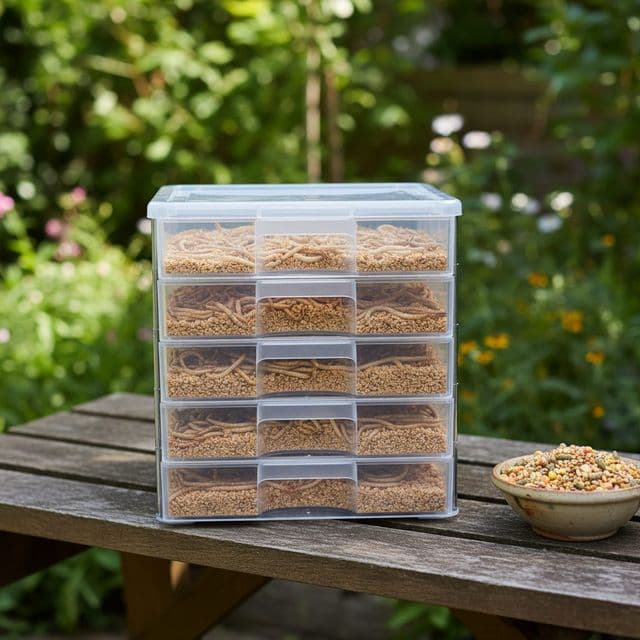
Master Backyard Orchard Culture to grow diverse, productive fruit trees in small spaces. Learn summer pruning techniques to keep trees 6-8 ft tall for continuous harvest in USDA Zone 7.
How permaculture zone analysis, contour swales, sheet mulching, and plant guilds build water retention and living soil on temperate North American homesteads.
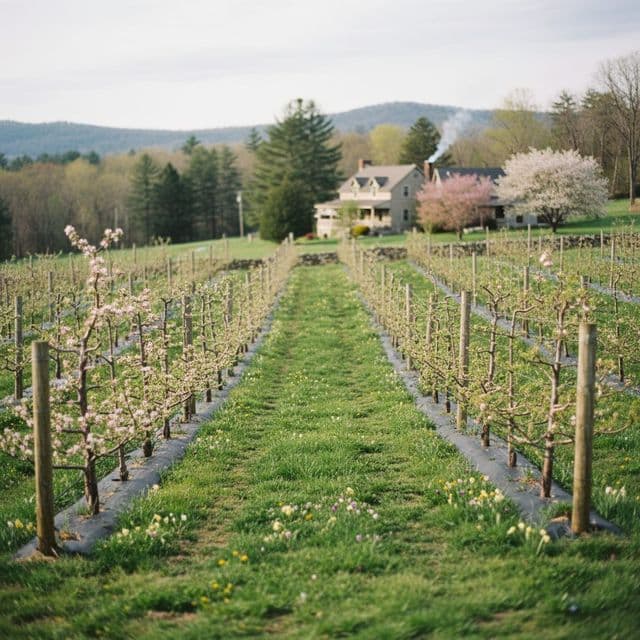
Learn how to prune fruit tree whips at planting for strong, productive branching in USDA Zone 6, establishing the first cuts for a healthy, long-lasting orchard.
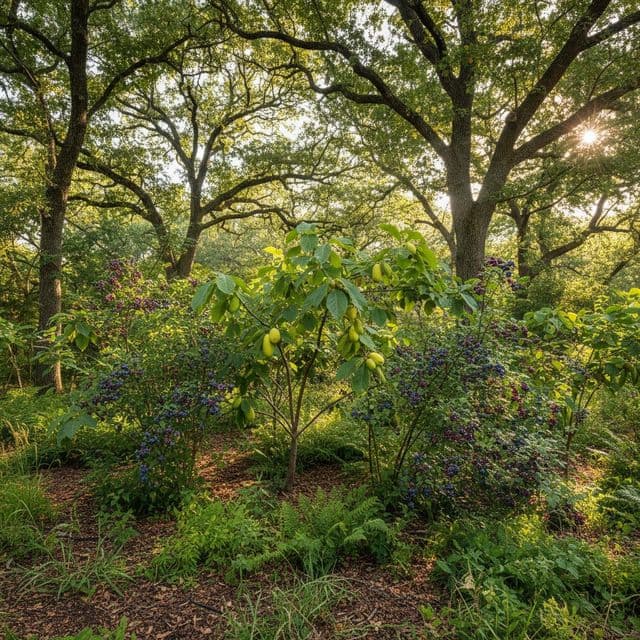
Understory fruit trees and berry shrubs yield reliable harvests in partial shade beneath canopy trees when matched to filtered sunlight and rich soil.
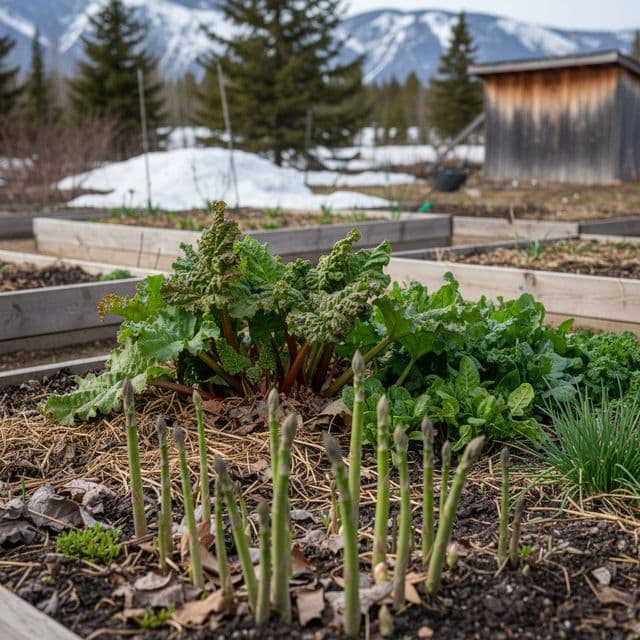
A complete guide to cold-hardy perennial vegetables for Canadian gardens, covering asparagus, rhubarb, sea kale, Good King Henry, and winter protection.
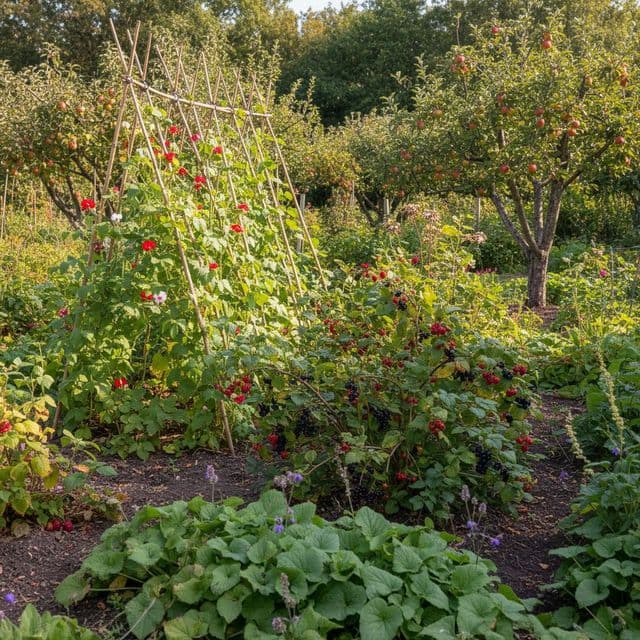
Learn how to create a productive temperate forest garden in the UK: site assessment, soil preparation, seven-layer planting, and perennial maintenance.
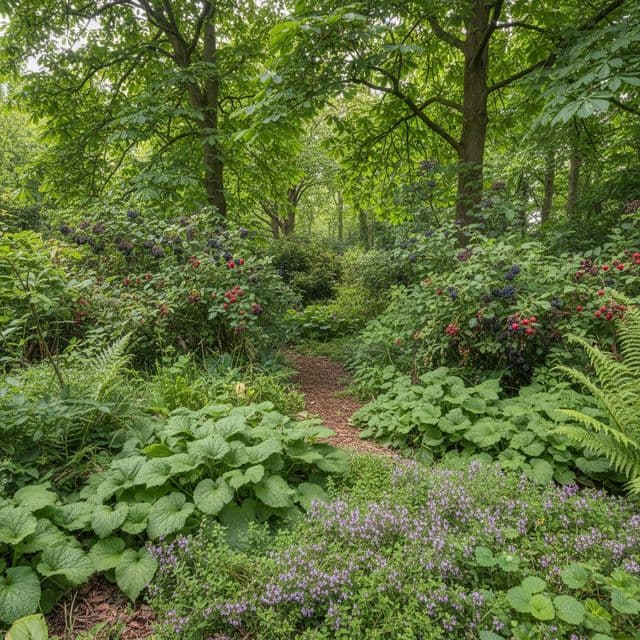
Discover the best food forest plants organized across all seven vertical canopy layers, from overstory nut trees to edible shrubs, ground covers, and roots.
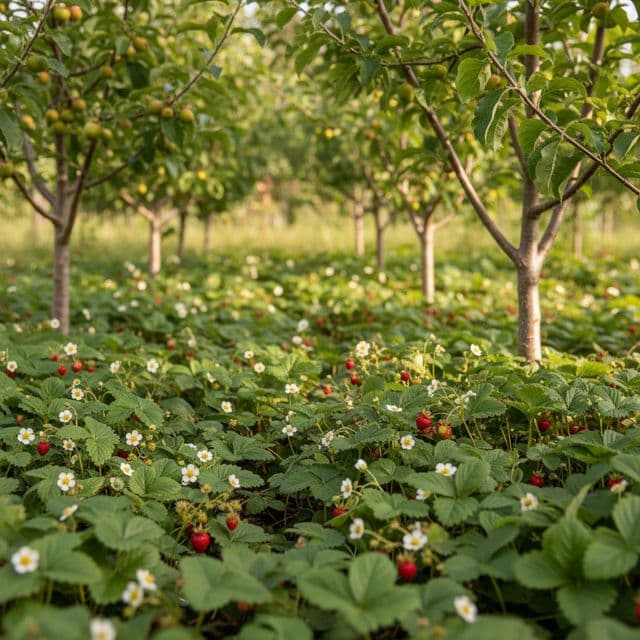
Discover the best edible ground cover plants to suppress weeds, conserve soil moisture, and build a productive living mulch layer beneath fruit trees.
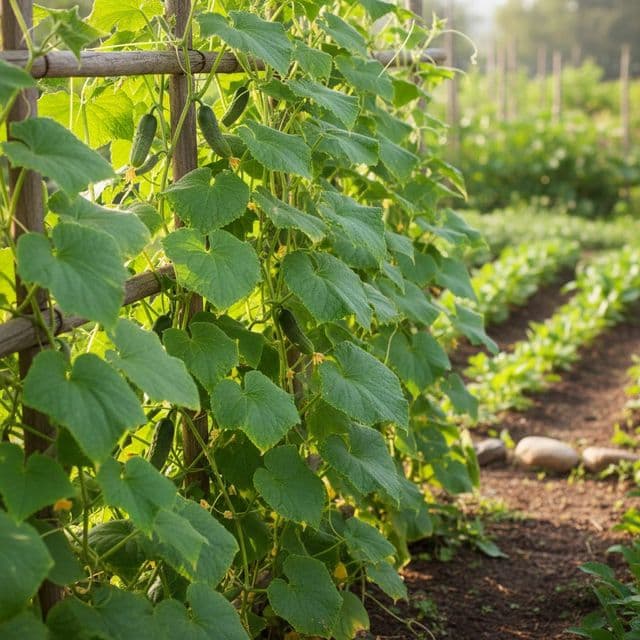
Learn organic strategies to prevent bacterial wilt in cucumbers by managing cucumber beetles. Discover IPM techniques, cultural practices, and organic controls for healthy cucurbit crops.
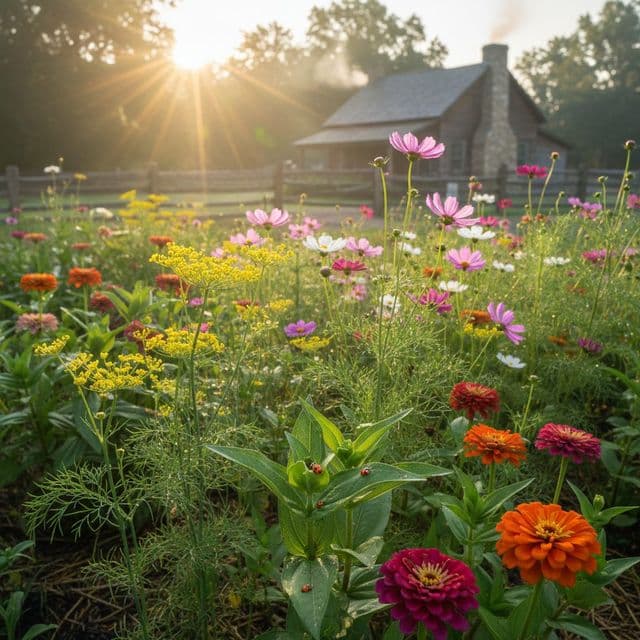
Learn how to attract beneficial insects by USDA zone to naturally control pests. This guide details timing plantings of insectary crops like dill & cilantro for effective, sustainable pest management.
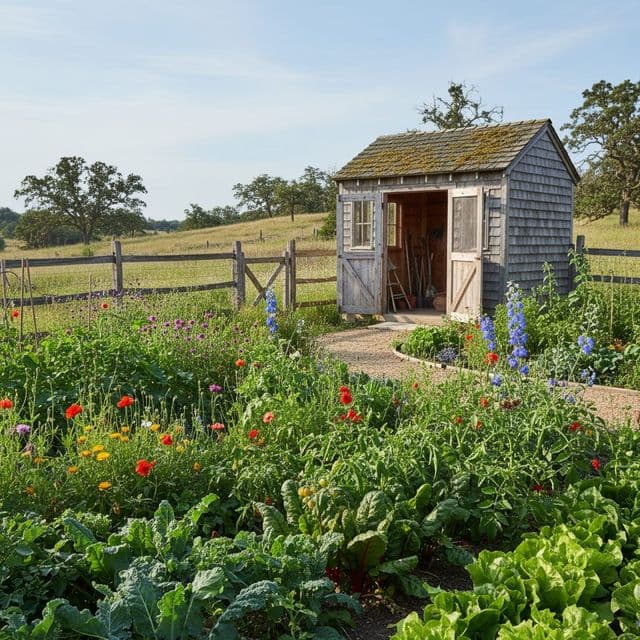
Learn how to effectively use beneficial insects for pest control in USDA Zone 6. Discover why habitat is essential for retaining ladybugs, lacewings, and mites long-term.
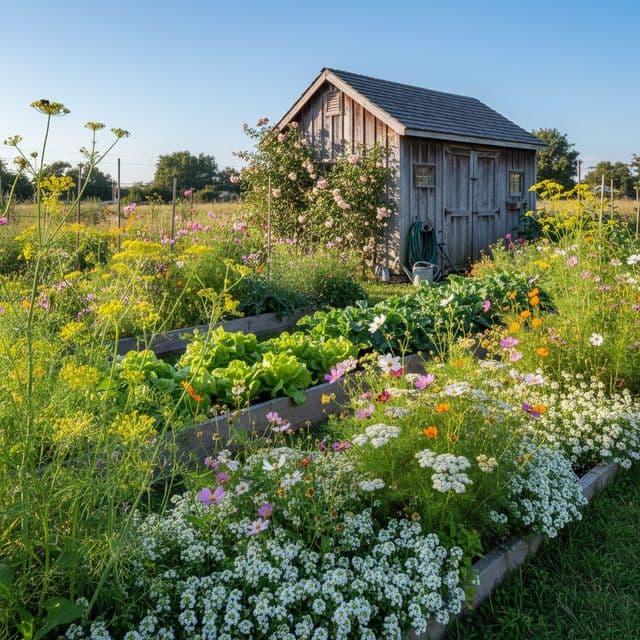
Insectary plants like alyssum, dill, and fennel attract beneficial insects and can reduce garden pests by up to 30%. Strategic placement provides natural pest control.
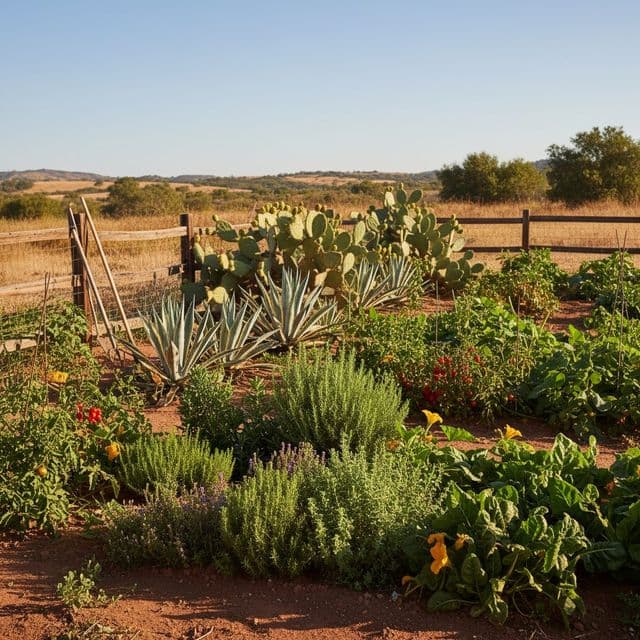
How to convert lawns to drought-tolerant edible plants, save water, and qualify for municipal turf-replacement rebates.
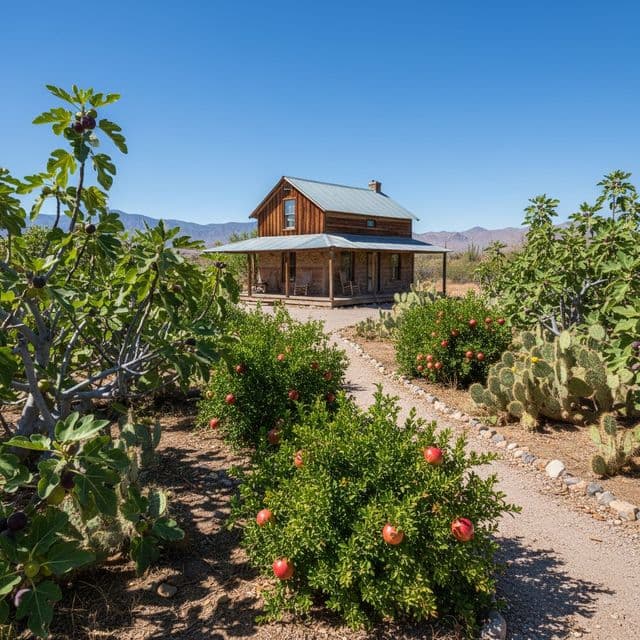
Drought-tolerant perennials like figs, pomegranates, and prickly pear reduce water use in USDA zones 7-10 for resilient gardens.
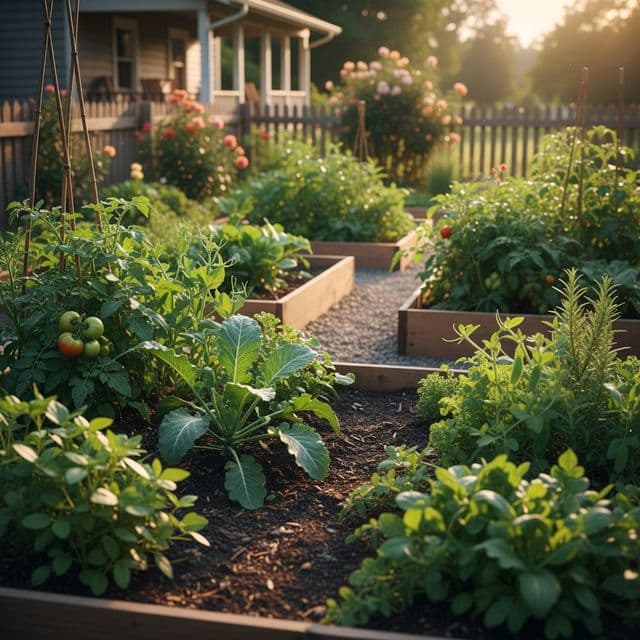
Discover nopal, tepary beans, chiltepin, and mesquite – resilient desert plants thriving in arid US climates. Reduce water use by 50-70% and build sustainable food systems.