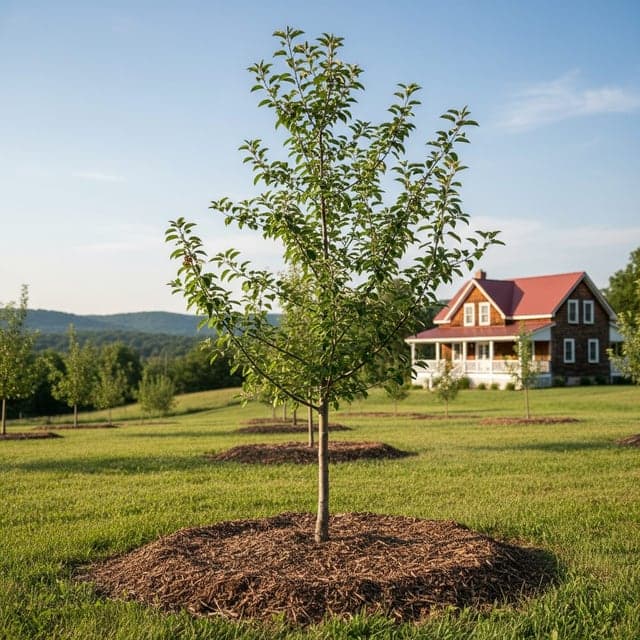
Staking fruit trees: when & how
Learn when and how to properly stake new fruit trees in USDA Zone 6. Avoid common mistakes that weaken trees and ensure strong growth. Get expert tips for your orchard.
Tag
170 articles in this tag on agripure. — page 6 of 8
Learn when and how to properly stake new fruit trees in USDA Zone 6. Avoid common mistakes that weaken trees and ensure strong growth. Get expert tips for your orchard.
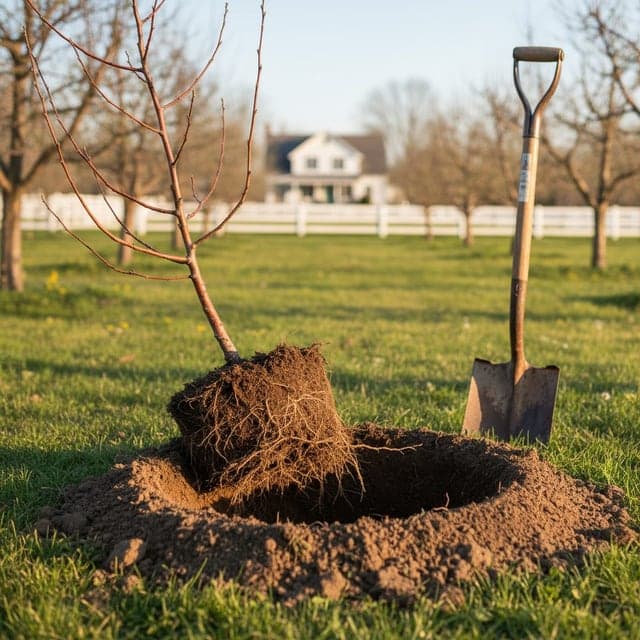
Learn to plant bare-root fruit trees in USDA Zone 6 with this 10-step guide, covering benefits, site selection, proper hole size, and aftercare for a home orchard.
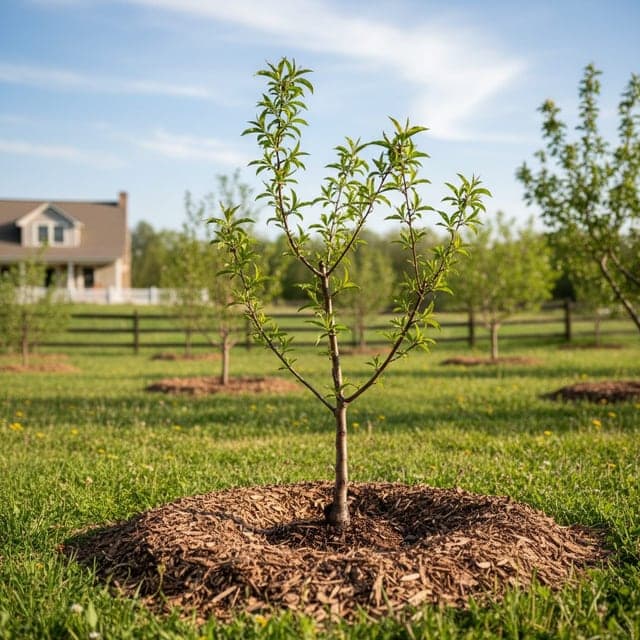
Plant grafted fruit trees at the exact right depth: set the root flare flush with settled grade, hold the graft union 2 to 3 inches (5 to 7.5 cm) above soil, prevent scion-rooting size loss, stop m…
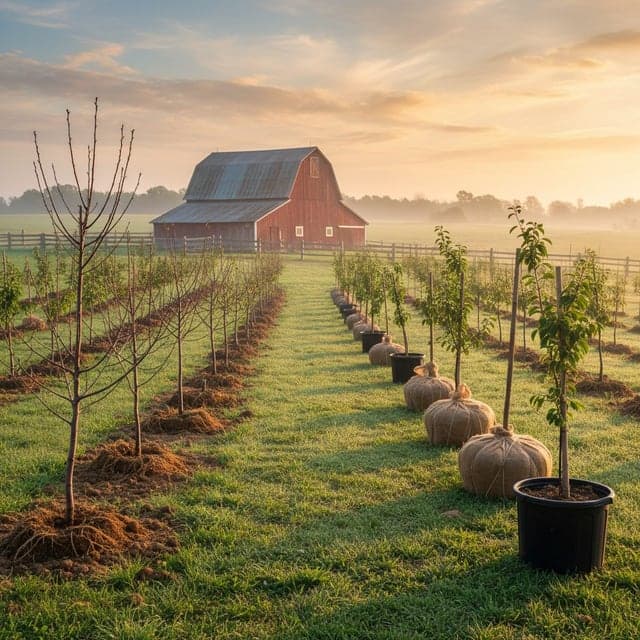
Learn to choose the best fruit trees for your homestead. Compare bare-root, container, and B&B options for optimal establishment in USDA zones 4-9. Master fruit tree planting for success.
Practical strategies like netting, scare devices, and harvest timing to reduce bird damage to berry crops in USDA zones 4-9.
Learn essential methods for preventing plant disease spread in your orchard or garden. Sterilize tools with bleach, alcohol, or heat to protect plants and investment. Reduce disease incidence by 80%.
Manage fungal diseases organically in USDA Zone 7 with copper and Bacillus biofungicides to prevent yield loss and protect plant health.
Japanese beetles cause significant damage in USDA zones 5-8. Learn effective organic Japanese beetle control methods: hand-picking, milky spore, and strategic traps.
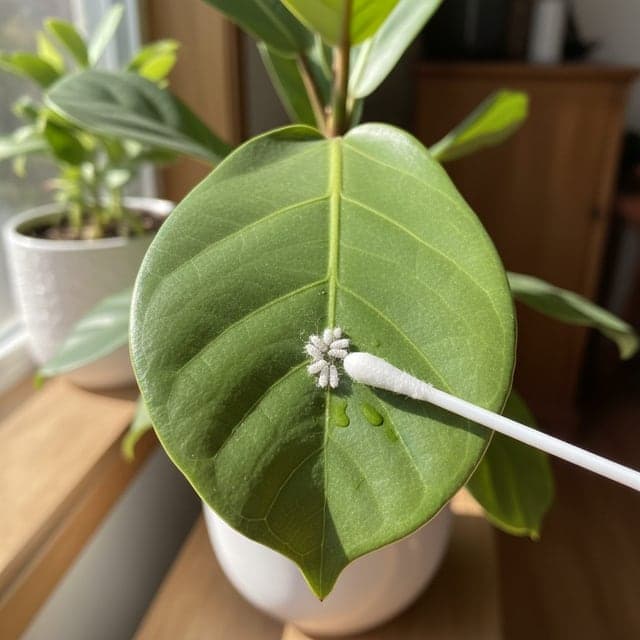
Learn effective mealybug control for citrus and houseplants using rubbing alcohol and horticultural oils. This guide covers application, precautions, and tips for USDA zone 8.
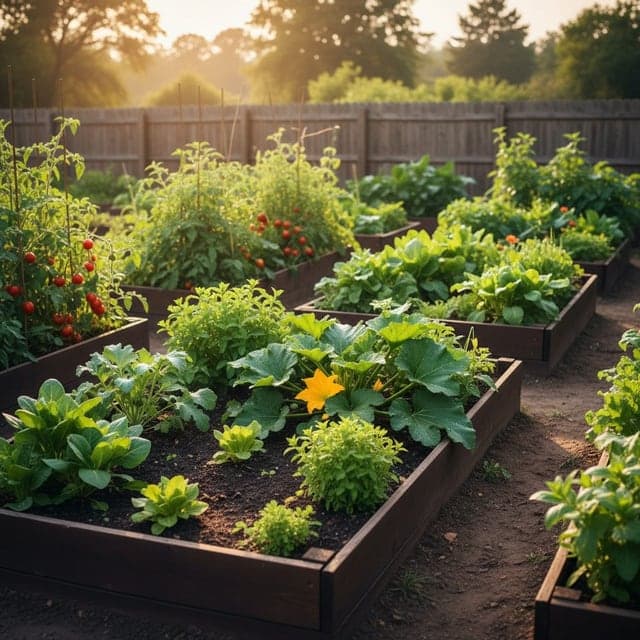
Combat spider mites in hot, dry climates with organic IPM strategies. Learn early detection, natural predators, and preventative measures for effective spider mite control in USDA zones 7-10.
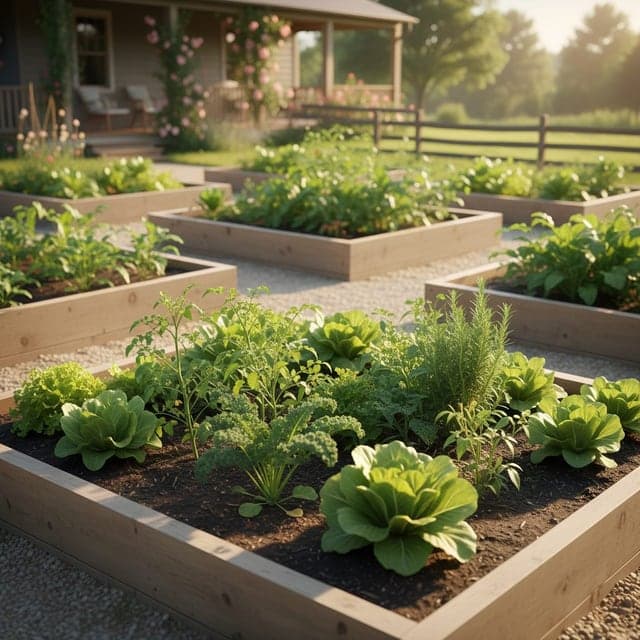
How to mulch vegetables, trees, and containers in US gardens for climate resilience, conserving water, moderating soil temperatures, and suppressing weeds in drought and heat.
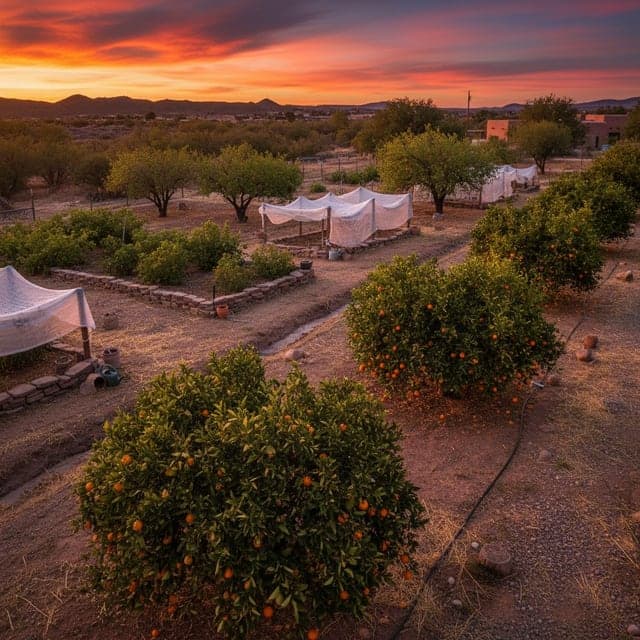
Learn how to recover heat-stressed fruit trees and berries in USDA Zone 8. This guide covers deep hydration, soil health, pruning, and pest management to revive your plants after heatwaves.
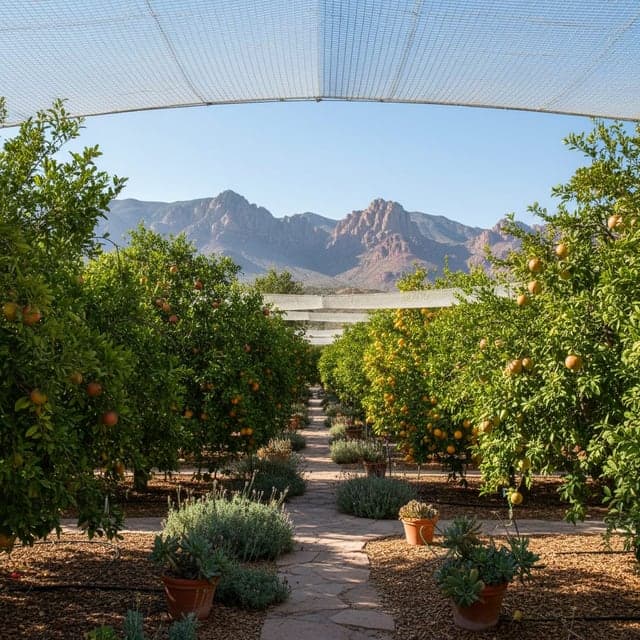
Shade netting protects desert fruit trees, reducing water use by 20-30%, preventing sunburn, and lowering temperatures by 10-15°F.
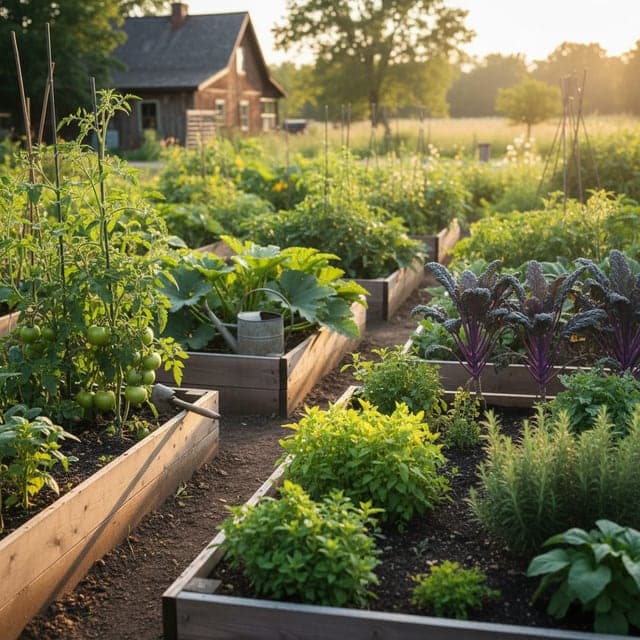
Keep newly planted US trees alive through Years 1–3: rootball-targeted caliper watering (1–1.5 gal/in 2–3×/wk), 3–4" coarse woodchip doughnuts kept 3–6" clear of the root flare, 30–40% shade-cloth…
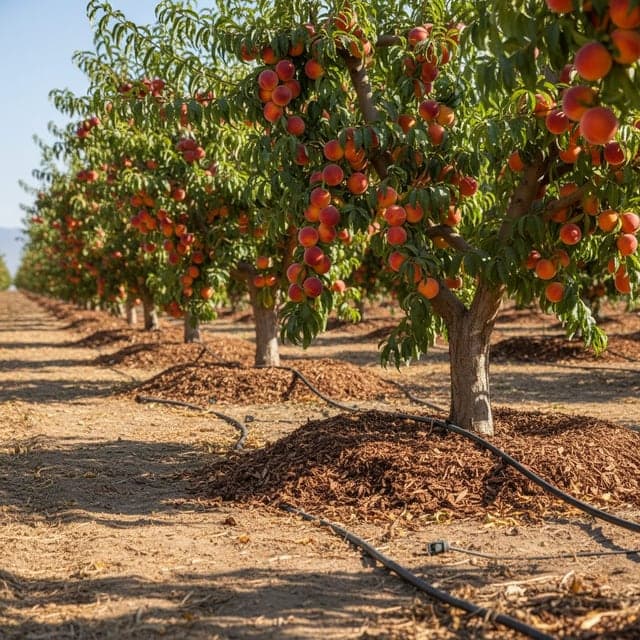
Master deep watering fruit trees like apples & peaches in USDA zones 6-9. Learn techniques for drought & heat resilience, including soil moisture assessment, drip irrigation, and mulching.
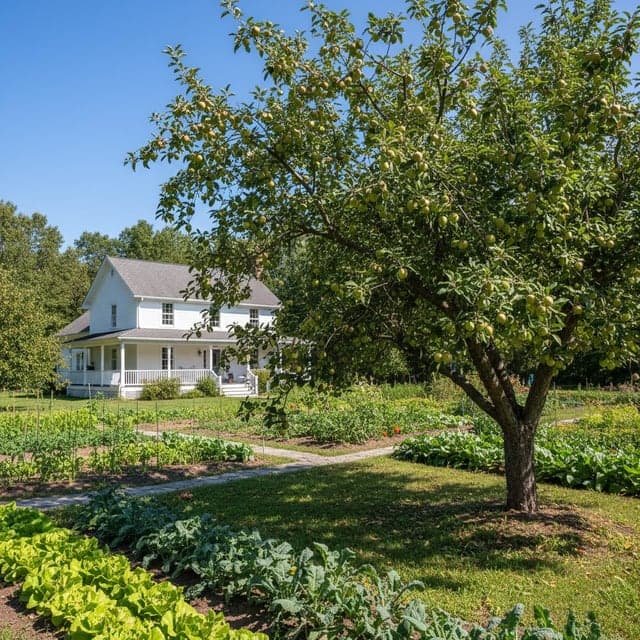
Separate physiological June drop from 95–105°F heat and VPD abscission in US fruit trees. Use Surround WP kaolin clay, deep morning drip infiltration, 30% temporary shade, and spring nitrogen restr…
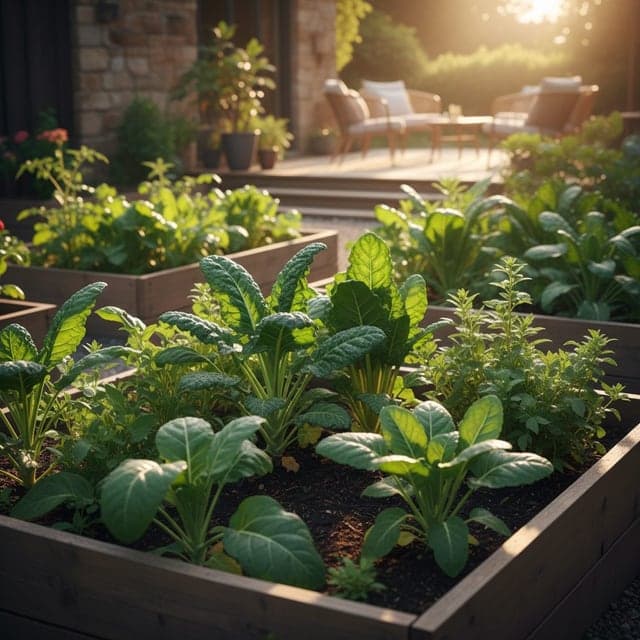
Learn effective strategies for sunscald protection in arid US zones. Discover how white paint, shade, and proper irrigation save fruit trees and boost yields by preventing heat damage.
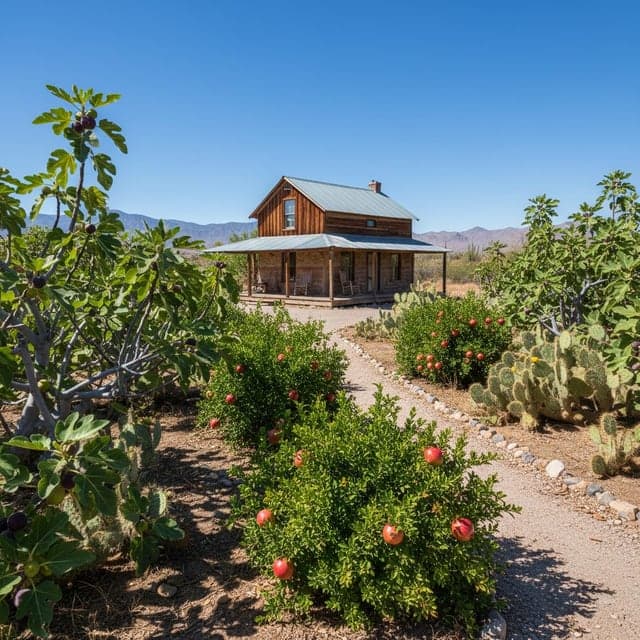
Drought-tolerant perennials like figs, pomegranates, and prickly pear reduce water use in USDA zones 7-10 for resilient gardens.
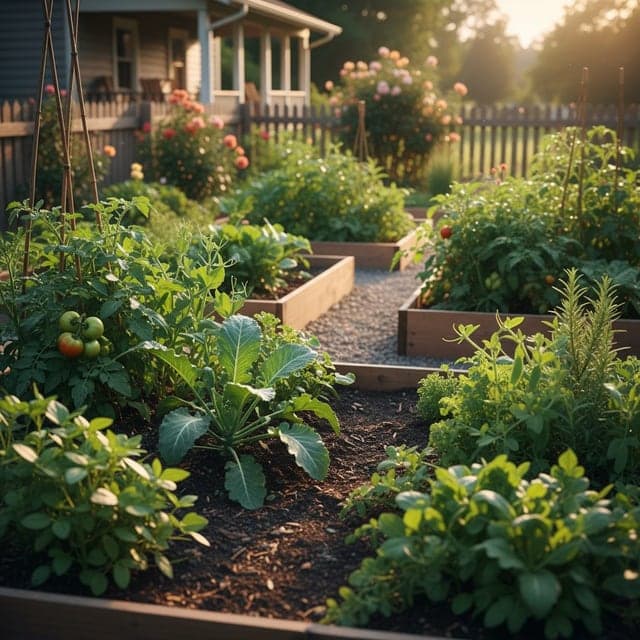
Discover nopal, tepary beans, chiltepin, and mesquite – resilient desert plants thriving in arid US climates. Reduce water use by 50-70% and build sustainable food systems.
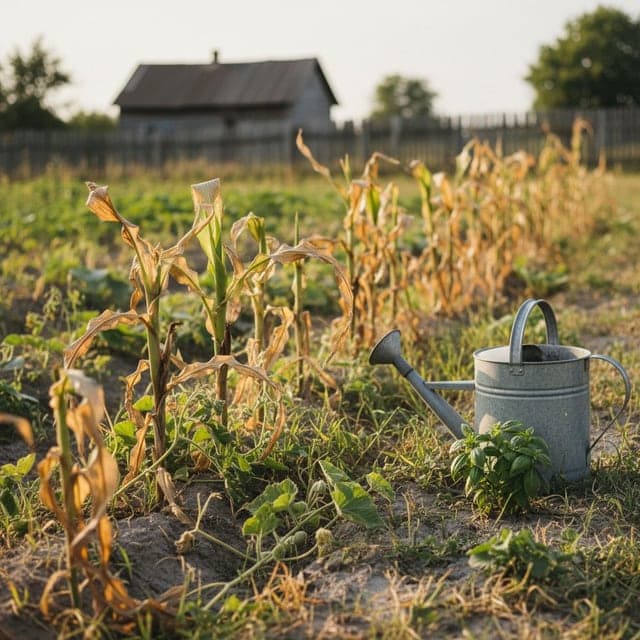
How to restore heat-damaged plants in US gardens using deep watering, conservative pruning, and organic feeding to support recovery.

Discover how to grow wet-tolerant crops like elderberry, blueberry, and mint in USDA Zone 6. Learn passive irrigation techniques such as ollas, wicking beds, and swales to thrive in moist conditions.
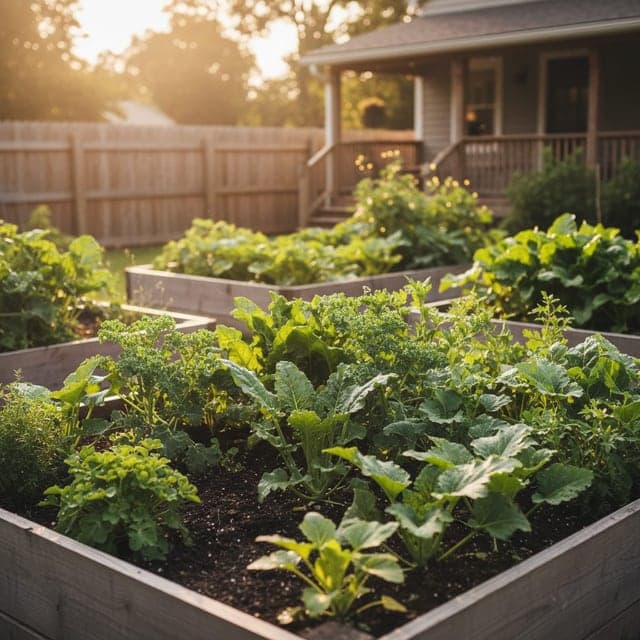
Match household greywater to deep-rooted trees and Mediterranean shrubs while protecting root crops, raw greens, and acid-lovers from pathogens, sodium, boron, and alkaline pH creep.
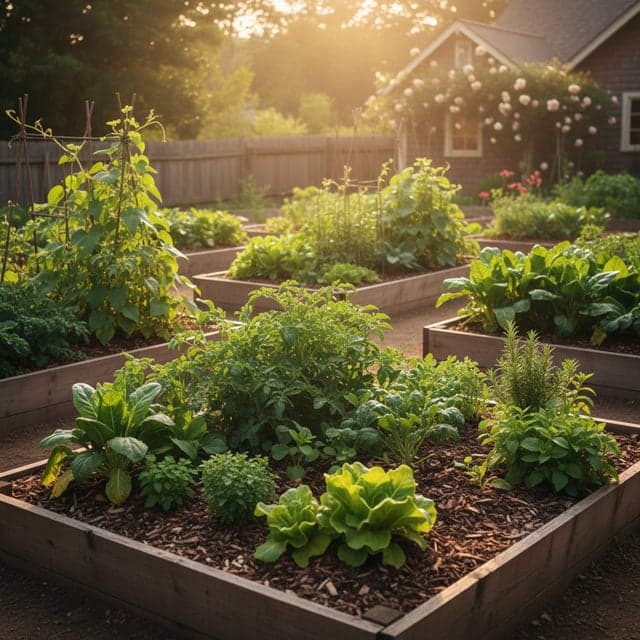
Planting on swale berms boosts water retention, enriches soil with nitrogen-fixers, and supports fruit trees in arid zones.
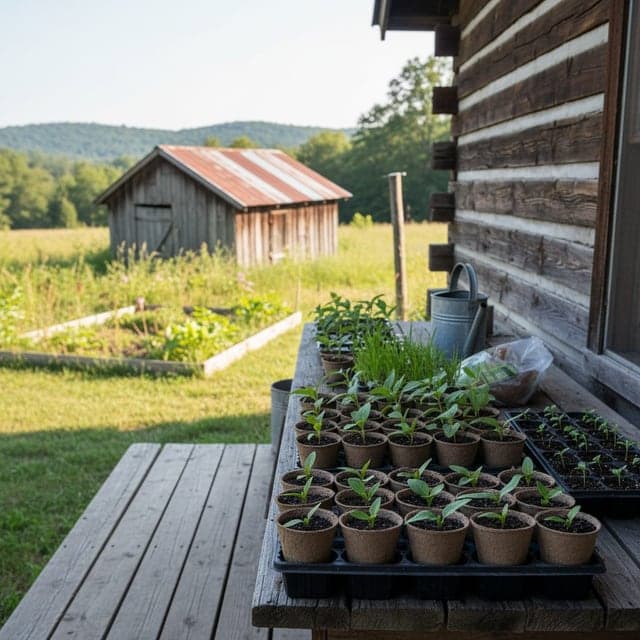
Break US wildflower, prairie, and woody tree seed dormancy safely: 100-grit sandpaper opposite the hilum, 180–200°F off-boil soak, 34–40°F cold-moist stratification vs. winter milk jugs, double dor…