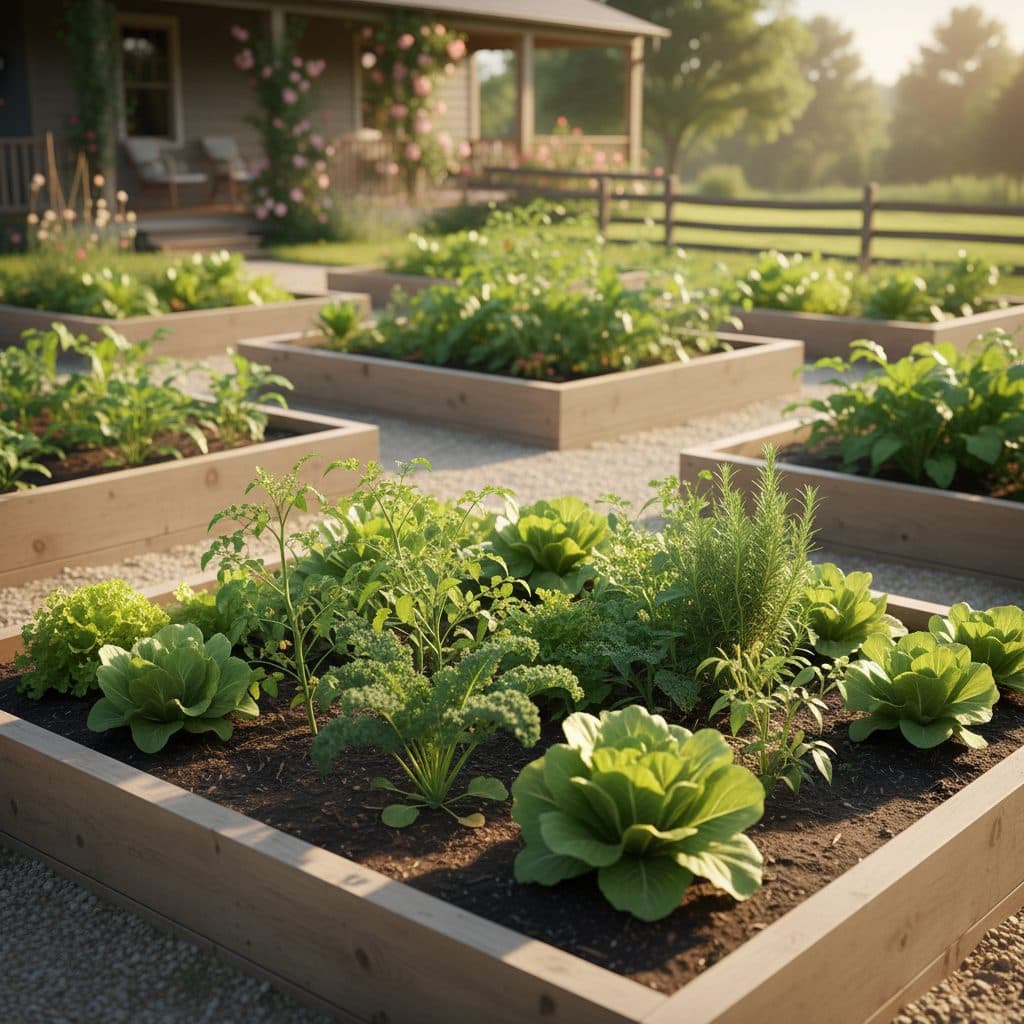
Key takeaways
- Mulch conserves up to 30% more soil moisture in drought-prone regions like the Southwest.
- Proper mulch depth for vegetables is 2-4 in, while trees benefit from 2-4 in spread 2-3 ft from the trunk.
- Container plants need a thin, one-inch layer of fine mulch to prevent rapid drying in summer heat.
- Organic mulches like wood chips enrich soil over time, adding 1-2% organic matter annually.
- Avoid “mulch volcanoes” around tree trunks; keep mulch 6-12 in away to prevent rot and pest issues.
- Different plants and climates require specific mulch types and application methods for optimal results.
Quick answer: In US gardens, mulch vegetables with 2-4 inches, trees with 2-4 inches (2-3 ft from trunk), and containers with a 1-inch layer. This conserves moisture, moderates soil temperature, and suppresses weeds.
In Florida’s humid heat, or across the drought-stressed plains of Kansas, maintaining consistent soil moisture is a constant battle for growers. Mulching, the practice of covering the soil surface with a protective layer, offers a straightforward, effective solution to many of these challenges, helping plants thrive even when conditions are less than ideal. It’s a fundamental strategy for climate-resilient growing, reducing water evaporation by as much as 30% and moderating soil temperatures by 10-15°F on hot days.
Applying mulch to annual vegetables, established trees, and container plants involves distinct considerations. From the sandy soils of the Southeast to the heavy clays of the Midwest, selecting the right mulch type, depth, and placement improves plant health and reduces maintenance during heatwaves and dry spells.
The core benefits of mulching for climate resilience
In regions like USDA zone 7 in the Mid-Atlantic, where summer temperatures can regularly exceed 90°F and dry spells are common, mulching is necessary for plant survival. A well-applied layer of mulch acts as a protective barrier against drought. It reduces water evaporation from the soil surface, meaning you can water up to 30% less frequently during dry periods [6]. This conservation helps plants access consistent moisture, preventing the stress that leads to wilting and reduced yields.
Beyond water savings, mulch moderates soil temperatures. On a 95°F day, bare soil can reach 120°F or higher, stressing plant roots. A 2-4 inch layer of organic mulch can keep soil temperatures 10-15°F cooler, creating a more stable environment for root development and microbial activity [2]. This temperature regulation is particularly important for shallow-rooted vegetables and young trees. Furthermore, mulch effectively suppresses weed growth, blocking sunlight and reducing competition for water and nutrients, which can be a 75% reduction in weed pressure in a typical garden bed.
Improving soil health over time
As organic mulches decompose, they gradually enrich the soil with organic matter, improving its structure, aeration, and water-holding capacity. This process is especially beneficial for poor, sandy soils in areas like coastal South Carolina or heavy clay soils found across much of Ohio. Over several seasons, this can increase soil organic matter by 1-2% annually, leading to healthier, more resilient plants. The added organic material also provides a habitat for beneficial soil organisms, which contribute to nutrient cycling and disease suppression.
- Reduces water evaporation by 30% [6]
- Moderates soil temperatures by 10-15°F [2]
- Suppresses weed growth by up to 75%
- Increases soil organic matter by 1-2% annually
- Supports beneficial soil microbial activity
Mulching for annual vegetables
For annual vegetables, especially those grown in raised beds in USDA zone 6, like tomatoes and peppers, mulching is critical for maintaining consistent soil moisture and temperature. Fluctuating moisture levels can lead to issues like blossom end rot in tomatoes, a common problem when soil dries out rapidly between waterings. Applying a 2-4 inch layer of organic mulch, such as straw, shredded leaves, or herbicide-free grass clippings, can stabilize these conditions [1]. This depth is sufficient to suppress most weeds, which compete directly with vegetables for water and nutrients, reducing yields by 20% or more if left unchecked.
The timing of mulch application is also important. In cooler spring climates, like those in upstate New York, it’s best to wait until the soil has warmed to at least 60°F before applying mulch. Applying it too early can delay soil warming, slowing down the growth of heat-loving plants. For cool-season crops like lettuce and spinach, a lighter layer of straw can help keep soil cool and moist as temperatures rise, extending their harvest by one to two weeks. Always ensure the mulch doesn’t directly touch the stems of young plants, leaving a one-inch gap to prevent rot and pest issues.
Mulch types and specific considerations
Different vegetables benefit from different mulch types. For instance, straw is excellent for strawberries and potatoes, keeping fruits clean and suppressing potato weeds effectively. Shredded newspaper or cardboard can be used as a base layer, especially in new beds, providing a thick barrier that breaks down slowly, often lasting one full growing season. In humid regions, like the Gulf Coast, using coarser mulches or thinner layers can help prevent excessive moisture retention, which might encourage fungal diseases. For container vegetables, a thin, one-inch layer of fine wood chips or cocoa hulls can reduce water loss by 20-25% [1].
- Apply 2-4 inches of organic mulch for most vegetables [1]
- Wait until soil warms to 60°F for heat-loving plants
- Leave a one-inch gap around plant stems
- Use straw for strawberries and potatoes
- Consider shredded newspaper for new beds, lasting one season
Mulching for trees and shrubs
Mulching trees and shrubs, particularly newly planted ones or those in challenging environments like urban parks in Phoenix, Arizona, aids their establishment and long-term health. A proper mulch layer helps retain soil moisture for young root systems, reducing the need for irrigation by up to 50% in the first two years after planting. It also moderates soil temperatures, protecting delicate feeder roots from extreme heat or cold, which can be a 20°F difference in soil temperature compared to unmulched areas [5].
The common mistake, often seen in commercial landscapes, is the “mulch volcano,” a thick pile of mulch mounded against the tree trunk. This practice is detrimental, as it can lead to bark decay, encourage pests, and prevent oxygen exchange to the root flare. Instead, mulch should be spread in a broad, flat layer, 2-4 inches deep, extending from 6-12 inches away from the trunk out to the dripline, or at least 2-3 feet in radius for young trees [2]. This wide application mimics natural forest floors, where organic matter accumulates over a large area.
Selecting durable mulches for trees
For trees and shrubs, especially those intended for long-term shade like oaks in USDA zone 8 or fast-growing shade trees, coarser, longer-lasting mulches are generally preferred. Wood chips are an excellent choice, breaking down slowly over 2-3 years and providing sustained benefits. They also help suppress turf grass, which competes aggressively with tree roots for water and nutrients, potentially reducing tree growth by 30% in turf areas. For drought-tolerant trees and shrubs, a 3-4 inch layer of wood chips can be particularly effective in conserving moisture through extended dry periods, common in the Great Plains region.
- Apply 2-4 inches of mulch in a broad, flat layer [2]
- Keep mulch 6-12 inches away from the tree trunk
- Extend mulch out to the dripline or 2-3 feet radius for young trees
- Use coarse wood chips for long-lasting benefits (2-3 years)
- Avoid “mulch volcanoes” to prevent bark decay
Mulching in containers
Container gardening, popular in urban settings like apartments in Chicago or small patios in Los Angeles, faces unique challenges, especially regarding moisture retention and temperature regulation. Containers, by their nature, dry out much faster than in-ground beds, often requiring watering two to three times more frequently during summer heat. A thin layer of mulch can significantly mitigate this, reducing water loss by 20-30% and stabilizing soil temperatures, which can fluctuate wildly in exposed pots [1].
The key to mulching containers is to use fine-textured materials and apply them sparingly. A one-inch layer of fine wood chips, shredded bark, or even small pebbles can be effective. Larger, coarser mulches are often too bulky for small pots and can displace too much potting mix. For edible container plants, like herbs or dwarf fruit trees, ensure the mulch is organic and free from synthetic treatments. Cocoa hulls, while decorative, should be used with caution around pets due to their mild toxicity if ingested in large quantities.
Managing moisture and material choice
When mulching containers, leave a 1-2 inch gap between the mulch surface and the rim of the pot to allow for proper watering without overflow. This also ensures adequate air circulation around the plant stem. In hot climates, like those in southern California, light-colored mulches, such as small gravel or light-colored wood chips, can help reflect sunlight and keep soil temperatures cooler by an additional 5°F compared to dark mulches. For drought-tolerant plants in containers, this extra layer of protection can extend watering intervals by several days. Standard shipping containers for fresh fruits and vegetables, often 18 x 12 x 8 inches, demonstrate the importance of efficient water use in confined spaces [3].
- Use fine-textured mulches, one inch deep [1]
- Leave 1-2 inches of space between mulch and pot rim
- Consider light-colored mulches for hot climates
- Avoid large, coarse mulches in small containers
- Ensure organic mulches are untreated for edibles
Choosing the right mulch material
Selecting the appropriate mulch material is as important as the application method, with choices often depending on regional availability, cost, and specific garden needs. Organic mulches, such as wood chips, shredded bark, straw, and shredded leaves, are popular because they decompose over time, adding valuable organic matter and nutrients to the soil. For example, in the Pacific Northwest, readily available conifer bark chips are often used, providing a long-lasting, acidic mulch that suits many native plants. These mulches can improve soil structure, especially in compacted clay soils, increasing aeration by 10-15%.
Inorganic mulches, including gravel, pebbles, and landscape fabric, do not decompose and thus don’t contribute to soil fertility. However, they are excellent for permanent pathways, rock gardens, or areas where decomposition is not desired, such as around fire-resistant plants in wildfire-prone areas of California. Gravel can also help radiate heat, which can be beneficial for heat-loving plants in cooler climates, but detrimental in already hot zones, potentially raising soil temperatures by an extra 5°F. Landscape fabric, while suppressing weeds, can also impede water and air movement over time, and often degrades within 3-5 years.
Regional considerations and cost-effectiveness
The best mulch choice often depends on your local climate and resources. In agricultural areas of the Midwest, straw is often abundant and inexpensive, making it a cost-effective choice for large vegetable gardens, typically costing $5-10 per bale covering 50 square feet. In forested regions, local arborists may offer free or low-cost wood chips, which are ideal for trees and shrubs. For smaller, ornamental beds in suburban areas, bagged shredded bark or cocoa hulls might be preferred for their aesthetic appeal and ease of handling, though they can cost 2-3 times more per cubic foot than bulk materials. Always consider the carbon to nitrogen ratio (C:N) of organic mulches; materials like fresh wood chips have a high C:N ratio (e.g., 30:1), which can temporarily tie up soil nitrogen as they decompose [6].
- Organic mulches (wood chips, straw) enrich soil over 1-3 years
- Inorganic mulches (gravel) are permanent but don’t add nutrients
- Straw is cost-effective for large vegetable gardens ($5-10 per bale)
- Wood chips are excellent for trees and shrubs, often free from arborists
- Consider C:N ratio; high C:N mulches can temporarily deplete nitrogen [6]
Common mulching mistakes to avoid
Even with the best intentions, mulching can go wrong, leading to plant stress or even decline. One of the most prevalent errors is applying too much mulch, especially around trees. The “mulch volcano” mentioned earlier can suffocate roots, encourage fungal diseases like collar rot, and provide shelter for rodents that chew on bark, causing significant damage that can kill a young tree within one season. A proper depth of 2-4 inches is usually sufficient for most applications [2].
Another common mistake is using the wrong type of mulch for the specific plant or climate. For instance, using fresh wood chips with a high carbon-to-nitrogen ratio (e.g., 30:1) directly around nitrogen-hungry annual vegetables can temporarily deplete soil nitrogen, leading to yellowing leaves and stunted growth. In such cases, aged wood chips or straw are better choices. Similarly, dark-colored rubber mulch, while durable, can absorb excessive heat, raising soil temperatures by 10-15°F on a hot day, which is detrimental to most plants in USDA zones 8 and higher.
Poor placement and timing
Applying mulch too close to plant stems or tree trunks is a significant issue, creating a moist environment that invites pests like slugs and voles, and promotes stem rot. Always leave a 1-6 inch gap, depending on the plant size, to ensure good air circulation [1]. Additionally, applying mulch too early in spring in cooler climates can delay soil warming, setting back planting schedules by one to two weeks for warm-season crops. Conversely, waiting too long in hot climates can mean plants suffer from heat stress before the protective layer is applied. Studies in urban parklands show that careful placement protects root health [5].
- Avoid “mulch volcanoes” around tree trunks [2]
- Don’t apply fresh wood chips directly to nitrogen-hungry plants
- Leave a 1-6 inch gap between mulch and plant stems/trunks [1]
- Do not apply mulch too early in cool spring climates
- Avoid dark, heat-absorbing mulches in hot regions
Mulching for poor soils and extreme heat
In challenging environments, such as the sandy soils of Florida or the arid landscapes of West Texas, mulching becomes an indispensable tool for plant survival and productivity. Sandy soils drain rapidly, losing moisture within hours after rainfall or irrigation, making water retention a primary concern. A 3-4 inch layer of organic mulch, such as shredded leaves or compost, can significantly increase the soil’s water-holding capacity by 20-25% over a single season, transforming poor soil into a more hospitable growing medium [1]. This also helps to build soil organic matter, which is often less than 1% in sandy soils.
For gardens facing extreme heat, like those in USDA zone 9 in Arizona, mulch helps keep root zones cooler, preventing heat stress that can lead to wilting and reduced yields. Light-colored mulches, such as straw or pine needles, are particularly effective as they reflect more sunlight, keeping the soil surface 5-10°F cooler than dark mulches. This temperature moderation protects sensitive plants, allowing them to continue photosynthesis even when air temperatures soar above 100°F.
Mulch strategies for specific soil types
In heavy clay soils, common in much of the Midwest, a 2-3 inch layer of coarse organic mulch, like wood chips, can improve soil structure over time by promoting aggregation and increasing aeration. This helps to alleviate compaction, which can restrict root growth by 40-50% in dense clay. For plants for clay soil, this gradual improvement in drainage and tilth is invaluable. Furthermore, mulching helps prevent the rapid drying and cracking of clay soils, which can damage shallow roots. The USDA Natural Resources Conservation Service notes that soil health practices, including mulching, improve resilience to climate extremes [6].
- Apply 3-4 inches of organic mulch to sandy soils to increase water retention by 20-25% [1]
- Use light-colored mulches (straw, pine needles) in extreme heat to reflect sunlight
- Apply 2-3 inches of coarse organic mulch to clay soils to improve structure
- Prevent rapid drying and cracking in clay soils
- Build soil organic matter, often less than 1% in poor soils [6]
Mulching approaches for different garden types
Garden type | Recommended mulch | Depth | Key benefit |
|---|---|---|---|
Vegetables | Straw, shredded leaves | 2-4 in | Consistent moisture, weed control |
Trees & shrubs | Wood chips, shredded bark | 2-4 in | Temperature moderation, long-term soil health |
Containers | Fine wood chips, shredded bark | 1 in | Reduce evaporation, stable temperature |
Water savings: Mulch can reduce the need for irrigation by up to 30% in hot, dry climates, saving hundreds of gallons of water annually for a 100 square foot garden [6].
Soil temperature: A 3-inch layer of organic mulch can keep soil temperatures 10-15°F cooler on a 90°F day, protecting sensitive roots [2].
Weed suppression: Proper mulching can reduce weed growth by 75%, significantly cutting down on weeding time in a typical 200 square foot vegetable patch.
Frequently asked questions
How often should I reapply mulch in my vegetable garden?
For annual vegetables, organic mulches like straw or shredded leaves typically break down within one growing season. Reapply a 2-4 inch layer each spring or as needed, ensuring consistent coverage to maintain soil benefits and reduce weed pressure by up to 75%.
Can I use fresh wood chips around my established trees?
Yes, fresh wood chips are generally fine for established trees, but avoid piling them against the trunk. Spread a 2-4 inch layer, keeping it 6-12 inches away from the bark to prevent rot and nitrogen depletion near the tree’s root flare.
What is the best mulch for containers in a hot climate like Arizona?
In hot climates, a one-inch layer of light-colored, fine-textured mulch like small gravel, pine needles, or light wood chips works best. These reflect sunlight, keeping container soil 5-10°F cooler and reducing water loss by 20-30% [1].
Does mulching attract pests to my garden?
While mulch can provide shelter for some beneficial insects, improper mulching (too thick or too close to stems) can attract slugs, voles, or fungal issues. Proper depth (2-4 inches) and a 1-inch gap around stems minimize these risks [1].
How much does mulching reduce watering needs?
Mulching can reduce water evaporation from the soil by up to 30%, meaning you can water less frequently. For a 100 square foot garden, this could save hundreds of gallons of water over a growing season, especially in arid regions [6].
Can mulch improve poor clay soil?
Yes, a 2-3 inch layer of coarse organic mulch like wood chips or compost can gradually improve heavy clay soil. As it decomposes, it adds organic matter, improving soil structure, aeration, and drainage over several seasons, increasing organic matter by 1-2% annually.
References
- Mulching Herbs, Vegetables and Fruit Trees in The Florida-Friendly Edible Landscape (2022). Mulching Herbs, Vegetables and Fruit Trees in The Florida-Friendly Edible Landscape.
- Mulching Your Trees and Landscapes (2009). Mulching Your Trees and Landscapes.
- Standardization of shipping containers for fresh fruits and vegetables (1974). Standardization of shipping containers for fresh fruits and vegetables.
- The Mulching of Vegetables (1958). The Mulching of Vegetables.
- Strategic Mulching of Trees in Forested Urban Parkland for Rooting Medium Amendment (2021). Strategic Mulching of Trees in Forested Urban Parkland for Rooting Medium Amendment.
- USDA Natural Resources Conservation Service (2024). USDA Natural Resources Conservation Service.