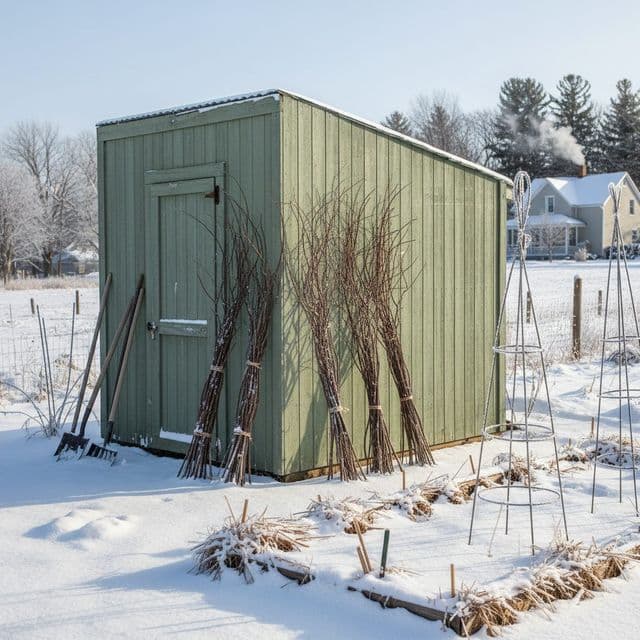
Rooting hardwood cuttings: figs, mulberries, grapes (zones 5-9)
Learn to root fig, mulberry, currant, and grape hardwood cuttings in USDA zones 5-9. Achieve high success rates, save money, and expand your garden with this guide.
Tag
150 articles in this tag on agripure. — page 2 of 7
Learn to root fig, mulberry, currant, and grape hardwood cuttings in USDA zones 5-9. Achieve high success rates, save money, and expand your garden with this guide.
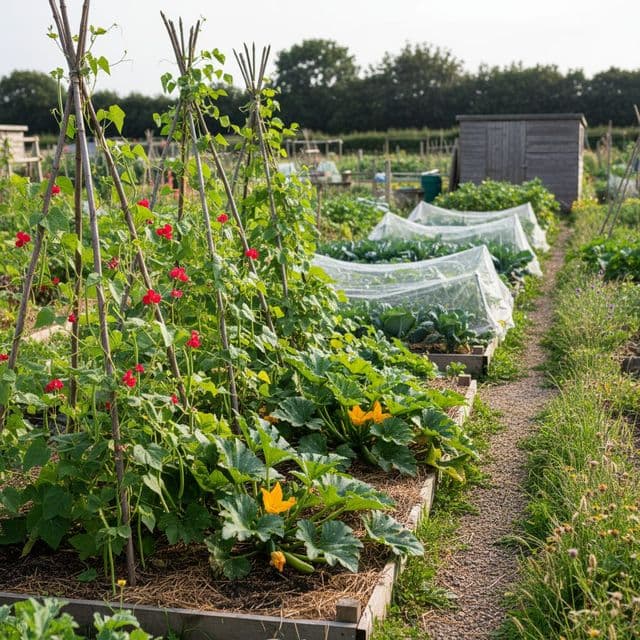
Learn effective strategies to protect your backyard berries in USDA Zone 6 from common pests like birds, spotted wing drosophila (SWD), and Japanese beetles. Implement netting, sanitation, and IPM…
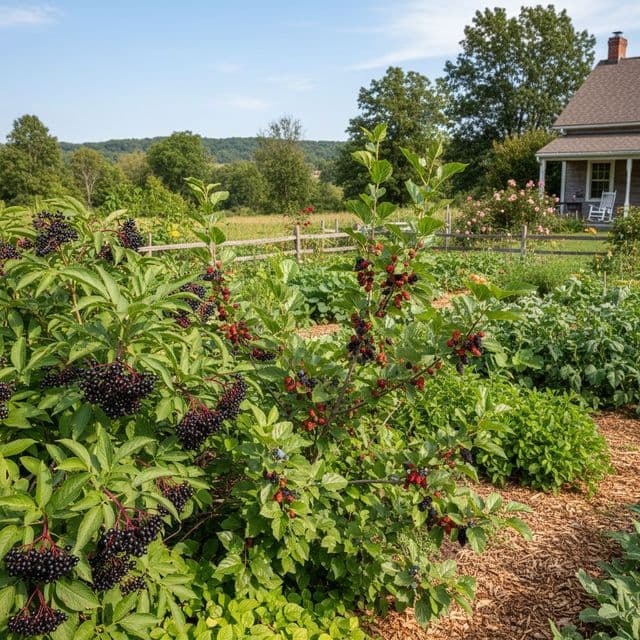
Discover how to easily grow native US berries like elderberry, serviceberry, and mulberry in USDA zones 3-9. Reduce maintenance, boost biodiversity, and enjoy abundant harvests.
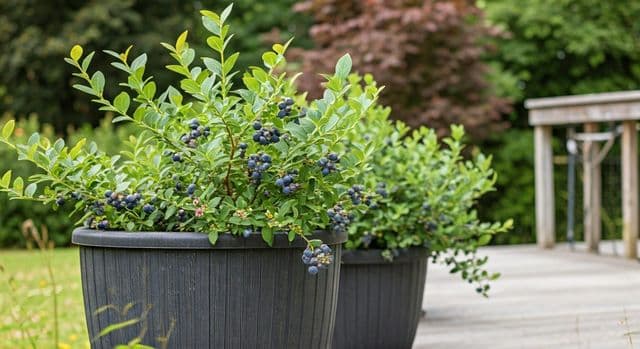
Alkaline soil? Grow blueberries in containers! Learn how to select pots, create acidic soil mixes, and care for thriving blueberry plants, even in challenging USDA zones.
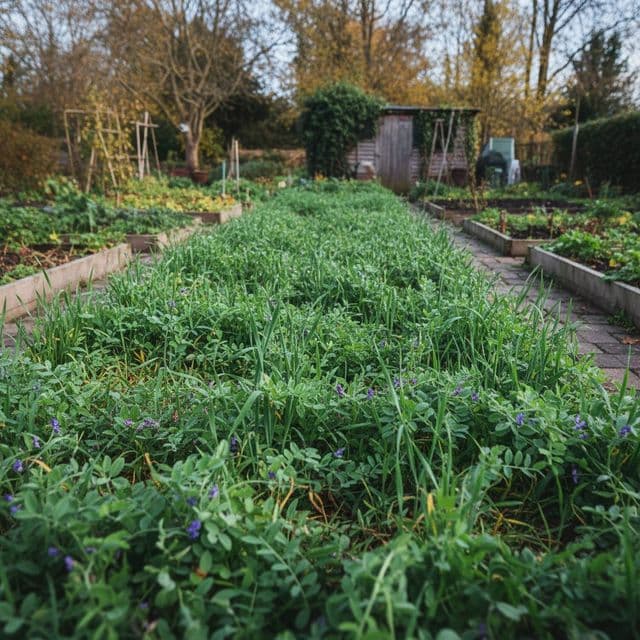
Discover the best blueberry varieties—Northern Highbush, Rabbiteye, Southern Highbush—for your USDA zone. Learn about chilling hours, soil pH, and care for a bountiful harvest.
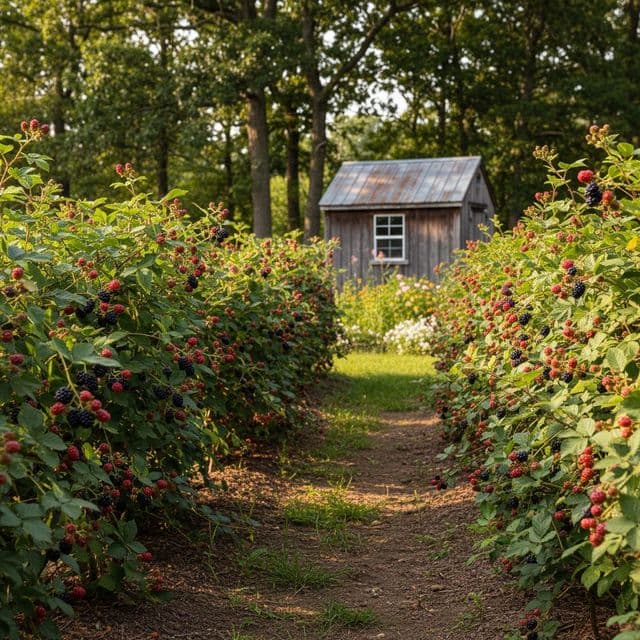
Master growing thornless blackberries for abundant harvests. This guide covers types, planting, pruning, and care for US home growers to achieve 10-15 lbs per plant annually.
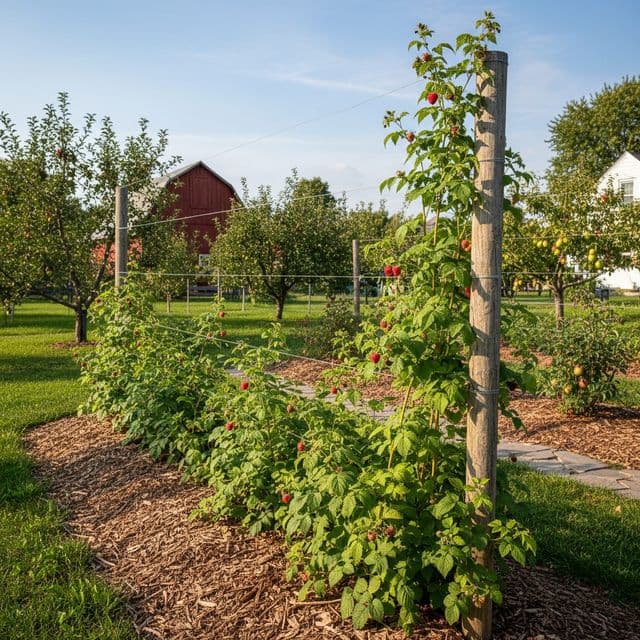
Master raspberry pruning and trellising for summer-bearing & everbearing varieties. Learn techniques to boost yields, improve plant health, and simplify harvest for abundant berries.
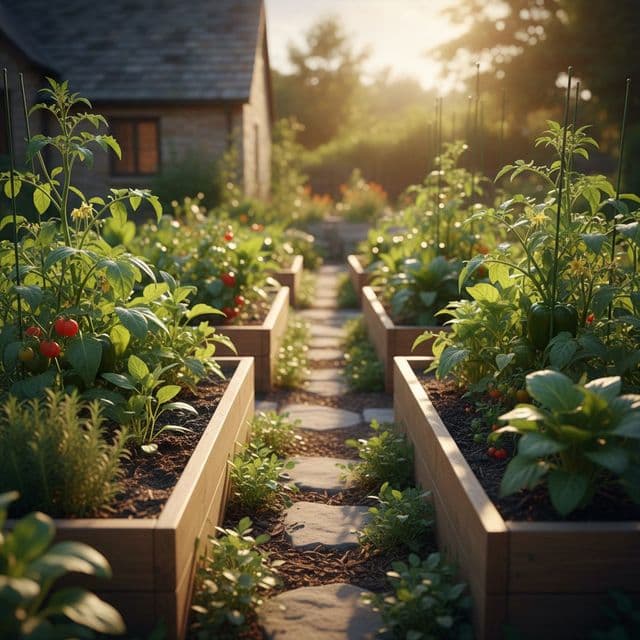
Growing blueberries in USDA Zone 5: manage soil pH (4.5-5.5) with sulfur and peat moss for nutrient uptake and a 20% yield boost, and select varieties suited to your climate.
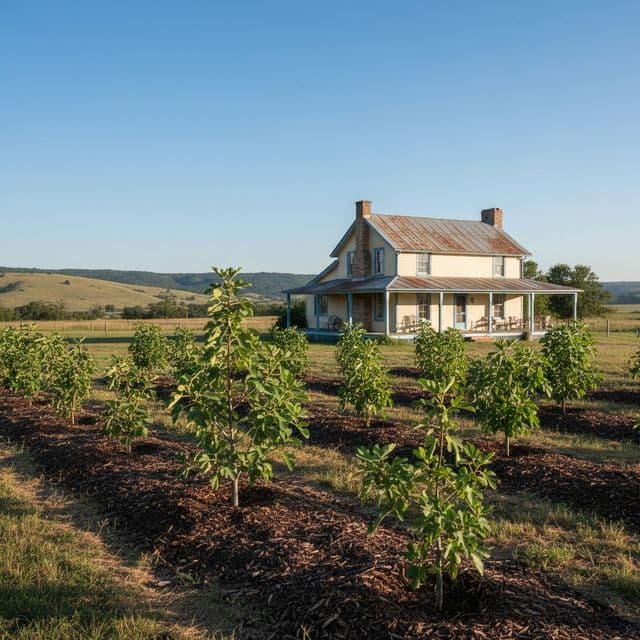
Cold-hardy fig and pomegranate varieties for USDA zones 6-7, with planting, care, and winter protection techniques for cooler climates.
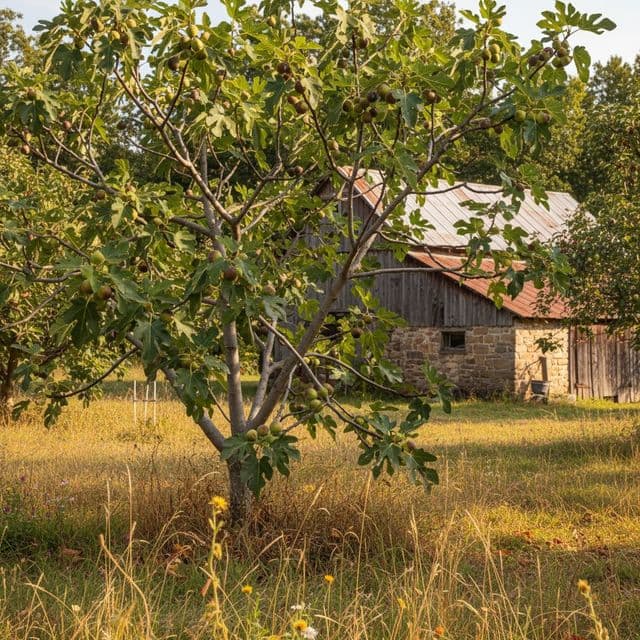
Prevent fig fruit drop in USDA Zone 7. Learn common causes like inconsistent watering, nutrient imbalances, and pests. Discover solutions for a bountiful fig harvest.
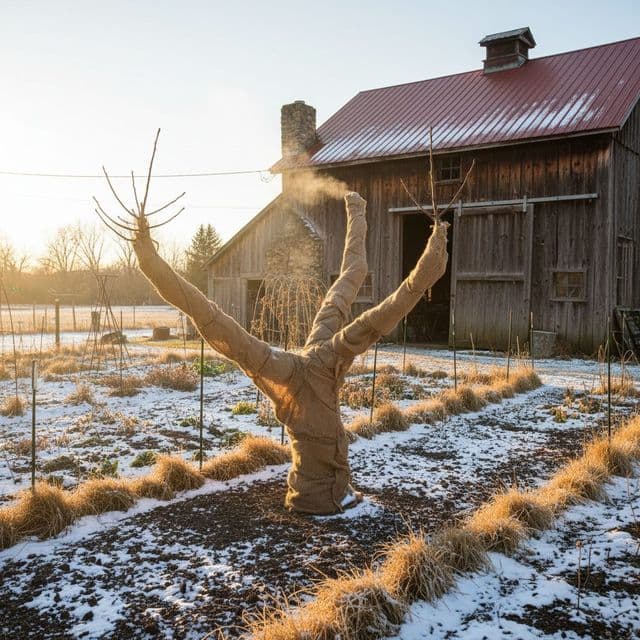
Learn how to successfully overwinter figs in USDA Zones 5 & 6. Discover cold-hardy varieties, container growing, wrapping, and burying techniques for consistent fruit.
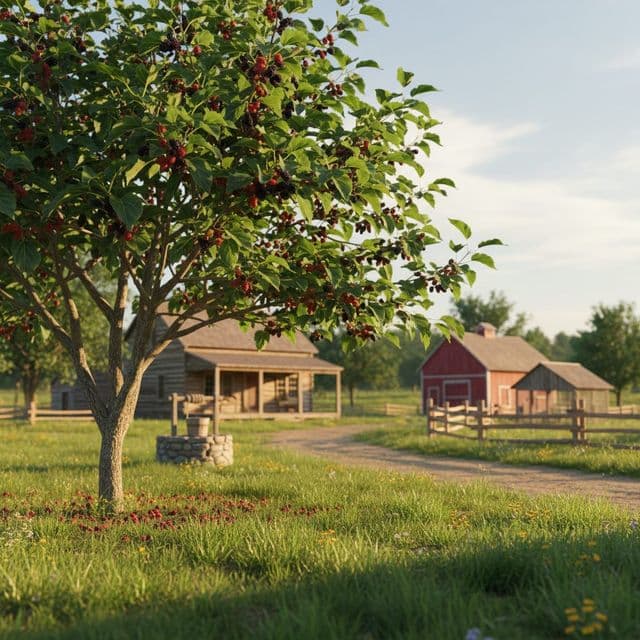
Growing multiple mulberry crops in USDA Zone 7 requires summer pruning, cultivar selection, and consistent watering to extend the harvest season and boost yields.
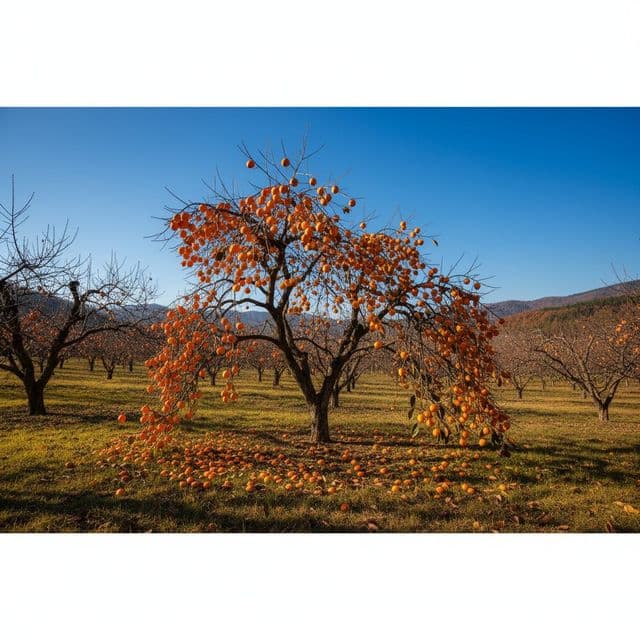
How to choose, plant, and grow astringent (‘Hachiya’) and non-astringent (‘Fuyu’) persimmon varieties in USDA zones 4-10.
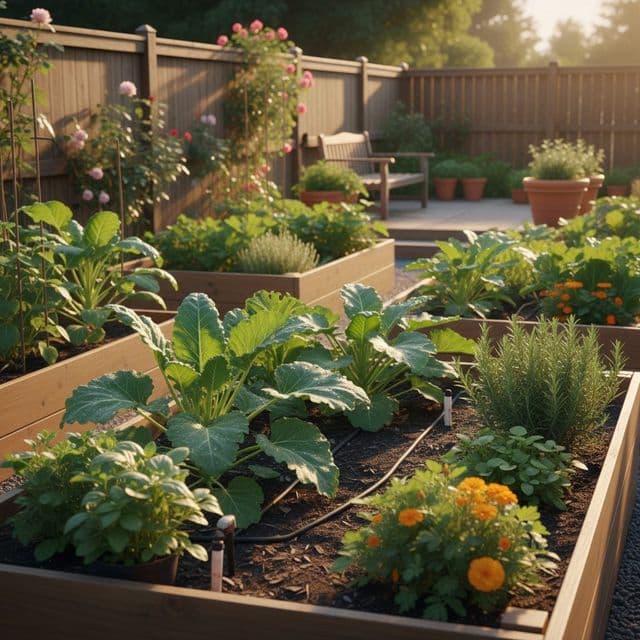
Learn how to effectively prune fig trees in US Zone 7 for a heavier breba and main crop. Discover timing, techniques, and structural tips to boost your fig harvest.
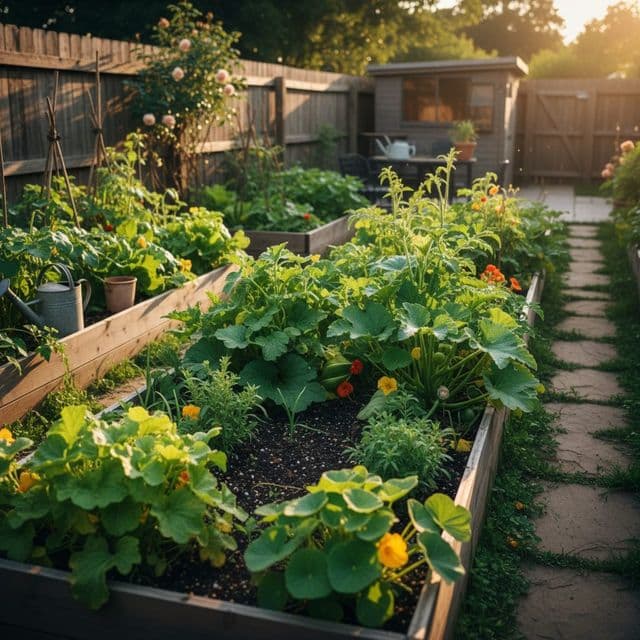
Learn how to ensure successful fruit set in your orchard or backyard. Discover self-fertile vs. cross-pollinating fruit trees, compatible varieties, and bloom times for a bountiful harvest.
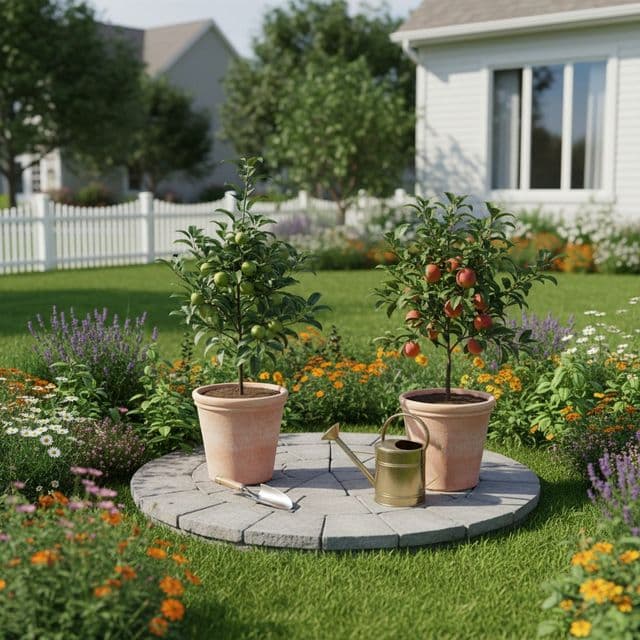
Grow fresh fruit in small spaces! Discover dwarf and columnar fruit trees perfect for patios & urban gardens in USDA Zones 5-9. Learn selection, care, & pruning.
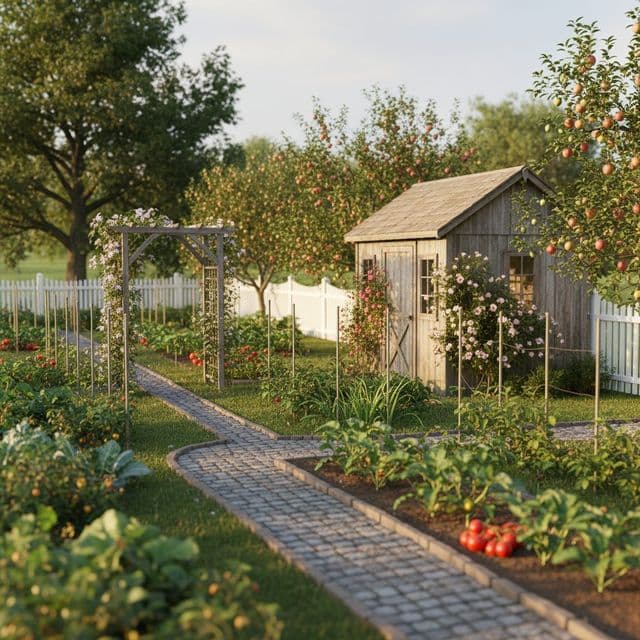
How to grow high-density hedgerow fruit trees on a 0.25-acre suburban lot in USDA Zone 7, covering spacing, rootstocks, and annual pruning.
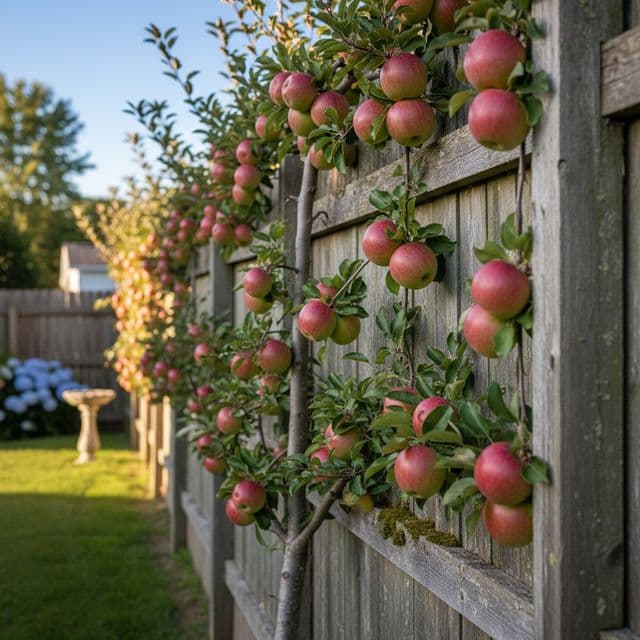
Learn how to espalier apples and pears to maximize fruit yield in small gardens. This guide covers selection, planting, and pruning for productive espalier fruit trees.
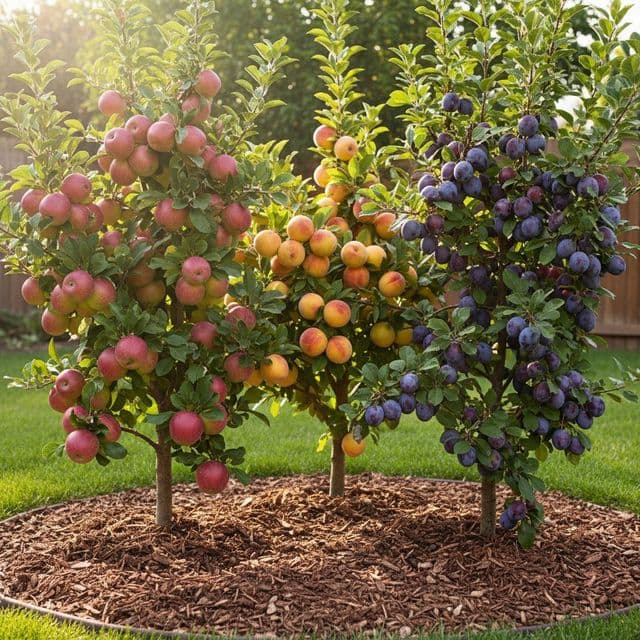
Planting 2-4 fruit trees in one hole extends the harvest by weeks and saves space in small backyards.
Master Backyard Orchard Culture to grow diverse, productive fruit trees in small spaces. Learn summer pruning techniques to keep trees 6-8 ft tall for continuous harvest in USDA Zone 7.
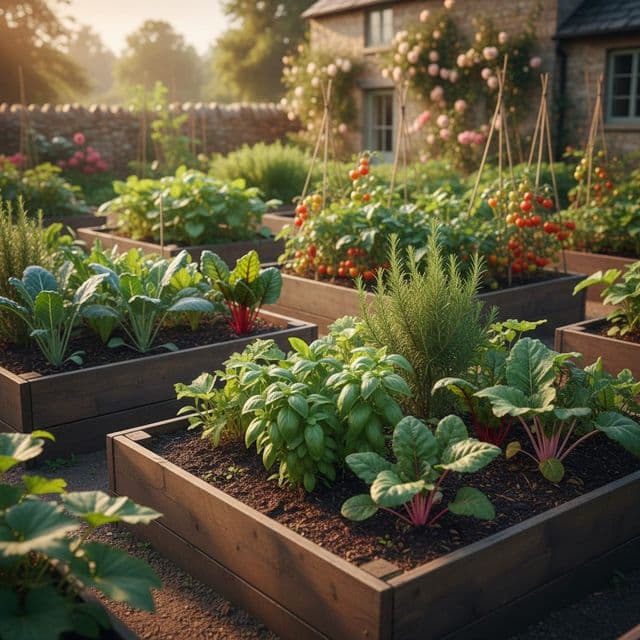
Master apple tree grafting for higher success rates. Learn crucial timing, cambium alignment, and compatibility tips to achieve 75%+ success in your homestead orchard.
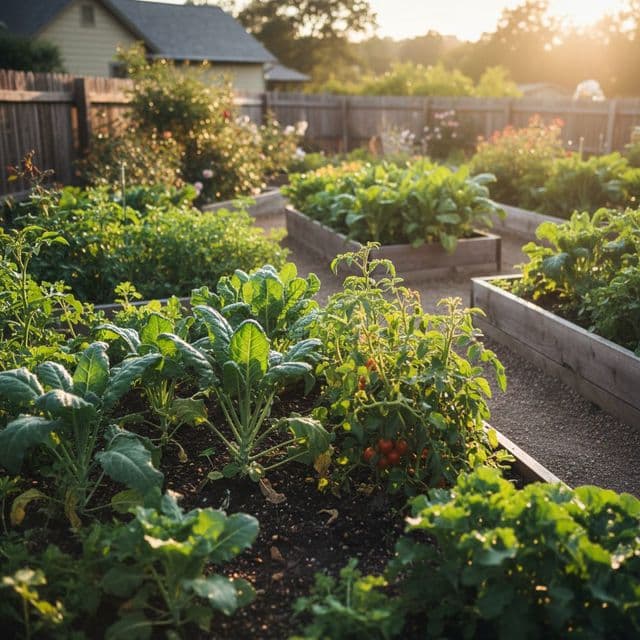
Master scionwood collection for successful fruit tree grafting. Learn when & how to select, store, & prepare dormant wood to expand your orchard & preserve heirloom varieties.
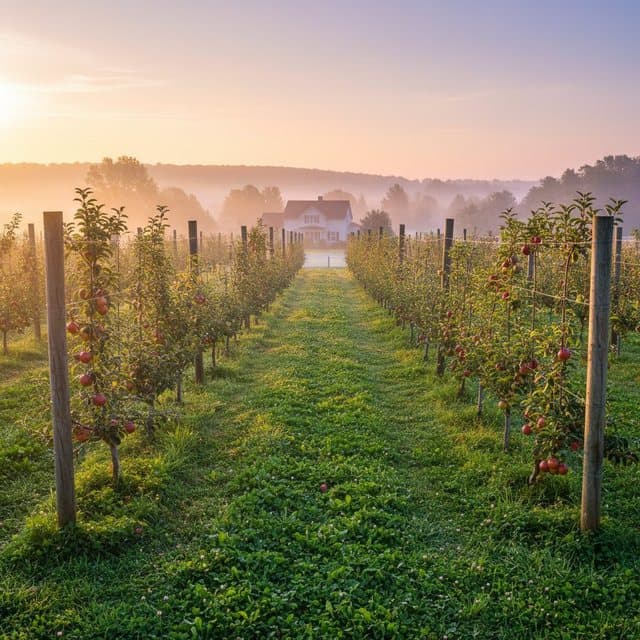
Unlock your orchard’s potential! Learn how choosing the right fruit tree rootstock impacts size, disease resistance, and yield. Master grafting for a thriving home garden.
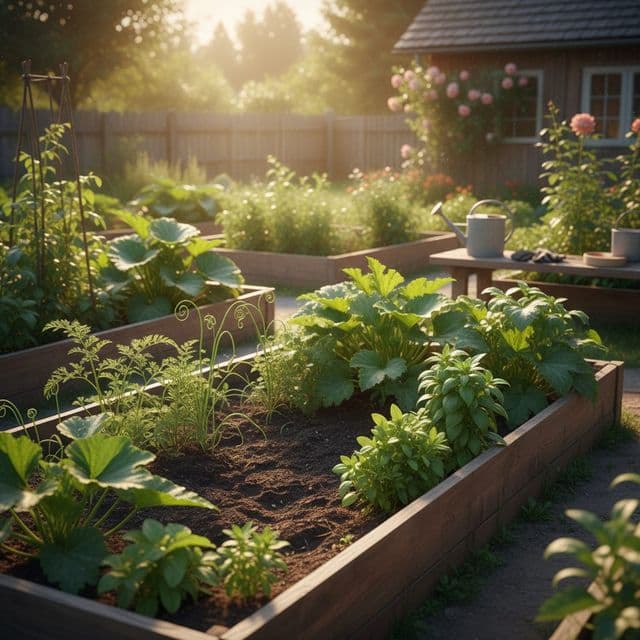
Cleft grafting top-works established fruit trees to improve fruit quality and yields, utilizing existing mature root systems across USDA zones 5 through 8.