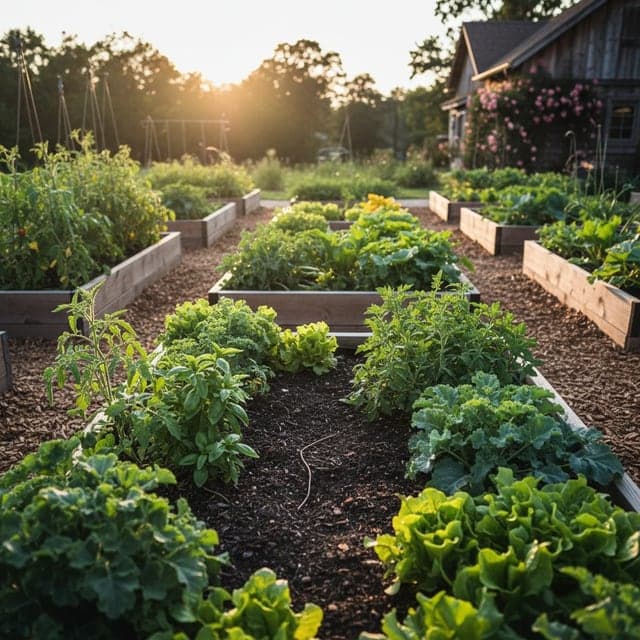
Plant propagation: cuttings for high success rates
Learn how to propagate plants from cuttings using proper tools, rooting hormones, and environmental controls to achieve high success rates and save on nursery costs.
Tag
170 articles in this tag on agripure. — page 7 of 8
Learn how to propagate plants from cuttings using proper tools, rooting hormones, and environmental controls to achieve high success rates and save on nursery costs.
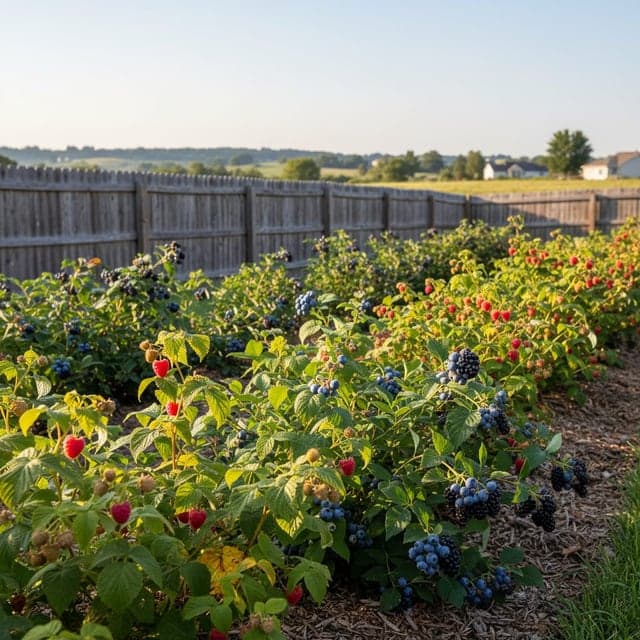
Learn to grow backyard berries like raspberries, blueberries, and brambles. This guide covers soil pH, pruning, and variety selection for successful harvests across US USDA zones.
Master fruit tree pruning for pomegranates, figs, persimmons, and mulberries. Learn essential care to boost yields by 30% and maintain healthy trees in your home orchard.
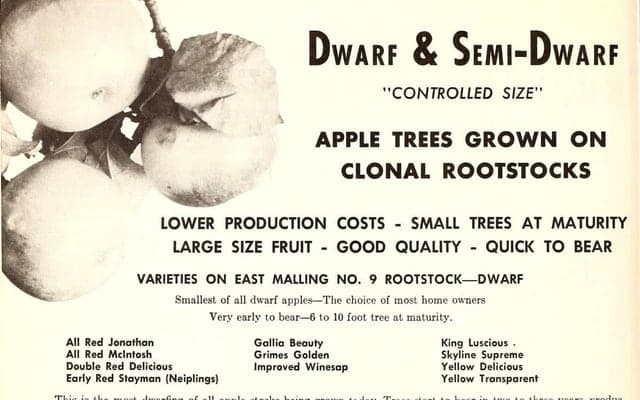
Maximize your small backyard orchard in USDA Zone 6! Learn high-density planting, espalier, and grafting to grow 10 fruit trees in just 500 sq ft for abundant harvests.
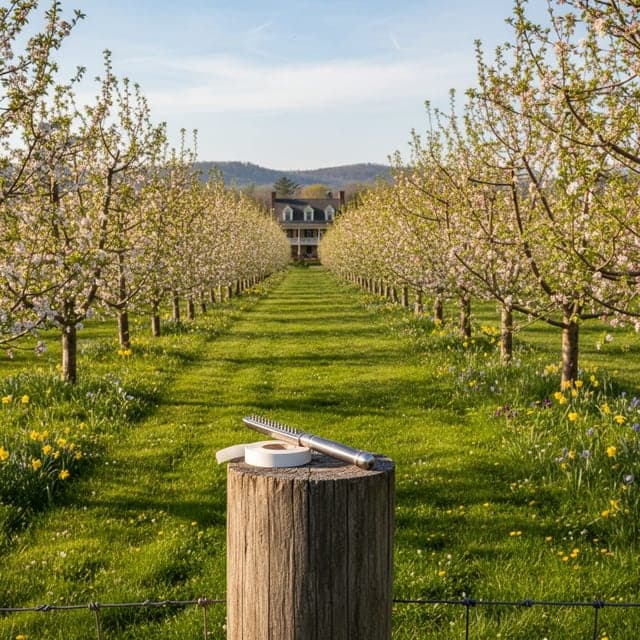
Learn whip-and-tongue, cleft, and bud grafting fruit trees at home. Master techniques for success in USDA Zone 6 to ensure strong unions & healthy orchards.
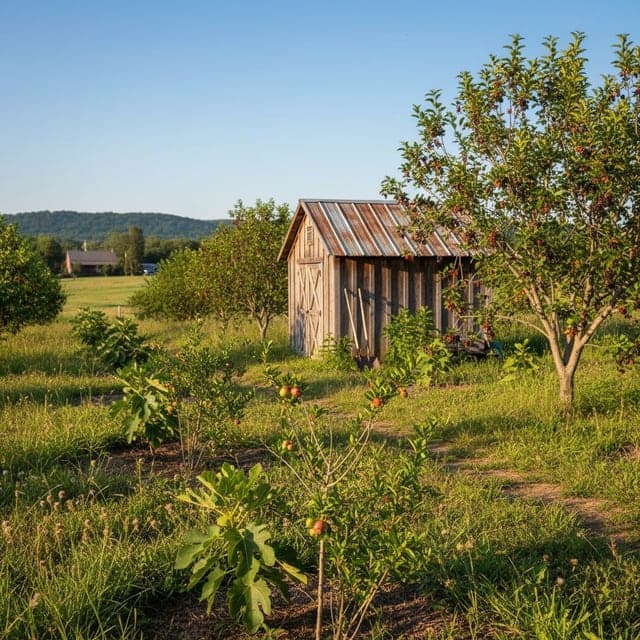
Learn to propagate fig, pomegranate, and mulberry trees from cuttings or air layering. Save up to 75% on orchard expansion costs and grow your own fruit trees in USDA zones 6-9.
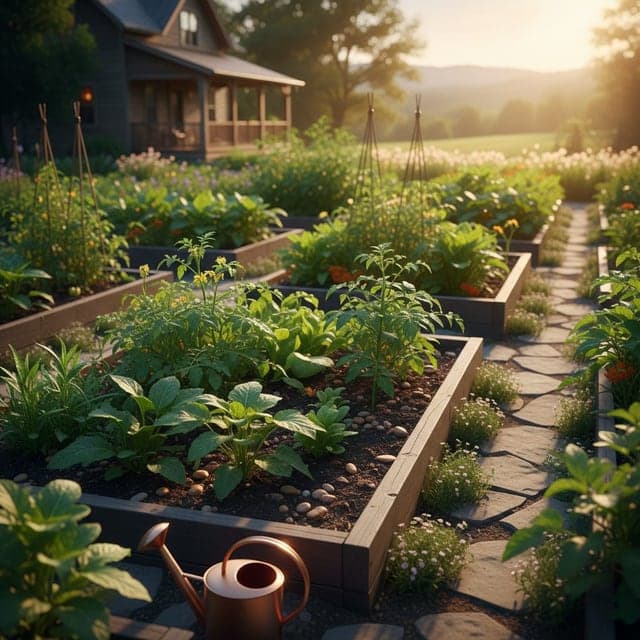
Learn organic pest control for apples in USDA zones 4-8. Manage codling moth, spotted-wing drosophila, and apple maggot with IPM, cultural practices, and traps for a healthy harvest.
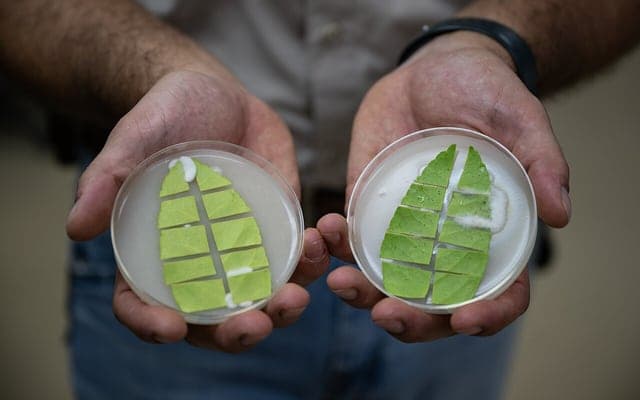
Diagnose common citrus tree problems like yellow leaves, fruit splitting, and premature drop in home orchards, identifying remedies for nutrient deficiencies, water stress, and insect pests.
Master chill hours for fruit trees! Learn why cold temperatures are vital for stone and pome fruit in USDA zones 4-9. Select varieties for a thriving home orchard.
Learn formative pruning techniques for young fruit trees (years 1-3). Compare open-center vs. central-leader systems to build a strong, productive orchard in USDA zone 6.
Master planting fruit trees in USDA Zone 6. Learn essential site selection, soil preparation, correct planting depth, and first-year care for healthy, productive orchards that thrive for decades.
Protect US backyard and orchard fruit trees during heat domes: stop 125–140°F southwest bark necrosis and fruit sunburn with 30–40% Aluminet shade cloth, 1:1 flat white latex paint, Surround WP kao…
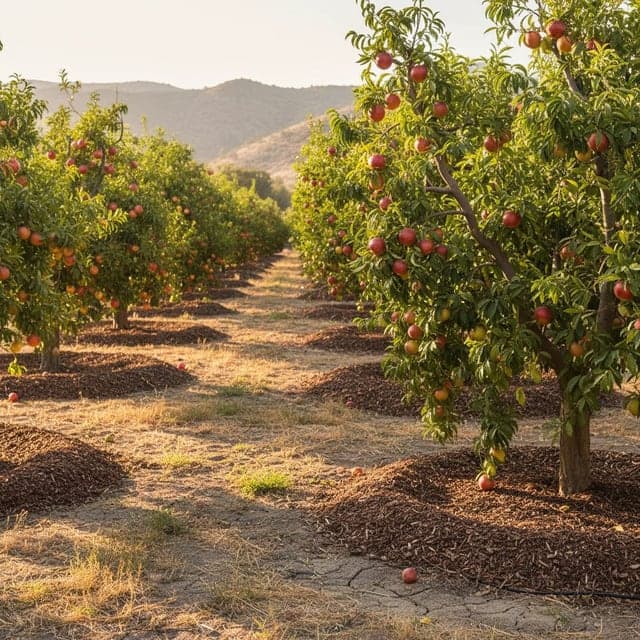
Safely irrigate fruit trees with greywater from showers and laundry to save thousands of gallons. System design, soap choices, and passive irrigation methods for USDA Zone 8 homesteads.
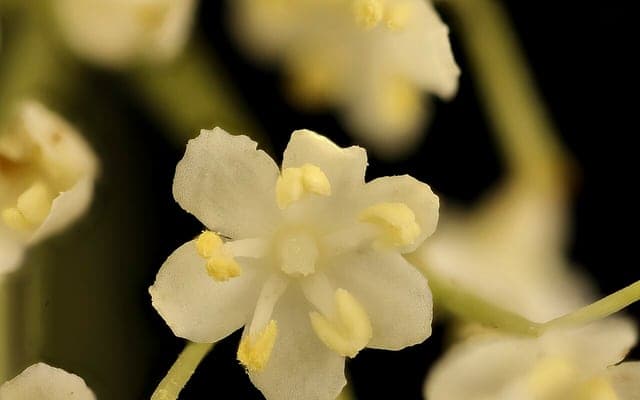
How to identify true elderberry (and avoid look-alikes), the difference between blue and American black, and how to grow named cultivars like Adams and Bob Gordon.
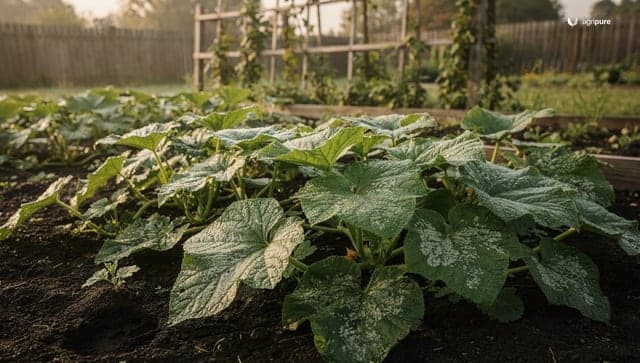
Powdery mildew treatment that works: potassium bicarbonate and oil sprays, milk and neem, plus the sun, spacing, and resistant varieties that stop it recurring.
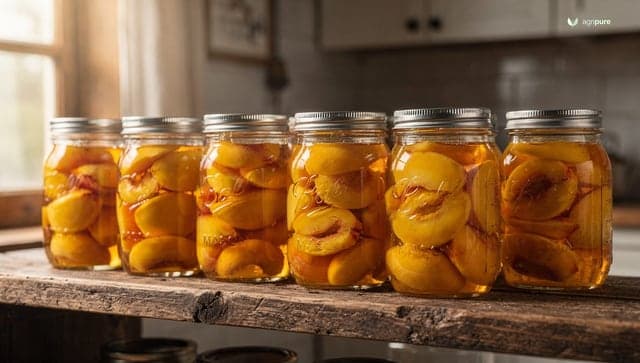
Can yellow-flesh peaches safely with USDA/NCHFP boiling-water and pressure-canner altitude times, 3 g/gal ascorbic acid anti-browning soaks, 5 syrup ratios, and white-peach pH 4.6 safety rules.
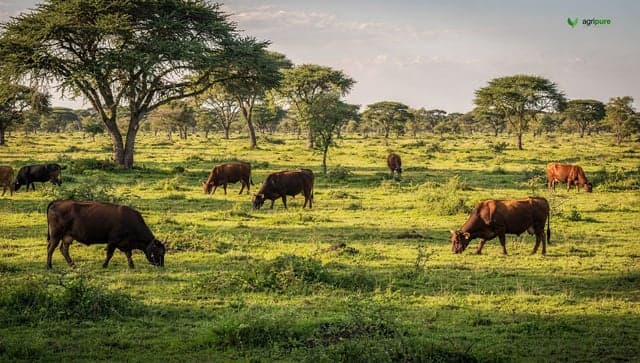
Silvopasture deliberately combines trees, forage, and grazing livestock on one acre. Here is how it works, what it yields, and how to establish it well.
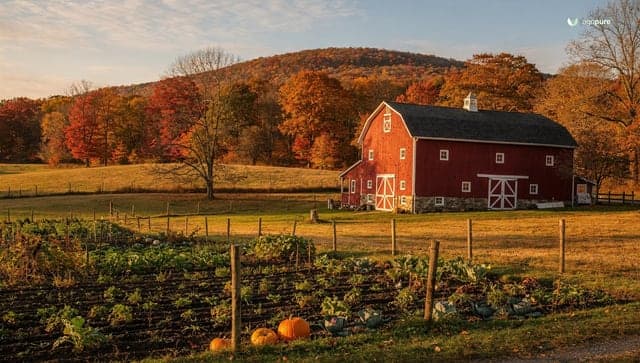
Pennsylvania offers fertile soil, a real four-season climate, and rural land that is friendly to homesteaders. Here is where to look, what grows, and the septic rules.
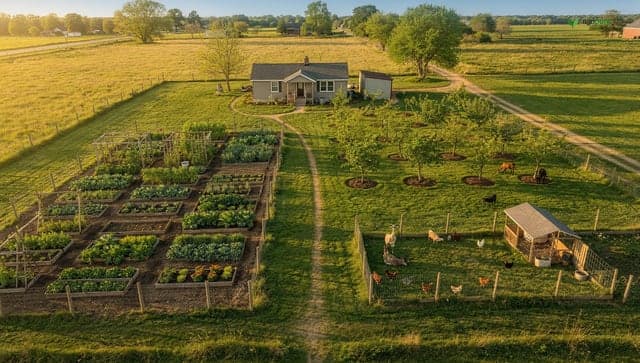
Engineer a productive US 1-acre homestead (43,560 sq ft): 50–100 ft well/septic setbacks, Call 811 safety, 2,500–4,000 sq ft garden yield ceilings (~800–1,400 lb/yr), 15–20 dwarf fruit trees, small…
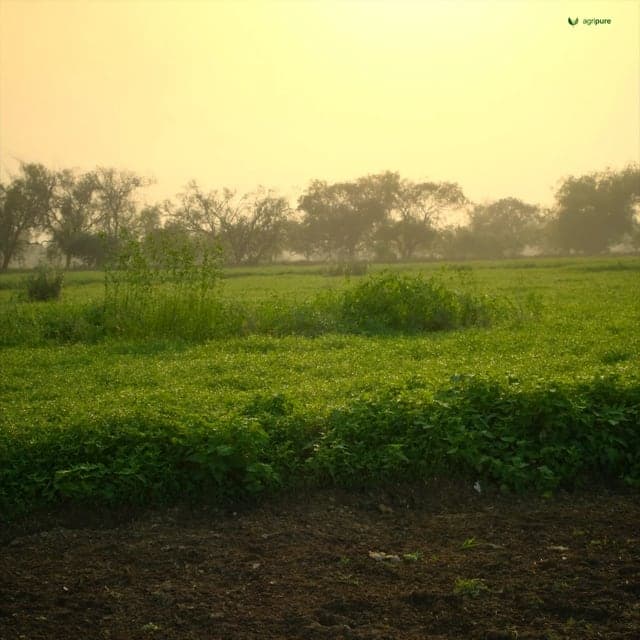
How growing dhaincha (Sesbania bispinosa) as green manure improves soil organic carbon, fixes nitrogen, and loosens compacted subsoil ahead of orchard planting in Punjab.
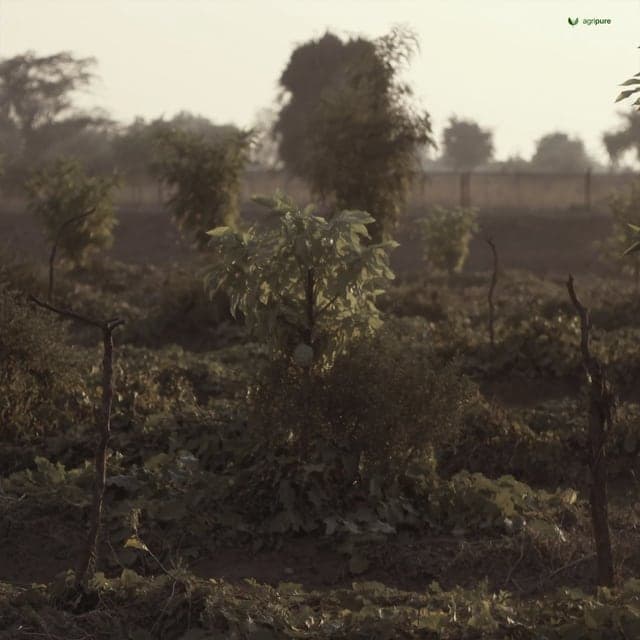
Most growers meet the custard apple as a fruit, not as a tool. In a syntropic planting, Annona squamosa (sharifa in the bazaar) earns its place for the second reason. It is a chaperone: a small, pa…
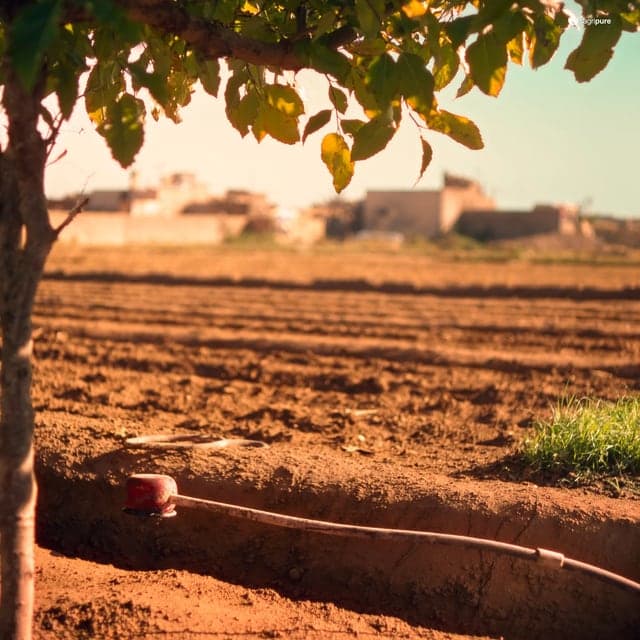
The single most common reason a smallholder drip system fails in Pakistan is not the heat, the salt, or the dust. It is the assumption that drip needs a pump, and that a pump needs reliable grid po…
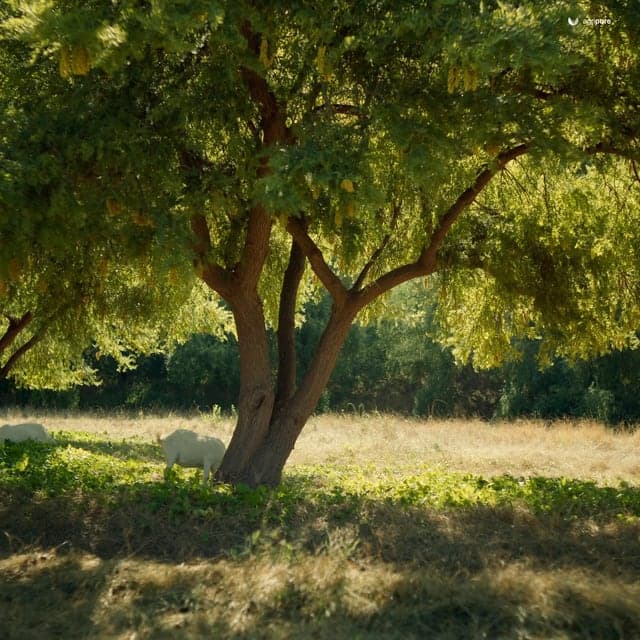
Animals belong in a mature agroforest — but on terms the trees can survive. Done well, livestock in the climax canopy close the nutrient loop: they graze the understorey you cannot sell, drop ferti…
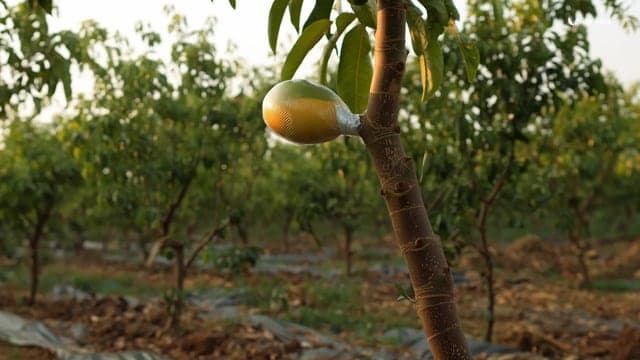
Grafting a mango is where many growers’ confidence quietly fails. The tree is too valuable to experiment on, the literature is full of conflicting methods, and a botched graft costs a year. But the…