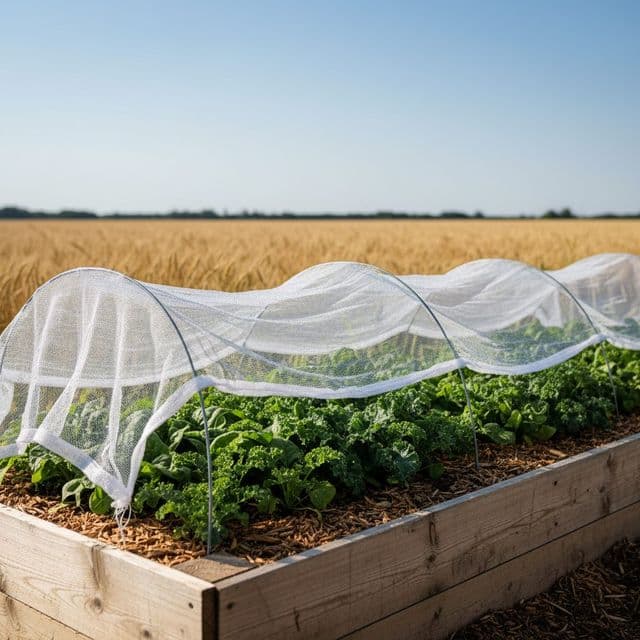
Midsummer Sowing: Extend Cool-Season Harvest in USDA Zones 5-9
Extend your garden’s harvest by midsummer sowing cool-season crops like spinach & kale in USDA Zones 5-9. Master crop rotation & succession planting for fall & winter yields.
Tag
641 articles in this tag on agripure. — page 25 of 27
Extend your garden’s harvest by midsummer sowing cool-season crops like spinach & kale in USDA Zones 5-9. Master crop rotation & succession planting for fall & winter yields.
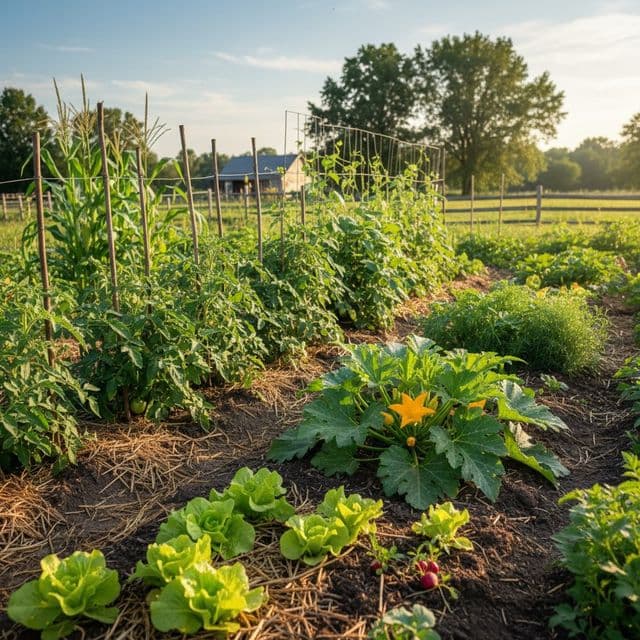
Master Succession Planting to maximize your garden space and enjoy continuous harvests in USDA Zone 6. Learn strategies for staggering crops, improving soil health, and extending your growing season.
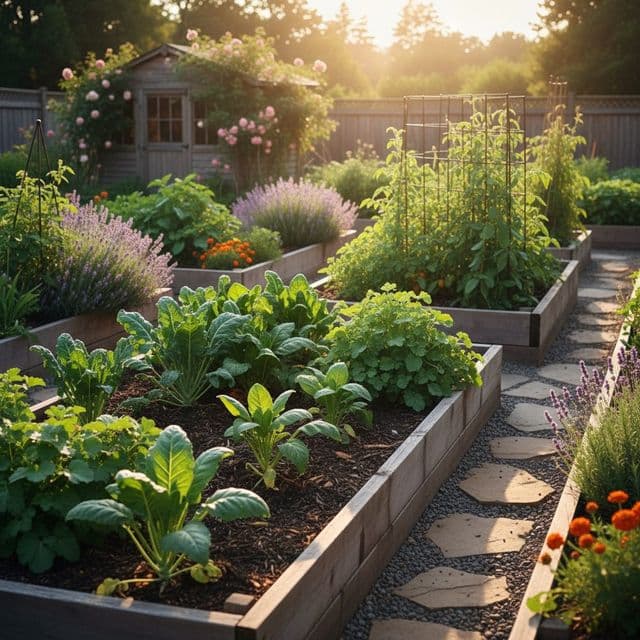
Boost your USDA Zone 6 home garden yield with 3- and 4-bed crop rotation plans. Learn how to improve soil, reduce pests, and extend harvests for a productive garden.
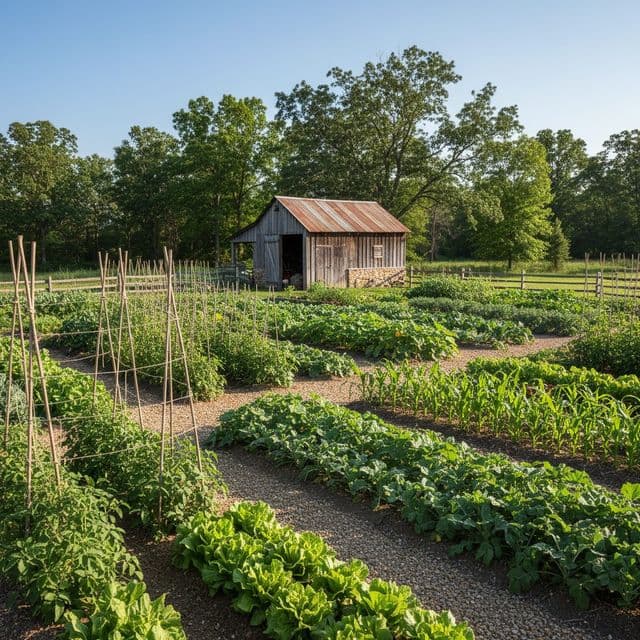
How to use USDA zones, frost dates, crop rotation, and succession planting to maintain consistent vegetable harvests across the growing season.
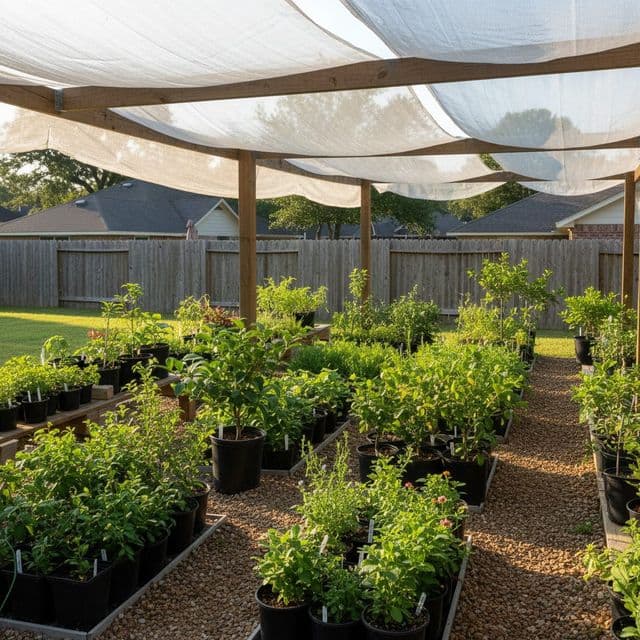
Learn how to start a profitable backyard plant nursery. This guide covers planning, propagation, and sales strategies to achieve 30%+ profit margins, especially in USDA Zone 6.
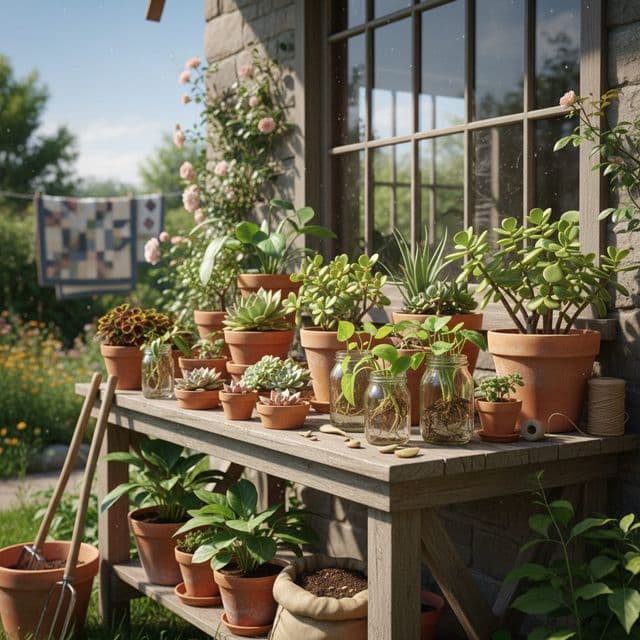
Houseplant and succulent propagation methods including stem cuttings, leaf propagation, division, and seed starting to expand an indoor plant collection.
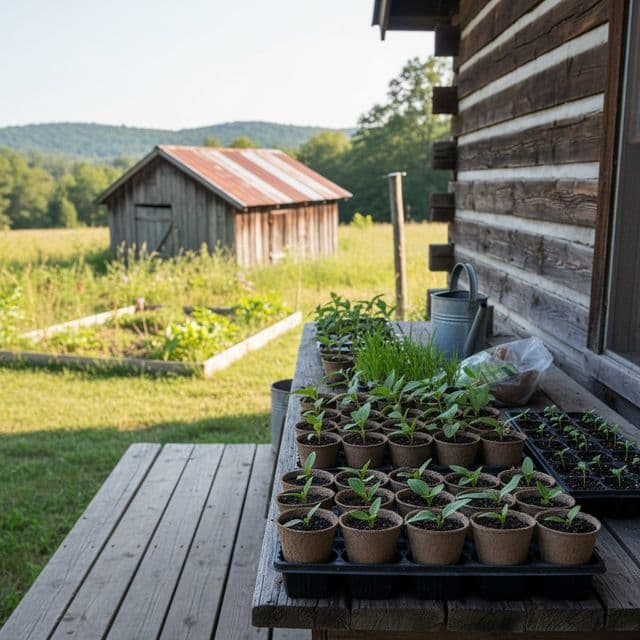
How to break seed dormancy using stratification and scarification for native US plants and fruit seeds to improve germination in USDA Zone 6 and beyond.
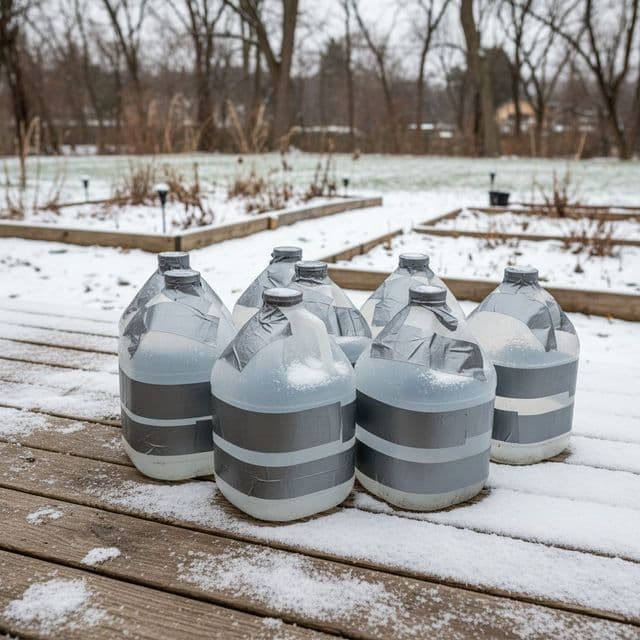
Master winter sowing to start seeds up to 8 weeks earlier in USDA Zone 6. Create mini-greenhouses from milk jugs for hardy seedlings, saving money on grow lights.
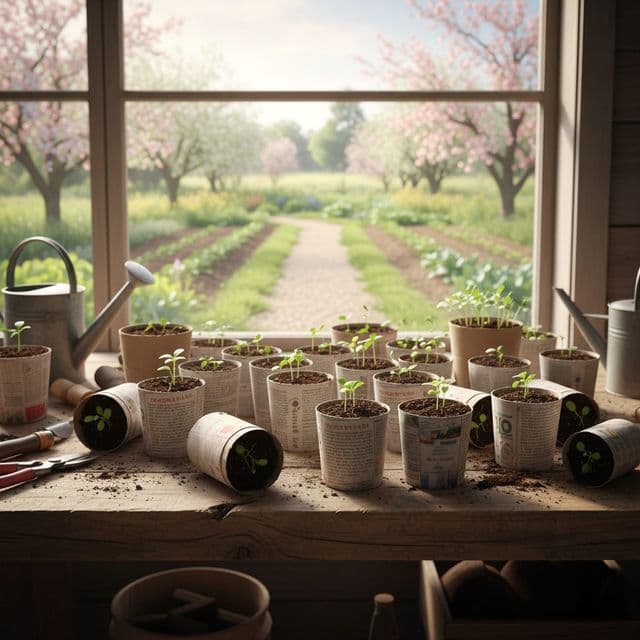
Making your own seed starting mix and pots costs under $10. DIY methods reduce costs, cut waste, and support seedling health in any USDA zone.
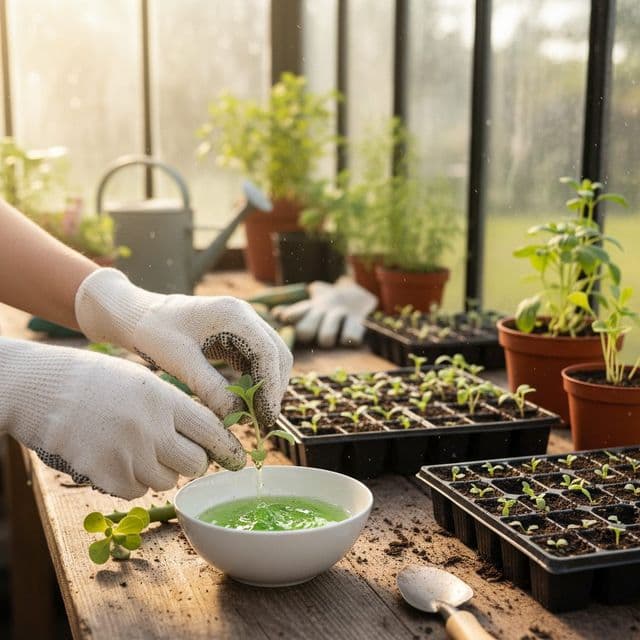
Natural rooting hormones like willow water, honey, and aloe vera can increase plant cutting success rates by 20-35%. Practical methods for effective propagation.
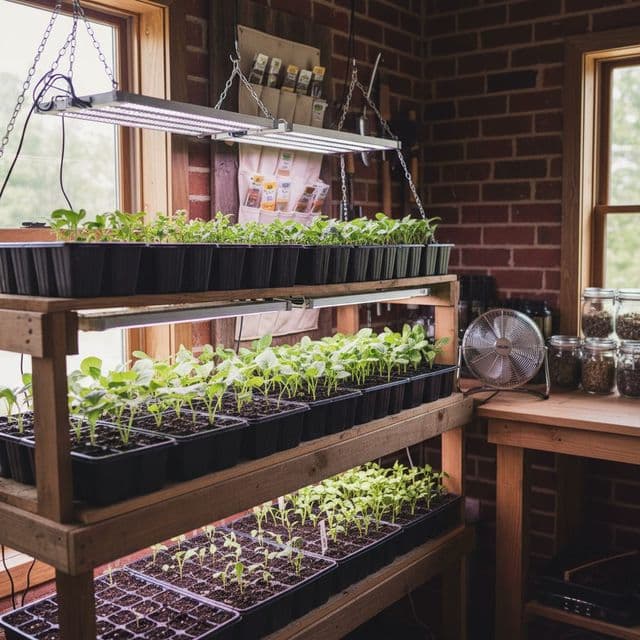
Learn how to prevent and cure damping-off in seedlings for a high success rate. Discover symptoms, sanitation tips, proper seed-starting mix, and environmental controls to protect your young plants.
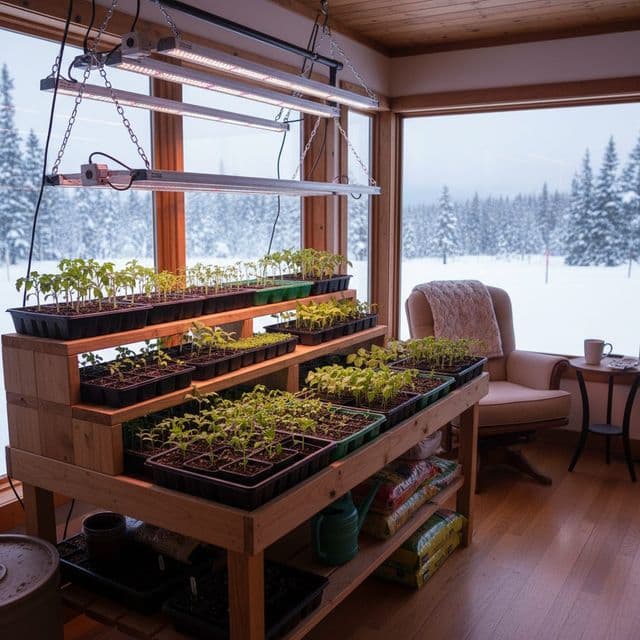
Master indoor seed starting to boost your garden’s yield by 20-30%. Learn timing, equipment, lighting, and care for healthy seedlings across all US USDA zones.
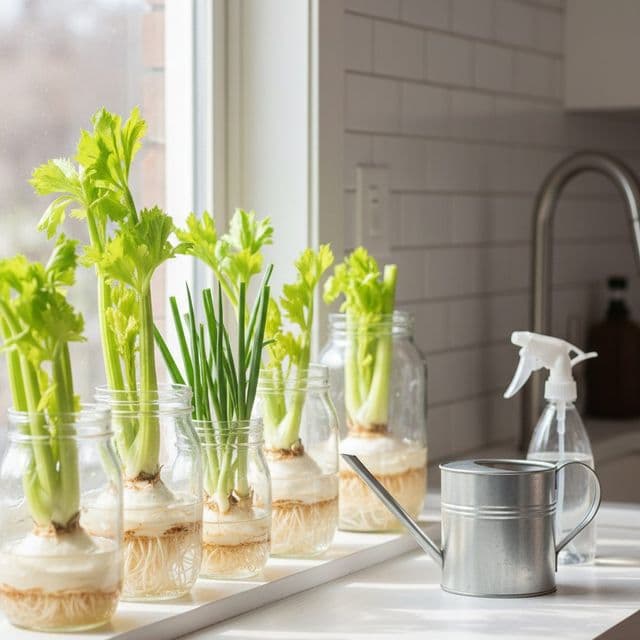
Learn how to regrow common vegetables and herbs from kitchen scraps. Reduce food waste by 30%, save money, and enjoy fresh produce with this simple homesteading guide.
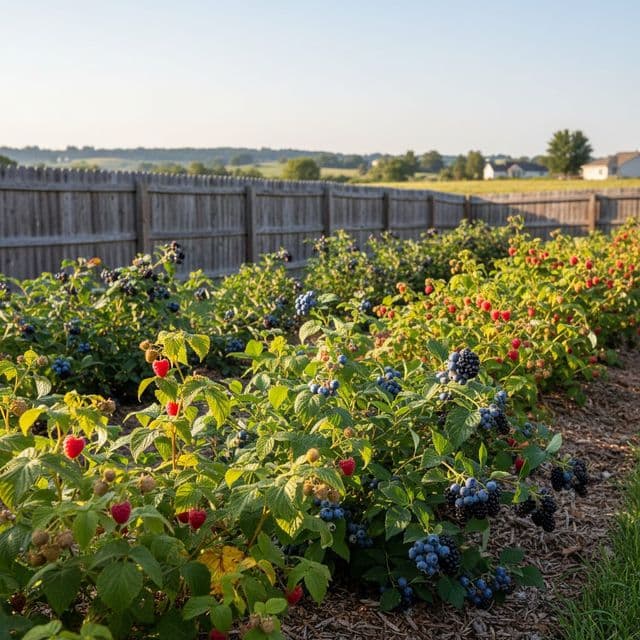
Learn to grow backyard berries like raspberries, blueberries, and brambles. This guide covers soil pH, pruning, and variety selection for successful harvests across US USDA zones.
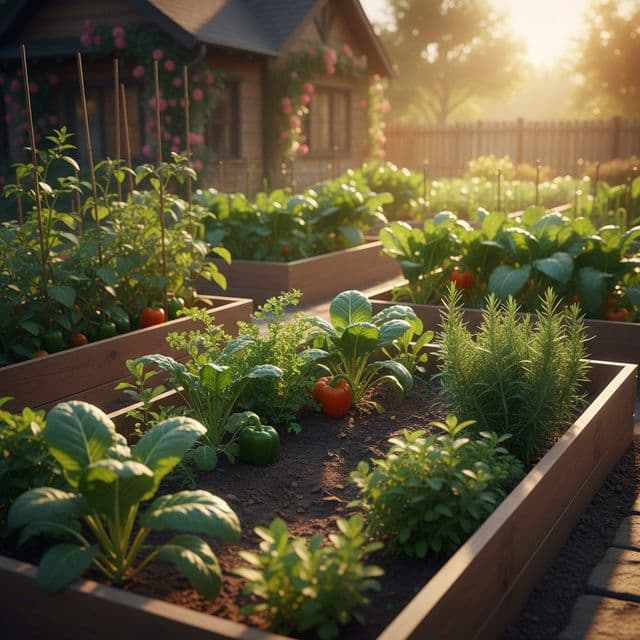
Master fruit tree pruning for pomegranates, figs, persimmons, and mulberries. Learn essential care to boost yields by 30% and maintain healthy trees in your home orchard.
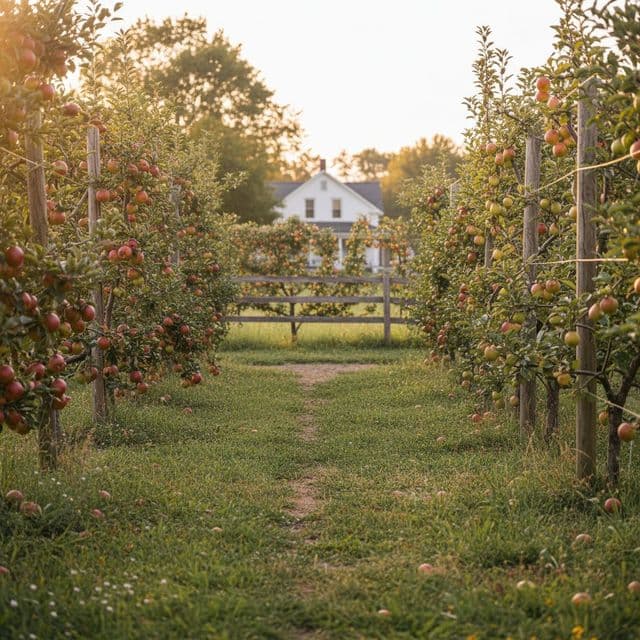
Maximize your small backyard orchard in USDA Zone 6! Learn high-density planting, espalier, and grafting to grow 10 fruit trees in just 500 sq ft for abundant harvests.
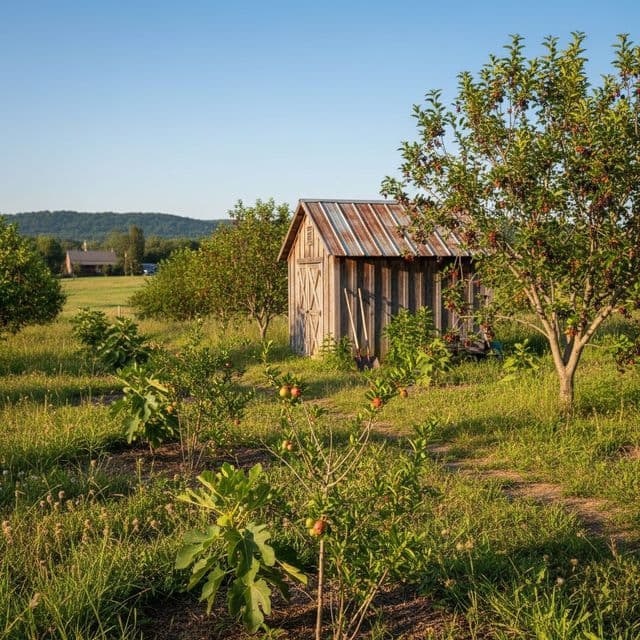
Learn to propagate fig, pomegranate, and mulberry trees from cuttings or air layering. Save up to 75% on orchard expansion costs and grow your own fruit trees in USDA zones 6-9.
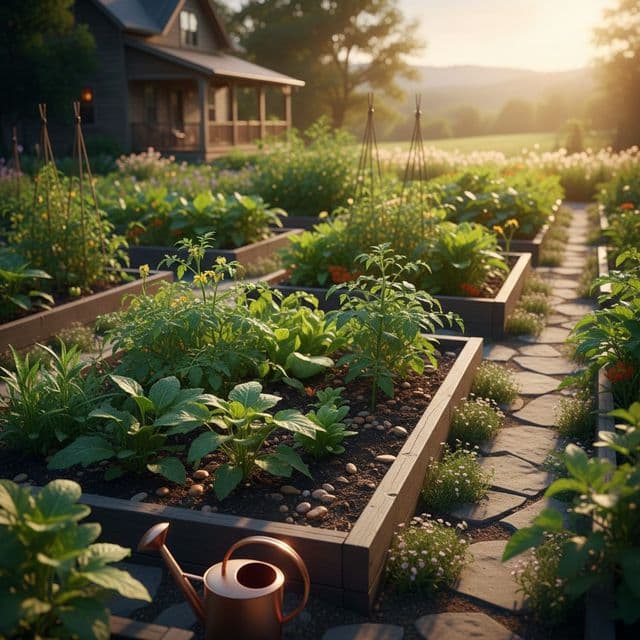
Learn organic pest control for apples in USDA zones 4-8. Manage codling moth, spotted-wing drosophila, and apple maggot with IPM, cultural practices, and traps for a healthy harvest.
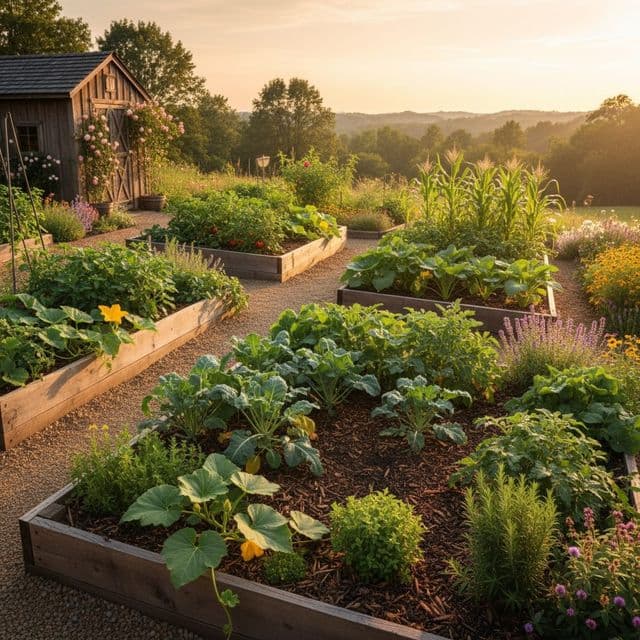
Diagnose common citrus tree problems like yellow leaves, fruit splitting, and premature drop in home orchards, identifying remedies for nutrient deficiencies, water stress, and insect pests.
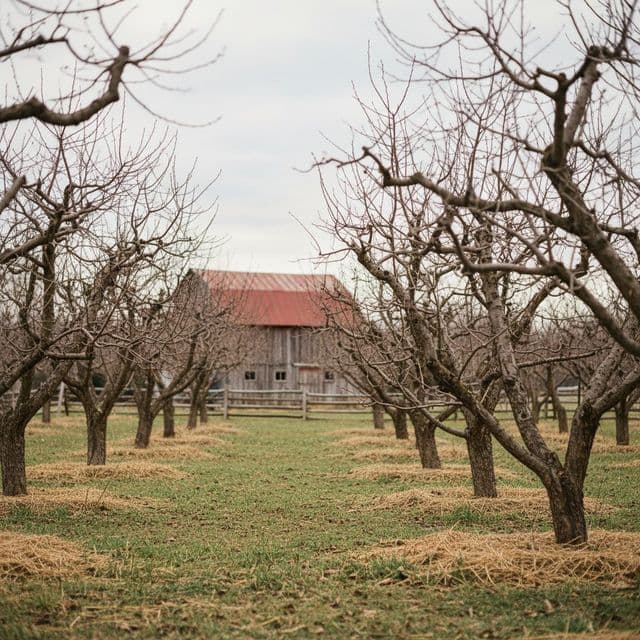
Master chill hours for fruit trees! Learn why cold temperatures are vital for stone and pome fruit in USDA zones 4-9. Select varieties for a thriving home orchard.
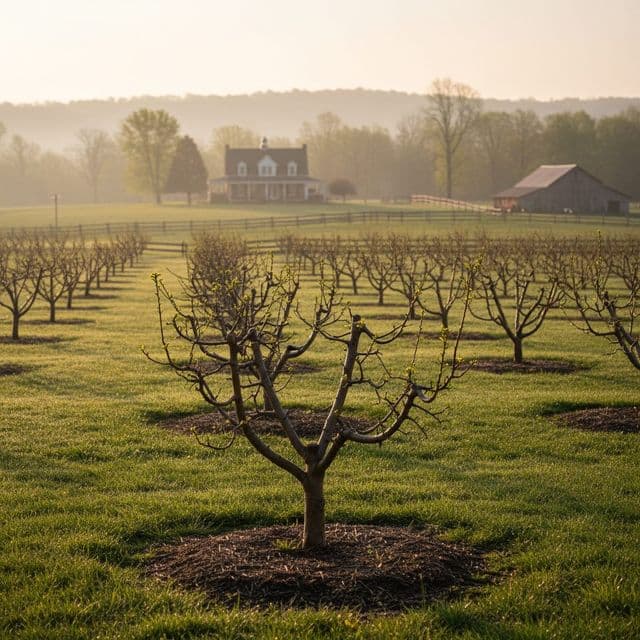
Learn formative pruning techniques for young fruit trees (years 1-3). Compare open-center vs. central-leader systems to build a strong, productive orchard in USDA zone 6.
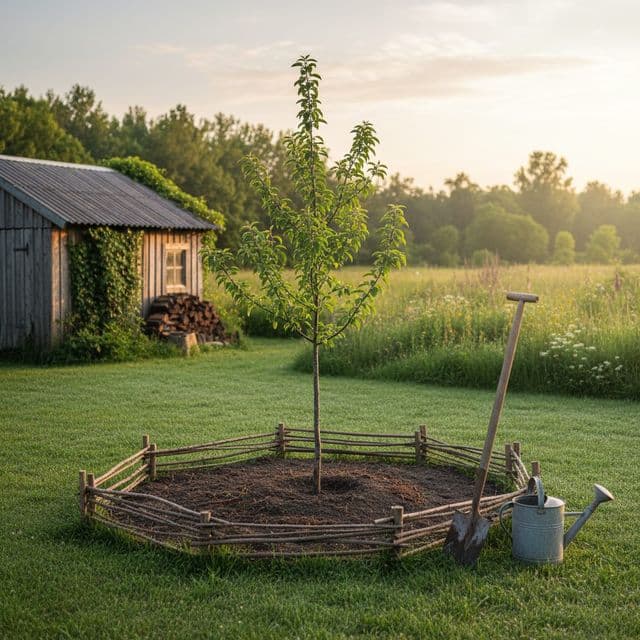
Master planting fruit trees in USDA Zone 6. Learn crucial site selection, soil preparation, correct planting depth, and first-year care for healthy, productive orchards that thrive for decades.
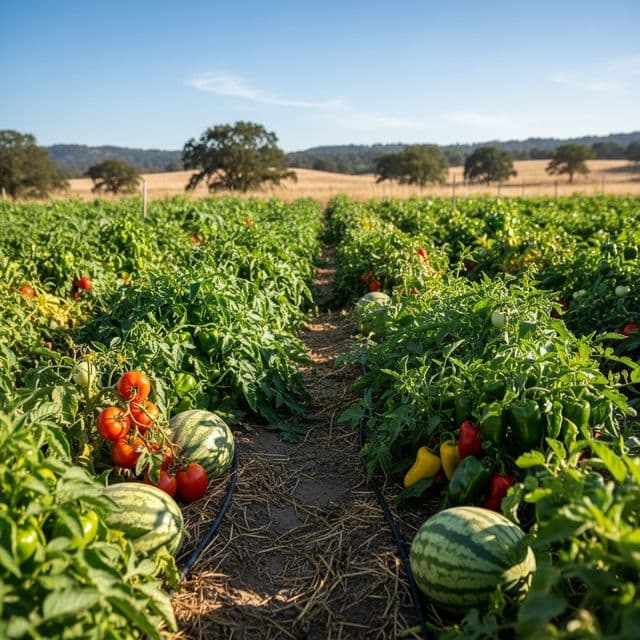
How to grow sweeter tomatoes, melons, and peppers in USDA Zone 7 through soil pH, water management, sunlight, and nutrient balance to boost Brix levels.
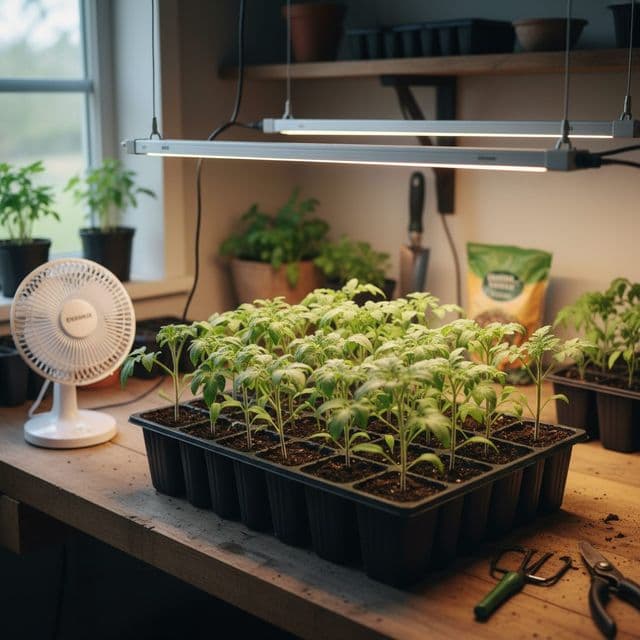
Learn to prevent damping-off and seedling failure in US spring starts for tomatoes and cucurbits. Master sanitation, moisture, and temperature for robust plant growth.