Key takeaways
- Tinctures typically last three to five years when stored correctly, often longer than dried herbs.
- Light, heat, and air exposure are the primary factors that degrade a tincture’s potency and shelf life.
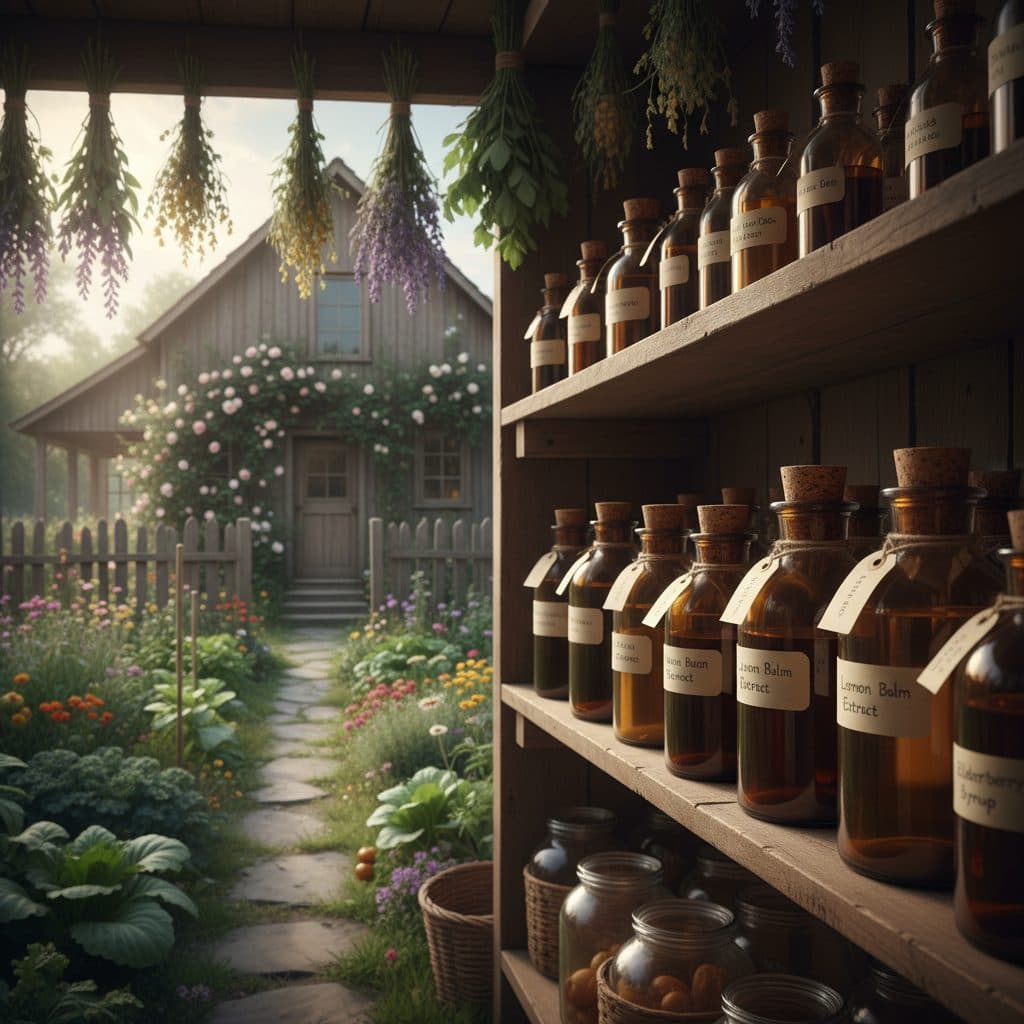
- Store tinctures in dark amber or cobalt blue glass bottles, sealed tightly, and kept in a cool, dark place like a pantry.
- Signs of spoilage include changes in color, a cloudy appearance, an off-smell, or the presence of mold or sediment.
- High alcohol content, generally 40% to 90% by volume, acts as a strong preservative for tinctures.
- Accurate labeling with creation date, ingredients, and alcohol percentage is crucial for managing your home apothecary.
Quick answer: Tinctures can last three to five years, or even up to 10 years, when stored correctly in dark glass bottles in a cool, dark place, protected from light, heat, and air.
In the humid climate of central Florida, where temperatures can reach 90°F for weeks on end, preserving the potency of homegrown herbal remedies is a constant consideration. Many of us in USDA zone 9 and similar regions dedicate significant effort to cultivating medicinal plants like lemon balm and echinacea, aiming to capture their beneficial compounds for future use. Tinctures, alcohol-based herbal extracts, offer a convenient and concentrated way to do this, but their effectiveness hinges on proper storage and an understanding of their shelf life.
A well-prepared and correctly stored tincture can maintain its therapeutic value for several years, often exceeding three to five years, which is a significant advantage over dried herbs that might lose potency within 12 months. This extended longevity means the effort you put into growing and harvesting the plants pays back over several seasons rather than one. Knowing how to store these extracts and recognize when they have gone off keeps your herbal preparations safe and effective.
Understanding tincture shelf life
The shelf life of a tincture refers to the period during which it retains its intended potency and safety for consumption. For most alcohol-based tinctures, this period typically ranges from three to five years, though some can last up to 10 years or more under ideal conditions. This longevity is primarily due to the alcohol content, which acts as a powerful preservative, inhibiting microbial growth and slowing down the degradation of active plant compounds. For instance, a tincture made with 80-proof vodka contains 40% alcohol by volume, a concentration often sufficient for preservation.
Factors influencing longevity
Several factors play a critical role in how long your homemade tinctures remain viable. The type of plant material used is one significant element; some herbs, like those rich in volatile oils, may degrade faster than others. The initial quality of the plant material, whether it’s freshly harvested from a 20-square-foot garden bed or dried, also impacts the final product’s stability. Furthermore, the extraction method and the concentration of the finished tincture—for example, a 1:5 ratio versus a 1:10 ratio—can affect its overall stability. Understanding these variables helps set realistic expectations for your apothecary’s inventory.
- Alcohol concentration, typically 40% to 90% by volume.
- Type and stability of the specific herb used.
- Initial quality and freshness of the plant material.
- Extraction ratio and processing techniques.
- Storage conditions, including temperature and light exposure.
The enemies of potency: light, heat, and air
Just like many other stored goods, tinctures are vulnerable to environmental factors that can accelerate their degradation. Direct sunlight, for example, contains ultraviolet (UV) radiation that can break down the delicate chemical compounds in your herbal extracts. Storing a tincture on a windowsill, even for a few weeks, measurably reduces its potency. This is why dark glass bottles are preferred, as they block 90% or more of harmful light wavelengths.
How environmental factors degrade tinctures
Heat is another major enemy. High temperatures, consistently above 75°F, can cause volatile compounds to evaporate and other constituents to break down more rapidly. Think of it like leaving food out on a hot day; while alcohol offers some protection, it doesn’t make tinctures immune to thermal degradation. Similarly, exposure to air, specifically oxygen, can lead to oxidation, a chemical process that alters or destroys active compounds. Each time a bottle is opened, a small amount of oxygen is introduced, which is why minimizing air space in the bottle and ensuring a tight seal are important. A bottle that is half-empty and frequently opened loses potency faster than a full, unopened one.
- Ultraviolet light exposure breaks down active compounds.
- High temperatures accelerate chemical reactions and evaporation.
- Oxygen causes oxidation, altering therapeutic constituents.
- Frequent opening introduces more air, increasing degradation.
- Clear glass bottles offer minimal protection against light.
Proper storage techniques for maximum longevity
To ensure your tinctures remain potent for their full expected lifespan of three to five years, implementing proper storage techniques is non-negotiable. The choice of container is paramount. Dark amber or cobalt blue glass bottles are ideal because they effectively block a significant portion of harmful UV light, often filtering out 90% or more of damaging wavelengths. Plastic bottles, while convenient, are generally not recommended due to potential leaching of chemicals and their permeability to oxygen over time. Always opt for bottles with tight-fitting caps, preferably dropper tops with a secure seal, to minimize air exposure.
Ideal storage environments
The location where you store your tinctures is just as crucial as the container. A cool, dark pantry or a cabinet away from heat sources, like stoves, radiators, or direct sunlight, is the best choice. Aim for a consistent temperature range between 50°F and 70°F. Large swings in temperature accelerate degradation. For those in warmer climates, like parts of Texas or Arizona, an interior closet or a basement might offer the most stable conditions. Proper labeling is also vital; clearly mark each bottle with the herb name, alcohol percentage, and the date it was made. This practice helps you track inventory and ensures you use older preparations first, typically within 60 months of creation. If you’re just getting started with your own herbal preparations, consider reviewing resources on starting a herb garden to ensure you have quality ingredients from the ground up.
- Use dark amber or cobalt blue glass bottles.
- Ensure bottles have tight-fitting, secure caps.
- Store in a cool, dark place, away from direct light.
- Maintain a consistent temperature, ideally 50°F to 70°F.
- Label each bottle clearly with contents and creation date.
Identifying a compromised tincture
Even with the best storage practices, tinctures can eventually go off. Recognizing the signs of spoilage is crucial for safety and efficacy. The first indicator is often a change in appearance. A clear tincture might become cloudy or murky, or you might notice a significant change in its original color, perhaps shifting from a vibrant green to a dull brown over 24 months. Sediment at the bottom of the bottle, beyond what is typical for the herb, can also be a red flag. While some herbs naturally produce fine sediment, a sudden increase or a fluffy, web-like growth suggests microbial contamination.
Visual, olfactory, and taste cues
Beyond visual cues, your nose and taste buds are excellent tools for detecting spoilage. A fresh tincture should have a distinct, often strong, herbal aroma characteristic of the plant it was made from, along with the scent of alcohol. If the tincture develops an off-smell, sour, musty, or unusually pungent, it’s likely compromised. Smell is the safer confirmation: do not taste a tincture you already suspect is contaminated. If it looks wrong or smells sour, musty or putrid, discard it. For instance, a Salvia officinalis (garden sage) tincture should keep its characteristic earthy, slightly peppery aroma across its storage life; a sour or musty smell means the batch is no longer sound.
- Cloudiness or murkiness in a previously clear liquid.
- Significant color changes, such as browning or dullness.
- Unusual or excessive sediment at the bottom of the bottle.
- Presence of mold, often appearing as fuzzy or web-like growth.
- An ‘off’ smell: sour, musty, or putrid.
Extending your tincture’s life: best practices from garden to bottle
Maximizing the shelf life of your tinctures begins long before they reach the storage cabinet. It starts with the quality of your raw materials. Using fresh herbs harvested at their peak potency, perhaps from a well-maintained garden in USDA zone 7, provides a stronger foundation for your extract. For example, fresh Salvia officinalis leaves, harvested in the morning after the dew has dried, will yield a stronger tincture than wilted or old material. The alcohol percentage is another critical factor; generally, a higher alcohol content, such as 80-proof (40% alcohol) or even 190-proof grain alcohol (95% alcohol), offers superior preservation. While 40% alcohol is sufficient for many herbs, those with high water content or delicate constituents may benefit from 60% to 75% alcohol to prevent spoilage over 36 months.
Preparation and filtering for longevity
During preparation, thorough filtering of the plant material is essential. Small particles left in the tincture can become sites for microbial growth, even in high alcohol. Use fine mesh strainers and coffee filters to remove as much particulate matter as possible, often requiring two or three passes. After initial extraction, allowing the tincture to settle for a few days and then carefully decanting it can further remove sediment, which improves clarity and stability. Finally, ensuring your bottles are sterilized before use—by boiling them for 10 minutes or running them through a hot dishwasher cycle—eliminates any pre-existing microbes. By adhering to these practices, you can confidently expect your tinctures to maintain their quality for at least 36 to 60 months, providing a reliable home remedy for years to come.
- Harvest fresh, high-quality herbs at peak potency.
- Use appropriate alcohol percentage, often 40% to 95%.
- Thoroughly filter plant material to remove all particulates.
- Sterilize all bottles and equipment before use.
- Label tinctures clearly with date, ingredients, and alcohol content.
Shelf Life Comparison: Tinctures vs. Other Herbal Preparations
Preparation Type | Typical Shelf Life | Primary Preservation Method |
|---|---|---|
Tincture (Alcohol-based) | 3 to 5 years (up to 10) | High alcohol content (40-95%) |
Dried Herbs | 6 to 12 months | Absence of moisture |
Herbal Teas (Infusions) | 1 to 2 days (refrigerated) | Refrigeration, short-term |
Herbal Oils (Infused) | 1 to 2 years | Oil base, often with antioxidants |
Glycerites (Glycerin-based) | 1 to 3 years | High glycerin content (60-80%) |
Alcohol Content: Tinctures made with 40% to 90% alcohol by volume typically last three to five years, significantly longer than most other herbal preparations.
Temperature Stability: Maintaining a consistent storage temperature between 50°F and 70°F helps a tincture hold its potency for its full expected life.
Light Protection: Dark amber glass bottles block over 90% of harmful UV light, preserving tincture potency for up to 60 months.
Frequently asked questions
How long do tinctures typically last?
Most alcohol-based tinctures, when stored correctly in dark glass bottles and a cool, dark place, typically last for three to five years. Some well-prepared tinctures with high alcohol content can even remain potent for up to 10 years.
What is the best way to store tinctures?
The best way to store tinctures is in dark amber or cobalt blue glass bottles with tight-fitting caps. Keep them in a cool, dark place, such as a pantry or cabinet, where temperatures remain consistently between 50°F and 70°F, away from direct sunlight and heat sources.
What are the signs that a tincture has gone bad?
Signs of a spoiled tincture include changes in appearance, such as becoming cloudy, murky, or significantly changing color (e.g., from green to brown). An off-smell, like a sour or musty odor, or an unusual taste are also strong indicators. You might also see mold growth or excessive, unusual sediment at the bottom of the bottle after 36 months.
Does alcohol content affect tincture shelf life?
Yes, alcohol content significantly affects tincture shelf life. Higher alcohol concentrations, typically between 40% and 90% by volume, act as a stronger preservative, inhibiting microbial growth and extending the tincture’s viability for up to 60 months or more compared to lower alcohol preparations.
Can I still use a tincture if it’s past its expiration date?
While a tincture is not usually harmful immediately after its estimated expiration date, it will have lost potency. It’s generally best to discard tinctures that show clear signs of spoilage or are significantly past their five-year mark to ensure effectiveness and safety.
How does light affect tincture potency?
Light, especially ultraviolet (UV) radiation, can degrade the active chemical compounds in tinctures, reducing their potency. Storing tinctures in clear glass bottles exposed to light degrades them noticeably faster than dark-bottled, properly stored preparations.
References
- Storage and shelf-life of drugs: when is it important? (1977). Storage and shelf-life of drugs: when is it important?.
- Accelerated storage (2010). Accelerated storage.
- USDA Natural Resources Conservation Service (2024). USDA Natural Resources Conservation Service.