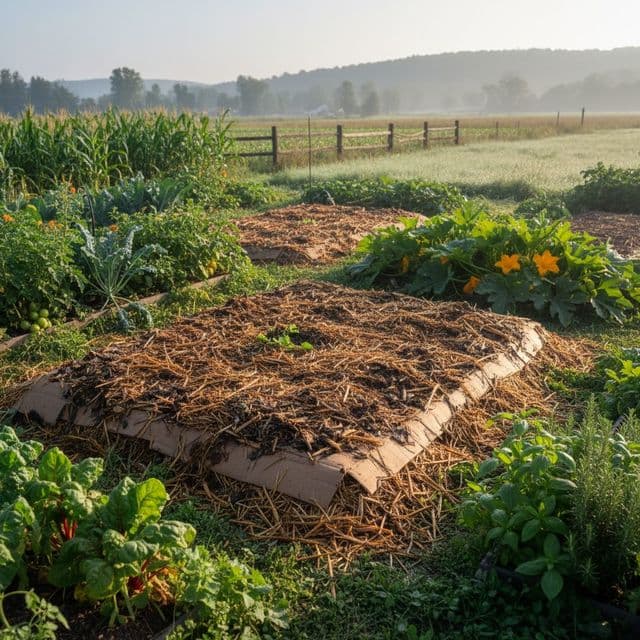
Sheet mulching with cardboard: boost soil & suppress weeds
How sheet mulching with cardboard improves garden beds: suppress weeds, build organic matter, and improve soil structure for healthier plants.
Tag
366 articles in this tag on agripure. — page 8 of 16
How sheet mulching with cardboard improves garden beds: suppress weeds, build organic matter, and improve soil structure for healthier plants.
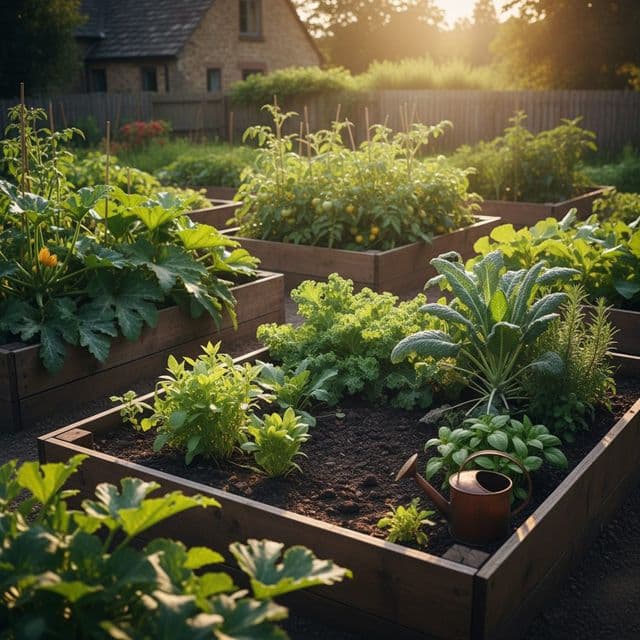
Discover effective low-tech solutions for a healthier garden. Learn how a nighttime pest patrol can control slugs, snails, and cutworms in USDA Zone 6 with simple methods like hand-picking and beer…
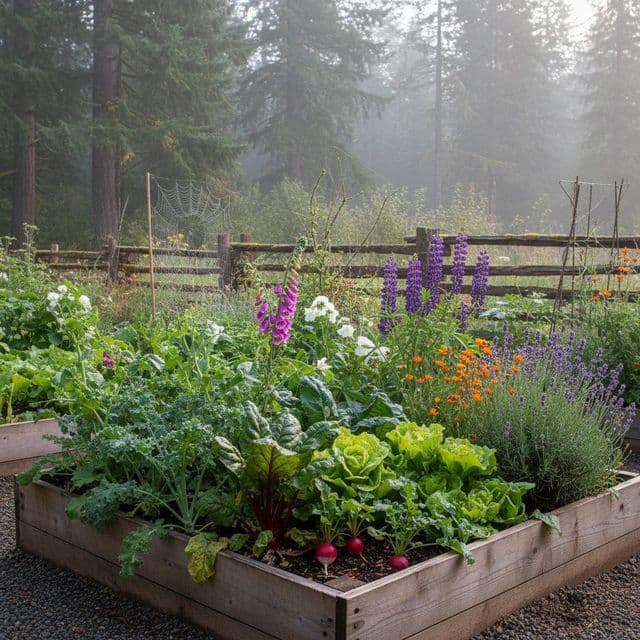
Combat slugs and snails in the Pacific Northwest. Learn effective, organic slug and snail control methods, including iron-phosphate baits, copper barriers, and cultural practices for 80%+ reduction.
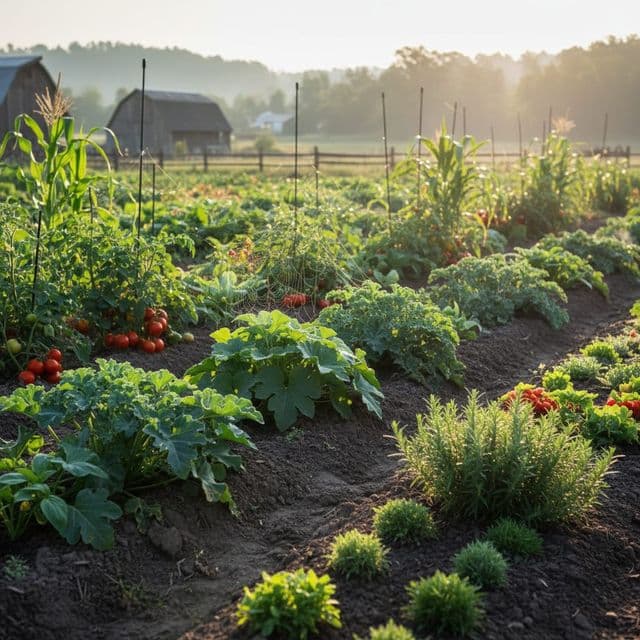
Learn to identify fungal, bacterial, and viral plant diseases in your garden. Proper plant disease identification prevents crop loss and saves money. Essential for organic growers.
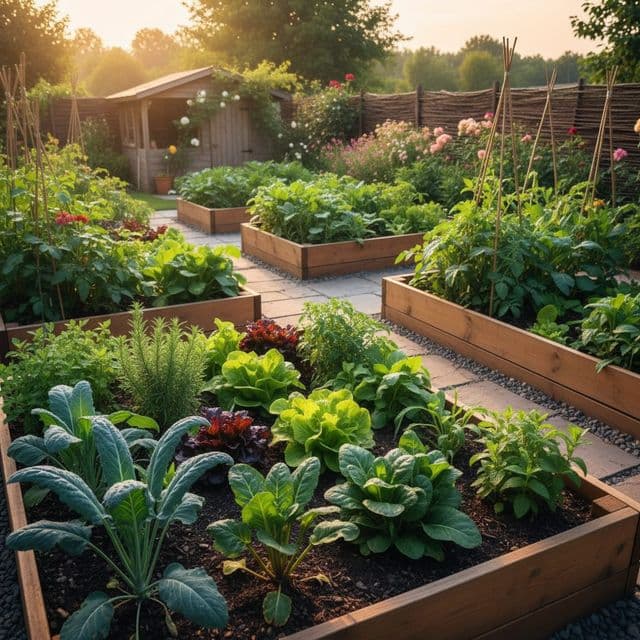
Effectively manage flea beetles on brassicas and eggplant in USDA Zone 6. Learn organic flea beetle control strategies like row covers, trap crops, and crop rotation for healthy yields.
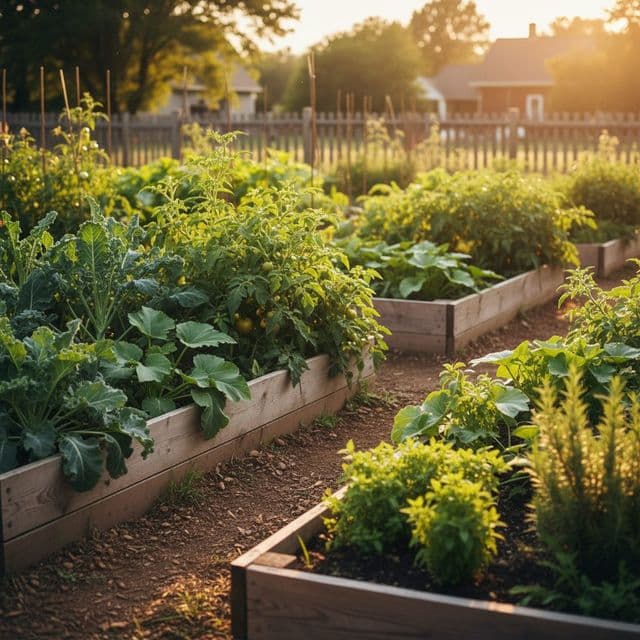
Learn effective organic strategies for Colorado potato beetle control in USDA Zone 5. Discover hand-picking, crop rotation, neem oil, and beneficial insects to reduce crop damage.
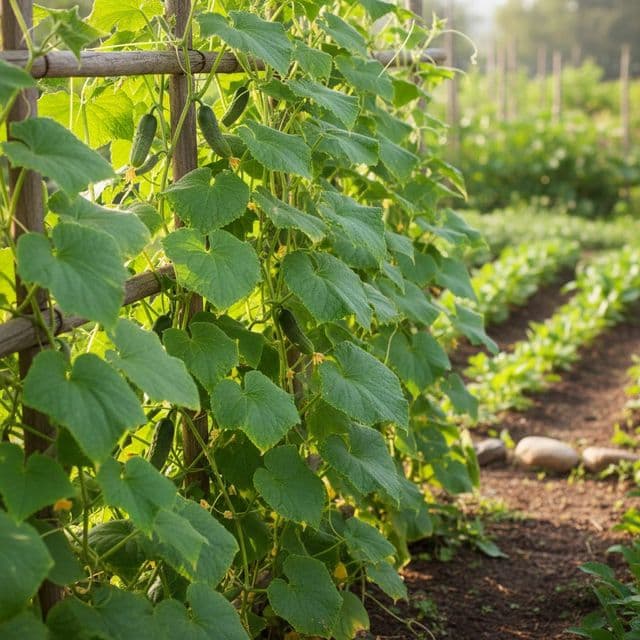
Learn organic strategies to prevent bacterial wilt in cucumbers by managing cucumber beetles. Discover IPM techniques, cultural practices, and organic controls for healthy cucurbit crops.
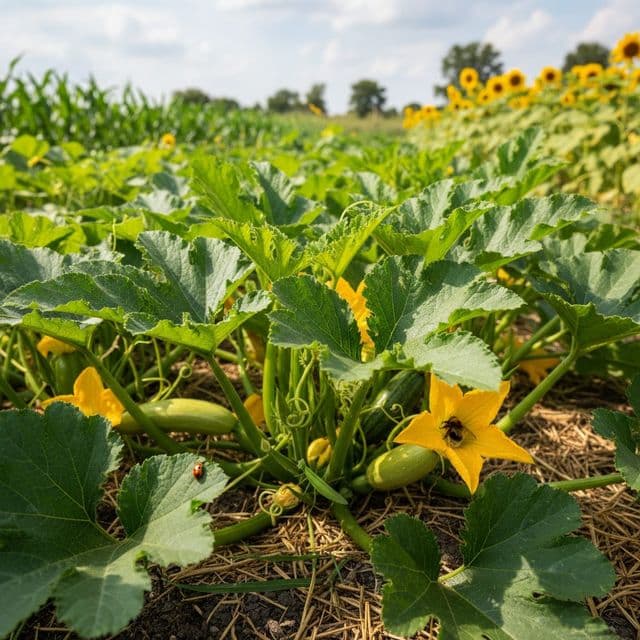
Learn organic squash pest control for squash bugs and borers in the Midwest & Southeast. Protect cucurbit yields with IPM strategies, trap crops, and timely interventions.
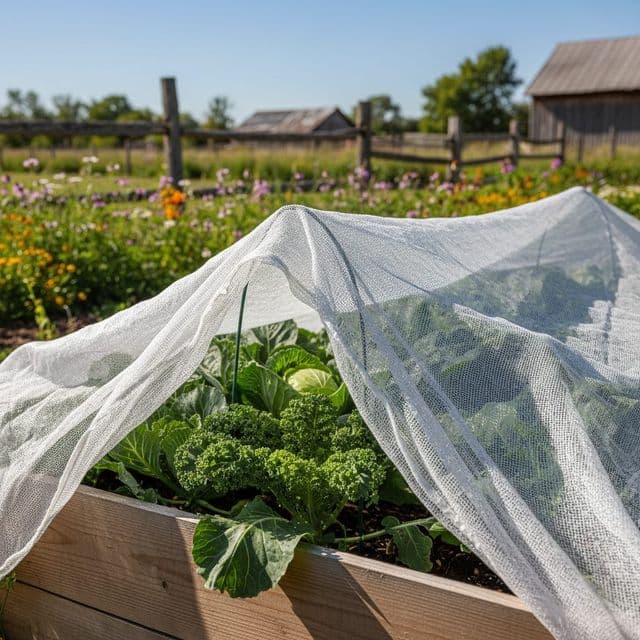
Protect your brassicas from cabbage worms & loopers. Learn organic IPM strategies: Bt, row covers, and sanitation. Reduce damage by 80% for a healthier harvest.
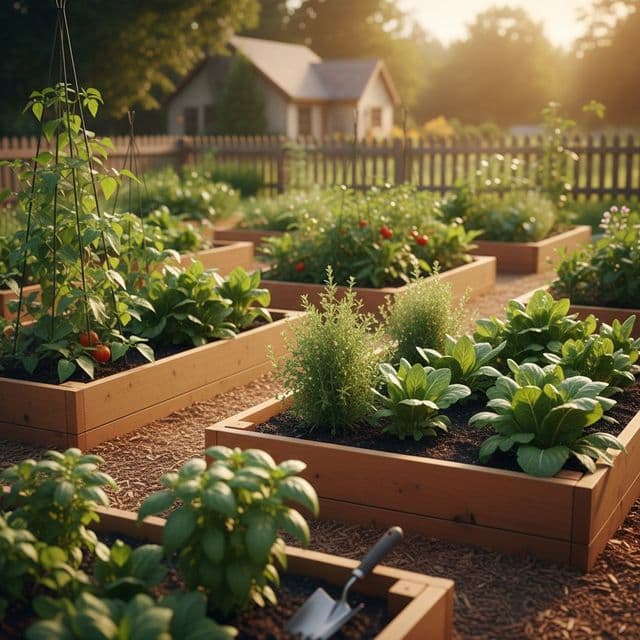
Effectively manage tomato and tobacco hornworms in your US garden. Learn about hand-picking, Bacillus thuringiensis (Bt), and parasitic wasps for sustainable pest control, reducing damage by over 90%.
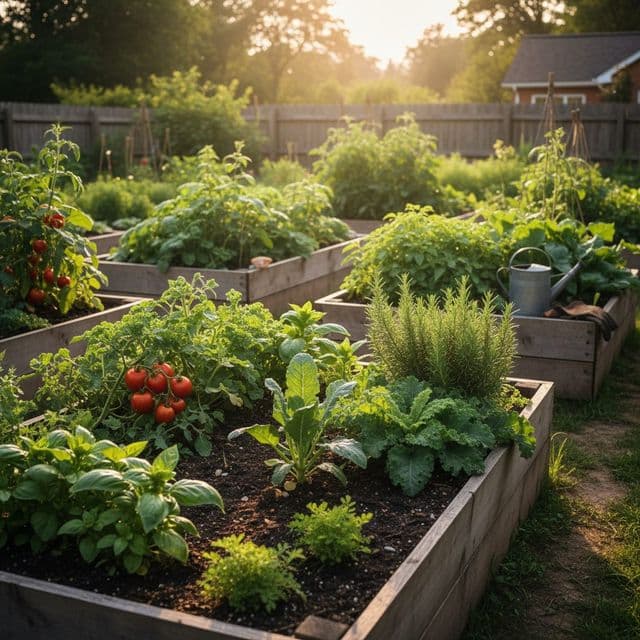
Learn organic pest control for peppers using reflective mulches, water blasts, and sticky traps. Reduce aphids, whiteflies, and thrips to boost yields in USDA Zone 8.
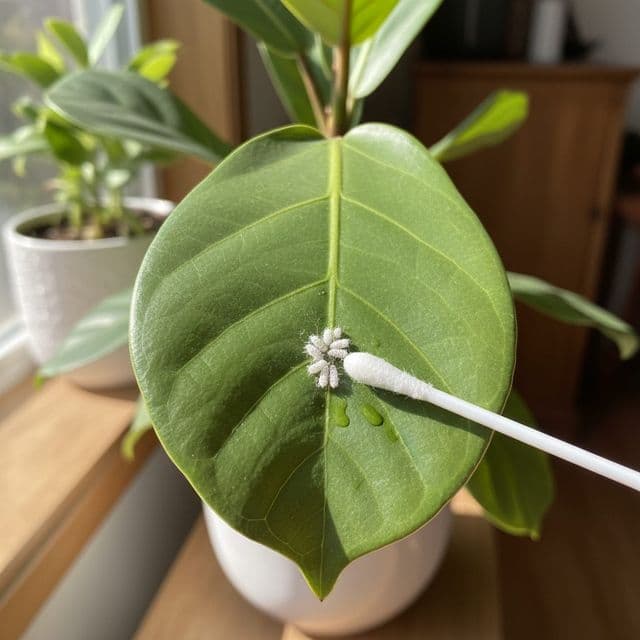
Learn effective mealybug control for citrus and houseplants using rubbing alcohol and horticultural oils. This guide covers application, precautions, and tips for USDA zone 8.
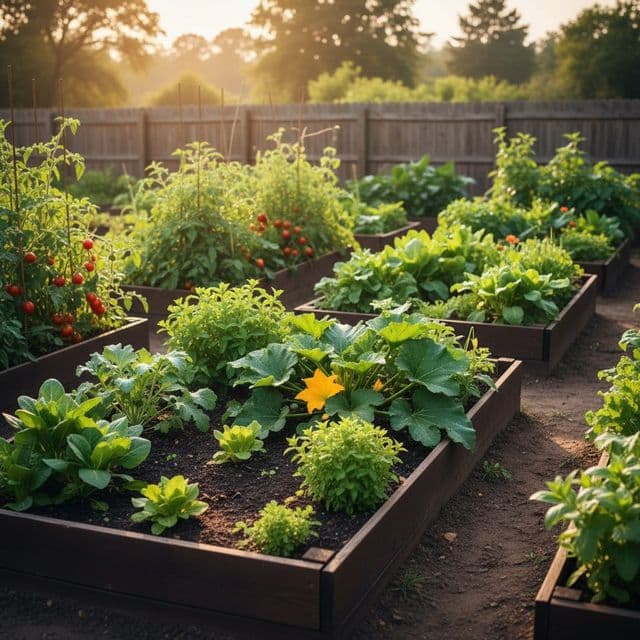
Combat spider mites in hot, dry climates with organic IPM strategies. Learn early detection, natural predators, and preventative measures for effective spider mite control in USDA zones 7-10.
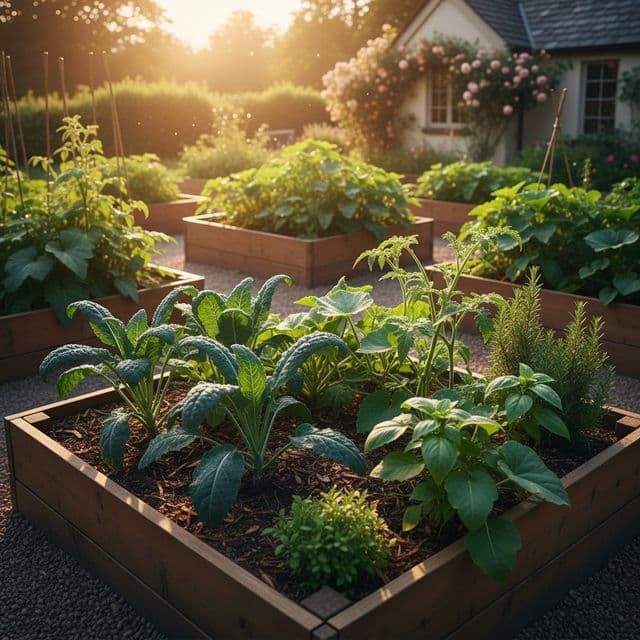
Master organic whitefly control in your greenhouse or garden. Learn effective strategies: early detection, beneficial insects, botanical sprays, and cultural practices to reduce infestations by ove…

Master organic aphid control for tomatoes, peppers, kale, and roses. Learn prevention, beneficial insects, and safe treatments to protect your garden from these common pests.
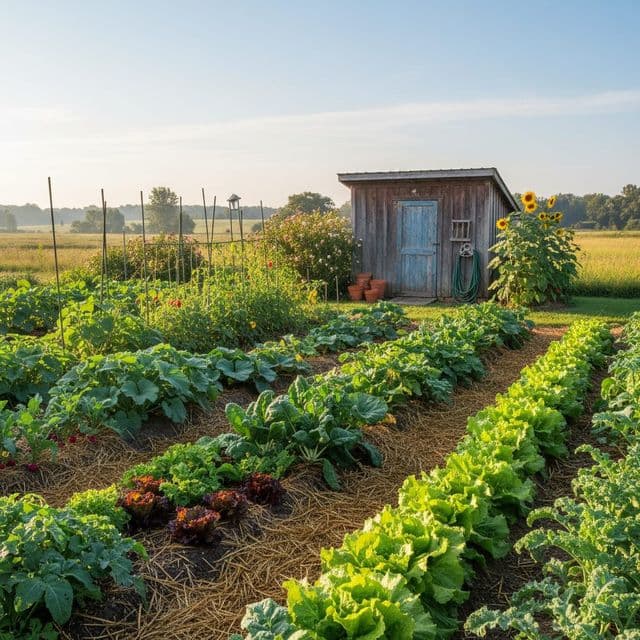
How to use neem and horticultural oils for pest control, covering mode of action, application timing, and plant safety across garden beds.
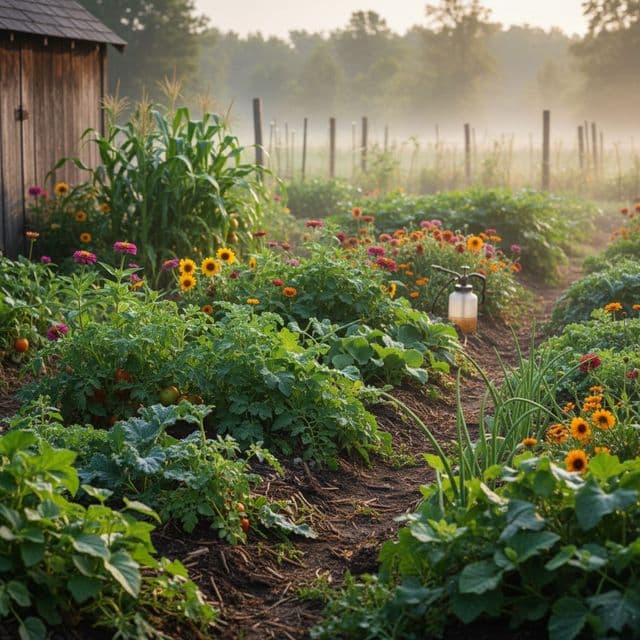
Learn to use insecticidal soap effectively for aphid control on roses and other plants. Discover proper dilution, application, and how it works to protect your garden organically.
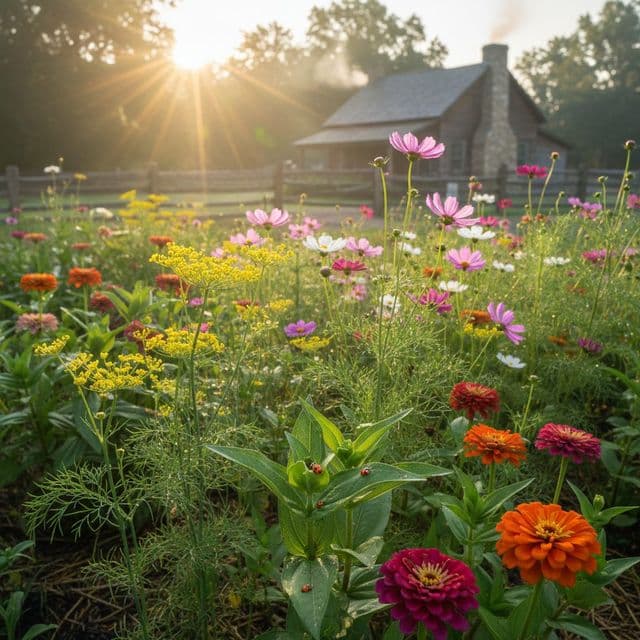
Learn how to attract beneficial insects by USDA zone to naturally control pests. This guide details timing plantings of insectary crops like dill & cilantro for effective, sustainable pest management.
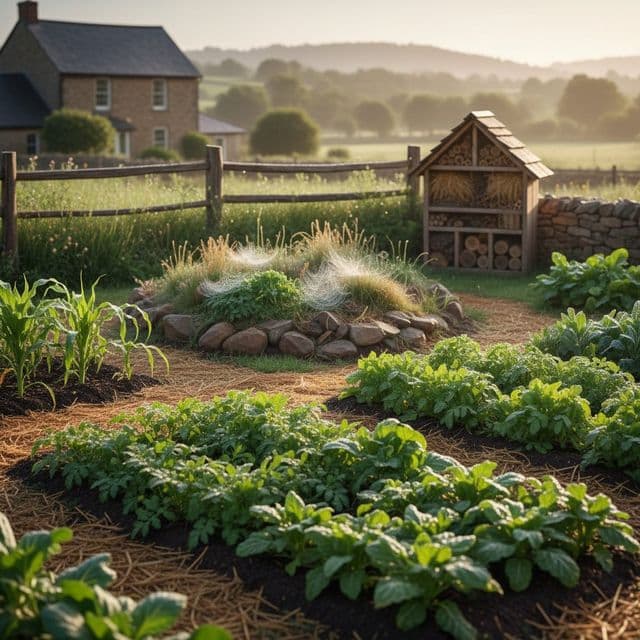
Learn how to attract beneficial insects to your USDA Zone 6 homestead using beetle banks & bug hotels. Reduce pest pressure by 30% & cut pesticide use by 50%.
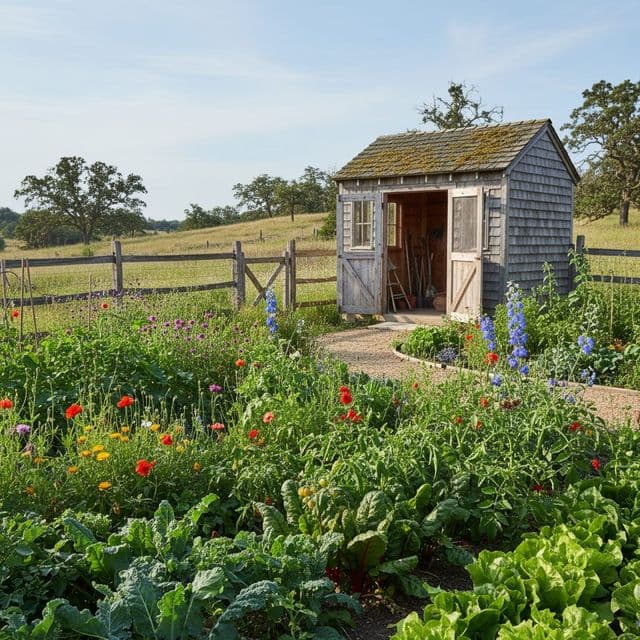
Learn how to effectively use beneficial insects for pest control in USDA Zone 6. Discover why habitat is essential for retaining ladybugs, lacewings, and mites long-term.
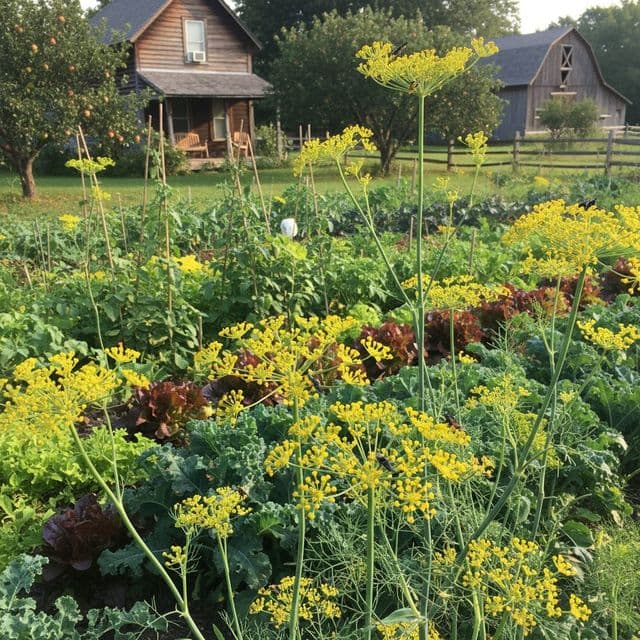
Learn how to attract native predatory wasps to your US garden. Discover their role in organic pest control, what plants to grow, and how to create habitats to reduce pest pressure naturally.
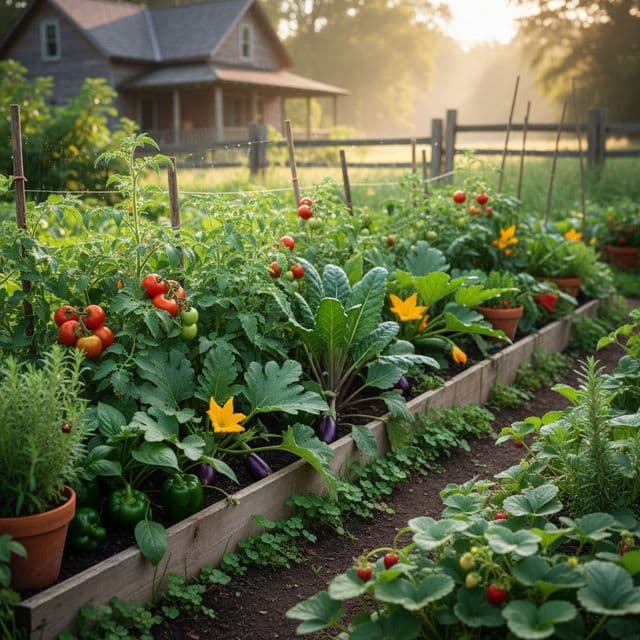
Learn to identify beneficial insect larvae like ladybugs, lacewings, and hoverflies. Protect these natural predators to reduce garden pests, save crops, and minimize pesticide use in your homestead.
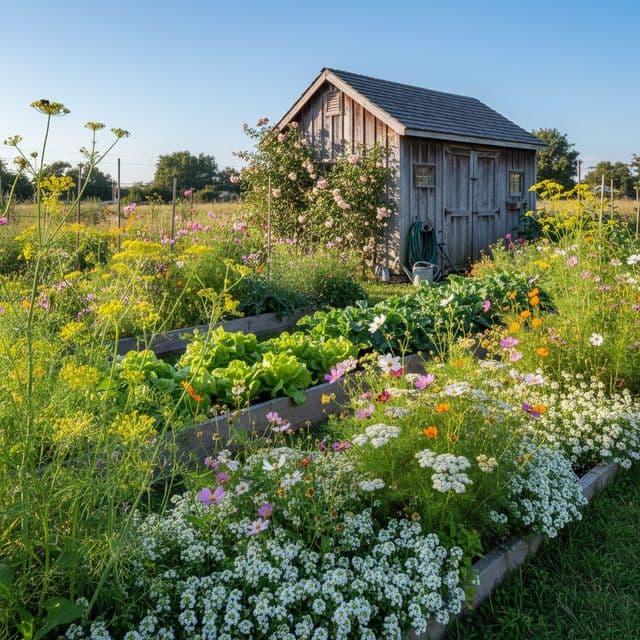
Insectary plants like alyssum, dill, and fennel attract beneficial insects and can reduce garden pests by up to 30%. Strategic placement provides natural pest control.
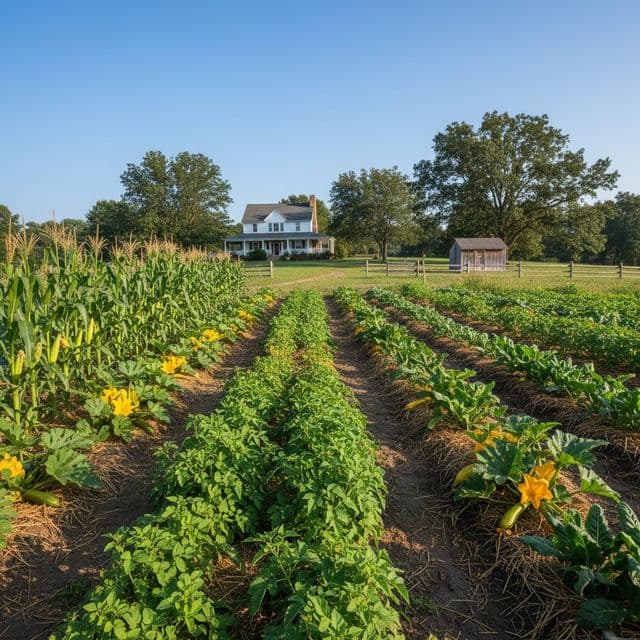
Understand US organic pesticide labels, OMRI certification, and IPM principles for effective pest control. Learn how to choose safe products and boost beneficial insects on your farm or garden.