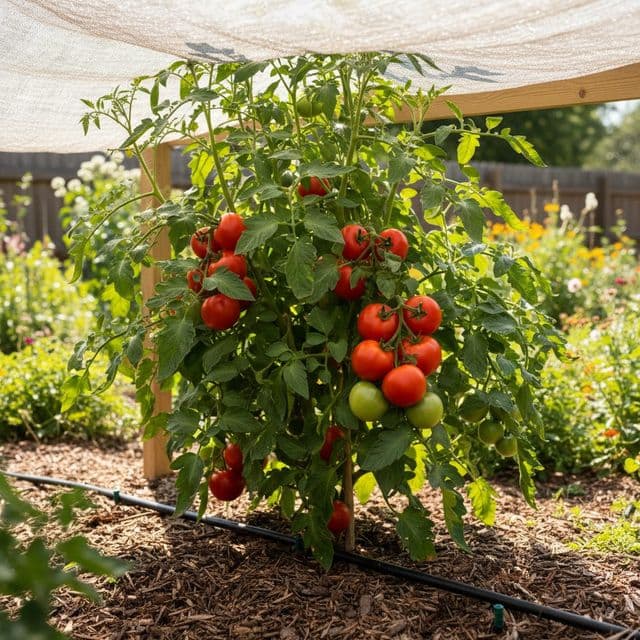
Protecting tomatoes & cucurbits from heatwave blossom drop
How to protect tomato and cucurbit blossoms from heatwave stress in USDA zone 7, covering morning watering, shade cloth, and nutrient management.
Tag
366 articles in this tag on agripure. — page 7 of 16
How to protect tomato and cucurbit blossoms from heatwave stress in USDA zone 7, covering morning watering, shade cloth, and nutrient management.
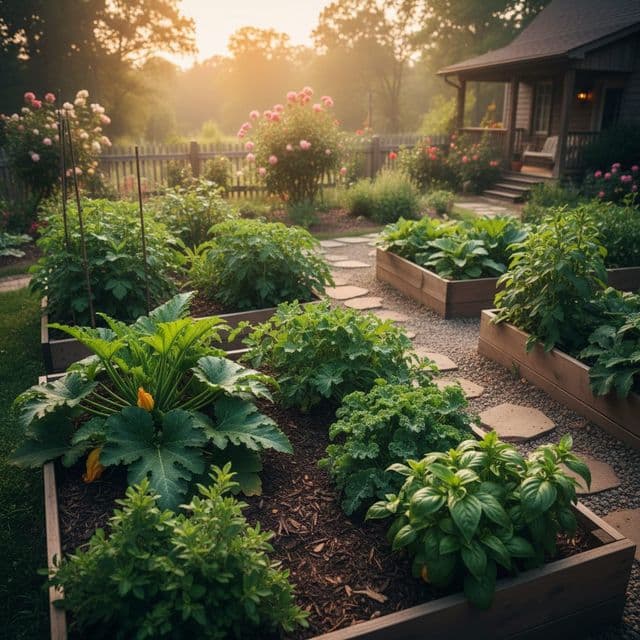
High humidity in the US Southeast causes pollen to clump, reducing yields in tomatoes and cucurbits. Learn why pollen fails to release and how to improve fruit set.
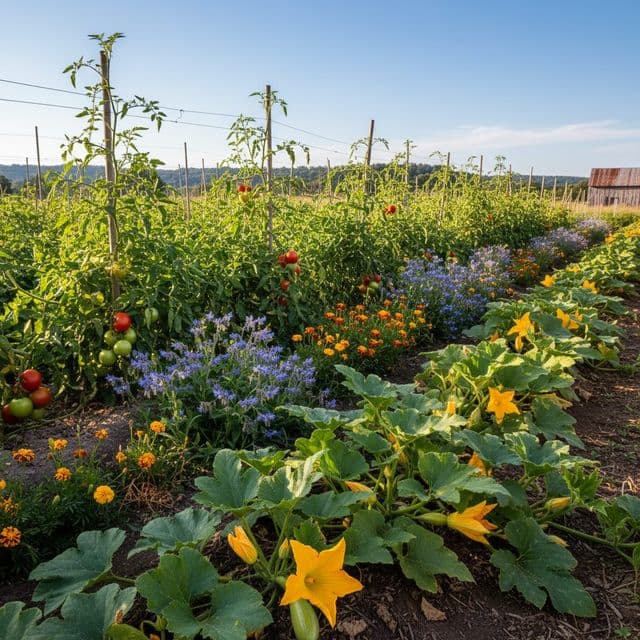
Learn how strategic companion planting boosts tomato fruit set and overall yields in US growing regions. Attract beneficial pollinators with specific flowers for a healthier, more abundant harvest.
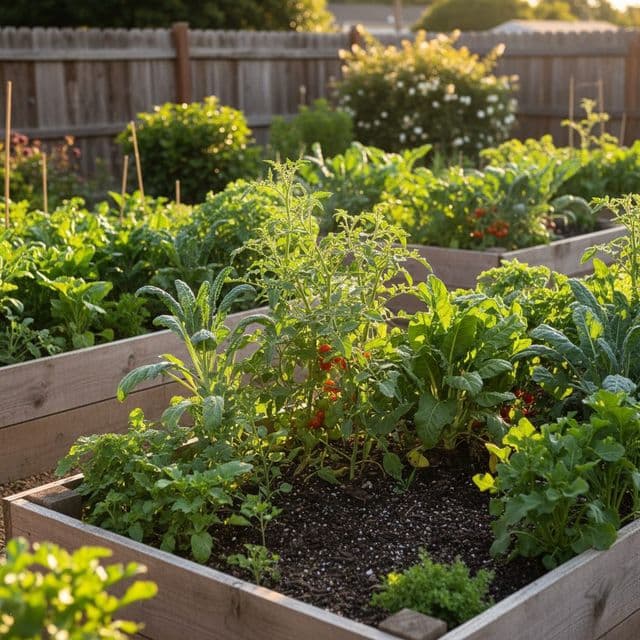
Why cucurbit plants produce male flowers first in USDA Zone 7, how environmental factors affect female bloom development, and how to encourage steady fruit set.
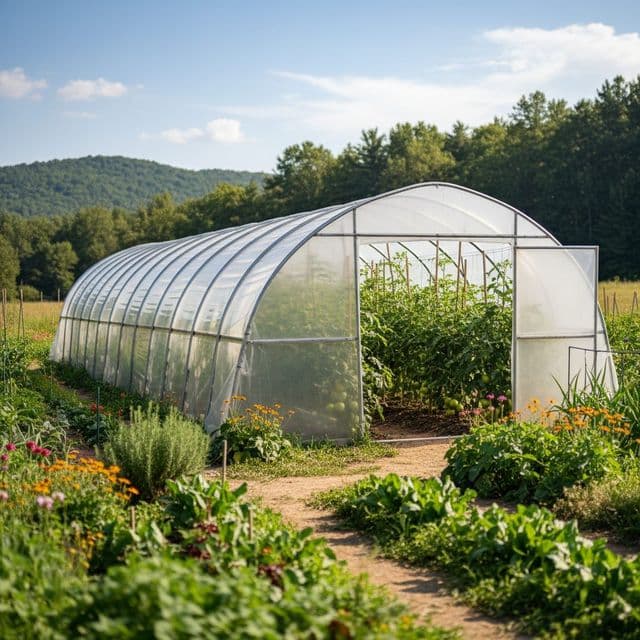
Maximize greenhouse tomato fruit set in USDA Zone 6 with expert tips on pollination, temperature, humidity, and water management. Learn manual and bee pollination techniques for higher yields.
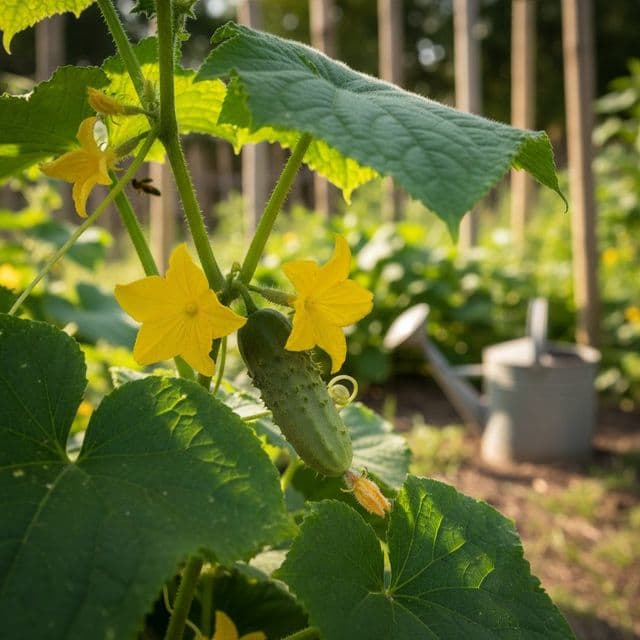
Learn how to hand-pollinate cucumbers and melons for fuller fruit in USDA zones 4-11. Boost yields by understanding flower anatomy and practicing hand-pollination techniques.
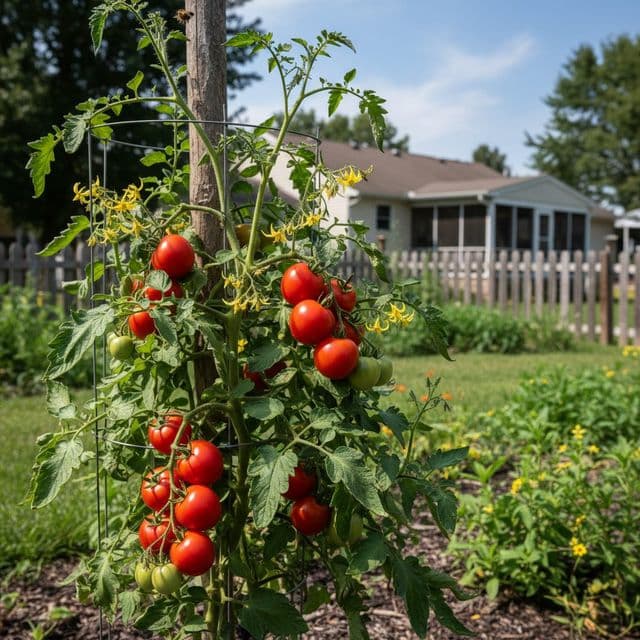
Boost tomato and pepper yields by 15-30% with hand-pollination. Master the electric toothbrush method & optimize conditions for a successful harvest in USDA Zone 6.
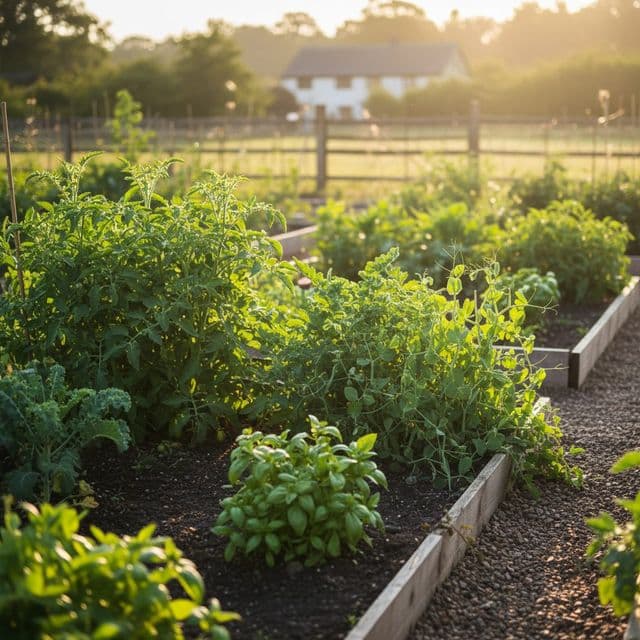
Boost your tomato harvest in USDA Zone 7. Learn to decode VFN codes and select disease-resistant tomatoes to prevent common wilts, nematodes, and viruses for a healthier, more productive garden.
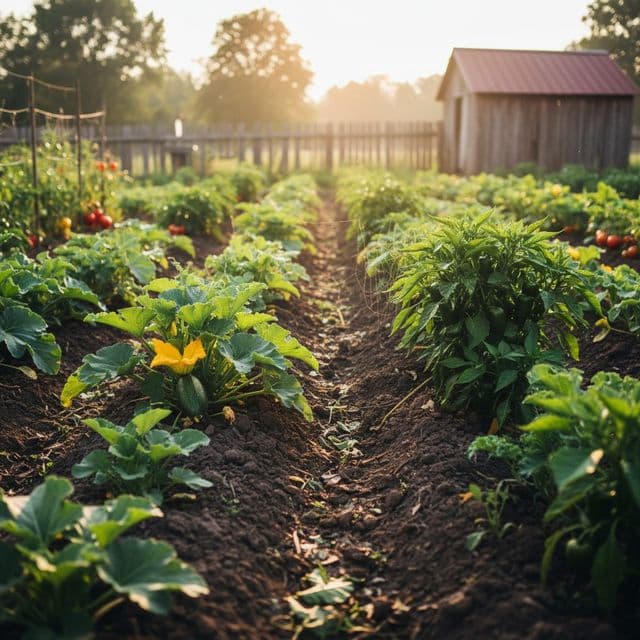
How biofungicides like Trichoderma and mycorrhizal fungi protect plants from root diseases in USDA Zone 7, reducing chemical use and supporting soil health.
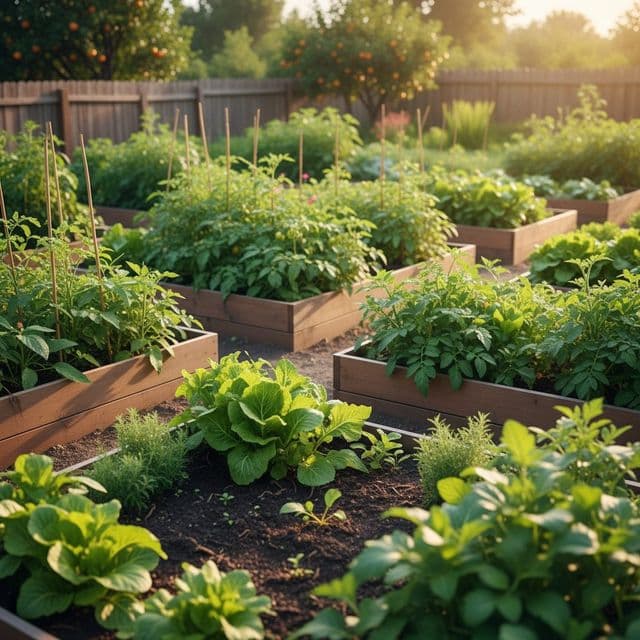
Discover how milky spore (Bacillus popilliae) offers a long-term, organic solution for Japanese beetle grubs. Learn application timing and effectiveness in USDA Zone 6 gardens.
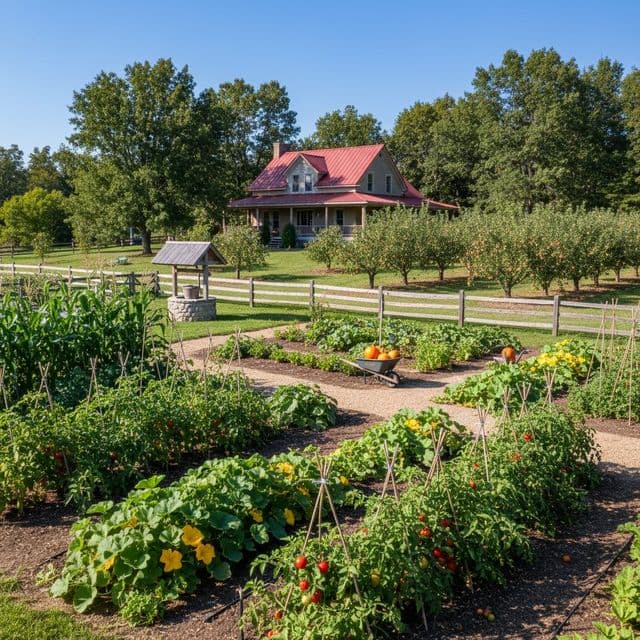
Learn how Spinosad, an organic biological insecticide, effectively controls thrips and other pests in greenhouses. Discover safe application methods for pollinator protection.
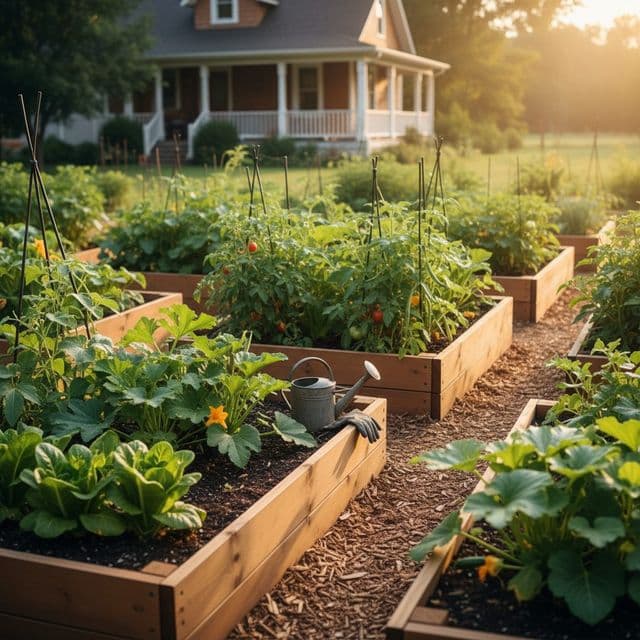
Discover how beneficial nematodes offer organic pest control for grubs, fungus gnats, and other soil pests in USDA Zone 6 gardens. Learn application tips for a healthier ecosystem.
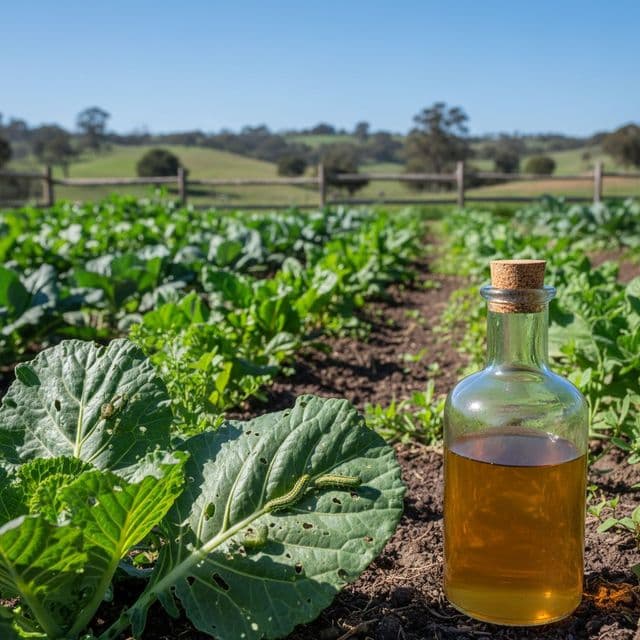
Unlock effective organic pest control! Learn to choose the right Bacillus thuringiensis (Bt) varieties for your USDA Zone 6 garden, targeting caterpillars, mosquitoes, and beetles safely.
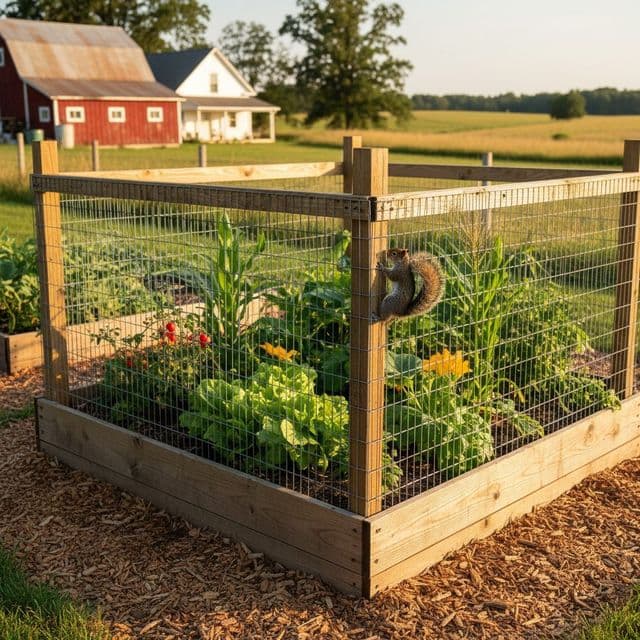
Learn effective, organic methods for deterring squirrels and chipmunks from your raised beds and bird feeders in USDA Zone 6. Protect your garden with physical barriers, repellents, and smart place…
Learn effective, humane rodent control strategies for your garden and homestead. Implement exclusion, habitat modification, and trapping to protect your harvest from mice and rats.
Protect your US garden from voles, moles, and gophers with organic subterranean pest management. Learn to identify pests, use exclusion, trapping, and habitat modification for effective control.
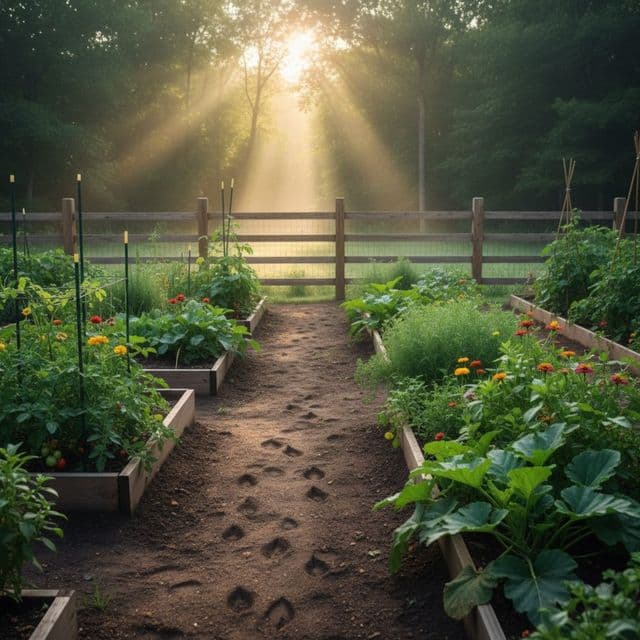
Learn effective strategies for protecting gardens from deer in the US. Discover how 8-foot fences, rotating repellents, and deer-resistant plants can save your crops.
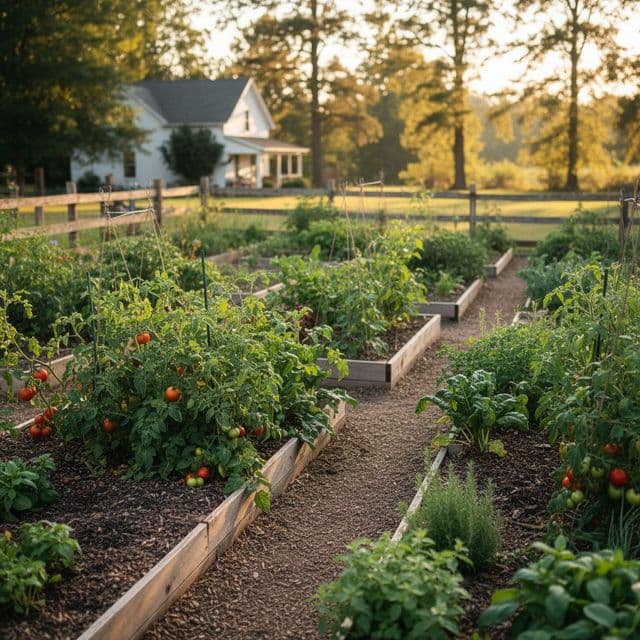
Learn how flowering insectary strips attract pollinators and beneficial insects, improving yields and providing organic pest control in your vegetable garden. An IPM strategy.
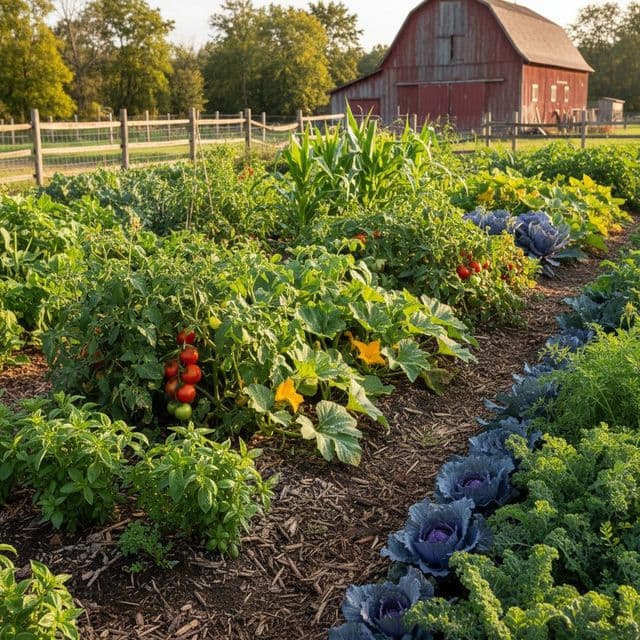
Discover how polyculture and interplanting naturally confuse pests, reduce monoculture reliance, and improve soil health in the Midwest. Learn effective polyculture pest control strategies.
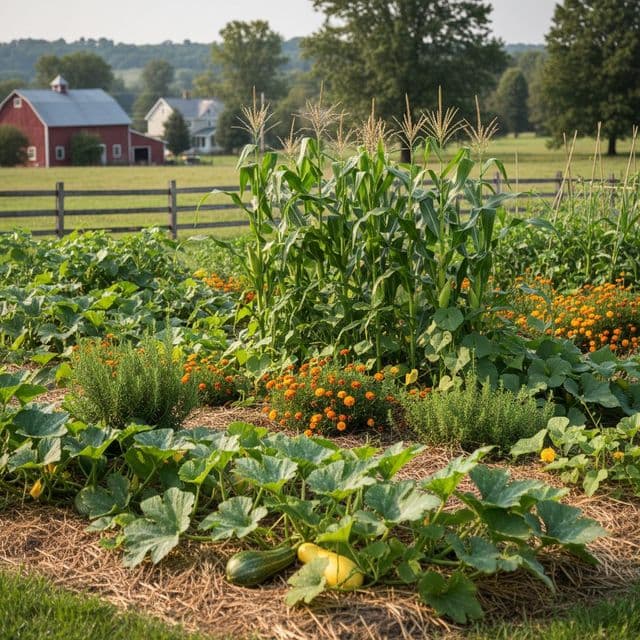
Unlock the power of companion planting. Learn how strategic plant pairings can deter pests, attract beneficial insects, and improve soil health, potentially reducing pest pressure by 15-50%.

Discover trap cropping, an organic pest control method. Learn how specific plants like nasturtiums and Blue Hubbard squash can protect your main crops, reduce damage by 50%, and cut pesticide use b…
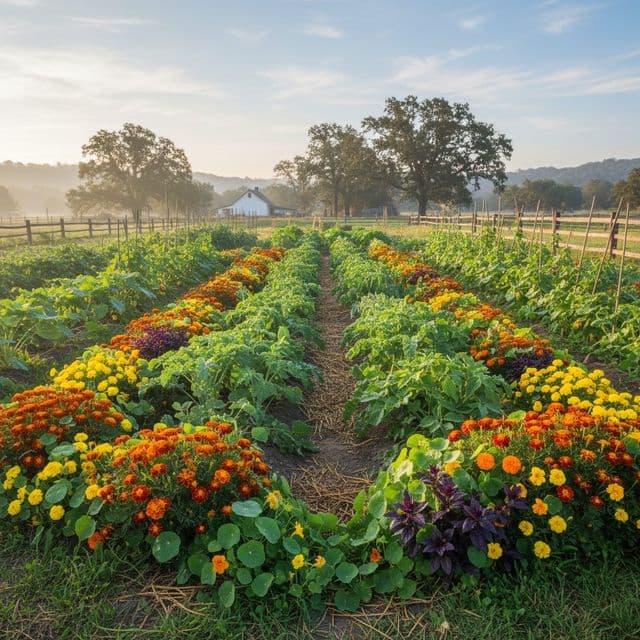
Discover how pest repellent border plants like marigold, basil, and alliums naturally reduce garden pests by 20-50%. Integrate these plants into your IPM strategy for sustainable pest control in US…
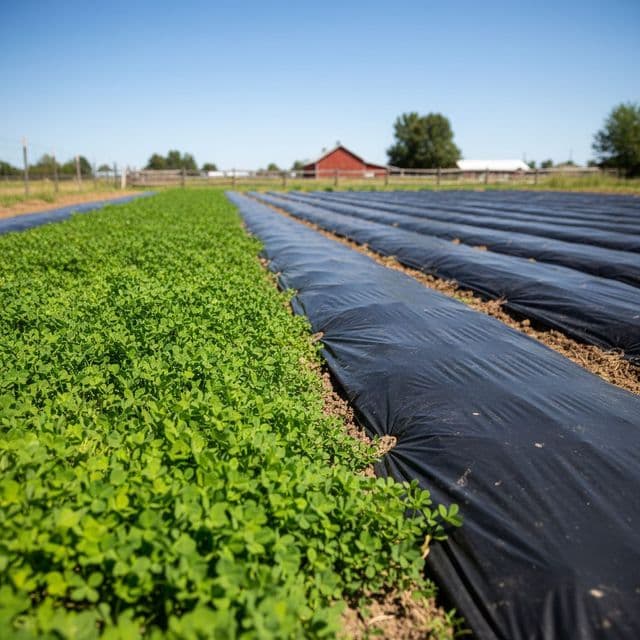
Discover how combining cover crops and occultation provides effective organic weed control, reducing weed biomass by 90% in organic cabbage. Improve soil health & cut labor.
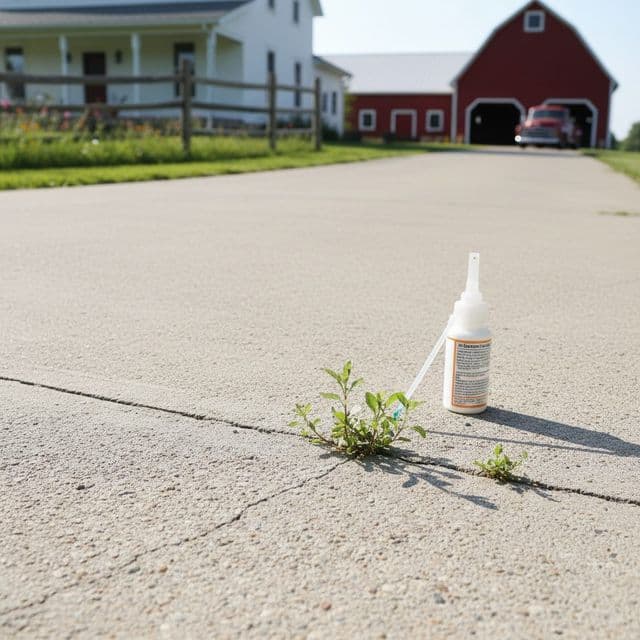
Explore safe, chemical-free thermal weed control for driveways & patios in USDA Zone 6. Learn flame weeding & boiling water techniques to manage dandelions, crabgrass, and spurge.