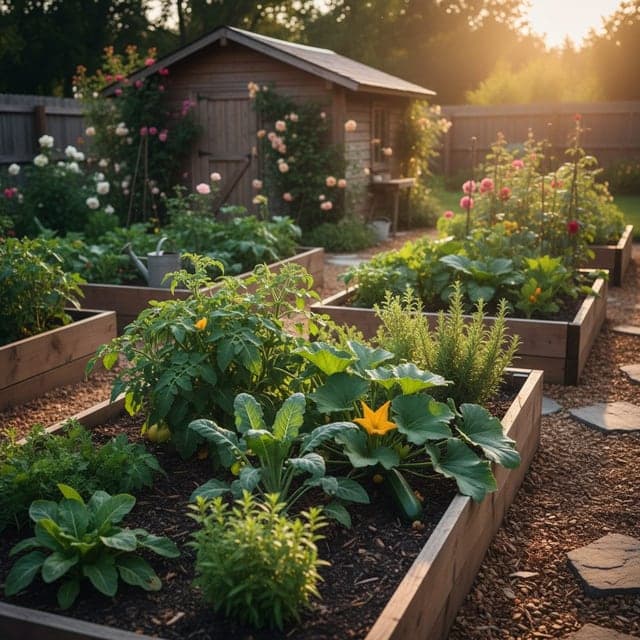
Container garden watering: tips for hot climates & USDA zones
Master container garden watering in hot climates like USDA Zone 7. Learn how pot size, material, and weather impact frequency to keep your plants thriving.
Tag
491 articles in this tag on agripure. — page 9 of 21
Master container garden watering in hot climates like USDA Zone 7. Learn how pot size, material, and weather impact frequency to keep your plants thriving.

Learn to build an efficient 5-gallon self-watering planter for your garden. Save 30-50% water, reduce watering frequency, and grow healthier plants in small spaces. DIY guide.
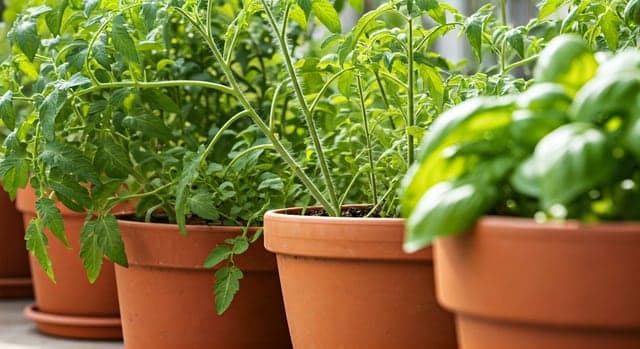
Learn why a gravel layer in container drainage harms plants. Understand soil physics, perched water tables, and proper drainage holes for thriving container gardens in the US.
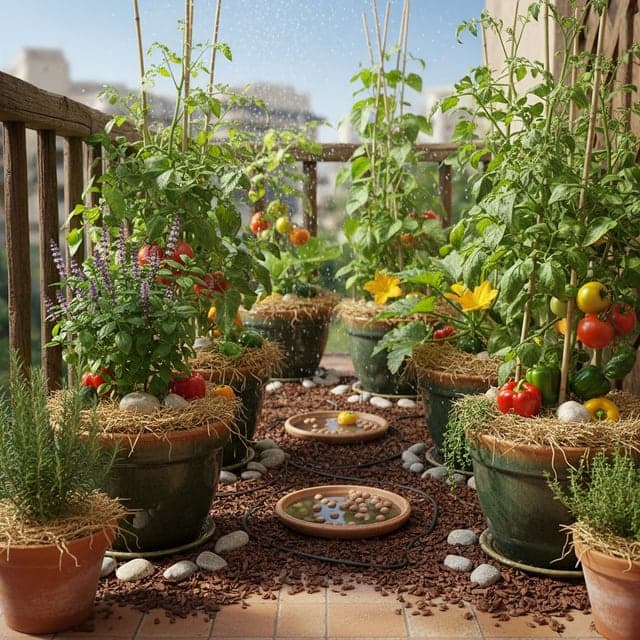
How double-potting and surface mulching reduce container root temperatures in USDA Zones 8-10, protecting plants from heat stress and stabilizing soil moisture.
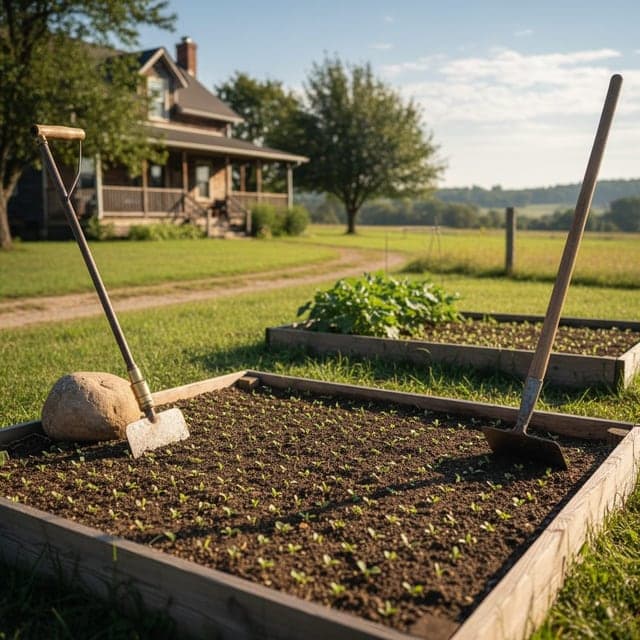
Master stale seedbed weed control in USDA Zone 6. Compare flame weeding vs. shallow hoeing for effective, chemical-free weed management, reducing weed pressure by up to 90%.
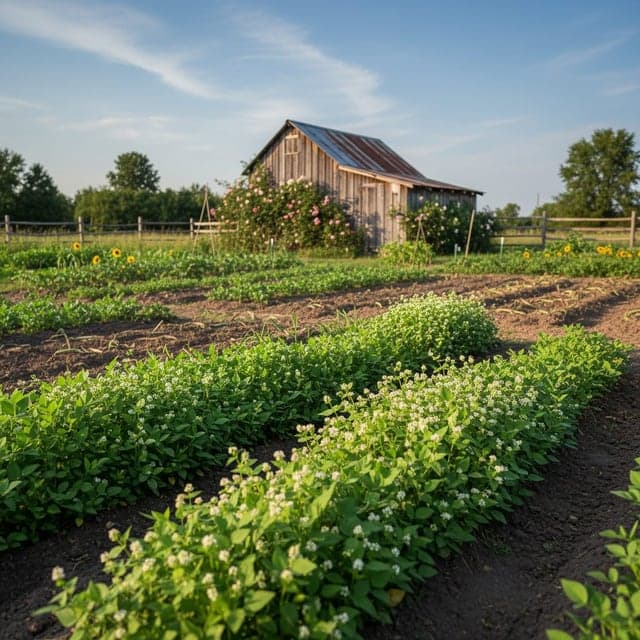
Boost garden soil health with summer cover crops like buckwheat and cowpeas. Learn how these plants prevent erosion, fix nitrogen, and improve organic matter in USDA zones 5-9.
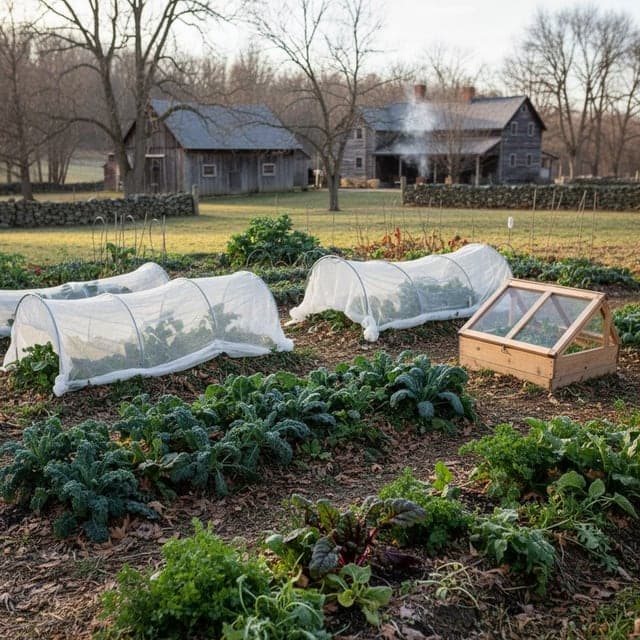
Maximize your garden’s yield in USDA Zone 6. Learn crop rotation, succession planting, and frost date planning to extend your harvest and get 30+ lbs per 100 sq ft.
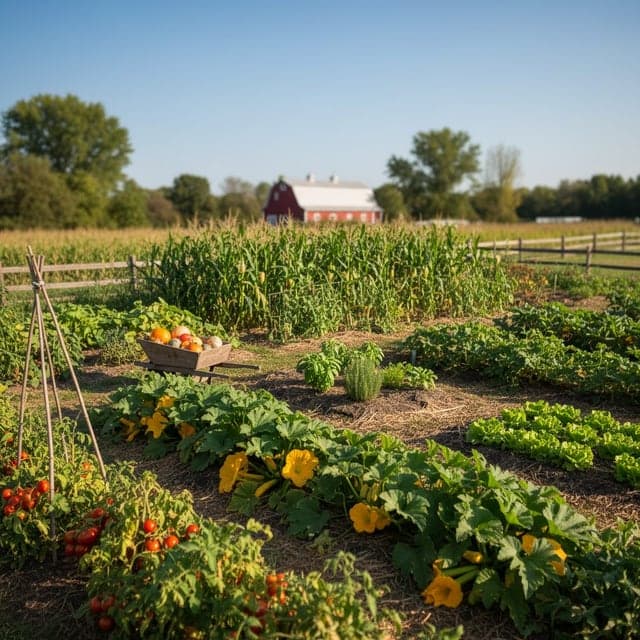
Maximize your garden’s yield with a succession planting schedule tailored to your USDA zone. Learn techniques for continuous harvest, improved soil health, and pest management.
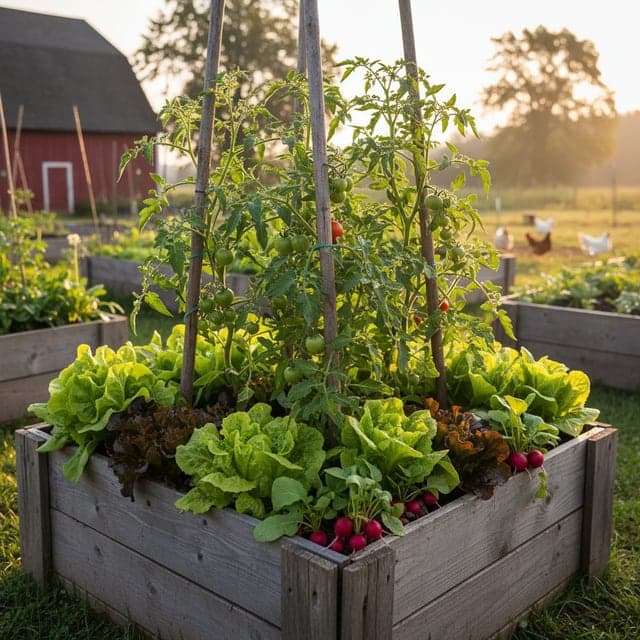
Learn how interplanting fast and slow crops can double your garden’s output. Discover strategic crop pairings, USDA zone planting calendars, and succession planting tips for maximum yield.
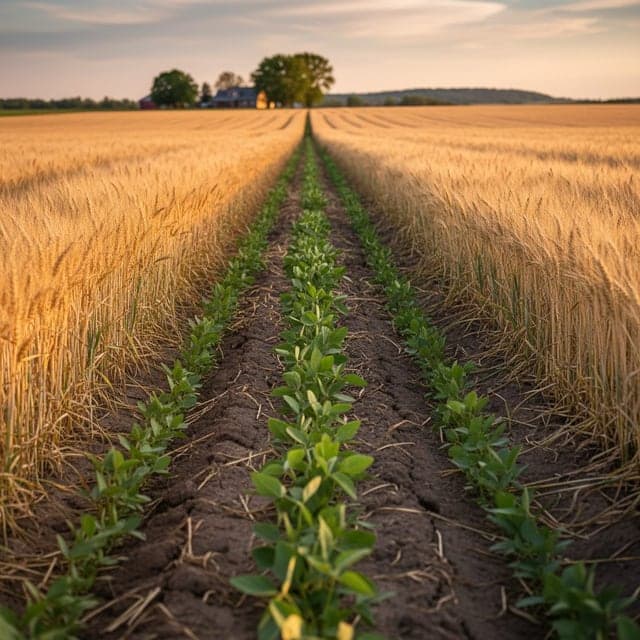
Use relay intercropping in US backyard beds to start your next vegetable crop 2–4 weeks before harvest clears: worked garlic, pea, brassica, and overwintered spinach calendars, crown-shearing to sa…
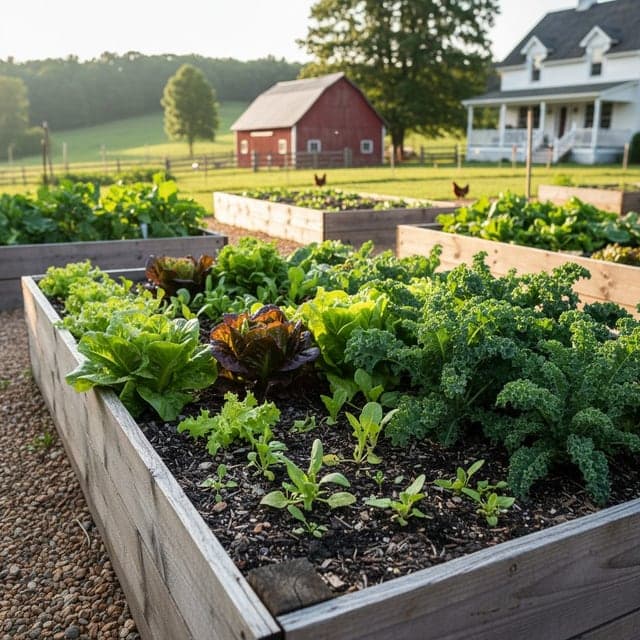
Maximize your garden’s yield with succession planting. Learn how to continuously harvest fresh lettuce and spinach every 2-3 weeks in USDA Zone 7, extending your season.
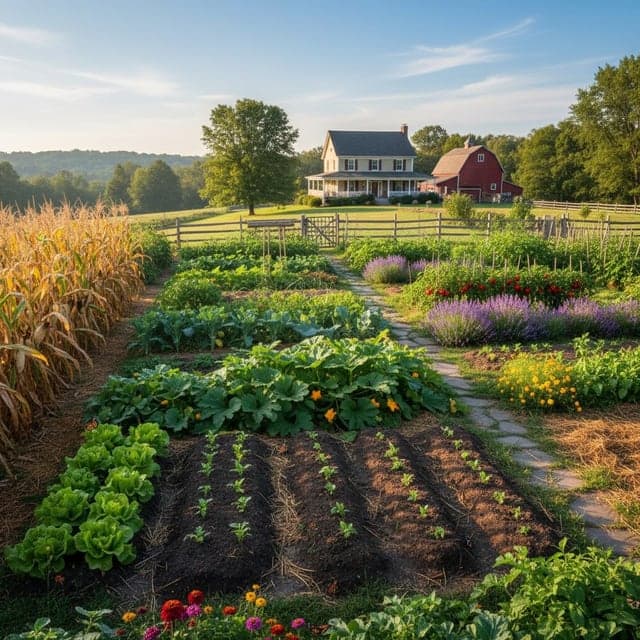
Learn four succession planting methods—same-crop, interplanting, relay, and follow-on—to maximize garden output. Get continuous harvests & boost yields in your USDA zone.
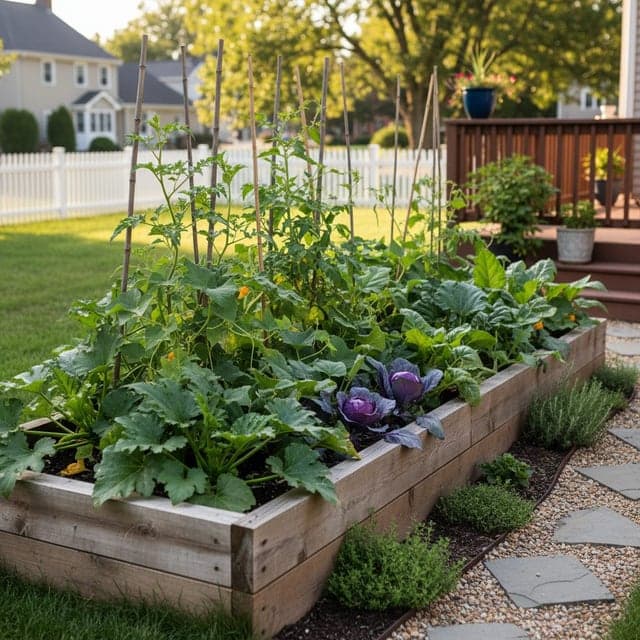
Master crop rotation and succession planting in your 4×8 ft raised beds. Learn strategies to boost yields, prevent disease, and maintain soil health in small spaces across USDA zones.
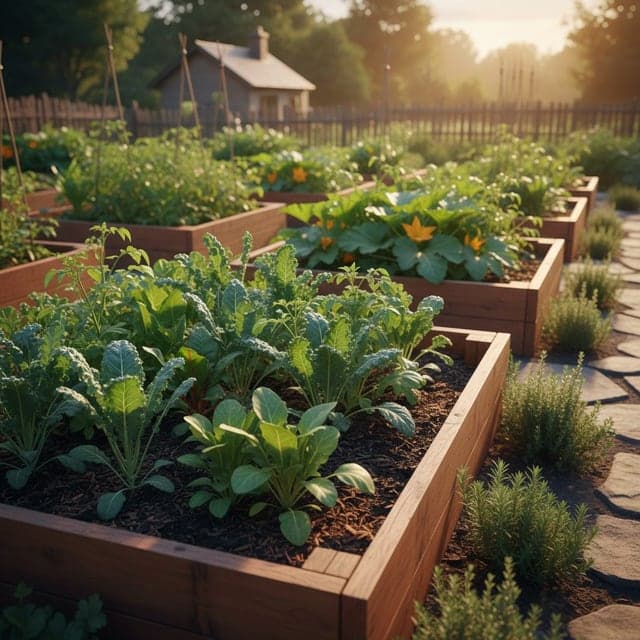
Optimize your homestead’s productivity with strategic crop rotation. Learn how to integrate perennials, cover crops, and heavy feeders for soil health, pest control, and higher yields in USDA zones…
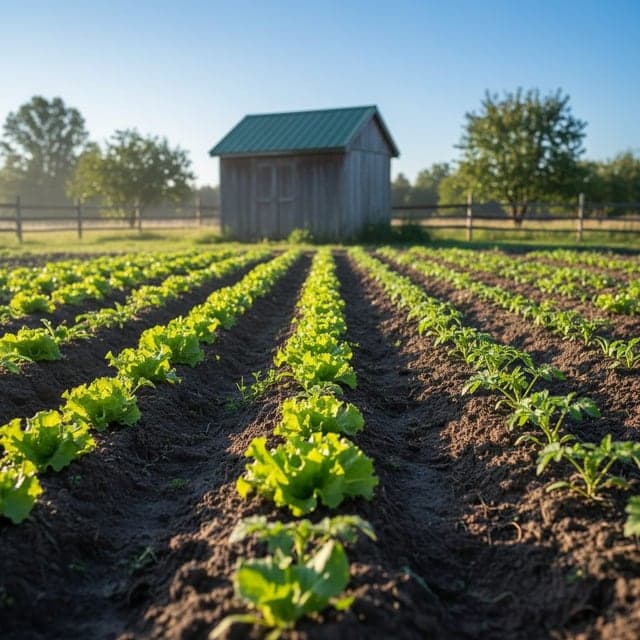
Master your USDA zone planting calendar by understanding frost dates & days to maturity. Learn to calculate optimal planting times for succession planting & crop rotation.
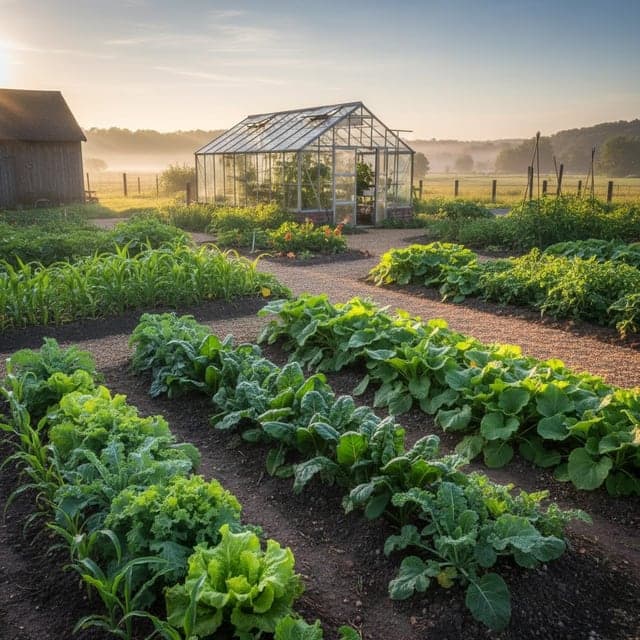
Time US cool-season and warm-season vegetables using local 50% frost dates and 4-inch morning soil temperature instead of USDA Hardiness Zones alone, with germination charts, regional windows, and…
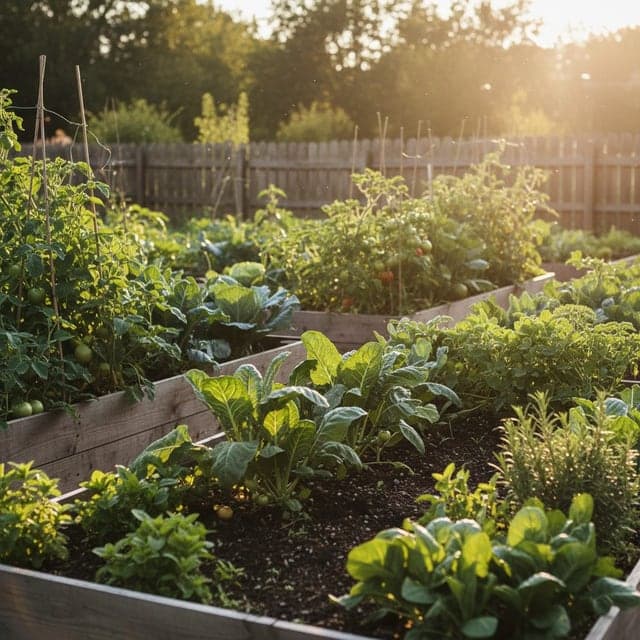
Master USDA Zones 3a–4b (-40°F to -20°F) gardening with exact frost-free windows, 2–4 inch soil-temperature germination gates, row-cover and cold-frame lift math, and winterkill vs. overwintering c…
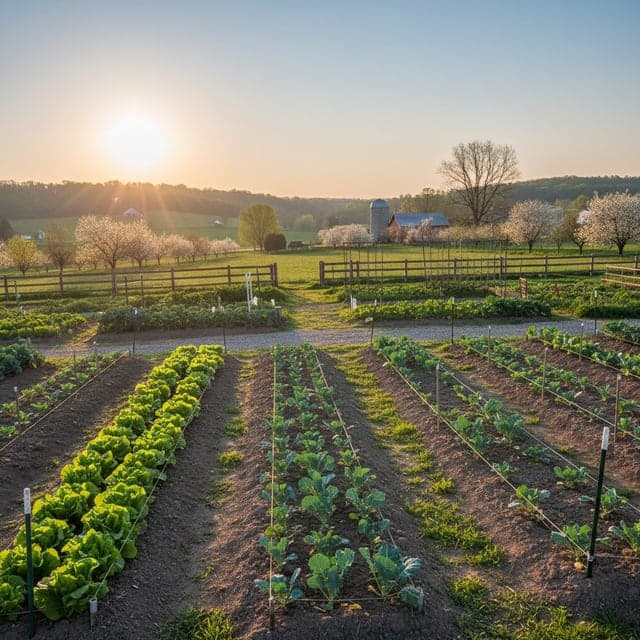
Find your average last and first frost dates to calculate growing season length in USDA Zone 6. Plan crop rotation and succession planting around your frost-free window.
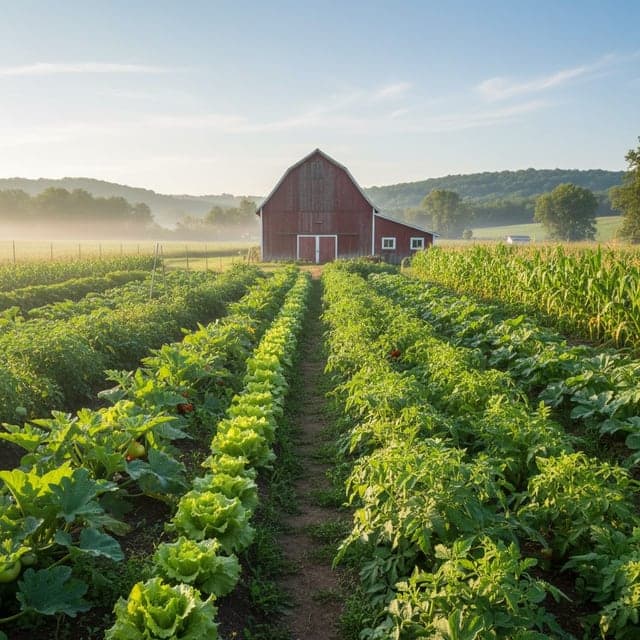
Master optimizing planting times for spring and fall across USDA zones. Learn how precise timing, soil prep, and microclimates boost yields for homesteaders.
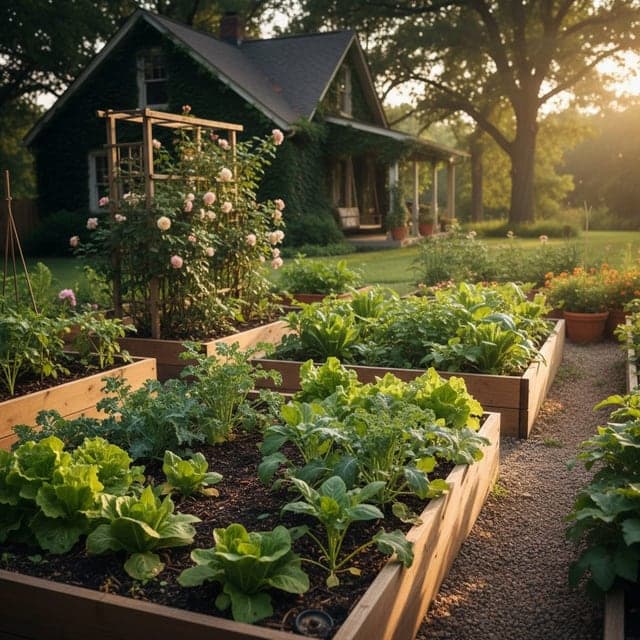
Master Ficus carica propagation. Learn key indicators for water root maturity, prevent transplant shock, and achieve high success rates when potting up fig cuttings in USDA Zone 7.
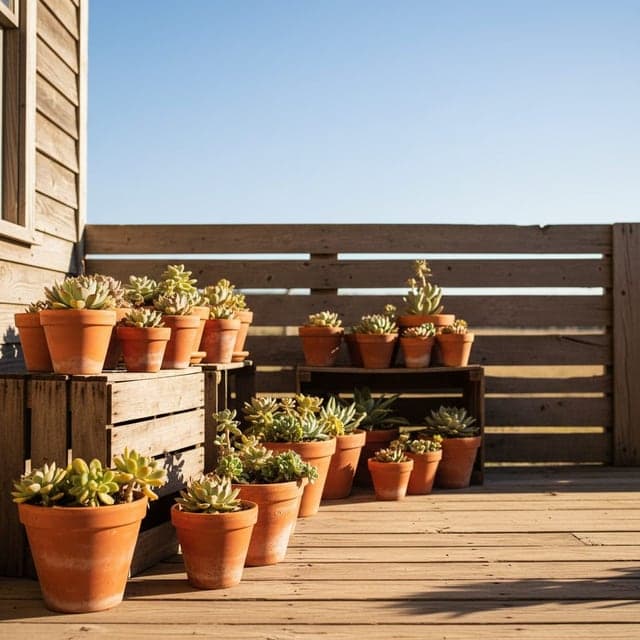
Learn to propagate succulents in USDA Zone 8 with three proven methods. Achieve a 90% success rate by selecting healthy material, proper callusing, and optimal care.
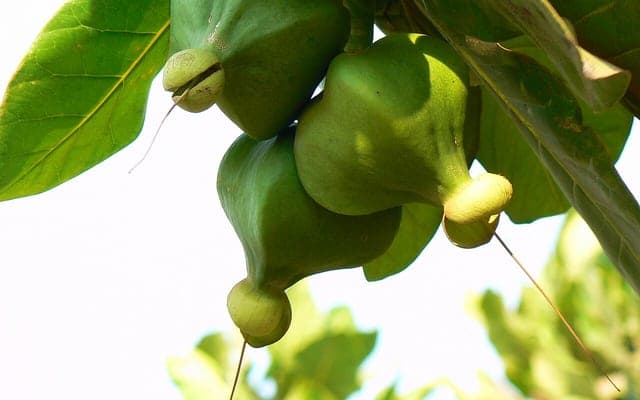
Clone true-to-type figs, pomegranates, mulberries, citrus, and subtropical fruit trees on the parent branch with clean cambium scraping, wrung-out sphagnum moss, aluminum-foil solar shielding, and…
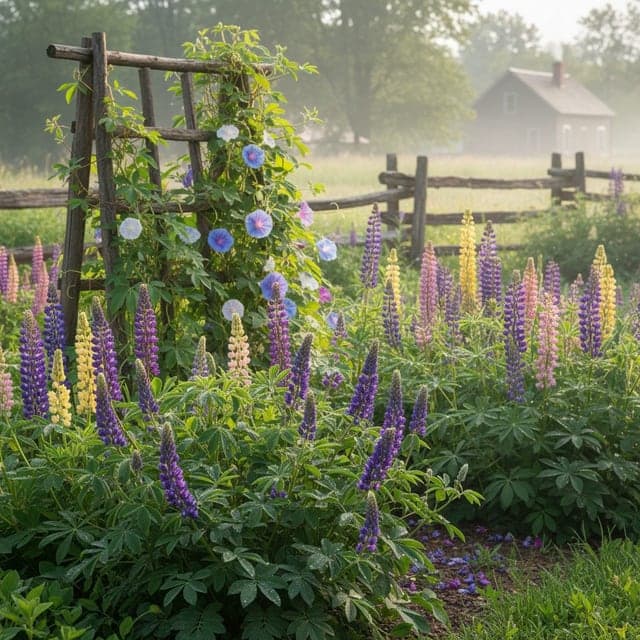
Learn how scarifying seeds like lupine, morning glory, and baptisia can dramatically boost germination rates from 20% to 90%. Discover mechanical and hot water methods for success.
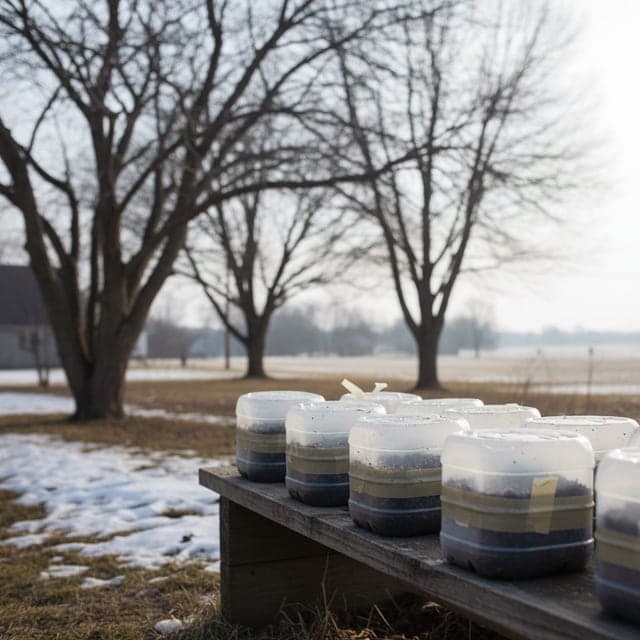
Master winter sowing with essential tips for optimal moisture and temperature. Prevent ‘cooking’ or ‘drowning’ seeds to boost germination rates by 20-30% for a successful spring garden.