What to Plant in August in the US: Sowing Guides by USDA Zone
August is the critical transition month for starting fall and winter crops across US climate zones, from quick-growing northern greens to southern second-season transplants.
Tag
456 articles in this tag on agripure. — page 3 of 19
August is the critical transition month for starting fall and winter crops across US climate zones, from quick-growing northern greens to southern second-season transplants.
August planting in Canada varies by plant hardiness zone, ranging from quick-maturing salad greens in the north to winter-hardy root crops and brassicas in southern and coastal regions.
April planting in the United States requires matching your crops to your specific USDA zone. Learn what to sow indoors, transplant, and direct-sow from Zone 3 to Zone 10.
What to plant in April in Canada, organized by Canadian Plant Hardiness Zones from coastal BC to the cold Prairies, featuring indoor sowing schedules and outdoor direct-sowing guidelines.
Establish a multi-tiered windbreak and shade canopy using tough, heat-tolerant species like neem and hopbush to cool your Gulf garden and shield crops from harsh shamal winds.
Cultivating salt-tolerant halophytes in Gulf gardens allows growers to establish resilient green cover despite highly saline soils and brackish irrigation water.
Gardening in the Arabian Gulf requires reversing traditional calendars to grow from October to April. Learn how to manage extreme heat, sandy soils, and salinity.
Keep your Gulf garden alive in extreme heat using precise drip irrigation, pre-dawn watering schedules, and safe domestic greywater diversion for hardy ornamentals.
Grow date palms in the Gulf home garden with proper offshoot planting, deep infrequent irrigation, manual pollination, and red palm weevil protection.
Grow food and flowers on your Gulf balcony. Learn how to select heat-resistant containers, manage intense winds, and cultivate crops like peppers and jasmine from October to April.
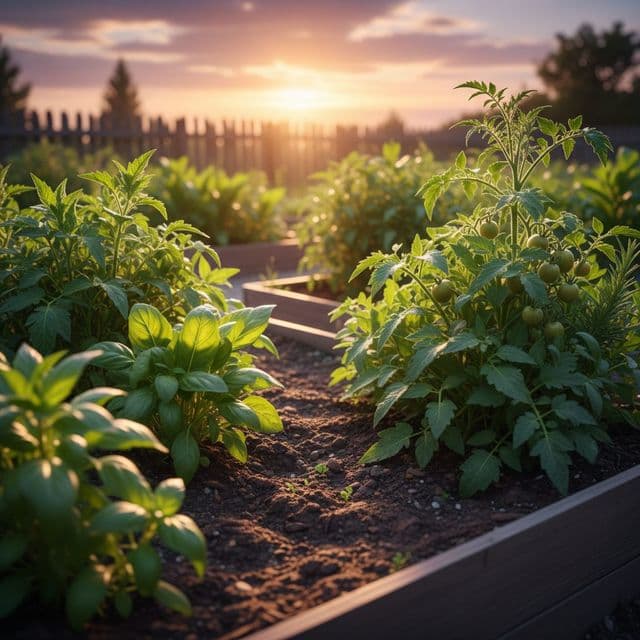
How to preserve food without electricity using passive cooling methods like zeer pots, root cellars, and cool spaces to extend harvest life and reduce waste.
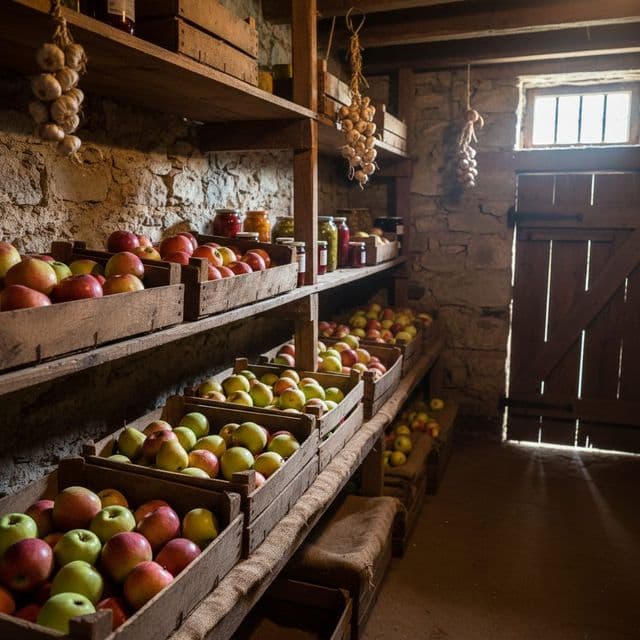
Master long-term fruit storage for apples & pears in USDA zones 5-7. Learn optimal temperatures, humidity, and variety selection to keep your harvest fresh for months, reducing waste.
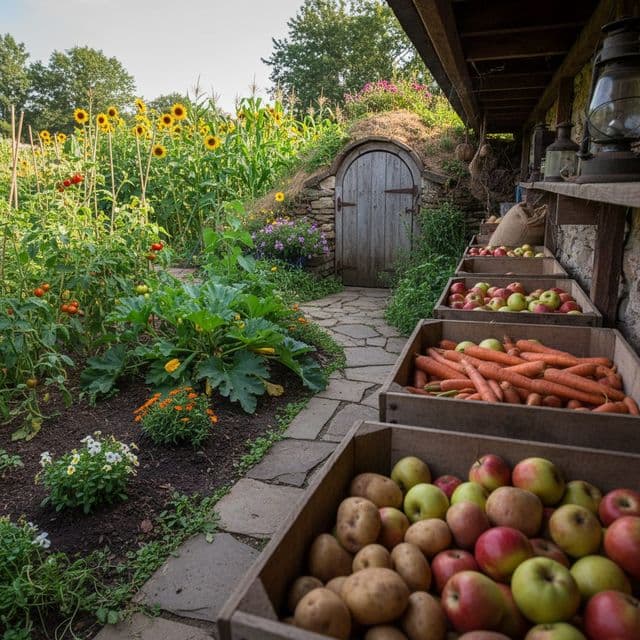
Master garden produce storage by understanding optimal temperature and humidity. Learn how to store root vegetables, onions, apples, and more for extended shelf life, preventing spoilage and mainta…
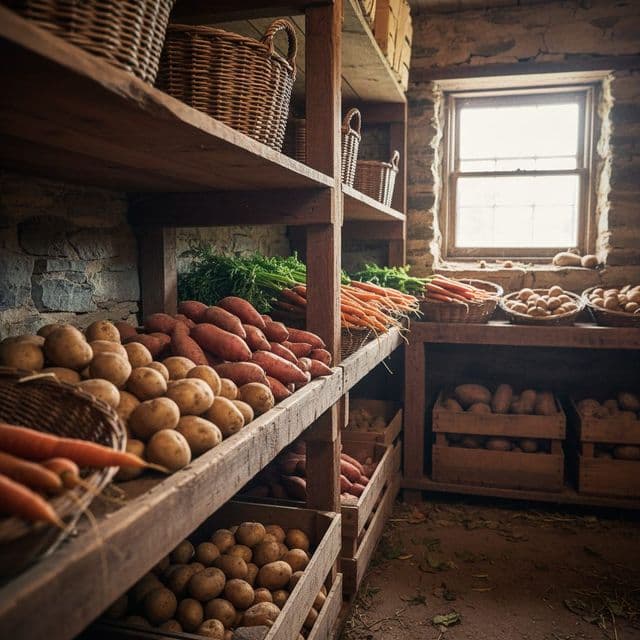
Master root crop storage techniques to extend your harvest up to 8 months. Learn ideal conditions for potatoes, sweet potatoes, and carrots, plus root cellar and sand storage methods.
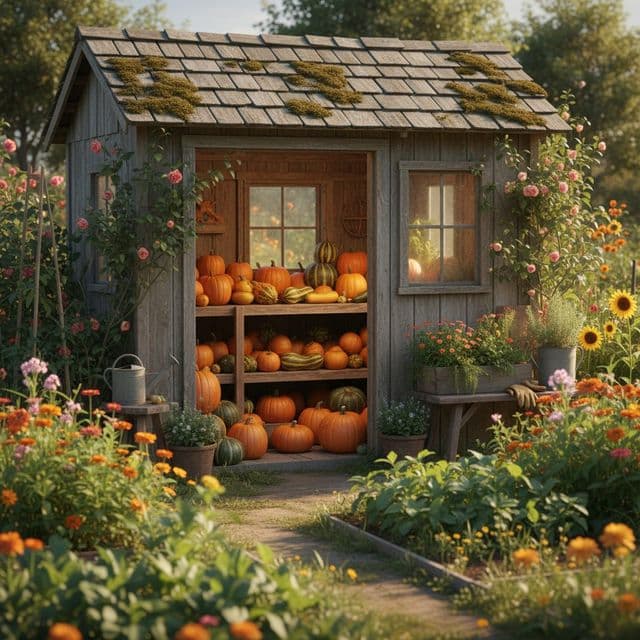
Learn how to cure winter squash for extended storage. Discover optimal temperatures (80-85°F) and humidity (80-85%) to harden skins, improve flavor, and prevent spoilage for months.
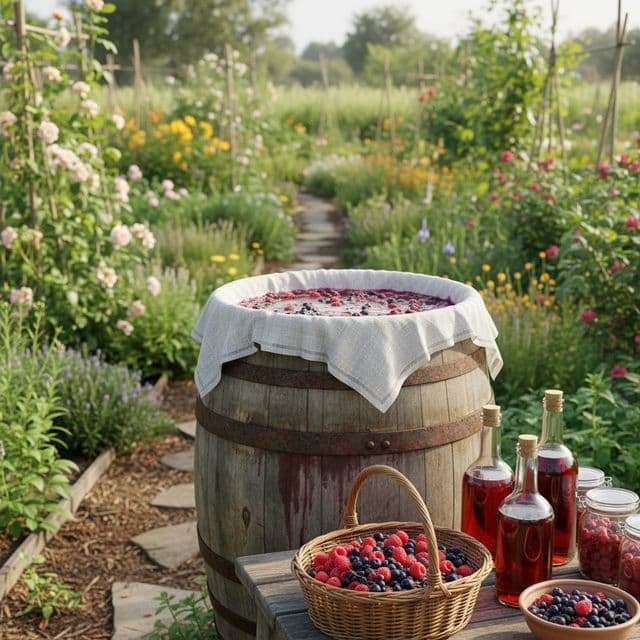
Transform excess berries into delicious homemade fruit vinegar. Learn a simple, two-stage fermentation process to preserve fruit gluts, reduce waste, and create a versatile pantry staple in USDA Zo…
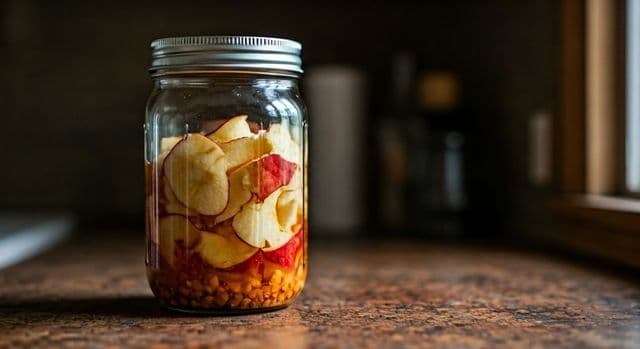
Learn to make homemade apple cider vinegar from apple scraps in the Pacific Northwest. Reduce waste, save money, and create a versatile staple for cooking, cleaning, and dressings.
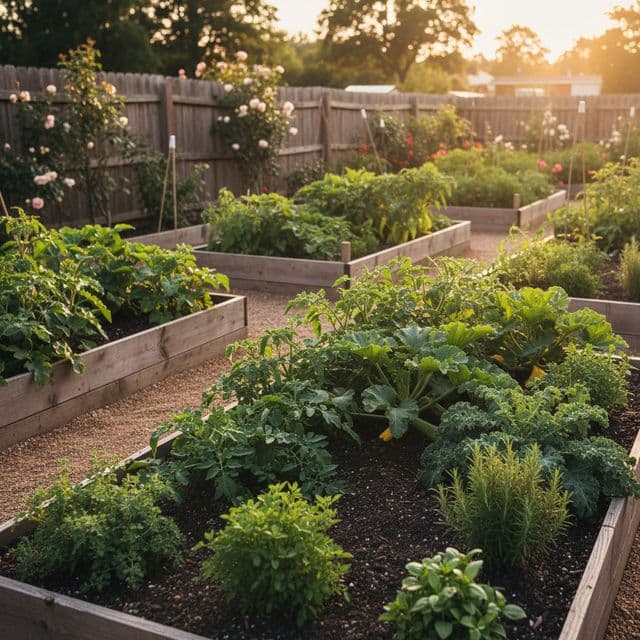
How to tell a safe ferment from a spoiled one. Read pH levels, distinguish harmless kahm yeast from dangerous mold, and identify spoilage signs on your Zone 6 homestead.
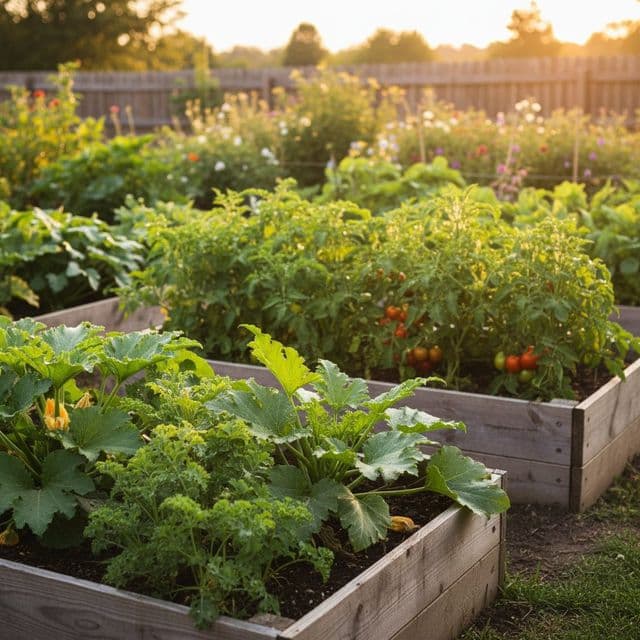
How to ferment carrots, beets, green beans, and radishes with a crisp texture, including salt ratios, temperatures, and storage for USDA Zone 6.
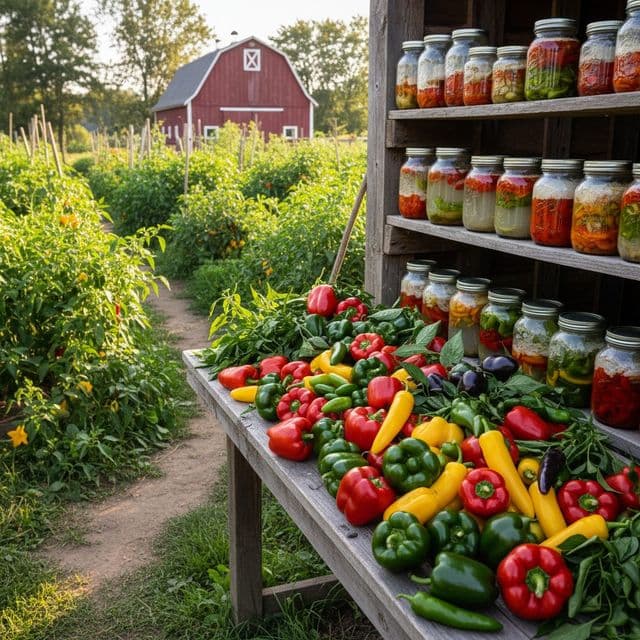
How to make shelf-stable fermented hot sauce from excess garden peppers in USDA Zone 7, covering salt ratios, pH thresholds, and bottling methods.
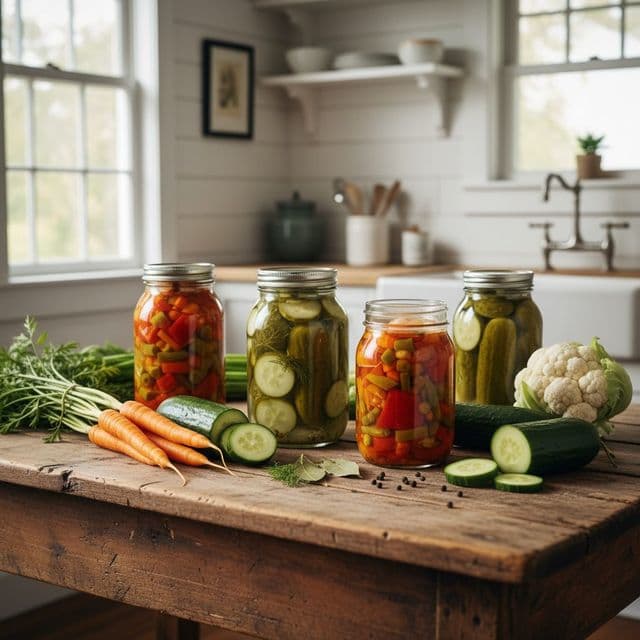
Learn to make delicious fermented dill pickles and giardiniera. This guide covers salt brine, temperature, and storage to preserve your harvest for 6-12 months.
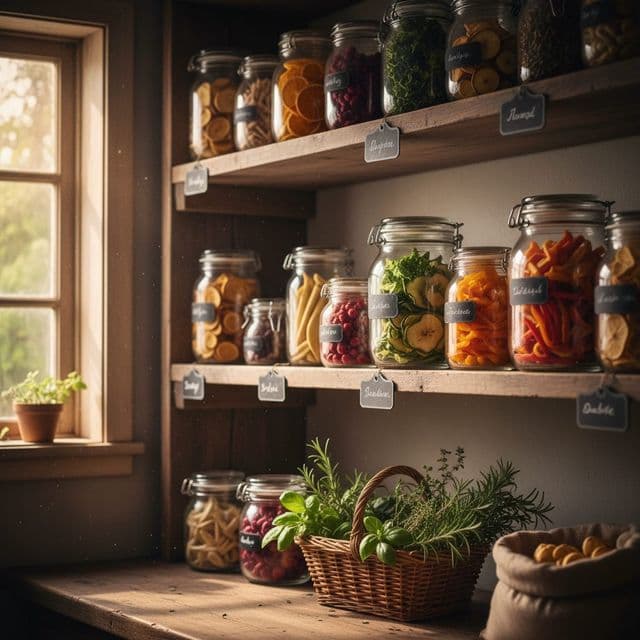
Condition dried food to prevent moisture reabsorption and mold. Learn techniques for USDA zone 6 homes to extend shelf life and preserve your harvest for years.
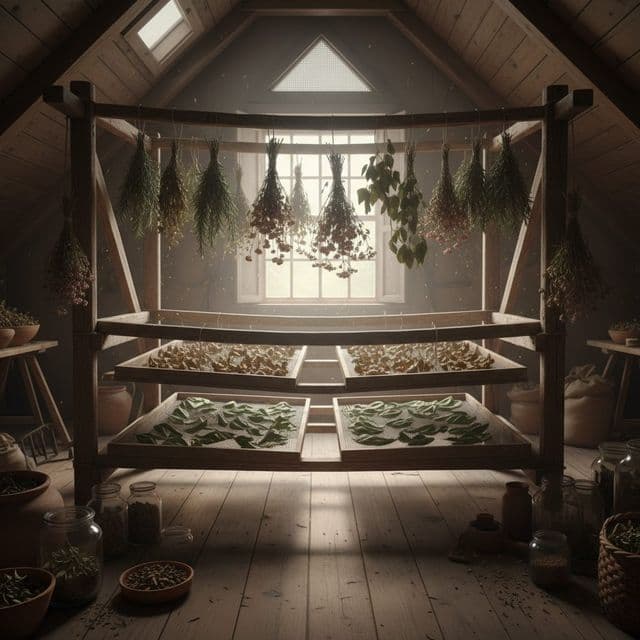
Preserve the aroma and color of fresh herbs with air drying, dehydrator methods, and proper storage for USDA Zone 6.
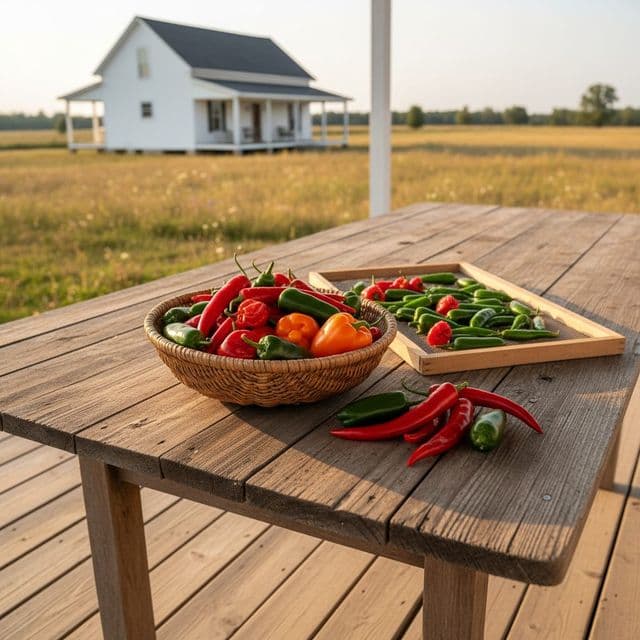
Learn how to extend your chili pepper harvest for up to two years with reliable drying and powdering techniques. Preserve flavor, heat, and reduce waste with our guide.