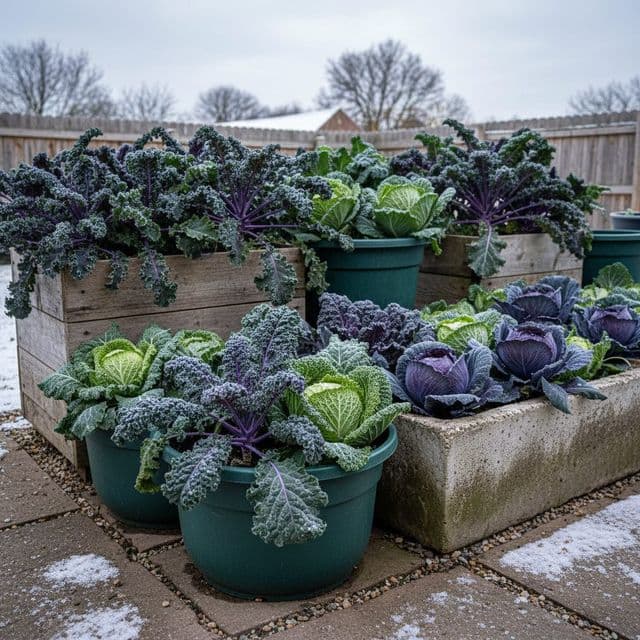
Frost-Proof Containers: Extend Growing Season in USDA Zone 5
Learn to select the best frost-proof containers to protect plants and extend your growing season by 30 days in USDA Zone 5. Discover durable materials like wood, concrete, and HDPE.
Tag
456 articles in this tag on agripure. — page 4 of 19
Learn to select the best frost-proof containers to protect plants and extend your growing season by 30 days in USDA Zone 5. Discover durable materials like wood, concrete, and HDPE.
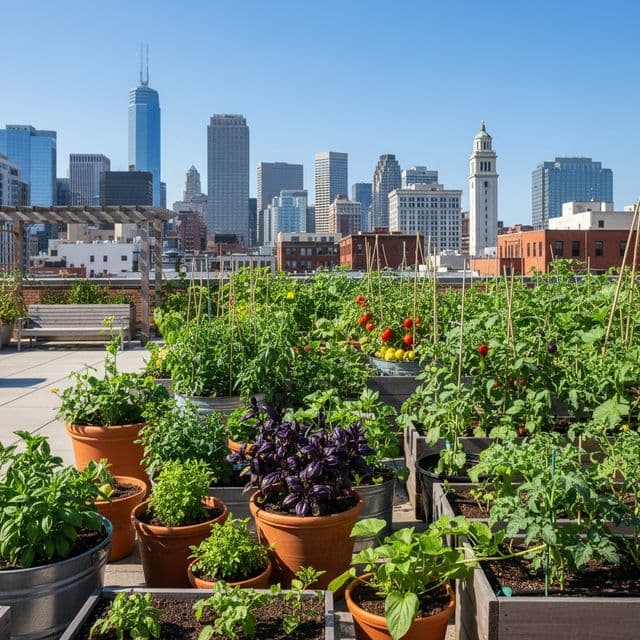
Self-pollinating crops for urban gardens in USDA Zone 7 allow growing tomatoes, peppers, and beans on balconies or rooftops without relying on bees.
Turn your high-rise balcony into a pollinator garden. Learn how to select plants, containers, and manage microclimates to attract bees, butterflies, and hummingbirds in USDA Zone 7.
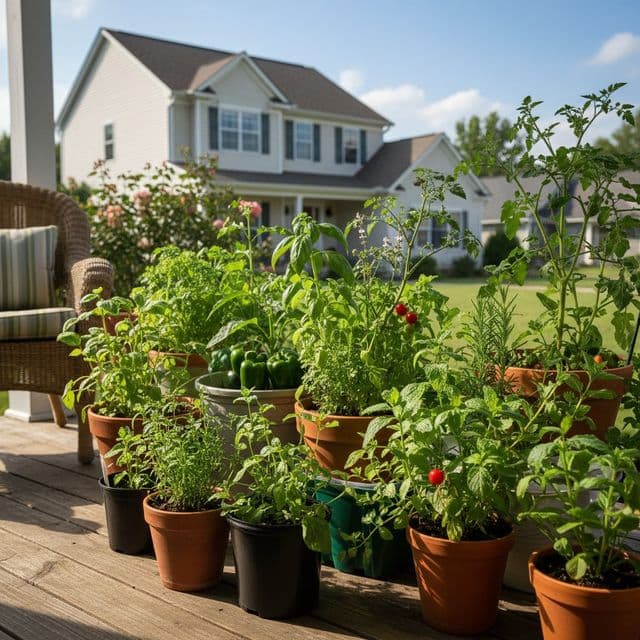
Master summer container gardening. Learn how to prevent overwatering, choose the right soil & containers, and protect plants from heat to ensure abundant harvests in challenging climates.
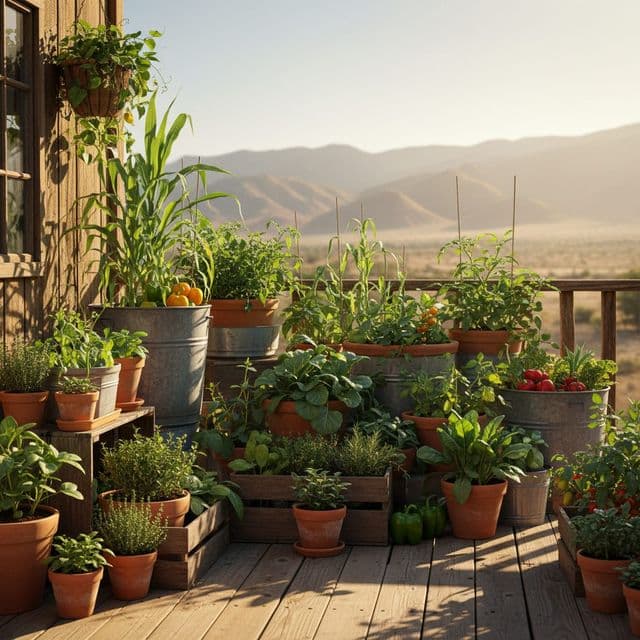
Learn how grouping container plants creates microclimates, reducing water loss by up to 25% in arid US regions. Optimize layouts for healthier plants and less watering.
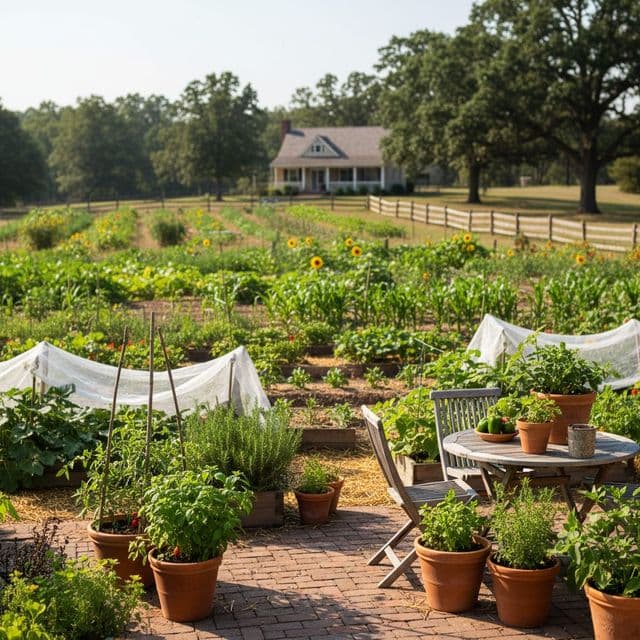
Master heat-tolerant container gardening on hot patios in USDA zones 7+. Discover plant varieties, container choices, watering tips, and shading strategies for a thriving garden.
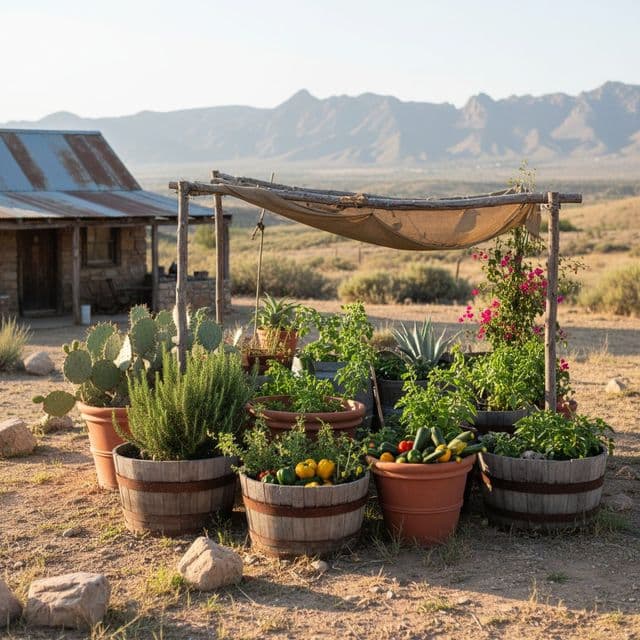
Learn how to protect container plants from extreme heat (100°F+) in USDA Zones 8-10. Discover shade cloth tips, watering strategies, and placement for container plant heat protection.
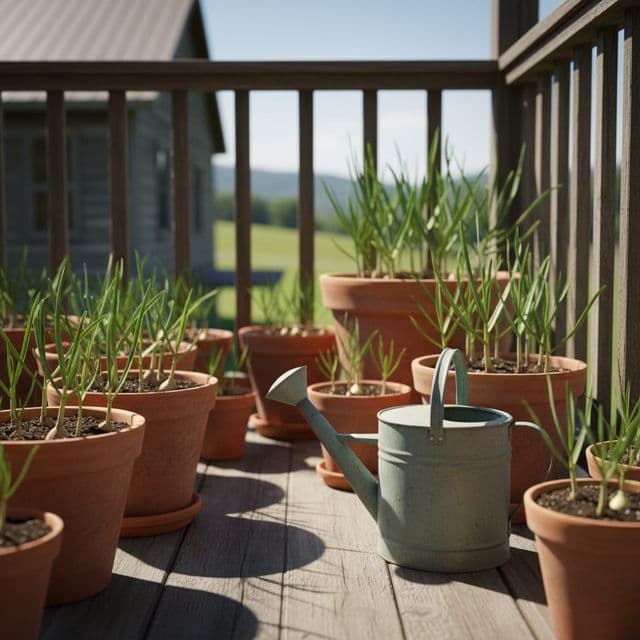
Learn to grow garlic and shallots in containers for a summer harvest, even in limited spaces. Get tips on planting, soil, and care for USDA Zones 4-9.
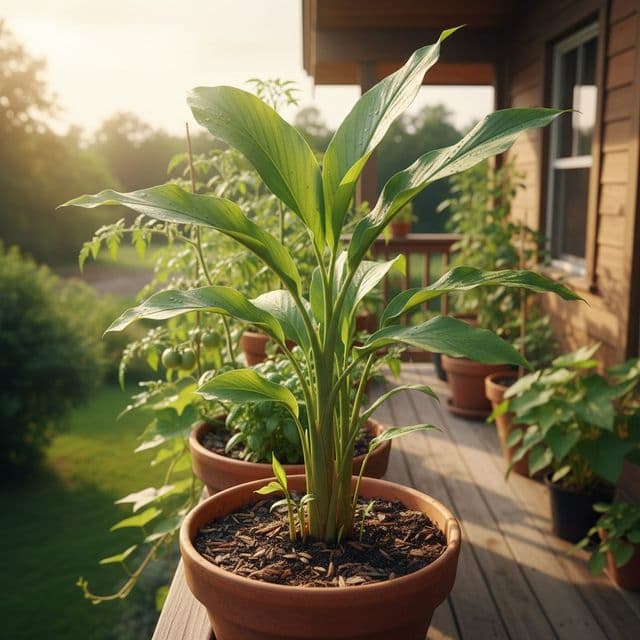
Learn how to successfully grow turmeric in containers and overwinter it indoors, even in cold USDA Zones 3-7. Get tips on planting, care, and harvesting for a bountiful spice.
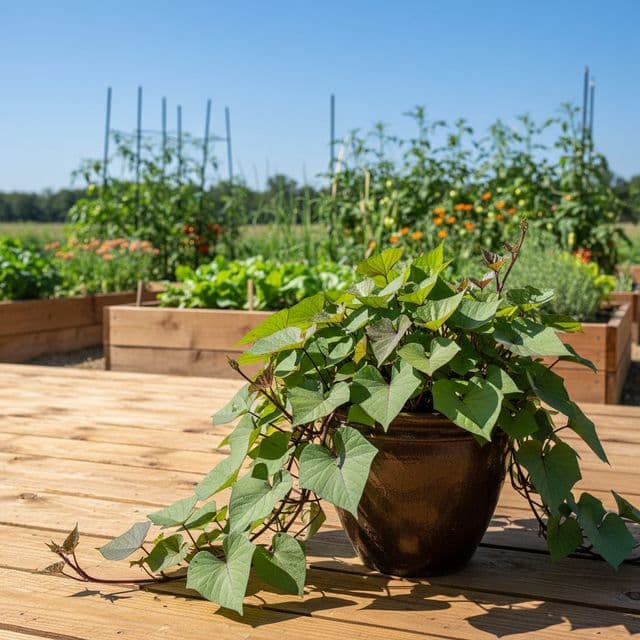
Learn to grow sweet potatoes in containers, even in short-season USDA Zones 4 & 5. Discover varieties, container sizes, and care tips for a successful harvest on your patio or balcony.
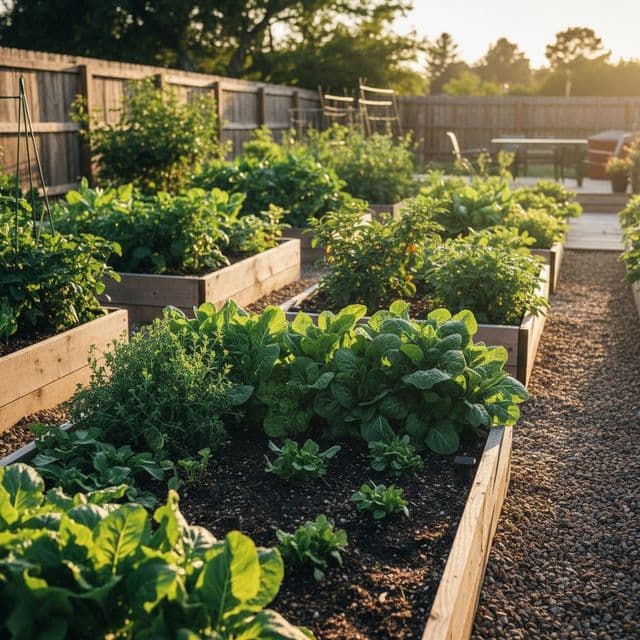
Learn to grow edible vines in containers, even in small spaces. This guide covers plant selection for USDA zones 7+, container size, trellising, and care for a bountiful harvest.
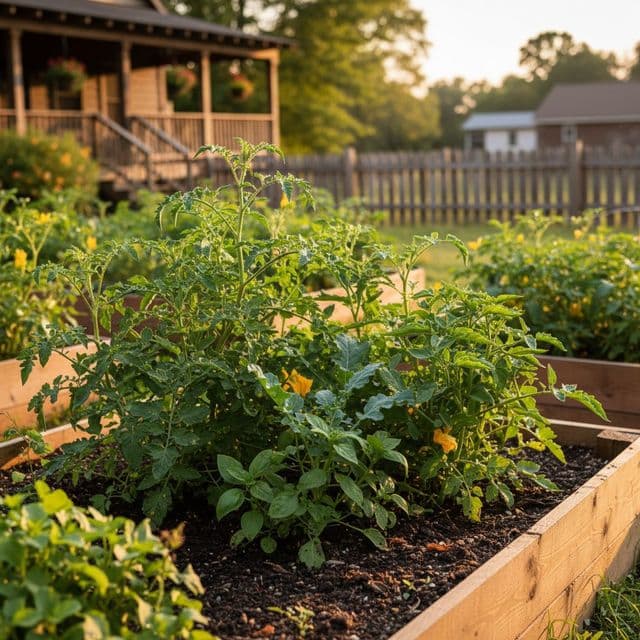
Low-tech container watering methods, including olla pots and DIY wicks, that reduce evaporation and keep container plants hydrated during absences in arid regions.
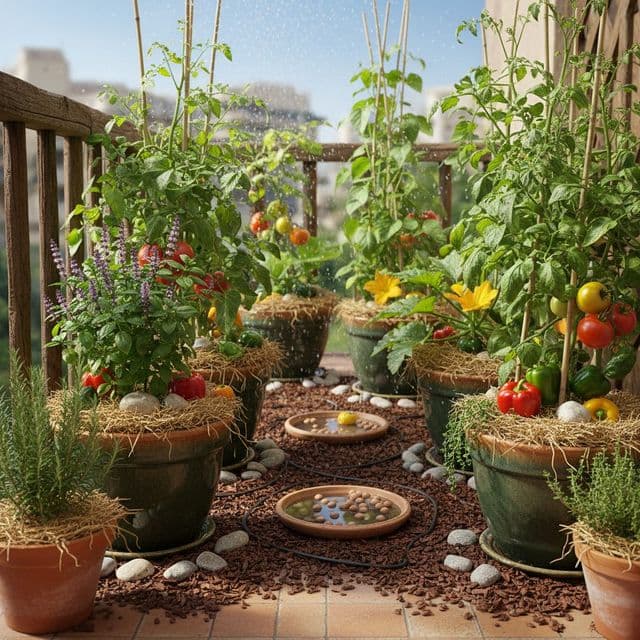
How double-potting and surface mulching reduce container root temperatures in USDA Zones 8-10, protecting plants from heat stress and stabilizing soil moisture.
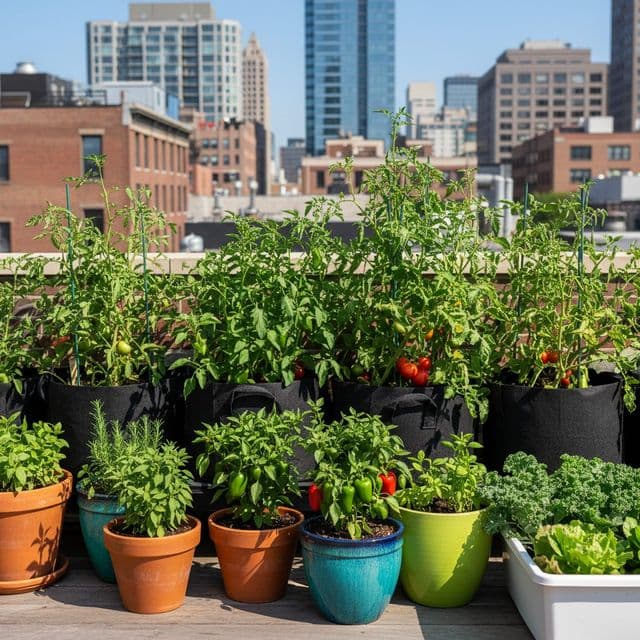
Optimize your container gardening for tomatoes in hot climates. Learn how fabric grow bags, plastic, and terracotta pots manage heat & moisture for better yields.
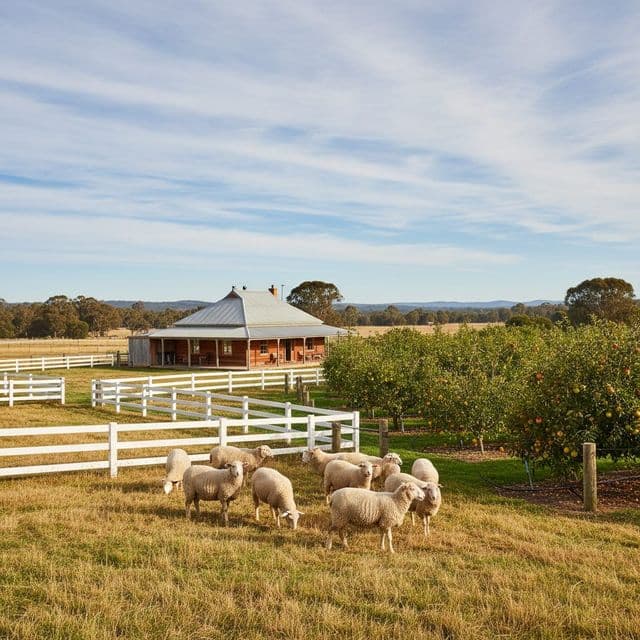
Start your 5-pot balcony garden in USDA Zone 7 with this budget-friendly guide. Learn to choose containers, soil, and plants for a productive urban oasis, all for $150-$250.
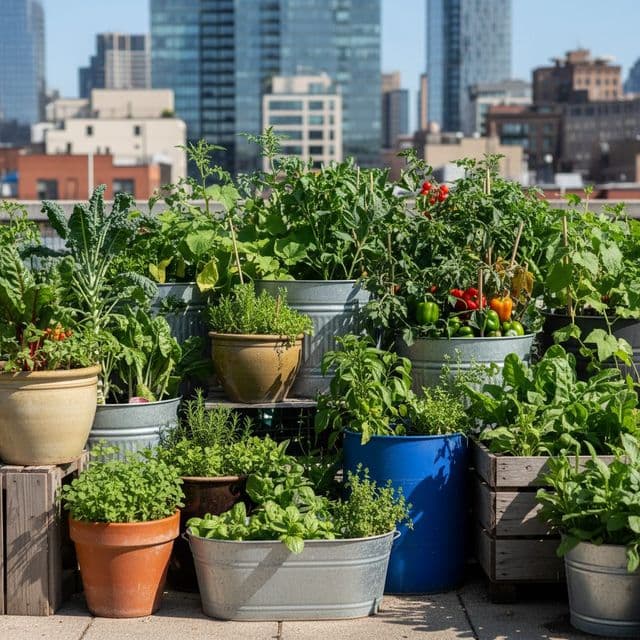
Master container vegetable gardening. Learn to time cool and warm season crops by USDA zone for maximum yield. Perfect for small spaces, balconies, and urban gardens.
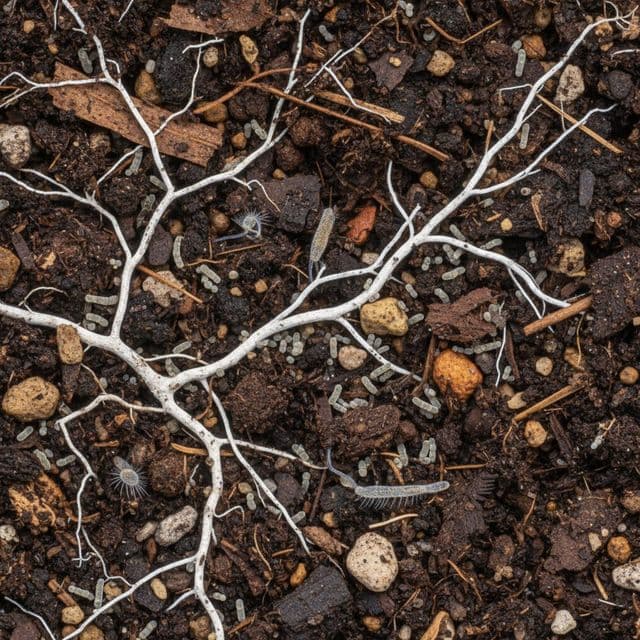
Transform your small apartment balcony in USDA Zone 7 into a productive container vegetable garden. Learn layout ideas, plant selection, and care tips to maximize your yield.
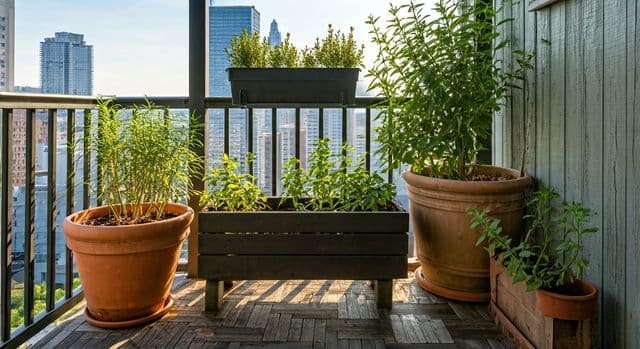
Learn to map balcony sun exposure for successful urban container gardening in USDA Zone 7. Optimize plant choice & care for north, south, east, west-facing spaces.
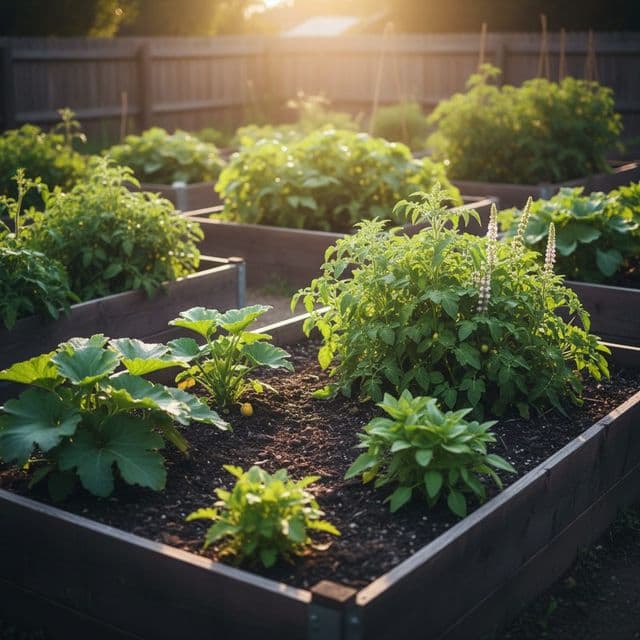
Master your garden with effective seed library organization. Learn to categorize seeds by sowing date, use USDA zones & frost dates, and implement succession planting for a bountiful harvest.
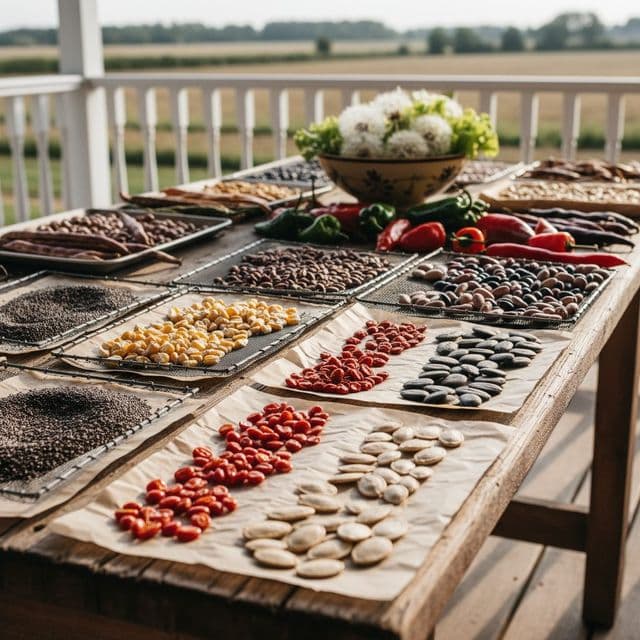
How to save seeds from tomatoes, beans, peppers, and lettuce, covering fermentation, drying, and storage techniques for US homesteaders.
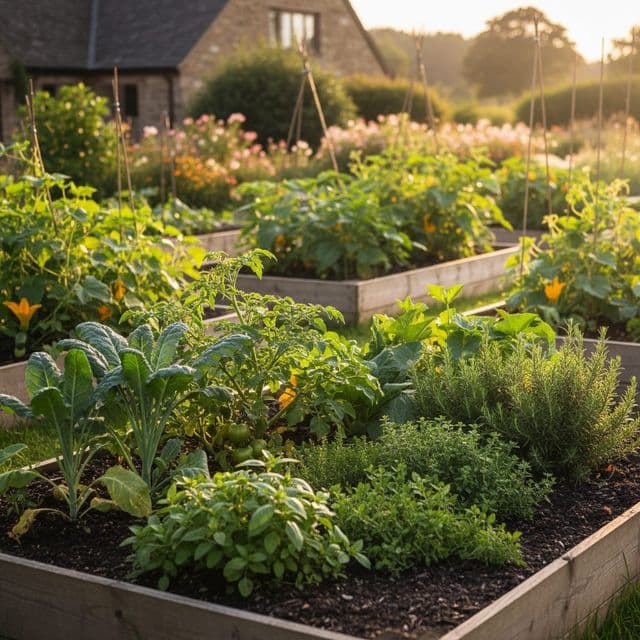
Learn how to properly harden off transplants to prevent shock and boost survival rates by 25-40%. Master this critical step for successful gardening in USDA Zone 6 and beyond.
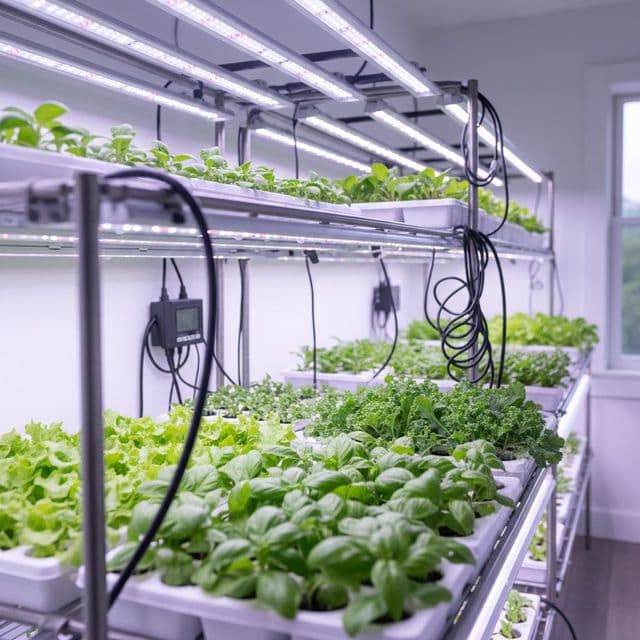
Prevent and fix leggy, crowded, or damped-off seedlings. This guide offers practical strategies for USDA Zone 6 growers to ensure strong, healthy plants from seed.
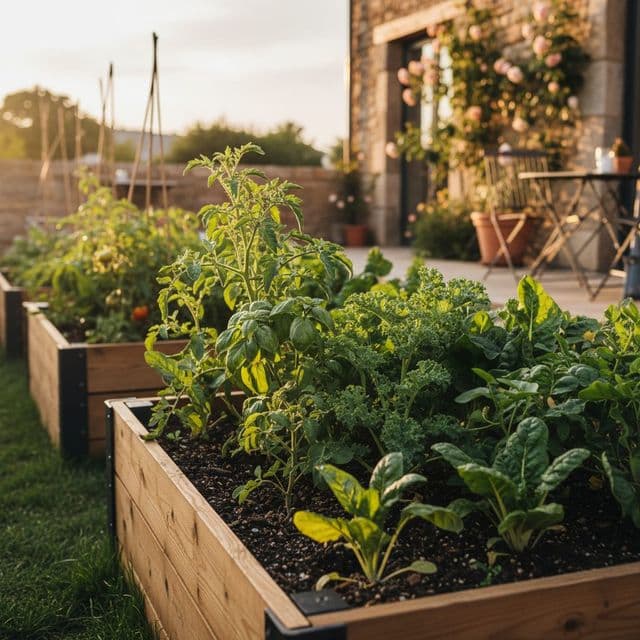
Maximize garden yields by choosing direct sow vs transplant. Learn which method suits root vegetables, warm-season crops, and your USDA Zone for a more bountiful harvest.
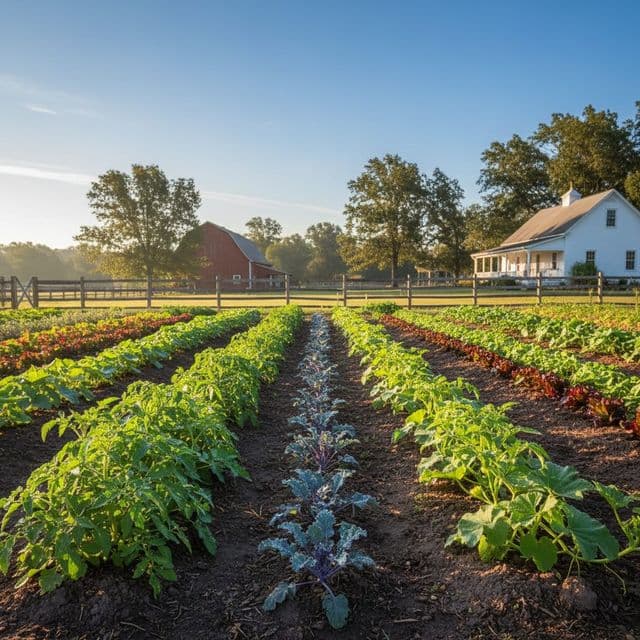
Thin carrot seedlings to 3-inch spacing in USDA Zone 6 to improve root size, reduce disease, and support succession planting.