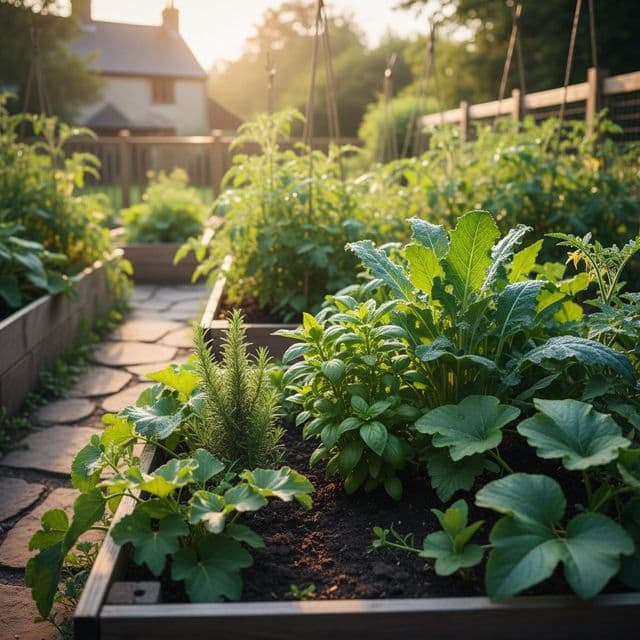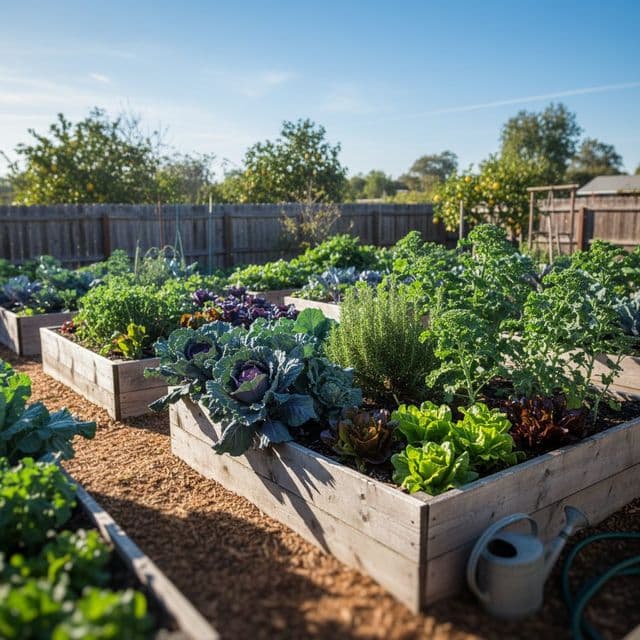
Olla Irrigation: High-Yield Tomatoes, Peppers & Squash in US Gardens
Optimize olla irrigation for gardens to achieve high yields of tomatoes, peppers, and squash. Learn proper sizing and placement for significant water savings in US gardens.
Tag
270 articles in this tag on agripure. — page 6 of 12

Optimize olla irrigation for gardens to achieve high yields of tomatoes, peppers, and squash. Learn proper sizing and placement for significant water savings in US gardens.

Learn to build DIY ollas for passive irrigation. Save up to 70% water in your garden, especially in arid regions like Arizona. Easy, affordable, and promotes healthier plants.

Learn how to build a DIY compost sifter to refine finished compost for better soil texture, water retention, and nutrient availability in your garden. Essential for seed starting & top-dressing.

Learn how to prevent rats, raccoons, and flies from invading your compost pile. Discover effective strategies for compost pest control, including bin construction, material management, and site sel…

Learn why your compost smells like ammonia or rotten eggs. Discover how to balance C:N ratios, improve aeration, and manage moisture for healthy, odor-free compost.

Discover how sourcing free manure from local US farms can boost your garden’s soil fertility and crop yields. Learn safe composting, sourcing tips, and benefits for homesteaders.

Learn how to perform a simple, inexpensive bioassay test to detect persistent herbicide damage in your compost or manure. Protect your US garden from crop failure. Essential compost herbicide test.

Learn to recognize and avoid persistent herbicides like aminopyralid and clopyralid in compost and manure. Protect your garden from contamination that can last for years.

Learn hot composting techniques for cow and horse manure. Maintain 140°F to kill pathogens, improve soil, and boost garden health in USDA Zone 6. Avoid fresh manure risks.

Learn safe composting of chicken manure for fertile soil. Achieve the ideal 30:1 C:N ratio, monitor temperatures, and apply compost in your Midwest garden.

Learn how to speed up leaf mold production for your garden. Discover techniques like shredding, maintaining moisture, and the bag method to create rich soil amendment in USDA Zone 6.

Learn to make leaf mold from fallen leaves. This free, fungal-dominated soil conditioner improves soil structure & water retention, reducing irrigation needs for your garden.

Learn how to charge biochar with compost tea or vermicompost leachate to boost soil health, water retention, and potentially increase crop yields by 10-20% in your garden.

Learn to make DIY biochar from yard and wood waste. Enhance soil water retention, boost fertility, and reduce waste with this sustainable homesteading practice.

Learn to make DIY fish emulsion and seaweed feeds for superior garden soil fertility. Boost plant growth, health, and yields with natural, cost-effective organic fertilizers.

Learn how fermented nettle and weed feeds can boost garden nitrogen by up to 20%, reduce fertilizer costs by 15%, and improve soil health. DIY liquid fertilizer.

Learn to brew and apply worm casting tea for healthier plants and improved soil. Discover how this microbial solution boosts growth, nutrient uptake, and disease resistance in your garden.

Learn how to make effective kitchen scrap liquid feeds from banana peels & eggshells to boost zucchini growth in your USDA zone 6 garden. Reduce waste & improve soil.

Learn to brew aerated compost tea for healthier plants and increased yields. This guide covers equipment, ingredients, and application for disease suppression and nutrient uptake in your garden.

Build an efficient 3-bin pallet composting system to transform organic waste into nutrient-rich soil. Learn to source safe pallets, construct your bins, and boost garden yields by 10-20%.

Compare DIY vs. store-bought compost bins for your garden. Learn about optimal 30:1 C:N ratios, moisture, and aeration for efficient composting. Find the best compost bin for your needs.

Master desert composting in USDA zones 8-10. Learn essential strategies for moisture retention, shade, and temperature regulation to create nutrient-rich humus in arid climates.

Master Midwest winter composting in USDA zones 4-6. Learn to insulate piles, maintain 30:1 C:N ratios, and use vermicomposting for nutrient-rich soil year-round.

Discover cold composting, a low-effort method to create nutrient-rich soil. Learn how passive composting works, its benefits, and how to set up your pile for success in USDA zones 4-10.