Foraging North American wild edibles: regional guide
A regional guide to foraging North American wild edibles, covering edible flowers and tree foods across US zones with identification tips and sustainable harvesting practices.
Tag
554 articles in this tag on agripure. — page 5 of 24
A regional guide to foraging North American wild edibles, covering edible flowers and tree foods across US zones with identification tips and sustainable harvesting practices.
Forensic botanical keys separating North America's 10 deadliest toxic plants from edible lookalikes—water and poison hemlock, death camas, nightshade, pokeweed, white snakeroot, baneberry, jimsonwe…
Why the military Universal Edibility Test (FM 21-76) is scientifically unsafe and potentially fatal for civilian foraging—plus the 5-Gate Positive Botanical ID Protocol, NPS 36 CFR § 2.1 laws, clea…
Discover how to identify, harvest, and prepare edible wild greens like stinging nettle and mallow across US regions. Learn safe foraging practices and nutritional benefits.
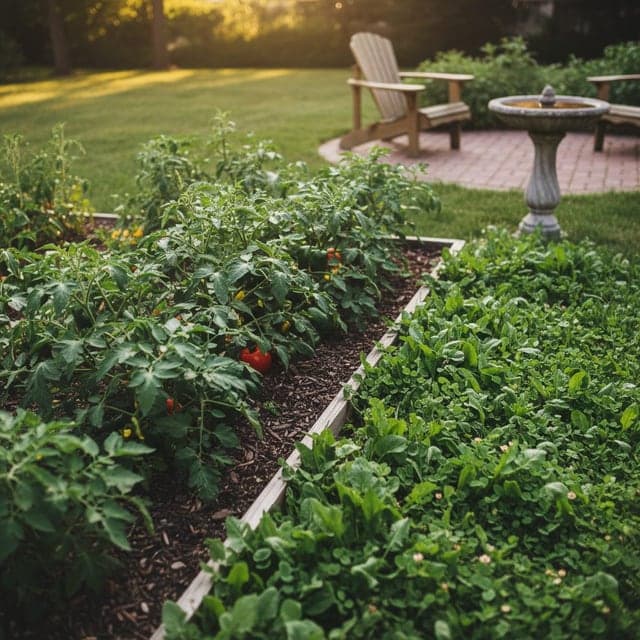
Discover safe edible backyard weeds across US regions. Learn to identify common wild edibles like dandelion & lamb’s quarters for beginners. Forage safely.

How to build durable, low-cost wood-fired earth ovens that reduce cooking fuel costs by 25-35% and support off-grid self-sufficiency with natural materials.
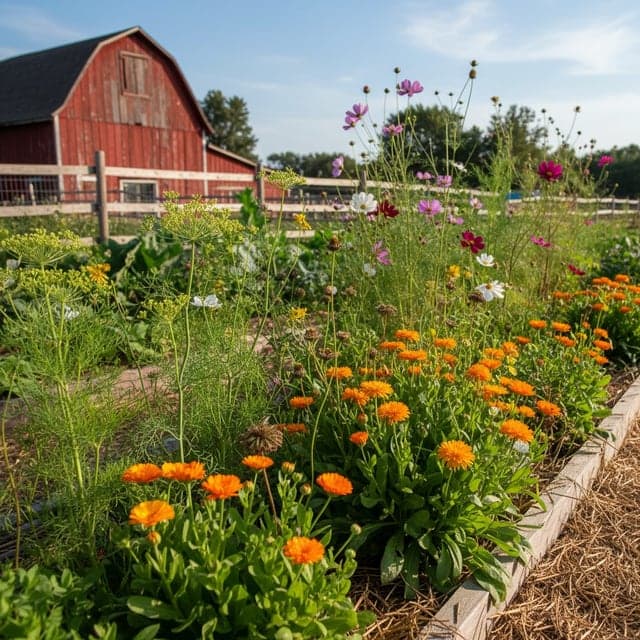
Build a reliable self-seeding US garden using horticultural triage: 10 disciplined annuals and biennials, P0 invasive weed warnings, F1 hybrid vs. open-pollinated genetics, toxic cucurbitacin avoid…
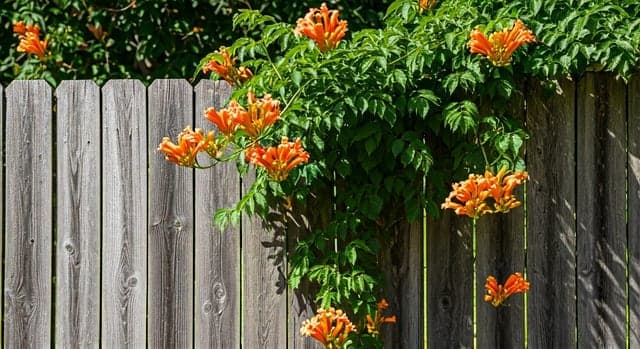
Build rapid fence and pergola privacy across US USDA Zones 3–11 using 60–90 day annual screens or native perennials, 200–400 lb trellis hardware with a 4–6" siding air-gap, invasive bans, and P0 to…

Combat dry US winter air to keep tropical houseplants thriving. Learn to monitor humidity, boost levels with pebble trays & humidifiers, and protect plants from pests.
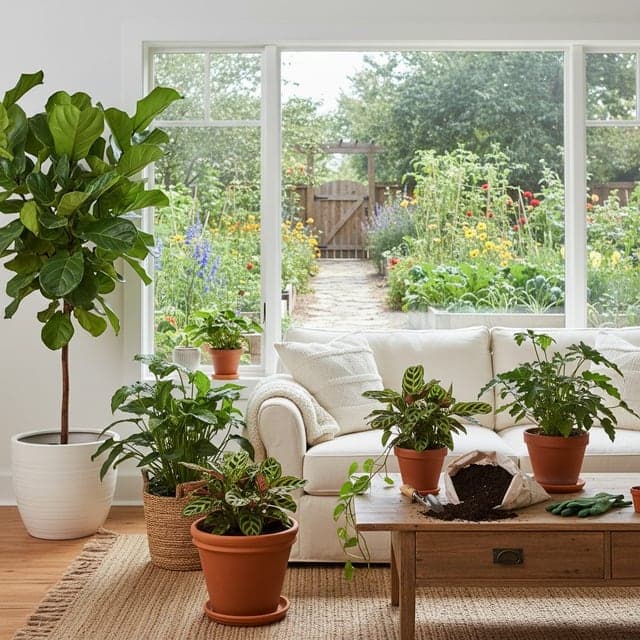
Master houseplant repotting with this guide. Learn timing, soil mix, and root-bound signs for thriving indoor plants. Prevent issues and ensure healthy growth.
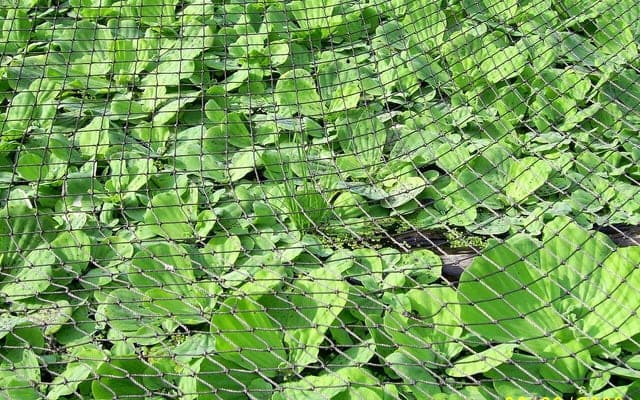
Set up backyard tilapia aquaponics with optimal water conditions, rapid growth (1.5 lbs in 6-9 months), and efficient water use for fish and vegetables.
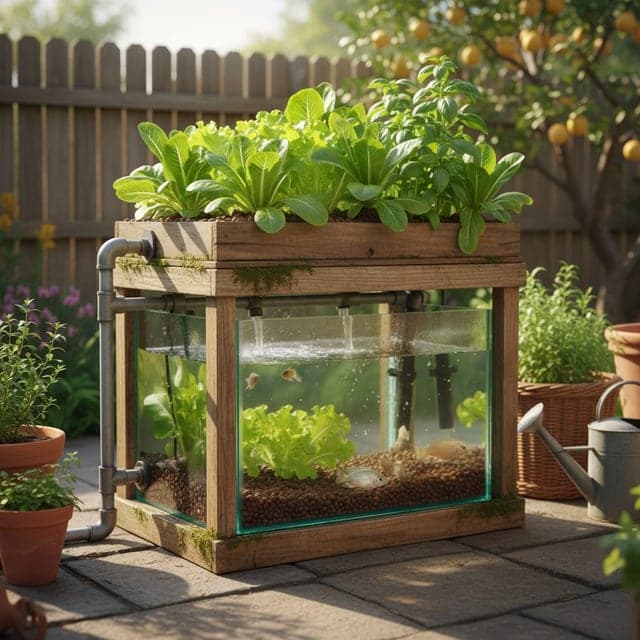
Engineer a dependable home aquaponics system using UVI 60–100 g feed/m²/day math: compare media beds with bell siphons against DWC rafts and NFT channels, trap TSS solids, balance pH 6.8–7.0, check…
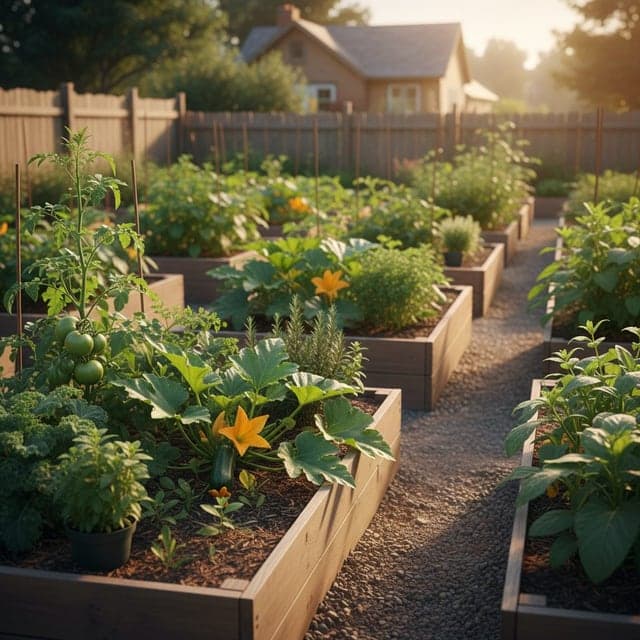
Engineer cool outdoor patio hydroponic reservoirs across US summers: Henry's Law dissolved oxygen vs. Pythium root rot physics, double-foil Reflectix, buried sumps, NFT manifold shading, frozen 1L…
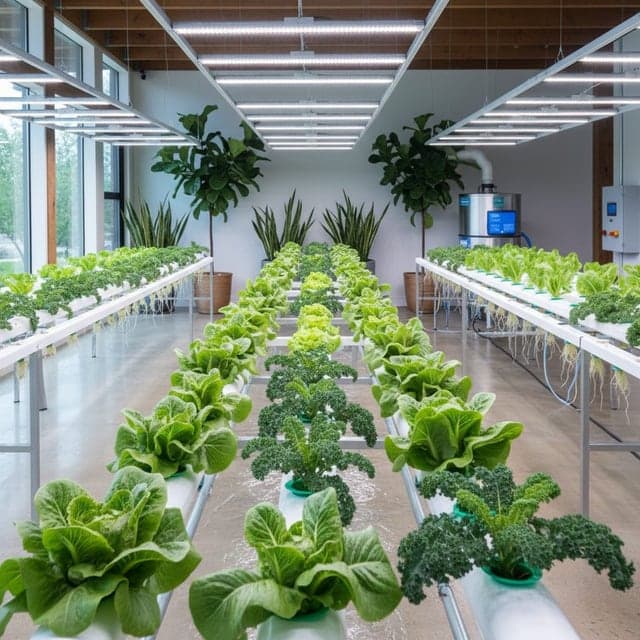
Grow crisp hydroponic lettuce and leafy greens indoors year-round using Cornell CEA, Ohio State, Purdue, and UF/IFAS benchmarks: 12–17 mol/m²/d DLI, 0.3–0.5 m/s downward airflow to stop tipburn, EC…
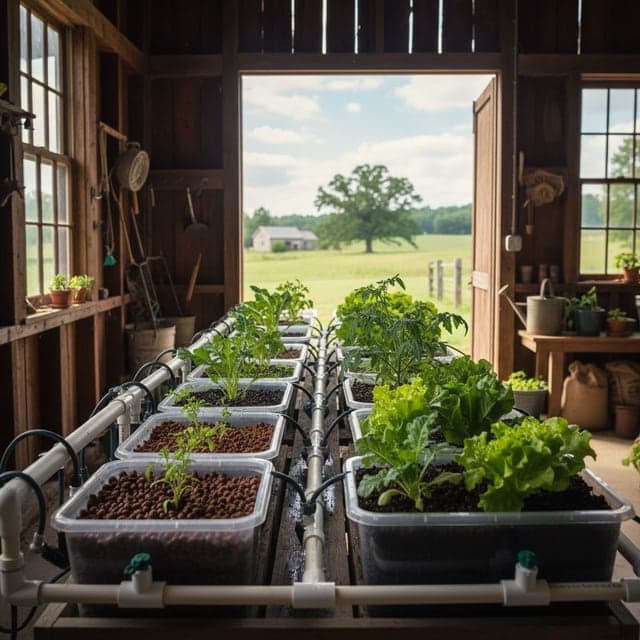
Comparing perlite, LECA, rockwool, and coco coir for hydroponic systems in USDA Zone 7 to balance aeration, water retention, and reusability.
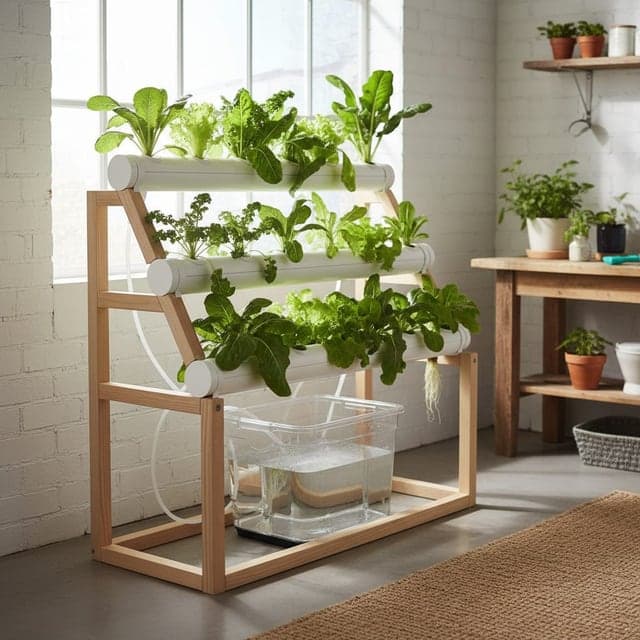
Learn to build and run a Nutrient Film Technique (NFT) hydroponic system at home. Achieve 20% faster lettuce growth and save up to 90% water with this efficient recirculating method.
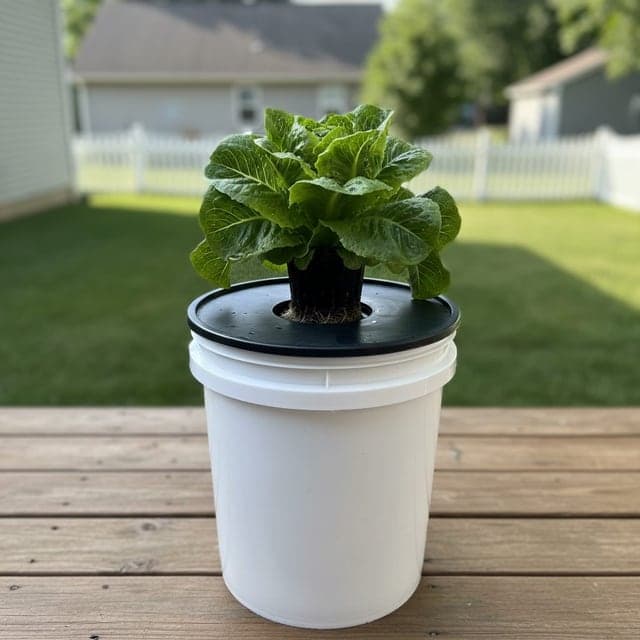
Master Dr. Bernard Kratky's zero-pump passive hydroponics using UH CTAHR rules: 0.8–1.2 in starting net-pot dip, humid O2 air roots, 1-qt vs. 1-gal vs. 5-gal sizing, never-drown top-up limits, opaq…
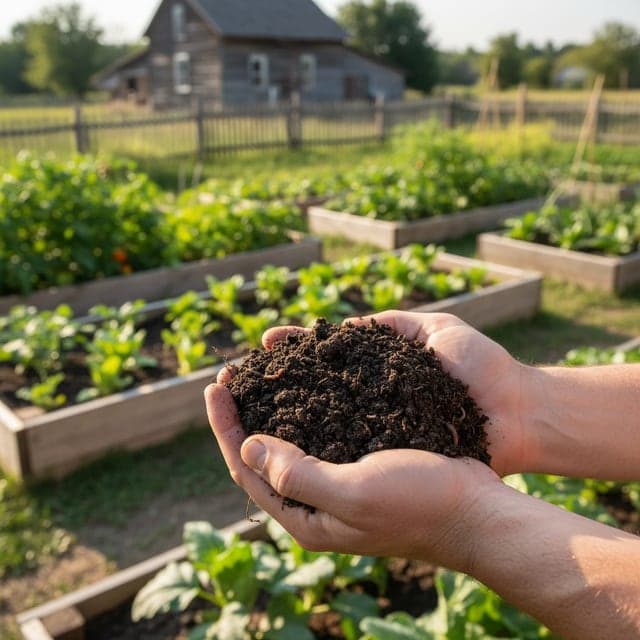
Learn DIY garden soil testing for texture, pH, and drainage, then match your amendments to what the tests show. Essential for Zone 6.
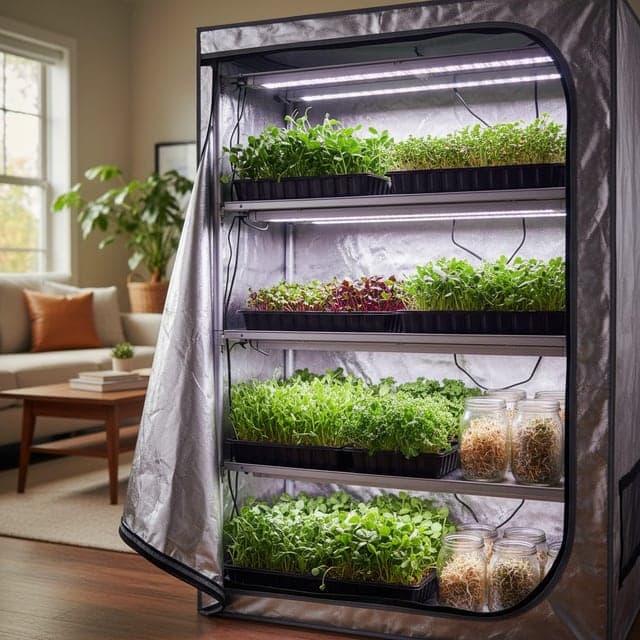
Learn how to grow nutrient-dense microgreens and sprouts indoors year-round, regardless of your US climate. This guide covers setup, cultivation, and harvest for fresh produce.
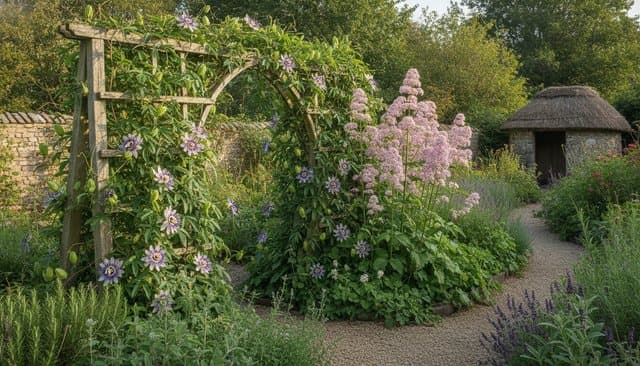
Learn to grow valerian and passionflower for natural sleep support in USDA zones 4-9. This guide covers planting, care, harvesting, and drying for your home apothecary.
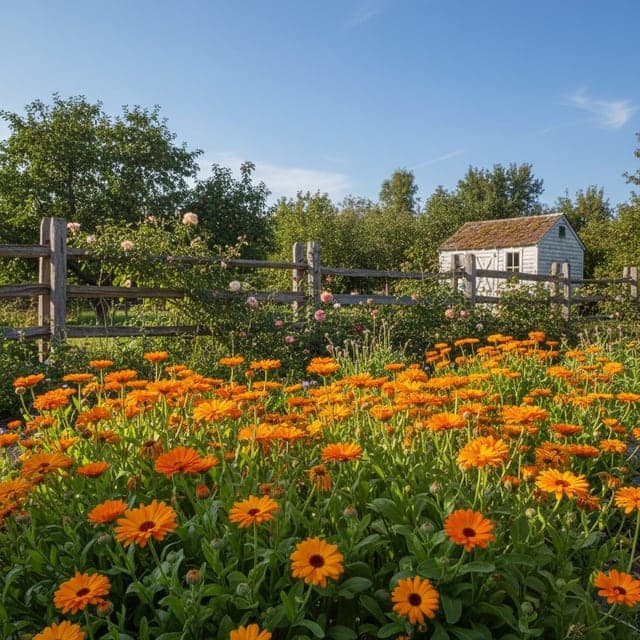
How to grow calendula, the adaptable ‘pot marigold,’ for a home apothecary, covering planting tips, soil needs, and how to harvest this medicinal skin-soothing flower.

Grow true Aloe barbadensis miller indoors or in USDA Zones 9–11 using heavy terracotta, 50% pumice or coarse perlite mix, soak-and-dry watering, 3–7 day pup callusing, 15–30 minute upright aloin dr…
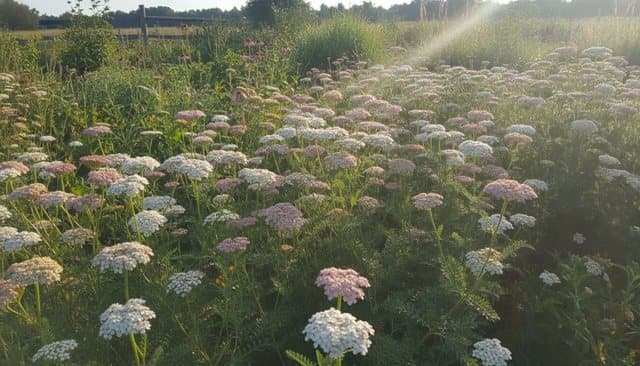
How to grow and use yarrow (Achillea millefolium) in USDA zones 3-9, covering cultivation, harvesting, and home apothecary preparations.
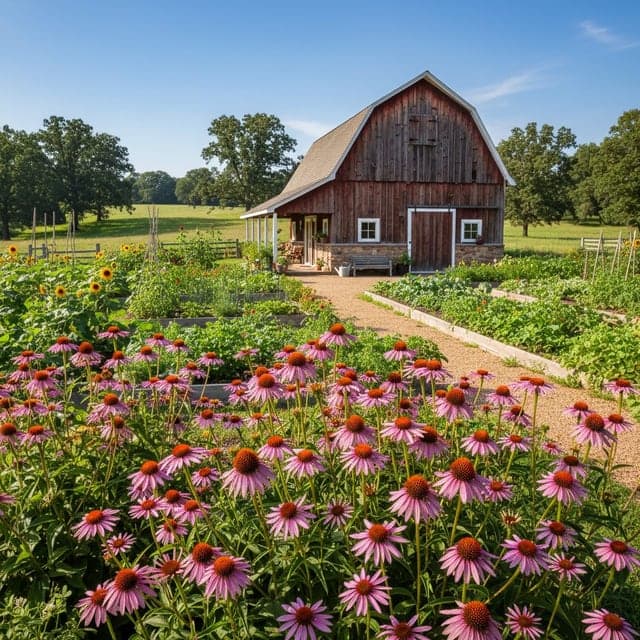
Discover the dual benefits of growing echinacea (purple coneflower) in USDA Zones 4-9. Support your immune system & attract 20+ pollinator species with this resilient medicinal herb.