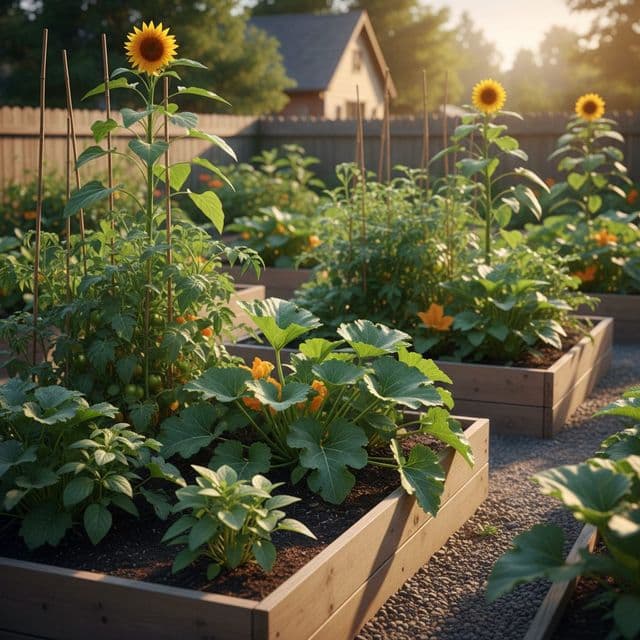
Winter Sowing: Upcycle Plastic for 90% Germination in Zone 4
Learn how to upcycle common plastic containers for winter sowing. Achieve 80-90% germination rates, save money, and grow hardier seedlings in USDA Zone 4 and beyond.
Tag
479 articles in this tag on agripure. — page 7 of 20
Learn how to upcycle common plastic containers for winter sowing. Achieve 80-90% germination rates, save money, and grow hardier seedlings in USDA Zone 4 and beyond.
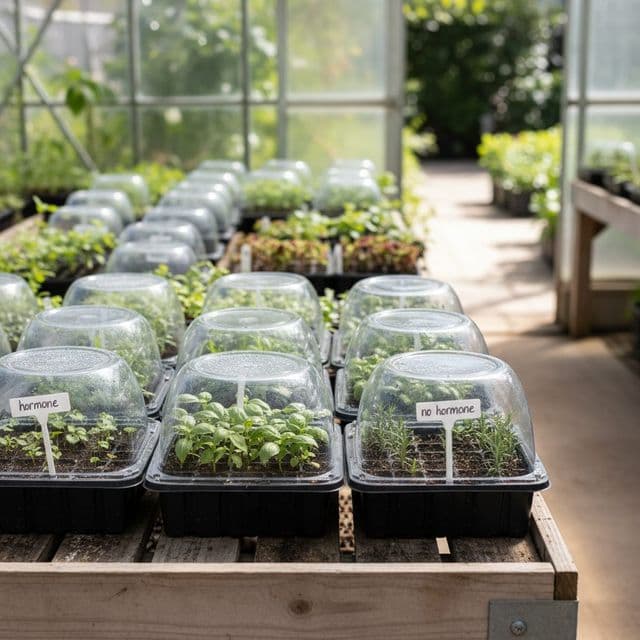
Learn when rooting hormone earns its place. Learn when to use rooting hormone for cuttings to boost root development in hard-to-root species and when to skip it for easy-rooters. Maximize your plan…
Compare DIY natural rooting hormones with commercial options. Learn how to boost plant propagation success rates for various species in your garden or nursery.
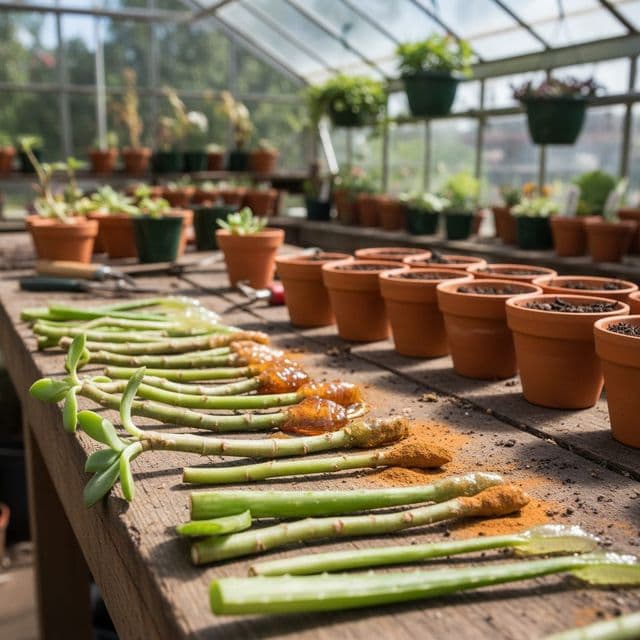
Scientific evidence behind honey, aloe vera, and cinnamon as DIY rooting aids for plant propagation, and how these natural alternatives perform for US growers.
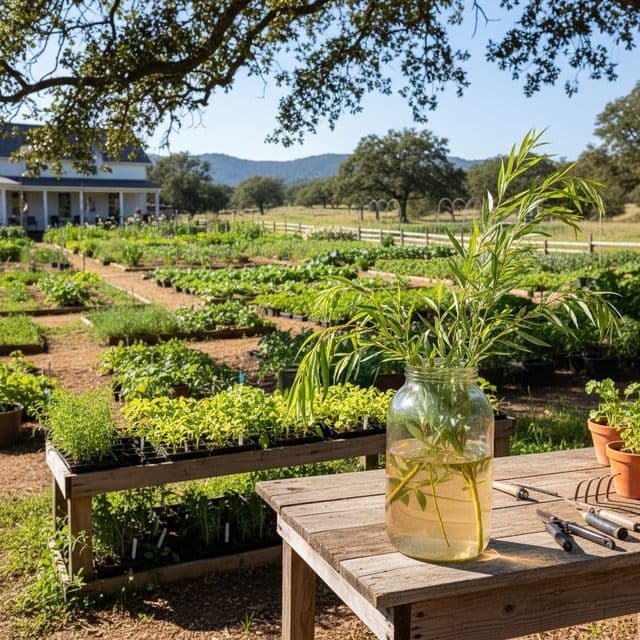
How to brew willow water as a homemade rooting aid, covering native willow species, sustainable harvesting, and steeping methods to support plant cuttings.
Increase plant cutting success by 30-50% with a simple DIY humidity dome. Learn essential components, setup tips, and why high humidity is crucial for successful rooting and propagation.
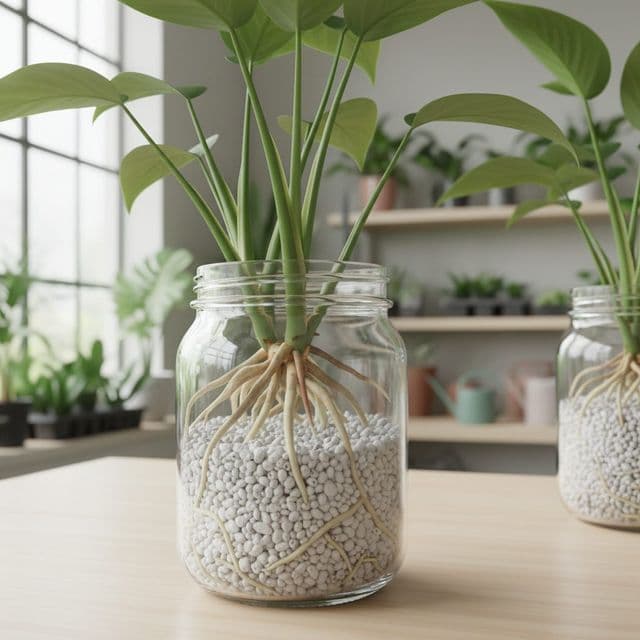
Discover why perlite for cuttings consistently produces stronger, more vigorous roots than water or soil. Learn optimal methods for successful plant propagation and transplant.
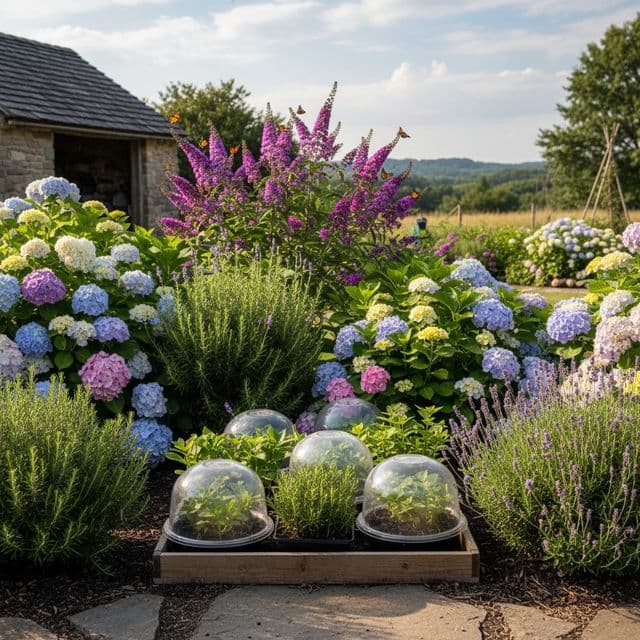
Propagate hydrangea, rosemary, and lavender from softwood and semi-hardwood cuttings, with 80%+ rooting rates across USDA zones 5-9.
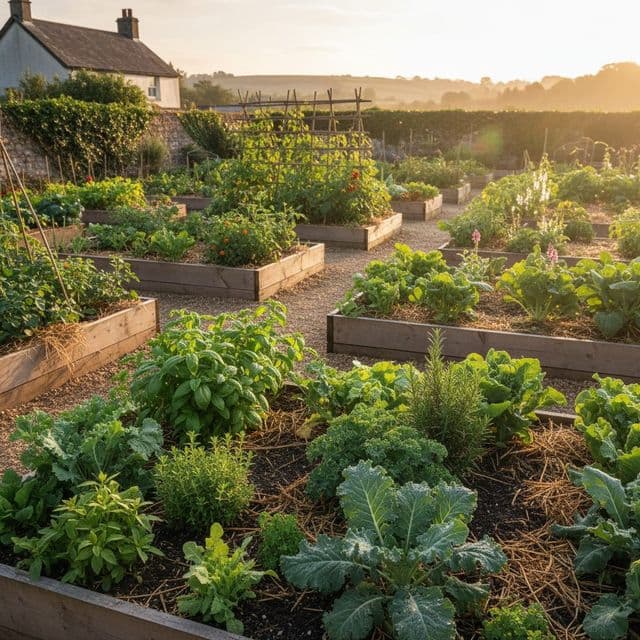
Achieve 90%+ success rooting herbaceous cuttings like basil, tomato, and mint. Learn optimal techniques, media, and hormones for fast root development in USDA zones 4-10.
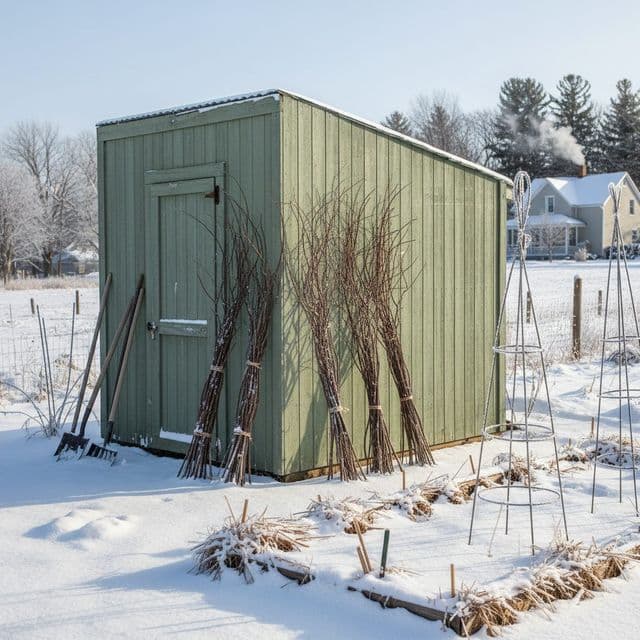
Learn to root fig, mulberry, currant, and grape hardwood cuttings in USDA zones 5-9. Achieve high success rates, save money, and expand your garden with this guide.
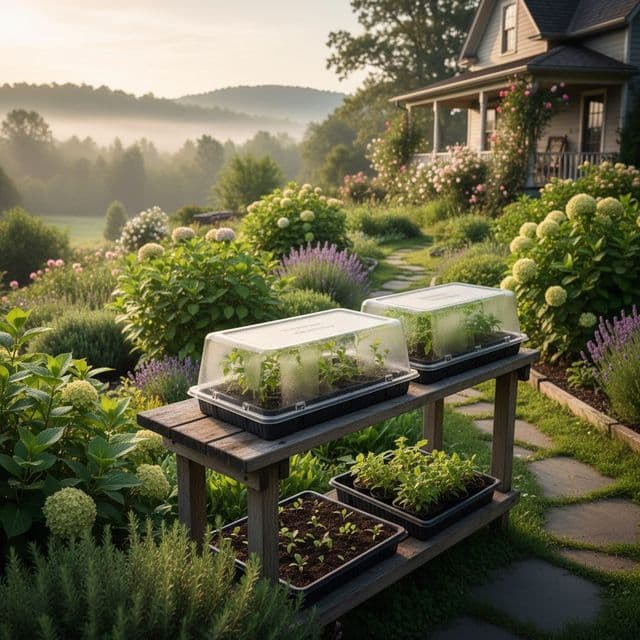
Master shrub cuttings propagation across USDA zones 4-9. Learn techniques for softwood, semi-hardwood, and hardwood cuttings to clone plants, save money, and boost success rates.
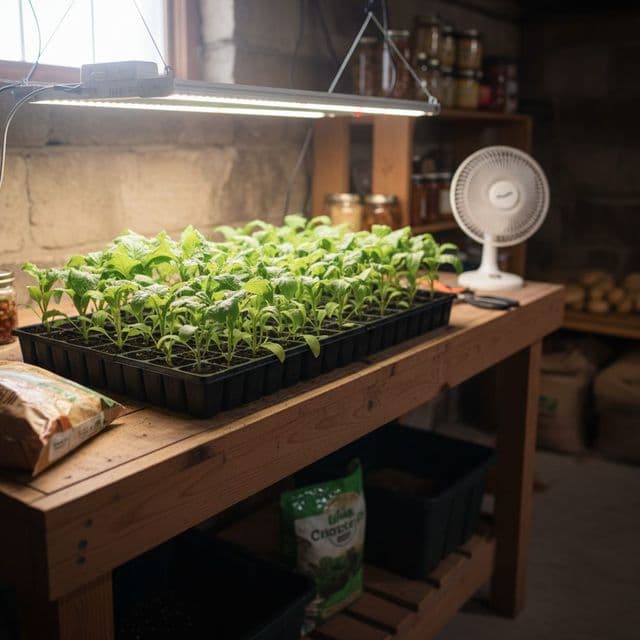
How to manage airflow, light, and bottom watering for indoor seedlings, preventing damping-off and maintaining dry crowns before transplanting.
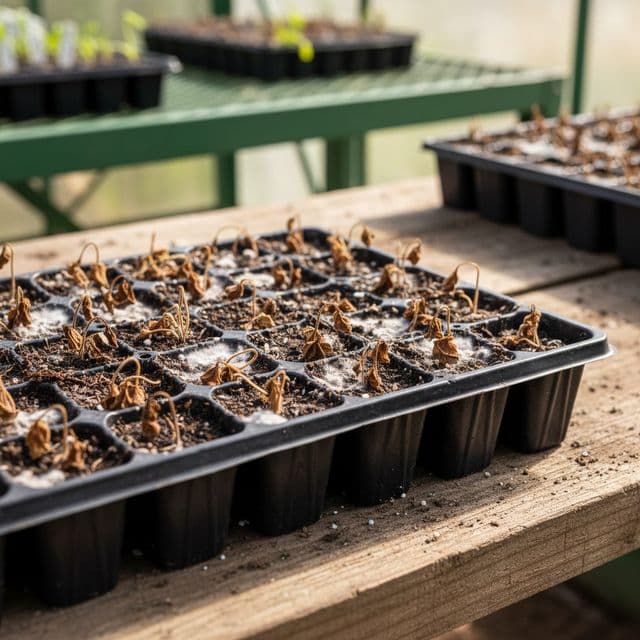
Damping-off disease can destroy 50-90% of seedlings. Learn to identify Pythium & Rhizoctonia, and implement strategies for prevention & control in your US garden.
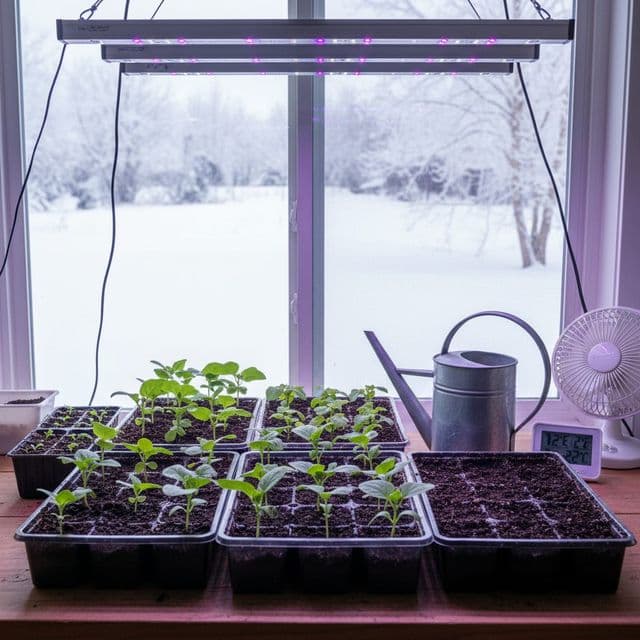
Learn to identify and fix 5 common seed starting failures. Improve germination rates, prevent leggy seedlings, and stop damping-off for strong plants ready for your garden.
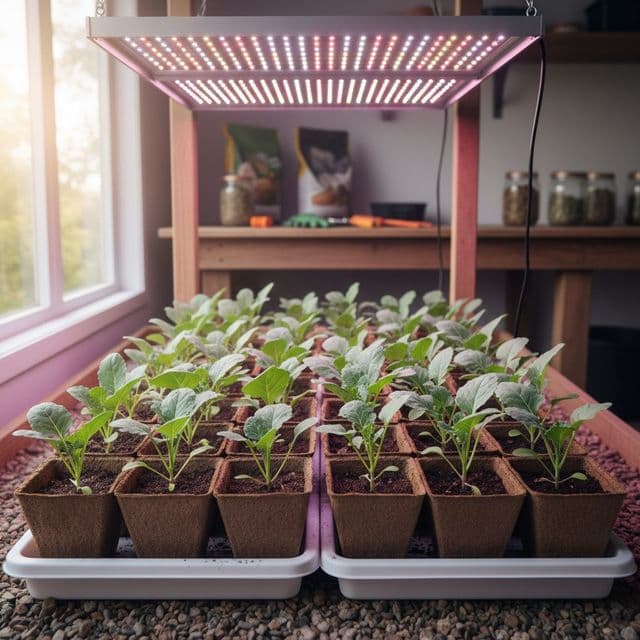
Master the art of potting up tomato seedlings in USDA Zone 6. Learn key techniques for healthy root development, preventing shock, and ensuring robust summer growth.
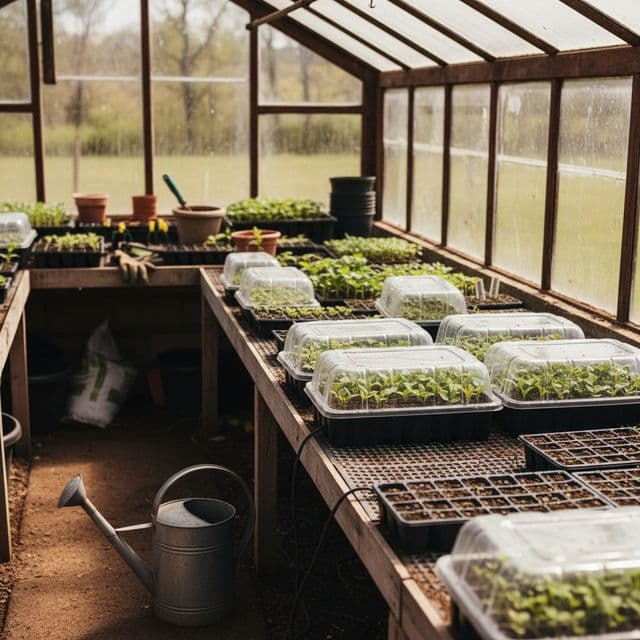
Boost plant starts germination to 90% in USDA Zone 6 with heat mats, humidity domes, and bottom-watering. Learn techniques for healthier seedlings & higher success rates.
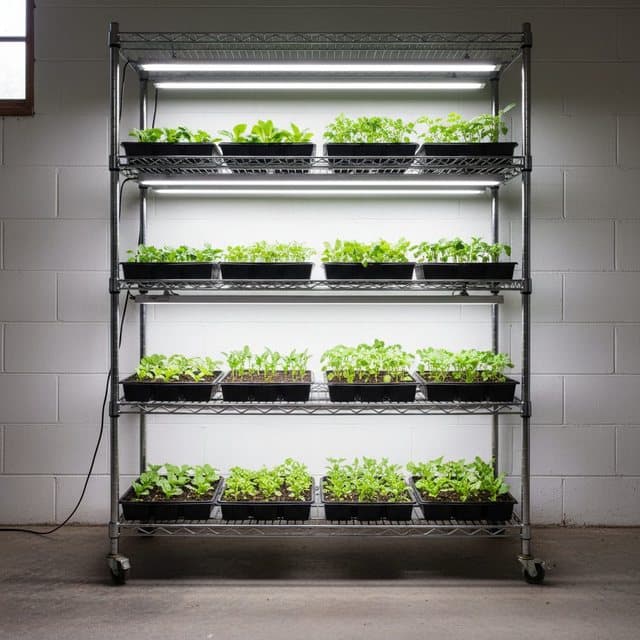
How to build a budget grow-light shelf to prevent leggy seedlings and produce sturdy plant starts, with lighting and shelving options for USDA Zone 6.
Master seed starting for your US garden! Learn the ‘count-back’ method using your last frost date to time warm & cool-season crops. Includes a seed starting chart for optimal growth.
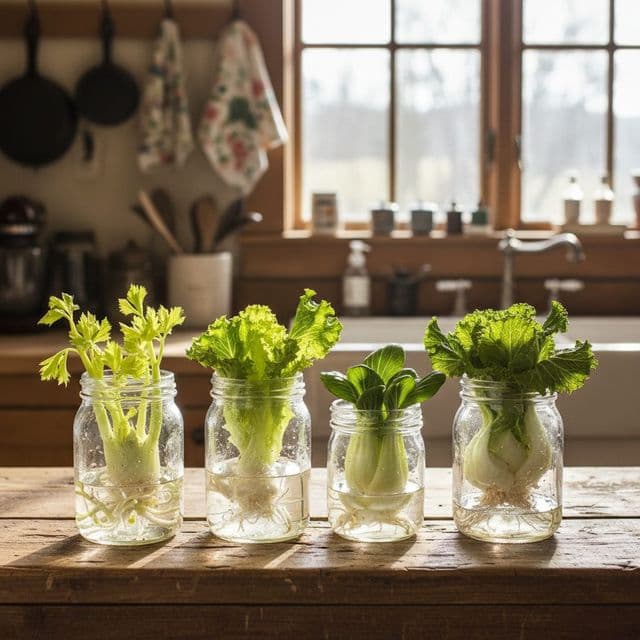
How to regrow kitchen scraps like celery, romaine, and bok choy to extend garden harvests, with methods for propagation, transplanting, and ongoing care.
How to regrow ginger and turmeric rhizomes from store-bought roots, with indoor container methods for cold climates and outdoor planting guides for USDA zones 4-10.
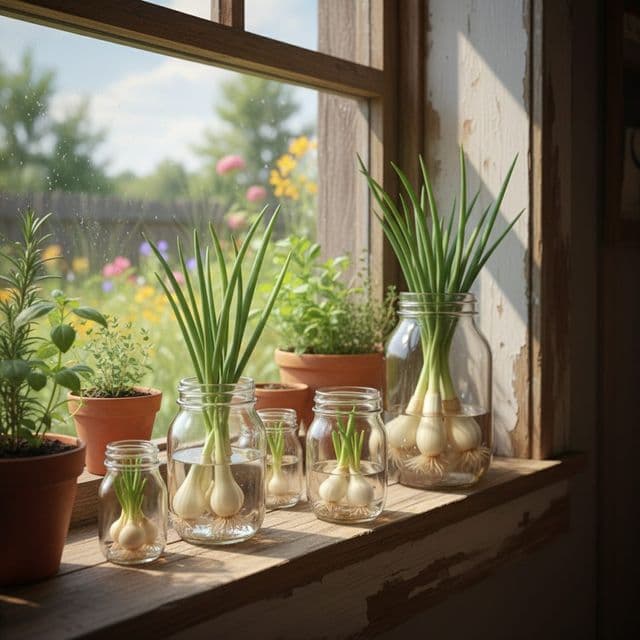
Learn how to regrow green onions and scallions on your windowsill for a continuous, year-round harvest. Reduce waste, save money, and enjoy fresh flavor with this simple guide.
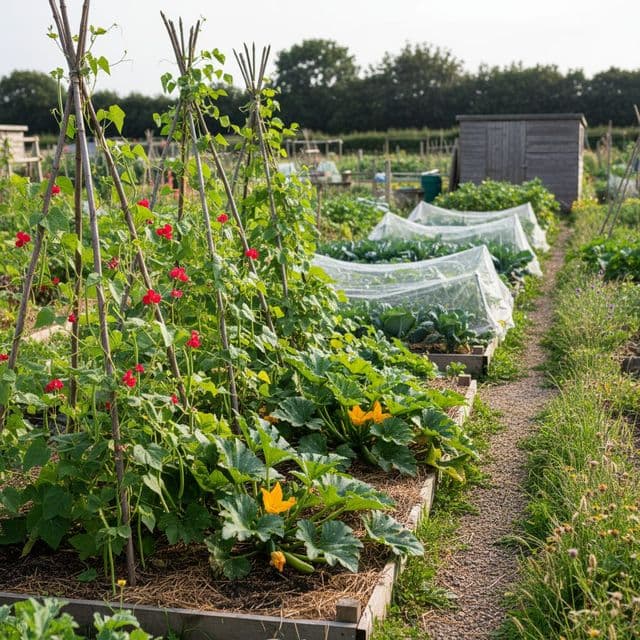
Learn effective strategies to protect your backyard berries in USDA Zone 6 from common pests like birds, spotted wing drosophila (SWD), and Japanese beetles. Implement netting, sanitation, and IPM…
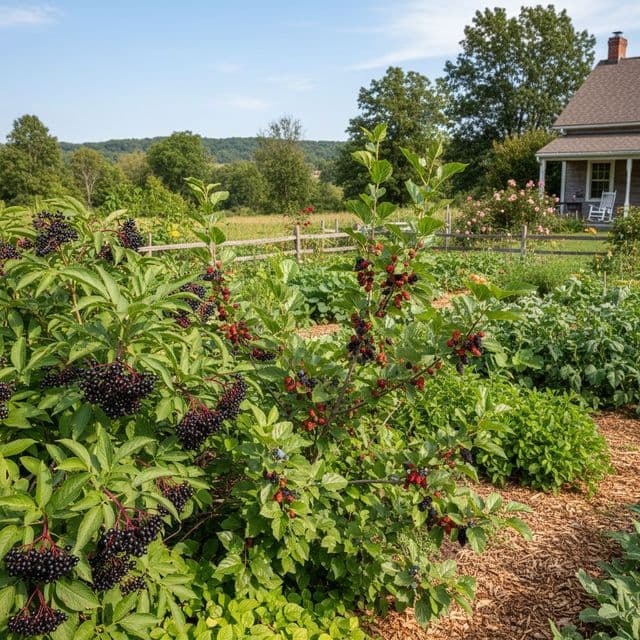
Discover how to easily grow native US berries like elderberry, serviceberry, and mulberry in USDA zones 3-9. Reduce maintenance, boost biodiversity, and enjoy abundant harvests.
Discover the best blueberry varieties—Northern Highbush, Rabbiteye, Southern Highbush—for your USDA zone. Learn about chilling hours, soil pH, and care for a bountiful harvest.