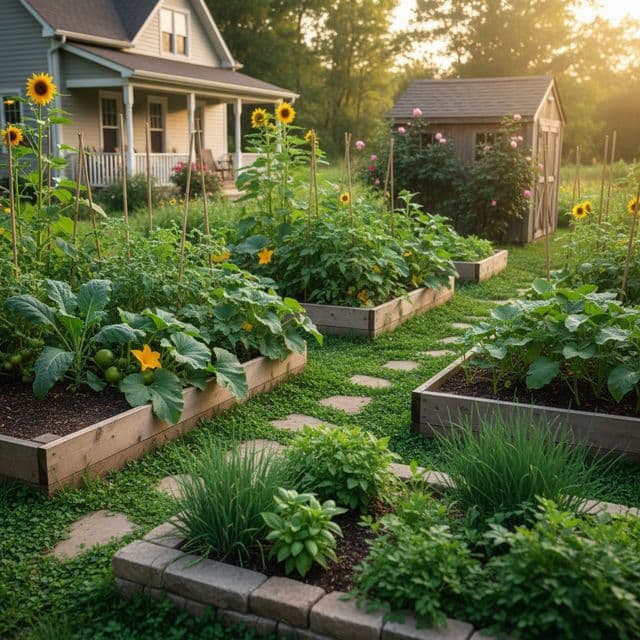
Biochar vs. charcoal: soil benefits for USDA Zone 6 gardens
The differences between biochar and grilling charcoal for garden soil, including how biochar improves soil water retention and plant health in USDA Zone 6 while avoiding additives.
Topic
Compost and nutrient cycling covers the full loop from kitchen scraps and yard waste to finished humus-rich compost — and how that material re-enters the soil. Articles explain aerobic and anaerobic methods, C:N ratios, vermicomposting, and the microbial processes that drive decomposition.
90 articles in this topic on agripure. — page 3 of 4
The differences between biochar and grilling charcoal for garden soil, including how biochar improves soil water retention and plant health in USDA Zone 6 while avoiding additives.
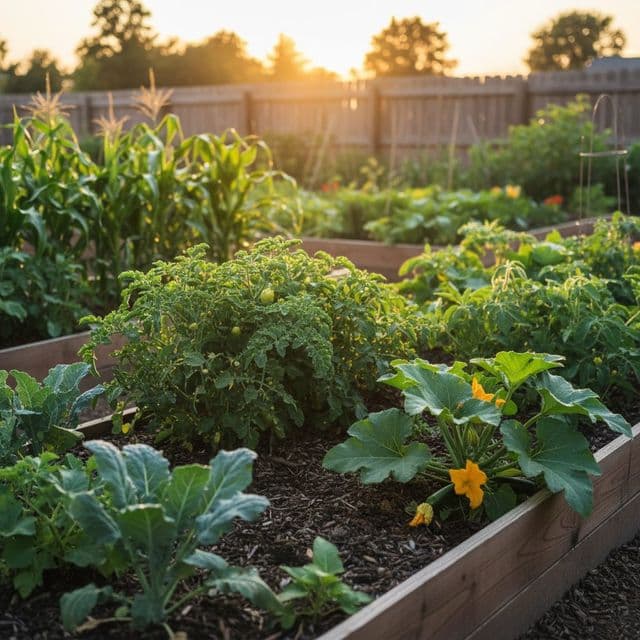
Learn how to charge biochar with compost tea or vermicompost leachate to boost soil health, water retention, and potentially increase crop yields by 10-20% in your garden.
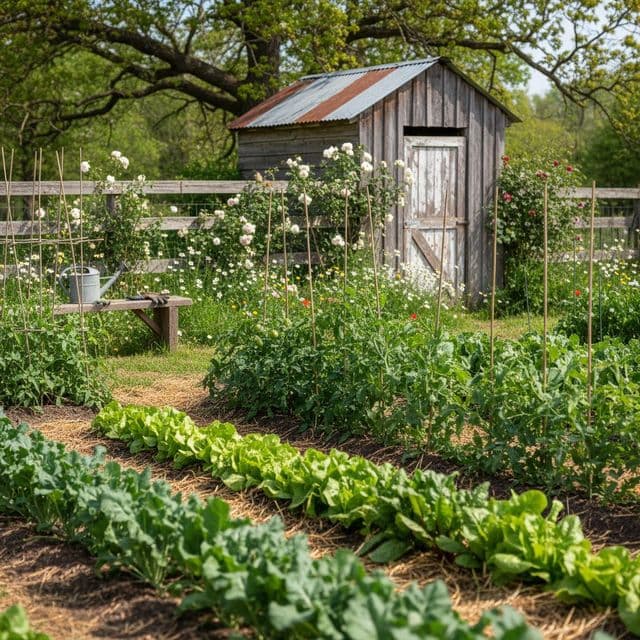
Make DIY fish emulsion and seaweed feeds for garden soil fertility, providing nitrogen, micronutrients, and growth hormones using homemade organic fertilizers.
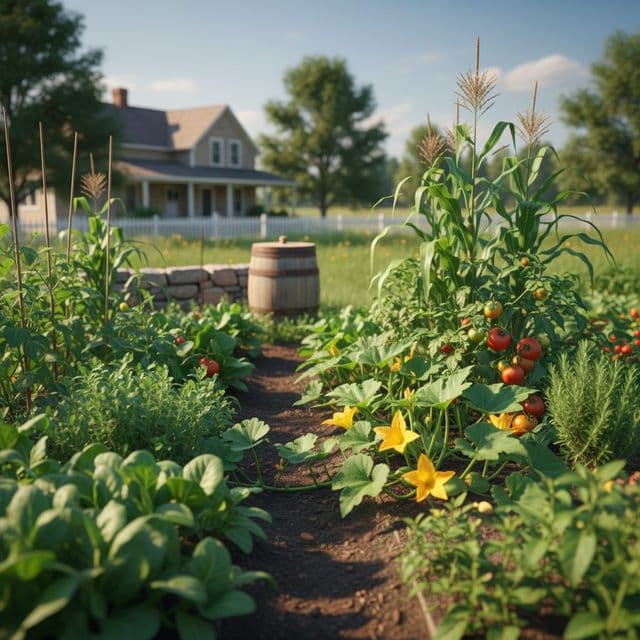
Fermented nettle and weed feeds can increase garden nitrogen by up to 20%, reduce fertilizer costs by 15%, and improve soil health. DIY liquid fertilizer.
How to brew and apply worm casting tea for healthier plants and improved soil, including application rates, brewing steps, and soil drench techniques.
Learn how to make effective kitchen scrap liquid feeds from banana peels & eggshells to boost zucchini growth in your USDA zone 6 garden. Reduce waste & improve soil.
Learn to grow Bocking 14 comfrey and make potent ‘comfrey tea’ liquid fertilizer. This sterile hybrid boosts soil fertility in USDA zones 4-9, providing essential nutrients for your garden.
Learn to brew aerated compost tea for healthier plants and increased yields. This guide covers equipment, ingredients, and application for disease suppression and nutrient uptake in your garden.
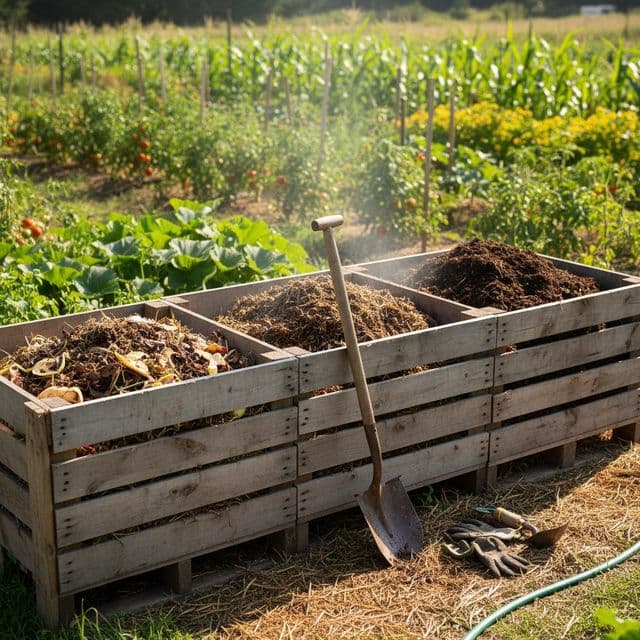
A 3-bin pallet composting system converts organic waste into finished compost, sourcing heat-treated pallets to boost garden yields by 10-20%.
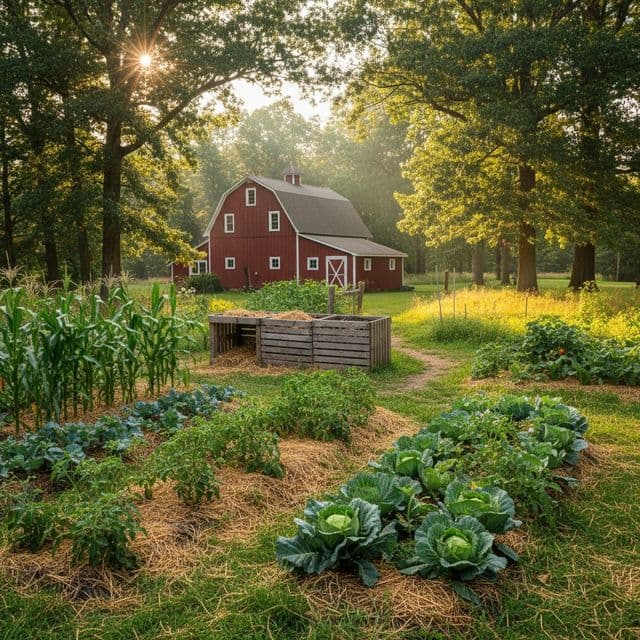
Compare DIY vs. store-bought compost bins for your garden. Learn about optimal 30:1 C:N ratios, moisture, and aeration for efficient composting. Find the best compost bin for your needs.
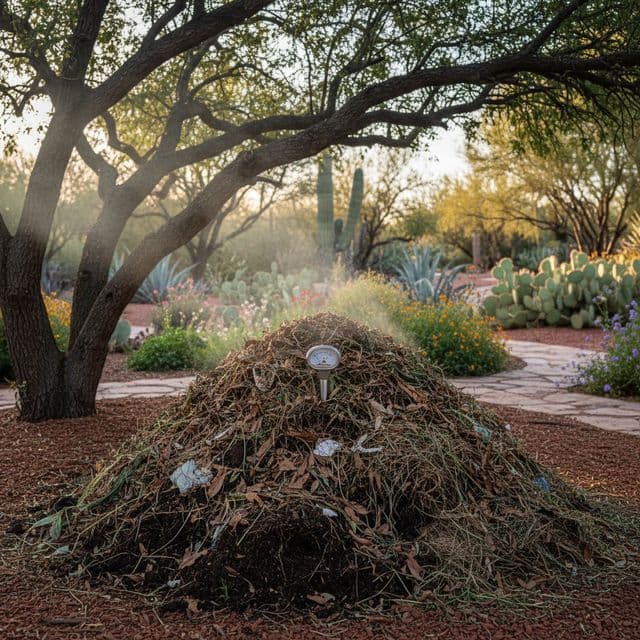
Master desert composting in USDA zones 8-10. Learn essential strategies for moisture retention, shade, and temperature regulation to create nutrient-rich humus in arid climates.
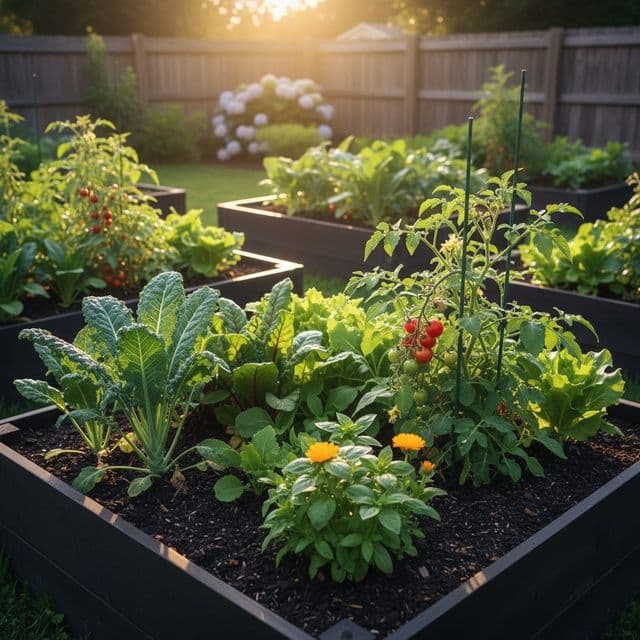
Master Midwest winter composting in USDA zones 4-6. Learn to insulate piles, maintain 30:1 C:N ratios, and use vermicomposting for nutrient-rich soil year-round.
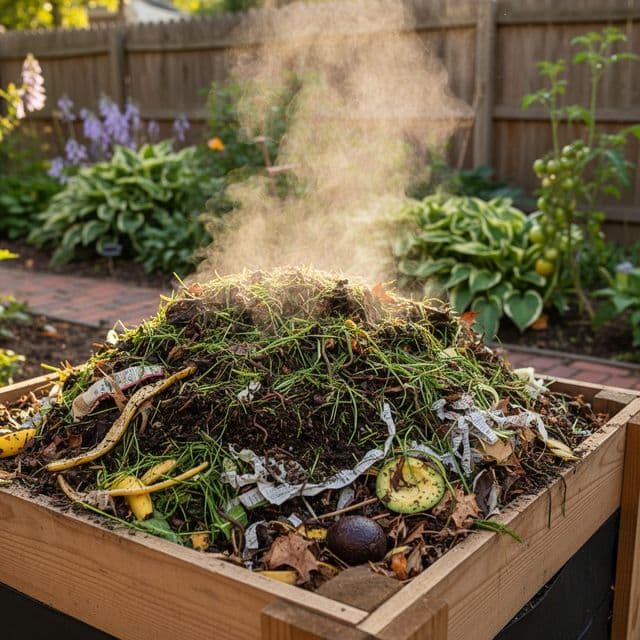
Learn how to balance the carbon-to-nitrogen (C:N) ratio in your compost pile for efficient decomposition. Discover ideal ratios for browns & greens to create nutrient-rich soil.
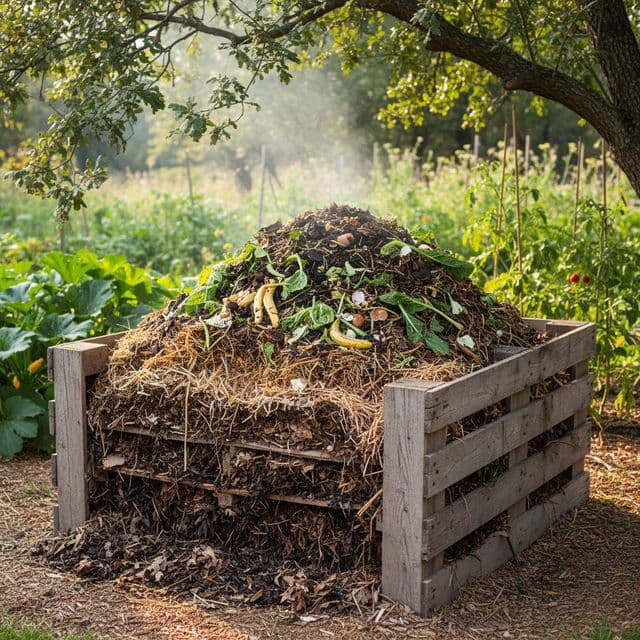
Discover cold composting, a low-effort method to create nutrient-rich soil. Learn how passive composting works, its benefits, and how to set up your pile for success in USDA zones 4-10.
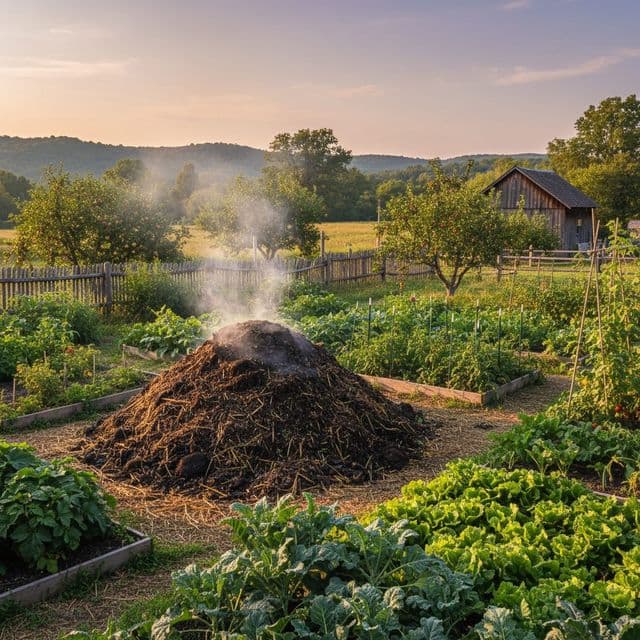
Master hot composting with the Berkeley method. Achieve 130-160°F temperatures to create nutrient-rich compost in 18 days, improving soil structure & fertility.
Learn how to manage apartment composting in Phoenix, AZ, even in a small 500 sq ft space. Discover vermicomposting, bokashi, and biochar to reduce organic waste by up to 35% and create compost for…
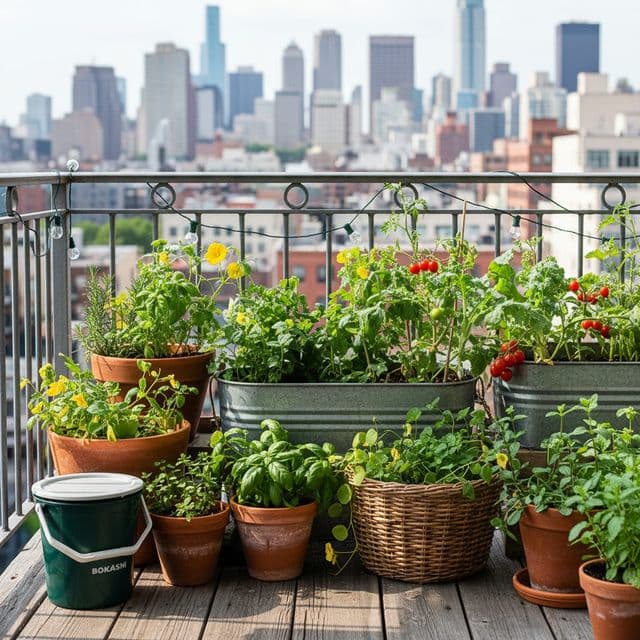
Transform bokashi pre-compost into nutrient-rich soil for your USDA Zone 6 urban gardens. Learn container methods, vermicomposting, and biochar integration for small spaces.
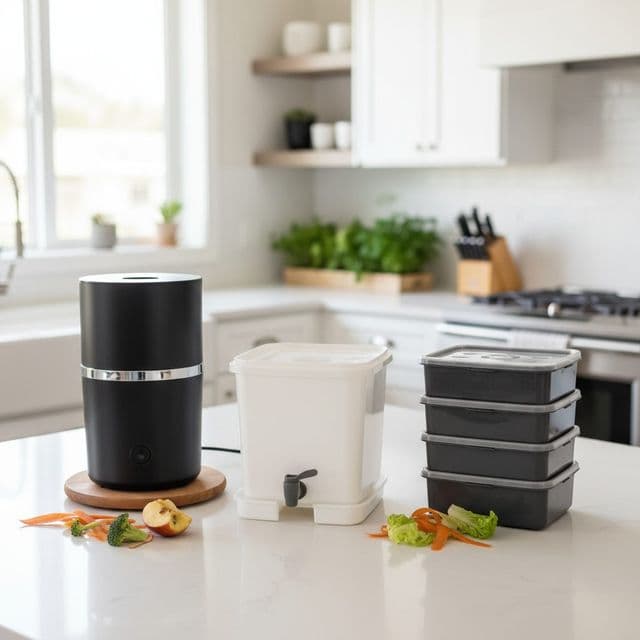
Indoor composting systems like bokashi, vermicomposting, and electric composters reduce household waste. Compare methods to choose the best option for your home.
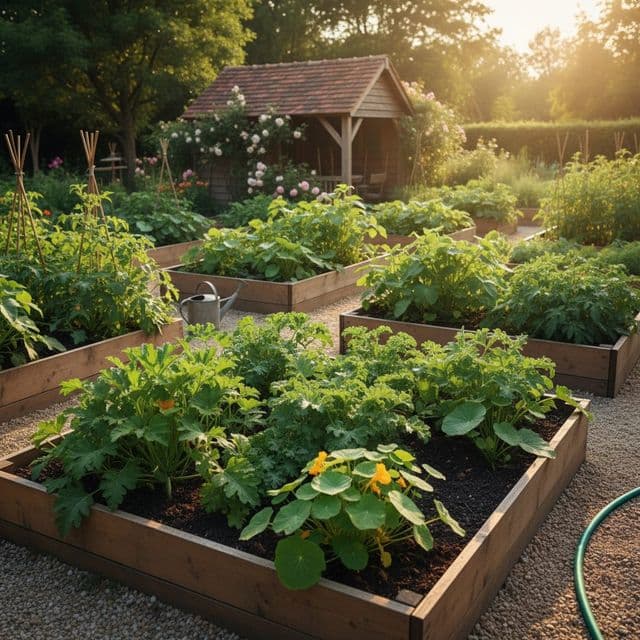
Learn how renters can compost food scraps on balconies or countertops in US cities. Discover vermicomposting, biochar, and tips for fertile container gardens.
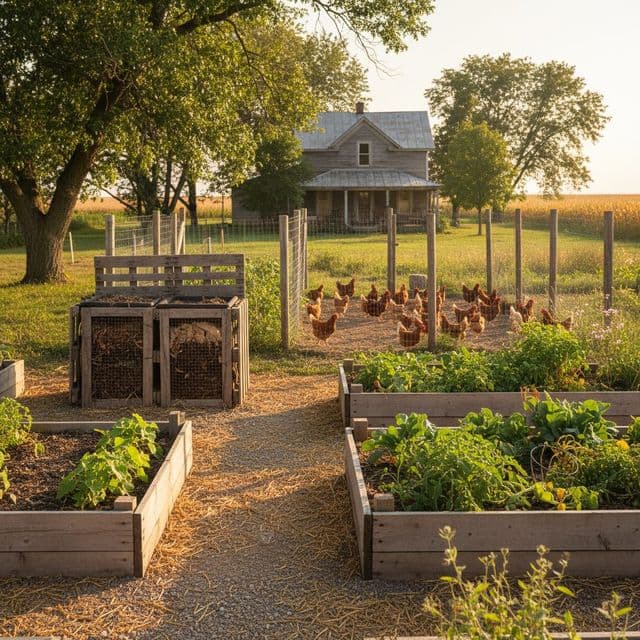
How to make homemade bokashi bran and save up to 75% on soil amendments, enriching garden soil and fermenting kitchen scraps anaerobically.
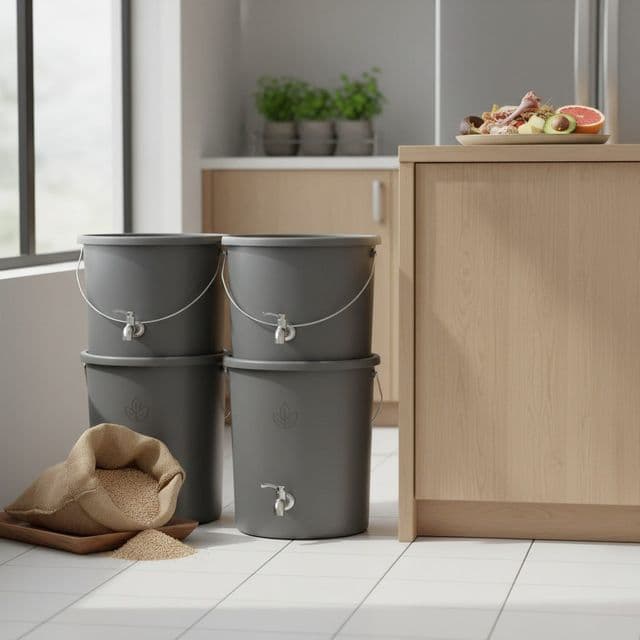
Learn Bokashi composting for US growers. Ferment all kitchen scraps, including meat & dairy, indoors. Reduce waste, create nutrient-rich soil, and avoid odors & pests.
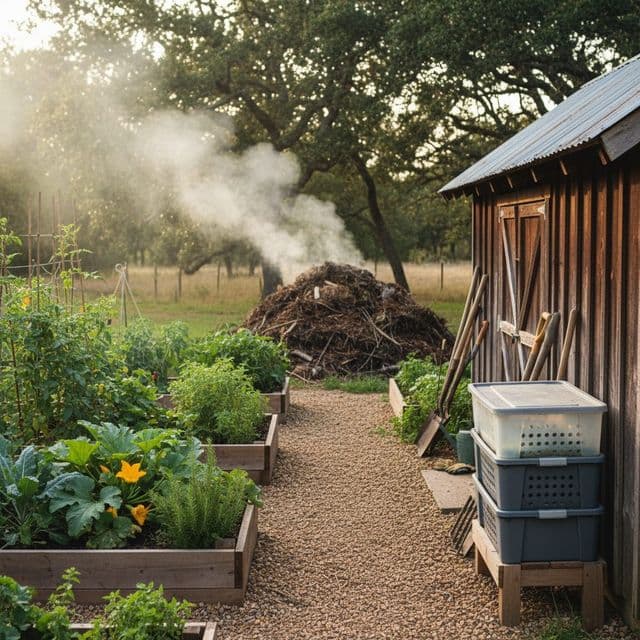
How vermicompost compares with traditional compost for soil organic matter, nutrient availability, and water retention in vineyards and garden beds.
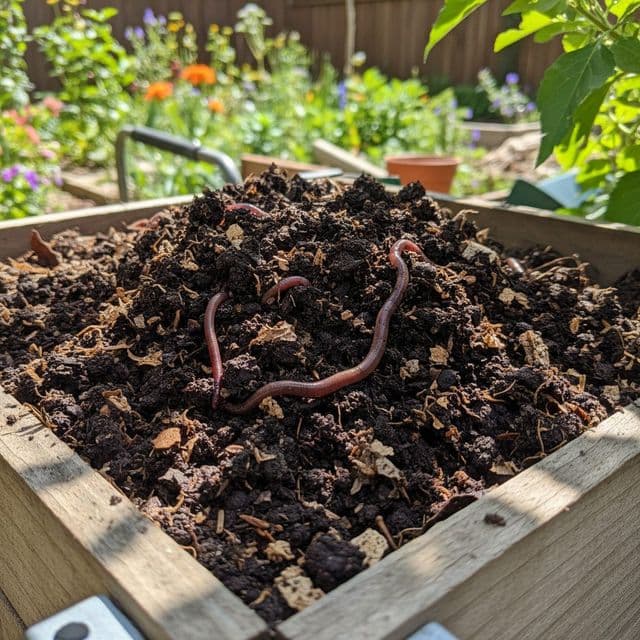
Learn four effective methods for harvesting worm castings from your backyard bin. Boost soil health, nutrient availability, and garden yields by up to 20% with nutrient-rich vermicompost.
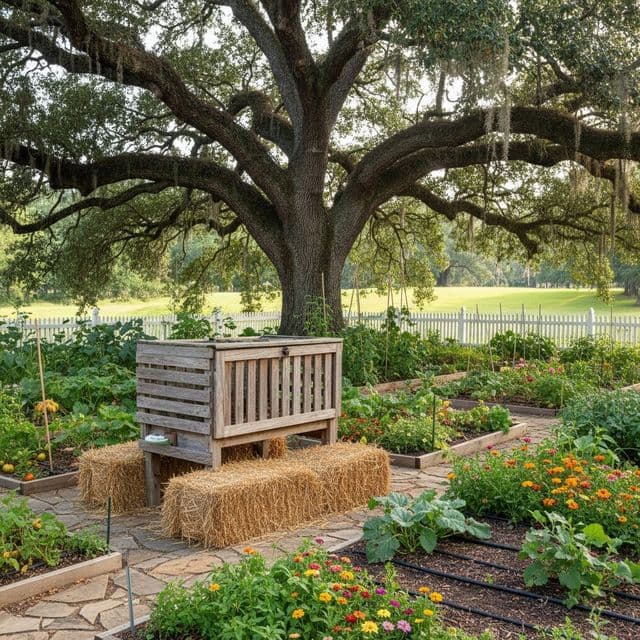
Learn essential strategies for worm bin cooling in Southern US zones 8-10 during summer. Protect red wigglers from extreme heat with placement, moisture, insulation, and biochar tips.