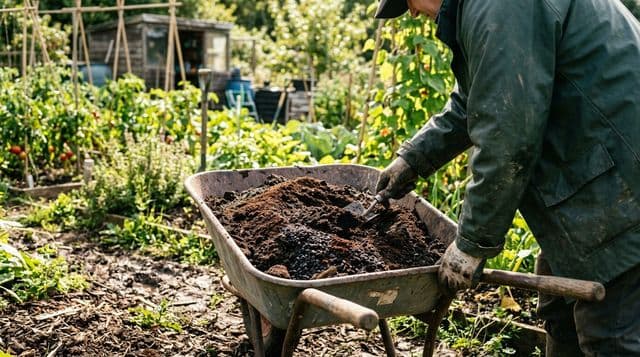
Coffee grounds for plants: garden benefits and myths
Learn how to use coffee grounds for plants with science-based myth busting, composting ratios, soil blending rules, and practical garden applications.
Topic
Compost and nutrient cycling covers the full loop from kitchen scraps and yard waste to finished humus-rich compost — and how that material re-enters the soil. Articles explain aerobic and anaerobic methods, C:N ratios, vermicomposting, and the microbial processes that drive decomposition.
90 articles in this topic on agripure. — page 2 of 4
Learn how to use coffee grounds for plants with science-based myth busting, composting ratios, soil blending rules, and practical garden applications.
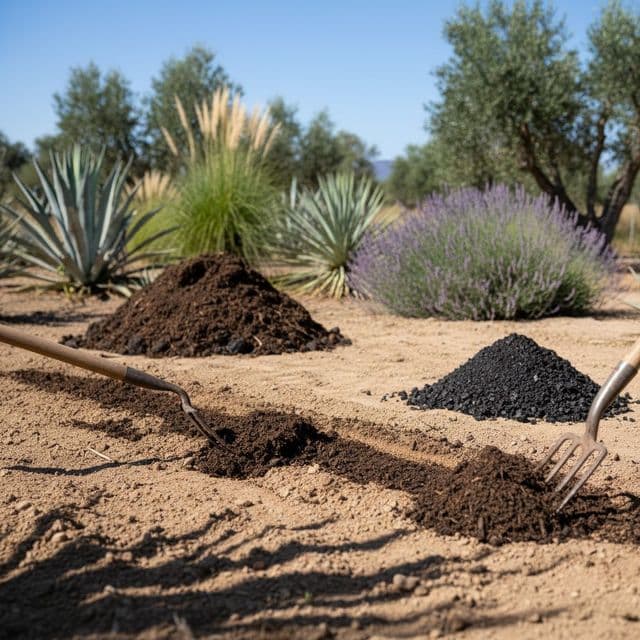
Sandy soils drain quickly. Learn how compost, biochar, and cover crops improve water and nutrient retention in drought-prone US regions.
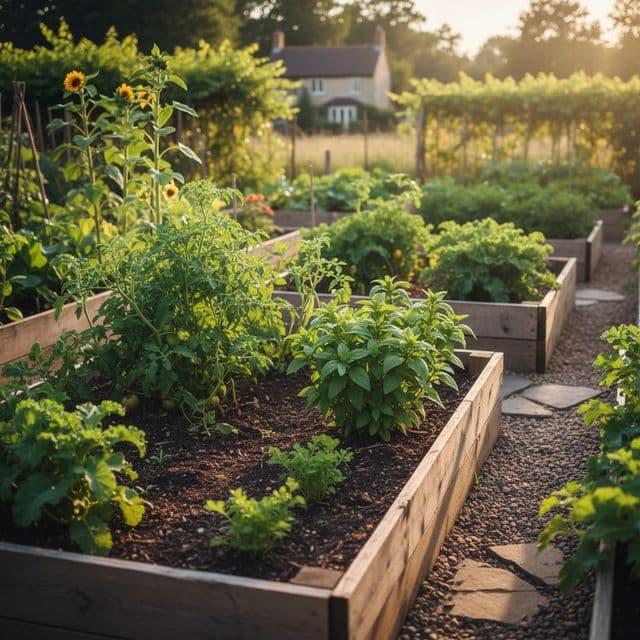
Transform sandy soil in coastal Florida. Learn DIY strategies using compost, vermicompost, and biochar to boost water retention, nutrient levels, and plant health. Essential for homesteaders.
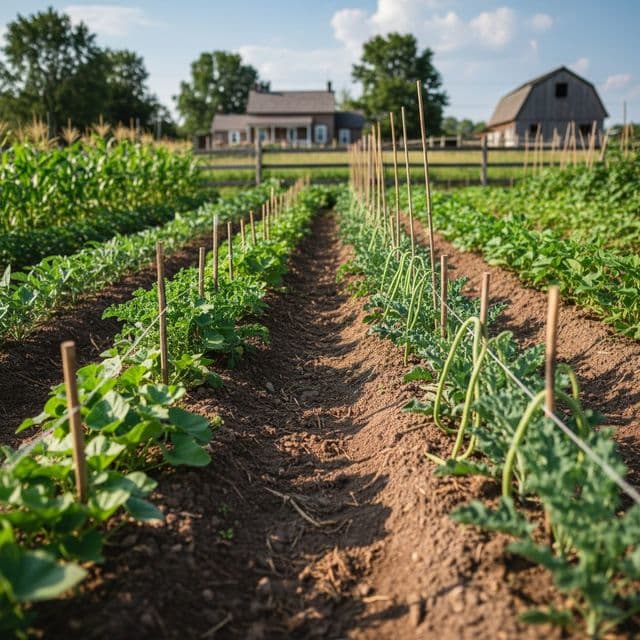
How to amend heavy clay soil using compost, vermicompost, and biochar to improve drainage, soil structure, and crop yields by 10-15%.
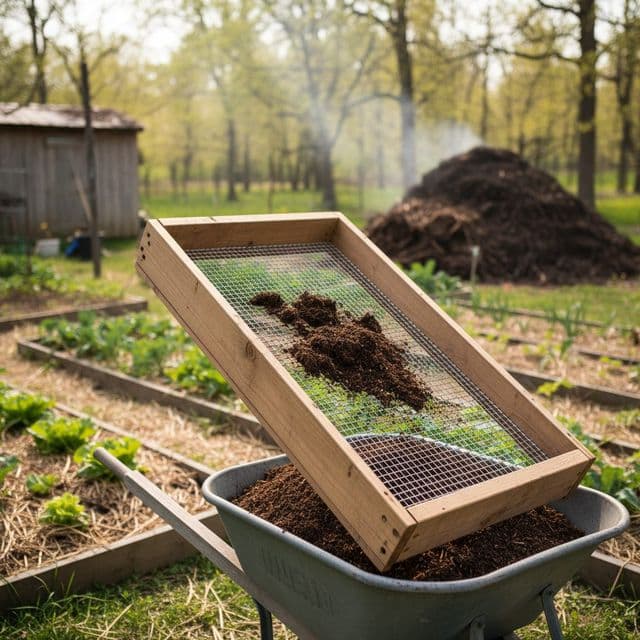
Learn how to build a DIY compost sifter to refine finished compost for better soil texture, water retention, and nutrient availability in your garden. Essential for seed starting & top-dressing.
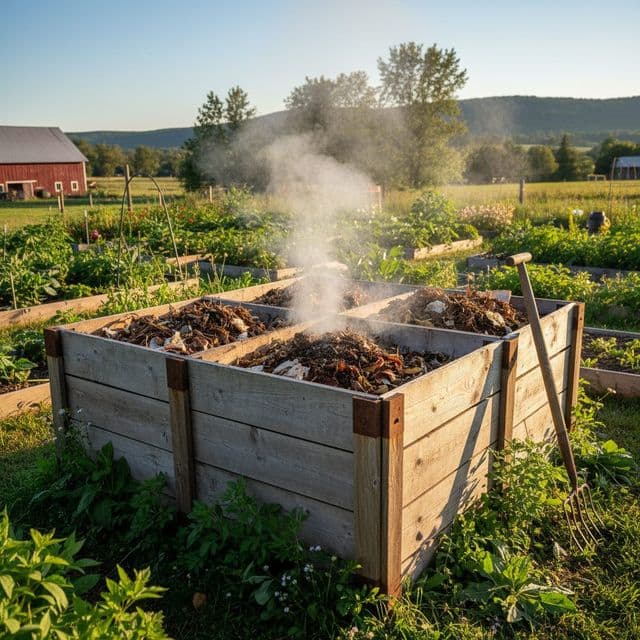
Learn to fix common compost problems like wet, dry, or slimy piles. Master the ideal 30:1 carbon-to-nitrogen ratio and moisture for efficient decomposition & soil fertility.
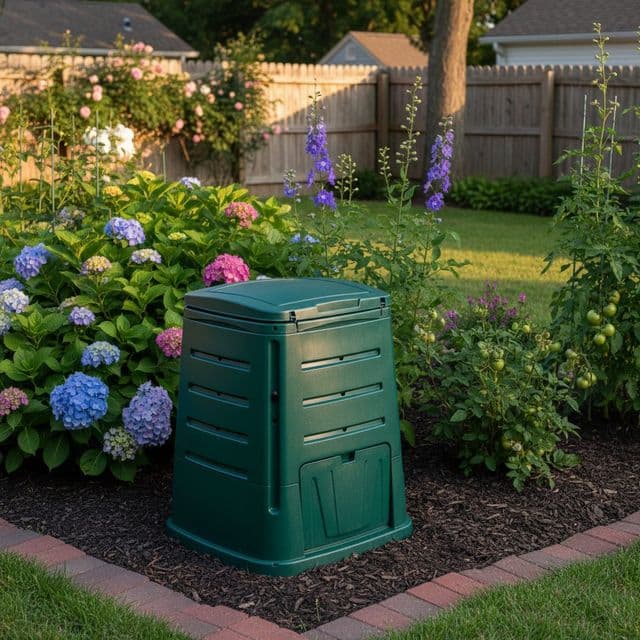
Learn how to prevent rats, raccoons, and flies from invading your compost pile. Discover effective strategies for compost pest control, including bin construction, material management, and site sel…
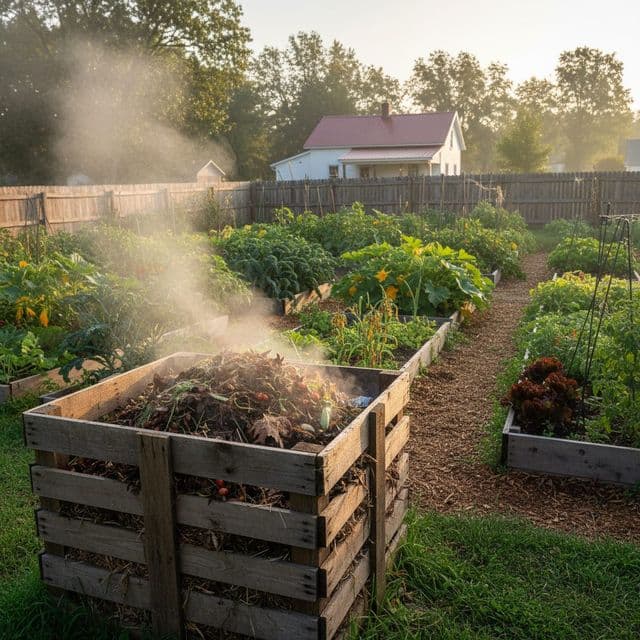
Accelerate composting by 30-50% using natural compost accelerators. Learn about ideal C:N ratios, microbial activators (EM-4), biochar, and nutrient-rich materials for faster, healthier compost.
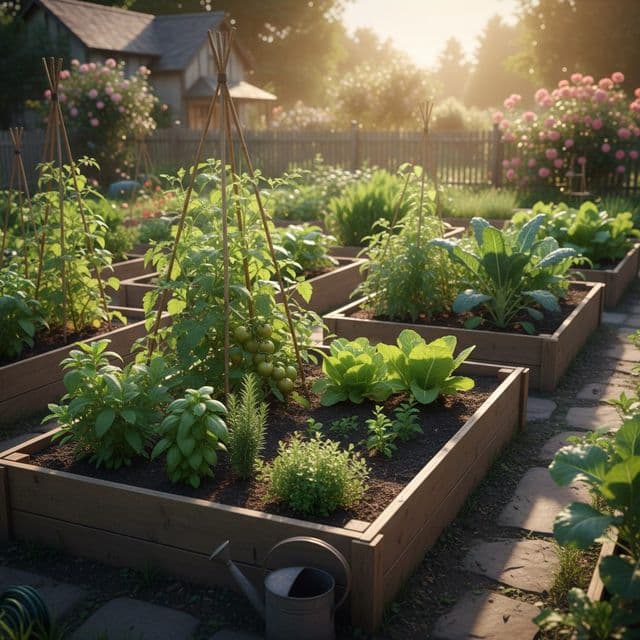
Troubleshoot why your compost pile isn’t heating up or breaking down in USDA Zone 6. Learn to balance C:N, moisture, and aeration to restart decomposition and create rich soil.
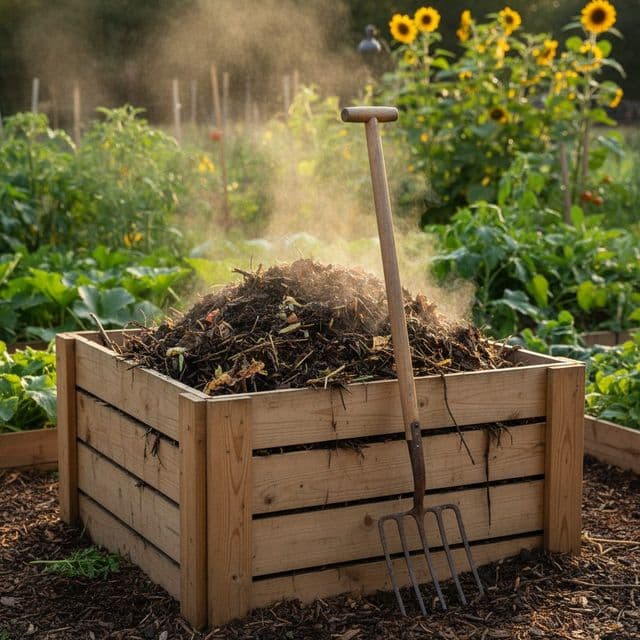
Why compost smells like ammonia or rotten eggs, and how to balance C:N ratios, improve aeration, and manage moisture for odor-free decomposition.
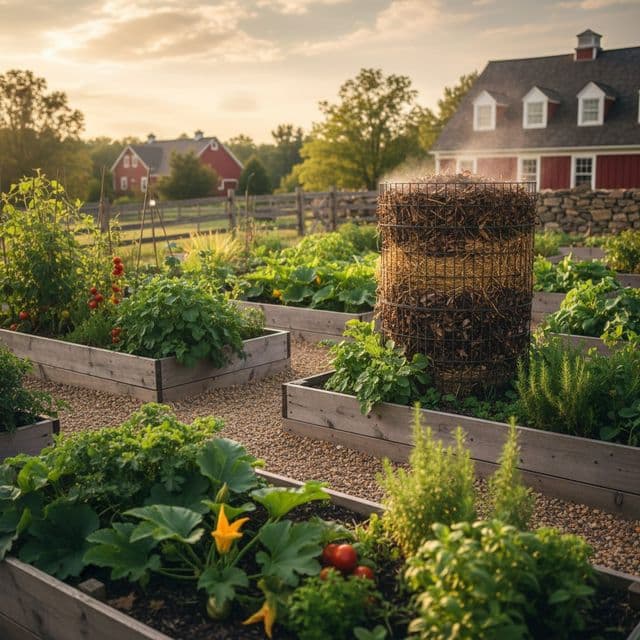
Discover how sourcing free manure from local US farms can boost your garden’s soil fertility and crop yields. Learn safe composting, sourcing tips, and benefits for homesteaders.
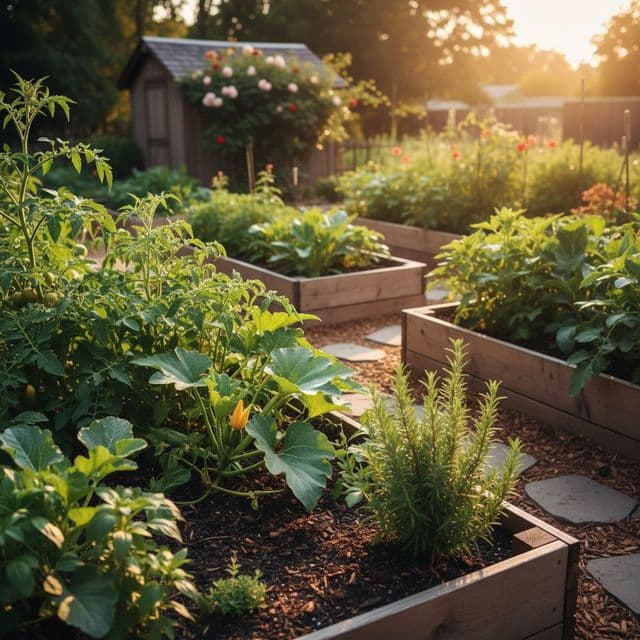
Learn how to perform a simple, inexpensive bioassay test to detect persistent herbicide damage in your compost or manure. Protect your US garden from crop failure. Essential compost herbicide test.
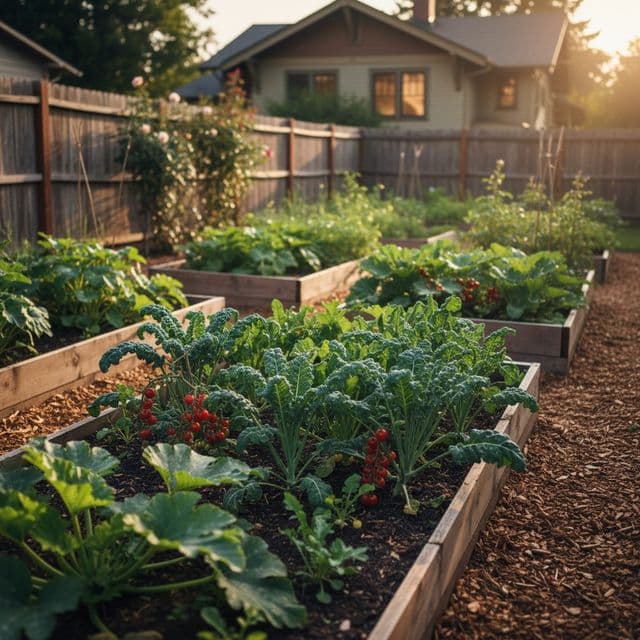
Learn to recognize and avoid persistent herbicides like aminopyralid and clopyralid in compost and manure. Protect your garden from contamination that can last for years.
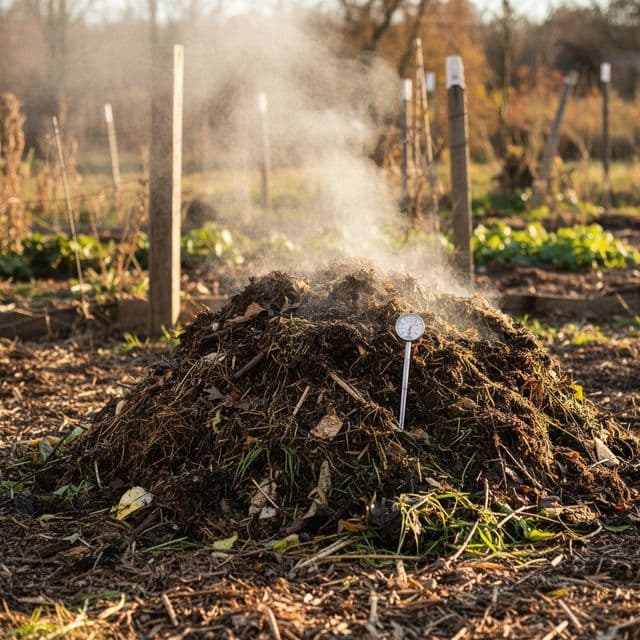
Learn hot composting techniques for cow and horse manure. Maintain 140°F to kill pathogens, improve soil, and boost garden health in USDA Zone 6. Avoid fresh manure risks.
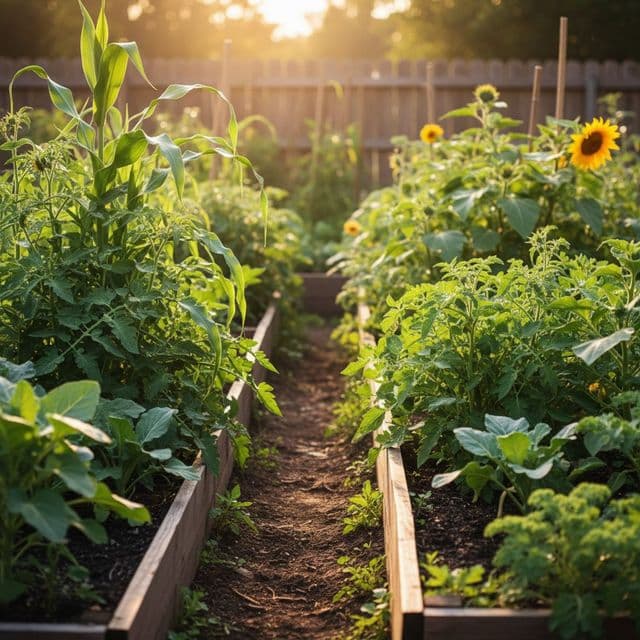
Learn safe composting of chicken manure for fertile soil. Achieve the ideal 30:1 C:N ratio, monitor temperatures, and apply compost in your Midwest garden.
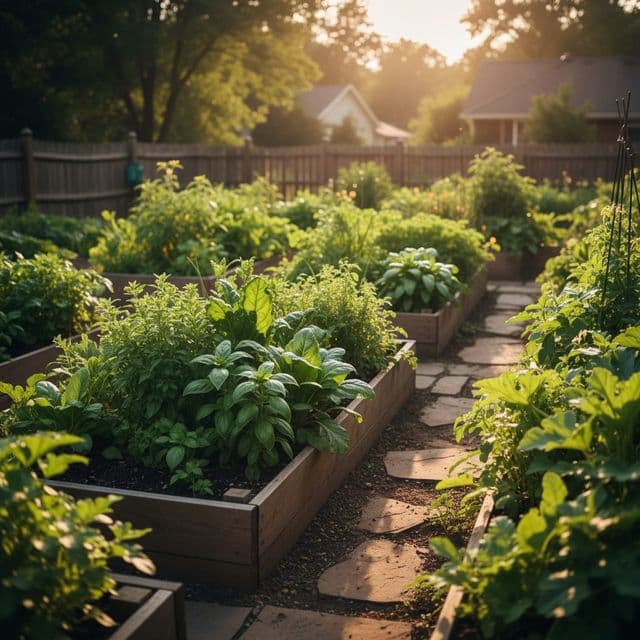
Learn how to sheet mulch a garden bed with leaves & cardboard. This no-dig method builds rich soil, suppresses weeds, and conserves water, perfect for homesteaders.
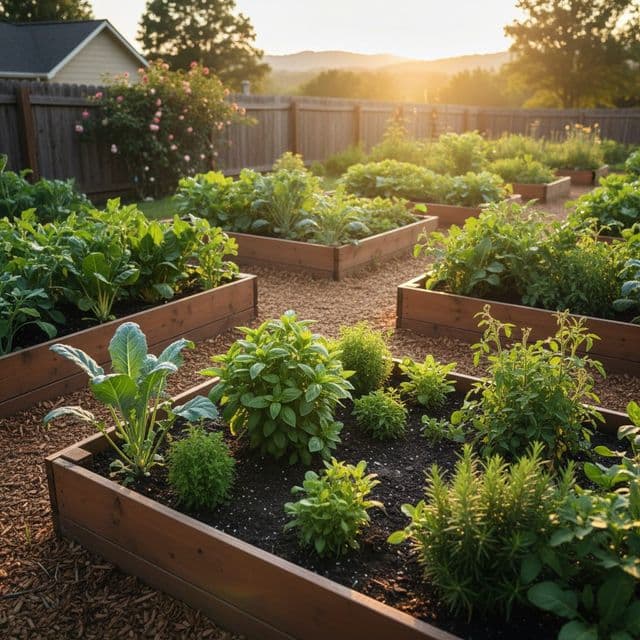
How shredding autumn leaves with a mower or shredder turns yard waste into nutrient-rich soil, reducing volume, improving soil structure, and boosting fertility in USDA Zone 6 gardens.
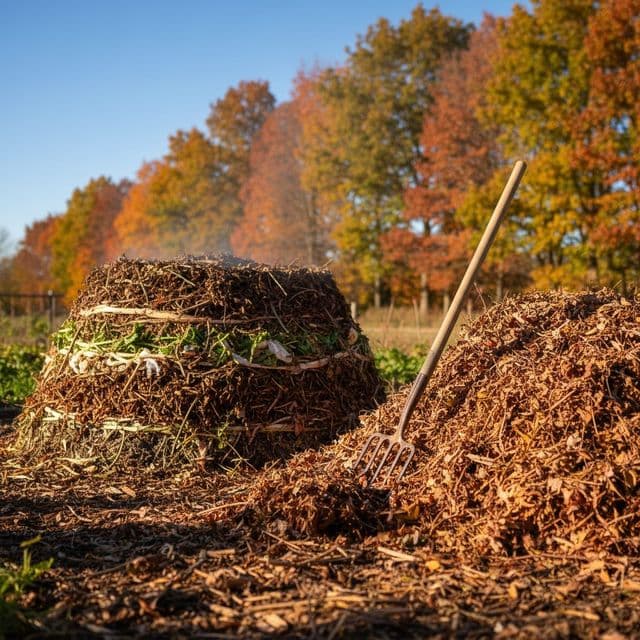
Learn how to speed up leaf mold production for your garden. Discover techniques like shredding, maintaining moisture, and the bag method to create rich soil amendment in USDA Zone 6.
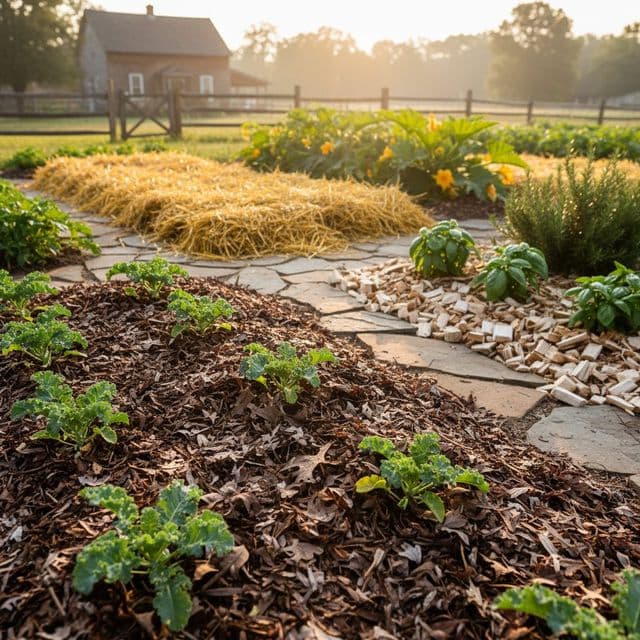
How shredded leaves, wood chips, and straw improve soil moisture, suppress weeds, and boost fertility in a homestead garden.
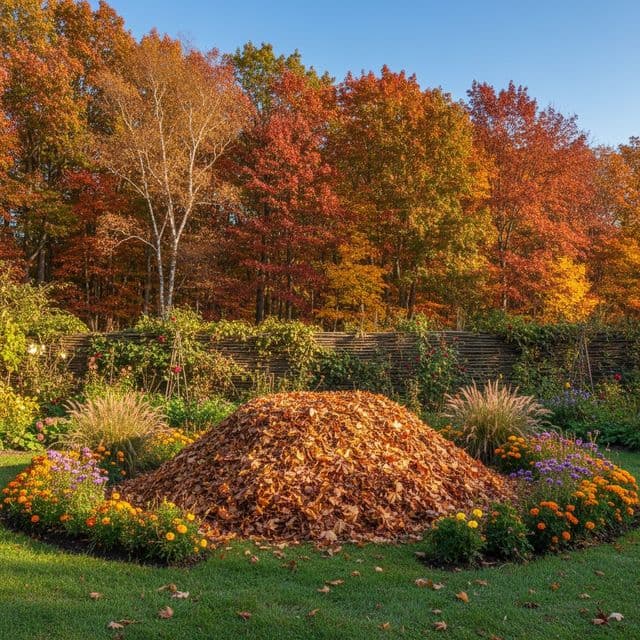
Make rich leaf mold for your garden. Learn best US tree leaves (oak, maple) and avoid black walnut/eucalyptus to boost soil health, water retention & microbes.
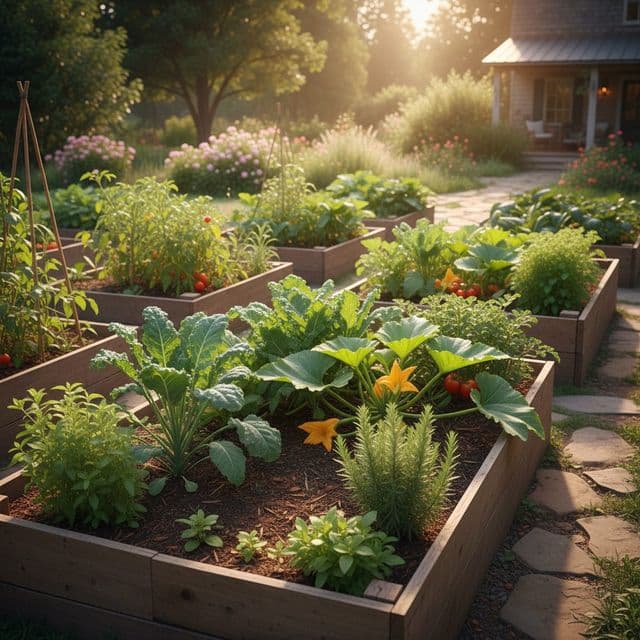
Learn to make leaf mold from fallen leaves. This free, fungal-dominated soil conditioner improves soil structure & water retention, reducing irrigation needs for your garden.
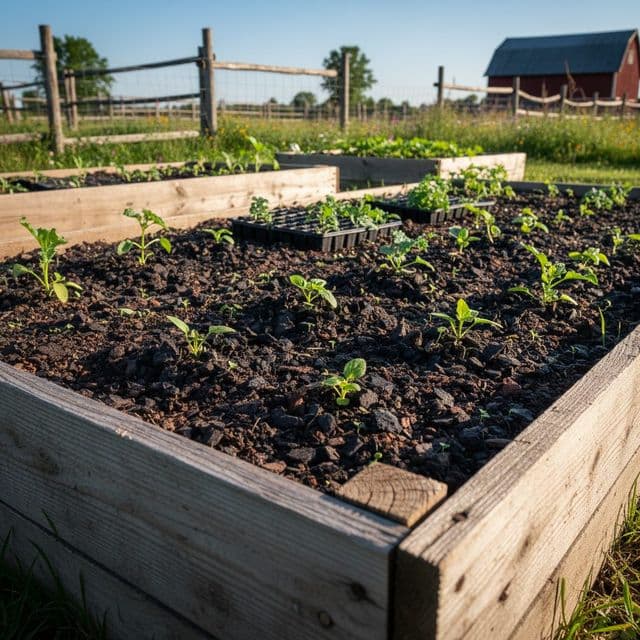
How to use biochar in raised beds, containers, and compost to improve water retention, nutrient cycling, and plant health in your garden.
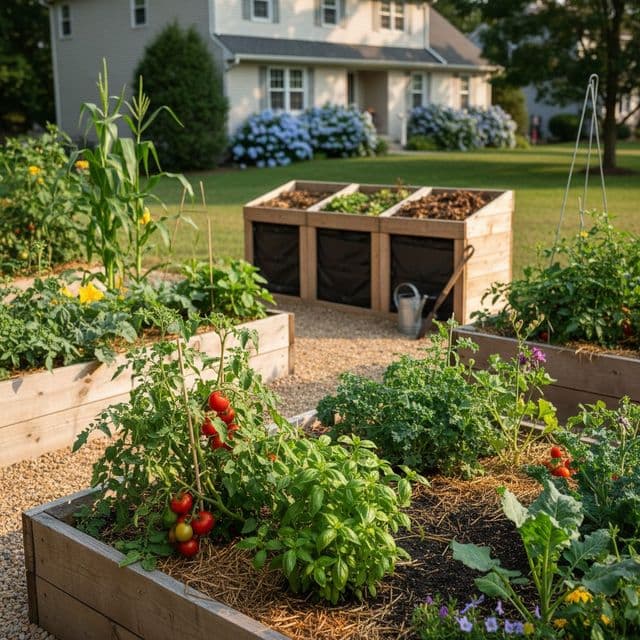
How to make biochar at home using top-lit updraft (TLUD) and cone-kiln methods, including quenching, charging with nutrients, and soil application in USDA Zone 6 gardens.
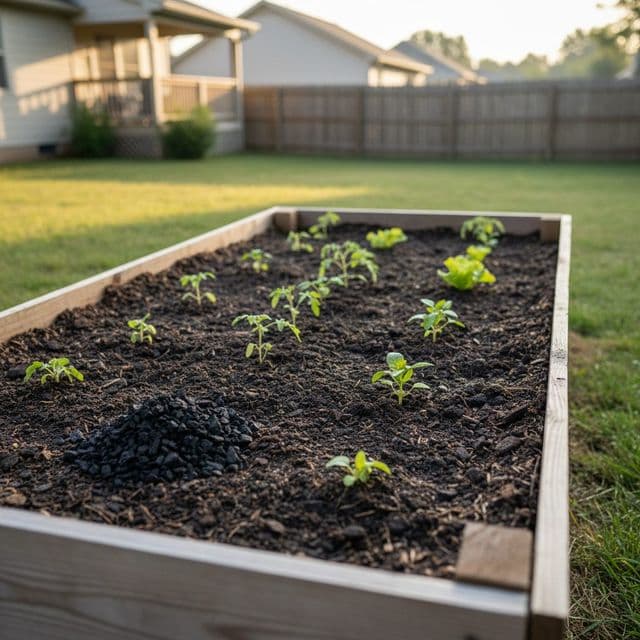
Unlock healthier soil with biochar! Learn how to apply biochar to garden beds to increase water retention by up to 18%, improve soil structure, and boost plant growth for long-term benefits.