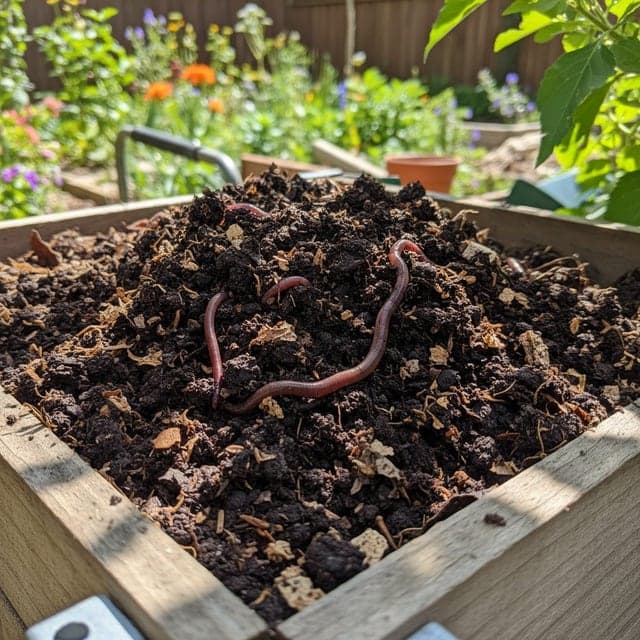
Harvesting Worm Castings: Boost Garden Yields by 20%
Learn four effective methods for harvesting worm castings from your backyard bin. Boost soil health, nutrient availability, and garden yields by up to 20% with nutrient-rich vermicompost.
Topic
Compost and nutrient cycling covers the full loop from kitchen scraps and yard waste to finished humus-rich compost — and how that material re-enters the soil. Articles explain aerobic and anaerobic methods, C:N ratios, vermicomposting, and the microbial processes that drive decomposition.
88 articles in this topic on agripure. — page 4 of 4
Learn four effective methods for harvesting worm castings from your backyard bin. Boost soil health, nutrient availability, and garden yields by up to 20% with nutrient-rich vermicompost.
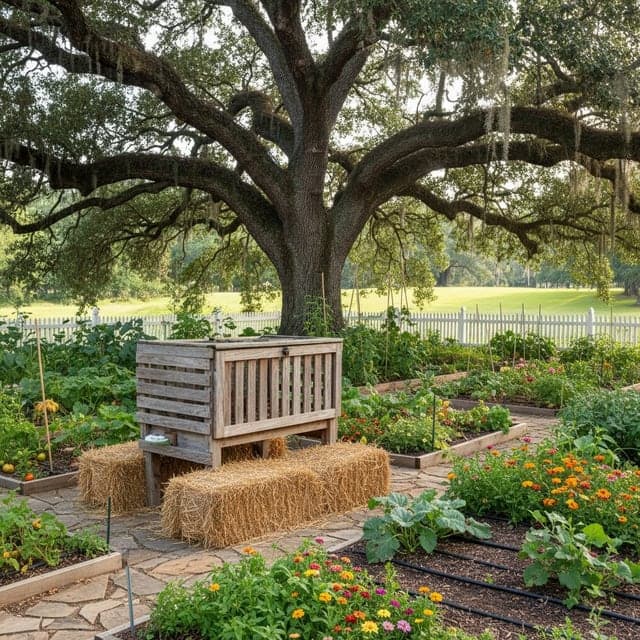
Learn essential strategies for worm bin cooling in Southern US zones 8-10 during summer. Protect red wigglers from extreme heat with placement, moisture, insulation, and biochar tips.
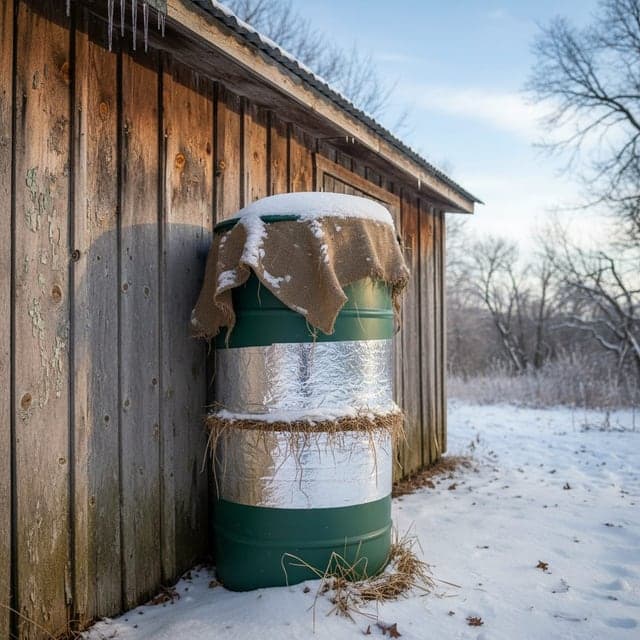
Learn how to keep your outdoor worm bin thriving through a USDA Zone 3 winter. Discover insulation techniques, feeding adjustments, and location tips for successful cold-weather vermicomposting.
Science-backed feeding chart for red wigglers (Eisenia fetida): 0.25–0.5 lb daily scrap ramps, 60–75% wrung-sponge moisture, pH 6.0–7.5 eggshell buffering, d-limonene and protein poisoning mechanis…
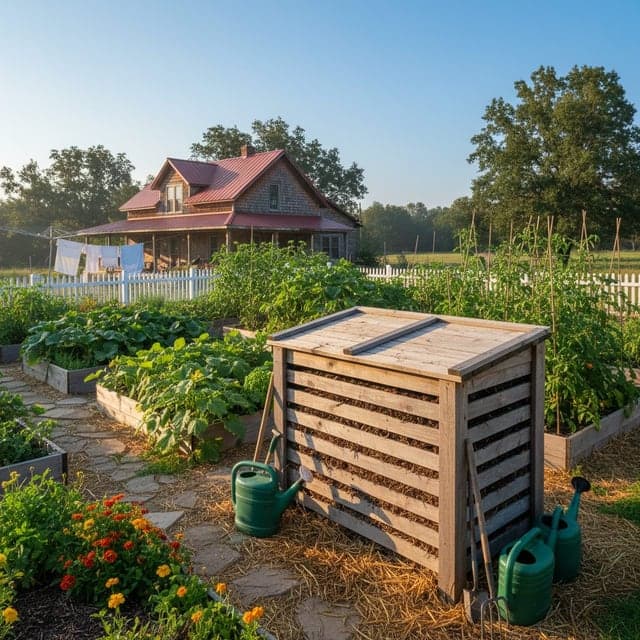
Tackle common worm bin problems like fruit flies, odors, and mold in USDA Zone 6. Learn practical solutions for moisture, feeding, and aeration to keep your vermicompost thriving.
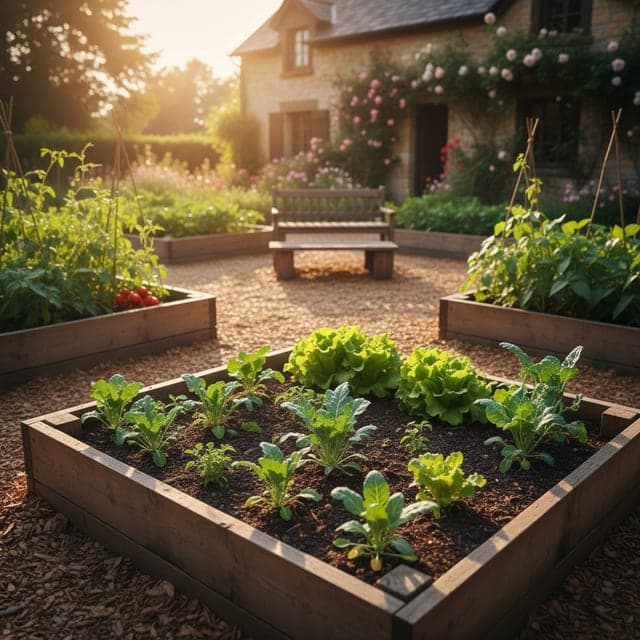
How to choose composting worms for your climate, comparing red wigglers, European nightcrawlers, and African nightcrawlers across temperature ranges from 45°F to 85°F.
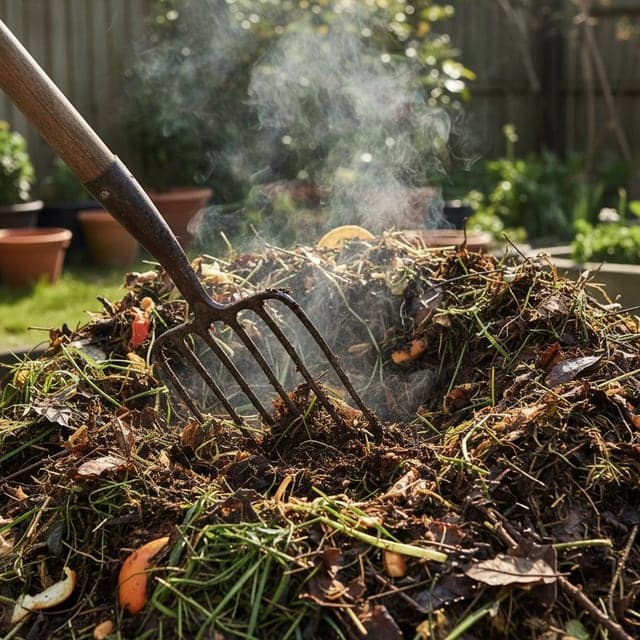
Diagnose and rescue any stalled, smelly, overheating, or pest-ridden US compost pile using a 6-symptom triage table, 3×3×3 ft thermal rebuild rules, NIOSH N95 dust safety against Aspergillus and Le…
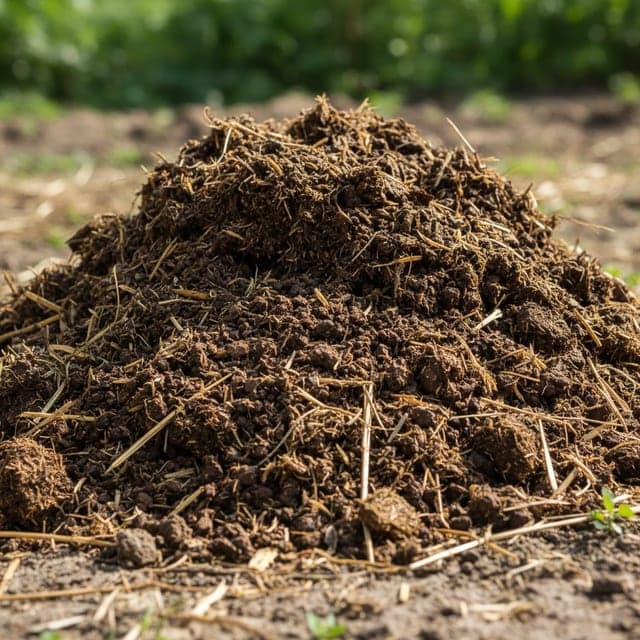
Learn to safely compost chicken, rabbit, cow, and horse manure. Balance C:N ratios, monitor temperatures, and prevent pathogens & weed seeds for nutrient-rich soil.
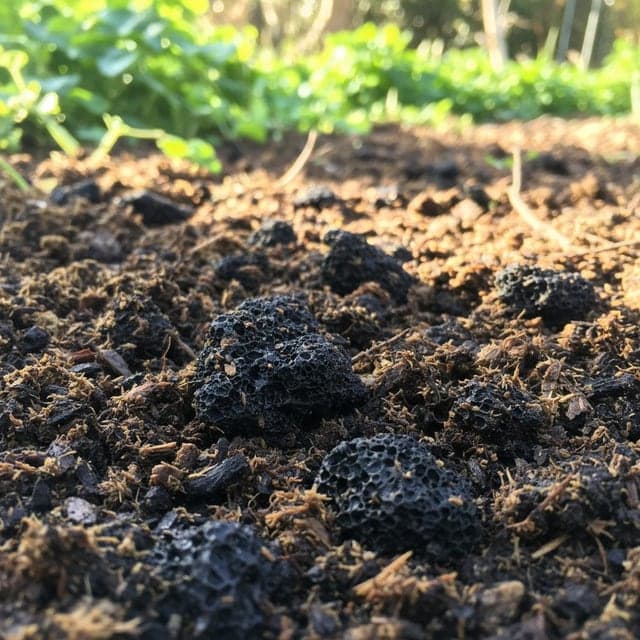
Learn to make DIY biochar from yard and wood waste using simple kilns. Discover how to charge and apply biochar to improve soil fertility, sequester carbon, and boost plant growth for hundreds of y…
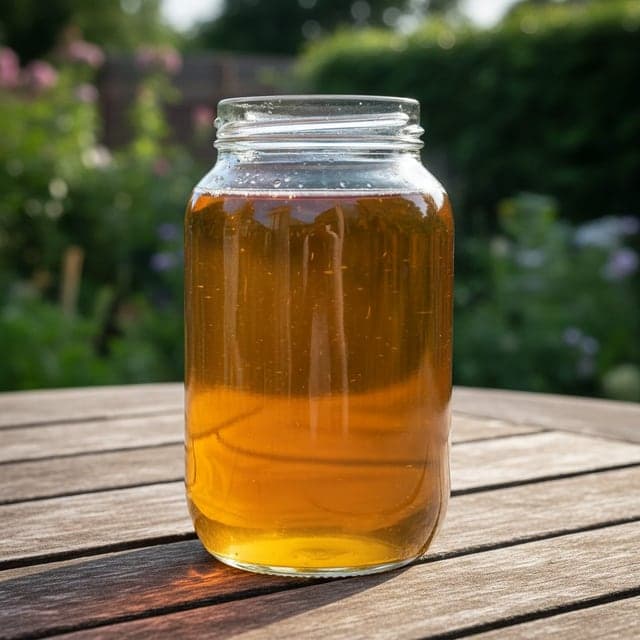
Learn to make homemade compost tea and liquid fertilizers for free. Boost plant growth with microbial inoculants, understand brewing methods, and ensure food safety.
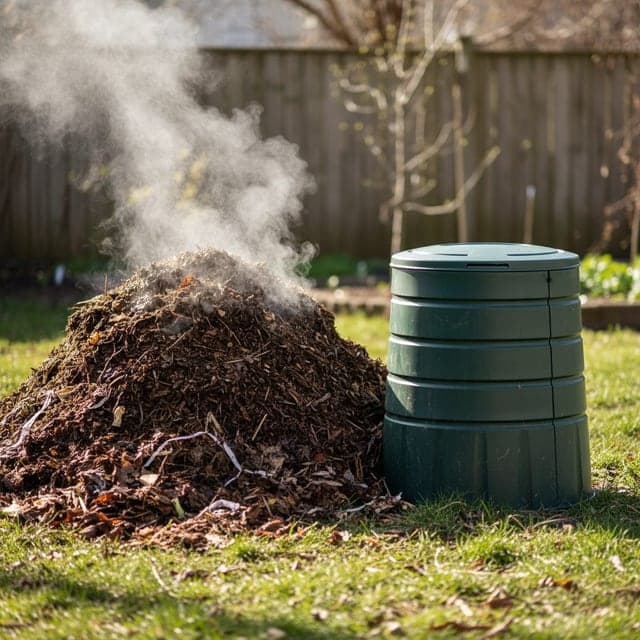
Learn the differences between hot and cold composting to build the right backyard pile for your US climate. Optimize C:N ratio, pile size, and turning for efficient decomposition.
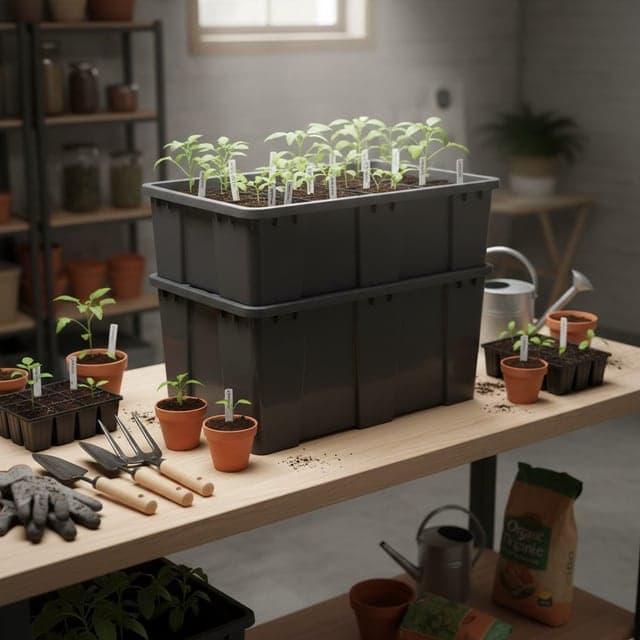
Learn to set up and maintain a worm bin for vermicomposting at home. This guide covers worm species, bin sizing, feeding, and harvesting nutrient-rich castings for your garden.
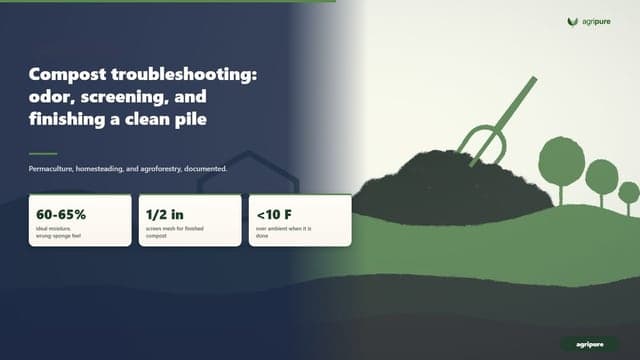
Why compost bins smell and how to fix it fast, plus screening finished compost and using a compost filter sock for clean, usable results.
How to build and run a self-harvesting black soldier fly composting bin (Hermetia illucens) in the US: 75–95°F climate thresholds, 35–45° prepupae ramps, 60–70% moisture control, 30–60d frass curin…
How and when to top-dress a lawn with compost: application depth, the best compost for grass, spreading method, and a seasonal schedule.
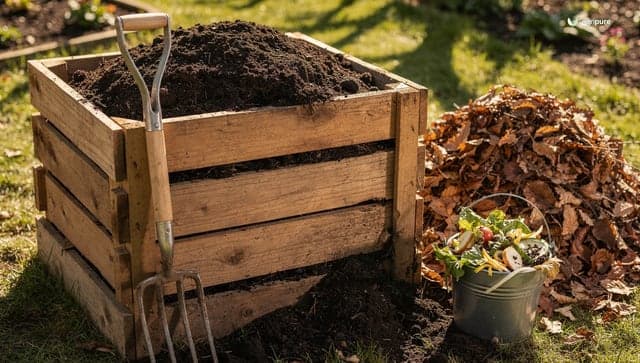
Composting is free fertilizer from kitchen and yard waste. Here is the browns-to-greens ratio, hot versus cold methods, and how to fix a pile that misbehaves.