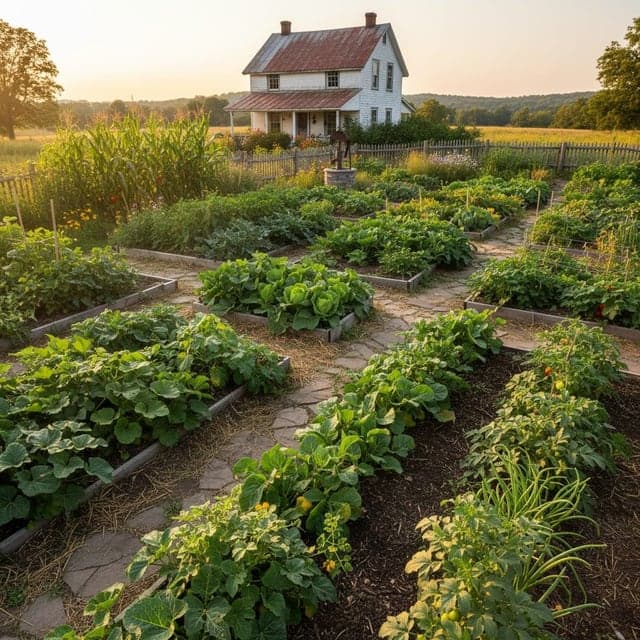
Soil pH for Vegetable Gardens: Testing & Amending Guide
Learn the optimal soil pH for vegetable gardens, how to test soil accurately, and apply amendments like lime or sulfur for thriving plants. Get expert tips.
Topic
Grow more of your own food with practical, beginner-friendly gardening guides. From starting seeds and planning beds to companion planting, square-foot layouts, herbs, mushrooms, greenhouses, and soilless systems, these articles walk you through every step—what to plant, when to plant it, and how to keep crops healthy from sowing to harvest.
901 articles in this topic on agripure. — page 9 of 38
Learn the optimal soil pH for vegetable gardens, how to test soil accurately, and apply amendments like lime or sulfur for thriving plants. Get expert tips.
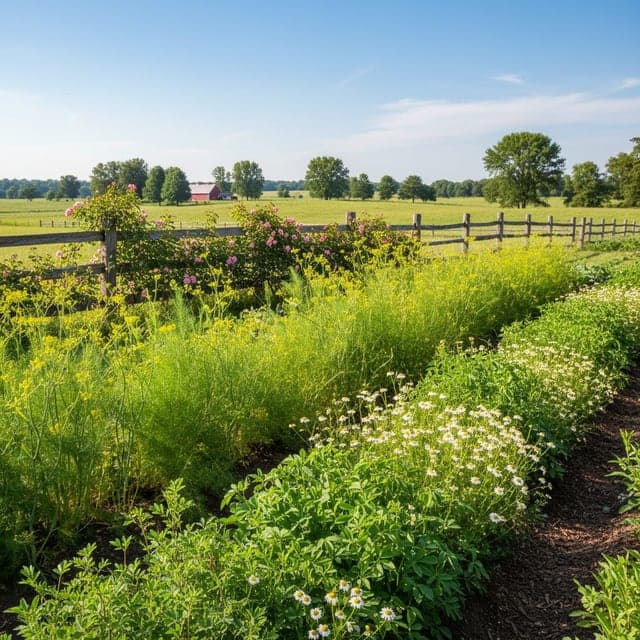
Grow Matricaria chamomilla, Foeniculum vulgare, and 45–60d cool-season nitrogen-fixing fenugreek in zoned US beds: trans-anethole exclusion (>=20–30 ft from Anethum), CA/WA noxious fennel laws, and…
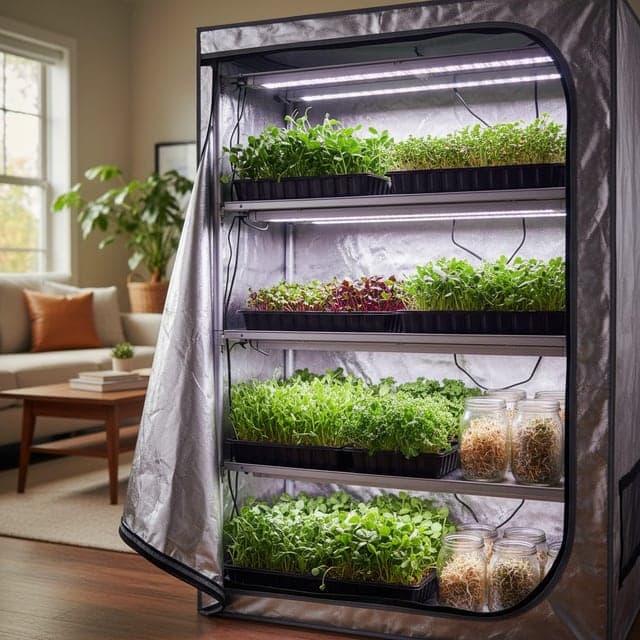
Learn how to grow nutrient-dense microgreens and sprouts indoors year-round, regardless of your US climate. This guide covers setup, cultivation, and harvest for fresh produce.
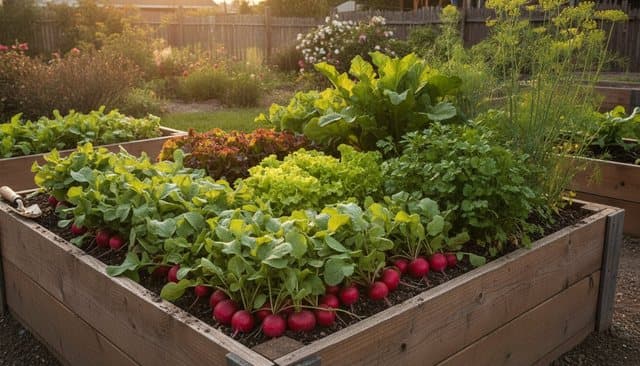
How to grow fast herbs and quick crops like okra, arugula, dill, parsley, and chives, with harvests in under 60 days across USDA zones 3-10.
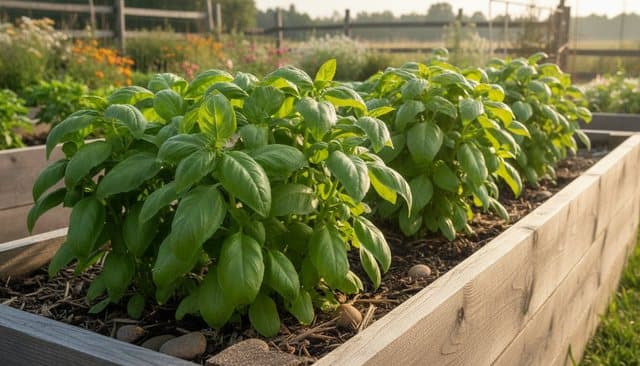
Master growing basil in USDA Zone 7. Learn expert tips to prevent bolting, choose slow-bolting varieties, and prune effectively for a continuous, flavorful harvest all season.
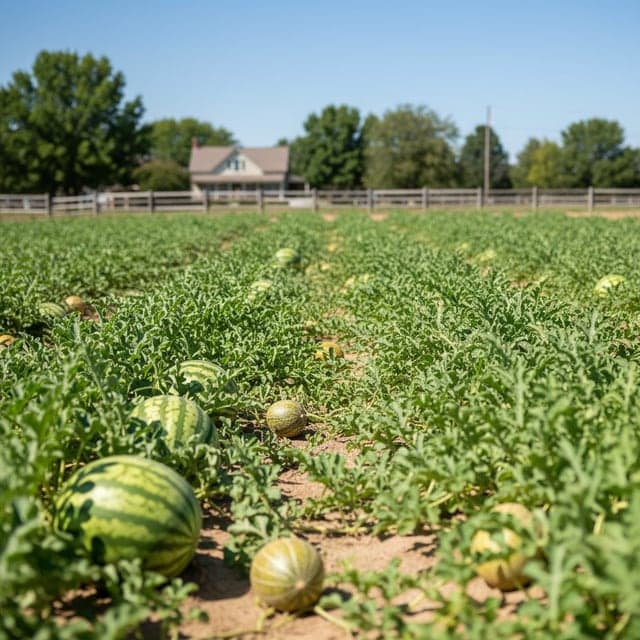
Master US heat-belt watermelon and muskmelon agronomy (75–95°F): black/IRT plastic mulch at >=70°F soil, 1:3 seedless triploid pollenizers, 7–10 day pre-harvest drip taper for 10–12+ °Brix, harvest…
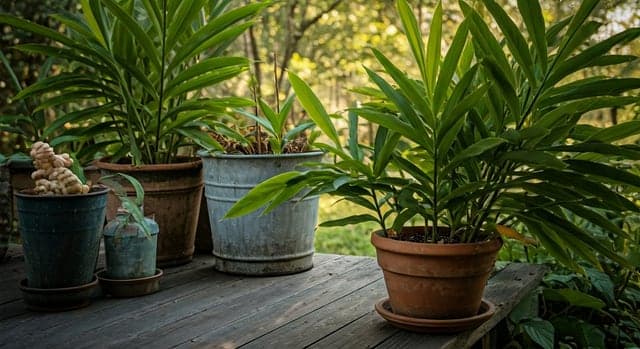
Learn how to successfully grow ginger in US gardens and containers, even in cooler climates. Get tips on planting, soil, and harvesting for high yields of fresh ginger root.
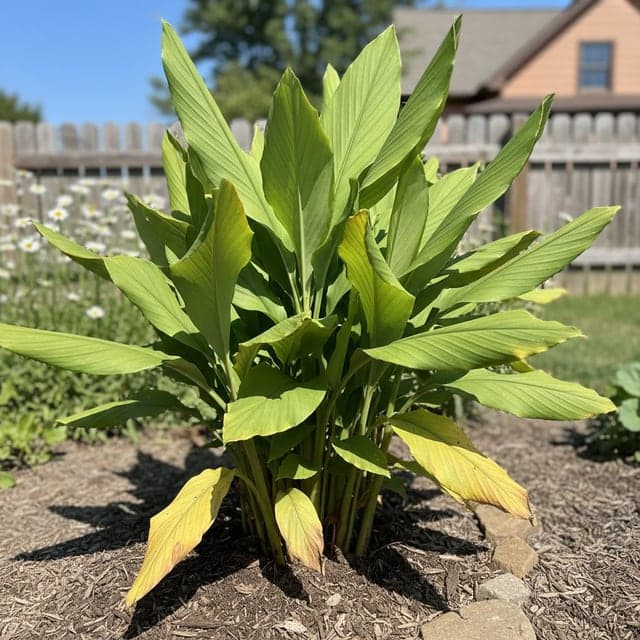
Learn how to grow turmeric in the US, from planting rhizomes to curing powder. This guide covers soil, climate, care, and harvest for successful turmeric cultivation.
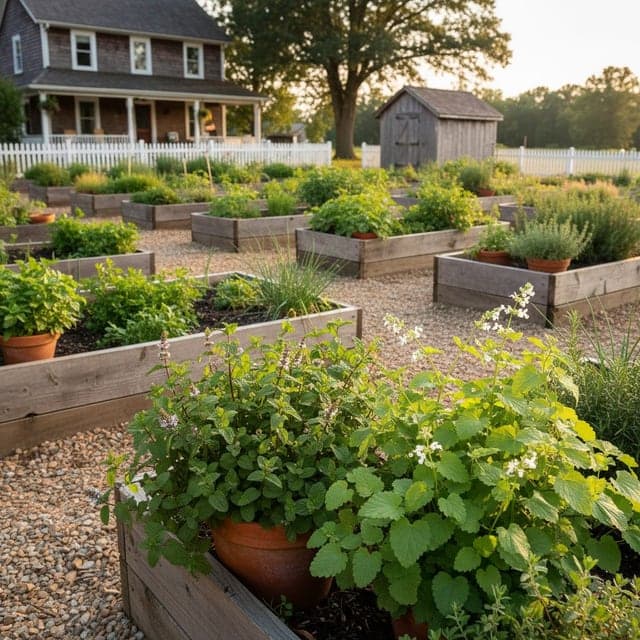
Prevent mint and lemon balm from taking over your US garden. Learn effective strategies for managing mint and lemon balm spread, including containers, root barriers, and strategic placement.
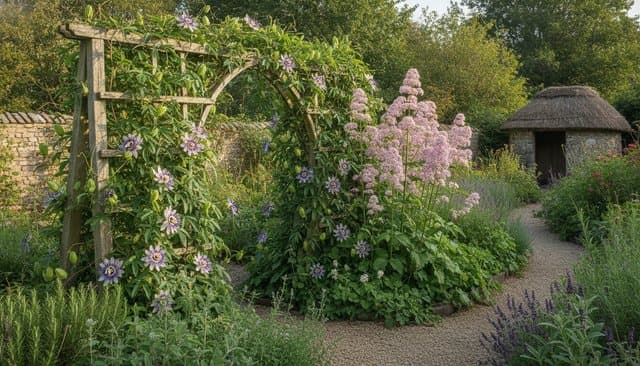
Learn to grow valerian and passionflower for natural sleep support in USDA zones 4-9. This guide covers planting, care, harvesting, and drying for your home apothecary.
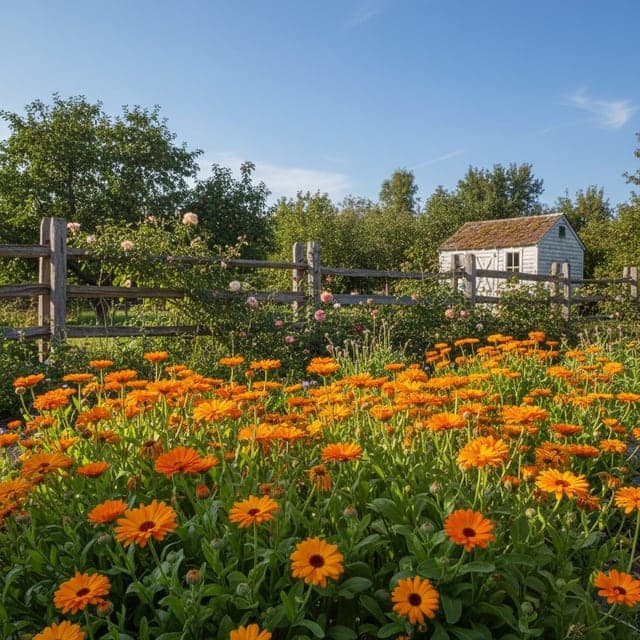
How to grow calendula, the adaptable ‘pot marigold,’ for a home apothecary, covering planting tips, soil needs, and how to harvest this medicinal skin-soothing flower.

Grow true Aloe barbadensis miller indoors or in USDA Zones 9–11 using heavy terracotta, 50% pumice or coarse perlite mix, soak-and-dry watering, 3–7 day pup callusing, 15–30 minute upright aloin dr…
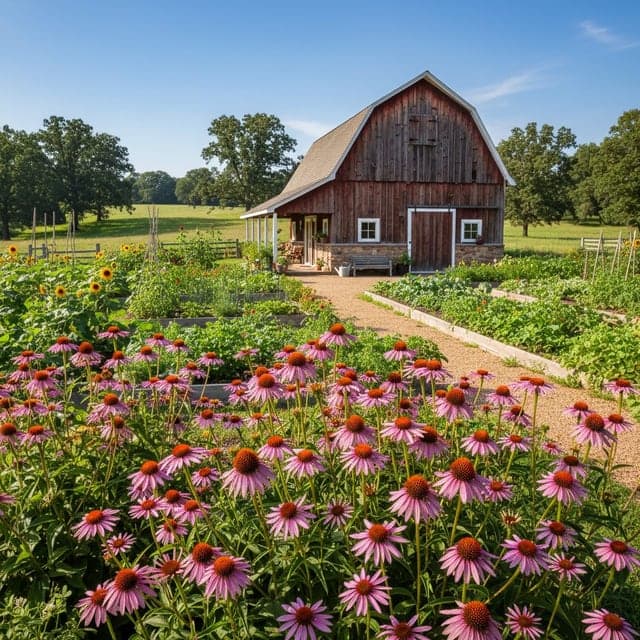
Discover the dual benefits of growing echinacea (purple coneflower) in USDA Zones 4-9. Support your immune system & attract 20+ pollinator species with this resilient medicinal herb.
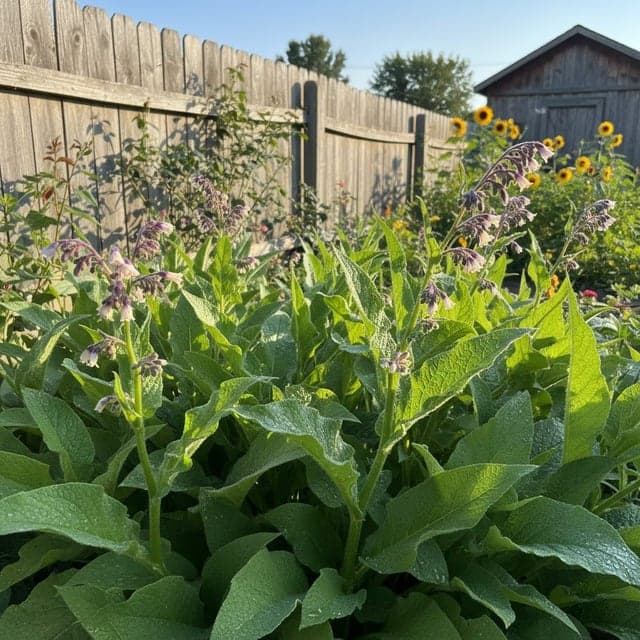
Unlock soil health with Comfrey, a sterile hybrid (Bocking 14) for USDA zones 4-9. Its deep roots mine nutrients, making it a powerful compost activator and water-saving mulch.
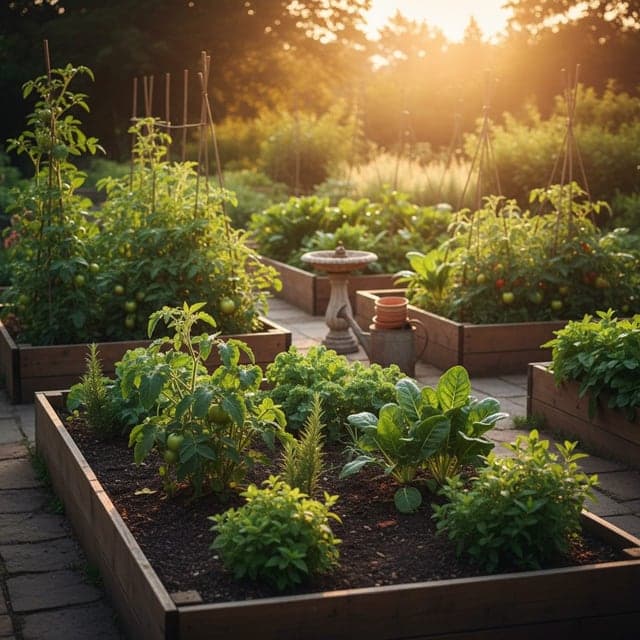
How to grow sterile Russian comfrey (Symphytum × uplandicum 'Bocking 14') without root takeover: never-till placement, 24-inch barriers, full-season eradication, potassium tea math, and FDA/NIH liv…
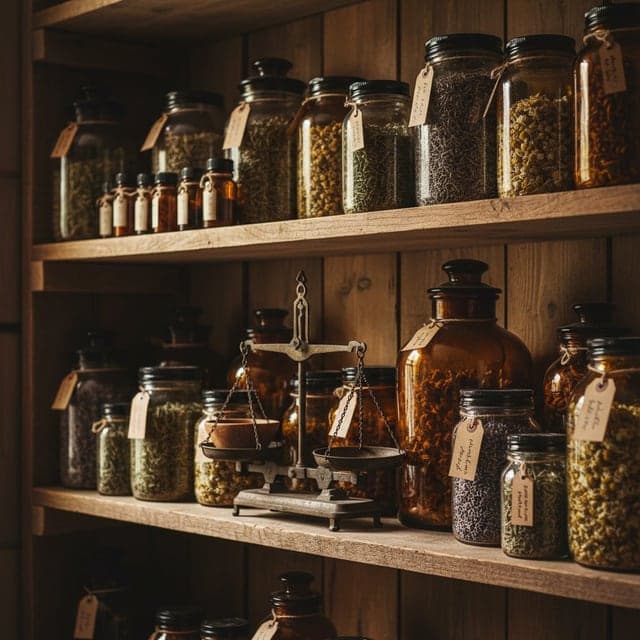
Keep home-dried herbs potent for 1 to 4 years by targeting <= 0.60 water activity (~10% moisture), running a 7-10 day glass jar sweat check, freezing at 0°F for 48 hours against pantry beetles, and…
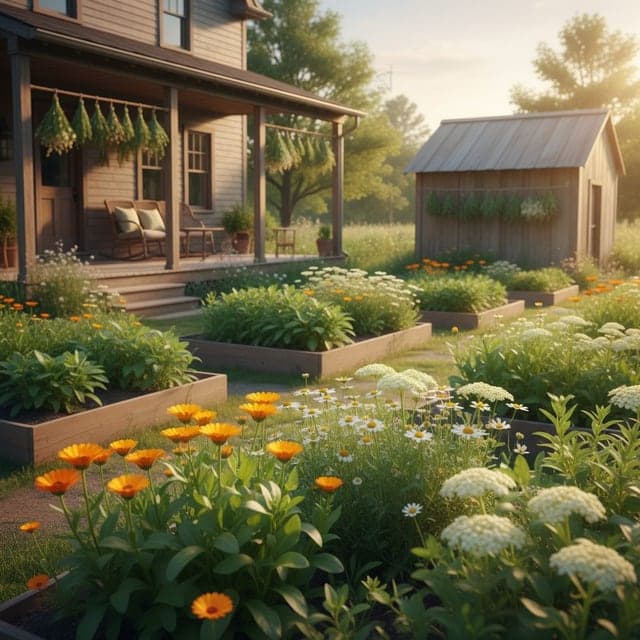
Dry calendula, echinacea, chamomile, and elderflower without mold or color fade: 95–105°F dark dehydrators vs. <50% RH ambient screens, thick-capitulum core checks to <10% moisture (<=0.60 a_w), sa…
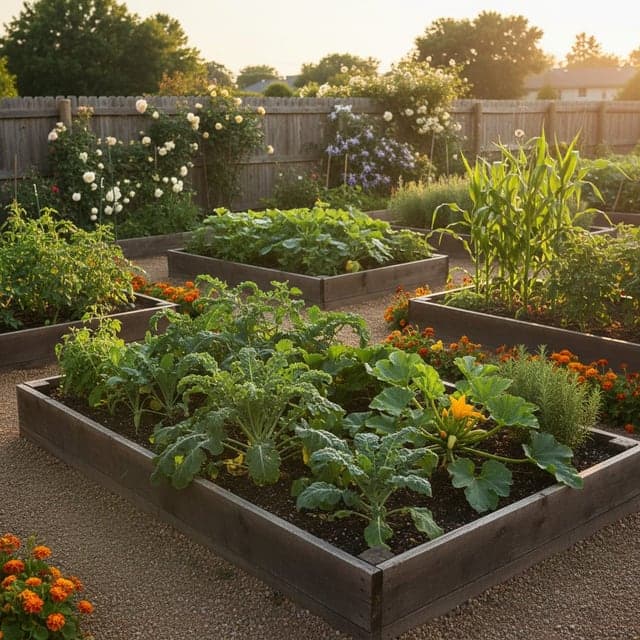
Learn the best methods for drying medicinal herbs in USDA Zone 6. Discover air-drying, dehydrators, and oven techniques to preserve potency for your home apothecary.
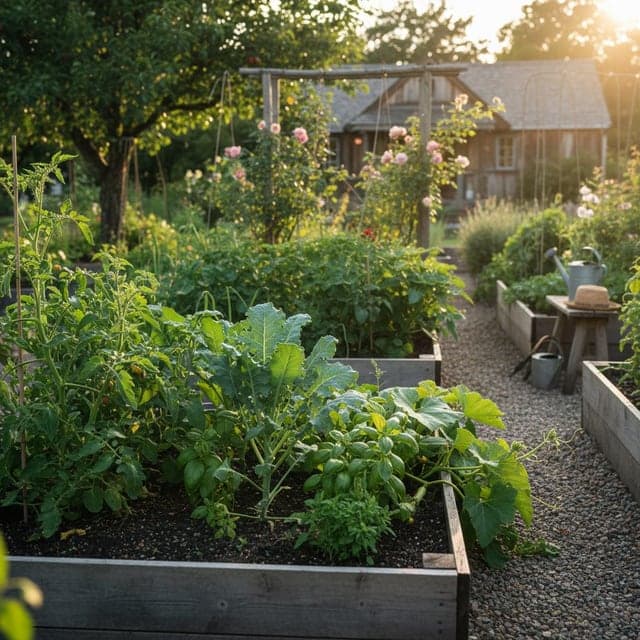
Capture peak essential oils, floral resins, and root reserves by matching harvest phenology, diurnal temperature windows, compound-class drying ceilings, and clinical safety rules to every medicina…
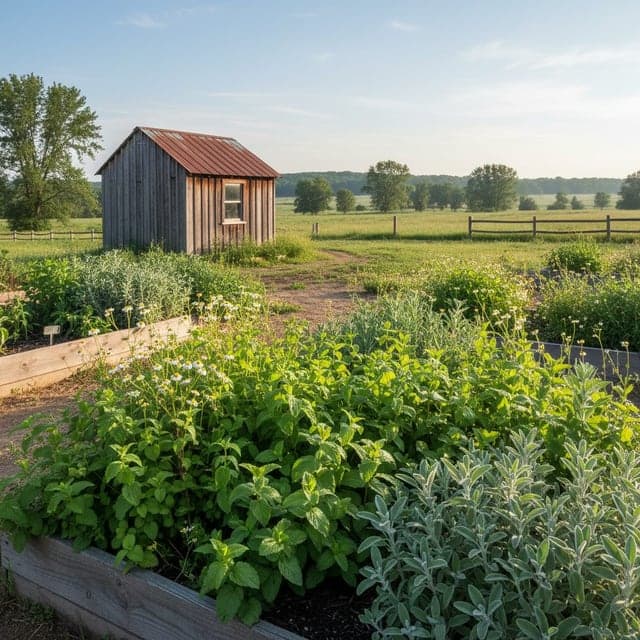
Learn to harvest, dry, and blend your own homemade loose-leaf tea. This guide covers herb selection for USDA zones 3-11, optimal harvesting, and drying techniques for fresh, custom blends.
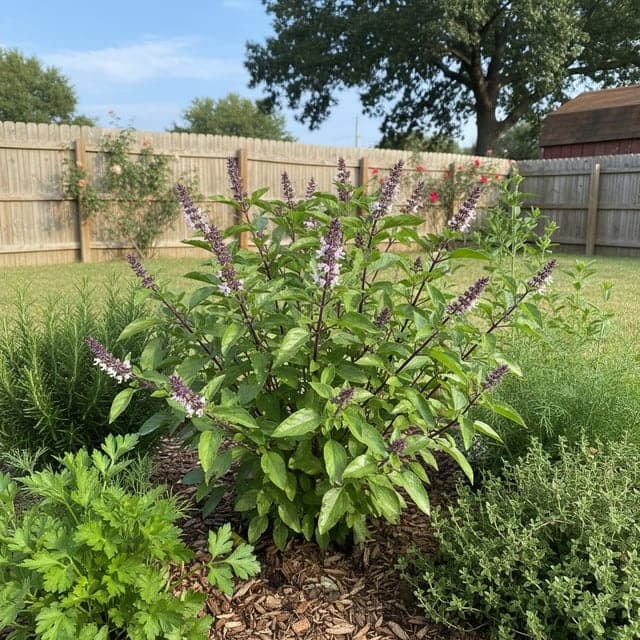
Learn to grow tulsi (holy basil) in your US garden, from seed to harvest. Discover how to dry and blend this adaptogenic herb for a daily wellness tea. Get practical tips for all climates.
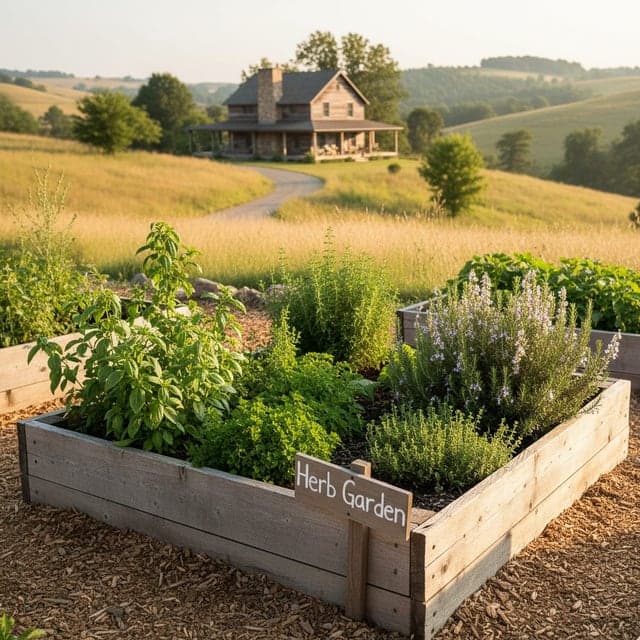
How to grow peppermint, fennel, ginger, and chamomile in USDA Zone 6 for a homemade digestive tea blend.
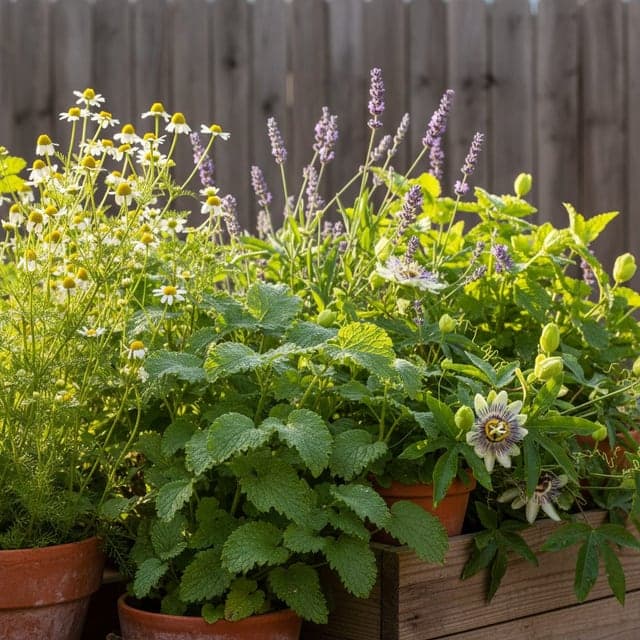
Cultivate a home apothecary garden in USDA Zone 6. Learn to grow chamomile, lemon balm, lavender, and passionflower for a calming sleep tea blend. Harvest & dry for year-round wellness.
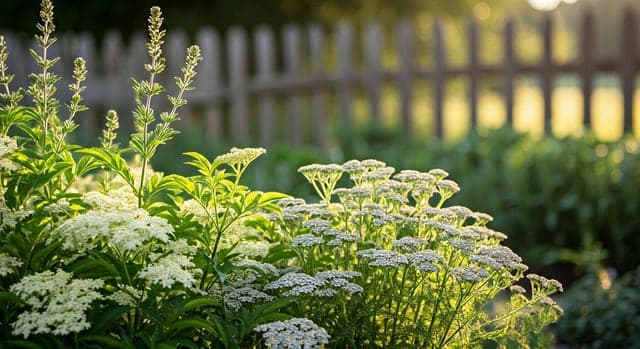
Learn to grow elderflower, yarrow, and peppermint in your USDA zone 6 medicinal herb garden. Discover cultivation, harvesting, and drying tips to craft a potent cold-and-flu tea.