Key takeaways
- Echinacea purpurea and Echinacea angustifolia are the primary species for immune support tinctures.
- Both roots and aerial parts of Echinacea can be used, with roots generally preferred for their higher concentration of alkylamides.
- Echinacea thrives in USDA zones 3 through 9, requiring full sun and well-draining soil for optimal growth.
- Harvest roots in the fall of the second or third year, and aerial parts when the plant is in full bloom.
- A 60-80% alcohol solution is ideal for extracting the beneficial compounds from Echinacea for tincture making.
- Proper drying and storage are important for preserving the potency of your harvested Echinacea plant material.
Quick answer: Echinacea tincture for immune support can be made by growing Echinacea purpurea or angustifolia in USDA zones 3-9, harvesting roots in fall of the second or third year, and aerial parts when in full bloom, then steeping them in a 60-80% alcohol solution.
In many US regions, from the humid summers of Georgia to the dry plains of Nebraska, gardeners are rediscovering the value of cultivating medicinal herbs. Among these, Echinacea stands out as a reliable perennial for immune support. For centuries, various Native American tribes, including the Cheyenne and Lakota, utilized Echinacea for its medicinal properties, often preparing it as a tea or poultice. Today, creating your own Echinacea tincture at home is a practical way to harness its benefits, and it produces a shelf-stable preparation that’s ready when you need it.
The process of making an effective Echinacea tincture begins long before the plant material is steeped in alcohol. It starts with selecting the right species, understanding its growth habits, and knowing precisely when and how to harvest its useful parts. This guide will walk you through the specifics, so you get the most out of your efforts and produce a potent tincture from your own garden, whether you’re in USDA zone 5 or zone 8.
Understanding echinacea: species and their uses
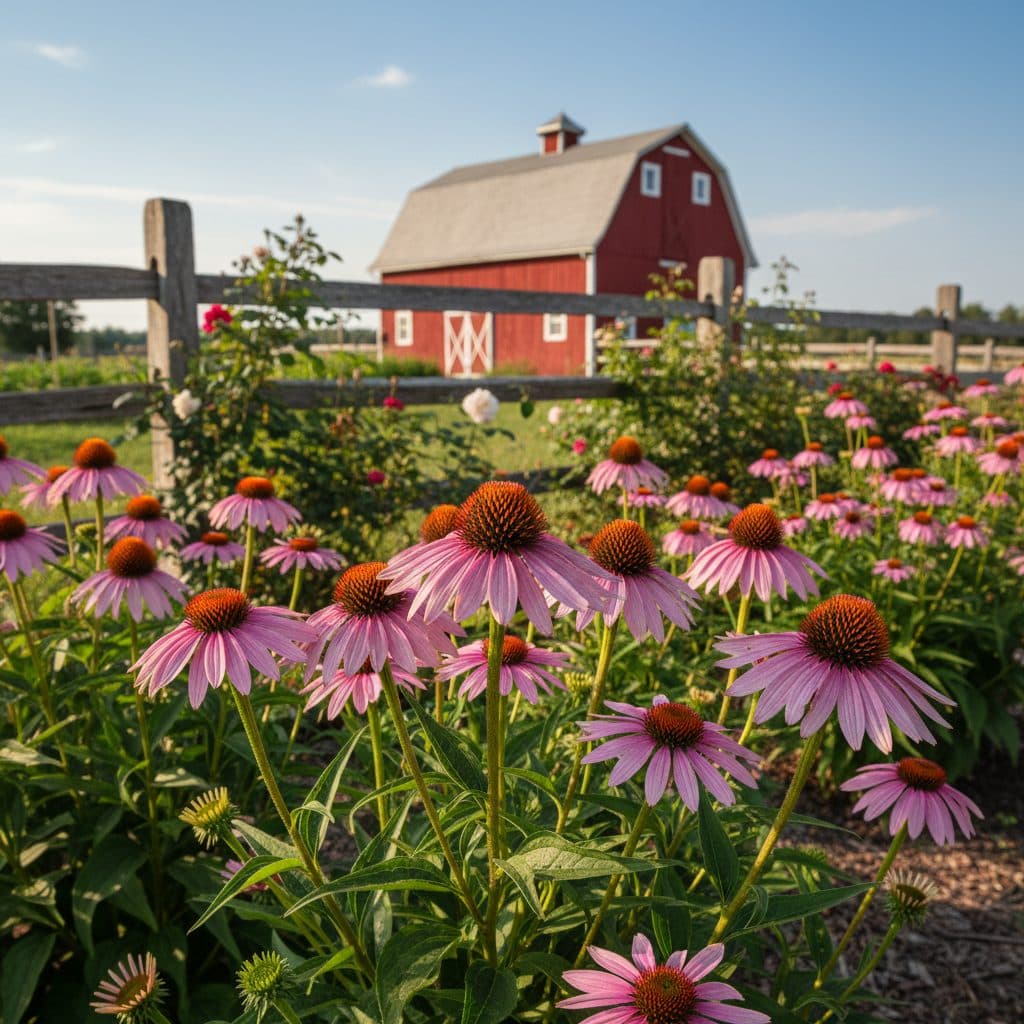
When considering Echinacea for immune support, two species primarily stand out for home growers across the United States: Echinacea purpurea and Echinacea angustifolia. Both are native to North America and have a long history of use. E. purpurea, or purple coneflower, is widely cultivated and generally easier to grow. It tolerates a broader range of soil conditions and thrives in USDA zones 3 through 9. It can reach heights of 3 to 4 feet, and produces striking purple-pink flowers from mid-summer into fall. Its roots and aerial parts are both used in tinctures.
choosing the right echinacea for your garden
Echinacea angustifolia, often called narrow-leaf coneflower, is another potent option, though it can be a bit more challenging to establish. It prefers drier, well-drained soils and is typically found in the central and western US, hardy in USDA zones 3 through 8. This species grows to about 1 to 2 feet tall and is particularly valued for its roots, which are traditionally considered to have a higher concentration of certain active compounds. For most home growers, especially those just starting a herb garden, Echinacea purpurea is often the more forgiving and productive choice, offering abundant aerial parts and substantial roots after two to three years of growth.
- Consider Echinacea purpurea for ease of cultivation in most US climates.
- Choose Echinacea angustifolia for its historical use and potent roots, if your soil is dry and well-drained.
- Both species prefer full sun, needing at least six hours of direct sunlight daily.
- Ensure good air circulation to prevent fungal issues, especially in humid regions like the Southeast.
- Plan for a mature plant size of 2 to 4 feet in height and 18 to 24 inches in width.
Growing echinacea for tincture production
Successfully growing Echinacea for tincture production requires attention to its preferred growing conditions. These plants thrive in full sun, needing a minimum of six hours of direct sunlight each day to produce robust growth and potent medicinal compounds. Well-draining soil is crucial; a sandy loam with a pH between 6.0 and 7.0 is ideal. If your soil is heavy clay, consider amending it with 2 to 3 inches of compost and sand to improve drainage. You can check your soil’s pH and moisture levels with a 3-in-1 soil meter, ensuring optimal conditions for your plants.
planting and care for robust plants
Echinacea can be started from seed indoors 8 to 10 weeks before the last frost date, or purchased as small plants. Space plants 12 to 18 inches apart to allow for good air circulation and root development. Once established, Echinacea is relatively drought-tolerant, but consistent moisture during its first year of growth is beneficial. Apply a 1 to 2 inch layer of mulch around the plants to help retain soil moisture and suppress weeds. In USDA zone 6, for instance, a spring planting will allow the plant to establish a strong root system before the summer heat. Consider integrating cover crops in your garden rotation to improve soil structure and nutrient content for perennial herbs like Echinacea.
- Plant Echinacea in a location receiving at least six hours of direct sunlight daily.
- Ensure soil pH is between 6.0 and 7.0 for optimal nutrient uptake.
- Space plants 12 to 18 inches apart to encourage healthy growth.
- Water regularly during the first growing season, then reduce frequency.
- Mulch with 1 to 2 inches of organic material to conserve moisture.
Harvesting and preparing echinacea plant parts
The timing of your Echinacea harvest significantly impacts the potency of your tincture. For roots, the ideal time is in the fall of the second or third year after planting, once the plant has gone dormant and its energy has retreated underground. Digging the root ends that plant, so either grow a block you intend to lift entirely, or lift the crown, cut away the outer roots for tincture, and replant a healthy division with a growing bud so the stand renews itself. This typically occurs in October or November in northern states like Michigan, or as late as December in warmer regions like central Texas. Digging roots requires some effort; a sturdy wooden-handle garden fork can help loosen the soil around the plant without damaging the root system, which can extend 6 to 12 inches deep.
processing roots and aerial parts for tincture
After carefully digging, shake off excess soil and rinse the roots thoroughly under cool running water. Use a stiff brush to remove any stubborn dirt. For aerial parts (leaves, stems, and flowers), harvest when the plant is in full bloom, usually from July through September, depending on your USDA zone. Cut the stems about 6 to 8 inches above the ground, ensuring you leave enough foliage for the plant to recover and photosynthesize. Once cleaned, both roots and aerial parts should be chopped into small pieces, about one-quarter to one-half inch in size, to maximize the surface area for alcohol extraction. A well-established three-year-old E. purpurea plant yields a substantial root mass, though the amount varies widely with soil, spacing and season.
- Harvest roots in the fall of the second or third year, after dormancy.
- Collect aerial parts when the plant is in full bloom, typically mid-summer.
- Clean roots thoroughly, removing all soil particles.
- Chop both roots and aerial parts into small, uniform pieces.
- Ensure plant material is free from pests or disease before processing.
Crafting your own echinacea tincture
Making an Echinacea tincture involves macerating the plant material in a high-proof alcohol solution. The alcohol acts as a solvent, extracting the beneficial compounds. A typical alcohol concentration for homemade Echinacea tinctures ranges from 60% to 80%, high enough to pull the alcohol-soluble alkylamides while retaining enough water for the polysaccharides. This usually means using 120-proof to 160-proof grain alcohol. For example, if you’re using 100-proof vodka (50% alcohol), you might need to add a small amount of higher-proof alcohol or adjust your plant-to-alcohol ratio. The ratio of plant material to alcohol is also important; a common ratio is 1:5, meaning one part herb by weight to five parts alcohol by volume.
the maceration process for potency
Once your plant material is chopped, place it into a clean glass jar. Pour the chosen alcohol over the herbs, ensuring they are completely submerged by at least one inch of liquid. Seal the jar tightly and store it in a cool, dark place for four to six weeks. During this period, shake the jar daily to agitate the mixture and aid in extraction. After the maceration period, strain the liquid through a fine-mesh sieve or cheesecloth, pressing out as much liquid as possible from the spent plant material. The resulting liquid is your Echinacea tincture.
- Use 60-80% alcohol (120-160 proof) for optimal extraction.
- Maintain a 1:5 herb-to-alcohol ratio (by weight to volume).
- Ensure plant material is fully submerged in alcohol.
- Store the jar in a cool, dark place for four to six weeks.
- Shake the tincture daily to encourage compound extraction.
Using and storing echinacea tincture
Once bottled, your homemade Echinacea tincture is ready for use. For general immune support, a common dosage is 1 to 2 mL (about 20 to 40 drops) taken one to three times daily, typically for a period of one to two weeks. It’s often recommended to take Echinacea at the first sign of immune challenge rather than continuously for extended periods. The tincture can be taken directly or diluted in a small amount of water or juice. Always consult with a healthcare professional before starting any new herbal regimen, especially if you are pregnant, nursing, or taking other medications. Human research on echinacea dosing and long-term use is limited and mixed, so treat the amounts above as a starting point to discuss with a clinician rather than a settled recommendation.
storage and potency considerations
Proper storage is key to maintaining the potency of your tincture. Store your finished Echinacea tincture in dark glass bottles, away from direct sunlight and heat. A cool, dark pantry or cupboard is ideal. When stored correctly, a high-quality alcohol-based tincture can maintain its potency for three to five years, sometimes even longer. Label your bottles with the date of preparation and the species of Echinacea used. If you’ve used Echinacea purpurea, you might notice a slight tingling sensation on your tongue, which is a characteristic sign of its active compounds, alkylamides.
- Typical dosage is 1 to 2 mL, one to three times daily.
- Take tincture at the first sign of immune system challenge.
- Store in dark glass bottles away from light and heat.
- Tinctures can remain potent for three to five years.
- Label bottles with preparation date and Echinacea species.
Comparison of Echinacea purpurea and Echinacea angustifolia for Tincture
Feature | Echinacea purpurea | Echinacea angustifolia |
|---|---|---|
USDA Hardiness Zones | 3-9 | 3-8 |
Typical Height | 3-4 feet | 1-2 feet |
Primary Parts Used | Roots, leaves, flowers | Roots |
Ease of Cultivation | Easier, more adaptable | More challenging, prefers dry soil |
Compound Profile | Rich in caffeic acid derivatives, polysaccharides | Higher concentration of alkylamides |
Native Range | Eastern & Central US | Central & Western US |
Root Potency: Harvesting Echinacea roots in the fall of the second or third year, after the plant has gone dormant, gives the most concentrated root material.
Alcohol Strength: A 60-80% alcohol solution is recommended for tinctures, effectively extracting both water-soluble and alcohol-soluble constituents from Echinacea plant material.
Frequently asked questions
What is the best time to harvest Echinacea roots?
The best time to harvest Echinacea roots is in the fall of the second or third year after planting, once the plant has gone dormant. This ensures the plant’s energy and medicinal compounds have concentrated in the roots, often occurring from October to December in many US regions.
Can I use fresh Echinacea for tincture, or does it need to be dried?
You can use either fresh or dried Echinacea for tinctures. If using fresh, a common ratio is 1:2 (one part herb to two parts alcohol by weight). For dried herbs, a 1:5 ratio (one part herb to five parts alcohol) is typically used. Fresh herbs contain more water, so adjust your alcohol content accordingly to maintain a 60-80% final alcohol percentage.
What kind of alcohol should I use for making Echinacea tincture?
For making Echinacea tincture, aim for 60% to 80% alcohol by volume (120-proof to 160-proof). Standard vodka and brandy are 80-proof, or 40% alcohol, so you will not reach that range with them — either buy a higher-proof spirit or cut 190-proof grain alcohol with distilled water. Note that 190-proof grain alcohol is not sold in every state. This range ensures effective extraction of both water-soluble and alcohol-soluble compounds.
How long does homemade Echinacea tincture last?
When stored properly in dark glass bottles away from heat and light, homemade Echinacea tincture can remain potent for three to five years.
What is the typical dosage for Echinacea tincture?
A common adult dosage for Echinacea tincture is 1 to 2 mL (approximately 20 to 40 drops) taken one to three times daily. This is often recommended at the first signs of immune system challenge and typically continued for one to two weeks, not for continuous long-term use.
Are there any side effects or contraindications for Echinacea tincture?
While generally well-tolerated, some individuals may experience mild side effects like digestive upset or allergic reactions, especially those sensitive to plants in the daisy family. It’s advisable to consult a healthcare provider, particularly if you have an autoimmune condition or are on immunosuppressant drugs, as Echinacea can stimulate the immune system.
References
- The efficacy of Echinacea angustifolia tincture as an antimicrobial agent (2023). The efficacy of Echinacea angustifolia tincture as an antimicrobial agent.
- Glutathione system in the liver of animals with changed photoperiod receiving Echinacea purpurea tincture (2008). Glutathione system in the liver of animals with changed photoperiod receiving Echinacea purpurea tincture.
- EXPERIMENTAL STUDY OF THE ANTI-INFLAMMATORY ACTIVITY OF THE ECHINACEA AND CALENDULA TINCTURE (2021). EXPERIMENTAL STUDY OF THE ANTI-INFLAMMATORY ACTIVITY OF THE ECHINACEA AND CALENDULA TINCTURE.
- Effect of Echinacea purpurea tincture on the rat kidney antioxidant system under carbon tetrachloride intoxication (2012). Effect of Echinacea purpurea tincture on the rat kidney antioxidant system under carbon tetrachloride intoxication.
- USDA Natural Resources Conservation Service (2024). USDA Natural Resources Conservation Service.