Organic Apple Pest Control for USDA Zones 4-8: Moths & Maggots
Learn organic pest control for apples in USDA zones 4-8. Manage codling moth, spotted-wing drosophila, and apple maggot with IPM, cultural practices, and traps for a healthy harvest.
Topic
Grow more of your own food with practical, beginner-friendly gardening guides. From starting seeds and planning beds to companion planting, square-foot layouts, herbs, mushrooms, greenhouses, and soilless systems, these articles walk you through every step—what to plant, when to plant it, and how to keep crops healthy from sowing to harvest.
901 articles in this topic on agripure. — page 35 of 38
Learn organic pest control for apples in USDA zones 4-8. Manage codling moth, spotted-wing drosophila, and apple maggot with IPM, cultural practices, and traps for a healthy harvest.
Diagnose common citrus tree problems like yellow leaves, fruit splitting, and premature drop in home orchards, identifying remedies for nutrient deficiencies, water stress, and insect pests.
Master chill hours for fruit trees! Learn why cold temperatures are vital for stone and pome fruit in USDA zones 4-9. Select varieties for a thriving home orchard.
Learn formative pruning techniques for young fruit trees (years 1-3). Compare open-center vs. central-leader systems to build a strong, productive orchard in USDA zone 6.
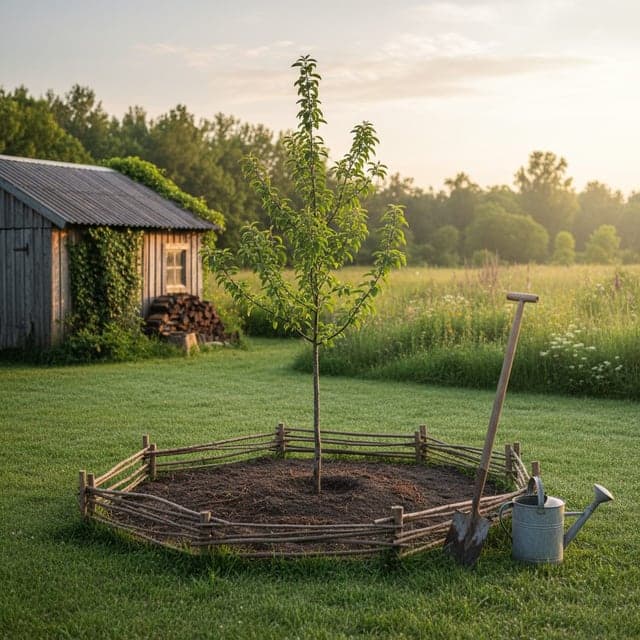
Master planting fruit trees in USDA Zone 6. Learn essential site selection, soil preparation, correct planting depth, and first-year care for healthy, productive orchards that thrive for decades.
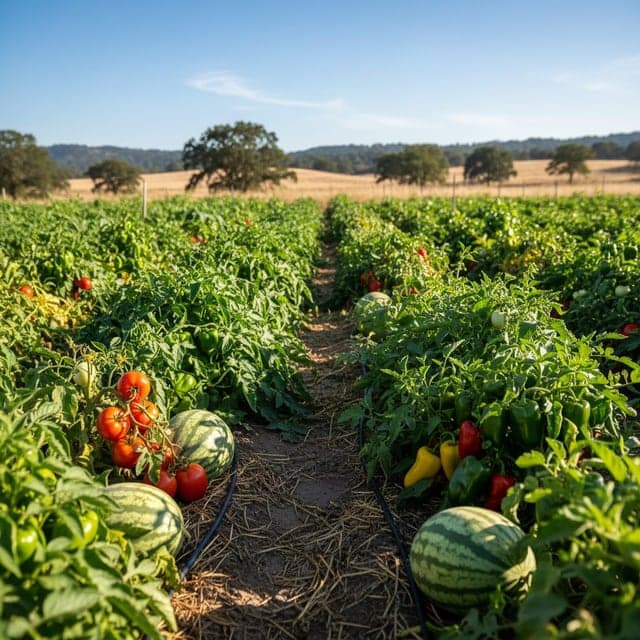
How to grow sweeter tomatoes, melons, and peppers in USDA Zone 7 through soil pH, water management, sunlight, and nutrient balance to boost Brix levels.
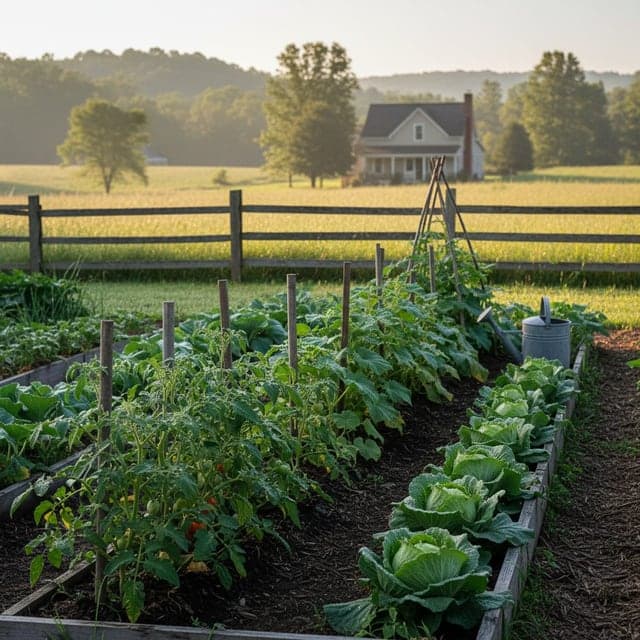
Track all six vegetable growth stages across US gardens using Base 40°F and Base 50°F Growing Degree Days, stage N-P-K/Ca/B fertility shifts, bolting triggers, and yield-critical irrigation windows.
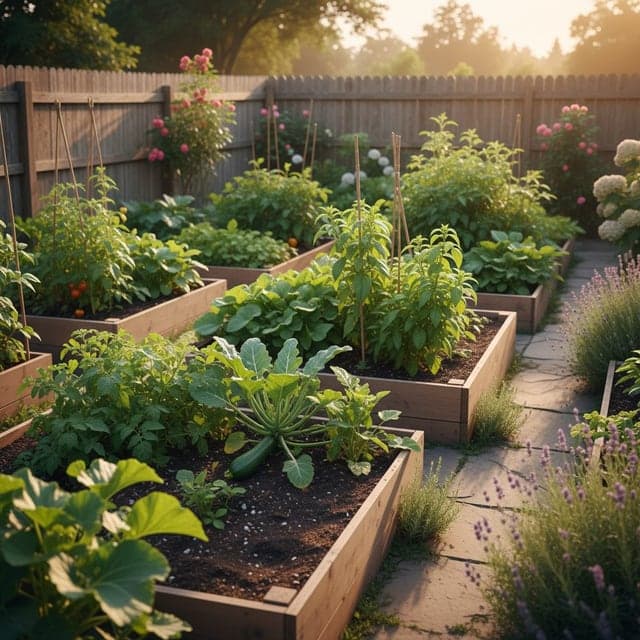
Troubleshoot stalled pepper and cucumber crops in USDA zone 6. Learn to diagnose common issues like pollination, nutrient imbalance, pests, and environmental stress to boost your harvest.
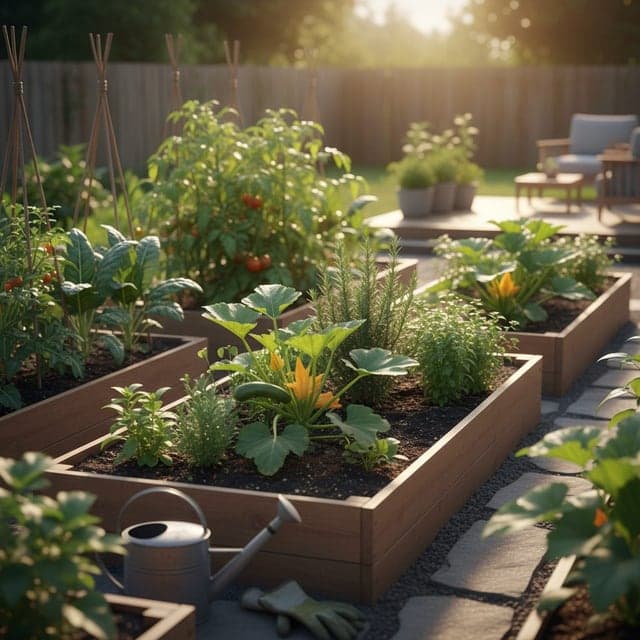
Learn to diagnose common tomato nutrient deficiencies by leaf symptoms. Identify N, P, K, Ca, Fe issues in tomatoes & cucurbits to prevent yield loss and improve harvest quality in Ohio.
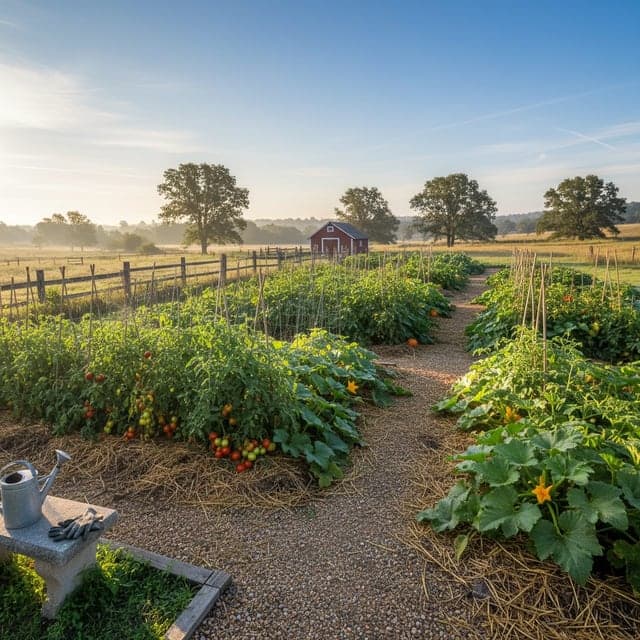
Master diagnosing water issues in tomatoes & cucurbits to prevent wilting, blossom end rot, and increase yields by 20-30% in USDA Zone 6. Learn soil moisture checks & watering needs.
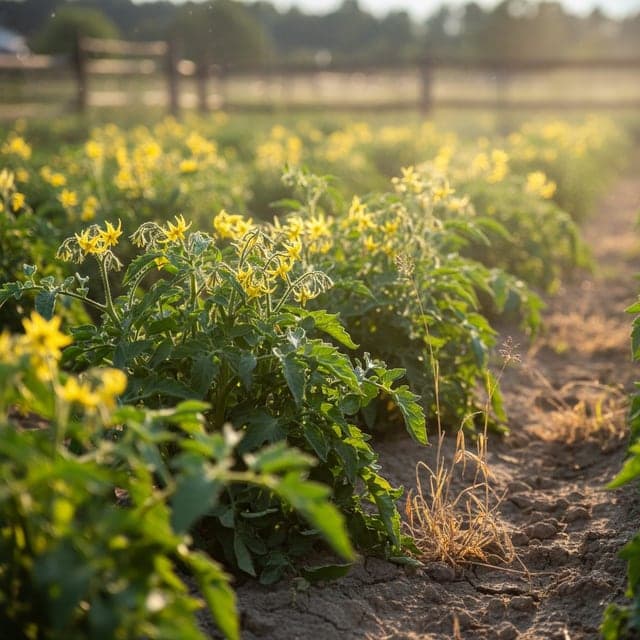
Discover why tomatoes & cucurbits fail to set fruit above 90°F. Learn how heat stress impacts pollen, pollinators, and what cultural practices can save your harvest.
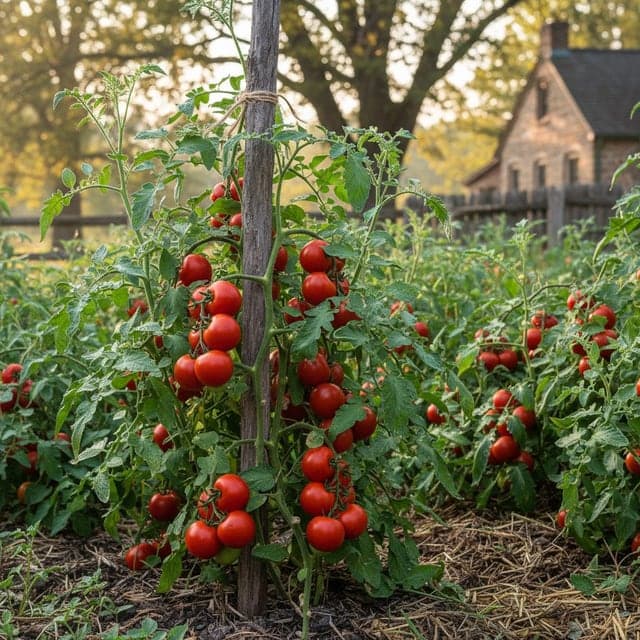
How to protect tomato crops from blights, wilts, and leaf spots using organic cultural methods, resistant varieties, and preventative sprays.
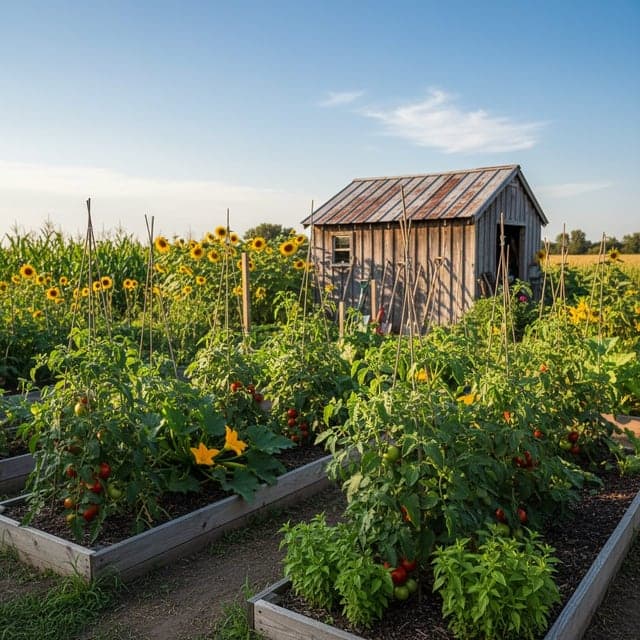
Identify and solve common tomato plant problems from seedling to harvest. Learn diagnostics for pests, diseases, and nutrient issues to maximize yields in USDA Zone 6.
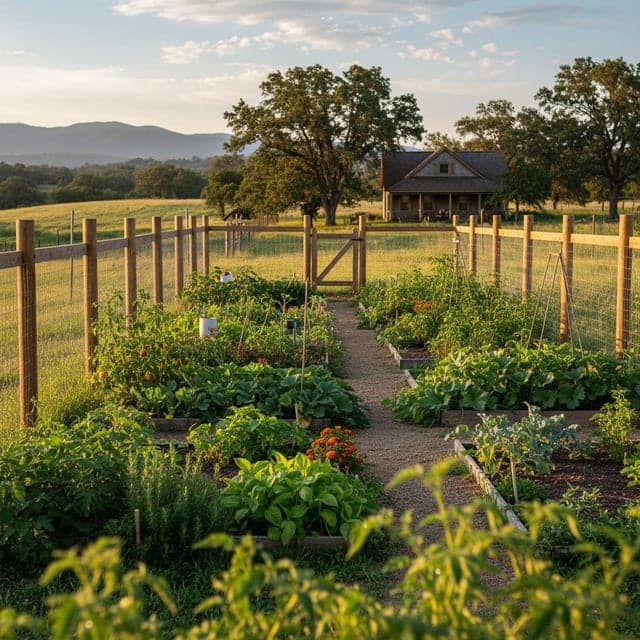
Protect your USDA Zone 6 garden from deer, rabbits, and voles with organic pest control methods. Learn about IPM, physical barriers, repellents, and habitat modification for effective, humane manag…
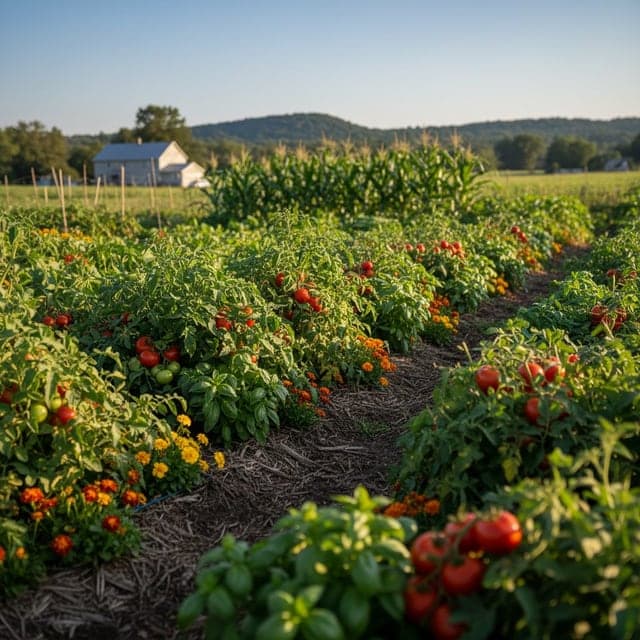
How plant pairings, companion planting, and trap cropping reduce garden pests by up to 30% in US gardens using organic methods.
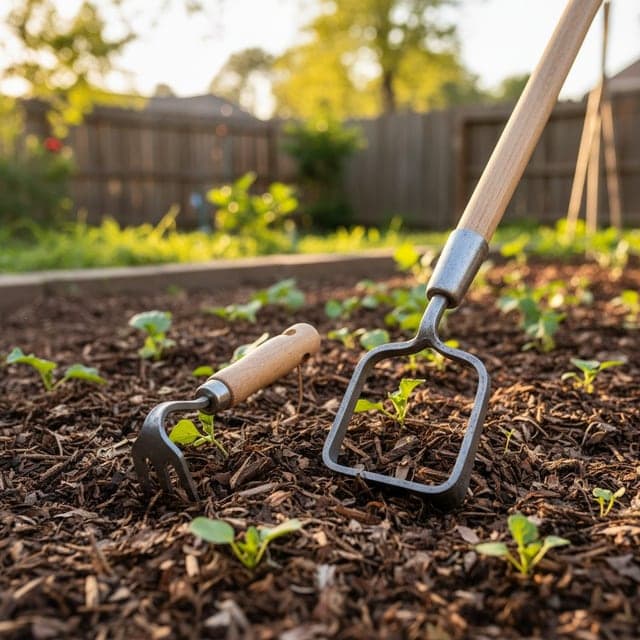
Learn effective organic weed management techniques for US gardens, paths, and lawns. Discover glyphosate-free strategies for prevention, mechanical removal, and targeted treatments.
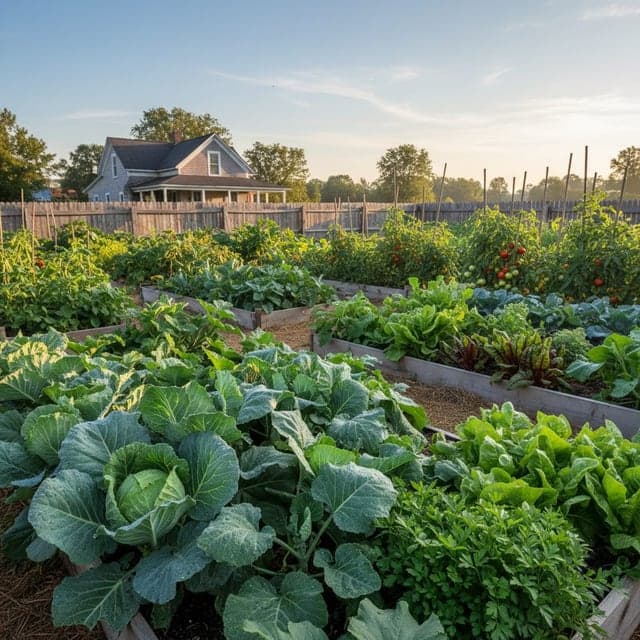
Learn effective, chemical-free strategies for organic pest control of slugs, snails, and ants in USDA Zone 6. Protect your garden with IPM methods.
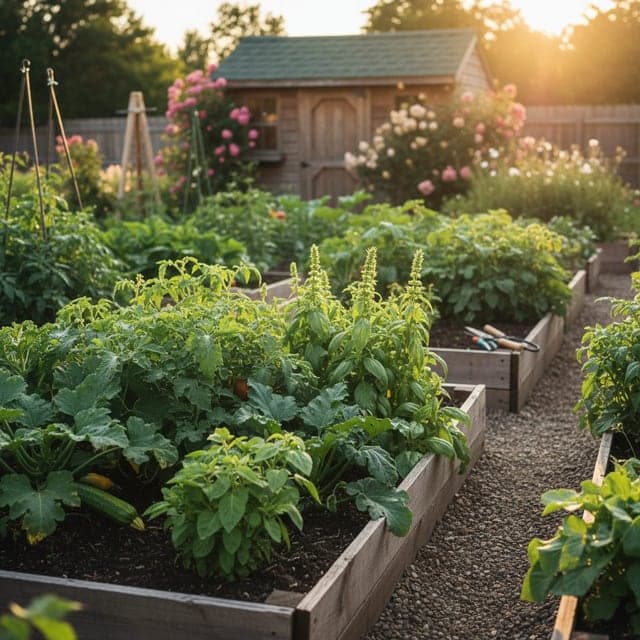
Learn organic plant disease control for your US garden. This symptom-to-cause guide helps diagnose and treat issues like tomato blight in USDA zone 6 with sustainable methods.
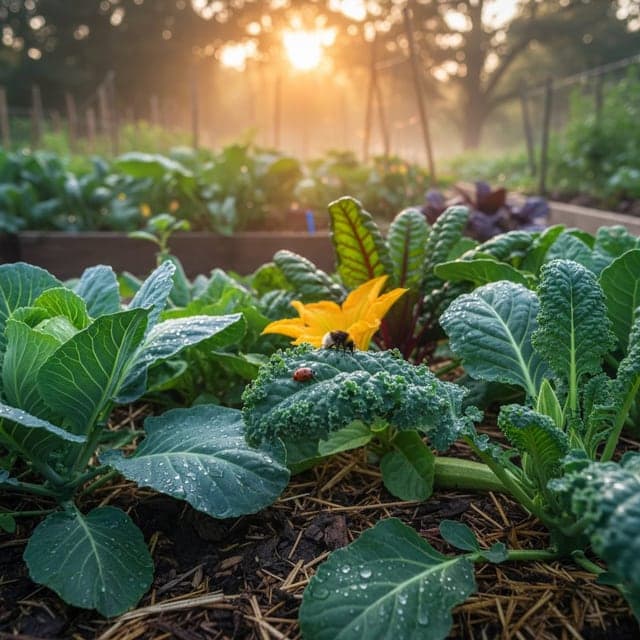
Master organic pest control for hornworms and squash bugs in your USDA Zone 6 vegetable garden. Learn IPM strategies, prevention, and natural treatments for common garden pests.
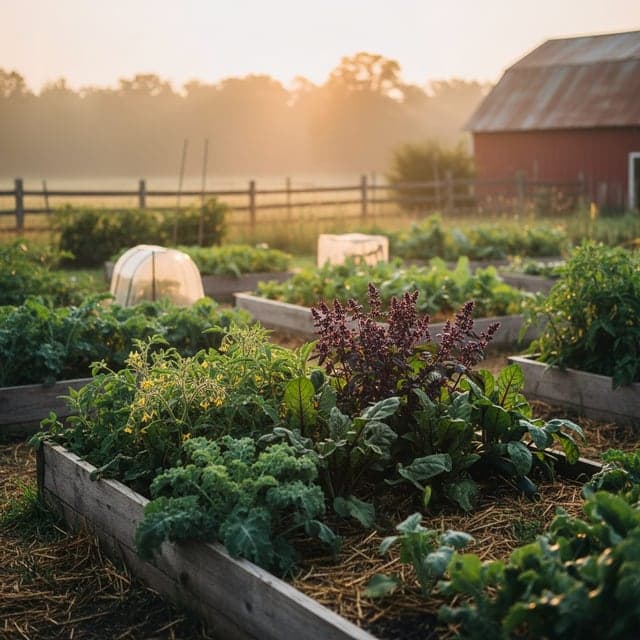
Master organic pest control for soft-bodied pests like aphids, whiteflies, and spider mites. Learn IPM strategies, natural remedies, and how to foster beneficial insects for a thriving garden.
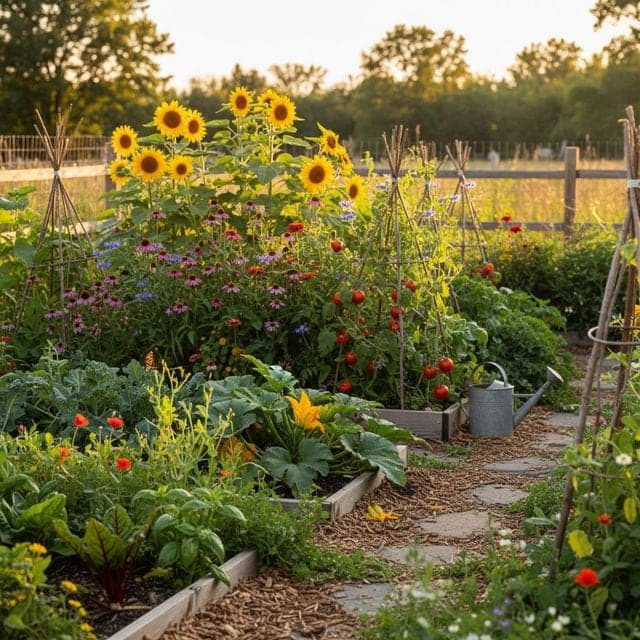
How beneficial insects provide natural pest control, reducing garden pests by up to 75%. Learn to attract and identify predatory and parasitoid species for an organic garden.
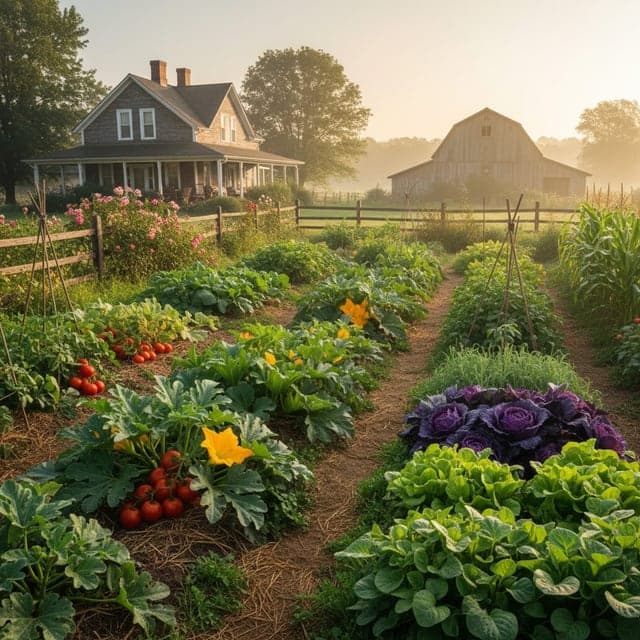
Learn Integrated Pest Management (IPM) for home gardens. Reduce pesticide use by combining prevention, monitoring, and biological controls for a healthier, thriving garden.
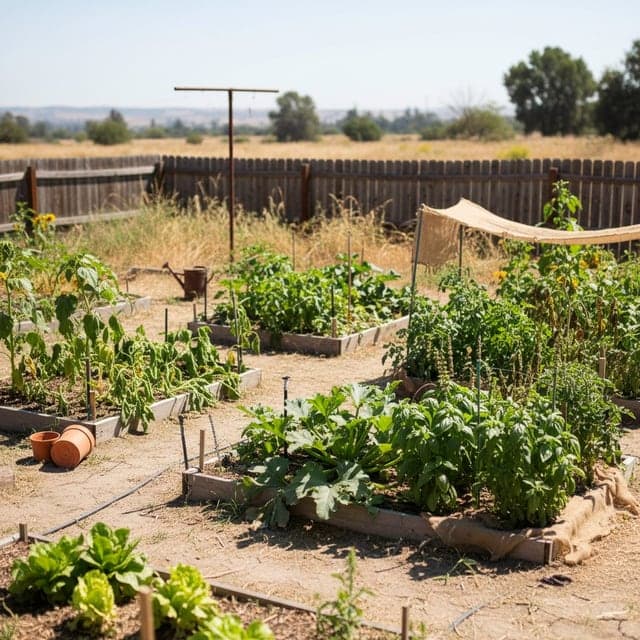
Learn how to adapt your summer fertilizer strategy for extreme heat and drought. Maintain healthy tomato yields in USDA zones 6-9 by optimizing soil health, nutrient uptake, and watering.
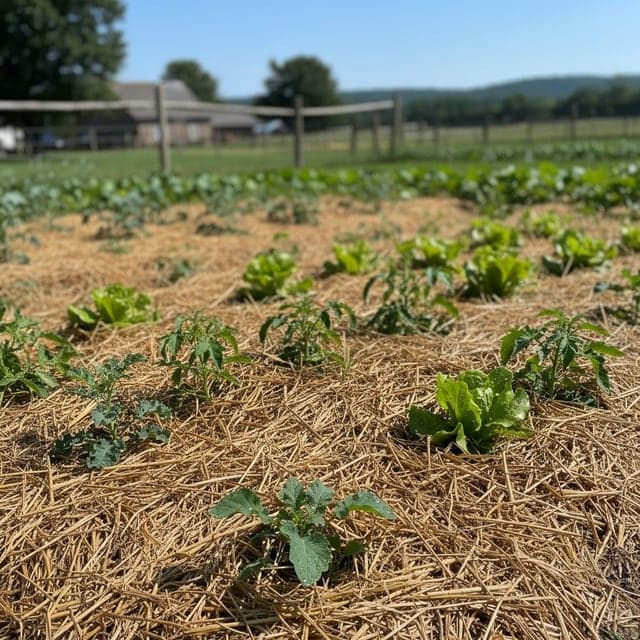
Cut bare-soil evaporation by 25–70% across US climates using arborist wood chips, clean straw, shredded leaf mold, living covers, or volcanic scoria. Learn 2–4 inch depth calibration, hydraulic con…