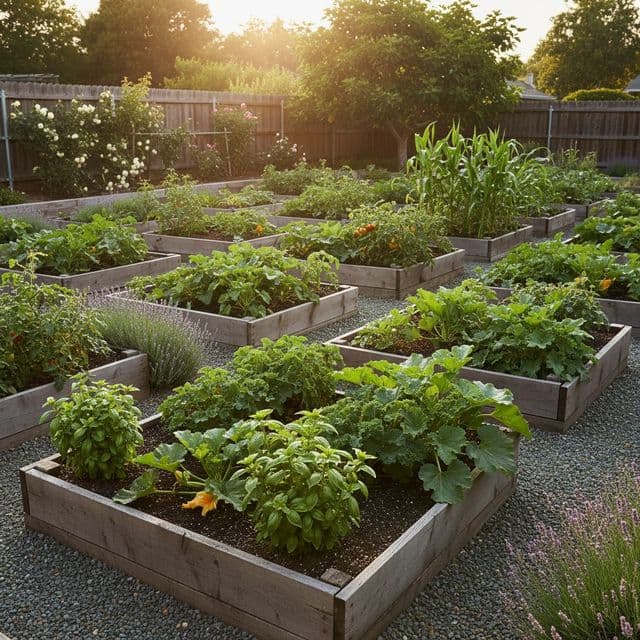
Mulch Depth & Material: Keeping Soil Cool in 100°F Heat Domes
Learn how to use mulch for soil cooling in extreme heat. Discover optimal depths & materials like straw, wood chips, and leaves to protect your garden from 100°F+ temperatures.
Topic
Soil building covers the materials and methods that develop biologically active soil: organic fertilizers, compost application rates, mulch types and depths, and the microbial communities that process them. Articles treat soil as a living system — explaining what feeds it, what harms it, and how to measure improvement over successive seasons.
95 articles in this topic on agripure. — page 2 of 4
Learn how to use mulch for soil cooling in extreme heat. Discover optimal depths & materials like straw, wood chips, and leaves to protect your garden from 100°F+ temperatures.
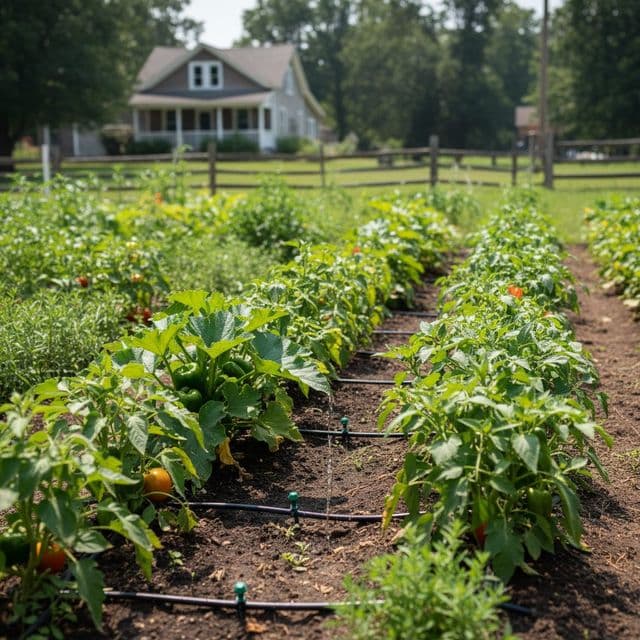
Master heatwave watering for resilient gardens. Learn deep watering to 6-12 inches, optimal morning times, soil health tips, and drip irrigation for USDA Zone 7.
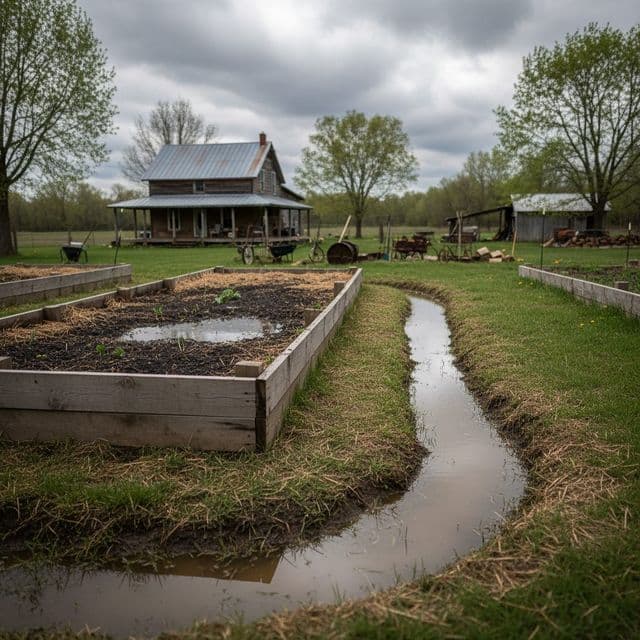
Struggling with waterlogged raised beds and heavy clay soil in USDA Zone 6? Learn practical, less intensive strategies to improve drainage, soil health, and prevent root rot without a full rebuild.…
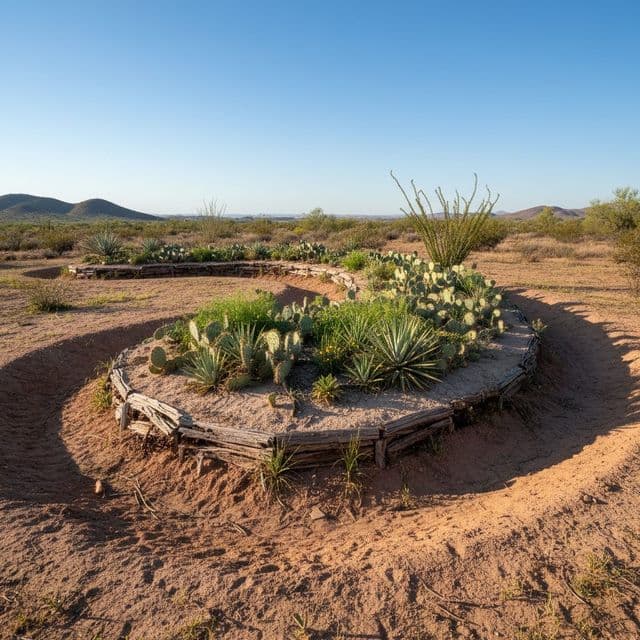
Master hugelkultur in the arid Southwest. Learn wood selection, termite prevention, and passive irrigation to conserve water and build soil for thriving gardens in dry climates.
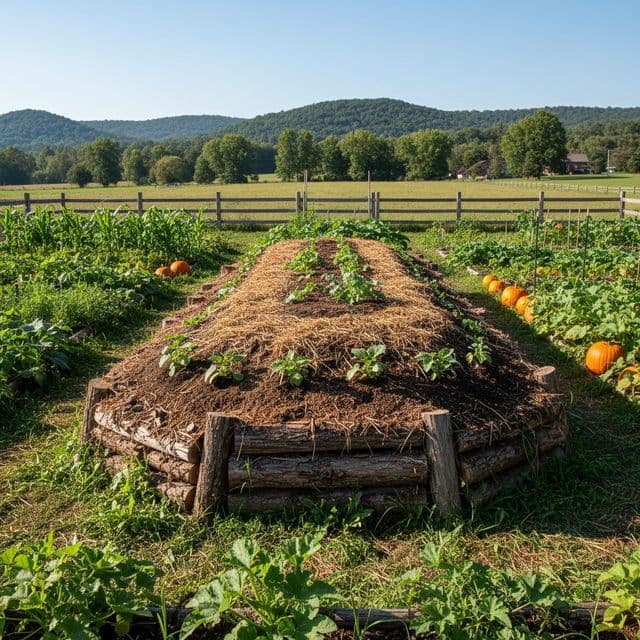
Optimize your hugelkultur beds for maximum water retention in USDA zones 5-8. Learn which woods to use and avoid for long-term success and reduced irrigation needs.
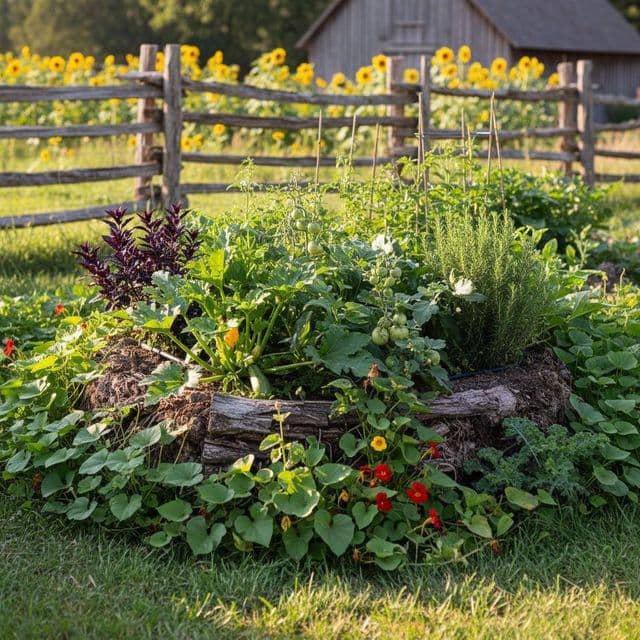
Discover how hugelkultur mounds reduce garden irrigation by up to 50%, build soil fertility for decades, and extend growing seasons. Learn to build water-efficient, self-sustaining garden beds.
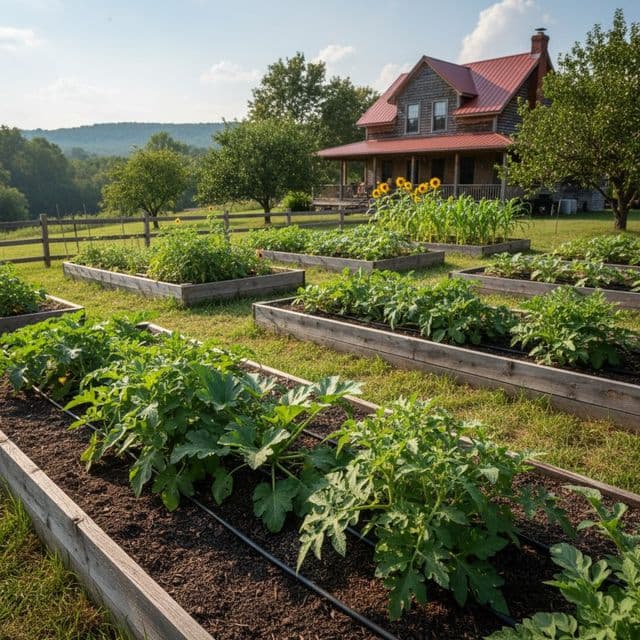
Learn to choose greywater-safe soaps for your California garden. Protect soil health, prevent sodium & boron toxicity, and conserve water effectively. Essential for sustainable homesteading.
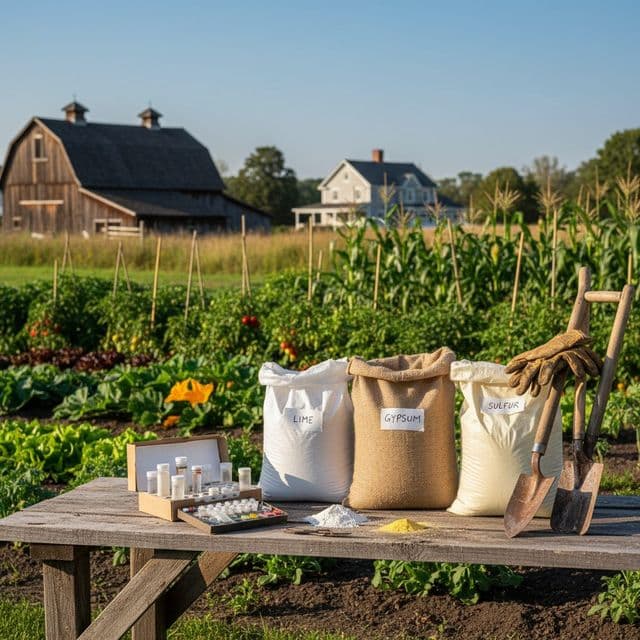
Master soil pH adjustment for better yields in USDA Zone 6. Learn how gypsum, lime, and sulfur improve soil structure and pH based on soil test results.
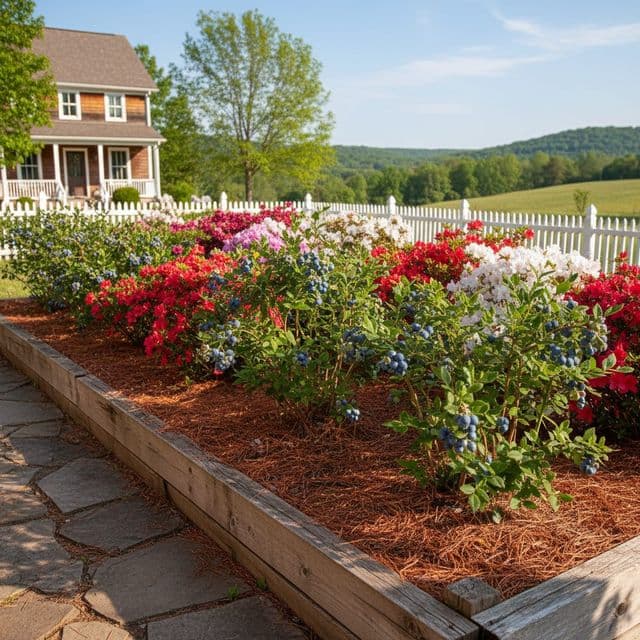
Learn organic methods to achieve ideal acidic soil for blueberries and azaleas in USDA Zone 7. Use compost, vermicompost, and biochar to lower pH naturally.
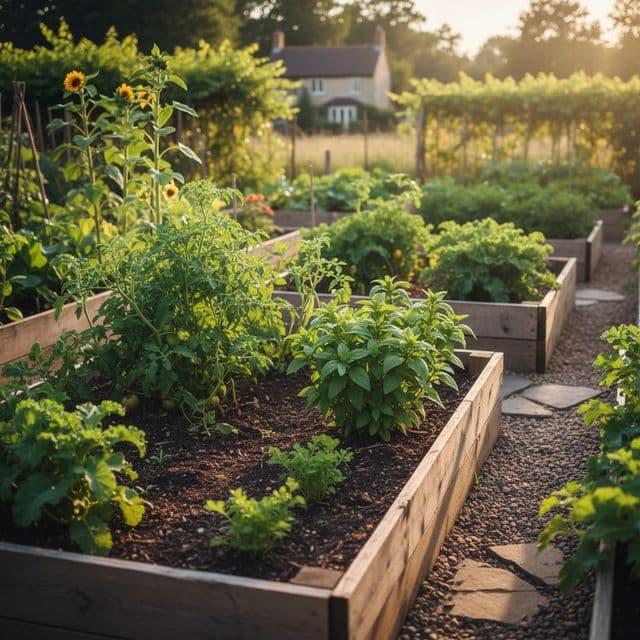
Transform sandy soil in coastal Florida. Learn DIY strategies using compost, vermicompost, and biochar to boost water retention, nutrient levels, and plant health. Essential for homesteaders.
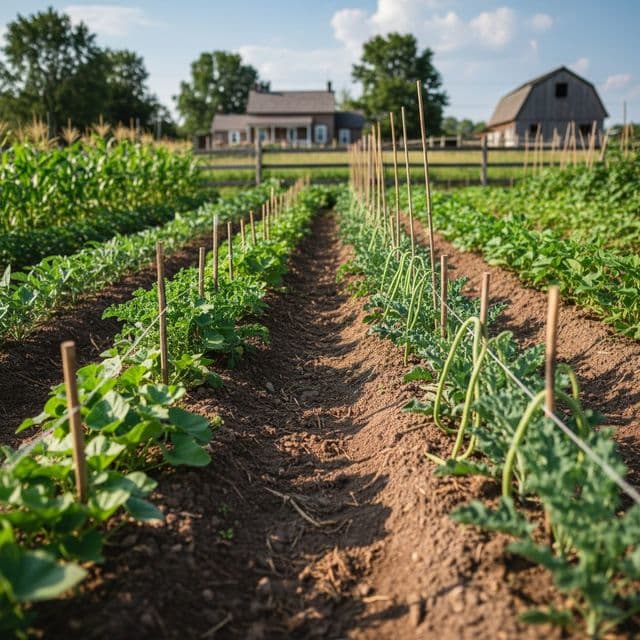
Transform challenging heavy clay soil into productive garden beds. Learn how compost, vermicompost, and biochar improve drainage, fertility, and boost yields by 10-15%.
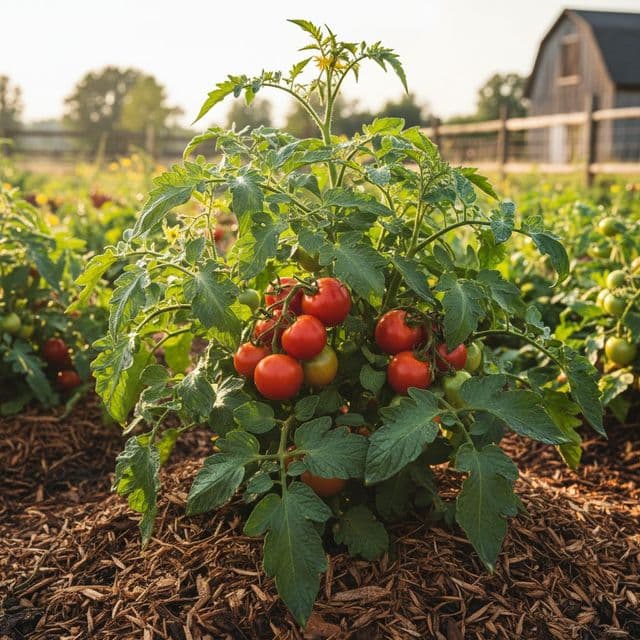
Uncover the truth about Epsom salt for tomatoes & peppers. Learn when magnesium sulfate is truly beneficial, why soil testing is critical, and avoid nutrient imbalances.
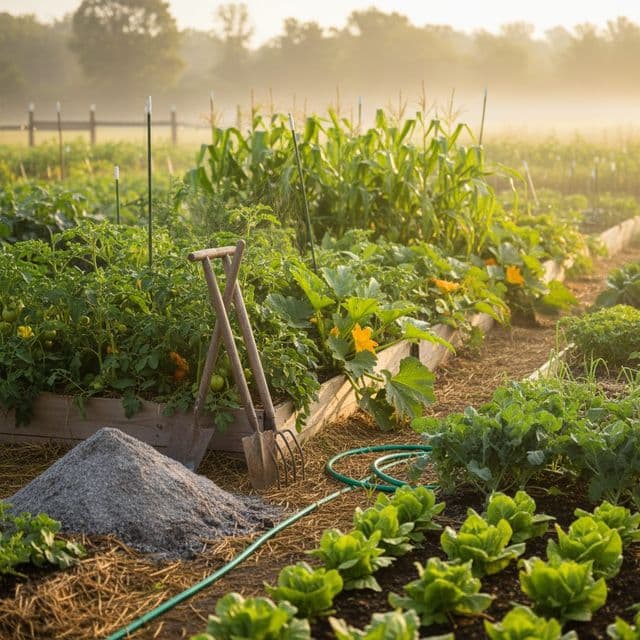
Learn how to use wood ash in your garden effectively. Discover its benefits for acidic soils, nutrient content, and risks for alkaline soils or acid-loving plants. Essential tips for applying wood…
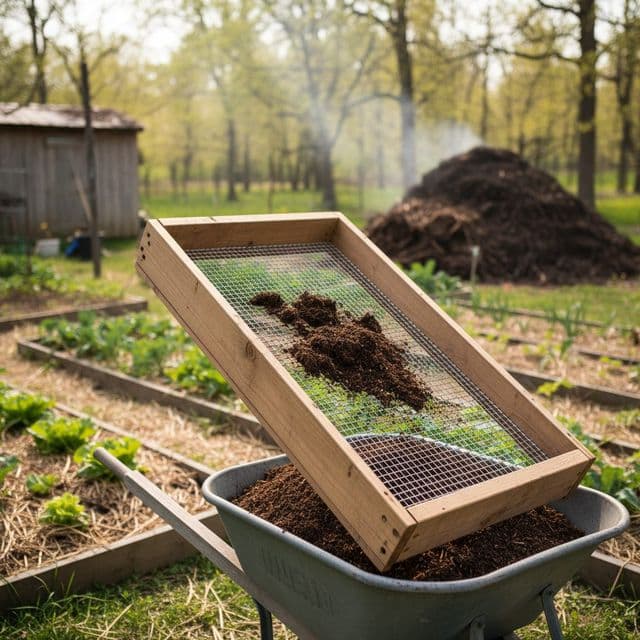
Learn how to build a DIY compost sifter to refine finished compost for better soil texture, water retention, and nutrient availability in your garden. Essential for seed starting & top-dressing.
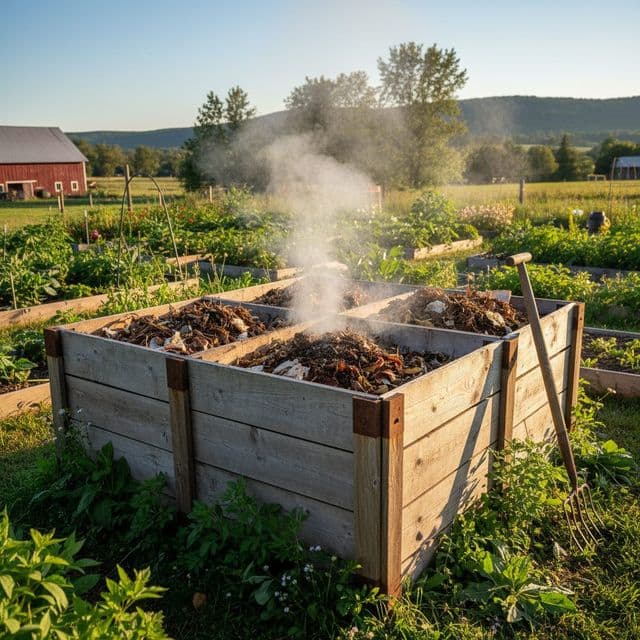
Learn to fix common compost problems like wet, dry, or slimy piles. Master the ideal 30:1 carbon-to-nitrogen ratio and moisture for efficient decomposition & soil fertility.
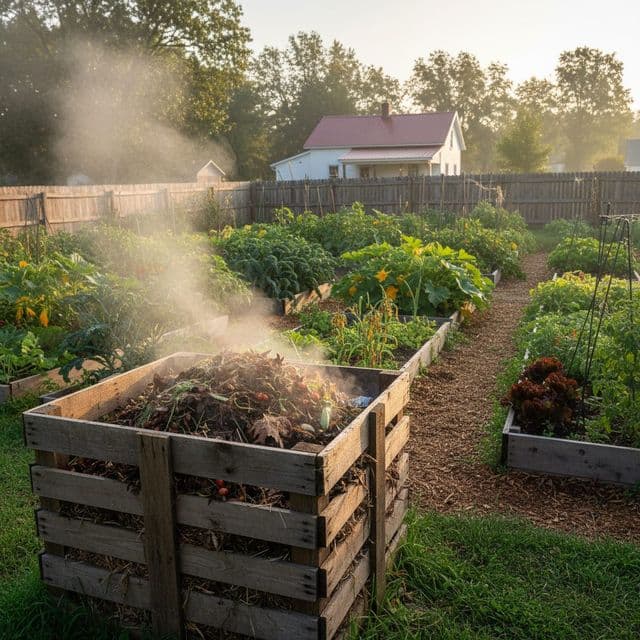
Accelerate composting by 30-50% using natural compost accelerators. Learn about ideal C:N ratios, microbial activators (EM-4), biochar, and nutrient-rich materials for faster, healthier compost.
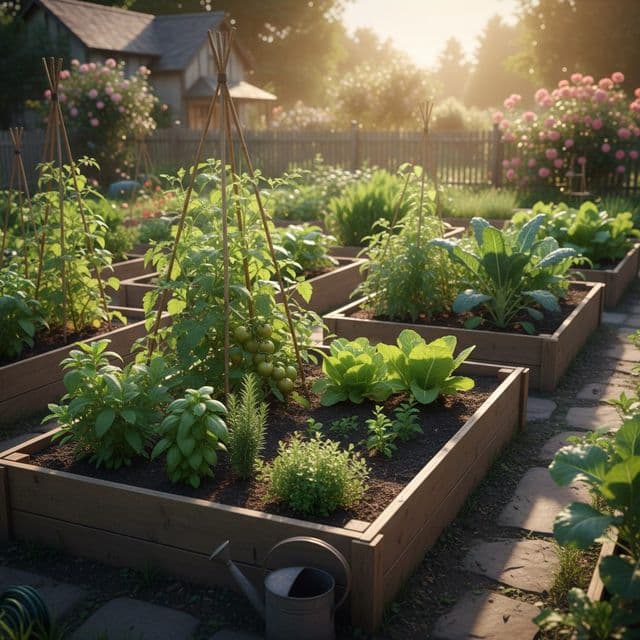
Troubleshoot why your compost pile isn’t heating up or breaking down in USDA Zone 6. Learn to balance C:N, moisture, and aeration to restart decomposition and create rich soil.
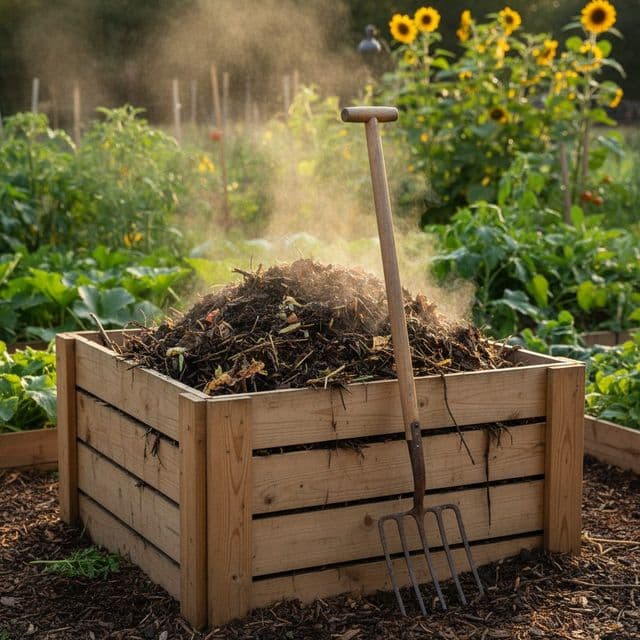
Learn why your compost smells like ammonia or rotten eggs. Discover how to balance C:N ratios, improve aeration, and manage moisture for healthy, odor-free compost.
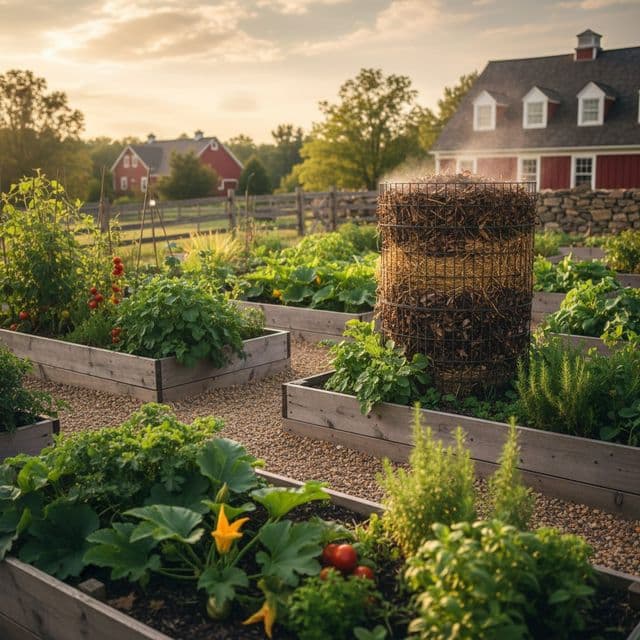
Discover how sourcing free manure from local US farms can boost your garden’s soil fertility and crop yields. Learn safe composting, sourcing tips, and benefits for homesteaders.
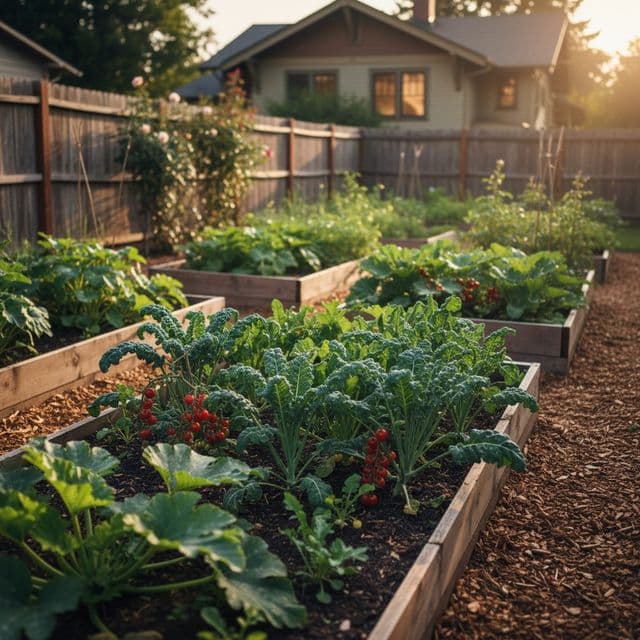
Learn to recognize and avoid persistent herbicides like aminopyralid and clopyralid in compost and manure. Protect your garden from contamination that can last for years.
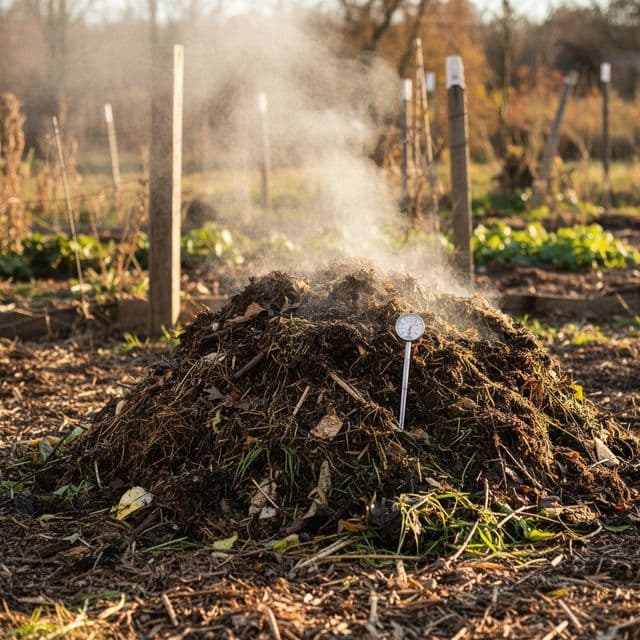
Learn hot composting techniques for cow and horse manure. Maintain 140°F to kill pathogens, improve soil, and boost garden health in USDA Zone 6. Avoid fresh manure risks.
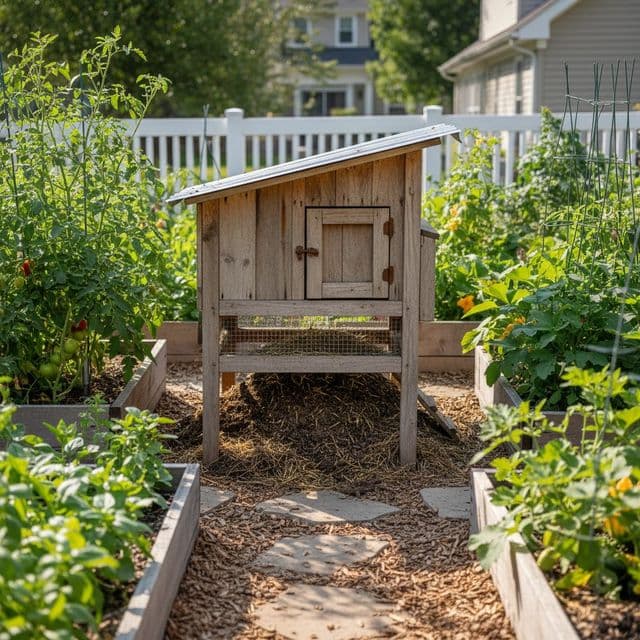
Discover why rabbit manure is the ultimate cold fertilizer for high-yield gardens. Apply directly for balanced nutrients, improved soil, and less labor in USDA zones 3-9. Boost your soil health!
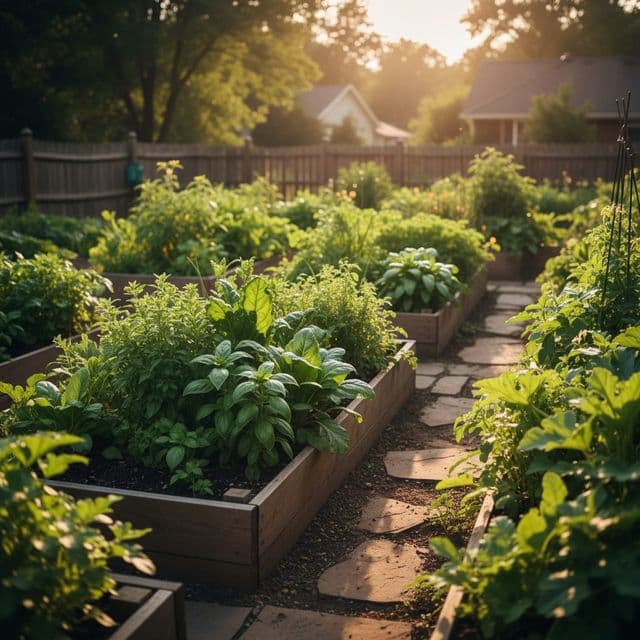
Learn how to sheet mulch a garden bed with leaves & cardboard. This no-dig method builds rich soil, suppresses weeds, and conserves water, perfect for homesteaders.
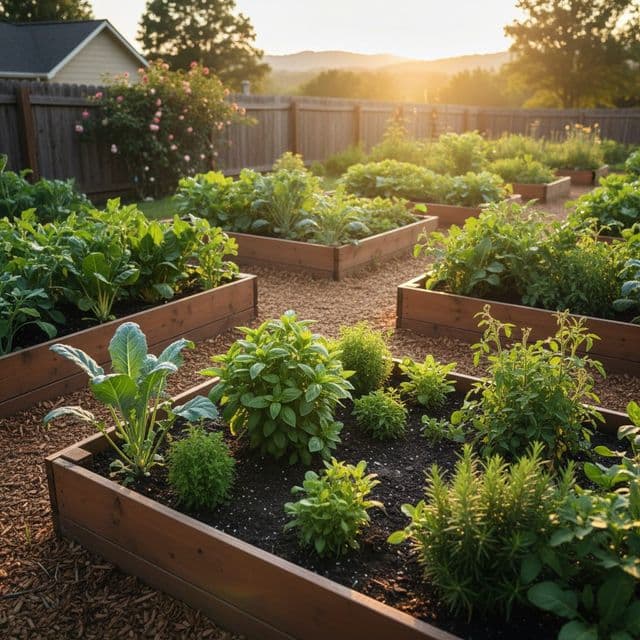
Learn how shredding autumn leaves with a mower or shredder transforms garden waste into nutrient-rich soil. Reduce volume, improve soil structure, and boost fertility in your USDA zone 6 garden.