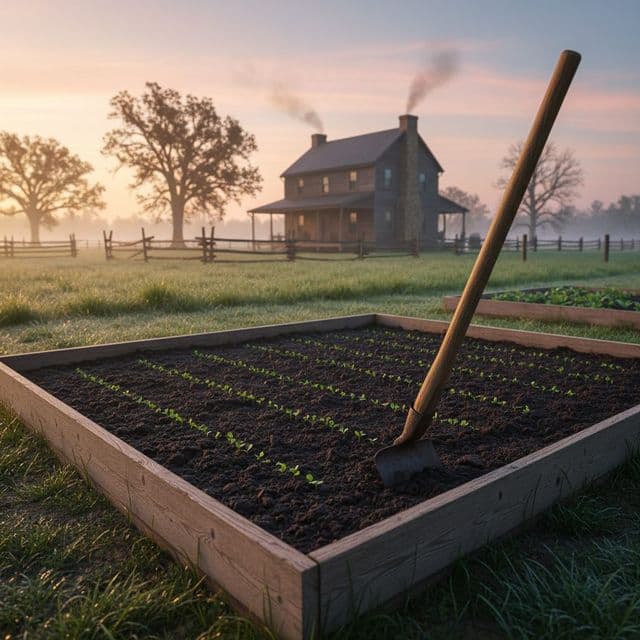
Stale Seedbed Technique: Weed Control for US Growers
Master the stale seedbed technique for effective weed control in your US garden or farm. Learn optimal timing, methods, and how to reduce herbicide use and labor.
Topic
Everything you need to grow vegetables at home, whatever your space. These guides cover individual crops—tomatoes, lettuce, garlic, carrots, and potatoes—plus square-foot layouts, companion planting, and beginner FAQs. Learn soil prep, spacing, watering, and harvest timing so every bed produces more food with less guesswork.
444 articles in this topic on agripure. — page 17 of 19
Master the stale seedbed technique for effective weed control in your US garden or farm. Learn optimal timing, methods, and how to reduce herbicide use and labor.
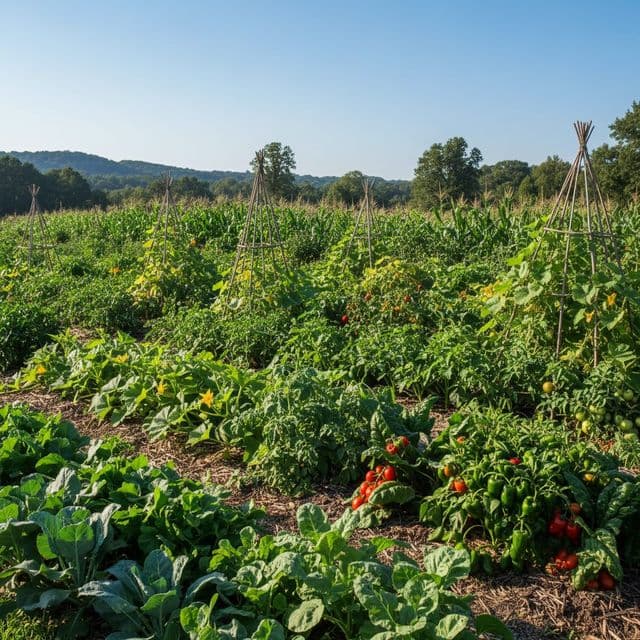
Master succession planting and crop rotation to keep your US garden productive all summer. Learn strategies for heat-tolerant crops, soil health, and continuous harvests in challenging climates.
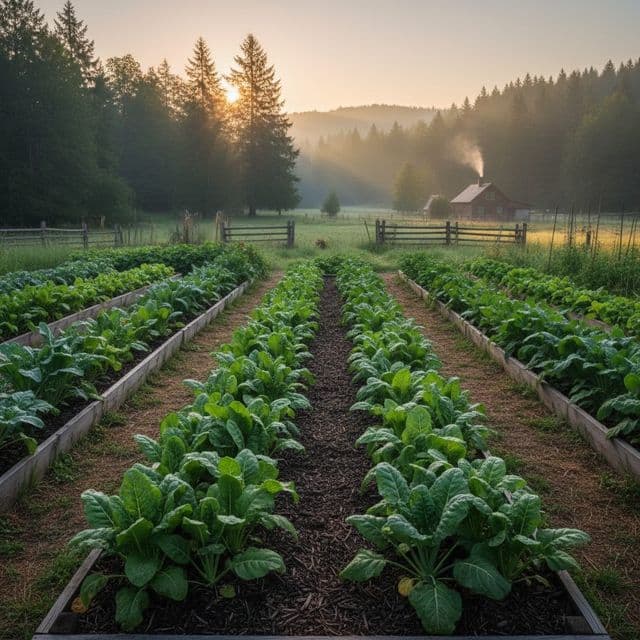
Stop premature flowering in leafy greens and herbs. Learn strategic planting, variety selection, and soil health tips to prevent bolting and extend your harvest in all USDA zones.
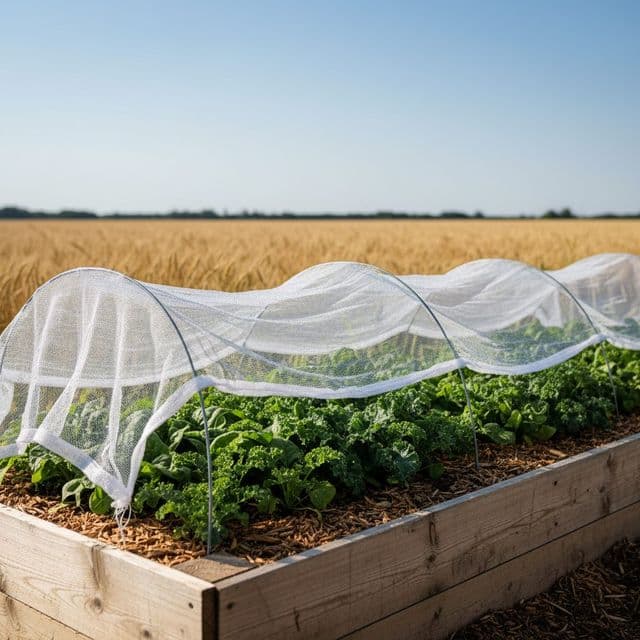
Extend your garden’s harvest by midsummer sowing cool-season crops like spinach & kale in USDA Zones 5-9. Master crop rotation & succession planting for fall & winter yields.
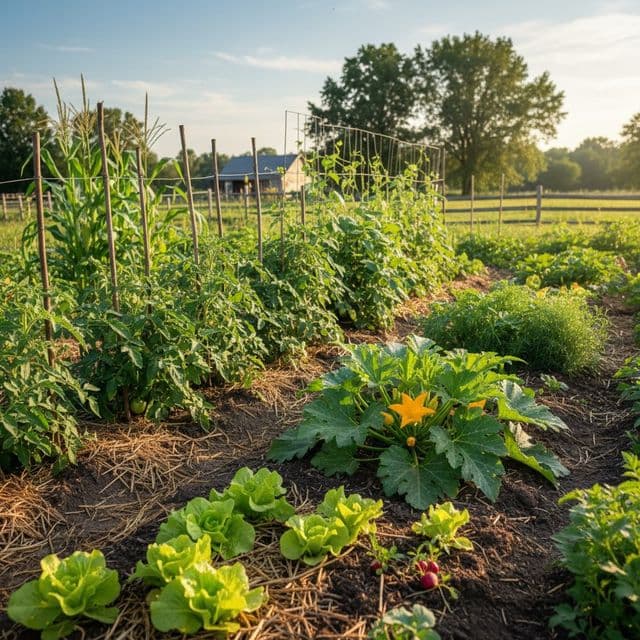
Master Succession Planting to maximize your garden space and enjoy continuous harvests in USDA Zone 6. Learn strategies for staggering crops, improving soil health, and extending your growing season.
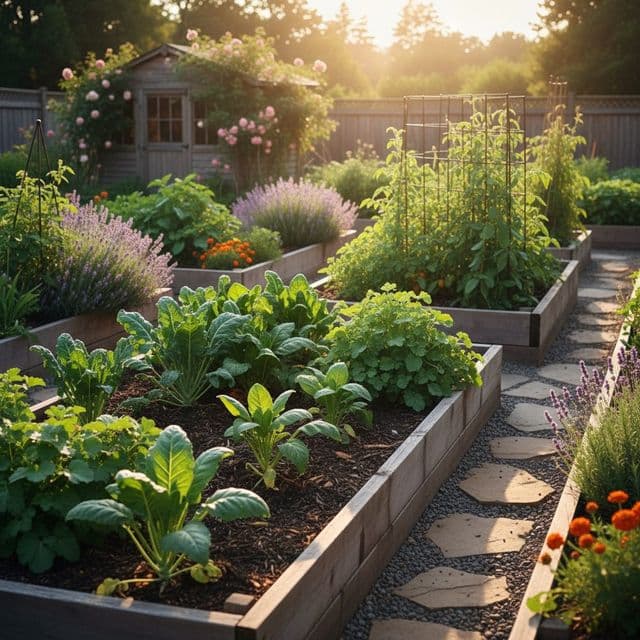
Boost your USDA Zone 6 home garden yield with 3- and 4-bed crop rotation plans. Learn how to improve soil, reduce pests, and extend harvests for a productive garden.
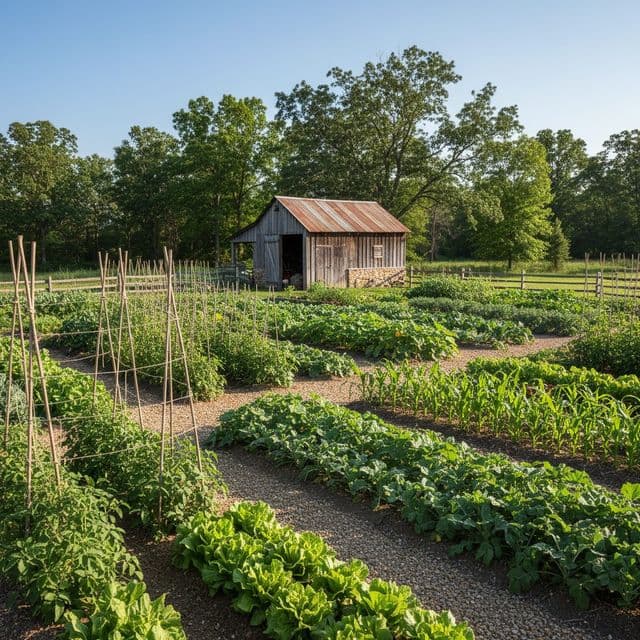
How to use USDA zones, frost dates, crop rotation, and succession planting to maintain consistent vegetable harvests across the growing season.
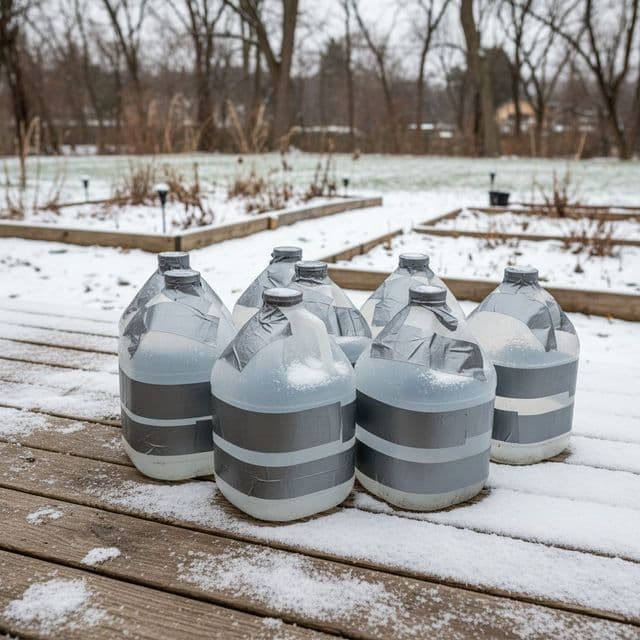
Master winter sowing to start seeds up to 8 weeks earlier in USDA Zone 6. Create mini-greenhouses from milk jugs for hardy seedlings, saving money on grow lights.
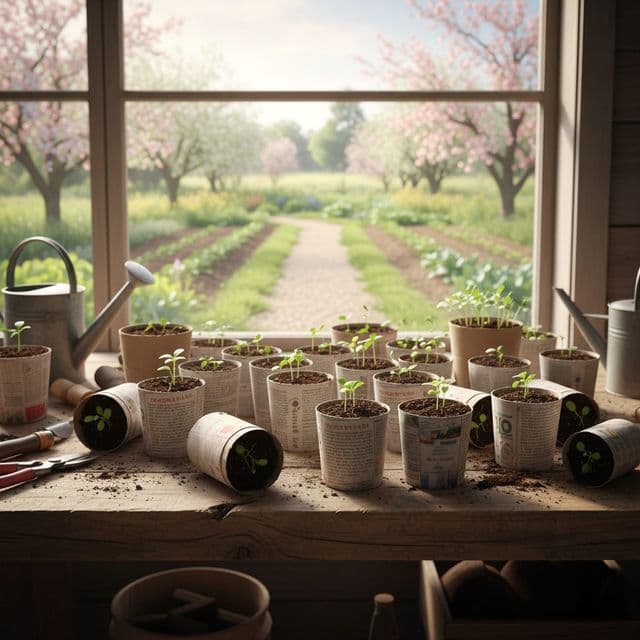
Making your own seed starting mix and pots costs under $10. DIY methods reduce costs, cut waste, and support seedling health in any USDA zone.
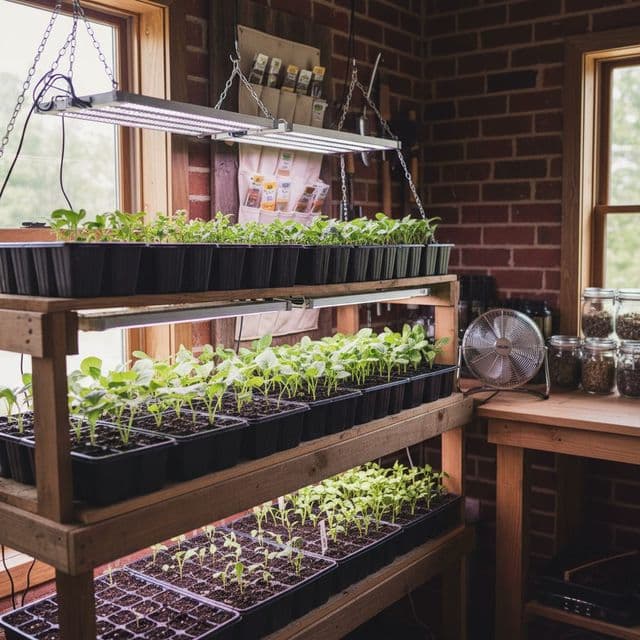
Learn how to prevent and cure damping-off in seedlings for a high success rate. Discover symptoms, sanitation tips, proper seed-starting mix, and environmental controls to protect your young plants.
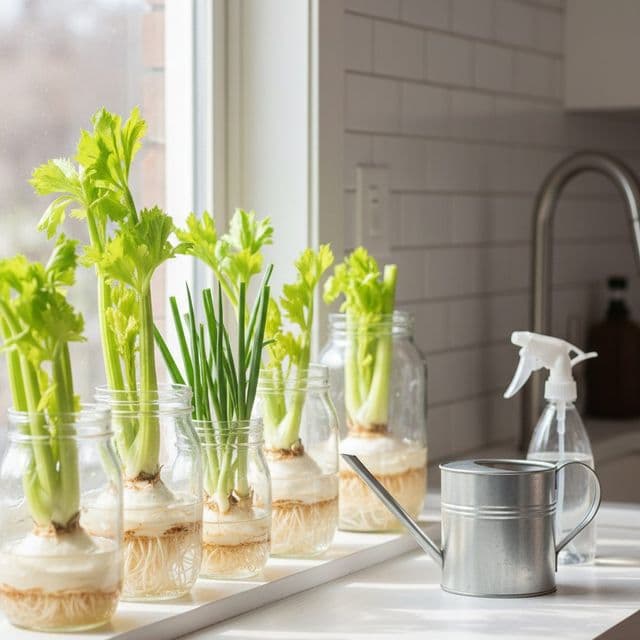
Learn how to regrow common vegetables and herbs from kitchen scraps. Reduce food waste by 30%, save money, and enjoy fresh produce with this simple homesteading guide.
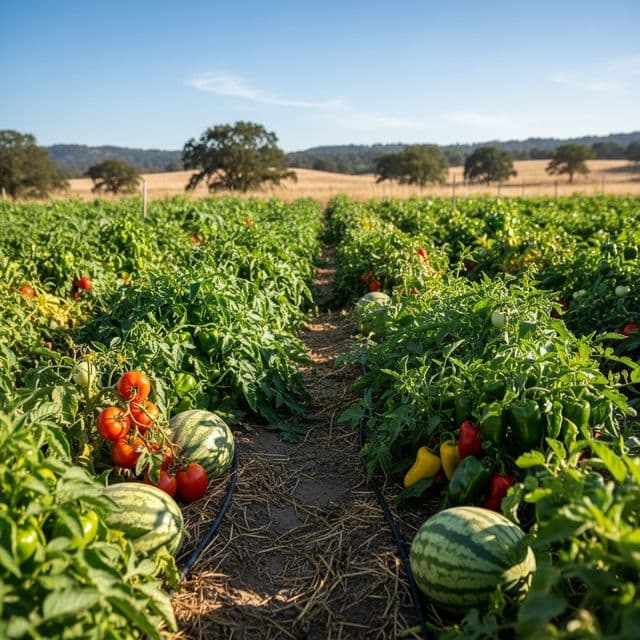
How to grow sweeter tomatoes, melons, and peppers in USDA Zone 7 through soil pH, water management, sunlight, and nutrient balance to boost Brix levels.
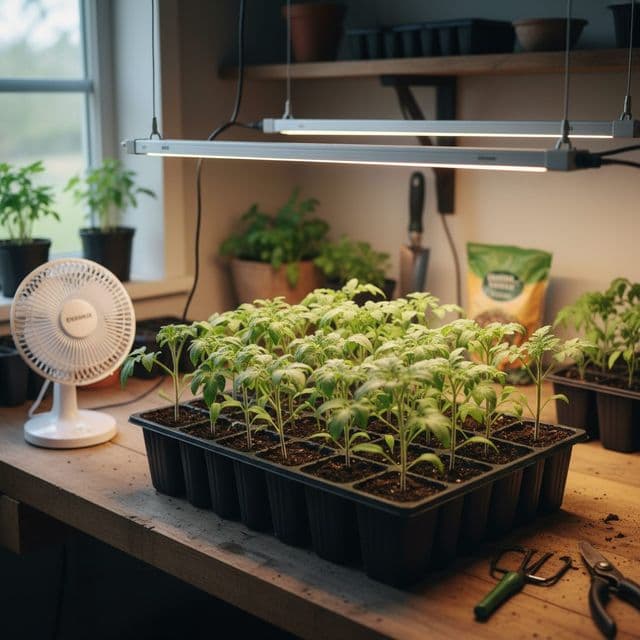
Learn to prevent damping-off and seedling failure in US spring starts for tomatoes and cucurbits. Master sanitation, moisture, and temperature for robust plant growth.
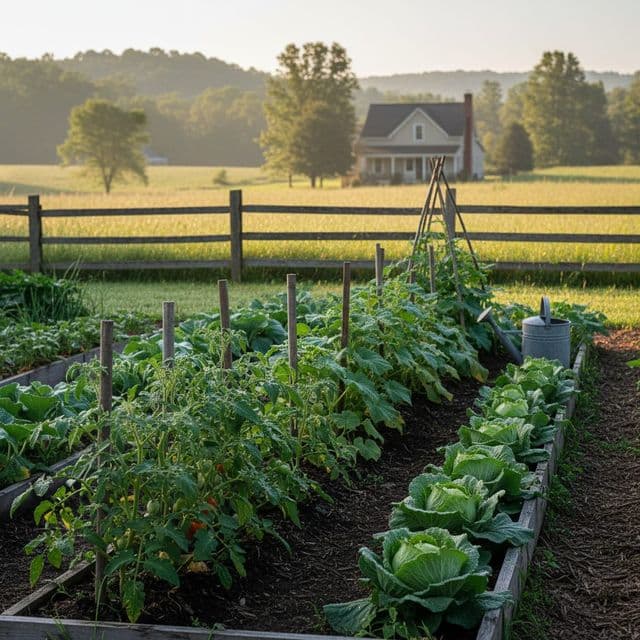
Master successful vegetable growth stages in USDA Zone 6. Learn to identify germination, vegetative, flowering, fruiting, and senescence for optimal plant care and higher yields.
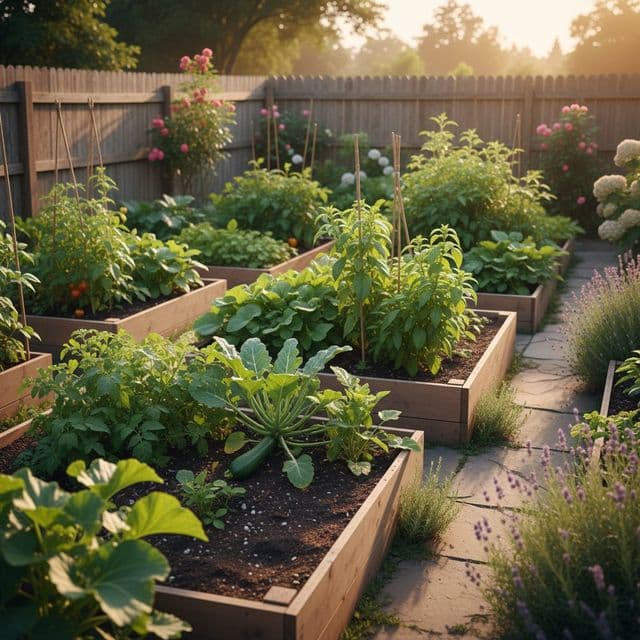
Troubleshoot stalled pepper and cucumber crops in USDA zone 6. Learn to diagnose common issues like pollination, nutrient imbalance, pests, and environmental stress to boost your harvest.
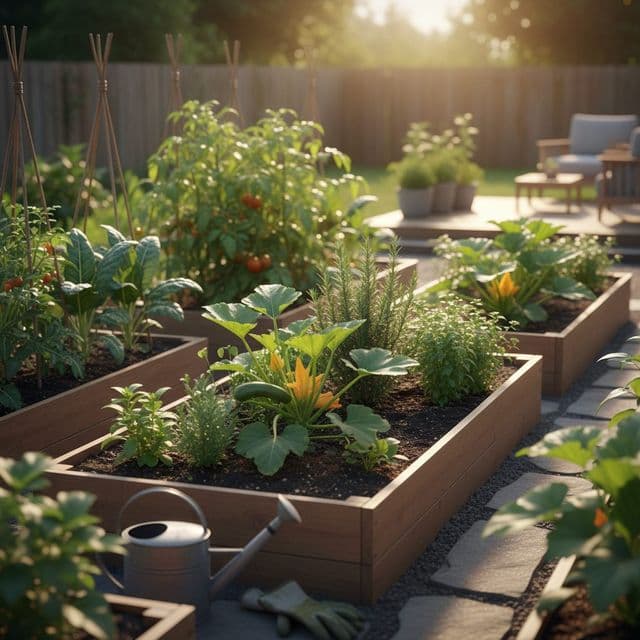
Learn to diagnose common tomato nutrient deficiencies by leaf symptoms. Identify N, P, K, Ca, Fe issues in tomatoes & cucurbits to prevent yield loss and improve harvest quality in Ohio.
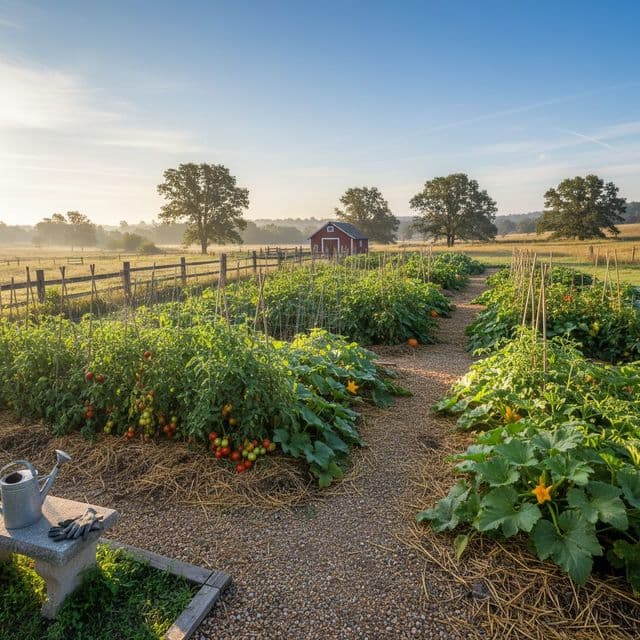
Master diagnosing water issues in tomatoes & cucurbits to prevent wilting, blossom end rot, and increase yields by 20-30% in USDA Zone 6. Learn soil moisture checks & watering needs.
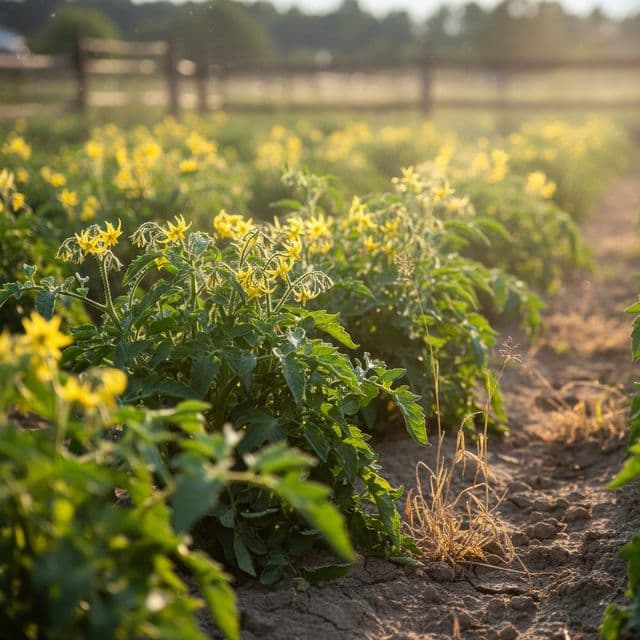
Discover why tomatoes & cucurbits fail to set fruit above 90°F. Learn how heat stress impacts pollen, pollinators, and what cultural practices can save your harvest.
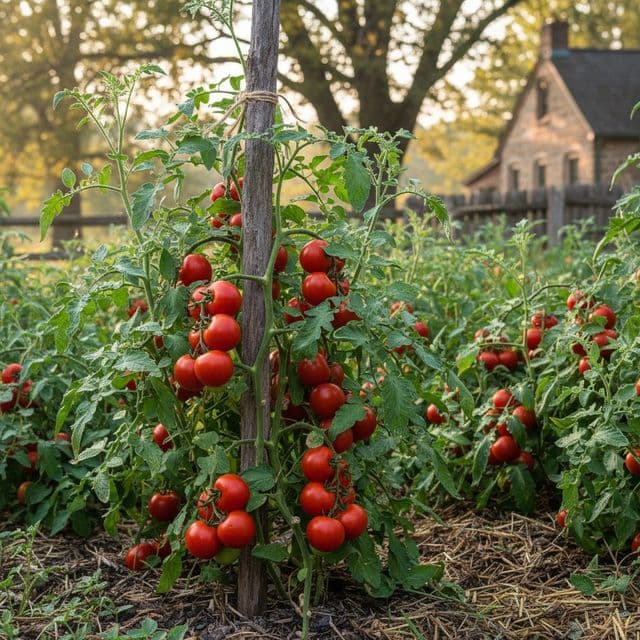
How to protect tomato crops from blights, wilts, and leaf spots using organic cultural methods, resistant varieties, and preventative sprays.
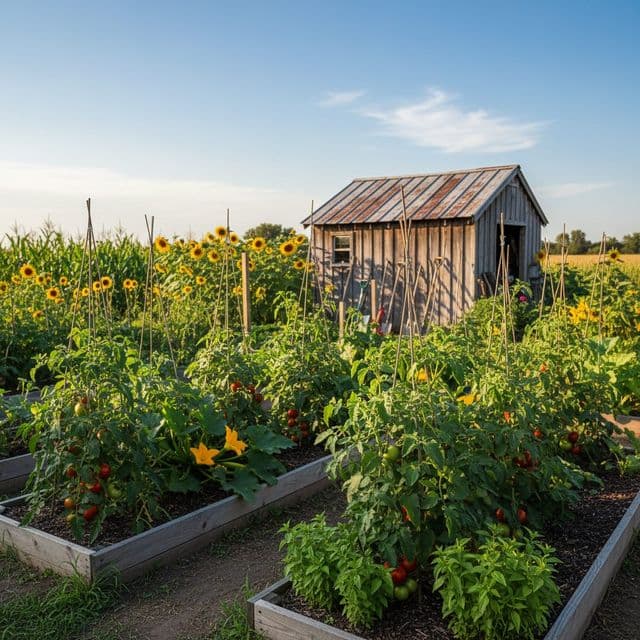
Identify and solve common tomato plant problems from seedling to harvest. Learn diagnostics for pests, diseases, and nutrient issues to maximize yields in USDA Zone 6.
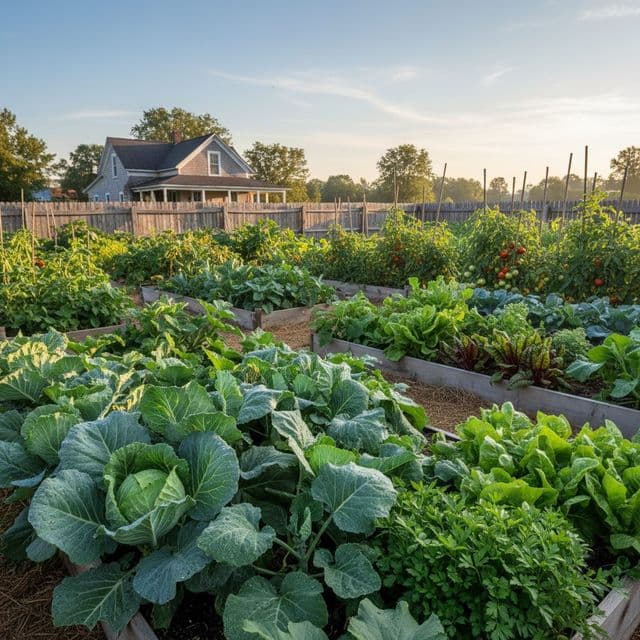
Learn effective, chemical-free strategies for organic pest control of slugs, snails, and ants in USDA Zone 6. Protect your garden with IPM methods.
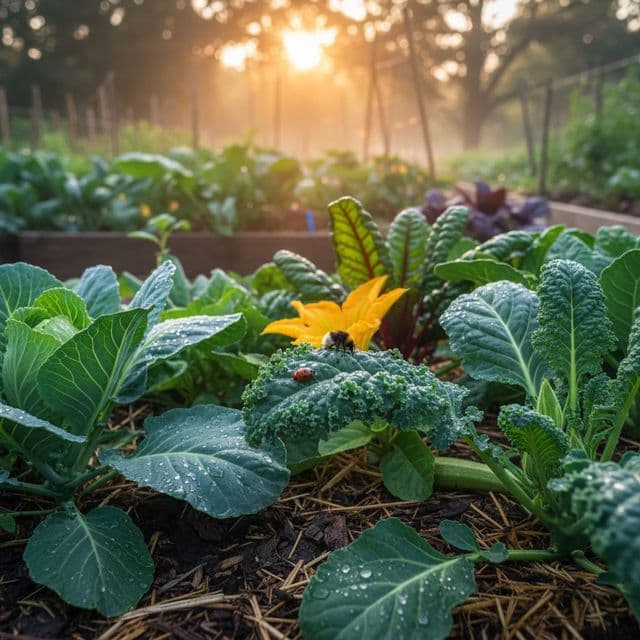
Master organic pest control for hornworms and squash bugs in your USDA Zone 6 vegetable garden. Learn IPM strategies, prevention, and natural treatments for common garden pests.
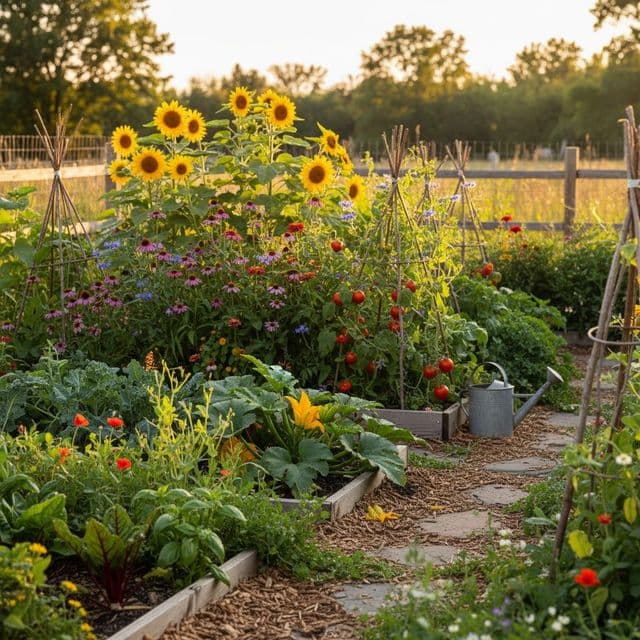
How beneficial insects provide natural pest control, reducing garden pests by up to 75%. Learn to attract and identify predatory and parasitoid species for an organic garden.
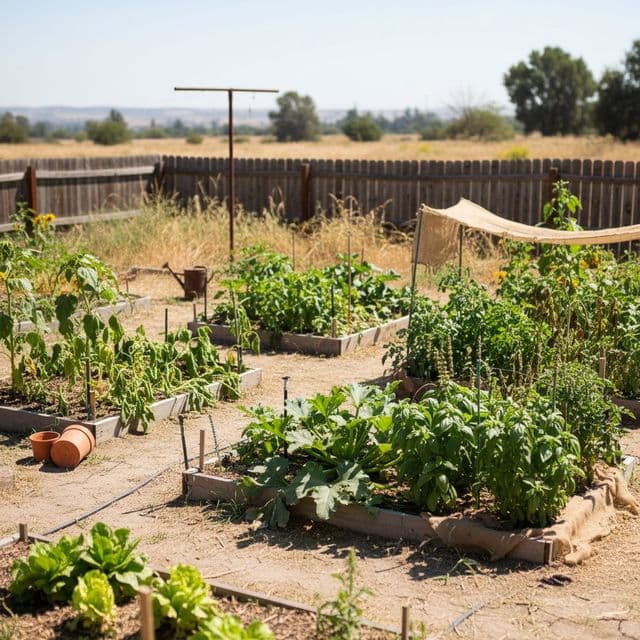
Learn how to adapt your summer fertilizer strategy for extreme heat and drought. Maintain healthy tomato yields in USDA zones 6-9 by optimizing soil health, nutrient uptake, and watering.