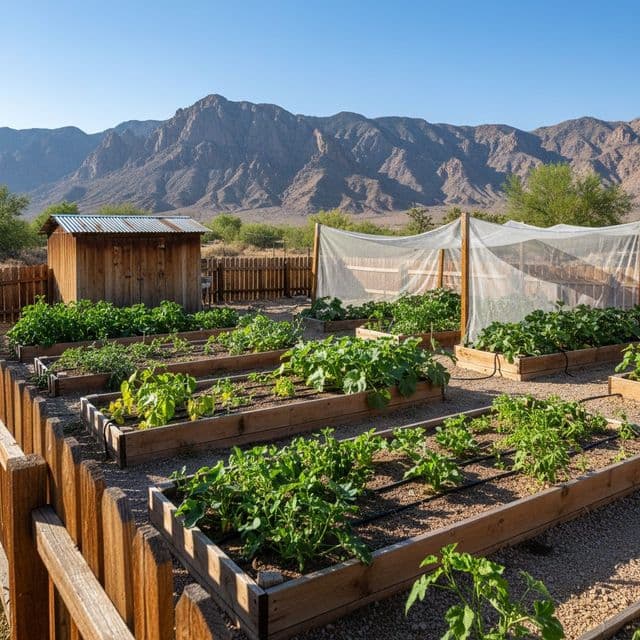
Grow resilient vegetables in USDA Zone 8 deserts & arid climates
How to grow vegetables in USDA Zone 8 desert and arid climates using heat-tolerant varieties, drip irrigation, and organic soil amendments.
Topic
Everything you need to grow vegetables at home, whatever your space. These guides cover individual crops—tomatoes, lettuce, garlic, carrots, and potatoes—plus square-foot layouts, companion planting, and beginner FAQs. Learn soil prep, spacing, watering, and harvest timing so every bed produces more food with less guesswork.
444 articles in this topic on agripure. — page 18 of 19
How to grow vegetables in USDA Zone 8 desert and arid climates using heat-tolerant varieties, drip irrigation, and organic soil amendments.
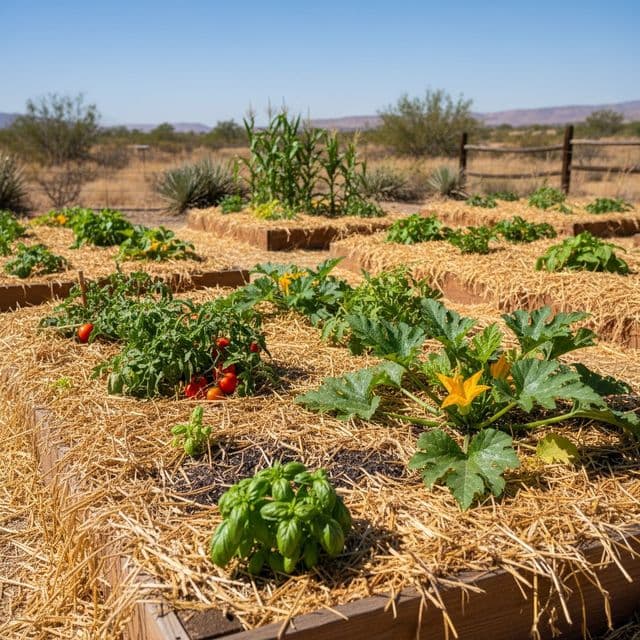
Discover how to grow resilient, heat-tolerant crops like sweet potatoes and okra in hot US summers, even with temperatures over 100°F. Learn strategies for drought and poor soil.
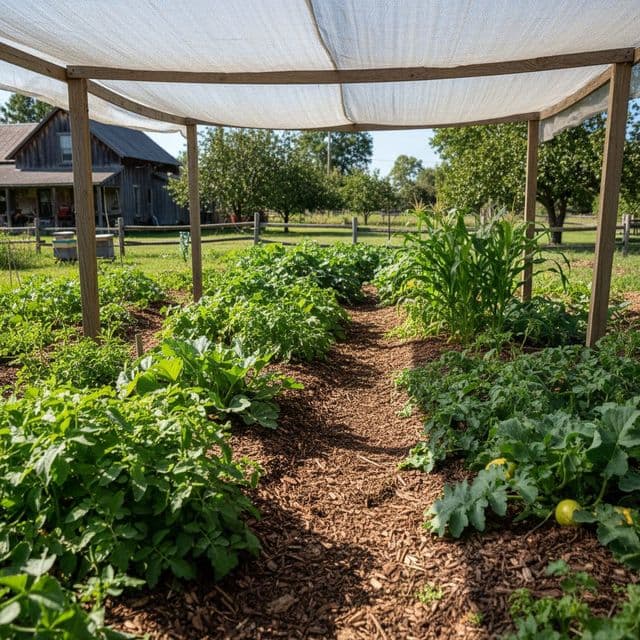
Prepare a USDA Zone 6 vegetable garden for extreme heat and drought with strategies for soil health, water efficiency, and heat-tolerant plant selection.
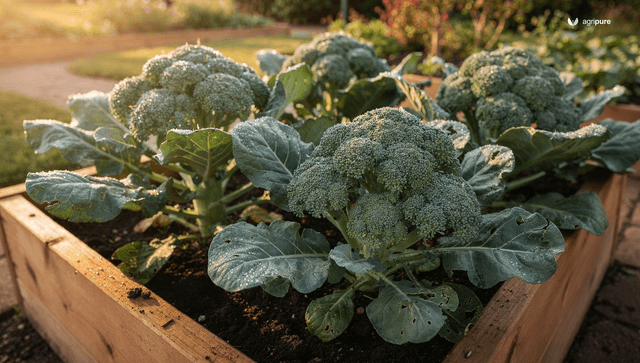
How to grow broccoli from transplant to harvest — cool-season timing, spacing, side-shoot management, cabbage worm control, and container growing tips.
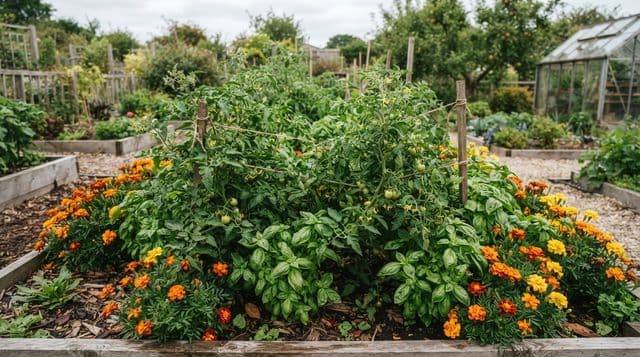
An evidence-based companion planting guide: which pairings work, a good- and bad-neighbor chart for tomatoes, peppers, cucumbers, strawberries, herbs, and more.
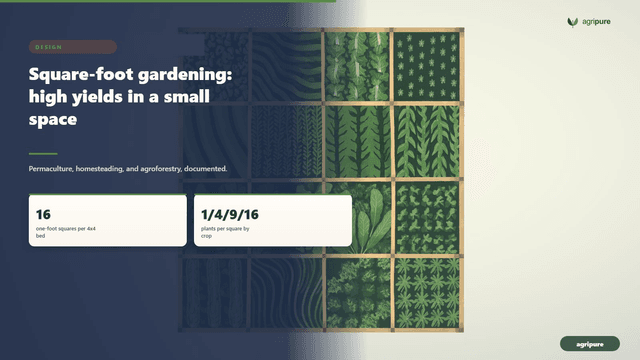
Square-foot gardening explained: build a 4×4 bed, mix Mel’s Mix, and use the plants-per-square chart (1 tomato, 4 lettuce, 9 beets, 16 carrots) for high small-space yields.
A beginner’s vegetable gardening FAQ: how much sun, easiest crops, when to plant by frost date, how often to water, spacing, troubleshooting, and regrowing from scraps.

Grow microgreens on a windowsill in 7-14 days — trays, soil vs hydroponic, watering, and the best beginner varieties (radish, beet, kale, mustard, pea).
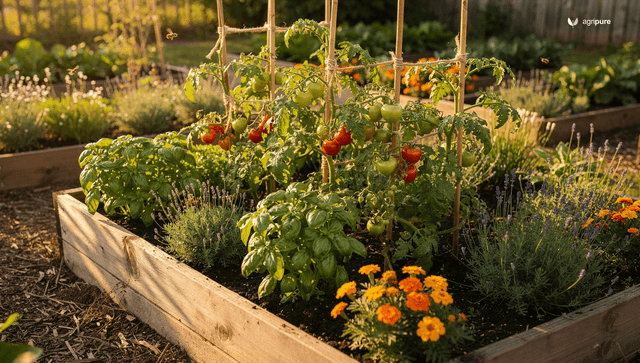
Which tomato companion plants actually work? Basil primes tomato defenses, marigolds fight nematodes (if timed right), and walnut and fennel do real harm.
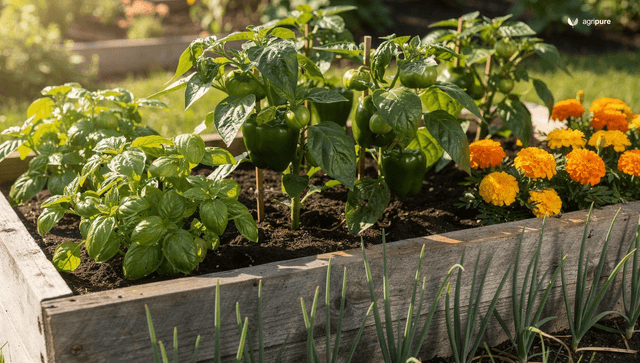
Basil and alliums earn their place beside peppers; fennel and brassicas don’t. What the research shows about companions, spacing, and the folklore to ignore.
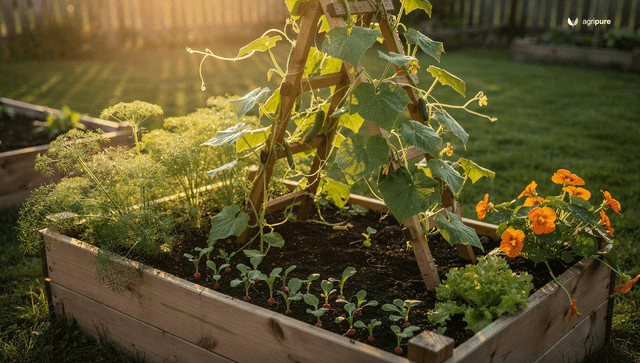
The best companion plants for cucumbers grow low or fix nitrogen. Radish, dill, borage, and beans that work — plus the potatoes and sage to keep away.
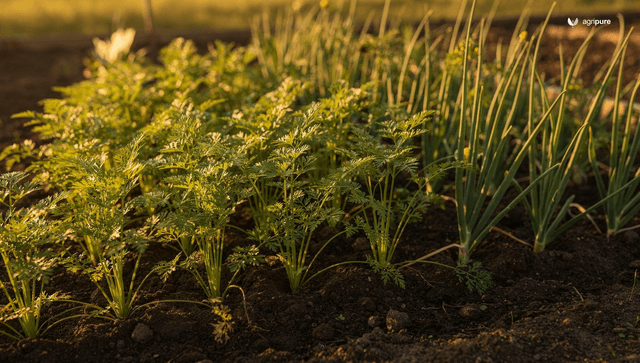
Onions and chives mask the scent carrot rust flies hunt by, while tomatoes provide light shade. Dill, parsnips, and scattered marigolds backfire around carrot beds.
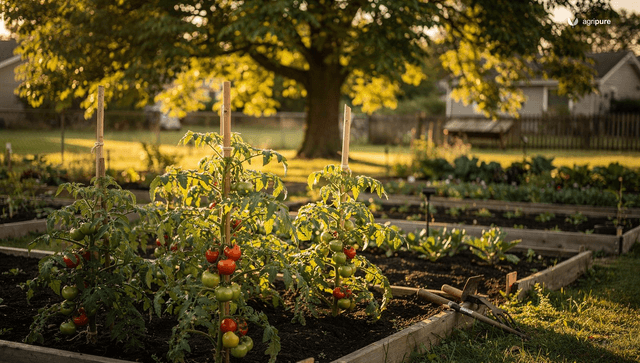
Tomatoes have 5 real antagonists: black walnut, other nightshades, fennel, corn, and brassicas. The evidence behind each and the spacing and rotation fixes.
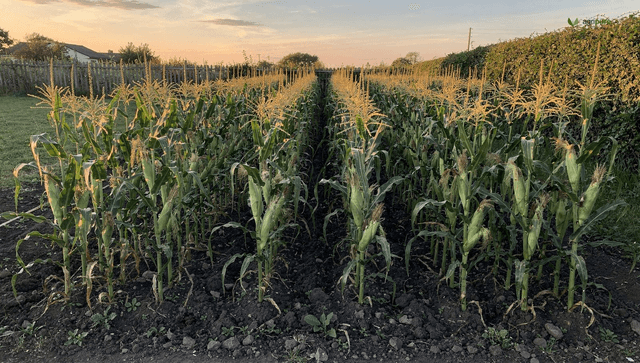
Sweet corn is wind pollinated, so plant a block of 4+ rows, not one. Soil at 60°F, seed 1 inch deep, feed nitrogen twice, and pick at the milk stage.
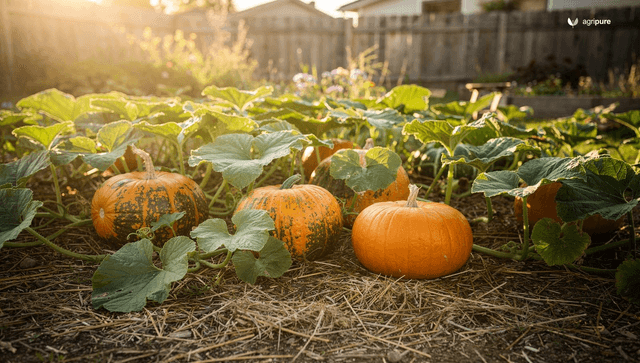
Count back from frost for a Halloween crop, give vines 50-100 sq ft per hill, hand-pollinate the female flowers, and cure at 80-85 F to store pumpkins for months.
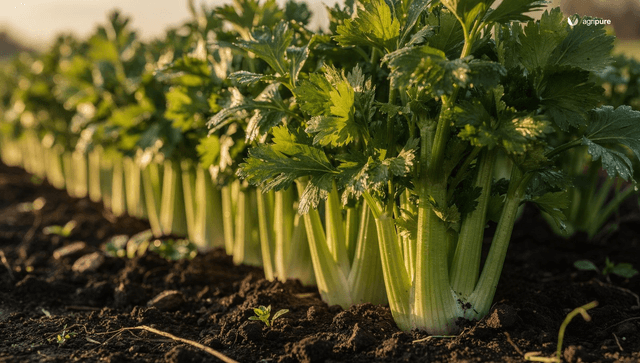
Celery needs 80 to 120 days, a 10 to 12 week indoor head start, and steady moisture. Here is how to dodge bolting and stringy stalks and harvest tender ribs.
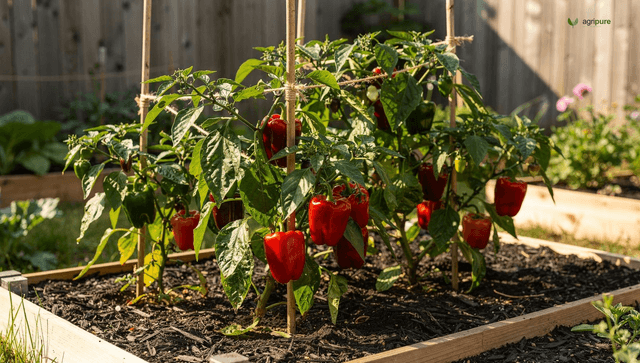
Peppers need an 8-week head start indoors and 70F soil before they go out. The timing, blossom-drop temps, and calcium fixes that decide your harvest.
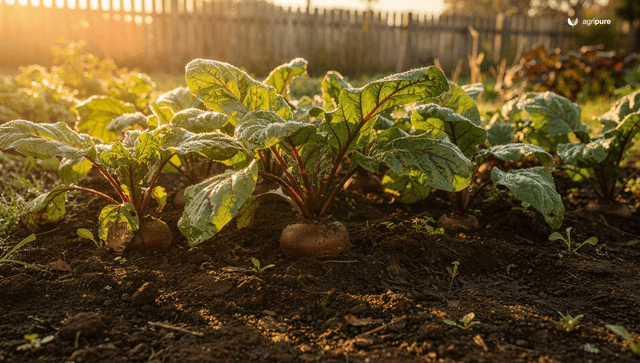
Each beet seed is a cluster of several embryos, so thinning is not optional. How to thin, time the cool season, water evenly, and harvest roots and greens.
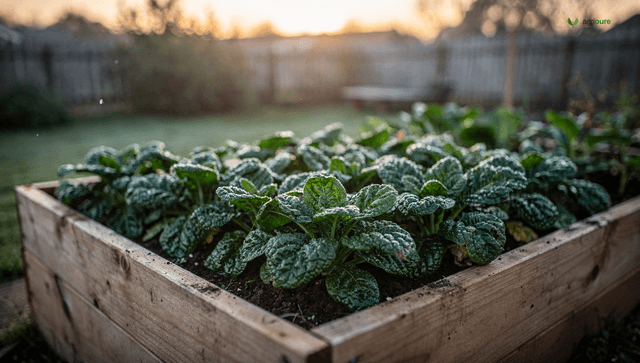
Spinach germinates at 45-68F and bolts once days pass 14 hours. Here are the spring and fall windows, succession timing, and overwintering that keep it sweet.
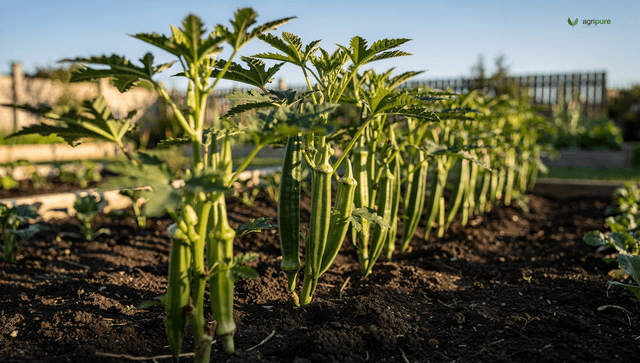
Okra is a heat lover: soak the hard seed, wait for 65°F soil, space tall plants 9-12 inches, and pick pods every 1-2 days to keep them producing for weeks.
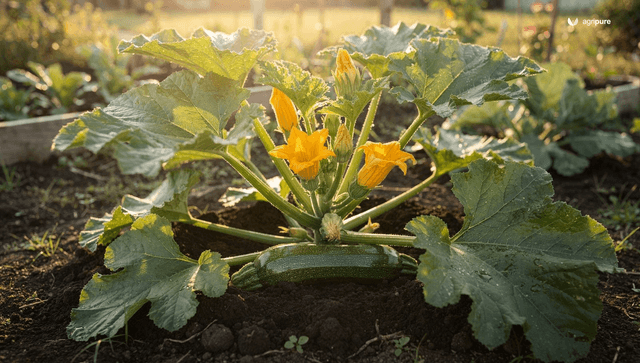
Zucchini matures in about 55 days but only sets fruit once bees move pollen. Warm-soil hills, hand-pollination, squash bug watch, and picking small and often.
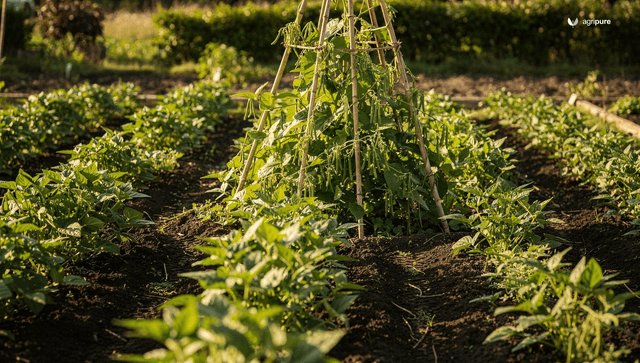
Direct-sow green beans into 60°F soil, skip the nitrogen feed (they fix their own), trellis pole types, and pick every few days to keep pods coming.
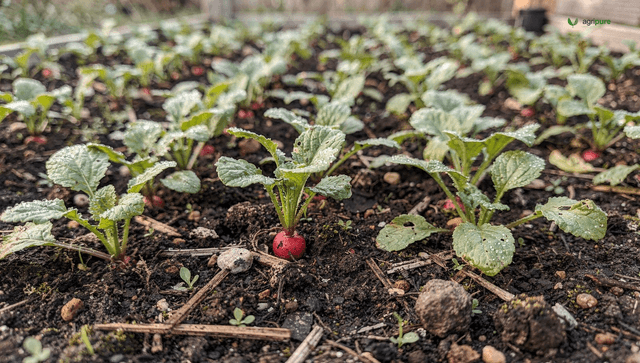
Radishes go seed to harvest in 25-35 days. How to direct sow, thin to 2 inches, dodge woody and pithy roots, succession sow, and grow winter daikon types.
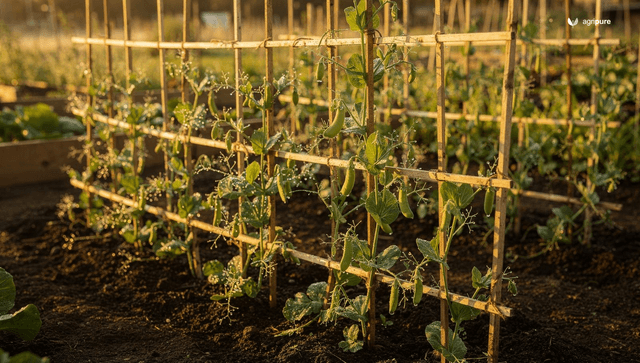
Peas are the earliest crop you can sow — at 45°F soil. How to pick shelling vs snap vs snow, inoculate, trellis even bush types, and squeeze in a fall crop.