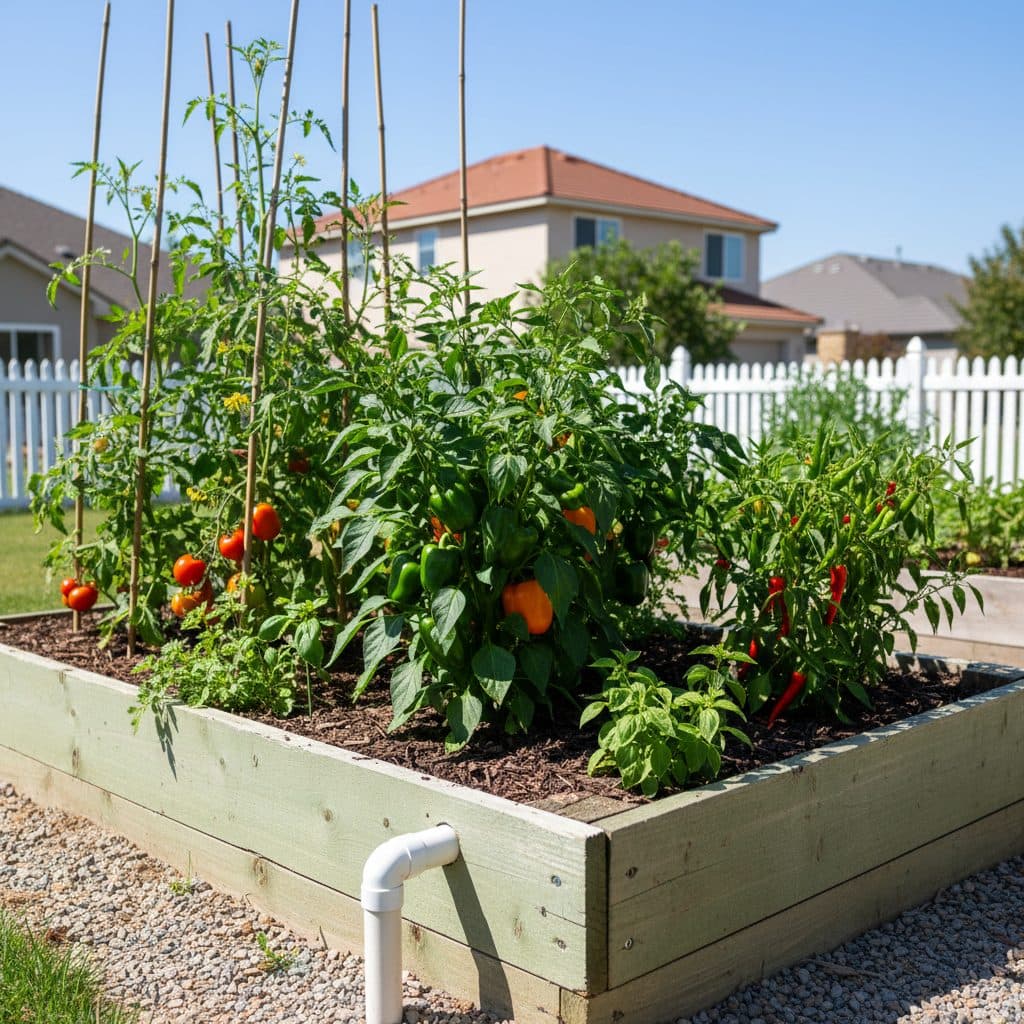
Key takeaways
- Recognize the signs of anaerobic soil, such as a sulfurous odor, in your wicking bed.
- Address salt buildup by flushing the bed with fresh water or adjusting nutrient solutions.
- Prevent waterlogging by ensuring proper overflow design and using appropriate soil mixes.
- Maintain optimal soil moisture and aeration for plant health and productivity.
- Regularly monitor water levels and soil conditions to prevent common problems.
- Implement seasonal maintenance routines to ensure long-term wicking bed success.
Quick answer: To troubleshoot wicking beds, address anaerobic soil by improving aeration and drainage, manage salt buildup through flushing and appropriate fertilizers, and prevent waterlogging with proper overflow design and soil mixes.
In the arid parts of the American Southwest, like Arizona or southern California, efficient water use is essential for growing food. Wicking beds, which can reduce water consumption by up to 50% compared to traditional surface irrigation, offer a promising solution for many gardeners. These self-watering systems pull moisture up from a reservoir below, delivering it directly to plant roots through capillary action, a principle described in various studies on porous materials [1, 2].
While highly effective, wicking beds are not without their challenges. Gardeners in places like central Texas or the humid Southeast might encounter issues such as anaerobic ‘sour’ soil, salt buildup, or waterlogging. Understanding how to identify and address these problems can mean the difference between a flourishing vegetable patch and a struggling one, especially when growing crops like tomatoes or peppers that demand consistent moisture but also good drainage.
Identifying and resolving anaerobic ‘sour’ soil
Anaerobic conditions in a wicking bed often manifest as a distinct, unpleasant odor, sometimes described as rotten eggs or sulfur, which is caused by hydrogen sulfide gas. This occurs when oxygen is depleted in the soil, leading to the proliferation of anaerobic bacteria that break down organic matter without oxygen. In a 3 ft by 6 ft wicking bed, this can happen if the water reservoir is too high, or if the soil mix is too dense, trapping water for extended periods. Plants in such conditions might show stunted growth, yellowing leaves, or even root rot, impacting yields by as much as 20%.
Causes of anaerobic conditions
Several factors contribute to anaerobic soil. A primary cause is poor drainage within the soil profile itself. If the growing medium contains too much clay or fine silt, it can become compacted, restricting air movement and water percolation. For instance, a soil mix with less than 20% coarse aggregates like perlite or pumice is prone to compaction. Another factor is an overly deep water reservoir or a water level that consistently remains too high, saturating the entire root zone. This is particularly problematic in humid regions like Florida, where evaporation rates are lower, and soil stays wet longer [1]. Using an unsuitable soil mix lacking sufficient aeration is also a common culprit, often resulting in a soil density exceeding 80 pounds per cubic foot.
- Reduce the water level in the reservoir by 2-3 inches to allow the top layer of soil to dry slightly.
- Introduce aeration by gently poking holes into the soil with a one-half inch diameter dowel, especially around plant bases.
- Incorporate more coarse organic matter, such as aged wood chips or rice hulls, at a rate of 10-15% by volume during replanting.
- Consider adding beneficial aerobic microbes to the soil to help re-establish a healthy balance, often available in commercial products.
- Ensure the overflow pipe is at the correct height, typically 6-8 inches below the soil surface, to prevent saturation.
Tackling salt buildup
Salt buildup is a common issue in wicking beds, especially in regions with hard water or when using synthetic fertilizers. As water evaporates from the soil surface, it leaves behind dissolved minerals and salts, which accumulate over time. This white crust can often be seen on the soil surface or around the base of plants, particularly in dry climates like Nevada, where evaporation rates can exceed 0.25 inches per day. High salt concentrations can inhibit water uptake by plant roots, leading to symptoms resembling drought stress, even when the soil is moist.
Understanding salt accumulation
The process of wicking, while efficient, inherently draws water upwards, depositing dissolved solids at the soil surface where evaporation occurs [1]. Over several months, salt levels can rise to toxic concentrations, sometimes exceeding 4 dS/m (deciSiemens per meter), which is detrimental to most vegetable crops. Using nutrient solutions with a high electrical conductivity (EC) or water with a high total dissolved solids (TDS) content, often above 500 ppm, accelerates this problem. For example, in a 4 ft by 8 ft wicking bed, this can reduce tomato yields by 30% to 50% if left unaddressed. Regular flushing matters, much like maintaining a healthy soil profile for buying land for homesteading where soil health is paramount.
- Flush the bed thoroughly with fresh, unfertilized water every 3-4 months, allowing water to drain completely from the overflow.
- Scrape off the visible white salt crust from the soil surface, removing about one-quarter inch of the topsoil layer.
- Switch to lower-salt fertilizers or reduce the concentration of liquid nutrients by 25-30%.
- Consider using rainwater collected from a rainwater harvesting system, which typically has a very low TDS content, for topping up the reservoir.
- Incorporate organic matter, like compost, which helps buffer salt effects and improves soil structure, often increasing cation exchange capacity by 15%.
Preventing and resolving waterlogging
Waterlogging, distinct from anaerobic soil but often a precursor, occurs when the soil is saturated with water, displacing air and depriving roots of oxygen. This can happen rapidly after heavy rainfall or if the wicking bed’s design is flawed. In a typical 2 ft deep wicking bed, the water reservoir should ideally occupy the bottom 8-12 inches, leaving a substantial growing medium above the constant water level. For example, during a 2-inch rain event in a region like the Pacific Northwest, a poorly designed bed can become waterlogged within hours, leading to plant stress within 24 hours.
Design considerations for drainage
The overflow pipe is the most critical component for preventing waterlogging. It must be positioned correctly, typically 6-8 inches below the top of the growing medium, to ensure that excess water drains away and maintains an air gap above the reservoir. If the overflow is blocked or too high, the entire soil profile can become saturated, mimicking a bog garden rather than a wicking bed. A proper soil mix, containing 30-40% perlite, vermiculite, or coarse sand, is also essential for good drainage and aeration, allowing water to wick effectively without staying perpetually wet [5]. Some growers even use a geotextile fabric barrier between the reservoir and the soil to prevent fine particles from migrating downwards and clogging the system, which can reduce water flow by 10-15% over a season.
- Verify the overflow pipe’s height and ensure it is clear of debris, checking it monthly.
- Improve the soil mix by incorporating 20-30% more coarse aggregates like perlite or pumice during the next planting cycle.
- Ensure the wicking layer (the material directly above the water reservoir) is coarse enough to provide good capillary action but also allows for drainage.
- Consider adding a layer of gravel, 2-3 inches deep, at the bottom of the growing medium, directly above the reservoir, to improve drainage.
- Protect the bed from excessive rainfall with a temporary cover during prolonged wet periods, especially in areas receiving over 4 inches of rain monthly.
Maintenance and long-term health
Proactive maintenance is the best defense against wicking bed problems. Regular monitoring of your bed’s health can prevent minor issues from escalating into significant crop losses. For instance, checking the water reservoir level every 2-3 days during peak growing season, especially in hot climates like Arizona, helps ensure consistent moisture without overfilling. A well-maintained wicking bed can yield 25-40% more produce than a traditionally irrigated garden, according to some trials in USDA zone 9.
Seasonal checks and adjustments
At the end of each growing season, it is beneficial to partially empty the reservoir and allow the soil to dry out somewhat, especially for beds in regions with cold winters, like Minnesota, where freezing and thawing can affect soil structure. This drying period can help reset the soil’s moisture balance and discourage anaerobic conditions. Replenishing the growing medium with 1-2 inches of fresh compost annually can also improve soil structure and nutrient content, reducing the need for high-salt synthetic fertilizers. Consider integrating an automated solar water pump system for reservoir refilling, which can maintain consistent water levels and reduce manual labor by 70%. For larger operations, using an expandable hose with a 7-pattern spray nozzle can make flushing and refilling tasks more efficient.
- Monitor reservoir water levels daily during hot weather, refilling when it drops below 25% capacity.
- Test soil pH annually, aiming for a range of 6.0-7.0 for most vegetables, and amend with lime or sulfur as needed.
- Top-dress with 1-2 inches of high-quality compost every spring to replenish organic matter and microbial life.
- Periodically check the overflow pipe for blockages, clearing any debris to ensure proper drainage.
- Rotate crops within the wicking bed each season to prevent nutrient depletion and pest buildup, improving overall soil health by 10-15%.
Wicking Bed Troubleshooting at a Glance
Problem | Symptoms | Solution |
|---|---|---|
Anaerobic Soil | Rotten egg smell, stunted growth, yellow leaves, dark roots | Lower water level, aerate soil, add coarse organic matter, check overflow height |
Salt Buildup | White crust on soil, wilting despite moisture, burnt leaf edges | Flush bed, scrape surface salts, use rainwater, adjust fertilizer strength |
Waterlogging | Saturated soil, standing water, root rot, plant collapse | Verify overflow, improve soil mix with aggregates, protect from heavy rain |
Capillary Action: Wicking beds rely on capillary action, where water moves upwards through porous media, a phenomenon extensively studied since the 19th century [3].
Water Savings: Wicking beds can reduce water consumption by 30-50% compared to surface irrigation, making them ideal for arid regions [1].
Soil Aeration: Maintaining 20-30% air space in the soil helps prevent anaerobic conditions and supports healthy root development.
Frequently asked questions
How do I know if my wicking bed is waterlogged?
You can tell if your wicking bed is waterlogged if the soil feels constantly soggy, not just moist, and if water stands on the surface for more than 2-3 hours after a heavy rain or watering. Plants may also show signs of stress like wilting or yellowing, even with ample moisture. Ensure your overflow pipe is clear and correctly positioned, typically 6-8 inches below the soil surface.
Can I use regular garden soil in a wicking bed?
Using regular garden soil, especially heavy clay soil, is not recommended for wicking beds. It can compact easily, preventing proper wicking and leading to anaerobic conditions and waterlogging. A lighter, well-draining mix containing 30-40% perlite or vermiculite is ideal for optimal performance and aeration, ensuring your plants thrive.
How often should I flush my wicking bed to prevent salt buildup?
To prevent salt buildup, it’s generally recommended to flush your wicking bed thoroughly with fresh, unfertilized water every 3-4 months, or at least once per growing season. This helps leach accumulated salts from the soil profile, maintaining a healthy environment for roots and preventing yield reductions of 20% or more.
What is the ideal height for a wicking bed’s overflow pipe?
The ideal height for a wicking bed’s overflow pipe is typically 6-8 inches below the surface of the growing medium. This ensures that the bottom part of the soil remains consistently moist while allowing an air gap above the reservoir, preventing the entire root zone from becoming saturated and promoting proper aeration for plant roots.
How can I improve aeration in an existing wicking bed?
To improve aeration in an existing wicking bed, you can gently poke holes into the soil with a one-half inch diameter dowel or fork, especially around plant bases. For long-term improvement, consider incorporating 10-15% coarse organic matter like aged wood chips or rice hulls into the topsoil, or amending with 20-30% perlite during replanting to improve drainage.
Do wicking beds use less water than traditional gardens?
Yes, wicking beds are designed for water efficiency. They can use 30-50% less water than traditional surface-irrigated gardens because water is delivered directly to the root zone from below, minimizing evaporation from the soil surface and runoff. This makes them particularly effective in drought-prone regions like California, where water conservation is critical for sustainable gardening.
References
- – Evaporation and Wicking (2012). – Evaporation and Wicking.
- Wicking in Absorbent Swelling Porous Materials (2012). Wicking in Absorbent Swelling Porous Materials.
- – Traditional Theories of Wicking: Capillary Models (2012). – Traditional Theories of Wicking: Capillary Models.
- – A Fractal-Based Approach to Model Wicking (2012). – A Fractal-Based Approach to Model Wicking.
- wicking (2023). wicking.
- USDA Natural Resources Conservation Service (2024). USDA Natural Resources Conservation Service.