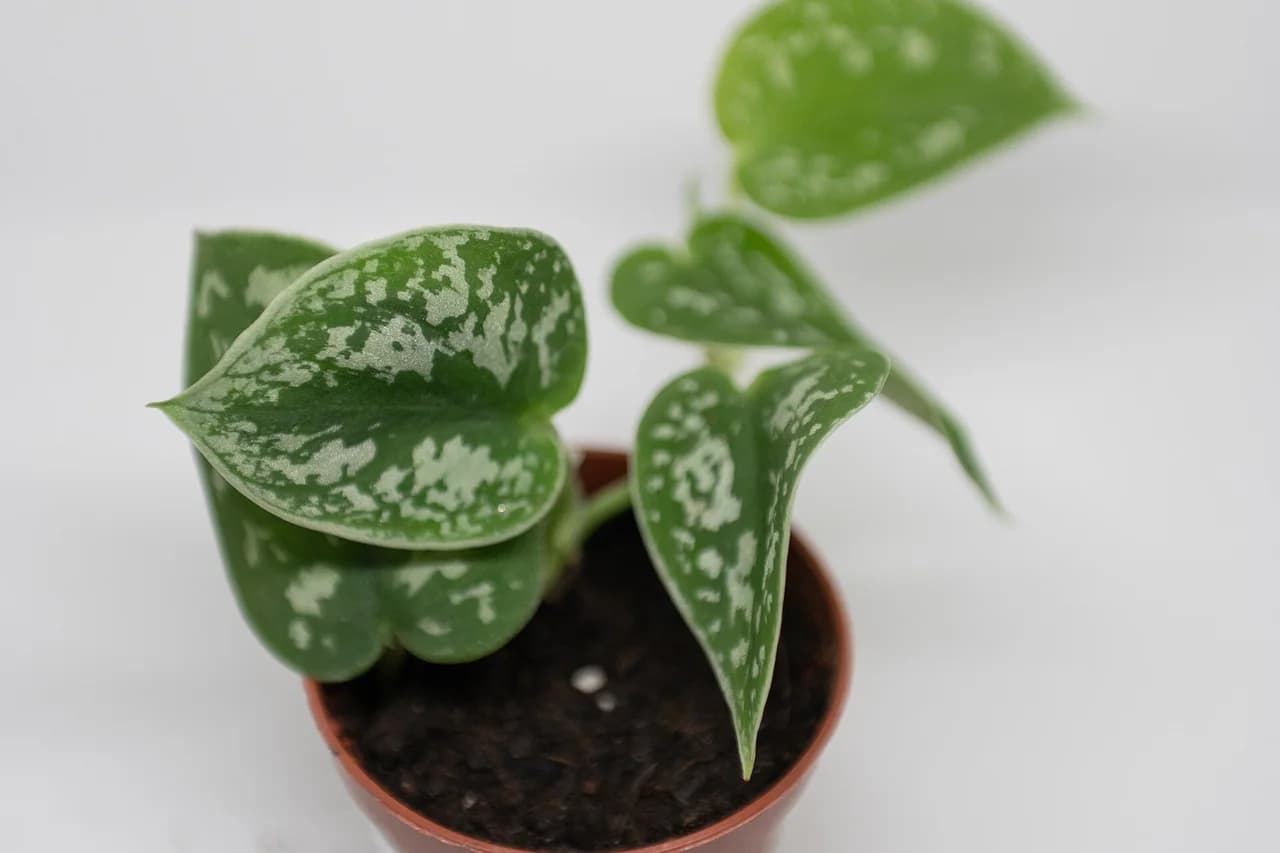
Image: Mickaël Schauli (CC BY-SA 4.0) · Source
support
Heartleaf philodendron
Philodendron hederaceum
Also known as Sweetheart plant (United States).
- sindh coast
International hardiness
- USDA 10-12
- RHS H1b
- AU: Tropical, Subtropical
Where it grows — regional guide
Distinguished reliably from golden pothos by papery reddish-tan leaf sheaths (cataphylls) along stems, thinner matte-gloss heart leaves, and dainty aerial nubs.
| Zones / rating | Regional notes |
|---|---|
USDA 10-12 | Tropical groundcover/epiphytic climber across USDA Zones 10–12; classic dim-light apartment trailing vine nationwide. |
| Zones / rating | Regional notes |
|---|---|
H1b (10 to 15C) | Tender indoor climber (RHS H1b, keep above 12°C) well suited to cool shaded shelves and macrame hangers away from bright southern glare. |
| Zones / rating | Regional notes |
|---|---|
Tropical, Subtropical | Vigorous shaded verandah climber across coastal Queensland; clean indoor trailer across temperate states. |
| Zones / rating | Regional notes |
|---|---|
USDA 10-12 (USDA scale) Canada uses its own zone system; Canadian zones run roughly one lower than USDA. | No region-specific data yet |
| Zones / rating | Regional notes |
|---|---|
Sindh coast | No region-specific data yet |
Grows alongside
Species that appear with Heartleaf philodendron in 15 of our published guides — a starting list for a guild, not a planting plan.
Growing conditions and light
Heartleaf philodendron (Philodendron hederaceum, often labeled P. cordatum or P. scandens) thrives naturally climbing shady Central and South American tree trunks, equipping thin heart-shaped leaves to harvest dappled photons efficiently around 75–150 foot-candles (fc) indoors.
Vines trail gracefully 4–6 ft across high shelves or climb moss poles inside 65–85°F (18–29°C) rooms, tolerating ordinary 25–40% winter apartment humidity and soil pH 5.5–6.5 comfortably. Compare heartleaf philodendron trailing habits with pothos (money plant) and pet-safe shelf vines in our best indoor plants for low light guide.
Watering, soil, and propagation
Check potting mix by finger depth every week and soak thoroughly once the top 1–2 in dries out — usually every 7–10 days. Unlike drought-storing ZZ tubers, philodendron vines signal thirst gently through soft leaf curl before turning crispy.
Pot into an airy aroid blend (two parts coco-peat or potting mix, one part perlite, one part fine orchid bark) so roots never sit waterlogged in shade. Pinch or trim leggy bare runners anytime back just above a stem node, and root two-node stem cuttings effortlessly in plain jar water or moist sphagnum within three to four weeks.
Pests and common issues
Thin shaded vines stretching into long bare internodes with tiny quarter-sized leaves mean light has dipped under 50 fc — slide trailing stems 2–3 ft closer to north or east glass, wipe broad heart-shaped leaves with a damp cloth monthly to remove dust, and trim bald lengths back to push bushy crown branching.
Check papery stem sheaths occasionally for mealybugs, thrips, spider mites, and fungus gnats if soil remains soggy in dim winter corners; compare pot breathability adjustments in our terracotta vs. plastic pots guide and quarantine new nursery vines for two weeks before hanging beside older houseplants.
Safety and toxicity
Like pothos and peace lily, heartleaf philodendron is toxic to cats and dogs per ASPCA Animal Poison Control, carrying insoluble calcium oxalate crystals that provoke painful oral irritation, pawing, and drooling when chewed. Suspend baskets well above jumping paths on ceiling hooks or stick to cast iron plant and spider plant for low shelves.
Sourcing notes
Offered year-round as trailing 4–8 inch baskets in solid dark-green 'Cordatum' or bronze-flushed 'Micans'; pick classic solid dark-green leaves for darkest bookshelf placement.
Frequently asked questions
How do you tell heartleaf philodendron apart from golden pothos?
Heartleaf philodendron leaves taper to a delicate pointed tip with flat heart lobes and emerge from slender papery tan sheaths (cataphylls) along thin smooth stems. Golden pothos carries thicker, grooved petioles and broader waxy foliage without persistent tan stem sheaths.
Which handles lower light better: heartleaf philodendron or pothos?
Both perform nearly identically around 75–150 foot-candles when you choose solid dark-green cultivars. Solid green Philodendron hederaceum resists fading slightly more evenly in steady north-facing corners than golden variegated Epipremnum vines.
Why are my heartleaf philodendron stems growing long and bare with wide gaps between leaves?
Stretched bare vines indicate insufficient light below roughly 50 foot-candles. Trim the leggy ends back just above a healthy node to thicken the pot crown, propagate the pruned sections in water, and shift the container closer to daylight.
Is heartleaf philodendron safe around kittens and puppies?
No. ASPCA Animal Poison Control lists all true Philodendron species as toxic to cats and dogs because insoluble calcium oxalate crystals irritate mouths and stomachs if chewed. Keep trailers hung safely high or switch to pet-safe palms and Peperomia.
References
- ASPCA Animal Poison Control — Toxic & Non-Toxic Plants Database (Philodendron Listing)
- University of Georgia Cooperative Extension Bulletin 1318 — Growing Indoor Plants with Success
- University of Illinois Extension — Houseplant Vines Light & Propagation Care
- UF/IFAS Gardening Solutions — Houseplants Care, Soil Aeration & Toxicity Precautions