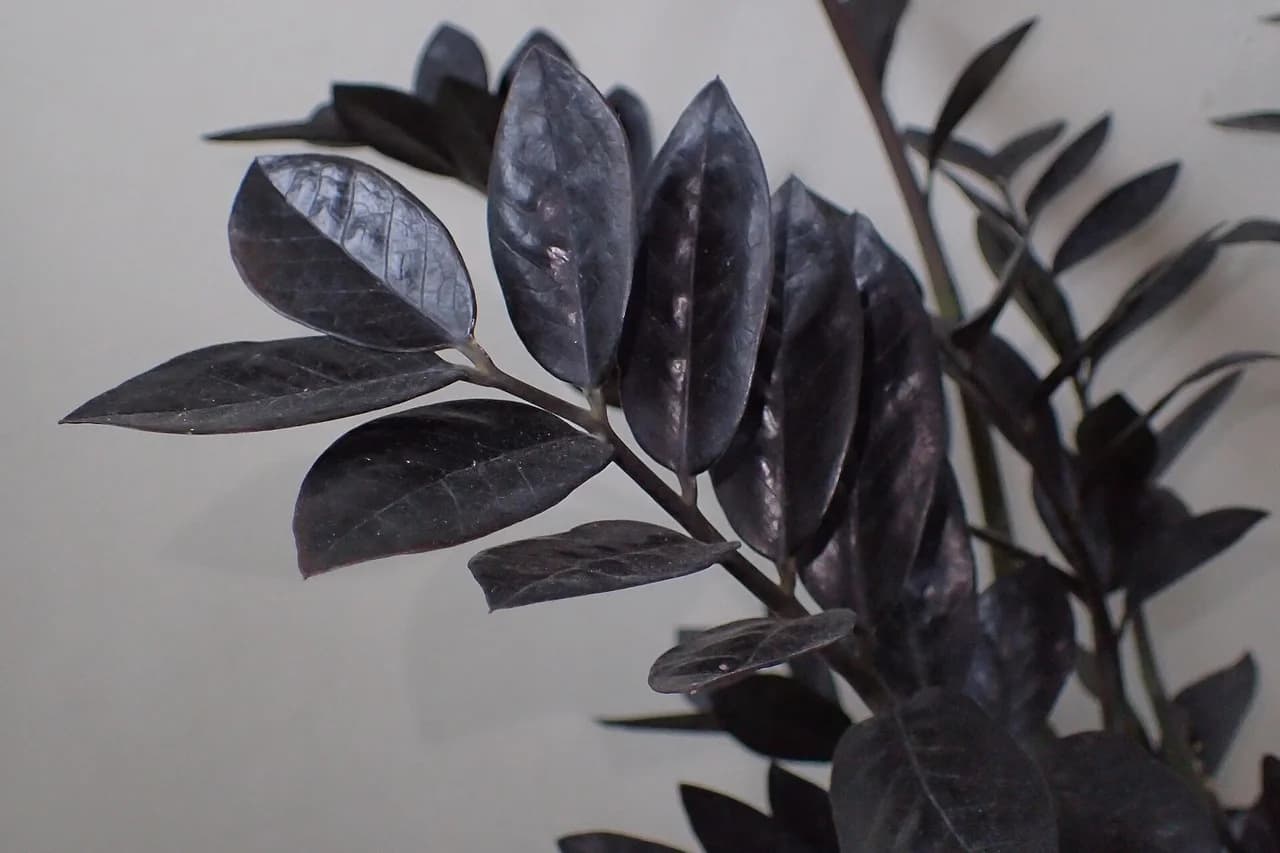
Image: Krzysztof Ziarnek, Kenraiz (CC BY-SA 4.0) · Source
support
ZZ plant
Zamioculcas zamiifolia
Also known as Zanzibar gem / eternity plant (United States).
- sindh coast
- punjab plains
International hardiness
- USDA 9-11
- RHS H1b
- AU: Tropical, Subtropical
Where it grows — regional guide
| Zones / rating | Regional notes |
|---|---|
USDA 9-11 | Outdoor hardy only in frost-free USDA Zones 9b–11; top dry-air, low-light office and apartment houseplant nationwide. |
| Zones / rating | Regional notes |
|---|---|
H1b (10 to 15C) | Tender indoor houseplant (RHS H1b, keep above 10–13°C) prized in dimly lit terraced flats and un-misted winter living rooms. |
| Zones / rating | Regional notes |
|---|---|
Tropical, Subtropical | Outdoor shaded verandah tub specimen in tropical Darwin or subtropical Brisbane; keep indoors across southern capitals away from winter frosts. |
| Zones / rating | Regional notes |
|---|---|
USDA 9-11 (USDA scale) Canada uses its own zone system; Canadian zones run roughly one lower than USDA. | No region-specific data yet |
| Zones / rating | Regional notes |
|---|---|
Sindh coast, Punjab plains | India:Thrives effortlessly in shaded Indian verandas and AC bedrooms as long as coarse sand/pumice prevents monsoon container waterlogging. |
Grows alongside
Species that appear with ZZ plant in 10 of our published guides — a starting list for a guild, not a planting plan.
Growing conditions and light
ZZ plant (Zamioculcas zamiifolia) is a native East African dry-season aroid that evolved thick, potato-like subterranean rhizomes and succulent rachis stems to endure months of drought. UF/IFAS Extension interiorscape evaluations documented that ZZ plant sustains new leaf emergence under 25–50 foot-candles (fc) for over 12 months — even outlasting snake plant in dim windowless-edge offices.
Mature classic green clumps stand 20–36 in tall (`'Zenzi'` dwarf stays compact at 10–14 in), thriving in 65–85°F (18–29°C), standard 20–35% winter relative humidity, and mildly acidic soil pH 6.0–7.0. Choose classic green or dwarf `'Zenzi'` for darkest rooms; dark `'Raven'` and variegated cultivars lose punch under 75 fc, as detailed in our best indoor plants for low light guide.
Watering, soil, and propagation
Swollen underground rhizomes already store weeks of moisture, making frequent soaking the single fastest way to rot a ZZ plant. Wait until potting substrate dries 85–90% down the pot — typically every 18–28 days indoors — then drench thoroughly and empty drainage saucers within 15 minutes.
Mix two parts regular indoor mix with one part pumice, perlite, or coarse bark, using our gritty container aeration principles. Feed once or twice in spring at one-quarter strength, and propagate from single petiole leaflets inserted 1 in deep into damp perlite (expect 3–6 months for marble-sized new rhizomes to form before shoots sprout).
Pests and common issues
Waxy cuticles shrug off most indoor sap-suckers, making Zamioculcas zamiifolia notably low-maintenance against spider mites and scale. When leaves turn soft yellow starting along one swollen stalk, tip the pot carefully to inspect for black mushy rhizomes caused by wet stagnant peat or oversized containers.
If potting soil breeds tiny dark soil flies from holding dampness between slow waterings, apply a structured Bti drench using our indoor fungus gnats treatment protocol and transition into looser mineral grit.
Safety and toxicity
Like most members of the Araceae family, ZZ plant is toxic to cats, dogs, and humans if chewed. All foliage and rhizomes contain insoluble calcium oxalate raphide crystals that trigger immediate mouth burning, excessive drooling, and pawing at the face per UF/IFAS Gardening Solutions and ASPCA Animal Poison Control. Place pots on elevated shelves out of reach or choose ASPCA-verified non-toxic low-light houseplants.
Sourcing notes
Classic green ZZ, compact 'Zenzi', and dark 'Raven' are stocked year-round at nurseries and hardware garden centers; gently press the base of the nursery pot at purchase — firm plump potato-like rhizomes beneath soil signal healthy root stock.
Frequently asked questions
Which ZZ plant variety grows best in very low light?
Classic solid-green Zamioculcas zamiifolia and compact dwarf 'Zenzi' perform best below 75 foot-candles because rich green chlorophyll captures scarce light efficiently. Black 'Raven' ZZ turns dark slowest in deep corners, while variegated cultivars need brighter 150+ fc rooms.
How often should you water a ZZ plant sitting away from a window?
In a 25–75 fc low-light corner, most 6–8 inch potted ZZ plants need thorough watering only once every 21–30 days. Let the soil dry almost completely down to the rhizomes before watering again so underground tubers never rot.
Why does ZZ plant sap or chewing cause mouth irritation?
Every part of Zamioculcas zamiifolia holds needle-like insoluble calcium oxalate crystals that irritate oral tissues, tongues, and throats on contact. Wear gloves when pruning damaged stems if you have sensitive skin, and keep plants away from curious pets.
Can a ZZ plant crack a plastic or ceramic pot?
Yes. Thickening underground rhizomes exert remarkable outward pressure once rootbound, routinely bulging nursery plastic or cracking narrow-necked ceramic pots. Repot up one container size only once every two to three years when tubers press firmly against pot walls.
References
- UF/IFAS Gardening Solutions — ZZ Plant (Zamioculcas zamiifolia) 25-fc Low-Light Performance & Toxicity
- University of Illinois Extension — Houseplant Care & Indoor Soil Moisture Timing
- University of Georgia Cooperative Extension Bulletin 1318 — Growing Indoor Plants with Success
- ASPCA Animal Poison Control — Toxic & Non-Toxic Plants Database (Calcium Oxalate Aroids)