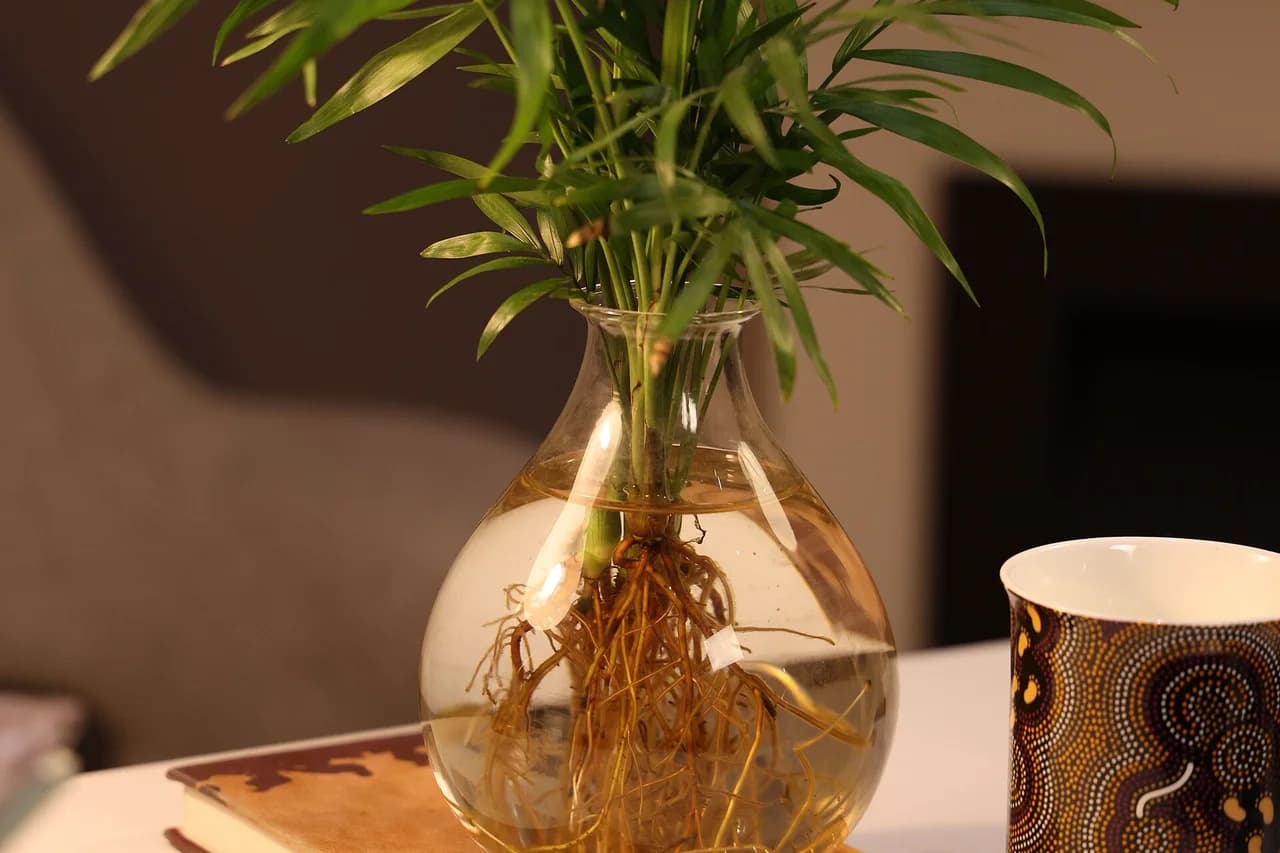
Image: Bhullargraphic (CC BY-SA 4.0) · Source
support
Parlor palm
Chamaedorea elegans
Also known as Neanthe bella palm (United States).
- sindh coast
International hardiness
- USDA 10-12
- RHS H1b
- AU: Tropical, Subtropical
Where it grows — regional guide
Never divide multi-trunk retail pots aggressively — separating intertwined fibrous palm roots frequently stalls growth or kills slender stems.
| Zones / rating | Regional notes |
|---|---|
USDA 10-12 | Outdoor understory palm across Frost-Free South Florida and coastal Southern California (USDA Zones 10–12); top ASPCA pet-safe feathery floor/tabletop palm indoors. |
| Zones / rating | Regional notes |
|---|---|
H1b (10 to 15C) | RHS H1b perennial grown indoors on bright north sills and shaded hallways since the 1840s without requiring huge conservatory volume. |
| Zones / rating | Regional notes |
|---|---|
Tropical, Subtropical | Shaded courtyard and veranda palm in tropical and subtropical coastal towns; clean pet-friendly indoor option across Melbourne and Sydney. |
| Zones / rating | Regional notes |
|---|---|
USDA 10-12 (USDA scale) Canada uses its own zone system; Canadian zones run roughly one lower than USDA. | No region-specific data yet |
| Zones / rating | Regional notes |
|---|---|
Sindh coast | No region-specific data yet |
Grows alongside
Species that appear with Parlor palm in 12 of our published guides — a starting list for a guild, not a planting plan.
Growing conditions and light
Parlor palm (Chamaedorea elegans) originates beneath dense, cool mountain rain-forest canopies across southern Mexico and Guatemala, making 75–150 foot-candles (fc) beside an unobstructed north window or 5–8 ft back in an east room its comfortable sweet spot. Direct afternoon glass bleaches thin leaflets pale yellow-green rapidly.
Indoors, slow-growing clustered canes mature compactly at 24–42 in tall and 20 in wide inside normal room warmth (65–80°F / 18–27°C) and tolerate mild dry air better than ferns when kept away from direct heating vents. Soil pH performs best around 6.0–7.0. See how parlor palm stacks up against taller kentia and lady palms in our best indoor plants for low light guide.
Watering, soil, and propagation
Unlike succulent snake or ZZ plants, parlor palm holds no water-swollen underground bulbs. Water thoroughly as soon as the top 1–2 in of soil feels dry (roughly every 7–10 days), draining excess saucer water immediately so fine roots never suffocate.
Use a rich yet airy blend containing three parts fibrous indoor mix and one part coarse perlite or pine bark, feeding lightly every 6–8 weeks in spring and summer at half strength with a balanced micro-element palm liquid. Commercial propagation happens exclusively from fresh Chamaedorea seeds rather than cutting clusters apart, as bare-root dividing shocks fibrous palm crowns.
Pests and common issues
Twospotted spider mites represent the primary indoor hazard on parlor palms during warm, dry 20–30% relative humidity winters, causing pale stippled speckles and fine silk along frond undersides. Rinse whole tops gently under tepid sink spray monthly and compare humidifier setups in our winter indoor humidity and misting guide.
Old outer trunks naturally shed single lower fronds brown every few months; snip dry lower petioles cleanly 1 in off the trunk rather than pulling green bark strips.
Safety and toxicity
Per ASPCA Animal Poison Control, Chamaedorea elegans is non-toxic to cats and dogs — one of the few true feathery palms safe around playful indoor pets (note: do not confuse pet-safe parlor or kentia palms with toxic sago palm Cycas revoluta, a stiff outdoor cycad). Compare additional cat-friendly options in our pet-safe houseplants guide.
Sourcing notes
Almost always sold as multi-cane clustered pots holding eight to twenty slender trunks; look for clean deep-green leaflets with zero fine webbing underneath fronds.
Frequently asked questions
Can parlor palm grow in a low-light north-facing window?
Yes. Native to shadowy Central American cloud-forest understories, Chamaedorea elegans performs well at 75–150 foot-candles on or within 4 feet of a clear north-facing sill. Avoid harsh direct western sun, which quickly scorches thin palm pinnae.
Are parlor palms safe for cats that bat at feathery leaves?
ASPCA Animal Poison Control classifies parlor palm as completely non-toxic to cats and dogs. Moving the pot onto an elevated plant stand keeps enthusiastic chewers from shredding delicate tips while still staying safe if sampled.
Why are tiny brown spots or stippled pale patches spreading on my parlor palm?
Tiny pale speckles accompanied by faint silk threads under the leaflets indicate spider mites, especially beside winter heating vents. Shower the foliage gently with lukewarm water every week and wipe fronds with insecticidal soap to clear mites.
Should I repot a parlor palm every year?
No — Chamaedorea elegans grows slowly and actually resists root disturbance. Leave multi-cane clusters slightly snug and step up by only 1–2 inches in pot width every two to three springs without tearing apart individual trunks.
References
- ASPCA Animal Poison Control — Toxic & Non-Toxic Plants Database (Parlor Palm Safe Listing)
- UF/IFAS Gardening Solutions — Houseplants Care, Light Needs & Palm Selection
- University of Georgia Cooperative Extension Bulletin 1318 — Growing Indoor Plants with Success
- University of Illinois Extension — Managing Houseplant Pests & Spider Mites Indoors